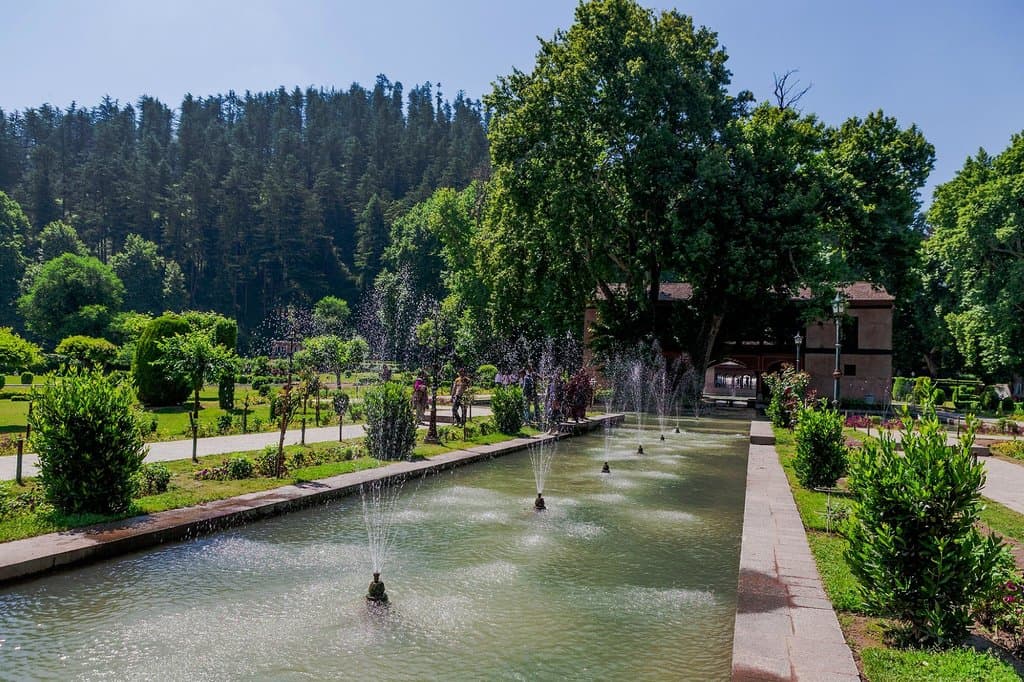
Achabal Gardens Srinagar
A serene Mughal garden in Kashmir, famed for its terraced beauty, cascading water, and majestic Chinar trees, built by Empress Nur Jahan.
Highlights
Must-see attractions

Social
From TikTok & Reddit
Best Time
Golden Chinar leaves glow
Achabal Gardens Srinagar
Best Time
Golden Chinar leaves glow
Highlights
Must-see attractions
A serene Mughal garden in Kashmir, famed for its terraced beauty, cascading water, and majestic Chinar trees, built by Empress Nur Jahan.
"Achabal Garden is one of the most beautiful Mughal gardens in Kashmir, offering a peaceful and refreshing escape."
🎯 Best time for Chinar colors
Visit in autumn (Sept-Nov) for stunning golden Chinar foliage .
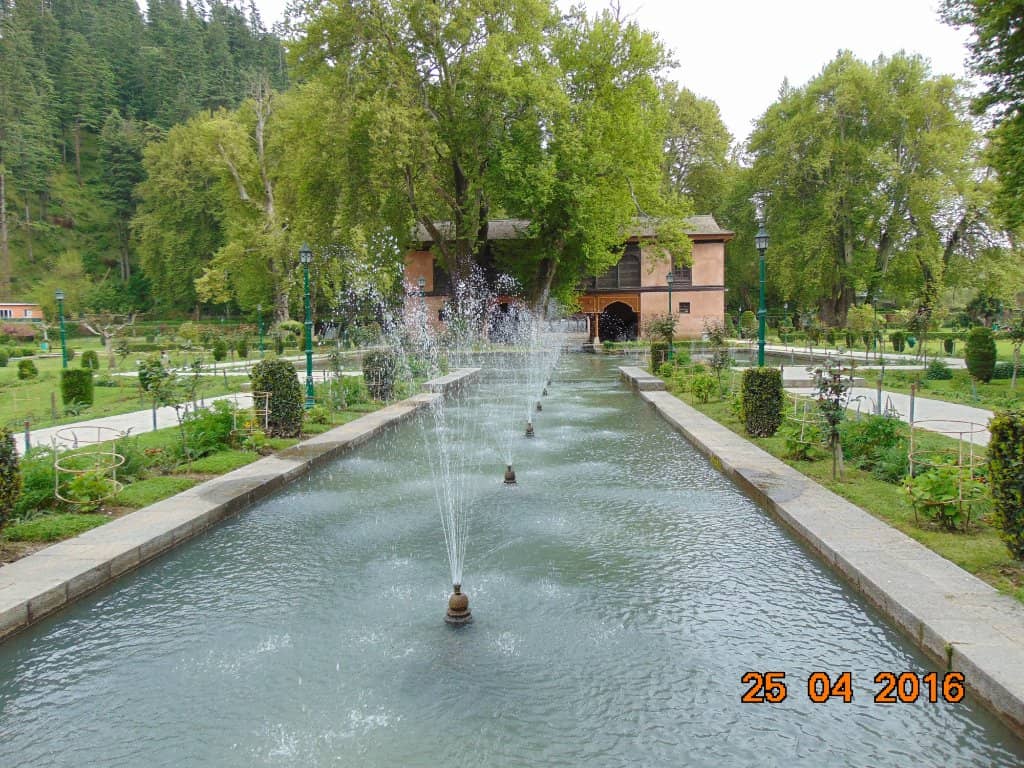
🚶♀️ Explore the terraces
Wander through the three levels and admire the cascading water features .
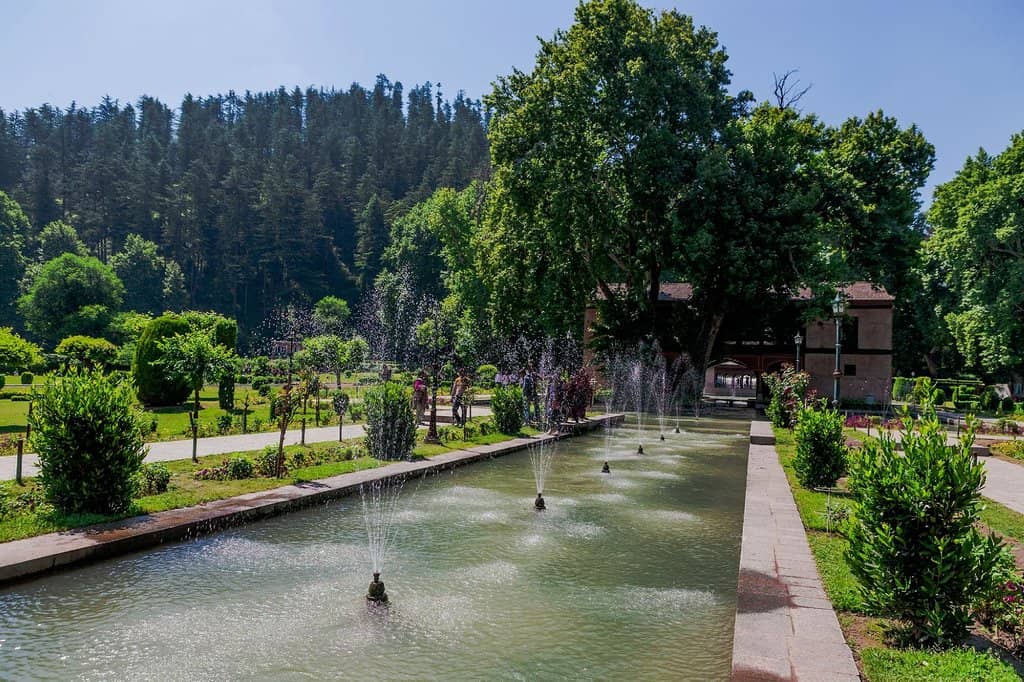
Highlights
Discover the most iconic attractions and experiences
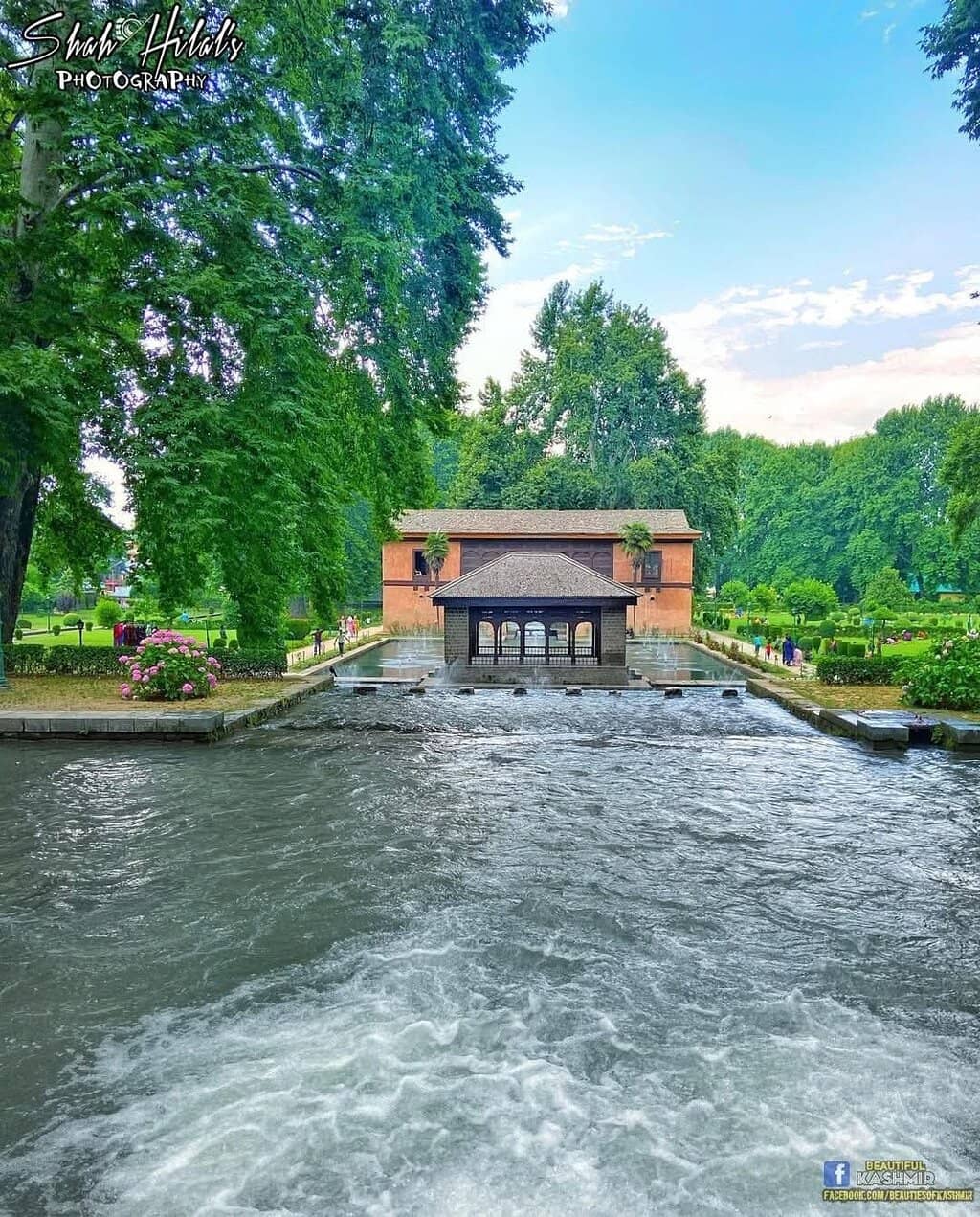
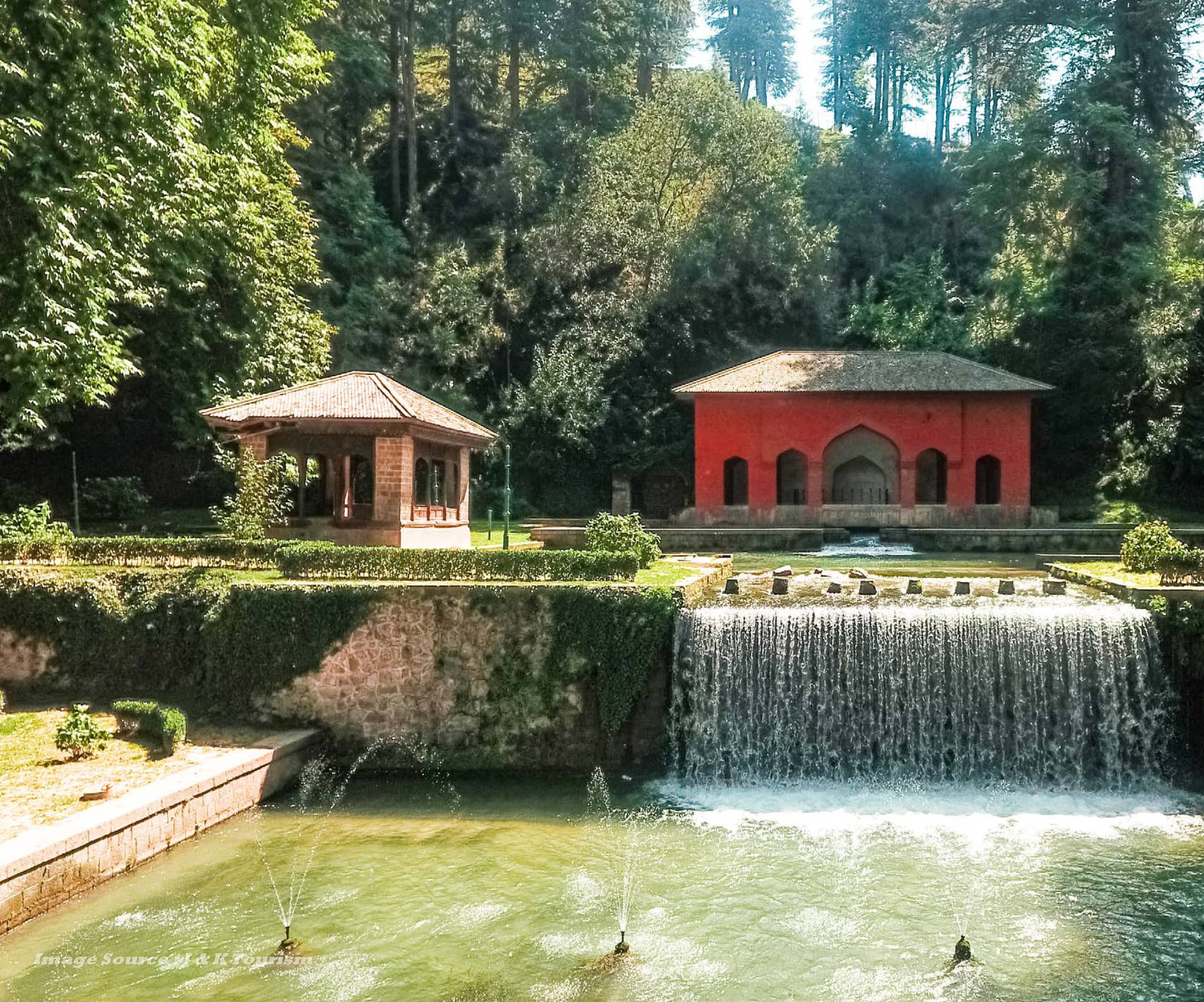
Cascading Chadars
Terraced levels
Witness water flowing over decorated stone ramps, creating mesmerizing cascades and fountains.
Majestic Chinar Trees
Throughout the gardens
Admire the ancient Chinar trees, especially vibrant in autumn with their golden foliage.
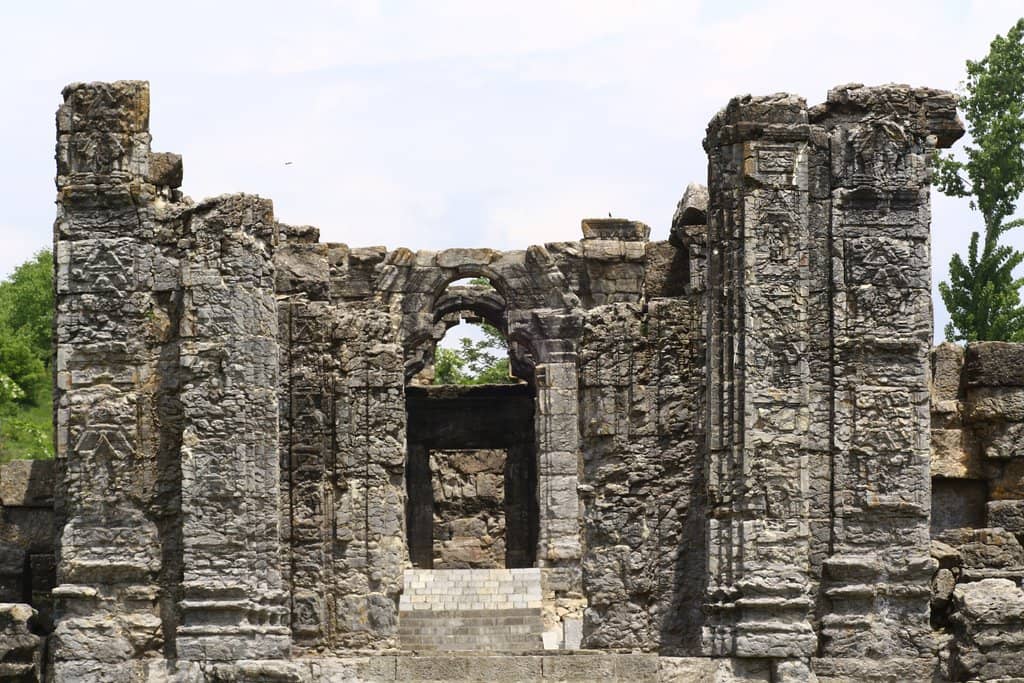
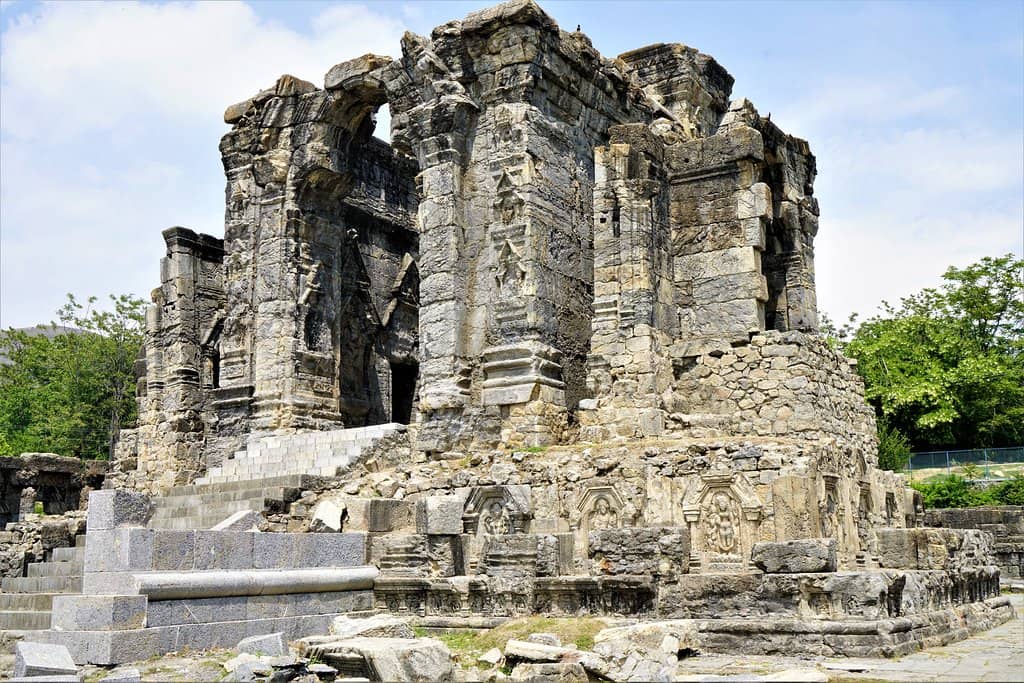
Nur Jahan's Legacy
Garden architecture
Explore the historic pavilions and ruins, including a baradari and a hammam, reflecting Mughal architecture.
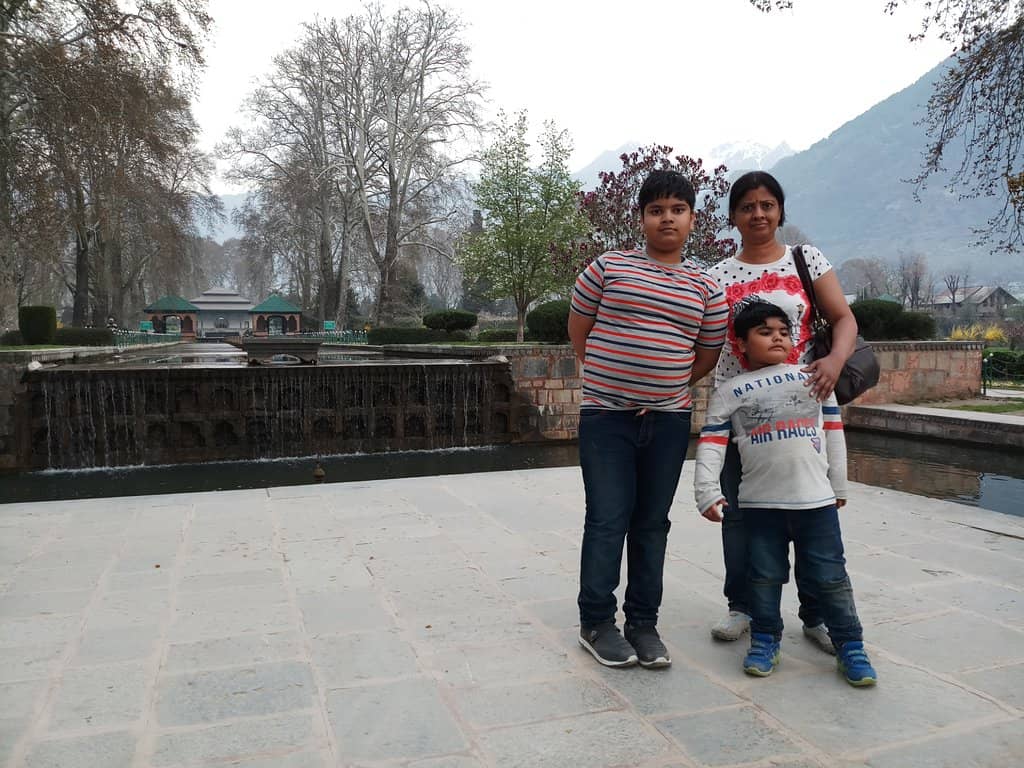
The Sacred Spring
Top of the hill
Discover the unique underground spring that nourishes the garden, believed to be a re-emergence of the Brengi River.
Plans like a pro.
Thinks like you
Planning Your Visit
Timing Your Visit for Peak Beauty
 +2 Spring (April-May) brings vibrant blooms. Consider visiting on weekdays to avoid larger crowds and enjoy the serene atmosphere.
Embrace the Mughal Legacy
+4 Explore the terraced levels, cascading water channels, and historic pavilions to truly appreciate its rich history.Best Times
Insider Tips
from TikTok, Instagram & Reddit
🎯 Best time for Chinar colors
Visit in autumn (Sept-Nov) for stunning golden Chinar foliage.
🚶♀️ Explore the terraces
Wander through the three levels and admire the cascading water features.
💰 Affordable entry fee
Expect a nominal ticket price, usually around ₹10-₹25.
💧 Watch out near water
Be mindful of small children near water channels and fountains.
Tips
from all over the internet
🎯 Best time for Chinar colors
Visit in autumn (Sept-Nov) for stunning golden Chinar foliage.
🚶♀️ Explore the terraces
Wander through the three levels and admire the cascading water features.
💰 Affordable entry fee
Expect a nominal ticket price, usually around ₹10-₹25.
💧 Watch out near water
Be mindful of small children near water channels and fountains.
📸 Perfect for photographers
Capture the Mughal architecture, Chinar trees, and water features.
What Travellers Say
Reviews Summary
Achabal Gardens are praised for their serene atmosphere, beautiful terraced layout, and historical Mughal architecture, especially the cascading water features and majestic Chinar trees. Visitors appreciate its less crowded nature compared to other gardens. However, some reviews note a need for improved maintenance, particularly regarding cleanliness and water clarity, to fully preserve its charm.
"Beautiful garden but needs better care...
Achabal Garden is a truly beautiful and historic place, with lovely natural surroundings and flowing springs. However, the water is very dirty and the garden as a whole needs proper care and maintenance. Visitors also tend to litter.. especially with plastic, which spoils the charm of the garden. Strict laws and better upkeep are needed to preserve its beauty."
Farheen Afzal
"Achabal Garden is one of the most beautiful Mughal gardens in Kashmir. The terraced layout, flowing spring water, and huge chinar trees make it a peaceful and refreshing place to visit. It’s less crowded compared to other gardens, so you can really enjoy the calm atmosphere. The water channels and fountains are soothing, and the garden looks especially magical in autumn when the chinars turn golden.
Entry is reasonable, but maintenance could be improved in some areas (especially dustbins). Overall, a must-visit spot near Anantnag for history lovers,families, and photographers."
Ansars Photography (Ansars Photography)
"Origins & Architecture
Built around 1620 AD by Empress Nur Jahan, later remodeled by Jahanara Begum between 1634–1640, Achabal follows the classic Persian Charbagh layout adapted to its hillside topography.
Originally spanning multiple terraces, today it comprises three levels, with water cascading from an underground spring atop the hill through engraved water ramps known as chadars, creating beautiful water features and fountains.
Sacred Spring
The garden is nourished by an underground spring, believed to be a re-emergence of the Brengi River, which vanishes in Dewalgam and resurfaces here, a unique hydrological phenomenon. Early visitors tested this by releasing chaff at the disappearance point, which reappeared in the garden’s spring.
Described as issuing “with violence, as if from the bottom of some well,” its cold, abundant water formed a majestic waterfall and sheet cascade in the central terrace.
Restorations & Public Access
After falling into decay, the Garden was partially revived in the 19th century by Maharaja Gulab Singh during the Dogra era; today it operates as a public garden offering historical ambience and scenic beauty.
---
🌳 Design & Features
Terraces & Water Channels
The garden is laid out on three terraces. A central axial stream with fountain basins cuts through them, flanked by side channels and chadars that connect levels with water flowing over decorated stone ramps.
Architectural Highlights
Includes baradari-style pavilions, a two-story balahdari that straddles the central pool, and ruins of a Mughal-era hammam (warm water bath). A mosque attributed to Prince Dara Shikoh also stands within the premises.
Natural Elements
Ancient Chinar and deodar trees, manicured flower beds, and seasonal blooms (roses, marigolds, tulips) enhance the garden’s charm—particularly stunning in spring, summer, and autumn"
S A SHEIKH
What People Like
What People Dislike
Frequently Asked Questions
🚇 🗺️ Getting There
Achabal Gardens are located about 58-65 km south of Srinagar.
While direct public transport might be limited, you can take a bus from Srinagar to Anantnag and then a local taxi or shared auto-rickshaw to Achabal Gardens. It's advisable to check local bus schedules in advance.
Achabal town is relatively small. Once you reach Achabal, the gardens are usually within walking distance or a short auto-rickshaw ride from the main town area.
Yes, there are usually parking facilities available near the entrance of Achabal Gardens for visitors arriving by private vehicles.
Absolutely! Achabal Gardens make for an excellent day trip from Srinagar. You can easily spend a few hours exploring the gardens and return to Srinagar in the evening.
🎫 🎫 Tickets & Entry
Achabal Gardens are typically open daily from around 8-9 AM to 7-8:30 PM. It's always a good idea to confirm the exact timings upon arrival or check local tourism websites.
The entry fee for Achabal Gardens is nominal, usually ranging from ₹10 to ₹25 per person. This makes it a very affordable attraction.
No, advance booking is generally not required for Achabal Gardens. Tickets can be purchased at the entrance upon arrival.
Achabal Gardens are usually open throughout the week. There are no widely publicized regular closure days, but it's wise to check for any local holidays or special events.
Typically, there is no separate fee for personal photography. However, professional or commercial photography might require special permissions and fees.
📸 📸 Photography
The cascading water channels (chadar), the ancient Chinar trees, the Mughal-era pavilions, and the terraced layouts offer fantastic photographic opportunities. The gardens are especially picturesque in autumn.
Early morning or late afternoon offers the best natural light for photography, minimizing harsh shadows and creating a softer, more appealing ambiance. Golden hour is particularly magical.
Drone usage is generally restricted in and around historical sites and gardens to preserve the tranquility and for security reasons. It's best to assume drones are not permitted unless explicitly stated otherwise.
A versatile lens (like a 24-70mm) is great for capturing landscapes and architectural details. A wide-angle lens can be useful for the expansive garden views, and a telephoto lens can isolate details of the Chinar trees or pavilions.
Yes, the water features and fountains are a major attraction and are perfect for photography. Capturing the movement of water with a slightly longer exposure can create beautiful, silky effects.
🍽️ 🍽️ Food & Dining
There are usually limited food options directly inside the gardens. You might find some local vendors selling snacks or beverages near the entrance. It's advisable to eat before or after your visit.
Near Achabal Gardens, you can find local Kashmiri cuisine. Look for restaurants serving Wazwan (a multi-course meal), Rogan Josh, and other regional specialties. Simple dhabas might offer snacks and tea.
Achabal town offers a few local eateries. For a wider variety of dining experiences, it's recommended to dine in Anantnag or Srinagar, which are larger towns with more restaurant choices.
Picnicking is generally allowed in designated areas of public gardens. However, it's crucial to clean up after yourself and dispose of waste properly to maintain the garden's beauty.
You might find local tea stalls near the garden entrance or in Achabal town offering Kahwa. For a more authentic experience, try local cafes in Anantnag or Srinagar.
🎫 🌳 Onsite Experience
Achabal Gardens offer a peaceful and refreshing atmosphere, less crowded than other famous Mughal gardens. The sound of flowing water and the greenery create a serene environment.
An ideal visit duration is around 45 minutes to an hour to explore the terraces, water features, and enjoy the scenery. You can spend longer if you wish to relax and soak in the ambiance.
While official guided tours might not always be available, local guides may offer their services at the entrance. You can also explore independently and learn about the history from information boards if available.
The gardens are laid out on three terraces with a central axial stream, fountain basins, and side channels with 'chadar' water ramps. They also feature baradari pavilions and ruins of a hammam.
The terraced nature of the garden and the presence of steps might pose challenges for individuals with significant mobility issues. It's advisable to proceed with caution and focus on the lower terraces if needed.
For Different Travelers
Tailored advice for your travel style
👨👩👧 Families with Kids
📸 Photographers' Paradise
🚶 History Buffs & Culture Enthusiasts
+4 The unique sacred spring and the historical context of the Charbagh layout provide a deep dive into the region's cultural heritage.Deep Dives
In-depth insights and expert knowledge
The History and Architecture of Achabal Gardens
+4 Later, Jahanara Begum, her daughter, remodeled the gardens between 1634 and 1640, adhering to the classic Persian Charbagh layout but adapted to the hillside topography.The architectural highlights include elegant baradari-style pavilions, which are open, multi-pillared halls, and a unique two-story balahdari that gracefully straddles the central pool. Ruins of a Mughal-era hammam (warm water bath) also hint at the grandeur of its past. A mosque attributed to Prince Dara Shikoh further adds to the historical significance of the site.
Today, Achabal Gardens operate as a public garden, offering visitors a glimpse into this historical period. Despite some decay over centuries, partial restorations, particularly during the Dogra era by Maharaja Gulab Singh, have helped preserve its charm. The gardens continue to be a place where history, architecture, and nature converge beautifully, offering a serene escape for visitors.
The Sacred Spring and Water Features
The water system is ingeniously designed to cascade from the spring atop the hill through engraved water ramps known as 'chadar'. These chadars create beautiful sheet cascades and waterfalls as the water flows down the terraced levels.
This sophisticated water management system not only serves an aesthetic purpose but also highlights the engineering ingenuity of the Mughal period. The interplay of water, stone, and greenery is a hallmark of Mughal garden design, and Achabal Gardens exemplify this beautifully, offering a sensory experience that is both calming and captivating for visitors.
Seasonal Beauty: Blooms and Chinar Foliage
However, it is autumn that truly sets Achabal Gardens ablaze with color. The ancient Chinar trees, a prominent feature of the garden, turn brilliant shades of gold, orange, and red, creating a breathtaking spectacle.
+2 This seasonal transformation makes autumn a particularly magical time to visit, drawing photographers and nature lovers alike to witness the fiery foliage against the backdrop of Mughal architecture.While winter offers a different kind of stark beauty, the best seasons for experiencing the full splendor of Achabal Gardens are generally from spring through early autumn. The combination of historical architecture, flowing water, and the dramatic seasonal changes in foliage ensures that each visit can offer a new and memorable perspective.
Social
from TikTok, Instagram & Reddit