
Bounoura M'zab Valley Ghardaia
Explore the ancient, fortified ksars of the M'zab Valley, a UNESCO World Heritage site, and discover the unique Ibadi culture in the Algerian Sahara.
Highlights
Must-see attractions

Social
From TikTok & Reddit
Best Time
Beat the desert heat
Bounoura M'zab Valley Ghardaia
Best Time
Beat the desert heat
Highlights
Must-see attractions
Explore the ancient, fortified ksars of the M'zab Valley, a UNESCO World Heritage site, and discover the unique Ibadi culture in the Algerian Sahara.
"A visually stunning and culturally rich destination that offers a unique glimpse into a preserved way of life."
🤝 Hire a Local Guide
Essential for navigating narrow streets, accessing hidden spots, and understanding local culture.
📸 Ask Before You Snap
Be respectful when photographing people. Always seek permission first to avoid causing offense.

Highlights
Discover the most iconic attractions and experiences
The Ancient Ksars
Ghardaïa, Beni Isguen, Melika, Bounoura, El Atteuf
Explore the unique, fortified Berber cities with their distinctive architecture and labyrinthine streets.
Beni Isguen's Spiritual Center
Beni Isguen
Discover the spiritual heart of the M'zab, known for its piety, social discipline, and strong community values.

Traditional Artisan Crafts
Ghardaïa markets
Admire and purchase unique Mozabite crafts, especially traditional carpet weaving and wool garments.
The Palmeraie of Beni Isguen
Beni Isguen
Find a peaceful oasis amidst the desert, with majestic palm trees and traditional alleyways.
Plans like a pro.
Thinks like you
Planning Your Visit
Respect Local Customs & Photography
Embrace the Desert Pace

Best Times
Insider Tips
from TikTok, Instagram & Reddit
🤝 Hire a Local Guide
Essential for navigating narrow streets, accessing hidden spots, and understanding local culture. +1
📸 Ask Before You Snap
Be respectful when photographing people. Always seek permission first to avoid causing offense.
👟 Comfortable Walking Shoes
You'll be doing a lot of walking on uneven terrain and narrow paths.
💧 Stay Hydrated
The desert climate is dry. Carry plenty of water, especially during warmer months.
Tips
from all over the internet
🤝 Hire a Local Guide
Essential for navigating narrow streets, accessing hidden spots, and understanding local culture. +1
📸 Ask Before You Snap
Be respectful when photographing people. Always seek permission first to avoid causing offense.
👟 Comfortable Walking Shoes
You'll be doing a lot of walking on uneven terrain and narrow paths.
💧 Stay Hydrated
The desert climate is dry. Carry plenty of water, especially during warmer months.
🛍️ Explore Local Markets
Discover unique handicrafts, especially traditional carpets and wool items.
🧥 Understand the Haik
See how men wear the traditional Haik for specific religious or community roles.
What Travellers Say
Reviews Summary
Visitors consistently praise the M'zab Valley for its unique and visually stunning architecture, offering a glimpse into a distinct cultural and historical heritage. The ancient ksars and the Ibadi way of life are highlighted as particularly fascinating. However, some travelers report feeling harassed when attempting to take photographs, emphasizing the need for sensitivity and local guidance.
"Very beautiful place and very interesting visually. my only complaint is that you are constantly harassed for taking pictures, so you always have to be scared and worried about people's reaction if you attempt to take a picture. Do get a local guide, who will take you to unaccessable spots and towers, it will be well worth it."
The Silk Road
"Get a good guide to this historical place. You need to spend an hour to navigate around the narrow streets and go on top of thr highest point which is an Ibadi mosque"
Fahmey Eusoff
"Beautiful views of Ghardaia. The guide at the office of tourism was very kind."
Sonia li
What People Like
What People Dislike
Frequently Asked Questions
🚇 🗺️ Getting There
The most common way to reach Ghardaïa is by flying into Ghardaïa Airport (GHA). Alternatively, long-distance buses operate from major Algerian cities like Algiers. Once in Ghardaïa, local taxis or pre-arranged transport can take you to the different ksars within the M'zab Valley.
Traveling between the five main ksars (Ghardaïa, Beni Isguen, Melika, Bounoura, El Atteuf) is best done by taxi or with a hired guide who can arrange transport. Some areas are walkable within a ksar, but distances between them require a vehicle.
Within Ghardaïa town, walking is feasible for exploring the immediate souk and central areas. For visiting the surrounding ksars or the Palmeraie, taxis are readily available. Hiring a car with a driver for a day is also a convenient option.
The main challenge is the desert heat, so early morning or late afternoon travel is advisable. Roads within the older ksars can be narrow and winding, making them best explored on foot.
Ride-sharing apps are not widely available or as common in Ghardaïa as in larger cities. It's generally more reliable to use local taxis or arrange transport through your accommodation or a local tour agency.
🎫 🎫 Tickets & Entry
Generally, there are no entrance fees for the M'zab Valley or the public areas of the ksars. However, some specific historical sites or museums might have small admission fees. It's always good to check locally.
Most attractions, like markets and public spaces, follow local daily rhythms. Mosques are open for prayer times. It's best to visit during daylight hours for exploration. Some historical sites might have specific visiting hours.
Non-Muslims are generally not permitted to enter mosques in the M'zab Valley, especially during prayer times. However, you can admire their exterior architecture, including the distinctive minarets.
Yes, hiring a local guide is highly recommended and often essential for a meaningful visit. Guides can be arranged through the local tourism office or your accommodation. They provide invaluable insights and access. +1
Modest dress is essential. Women should cover their shoulders, arms, and legs. Men should also dress modestly, avoiding shorts. This respects the conservative culture of the region.
🎫 🧭 Onsite Experience
The best way is on foot. Wear comfortable shoes and be prepared for winding, narrow alleys. A local guide can help you navigate and point out interesting architectural details and historical significance. +1
The main attractions are the five ancient ksars: Ghardaïa, Beni Isguen, Melika, Bounoura, and El Atteuf. Each has its unique character, architecture, and historical significance. The Palmeraie of Beni Isguen is also a notable natural attraction.
Ghardaïa is generally considered safe for tourists. However, like any destination, it's wise to be aware of your surroundings, especially in crowded markets. Respecting local customs is key to a positive experience.
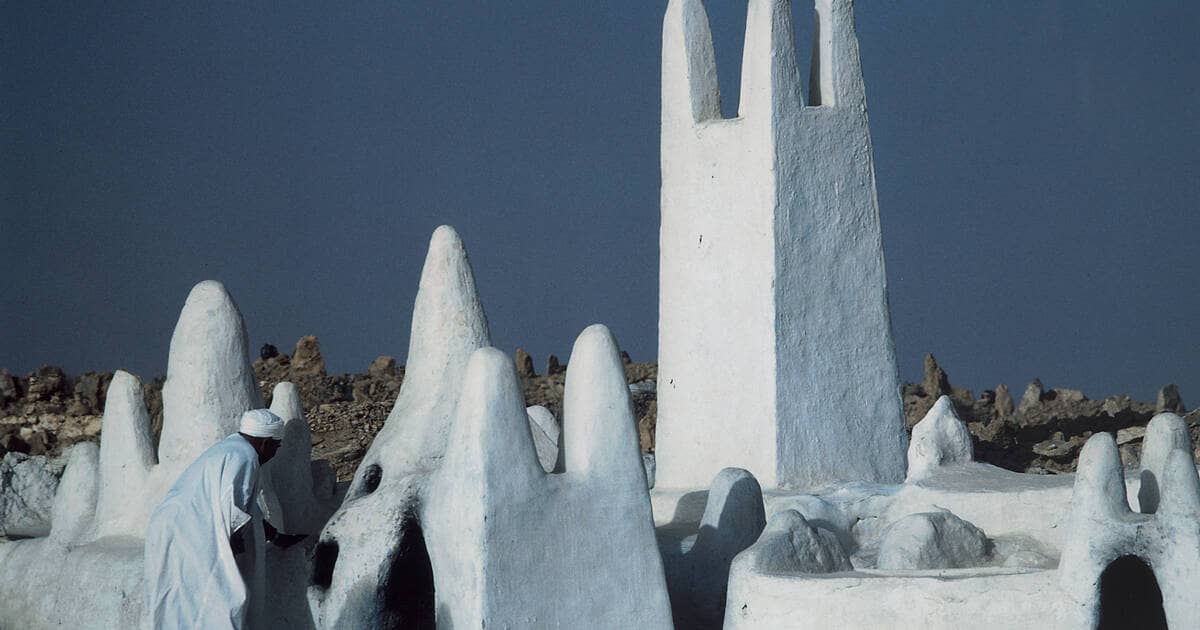
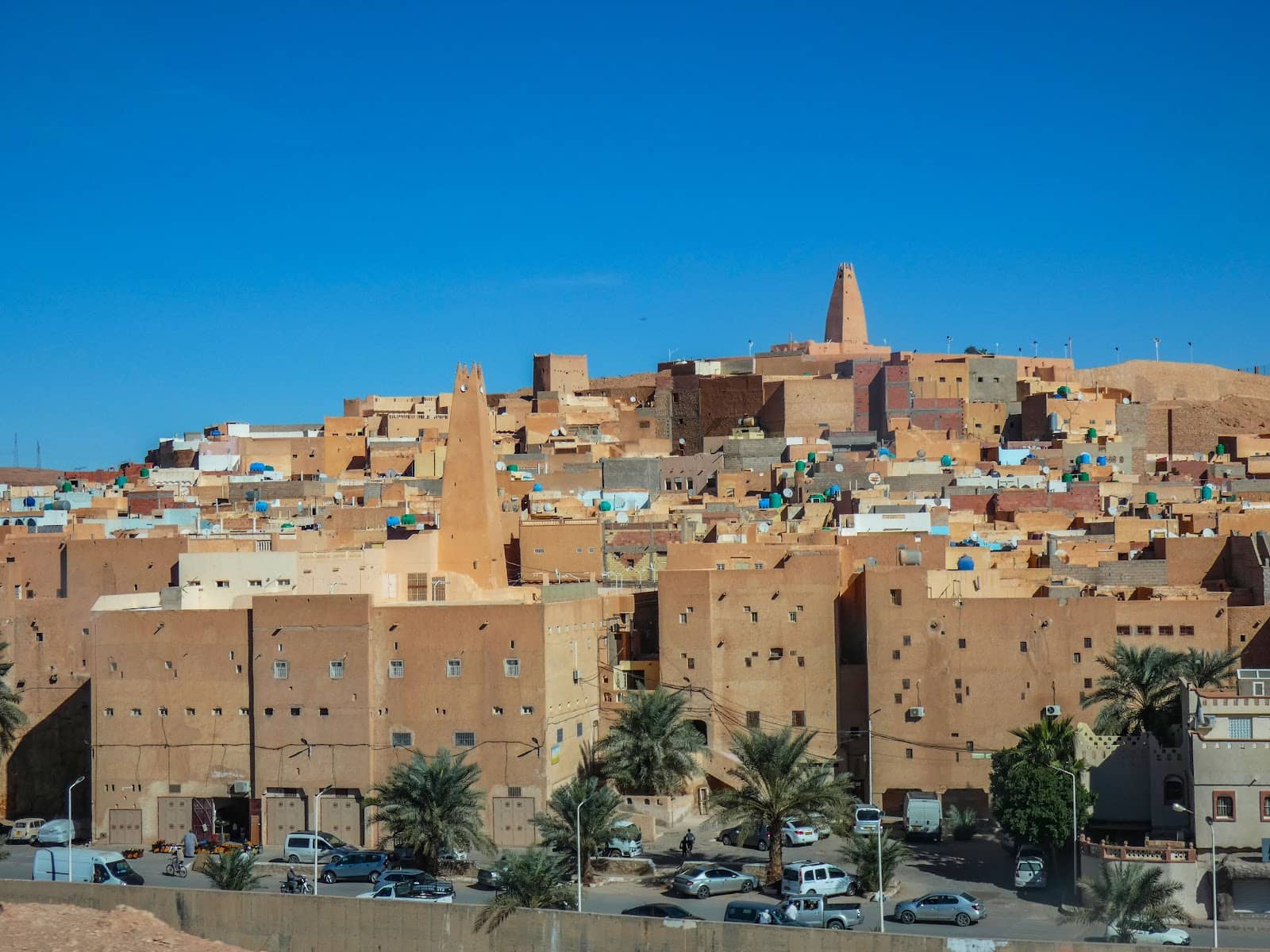
Expect unique, functional, and defensive architecture adapted to the desert environment. Buildings are often made of adobe or stone, with flat roofs and a distinctive pyramidal minaret style. The ksars are designed for community living and defense.
Respect for elders, modest dress, and asking permission before taking photos are crucial. The M'zab Valley has a strong sense of community and tradition, so observing and respecting local customs is paramount.
🍽️ 🍽️ Food & Dining
While Ghardaïa is known more for its culture and history, you can find traditional Algerian cuisine. Look for couscous, tagines, and local pastries. Many restaurants offer simple, hearty meals.
Restaurant options are more limited within the older ksars. Ghardaïa town itself has more choices, ranging from local eateries to more established restaurants. Exploring local markets might offer street food options.
Vegetarian options are usually available, especially in dishes based on vegetables and grains like couscous. Vegan options might require specific requests, as many traditional dishes incorporate meat or dairy.
Meal times are similar to other parts of Algeria. Lunch is typically the main meal, taken in the early afternoon. Dinner is usually lighter and eaten in the evening.
It is generally recommended to drink bottled water in Ghardaïa to avoid any potential stomach issues, especially if you are not accustomed to the local water.
📸 📸 Photography
The entire M'zab Valley is a photographer's dream! Focus on the unique architecture of the ksars, the winding alleyways, the distinctive minarets, and the desert landscapes. The Palmeraie of Beni Isguen offers beautiful natural shots.
Yes, be very mindful of local sensitivities. Always ask for permission before photographing people, especially women and children. Avoid photographing military or government buildings.
Early mornings and late afternoons offer the best light for photography, creating a warm, golden glow on the adobe structures. Midday sun can be harsh.
Drone usage may require special permits and is subject to strict regulations. It's advisable to check with local authorities or your tour operator before flying a drone.
A versatile lens (like a 24-70mm) is useful for capturing both wide architectural shots and details. A wide-angle lens is great for the narrow streets. A polarizing filter can help manage the desert light.
For Different Travelers
Tailored advice for your travel style
👨👩👧 Families with Kids
While the focus is on history and culture, ensure children are dressed modestly and stay hydrated. The Palmeraie of Beni Isguen can be a pleasant spot for a family stroll. Be mindful that photography can be sensitive, so guide children on respectful behavior. Hiring a local guide can make the experience more engaging for all ages by bringing the history to life.
🚶♀️ Solo Travelers
Be prepared for a conservative environment and dress modestly. Engaging with locals, even with language barriers, can be very enriching. The unique architecture and the quiet rhythm of life offer a contemplative travel experience. Embrace the opportunity to learn about a distinct way of life.
📸 Photography Enthusiasts
+1Remember to be respectful when photographing people and always ask for permission. The best times for photography are early morning and late afternoon to capture the golden hour light. Exploring the Palmeraie of Beni Isguen also provides beautiful natural compositions. Be aware of any drone regulations if you plan to use aerial photography.
Deep Dives
In-depth insights and expert knowledge
The Ibadi Faith and Mozabite Society
+1This unique religious and social structure has allowed the Mozabites to maintain a cohesive and self-governing community, even within a larger, more diverse nation. The architecture itself reflects this communal ethos, with ksars designed for collective living and defense. The social discipline and adherence to traditional values are evident in daily life and are a key aspect of the M'zab experience.
Visitors often remark on the sense of order and the preserved way of life. Understanding the Ibadi faith and its influence is crucial to appreciating the M'zab Valley's distinctiveness. It's a living testament to how a community can thrive by adhering to its core principles and traditions.
Architectural Marvels of the Desert
+1The houses are typically clustered together, forming a labyrinth of narrow, shaded alleyways that protect inhabitants from the sun's intensity. Flat roofs, often used as living spaces in the cooler evenings, are a common feature. The iconic pyramidal minarets of the mosques are a distinctive element of the skyline, designed to be visible from afar and to amplify the call to prayer.
Exploring these ancient cities feels like stepping back in time. The organic layout, the subtle color palette of the buildings, and the ingenious use of space all contribute to a unique aesthetic. The Palmeraie of Beni Isguen also showcases a harmonious integration of human settlement with nature, with palm trees providing shade and sustenance.
The Art of Mozabite Handicrafts
Beyond carpets, you'll find a variety of other artisanal products. This includes traditional wool garments, leather goods, and decorative items. Visiting the local souks and artisan shops offers a chance to see these crafts being made and to purchase authentic souvenirs.
Engaging with local artisans provides a deeper understanding of their skills and the cultural heritage they preserve. The craftsmanship reflects generations of knowledge passed down, making these items more than just souvenirs – they are pieces of history and culture.
Social
from TikTok, Instagram & Reddit