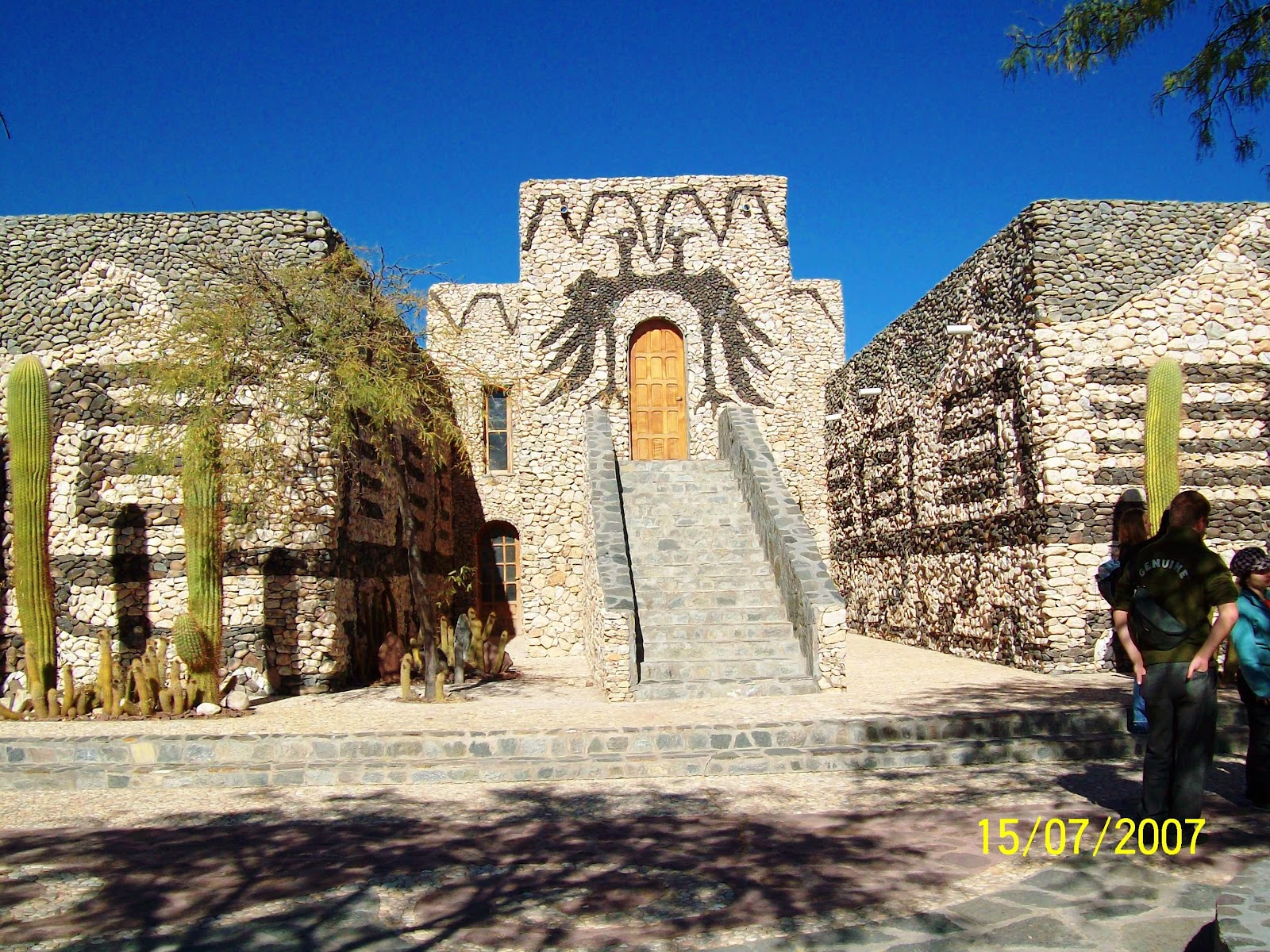
Amaicha del Valle
A unique indigenous community in Tucumán, known for its sunny microclimate, vibrant culture, and stunning natural beauty.
Highlights
Must-see attractions

Social
From TikTok & Reddit
Best Time
Sunny days abound
Amaicha del Valle
Best Time
Sunny days abound
Highlights
Must-see attractions
A unique indigenous community in Tucumán, known for its sunny microclimate, vibrant culture, and stunning natural beauty.
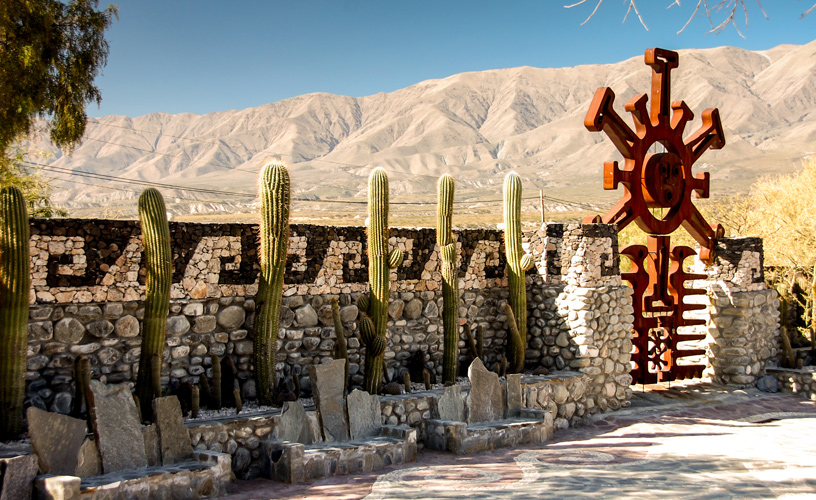
☀️ Embrace the Sun
Enjoy Amaicha's microclimate; 360 sunny days mean you're likely to have great weather! :sunwithface:
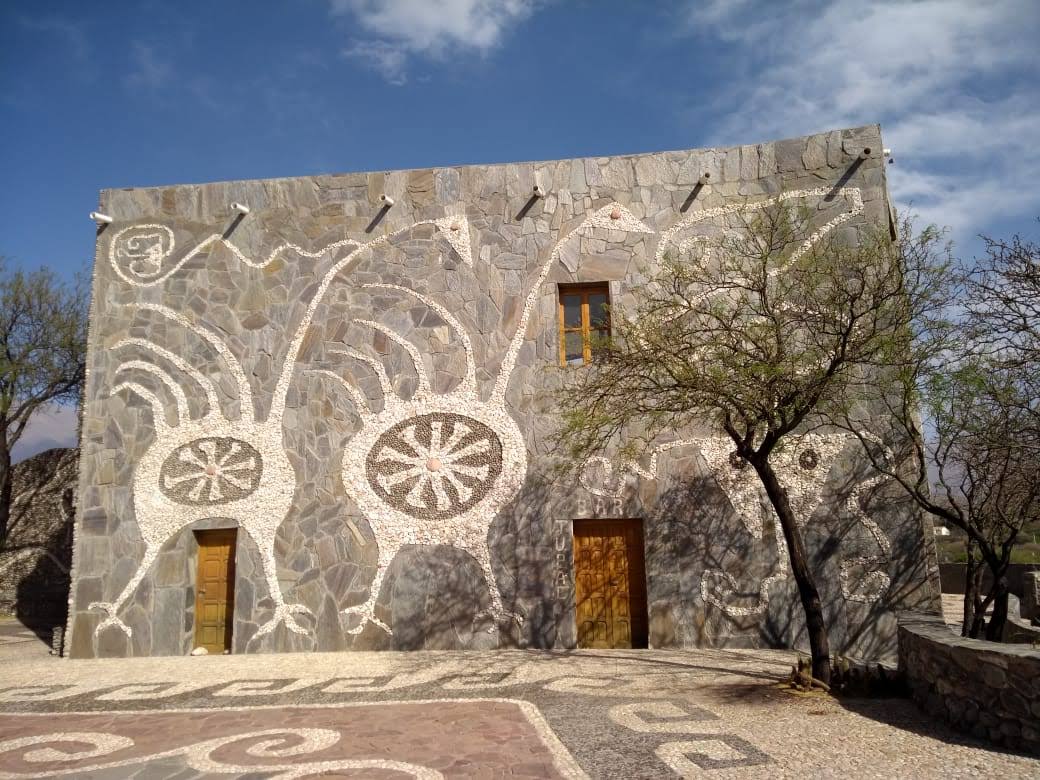
🏛️ Visit the Pachamama Museum
A must-see for understanding local culture and art. :museum:
Quick Facts
Highlights
Discover the most iconic attractions and experiences
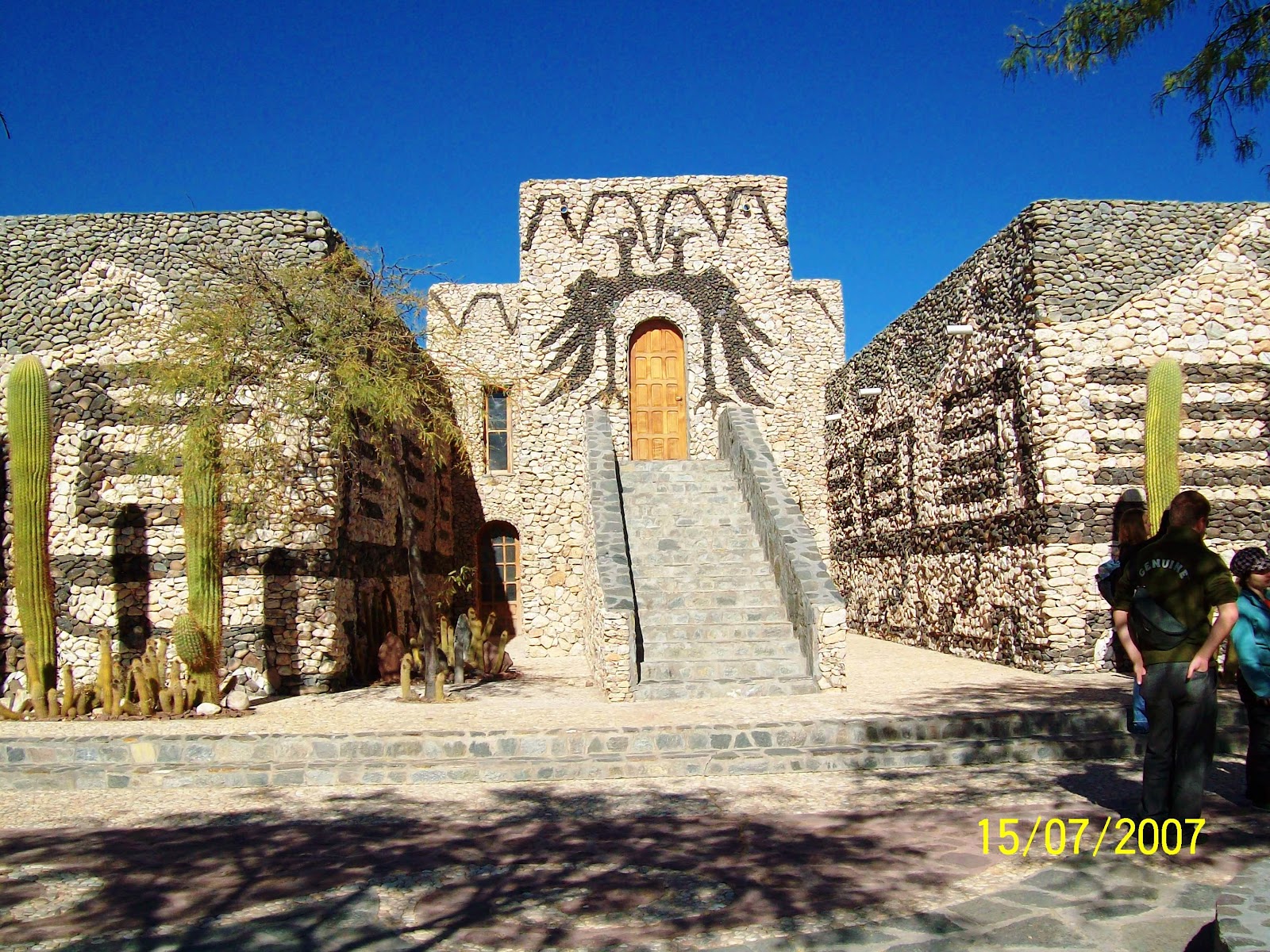
Museo de la Pachamama
Main town
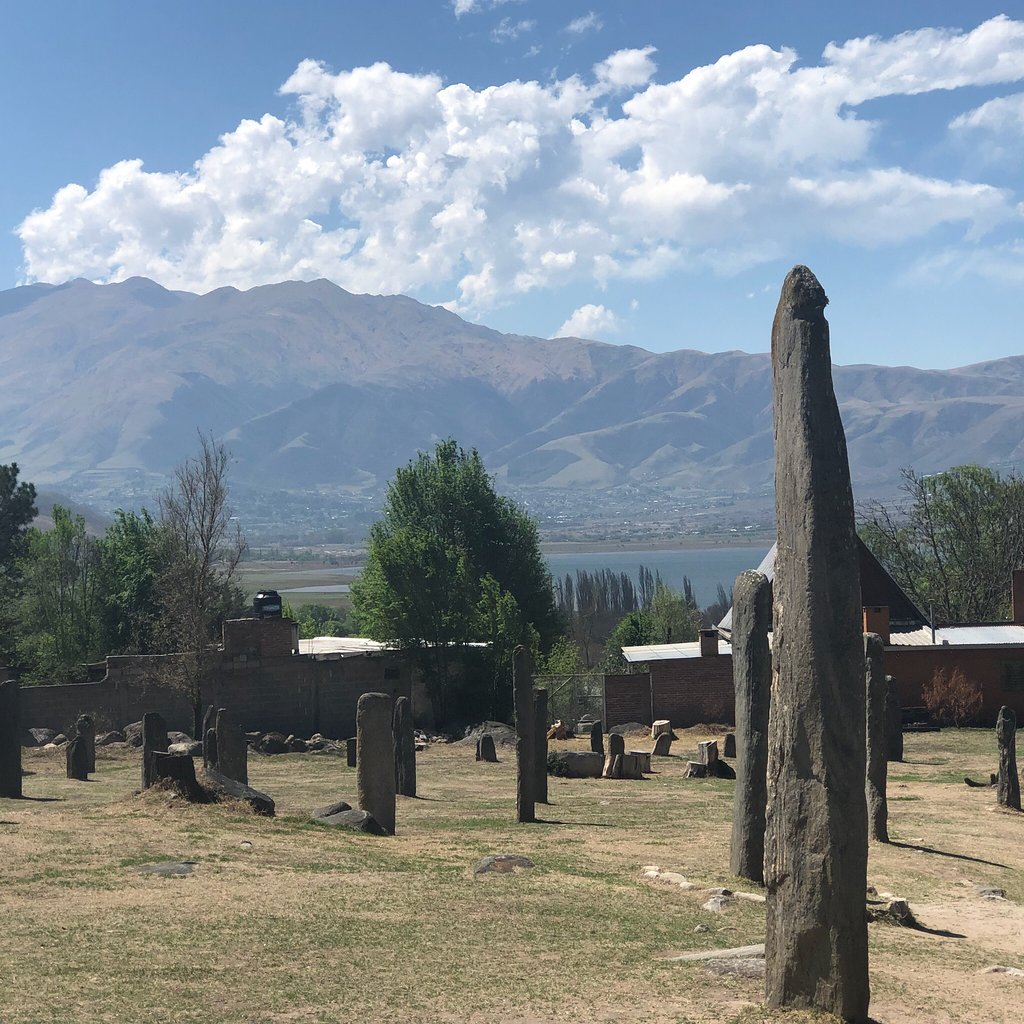
A vibrant tribute to Mother Earth, showcasing indigenous culture, art, and geology through monumental sculptures.
Cascadas El Remate
Near Amaicha del Valle
Discover a magical natural spot where waterfalls and mountains create a serene and awe-inspiring landscape.
Bodega Los Amaichas
Near Amaicha del Valle
Experience Latin America's first community-run indigenous winery, a unique project by 40 local families.
Ciudad Sagrada de los Quilmes
Near Amaicha del Valle
Explore the impressive ruins of an ancient indigenous city, offering a glimpse into pre-Hispanic history.
Plans like a pro.
Thinks like you
Planning Your Visit
Embrace the Sun and Culture
Getting Around & Staying Connected
Best Times
Insider Tips
from TikTok, Instagram & Reddit
☀️ Embrace the Sun
Enjoy Amaicha's microclimate; 360 sunny days mean you're likely to have great weather! :sunwithface:
🏛️ Visit the Pachamama Museum
A must-see for understanding local culture and art. :museum: 
🍷 Taste Local Wine
Tour Bodega Los Amaichas, the first indigenous community winery in Latin America. :wine_glass:
🏞️ Explore Natural Beauty
Don't miss Cascadas El Remate for stunning waterfalls and mountain views. 💦
Tips
from all over the internet
☀️ Embrace the Sun
Enjoy Amaicha's microclimate; 360 sunny days mean you're likely to have great weather! :sunwithface:
🏛️ Visit the Pachamama Museum
A must-see for understanding local culture and art. :museum:
🍷 Taste Local Wine
Tour Bodega Los Amaichas, the first indigenous community winery in Latin America. :wine_glass:
🏞️ Explore Natural Beauty
Don't miss Cascadas El Remate for stunning waterfalls and mountain views. 💦
📱 Offline Maps Recommended
Cell service can be unreliable; download maps and info beforehand. :iphone:
What Travellers Say
Reviews Summary
Visitors praise Amaicha del Valle for its unique microclimate, rich indigenous culture, and stunning natural landscapes. The Museo de la Pachamama and the community-run winery are frequently highlighted as must-visit attractions. Some travelers note that transportation can be a challenge, and cell service is unreliable.
What People Like
What People Dislike
Frequently Asked Questions
🚇 🗺️ Getting There
The most common way is by bus with Aconquija, though it can be pricey. Some travelers opt for hitchhiking. Alternatively, consider arranging private transport or a taxi for more flexibility.
The town is walkable, but for exploring nearby attractions like Cascadas El Remate or the Ciudad Sagrada de los Quilmes, local taxis or pre-arranged rides are recommended.
Travel between these valleys is typically done via bus services like Aconquija. The journey offers scenic views but can be costly.
Yes, driving is a viable option, especially if you plan to explore the wider Calchaquí Valleys. The roads can be winding, so drive cautiously.
Yes, some tour operators offer packages that include transport, accommodation, and guided hikes, particularly around local festivals.
🎫 🎫 Tickets & Entry
Amaicha del Valle itself is a town and doesn't have an entrance fee. However, specific attractions like the Museo de la Pachamama may charge a small admission fee.
Opening hours can vary, but it's generally open during daylight hours. It's advisable to check locally or with your accommodation for the most up-to-date information.
While not always mandatory, booking in advance is recommended, especially during peak season or if you want a specific tour time. Contacting the bodega directly is the best approach.
Yes, there is typically an entrance fee to visit the archaeological site of the Ciudad Sagrada de los Quilmes.
Tickets for most attractions can be purchased on-site. For community-run projects like the winery, direct inquiry is best.
🎫 🧭 Onsite Experience
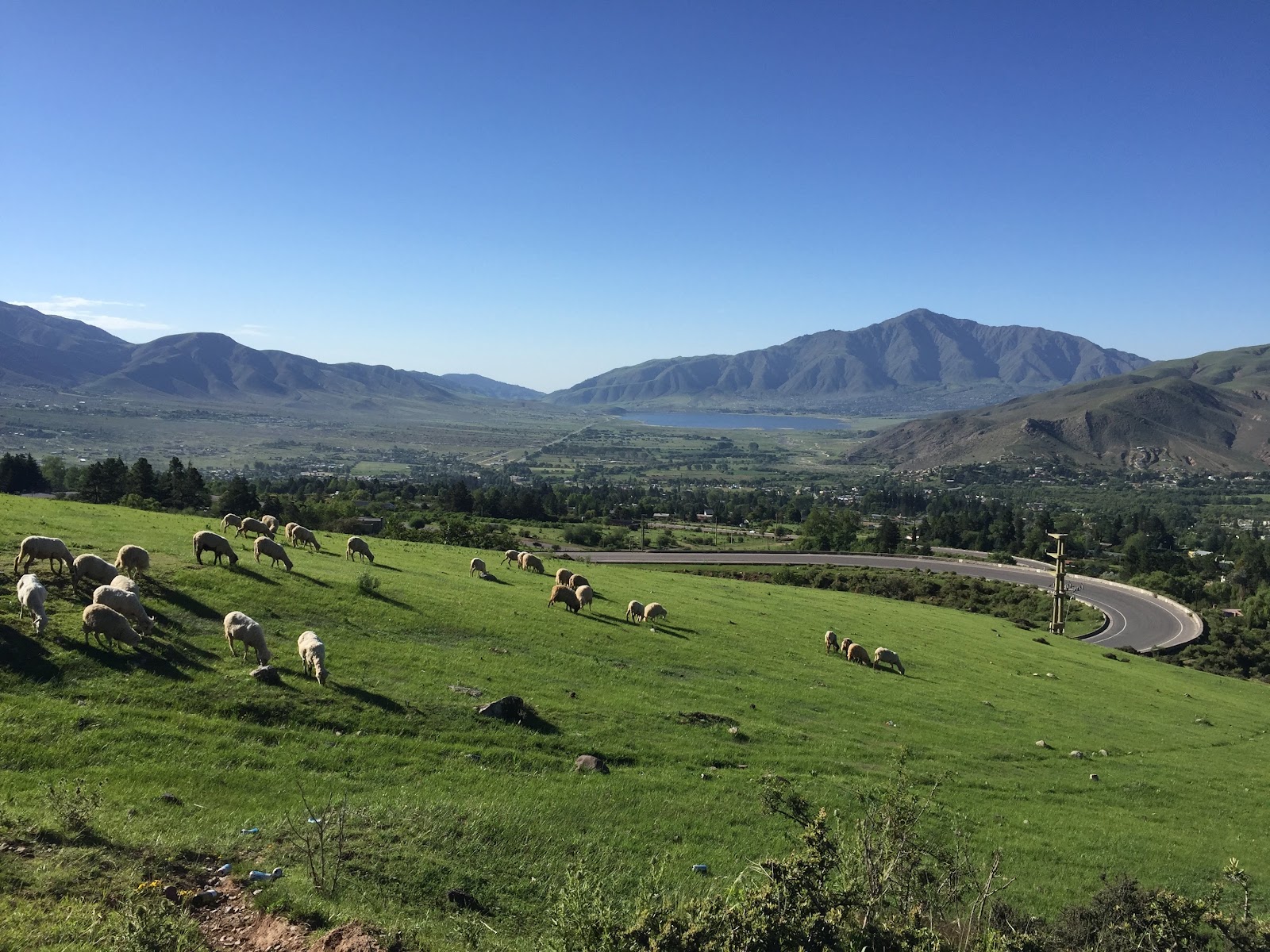
Amaicha del Valle is known for its exceptional microclimate, boasting around 360 sunny days a year. Expect pleasant temperatures and dry conditions.
The Museo de la Pachamama is central to the cultural experience, celebrating indigenous heritage. The town itself is a living example of an indigenous community with self-governance.
Yes, the surrounding areas offer beautiful hiking trails, including those leading to natural sites like Cascadas El Remate. Some tours include guided hikes.
This festival, often celebrated around August 1st, is a significant indigenous celebration honoring Mother Earth, with cultural events and community gatherings.
Absolutely! The stunning landscapes, unique cultural sites like the Pachamama Museum, and the ancient Quilmes ruins offer incredible photographic opportunities.
🍽️ 🍽️ Food & Dining
Local cuisine often features traditional Argentine dishes with regional influences. Look for empanadas, locro, and other hearty meals.
While traditional Argentine food can be meat-heavy, many local eateries are accommodating. It's best to inquire about vegetarian options when ordering.
Bodega Los Amaichas is the prime spot to taste and learn about the community's unique wine production.
Small eateries and restaurants are typically found in the main town area. For attractions further out, packing snacks or planning ahead is advisable.
If you're on a day trip, consider packing a picnic to enjoy amidst the scenic landscapes, or plan your meals around the main town's offerings.
📸 📸 Photography
The Museo de la Pachamama with its sculptures, the dramatic landscapes around Cascadas El Remate, and the ancient Quilmes ruins are prime locations.
The golden hours (early morning and late afternoon) offer beautiful light for landscapes and the museum's sculptures. Midday sun can be harsh but is perfect for capturing the vibrant blue skies.
Drone regulations can vary. It's essential to check local rules and obtain any necessary permits before flying a drone, especially near cultural or archaeological sites.
A versatile lens (like a 24-70mm equivalent) is great for landscapes and details. A wide-angle lens is useful for expansive views, and a tripod can help with low-light shots at the museum or ruins.
Photography is generally permitted inside the museum, but it's always good practice to check for any specific restrictions or ask permission before taking extensive shots.


Social
from TikTok, Instagram & Reddit