Darío y Maxi Station and Memorial
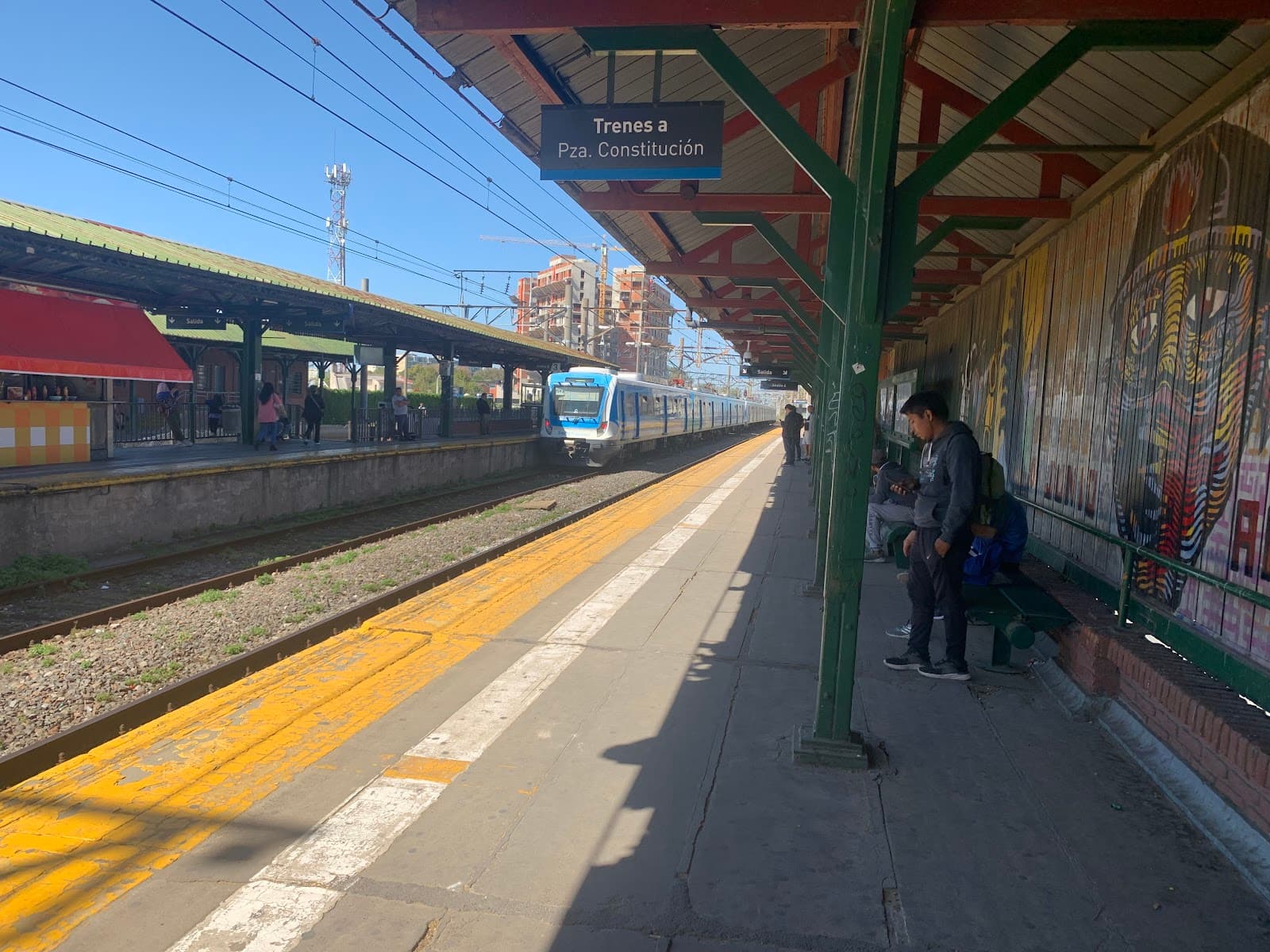
A living memorial and open-air museum, this station honors activists Darío and Maxi with powerful graffiti art.
Highlights
Must-see attractions

Social
From TikTok & Reddit
Best Time
Better visibility and safety
Darío y Maxi Station and Memorial
Best Time
Better visibility and safety
Highlights
Must-see attractions
A living memorial and open-air museum, this station honors activists Darío and Maxi with powerful graffiti art.
"A beautiful station that commemorates the two martyrs of June 26, 2002, in the midst of the 2001 crisis."
Be Aware of Surroundings
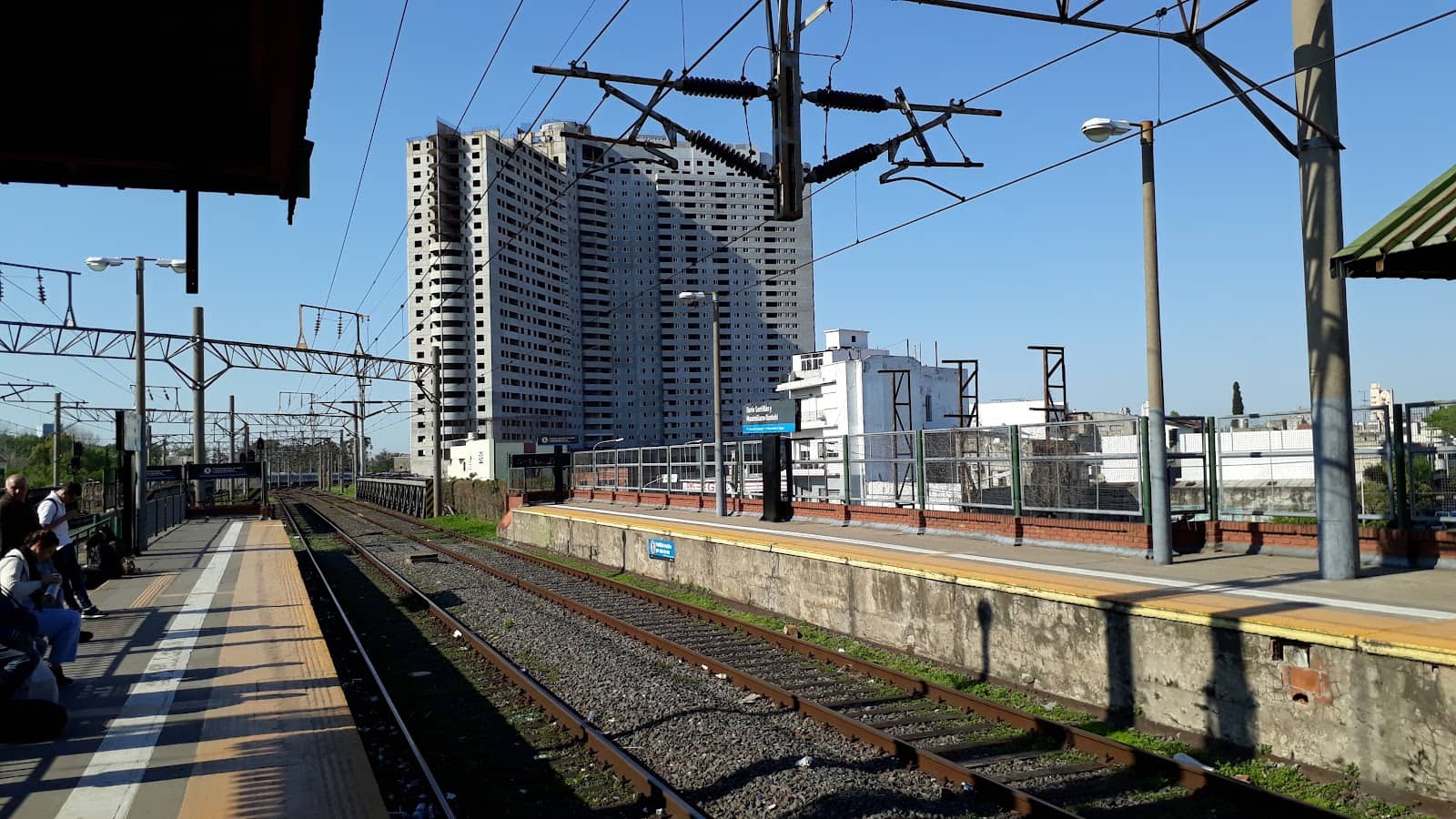
Some reviews mention feeling unsafe due to neglect and vandalism. Stay vigilant.
Challenging Access
The entrance is under the tracks, requiring stairs. Plan for this if mobility is a concern.
Quick Facts
Rating
2.9 · 744 reviews
Type
Train Station
Highlights
Discover the most iconic attractions and experiences
Memorial Monuments
Commemorates Darío and Maxi, symbols of resistance during the 2001 crisis. A poignant reminder of historical struggles.
Graffiti and Public Art
The station walls are adorned with powerful graffiti, transforming it into an open-air museum of social movements.
Platform Views
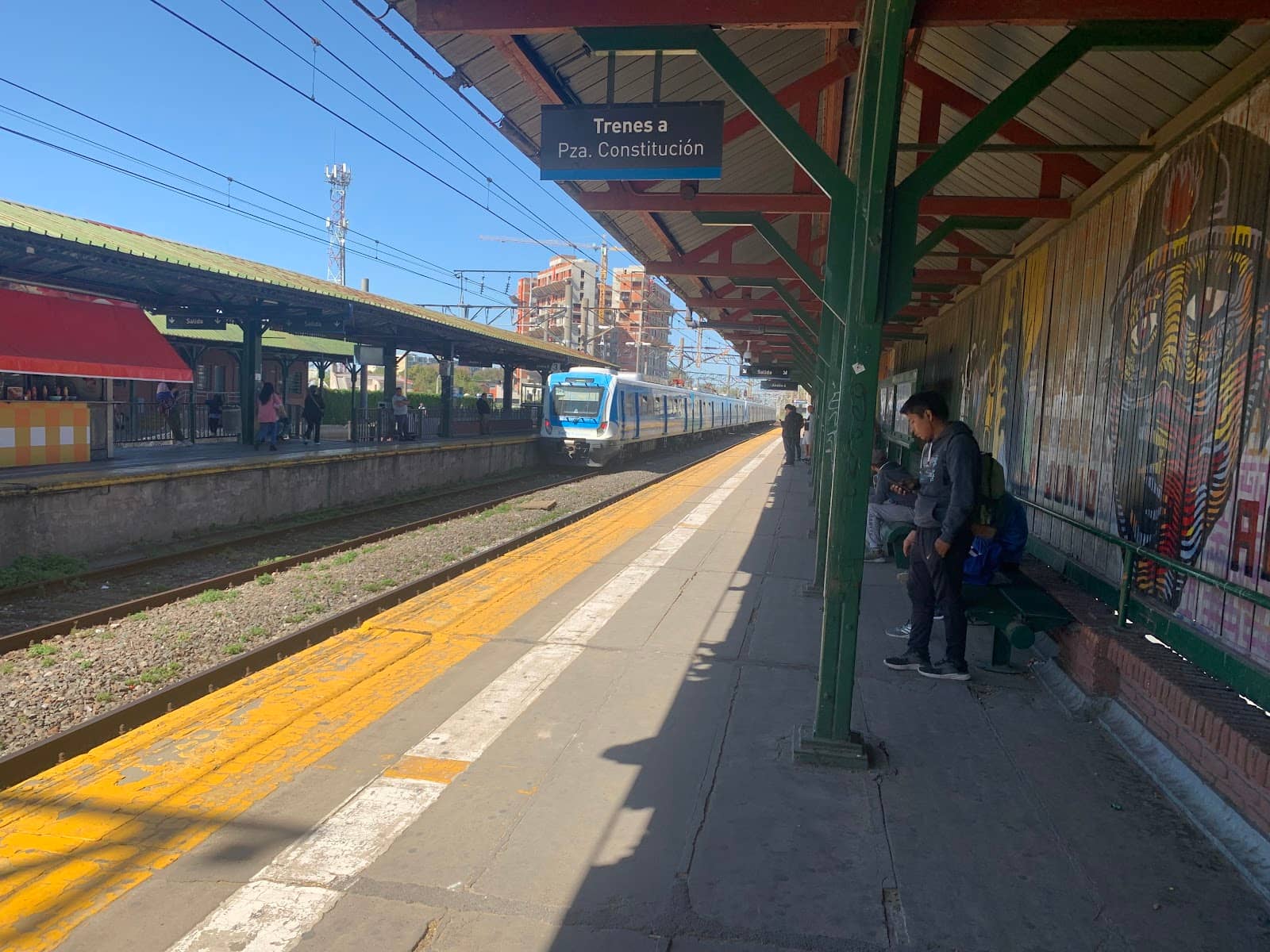
Experience the station's atmosphere from the platform, a space imbued with historical significance and resilience.
Plans like a pro.
Thinks like you
Planning Your Visit
Understand the Station's Significance
Safety and Accessibility
Best Times
Insider Tips
from TikTok, Instagram & Reddit
Be Aware of Surroundings
Some reviews mention feeling unsafe due to neglect and vandalism. Stay vigilant.
Challenging Access
The entrance is under the tracks, requiring stairs. Plan for this if mobility is a concern.
Cultural Immersion
Embrace the station as a public museum dedicated to resistance and social history.
Photography Opportunities
Capture the unique graffiti and memorial elements that tell a story of resilience.
Tips
from all over the internet
Be Aware of Surroundings
Some reviews mention feeling unsafe due to neglect and vandalism. Stay vigilant.
Challenging Access
The entrance is under the tracks, requiring stairs. Plan for this if mobility is a concern.
Cultural Immersion
Embrace the station as a public museum dedicated to resistance and social history.
Photography Opportunities
Capture the unique graffiti and memorial elements that tell a story of resilience.
What Travellers Say
Reviews Summary
Darío y Maxi Station is recognized for its profound historical significance as a memorial to activists and a canvas for social commentary through graffiti. However, visitors often note its dilapidated state, with concerns about cleanliness, vandalism, and safety, alongside challenging access via stairs.
"Ok"
Cesar Sesar
"Apesar do contexto histórico, é uma das piores estações que tive a oportunidade de utilizar. A plataforma pode ser considerada "nova" perto da parte térrea e entorno (não tive coragem de fotografar, tal a falta de segurança que senti no local). É uma estrutura completamente degradada: há pichações, sujeira, destruição e vandalismo por todo o local (e a segurança é inexistente)."
João Fernandes
"A beautiful station that commemorates the two martyrs of June 26, 2002, in the midst of the 2001 crisis. Its monuments and graffiti make it a popular and public museum dedicated to the history of resistance and the struggles of social movements. I always recommend it for a cultural and artistic tourism experience to certain types of tourists motivated by local history.
Currently, it is difficult to access, as the entrance is under the tracks and requires climbing up and down stairs."
Kekena Corvalán
What People Like
What People Dislike
Frequently Asked Questions
🚇 🗺️ Getting There
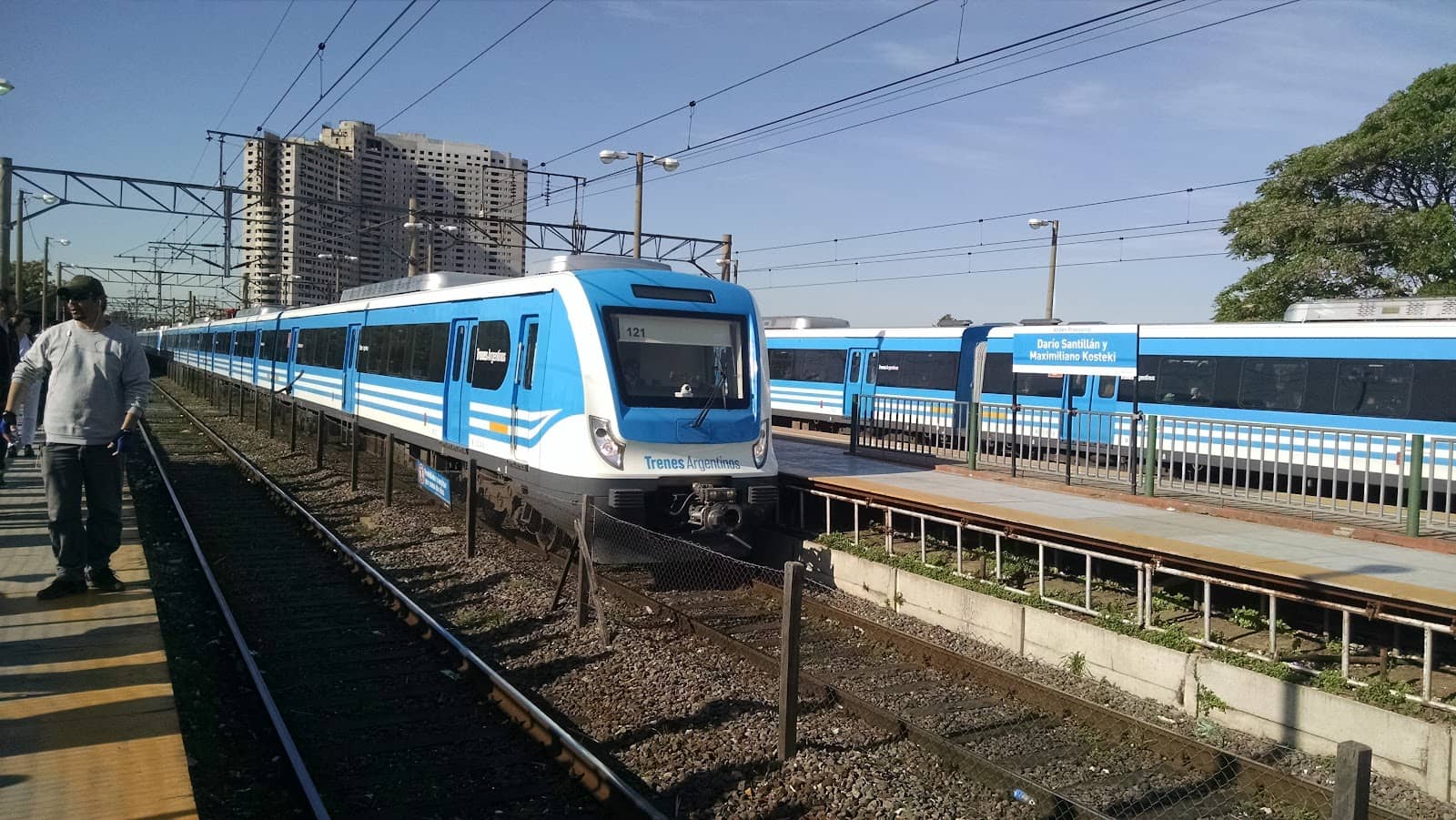
Darío y Maxi Station is accessible by train. It's a functional station, so you can arrive via the local rail network. Be prepared for the entrance to be under the tracks, requiring you to navigate stairs to reach the platforms.
Information on dedicated parking is scarce. Given its nature as a suburban train station, it's best to rely on public transport to reach it.
Arrive during the day for better visibility and a greater sense of security. Take your time to observe the monuments and graffiti that tell the story of Darío and Maxi.
🎫 🎫 Tickets & Entry
As it is an active train station, you will need a valid train ticket to access the platforms. However, exploring the memorial aspects and graffiti is generally free once you are within the station premises.
The station operates according to train schedules. While there are no specific 'visiting hours' for the memorial, it's most accessible and safest to visit during daylight hours when trains are running.
There is no separate entrance fee for the memorial itself. The station functions as a public space, and the historical and artistic elements are integrated into its environment.
🎫 🧭 Onsite Experience
Reviews indicate the station is in a state of degradation, with graffiti, dirt, and vandalism present. While it serves as a memorial, some parts are neglected.
Some visitors have reported feeling a lack of safety due to the station's condition and perceived neglect. It's advisable to be aware of your surroundings and visit during daylight hours.
You can see monuments commemorating Darío and Maxi, as well as extensive graffiti that serves as a public museum dedicated to the history of resistance and social movements.
Access can be difficult as the entrance is under the tracks and requires climbing stairs. This may pose a challenge for individuals with mobility issues.
Yes, photography is permitted. The station's graffiti and memorial elements offer unique opportunities for capturing powerful imagery related to social history and art.


Social
from TikTok, Instagram & Reddit