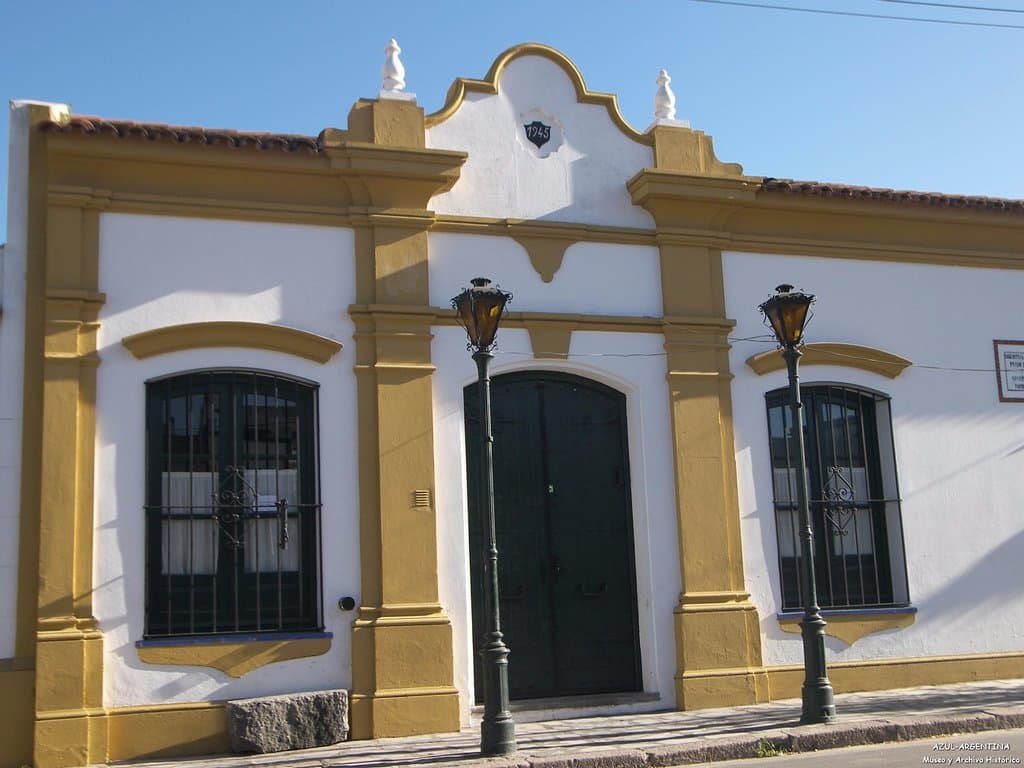
Museo Etnográfico y Archivo Histórico Enrique Squirru
Discover Azul's rich past through indigenous artifacts, gaucho traditions, and historical documents at this dedicated ethnographic museum.
Highlights
Must-see attractions

Social
From TikTok & Reddit
Best Time
Fewer crowds, more personal attention
Museo Etnográfico y Archivo Histórico Enrique Squirru
Best Time
Fewer crowds, more personal attention
Highlights
Must-see attractions
Discover Azul's rich past through indigenous artifacts, gaucho traditions, and historical documents at this dedicated ethnographic museum.
"Surprisingly, it has a fascinating collection of historical artifacts. It's a labor of love, and the guides provide excellent service."
Engage with the Guides
Guides offer excellent service and insights into the collection. Ask questions!
Appreciate the Labor of Love
This museum is a testament to dedication. Enjoy the passion behind the exhibits.
Quick Facts
Hours
Rating
4.6 · 139 reviews
Type
Museum
Highlights
Discover the most iconic attractions and experiences
Indigenous Artifacts
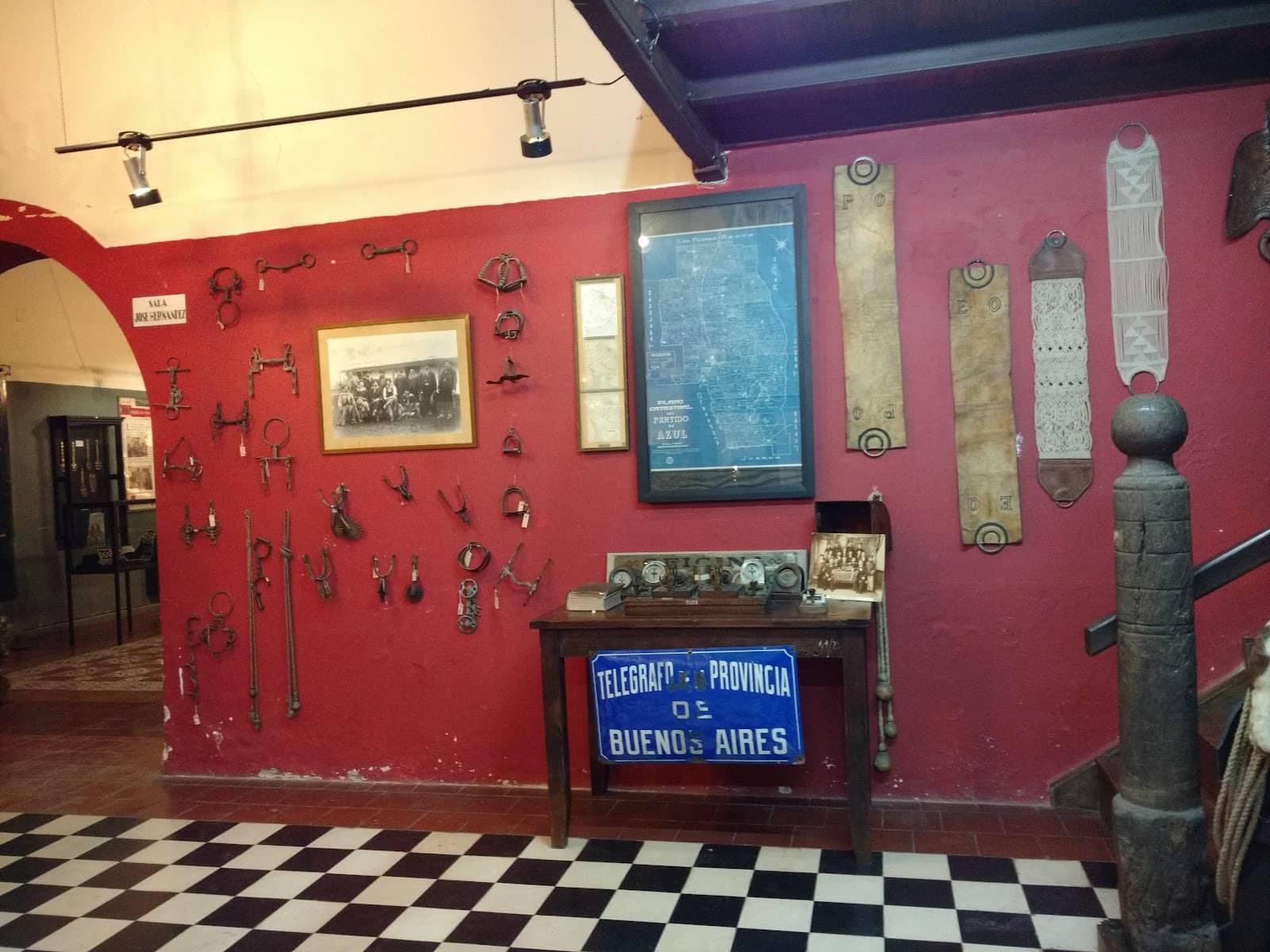
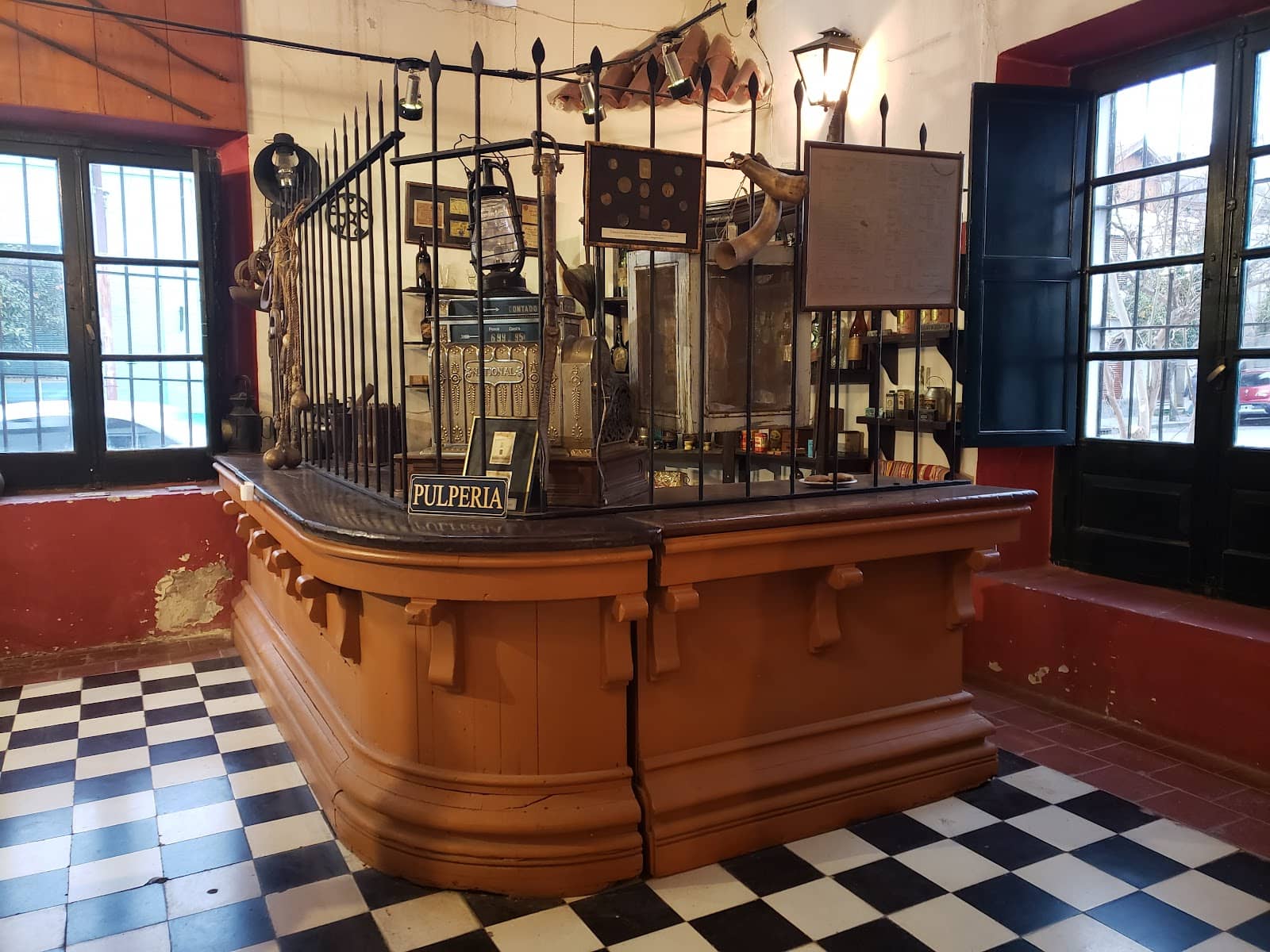
Marvel at the intricate pottery, woven items, and tools from the Pampas and Araucanian cultures.
Gaucho & Mapuche Silverware
Admire the craftsmanship of traditional gaucho and Mapuche silver adornments and accessories.
Historical Documentation
Explore significant documents and artifacts detailing the history of Azul and Argentina.
Plans like a pro.
Thinks like you
Planning Your Visit
Plan Your Visit to a Hidden Gem
Understanding the Collection's Origins
Best Times
Insider Tips
from TikTok, Instagram & Reddit
Engage with the Guides
Guides offer excellent service and insights into the collection. Ask questions!
Appreciate the Labor of Love
This museum is a testament to dedication. Enjoy the passion behind the exhibits.
Don't Miss the Local History
Discover artifacts that tell the story of Azul's founding and its role in Argentine history.
Tips
from all over the internet
Engage with the Guides
Guides offer excellent service and insights into the collection. Ask questions!
Appreciate the Labor of Love
This museum is a testament to dedication. Enjoy the passion behind the exhibits.
Don't Miss the Local History
Discover artifacts that tell the story of Azul's founding and its role in Argentine history.
What Travellers Say
Reviews Summary
Visitors praise the Museo Etnográfico y Archivo Histórico Enrique Squirru for its fascinating collection of historical artifacts, offering a glimpse into indigenous, gaucho, and colonial eras. The guides are consistently highlighted for their excellent service and insightful explanations, making it a worthwhile visit for anyone interested in Argentine history.
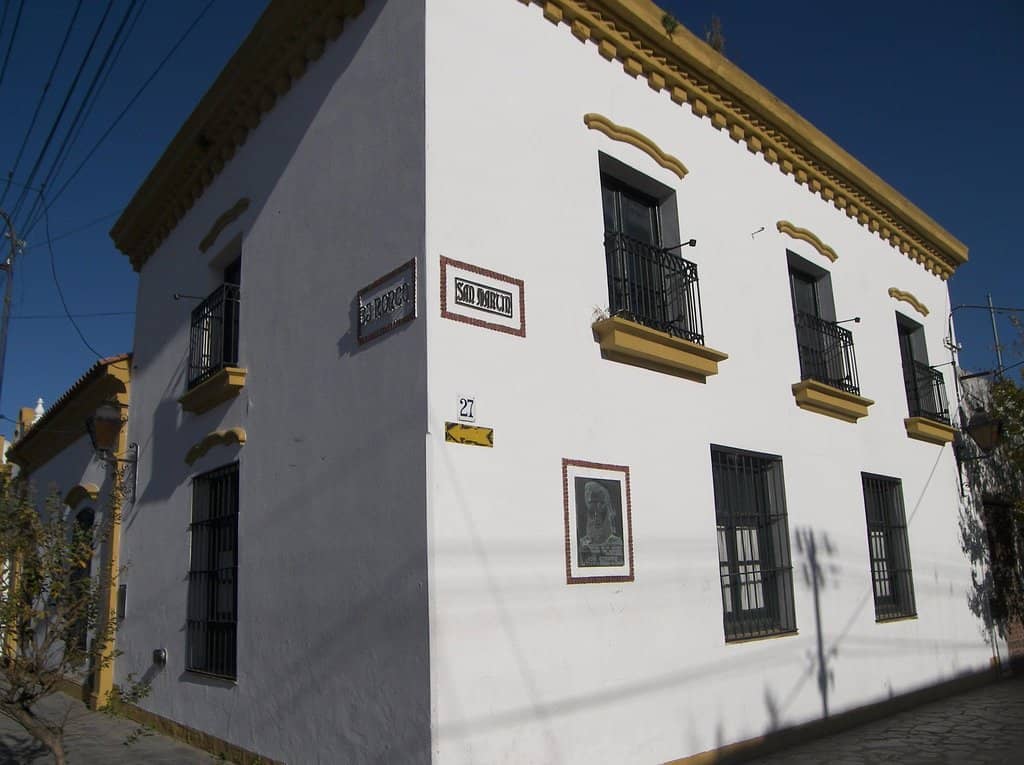
"It took shape in 1940 at the initiative of Dr. Bartolomé J. Ronco, at that time Director of the Popular Library of Azul, which today bears his name. He promoted the idea of providing this institution with a museum and archive that would tell the story of a town that emerged in the middle of the Pampa in 1832; and that it was also witness to important episodes that made the history of the country.
Doctor Ronco was a prestigious lawyer born in Buenos Aires in 1881, who due to his profession lived a few years in the city of Bahía Blanca, which is why he had the opportunity to travel through Patagonia and southern Chile. It was there where he began to form his valuable collections that are the basis of this Museum.
Its important collections, impossible to calculate in historical and economic value; they were made up of Araucanian objects and pampas, the latter inhabitants of Azul; Gaucho and Mapuche silverware; indigenous pottery; I wove two; weapons and important documentation referred to our city.-
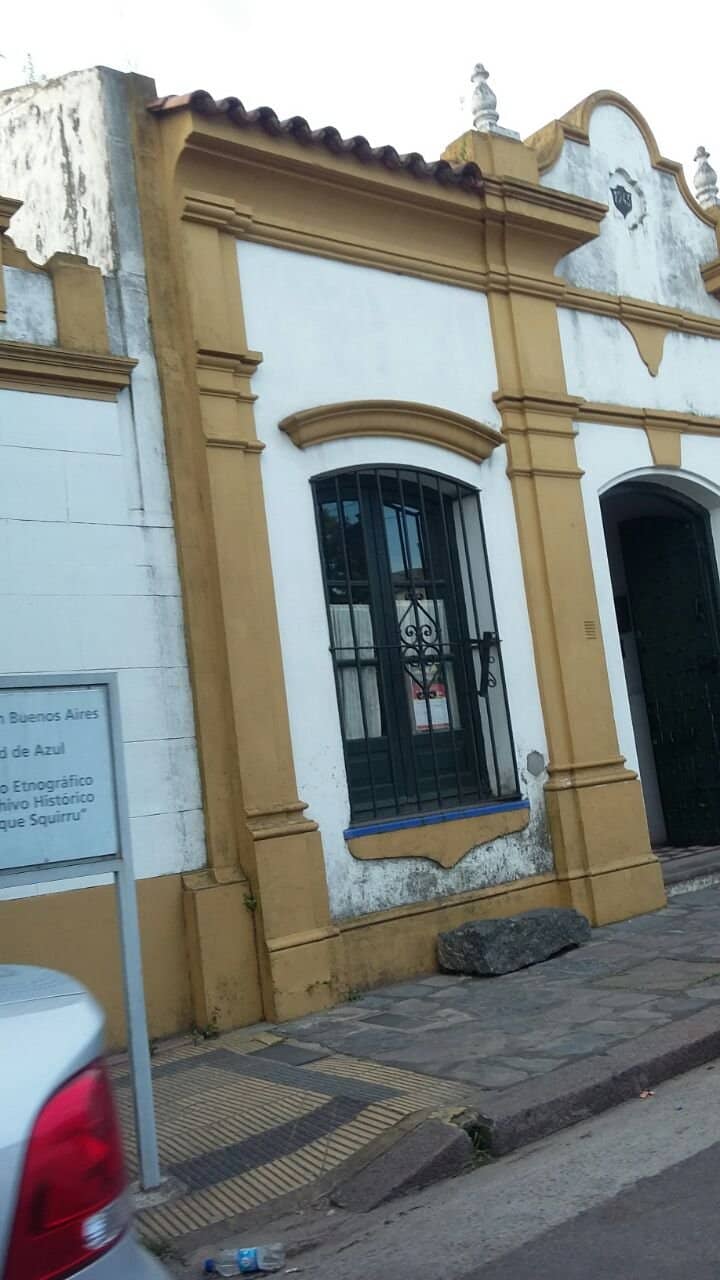
One of the first steps was to find the right place to found this Museum; being in one of the first high houses built in 1854. The land belonged to one of the first settlers of Azul, Mrs. Bernarda Burgos, widow of Jorge Pardo and daughter of Celedonio Burgos and Petrona Estigarribia; who sold it to Mr. Mayet in the year 1854 where he built his blacksmith shop.-
The farm was bought in 1940, modified and extended to the adjacent land, according to the plans made by the architect Blas Dhers; the smithy was in charge of don Víctor Fittipaldi, professor of the School of Arts and Crafts.
It opens its doors on April 8, 1945, thanks to the response obtained from the town of Azul to the call made by the Commission that had been formed to work for said institution, based on donations for the expansion and refurbishment of the building."
Suvendu Das
"Good museum!"
Julito Portales Dj
"Macrieshambre"
Pablo Romagnoli
What People Like
What People Dislike
Frequently Asked Questions
🚇 🗺️ Getting There
The museum is located in Azul, Argentina. Visitors typically arrive by car or local bus services within the city. Parking is usually available nearby.
The museum is situated in a central part of Azul, making it relatively easy to locate. It's recommended to use a GPS or map application for precise directions.
🎫 🎫 Tickets & Entry
Opening hours can vary, so it's best to check their official website or contact them directly before your visit. Weekday mornings are often recommended for a quieter experience.
While specific pricing isn't always listed, many visitors mention that the museum is a 'labor of love' and donations are appreciated. It's advisable to inquire about any entrance fees upon arrival.
Advance booking is generally not required for this type of local museum. However, for group visits or special inquiries, contacting the museum beforehand is recommended.
🎫 🧭 Onsite Experience
The museum boasts a fascinating collection including indigenous artifacts from the Pampas and Araucanian cultures, gaucho and Mapuche silverware, traditional clothing, weaponry, and historical documents related to Azul.
Yes, guides are often available and provide excellent service, offering deep insights into the exhibits. Engaging with them is highly recommended for a richer experience.
To fully appreciate the diverse collection and learn from the guides, plan for at least 2-3 hours. This allows for a thorough exploration of the museum's historical treasures.
The museum offers a glimpse into history and culture that can be educational for children. However, the focus is on historical artifacts, so parental guidance may be needed to keep younger visitors engaged.
Enrique Squirru was a key figure, likely a donor or benefactor, whose contributions were instrumental in forming the museum's collection. His name is honored in the museum's title.
🍽️ 🍽️ Food & Dining
The museum itself does not typically have a restaurant. However, Azul has various local eateries and cafes where you can enjoy regional cuisine after your visit.
📸 📸 Photography
Photography policies can vary. It's best to check with the museum staff upon arrival. Often, non-flash photography is permitted for personal use.
Social
from TikTok, Instagram & Reddit