Cristo Redentor de los Andes
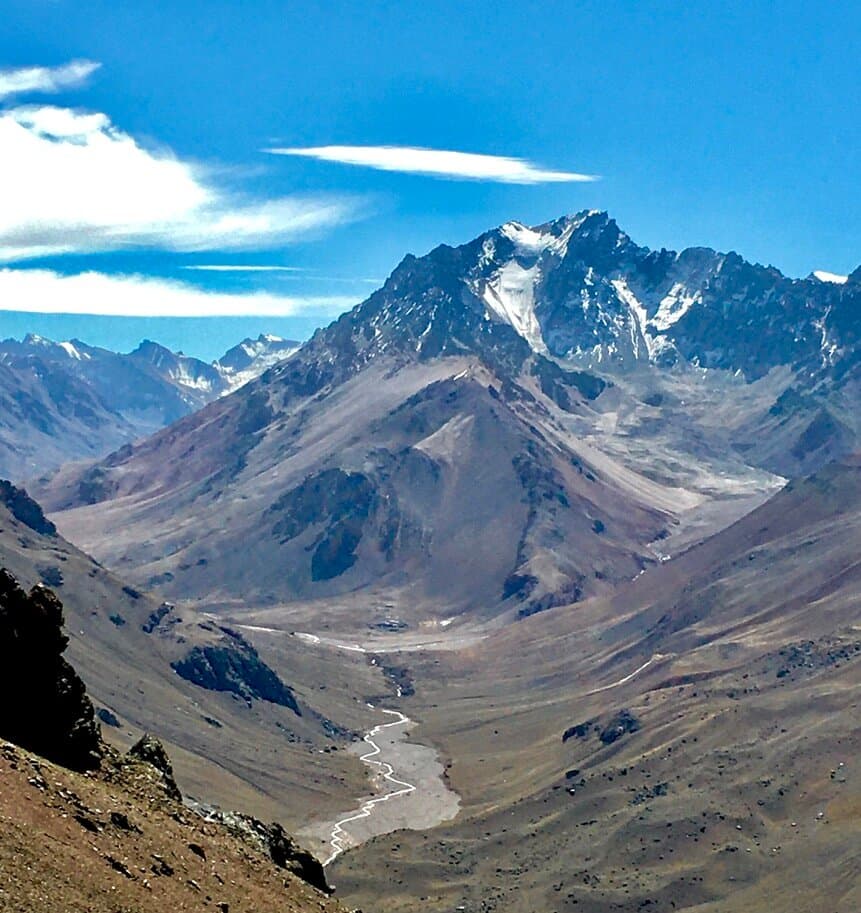
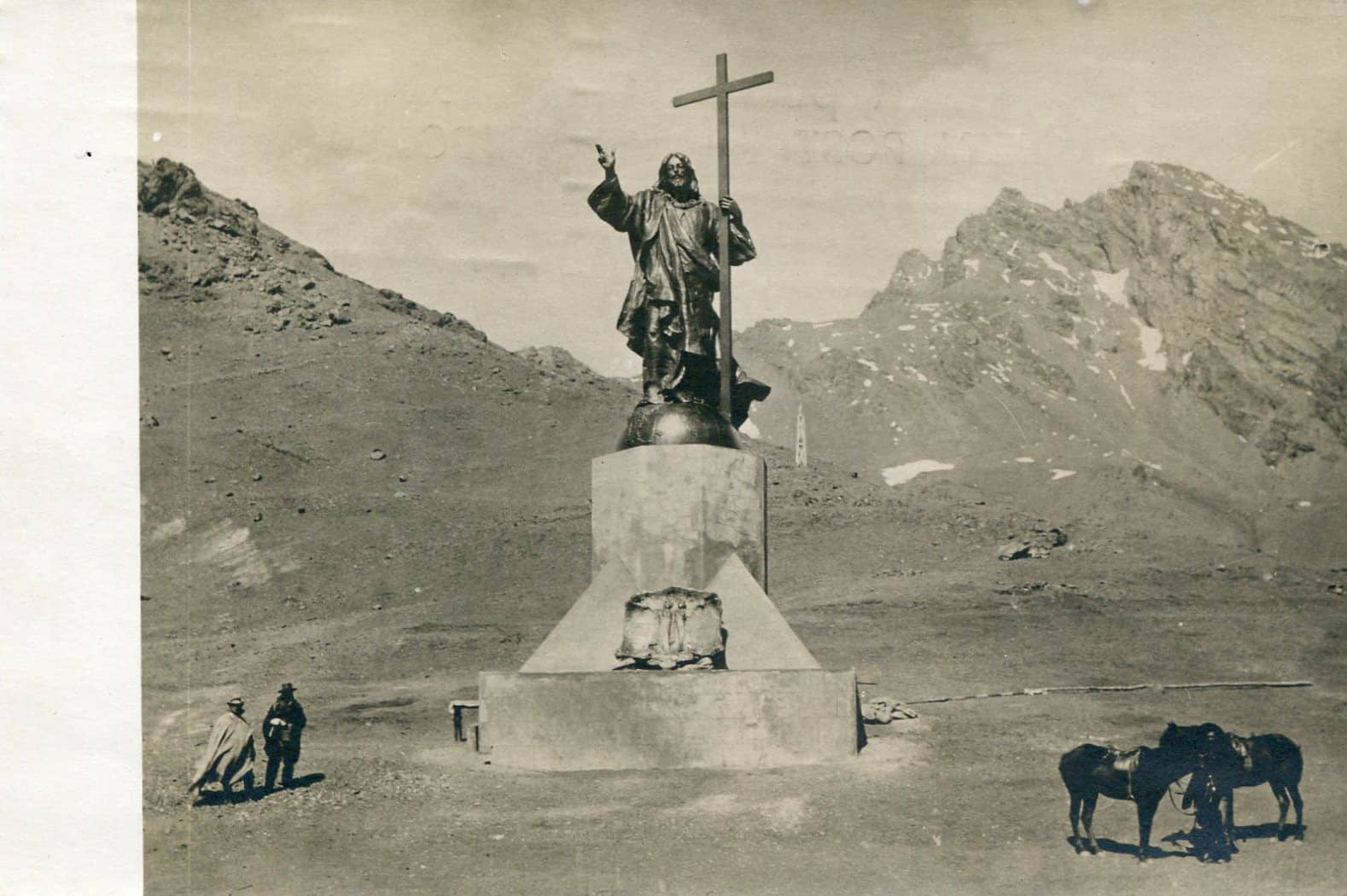
A towering bronze statue in the Andes, commemorating peace between Chile and Argentina, offering stunning high-altitude views.
Highlights
Must-see attractions

Social
From TikTok & Reddit
Best Time
Clearer skies, less wind
Cristo Redentor de los Andes
Best Time
Clearer skies, less wind
Highlights
Must-see attractions
A towering bronze statue in the Andes, commemorating peace between Chile and Argentina, offering stunning high-altitude views.
"The drive is a wild ride, but the views and the monument's message of peace are absolutely worth it!"
🚗 Drive Smart
Chilean side road is rough; Argentina side is easier. 4WD recommended. Be ready for border checks!
🧥 Pack Layers
It's windy and cold at 3854m! Bring warm clothes, even in summer. Hot chocolate at the top is a must.
Quick Facts
Highlights
Discover the most iconic attractions and experiences

Cristo Redentor Statue
Summit
A towering bronze statue commemorating peace between Chile and Argentina, offering breathtaking Andean views.
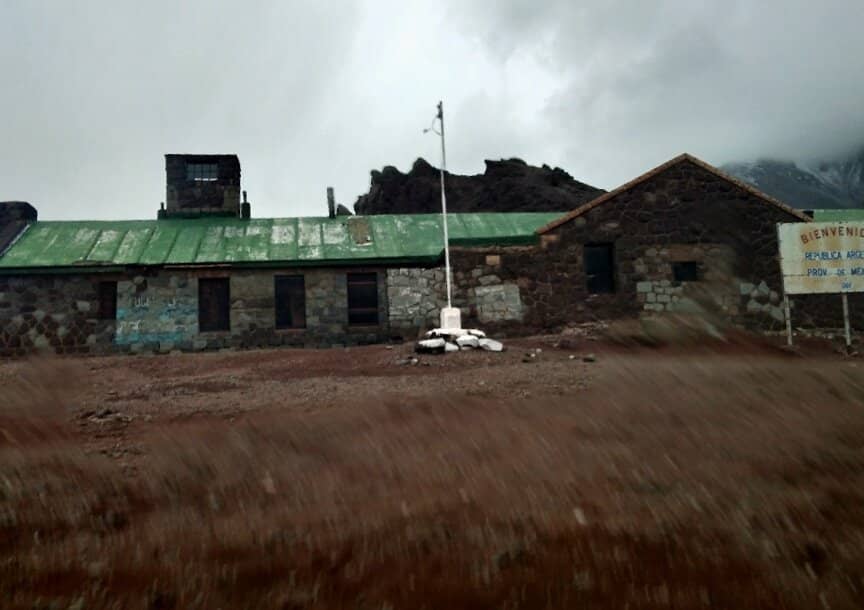
Andean Panoramas
Summit and along the route
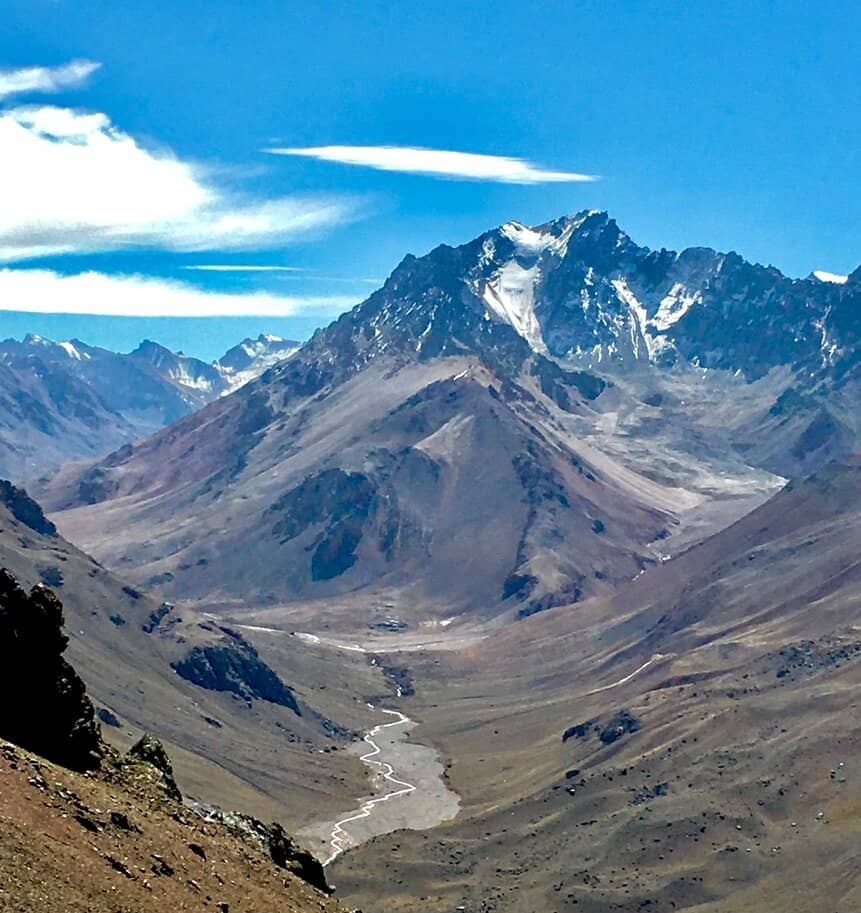
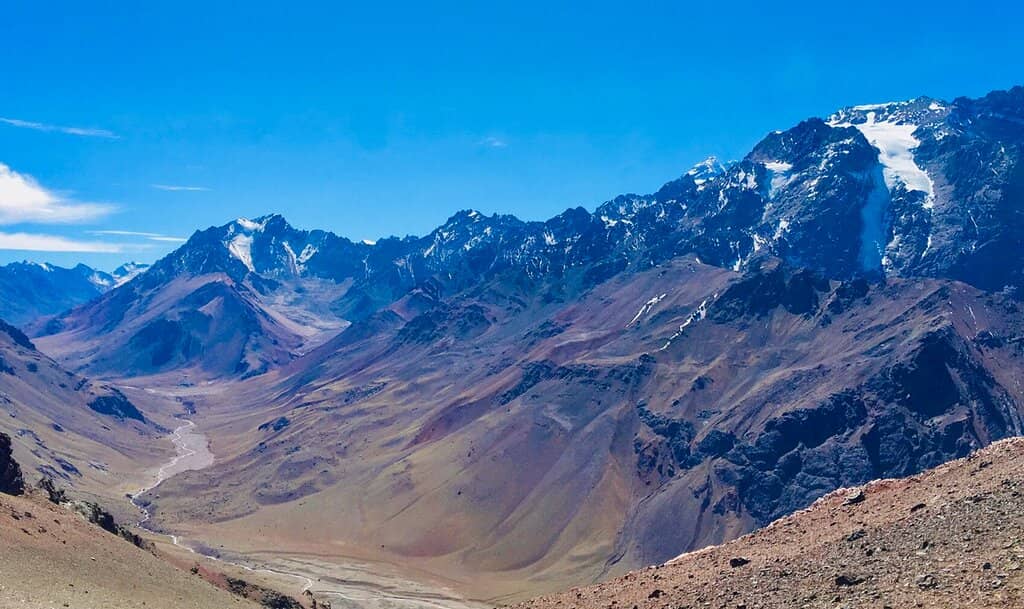
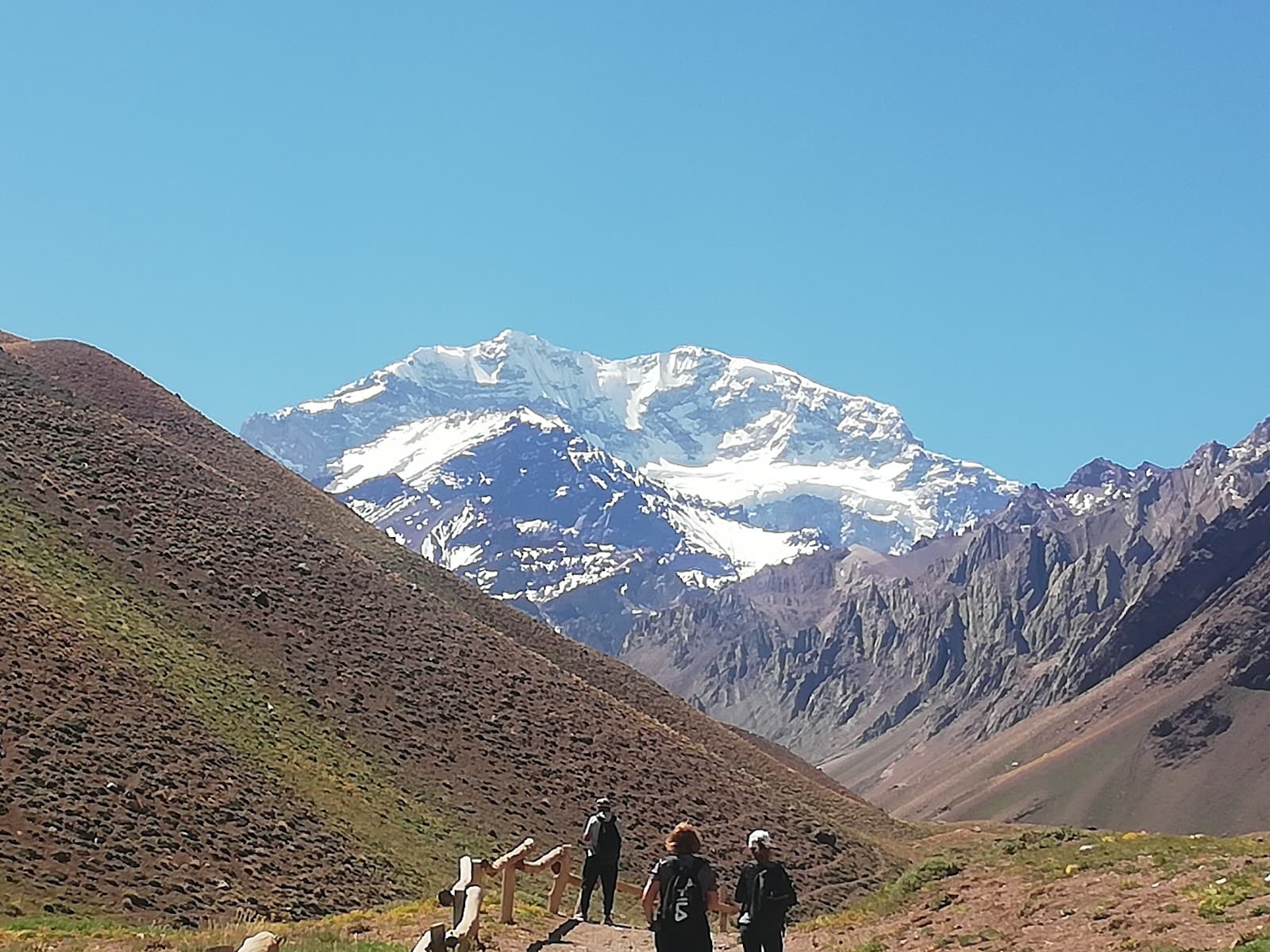
Stunning, expansive views of the Cordillera de los Andes, especially dramatic during sunrise or sunset.

Peace Monument
Summit
A significant historical monument symbolizing the peaceful resolution of border disputes between Chile and Argentina.
Plans like a pro.
Thinks like you
Planning Your Visit
Navigating the Ascent
Altitude and Weather
Best Times
Insider Tips
from TikTok, Instagram & Reddit
🚗 Drive Smart
Chilean side road is rough; Argentina side is easier. 4WD recommended. Be ready for border checks!
🧥 Pack Layers
It's windy and cold at 3854m! Bring warm clothes, even in summer. Hot chocolate at the top is a must.
⏳ Allow Ample Time
The drive from Santiago can take over 3 hours. Factor in potential delays and border crossings.
📸 Photo Ops
Stunning views abound! Capture the statue and the vast Andean landscape. Sunrise is magical.
Tips
from all over the internet
🚗 Drive Smart
Chilean side road is rough; Argentina side is easier. 4WD recommended. Be ready for border checks!
🧥 Pack Layers
It's windy and cold at 3854m! Bring warm clothes, even in summer. Hot chocolate at the top is a must.
⏳ Allow Ample Time
The drive from Santiago can take over 3 hours. Factor in potential delays and border crossings.
📸 Photo Ops
Stunning views abound! Capture the statue and the vast Andean landscape. Sunrise is magical.
⛰️ Check Road Conditions
Snow can block roads in winter/spring. Always check conditions before you go.
What Travellers Say
Reviews Summary
Visitors praise the Cristo Redentor de los Andes for its stunning Andean vistas and its significant historical symbolism as a monument to peace. The challenging drive, particularly from the Chilean side, is often described as an adventure, though it requires careful preparation and a suitable vehicle. Some find the summit experience brief due to the cold and wind, but the overall journey and the monument's message are highly valued.
"The way up from the Santiago side is hard to find, right before the tunnel, it is not marked. This road is also way worse than the road up from the Argentina side. Tough ride up in a front wheel drive car, good thing it was a rental. Took the Argentina side down, way easier. 3 gift shops on top with lots of souvenirs. Get a hot chocolate. Cold on top in March. Ate lunch at the bottom of the Argentina side in the arch building over the road, very good. If you go back through the tunnel to Chile you will have to go through customs, make sure to have passports and car rental forms. ## make sure to tell them you just drove up to the Christ the Redeemer and are going back to Chile. They should let you in without a stamp from your car rental place."
Dave Mariani
"Scary drive to this interesting monument to the peace of Argentina and Chile. The views are just stunning. Very windy and somewhat cold due to the heights."
Mario Moquete
"Tried to summit today. Made it about 4km up but the road is still blocked by snow. Will probably be a few weeks before it melts off. Lots of fresh rockfall and some washouts on the way but we were able to make it up ok in a small car.
Even though we didn’t make it to the top the view down the valley is epic and totally worth the trek."
Trevor Meier
What People Like
What People Dislike
Frequently Asked Questions
🚇 🗺️ Getting There
The most common route from Santiago involves driving towards the Paso Internacional Los Libertadores. The road from Chile can be challenging, with unpaved and steep sections. Many recommend taking the Argentine side for the ascent if possible, as it's generally easier. Be prepared for border control when returning to Chile. +1
While a 2WD can manage the drive, especially from the Argentine side, a 4WD is highly recommended for a more comfortable and safer journey, particularly on the rougher Chilean approach.
You will likely encounter border control when returning to Chile. Ensure you have your passport and any necessary car rental documents. Explaining you only went up to the statue and are returning to Chile might expedite the process.
Public transport directly to the statue is limited. Most visitors opt for private vehicles or organized tours. The primary route is via the Paso Internacional Los Libertadores, which is a major transport artery. 
Many travelers find the route from the Argentine side to be less demanding than the Chilean side. If coming from Santiago, consider the logistics of accessing the Argentine approach.
🎫 🎫 Tickets & Entry
There are typically no entrance fees for the statue itself, but you may encounter tolls on the main highway routes leading to the area.
The statue is generally accessible during daylight hours, but the access roads and border crossings have their own operating times. It's best to check current conditions before your visit.
The monument itself is free to visit. However, be aware of potential road tolls and the costs associated with your transportation.
Access can be restricted during winter months due to heavy snow. Always check road conditions and weather forecasts before planning your trip, especially outside of summer.
No advance booking is typically required for individual visitors. However, if you are part of a large group or tour, it's advisable to make arrangements.
🎫 ⛰️ Onsite Experience
The statue stands at an impressive 3854 meters (12,644 feet) above sea level. Be mindful of potential altitude sickness and stay hydrated.
Expect it to be windy and cold, regardless of the season. Temperatures can drop significantly, so dressing in layers is crucial.
A quick visit to see the statue and take photos might only take 5-10 minutes due to the wind and cold. However, factor in travel time, which can be several hours.
Yes, there are typically gift shops selling souvenirs and often a place to get hot drinks like hot chocolate.
It was erected in 1904 to commemorate the peaceful resolution of border disputes between Argentina and Chile, symbolizing peace and fraternity.
🍽️ ☕ Food & Dining
While there are a few gift shops and places for hot drinks at the summit, dining options are limited. Many visitors choose to eat before or after their ascent, often at the base of the Argentine side.
At the summit, expect basic snacks and hot beverages. For a more substantial meal, consider restaurants in nearby towns like Mendoza (Argentina) or Los Andes (Chile).
Bringing your own snacks and water is a good idea, especially for the drive. This ensures you have sustenance during your journey to and from the statue.
Many travelers recommend eating at the base of the Argentine side, often in an arch building over the road, for a good meal.
Given the limited dining options at the summit, it's best to inquire locally or bring your own food if you have specific dietary needs.
📸 📸 Photography
Sunrise offers dramatic lighting and fewer crowds. Late afternoon can also provide beautiful golden hour shots. Be mindful of the wind, which can affect stability.
You can capture stunning wide-angle shots of the statue against the backdrop of the Andes, as well as panoramic views of the mountain range.
Drone regulations can vary and are often restricted in border areas and national parks. It's advisable to check local regulations before flying a drone.
A wide-angle lens is great for capturing the statue and the expansive landscape. A sturdy tripod can be helpful if you plan for low-light photography, but be mindful of the wind.
The area around the statue offers multiple vantage points. Explore slightly away from the immediate base for different perspectives of the monument and the surrounding peaks.



Social
from TikTok, Instagram & Reddit