Museo de Arte Sacro
Discover serene religious art and historical artifacts in a peaceful setting. A treasure trove of cultural and spiritual heritage.

Highlights
Must-see attractions

Social
From TikTok & Reddit
Best Time
Free entry days available
Museo de Arte Sacro
Best Time
Free entry days available
Highlights
Must-see attractions
Discover serene religious art and historical artifacts in a peaceful setting. A treasure trove of cultural and spiritual heritage.
"A true treasure. Small, but inexpensive and some really beautiful art."
🎯 Affordable Admission
Entry fees are generally low, often around 20 pesos, making it an accessible cultural experience .
🤫 Seek Serenity
The museum offers a peaceful and quiet atmosphere, perfect for contemplation and appreciating the art .
Quick Facts
Hours
Rating
4.2 · 89 reviews
Type
Museum
Highlights
Discover the most iconic attractions and experiences
Religious Artifacts Collection
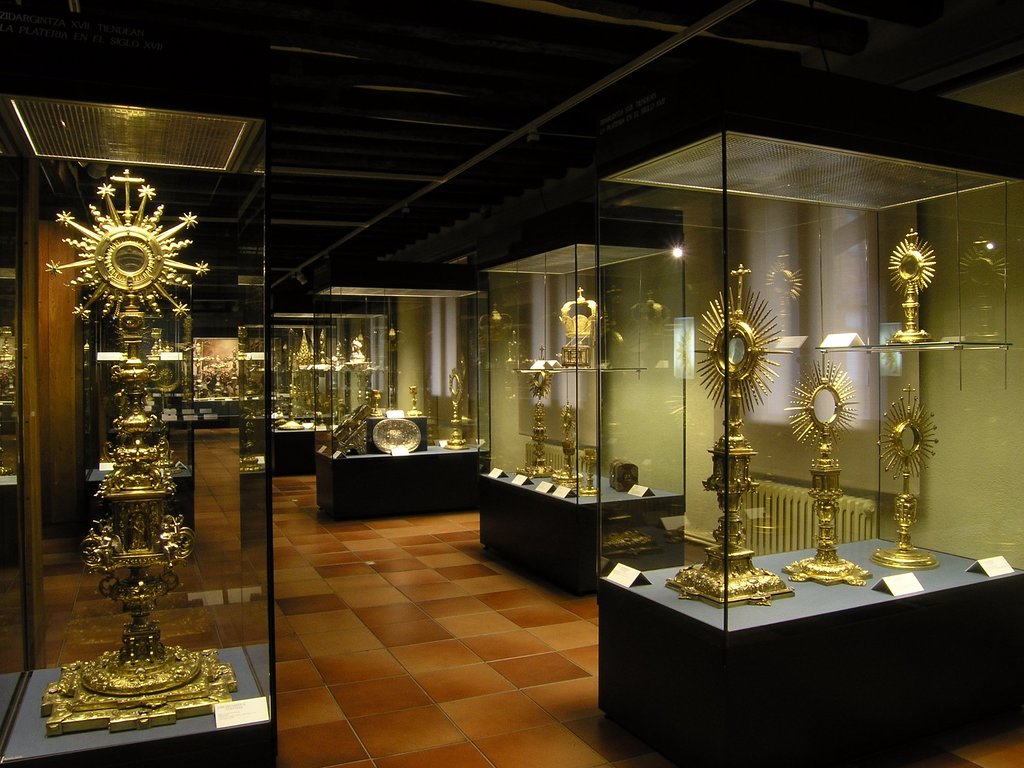
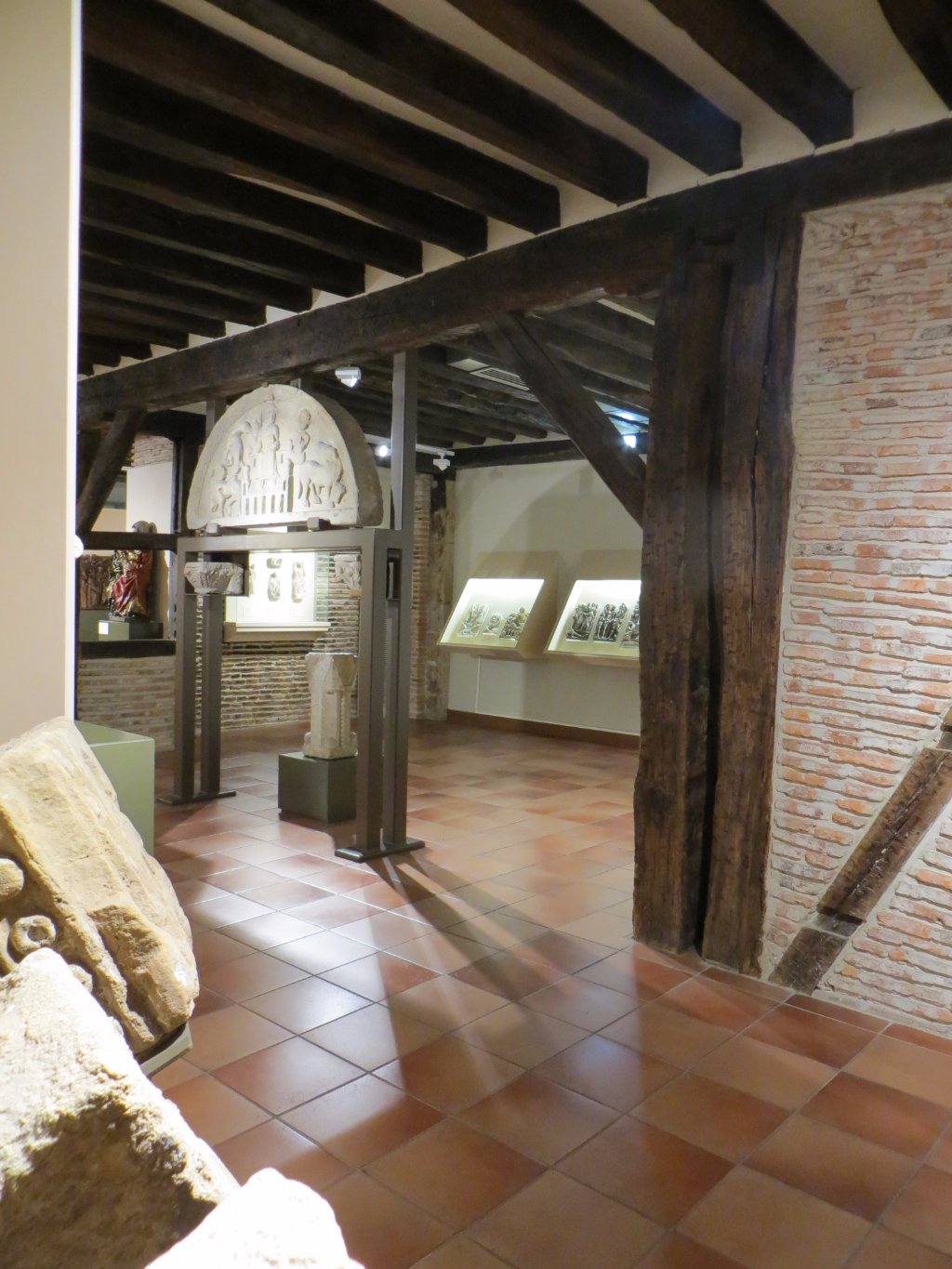
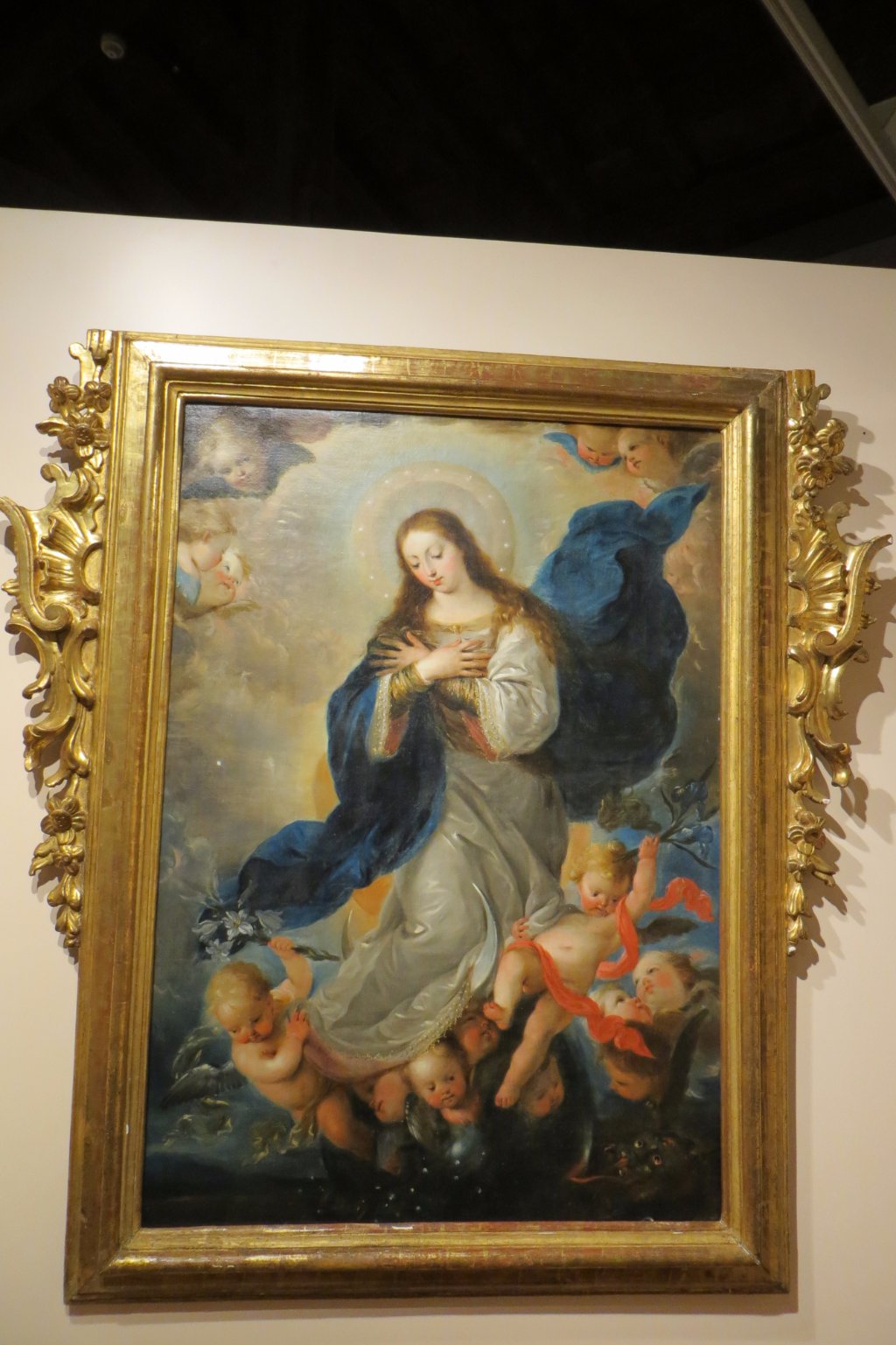
Explore a serene collection of sculptures, paintings, and religious items offering a unique perspective on faith and history.
Colonial Cell Recreation
Step back in time in a recreated colonial ecclesiastical prison or cell, offering a glimpse into historical religious life.
Beautiful Courtyard
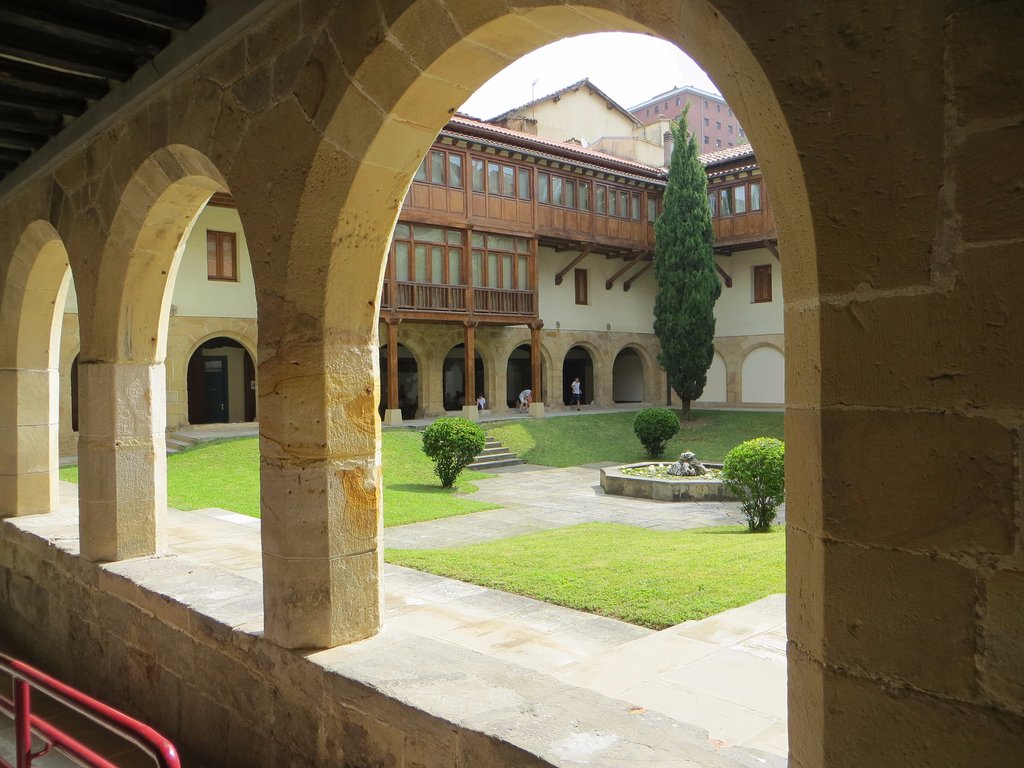
Enjoy the tranquility of a well-maintained courtyard, providing a peaceful respite during your visit.
Plans like a pro.
Thinks like you
Planning Your Visit
Plan Your Visit to Museo de Arte Sacro
 Check for potential student discounts, though some visitors note their absence.
Enhance Your Experience
Best Times
Insider Tips
from TikTok, Instagram & Reddit
🎯 Affordable Admission
Entry fees are generally low, often around 20 pesos, making it an accessible cultural experience.
🤫 Seek Serenity
The museum offers a peaceful and quiet atmosphere, perfect for contemplation and appreciating the art.
💡 Enhance Your Learning
Consider bringing your own audio guide or researching beforehand, as some visitors suggest more detailed information.
❄️ Stay Cool
Many locations are air-conditioned, ensuring a comfortable visit even on warmer days.
Tips
from all over the internet
🎯 Affordable Admission
Entry fees are generally low, often around 20 pesos, making it an accessible cultural experience.
🤫 Seek Serenity
The museum offers a peaceful and quiet atmosphere, perfect for contemplation and appreciating the art.
💡 Enhance Your Learning
Consider bringing your own audio guide or researching beforehand, as some visitors suggest more detailed information.
❄️ Stay Cool
Many locations are air-conditioned, ensuring a comfortable visit even on warmer days.
📸 Capture the Moment
While specific photography rules may vary, the striking exhibits and peaceful courtyards are great for photos.
What Travellers Say
Reviews Summary
Visitors consistently praise Museo de Arte Sacro as a hidden gem, offering a peaceful and visually striking experience with beautiful art and historical artifacts. The affordable admission and serene atmosphere are frequently highlighted as major positives, though some suggest improvements in informational resources like audio guides.
"A true treasure. Small, but inexpensive and some really beautiful art."
Fr. Dismas Sayre, O.P.
"It's a striking museum, mostly dedicated to religious artifacts. Very peaceful and quiet. It's a pleasant visit and provides a different perspective on art."
Franco Zeballos
"Very interesting. Neat and clean, good service.
They have air conditioning. Admission is fee-based."
Cecilia Gentilini
What People Like
What People Dislike
Frequently Asked Questions
🚇 🗺️ Getting There
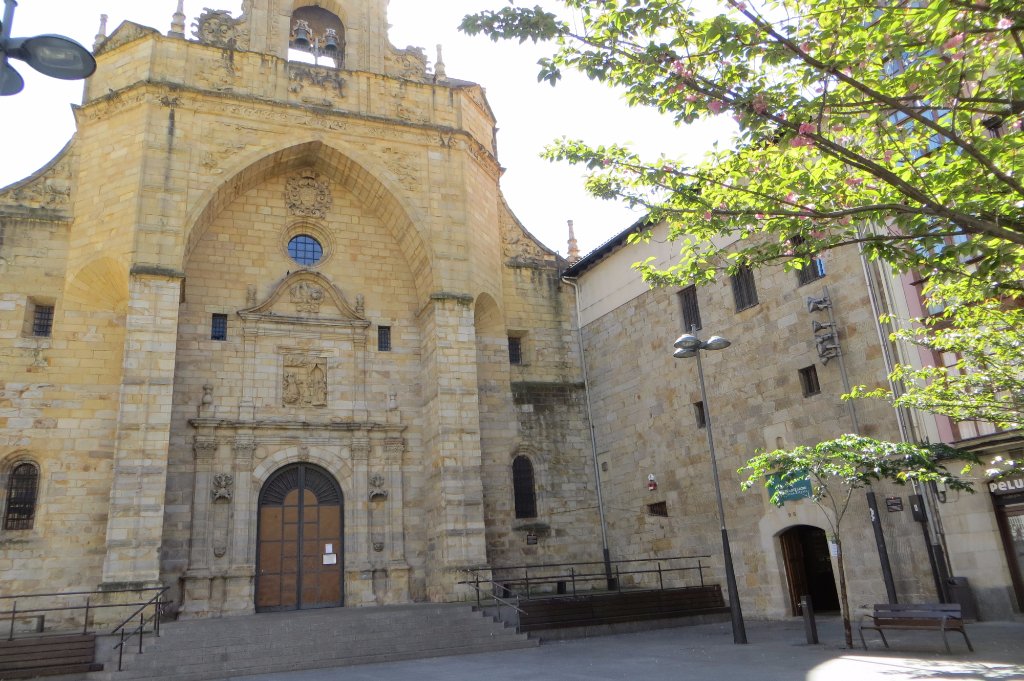
Location varies by city. For example, in Asunción, it's located next to the cathedral.
Parking availability can differ greatly depending on the museum's urban location. It's advisable to research local parking options or consider public transport.
Many Museo de Arte Sacro locations are in city centers and are well-served by public transportation. Check local transit maps for the most convenient routes.
Some locations offer guided tours, which can provide deeper insights into the exhibits. It's recommended to inquire about tour availability in advance.
Use search terms like 'Museo de Arte Sacro [City Name]' to find the exact location and details for your intended visit. Social media can also offer location tags.
🎫 🎫 Tickets & Entry
Admission is generally inexpensive, often around 20 pesos. Some locations, like the one in Palma, offer free entry on Saturdays,
While some visitors mention the lack of student discounts, it's always best to check with the specific museum. Some may offer concessions.
Opening hours vary by location and day. For instance, the Fundación Juan March in Palma is open weekdays, while others might have weekend-specific hours.
Online ticket purchasing options depend on the specific museum. For smaller or more local museums, on-site purchase is more common. Check the official website or social media pages for ticketing information.
In some cases, like the Museo de Arte Sacro in Caracas, the entrance fee might also grant access to nearby sites like the Palacio Arzobispal.
🎫 🧭 Onsite Experience
Expect to see a variety of religious art, including sculptures, paintings, and historical religious items. Some museums also feature colonial-era artifacts and recreations of historical spaces like ecclesiastical prisons.
The museum's focus on religious art might be more engaging for older children or those with an interest in history and art. The peaceful atmosphere is generally conducive to a calm visit.
Audio guides are not always standard. Some visitors have suggested implementing QR codes for audio guides in multiple languages to enhance the visitor experience.
Photography policies can vary. It's best to look for signage or ask staff upon arrival. Some social media posts showcase photos, suggesting it might be permitted in certain areas.
Visitors consistently describe the atmosphere as peaceful, serene, and quiet, making it a pleasant place for reflection and appreciation of art.
🍽️ 🍽️ Food & Dining
Most Museo de Arte Sacro locations are focused on the exhibits and typically do not have on-site dining facilities. It's advisable to plan your meals before or after your visit.
Since these museums are often located in historical city centers, you'll likely find a variety of local restaurants, cafes, and eateries nearby. Exploring the surrounding neighborhood is recommended.
Generally, bringing outside food and drinks into museum galleries is discouraged to protect the exhibits. Check the specific museum's policy.
📸 📸 Photography
The striking religious art, serene courtyards, and unique historical recreations offer excellent photographic opportunities.
Flash photography is often prohibited in museums to protect delicate artworks from light damage. Always check for signs or ask staff.
Photography for personal use is usually allowed, but commercial photography or videography often requires special permission and may incur fees.
While many exhibits are photogenic, some specific pieces or areas might have restrictions. Be mindful of any 'no photography' signs.
A camera with good low-light performance is beneficial, especially for indoor exhibits. A smartphone with a decent camera can also capture the essence of the art and atmosphere.


Social
from TikTok, Instagram & Reddit