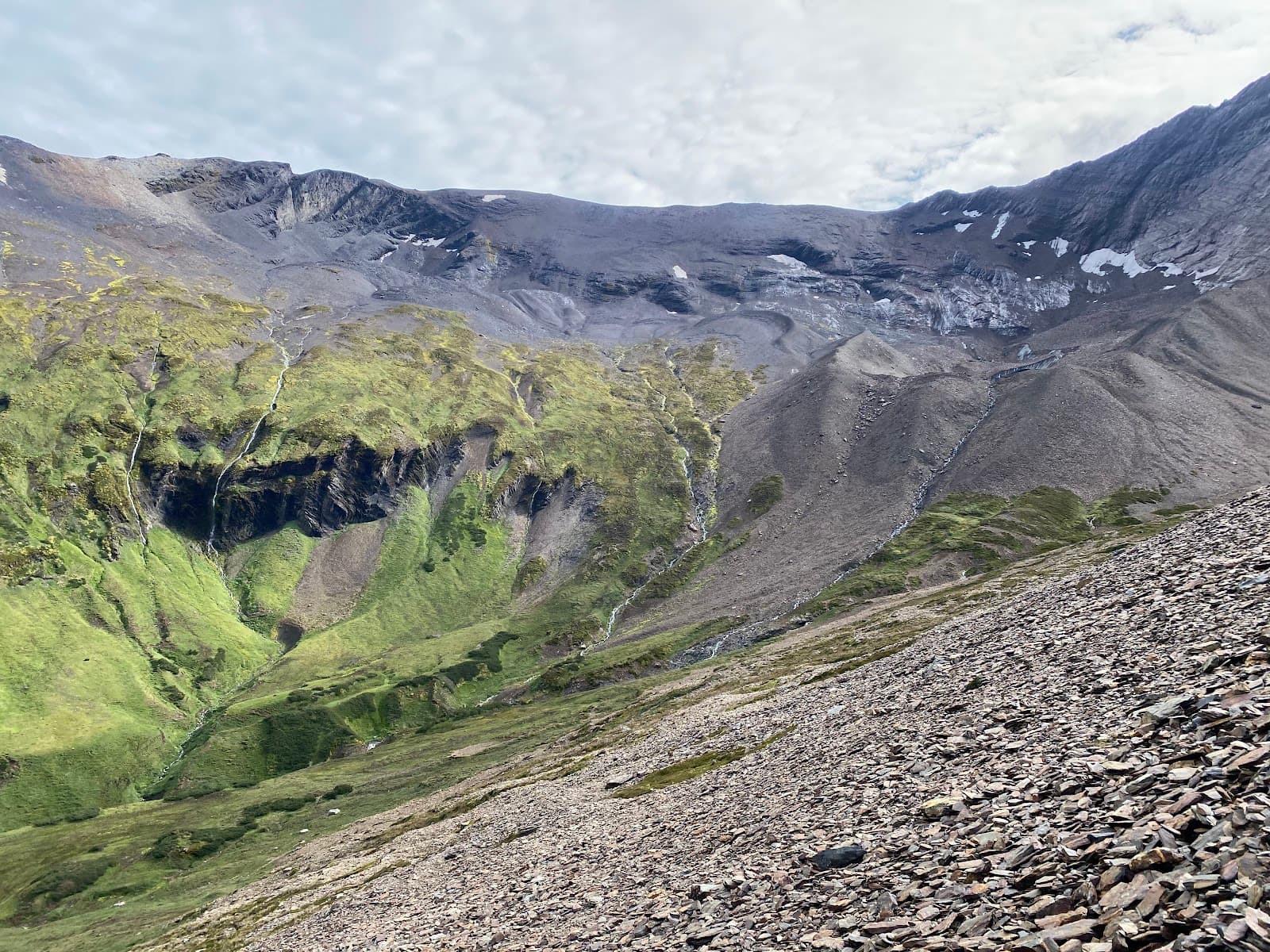
Cañadón de la Oveja Trail
A challenging 30km trek in Ushuaia, once famed for its ice cave. Offers diverse landscapes and camping, ideal for experienced hikers.
Highlights
Must-see attractions

Social
From TikTok & Reddit
Best Time
Best light for hiking
Cañadón de la Oveja Trail
Best Time
Best light for hiking
Highlights
Must-see attractions
A challenging 30km trek in Ushuaia, once famed for its ice cave. Offers diverse landscapes and camping, ideal for experienced hikers.
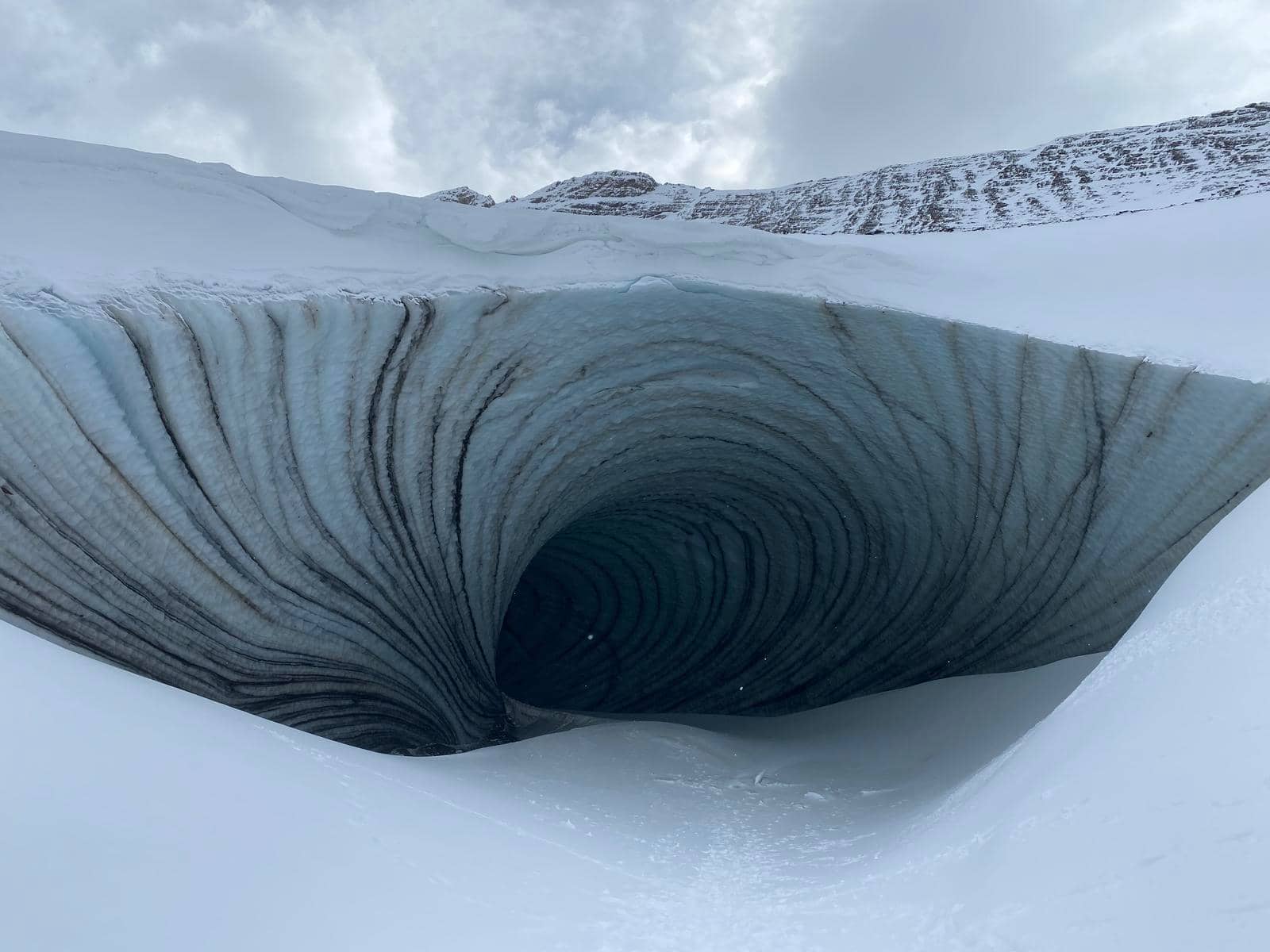
"The path is so worth it, even though the famous Jimbo Cave is no longer there."
Check Trail Status First
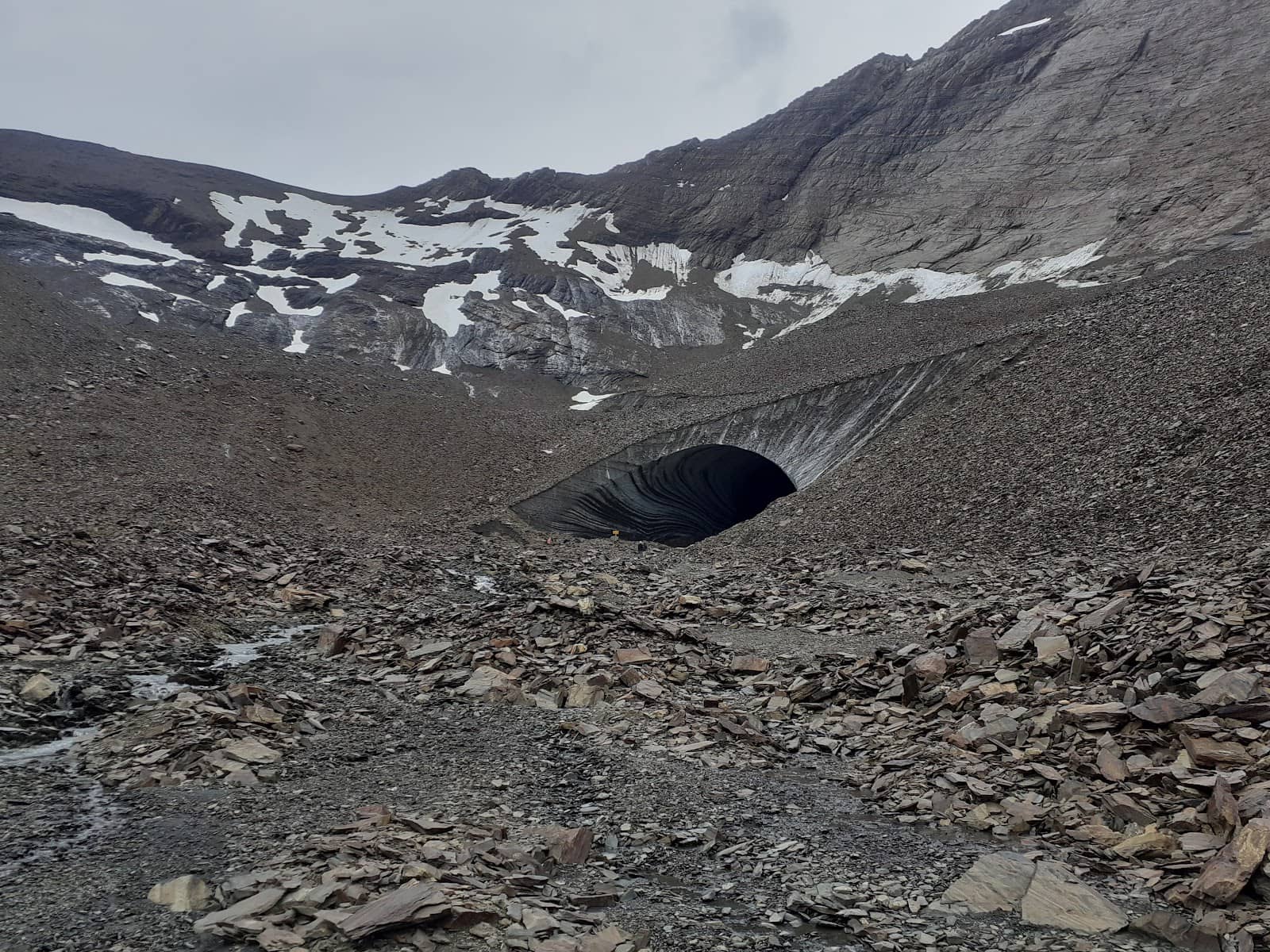
The famous ice cave has collapsed. Verify current trail conditions before you go.
Sturdy Hiking Boots Needed
Loose rocks and steep ascents demand good ankle support and grip. :athletic_shoe:
Quick Facts
Hours
Rating
4.9 · 14 reviews
Type
Tourist Attraction
Highlights
Discover the most iconic attractions and experiences
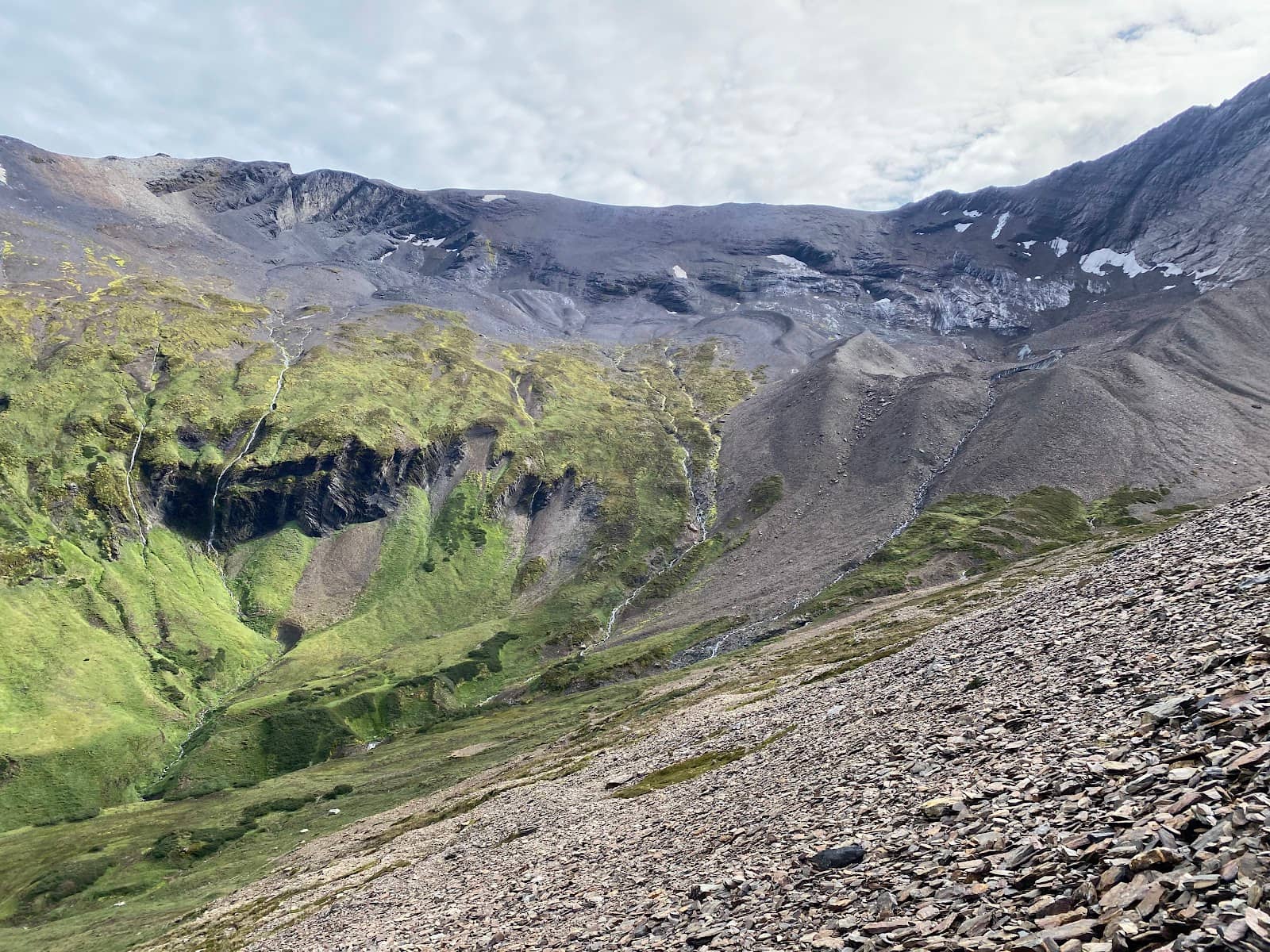
The Challenging Trek
The trail itself
A demanding 30km crossing with varied landscapes and significant elevation gain. Worth the effort for experienced hikers.
Tranquil Lakeside Camping
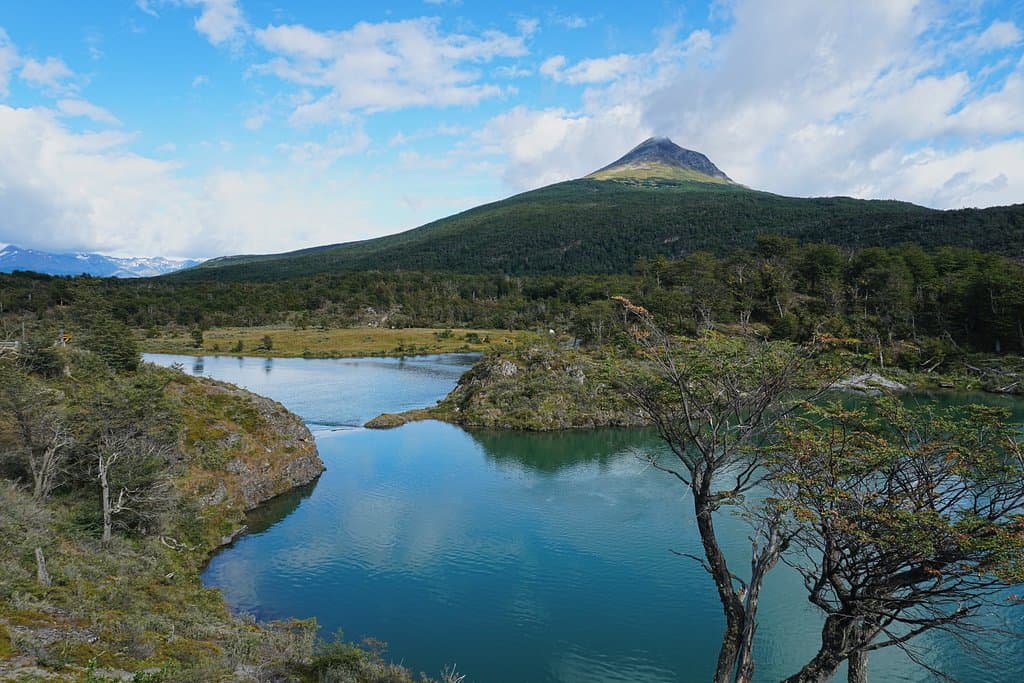
Campsite near the lagoon
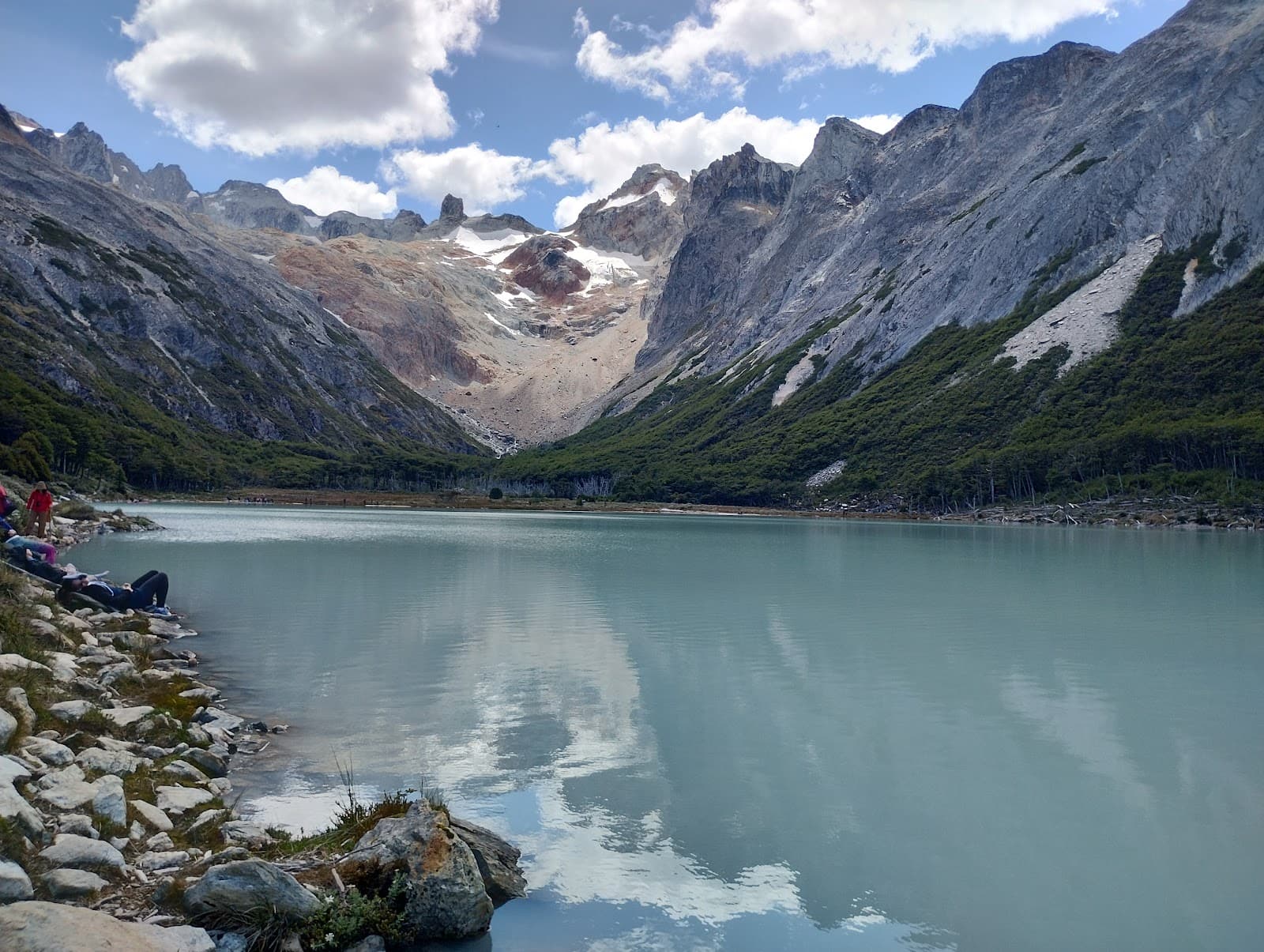
A peaceful camping spot by the lagoon, offering a serene overnight experience for trekkers. Remember to be fire-safe.
Scenic Eastern Campsite
Eastern end of the trail
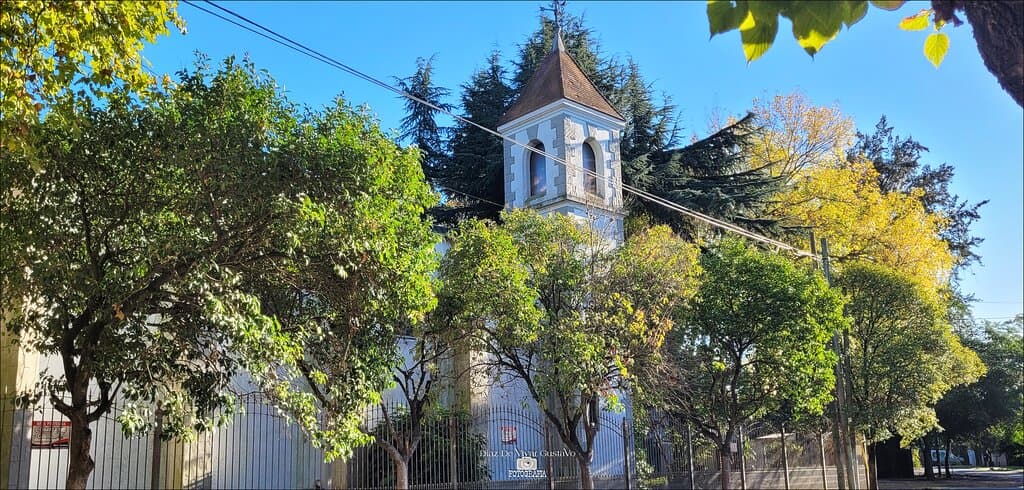
A paid campsite at the trail's eastern terminus, providing facilities for trekkers completing the route.
Plans like a pro.
Thinks like you
Planning Your Visit
Trail Status & Safety
Trail Difficulty & Duration
Best Times
Insider Tips
from TikTok, Instagram & Reddit
Tips on Ushuaia?
Yes, Ushuaia is not Patagonia, but close enough. I'm staying here for a week waiting for the Antarctica cruise; any tips on what not to miss in the town? Thanks!
Check Trail Status First
The famous ice cave has collapsed. Verify current trail conditions before you go. +1
Sturdy Hiking Boots Needed
Loose rocks and steep ascents demand good ankle support and grip. :athletic_shoe:
2nd Time in Ushuaia, the end of the world!
I loved Ushuaia, particularly the hiking the first time I went, but the weather stopped me doing everything I wanted. This time I managed to get to these spots: Cañon de la Oveja The Lighthouse at the end of the world Laguna del Caminante Laguna Esmerelda The Laguna Caminante…
How is this formed???
Hi i am going to ushuaia with some friends this year and we are going to visit this insane rock formation called Cañadon de la oveja. But i cant find any information on how it is formed or do i have ideia myself as how such a struture may come into being. Does anybody here know?…
Pack for All Weather
Patagonia weather is unpredictable; bring layers, rain gear, and sun protection. ☁️
Leave No Trace
Be extremely careful with campfires to prevent wildfires. Pack out all trash. 🔥
A Path To Ushuaia - Southernmost City(?) In The World ! New fish in this community and first time posting on Reddit ! I have a lot to share from the last 6 years I was working and wandering across the world, hope you will like it :)
This photo was taken at the final leg of "The Sheep's path" hike (Paso De La Oveja - Laguna Del Caminante) On this final leg you are walking all the way in the middle of those steep rocky heels- like a sheep ! Very often a burst of Patagonian winds strike you down to the…
Tips
from all over the internet
Check Trail Status First
The famous ice cave has collapsed. Verify current trail conditions before you go. +1
Sturdy Hiking Boots Needed
Loose rocks and steep ascents demand good ankle support and grip. :athletic_shoe:
Pack for All Weather
Patagonia weather is unpredictable; bring layers, rain gear, and sun protection. ☁️
Leave No Trace
Be extremely careful with campfires to prevent wildfires. Pack out all trash. 🔥
Consider a Guide
For this challenging trek, a local guide can enhance safety and experience. :hiking_boot:
What Travellers Say
Reviews Summary
While the iconic Jimbo Cave has sadly collapsed, the Cañadón de la Oveja trail itself is still highly praised for its challenging and rewarding trekking experience, offering diverse landscapes and opportunities for peaceful overnight camping. Some visitors note the trail's difficulty and the loss of the ice cave, but many still find the journey incredibly worthwhile.
"This place collapsed and no longer exists. Also known as Curva Jimbo"
jakob lee
"Melhor trilha que fiz na cidade, e ainda é grátis . Muitos cenários diferentes em dois dias de caminhada. Tem que tomar muito cuidado ao acampar para que não fiquem restos de brasa! O acampamento ao lado da lagoa é muito tranquilo e com um bom saco de dormir não se passa frio nenhum! A trilha termina do lado leste da cidade onde há um acampamento também (esse é pago)"
felipe aguiar severino
"Que trekking!!! Uma travessia também conhecida como Volta ao Ushuaia, passamos pela Laguna El caminante e seguimos pelo Cañadon de la Oveja, a trilha é sensacional e gratuita, difícil e cerca de 30 km, muitas subidas com pedras soltas, necessário muita atenção, siga para acompanhar nossa aventura pela Patagônia @andreia.ufscar"
Andreia Rocha
What People Like
What People Dislike
Frequently Asked Questions
🚇 🗺️ Getting There
Access to the Cañadón de la Oveja trail typically starts from Ushuaia. While specific public transport options directly to the trailhead might be limited, many visitors opt for taxis or arrange private transfers from Ushuaia. Some also combine it with other hikes like Laguna Esmeralda, which might have more accessible starting points.
Driving to the trailhead is possible, but road conditions can vary, especially for the final approach. It's advisable to check with locals or your accommodation about the best way to reach the starting point by vehicle, and consider a 4x4 if available.
The trail is often traversed as a crossing, meaning you can start from one end and finish at another. Some hikers begin near the city and end further out, or vice versa, as part of a longer circuit.
If you complete the crossing, you'll need to arrange transportation from the eastern end of the trail back to Ushuaia. This often involves pre-booking a taxi or shuttle service, as it's a remote exit point.
Yes, several tour operators in Ushuaia offer guided excursions for this challenging trek. A guide can provide valuable insights into the terrain, safety, and local flora and fauna.
🎫 🎫 Tickets & Entry
The Cañadón de la Oveja trail itself is generally considered free to access, making it an attractive option for budget-conscious travelers. However, some campsites along the route may have associated fees.
No advance booking is required for the trail itself as it's a natural hiking path. However, if you plan to use the paid campsite at the eastern end, it's wise to inquire about reservations, especially during peak season.
As a natural trail, there are no official operating hours. However, it's best to hike during daylight hours for safety and visibility. Overnight camping is permitted in designated areas.
Sadly, the iconic Cañadón de la Oveja ice cave, also known as Jimbo Cave, has collapsed and no longer exists due to environmental changes. +1
While the trail is free, the paid campsite at the eastern end might require a small fee. For dispersed camping along the trail, it's crucial to follow 'Leave No Trace' principles and be mindful of any local regulations.
🎫 🥾 Onsite Experience
This is considered a difficult and challenging hike, often described as a trek. It involves significant elevation gain, loose rocks, and can be around 30 km long, making it suitable for experienced hikers.
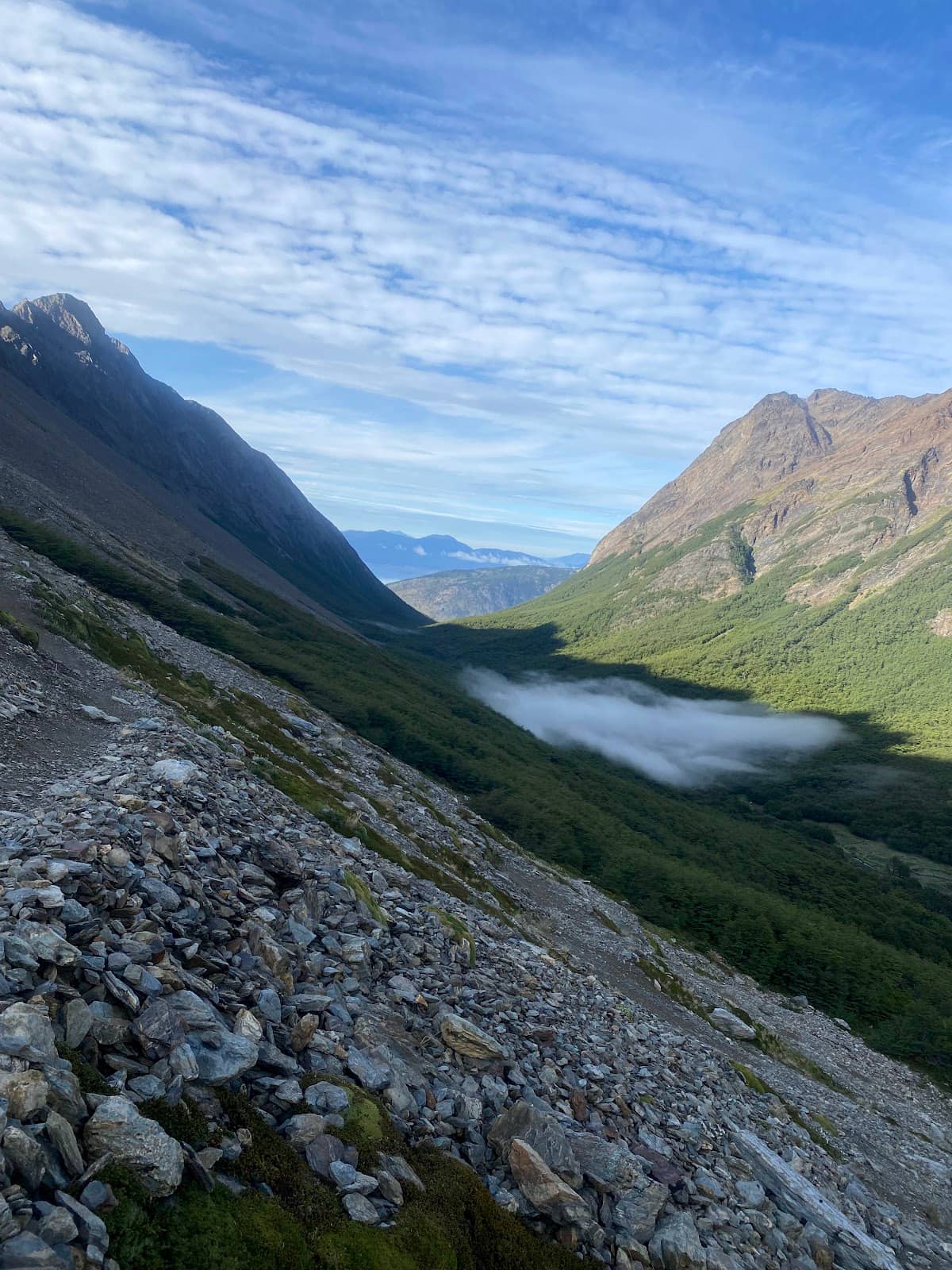
The trail offers diverse landscapes, from rocky ascents to serene lagoons and potentially varied terrain. Even without the ice cave, the natural beauty of the Patagonian wilderness is a major draw.
Yes, overnight camping is a popular option. There's a tranquil campsite near a lagoon and another paid campsite at the eastern end of the trail. Ensure you practice responsible camping.
Sturdy hiking boots with good ankle support are essential due to the loose rocks. Layers of clothing, waterproof outer shells, and sun protection are also highly recommended due to unpredictable Patagonian weather.
Facilities are minimal. While there are designated camping areas, expect limited amenities. Natural water sources may be available, but it's always best to carry sufficient water or have a reliable water filter.
🍽️ 🍽️ Food & Dining
No, there are no restaurants or food services directly on the Cañadón de la Oveja trail. This is a wilderness hike, so you must carry all your food and snacks with you.
Pack high-energy, non-perishable food items like trail mix, energy bars, dried fruits, nuts, and sandwiches. For overnight trips, consider lightweight dehydrated meals.
You can purchase hiking food and supplies in Ushuaia before you head out. Supermarkets and outdoor gear shops in the city will have a good selection.
While natural water sources may be present, it's always recommended to treat water from streams using a water filter or purification tablets to avoid potential contamination.
If camping, lightweight dehydrated meals are ideal. Alternatively, you can prepare simple meals that don't require much cooking or refrigeration. Remember to pack out all food waste.
📸 📸 Photography
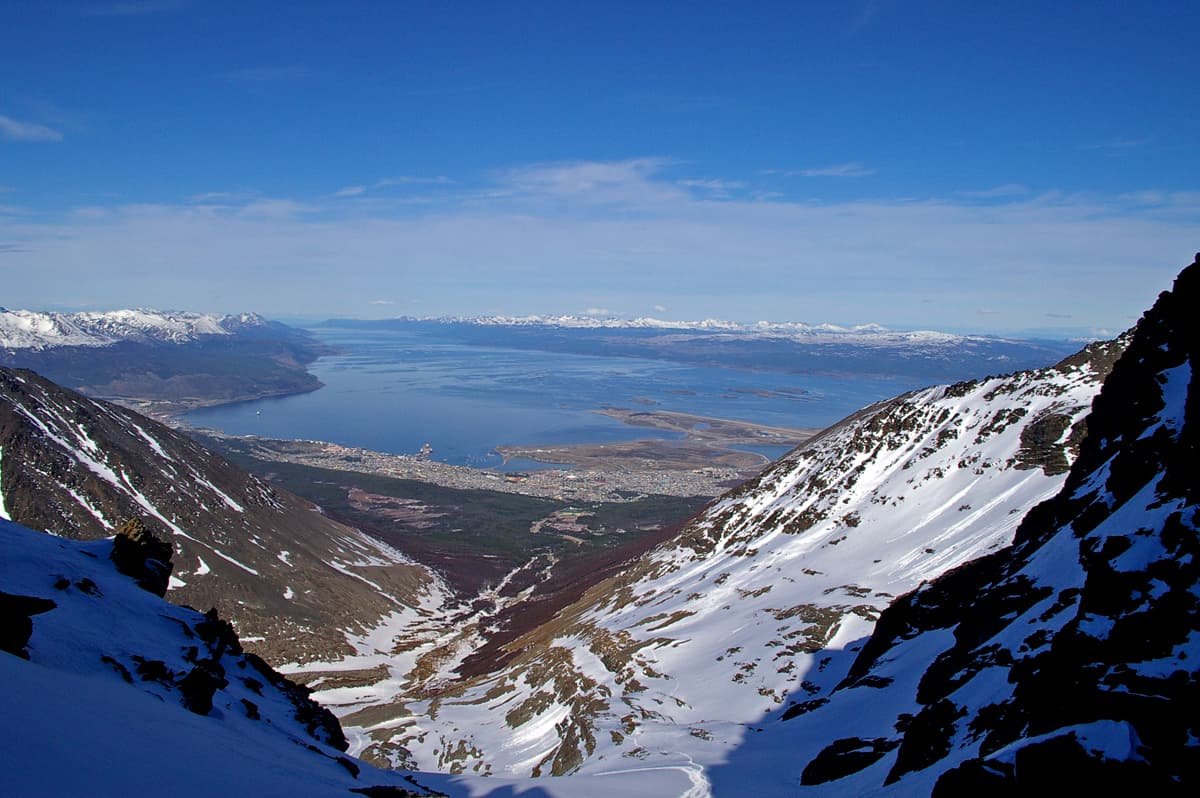
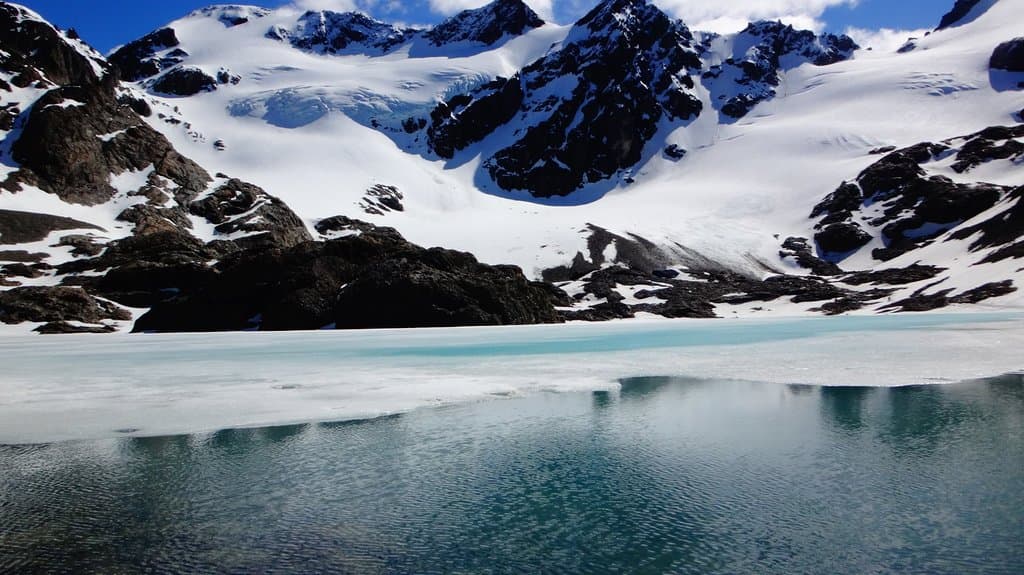
Even without the ice cave, the trail offers stunning Patagonian landscapes. Look for panoramic views from higher elevations, serene lagoon shots, and the rugged terrain itself.
Early morning and late afternoon, during the 'golden hours,' often provide the most dramatic lighting for landscape photography. Midday sun can be harsh.
A good quality camera or even a smartphone with a decent camera will suffice. Consider a wide-angle lens for landscapes and a telephoto lens for capturing distant details.
Patagonia's weather can be harsh. Use a waterproof camera bag or cover, and consider bringing extra lens cloths and silica gel packs to manage moisture.
Higher points along the trail often offer expansive views of the surrounding valleys and mountains. The areas around the lagoons also provide beautiful, reflective photo opportunities.

Social
from TikTok, Instagram & Reddit