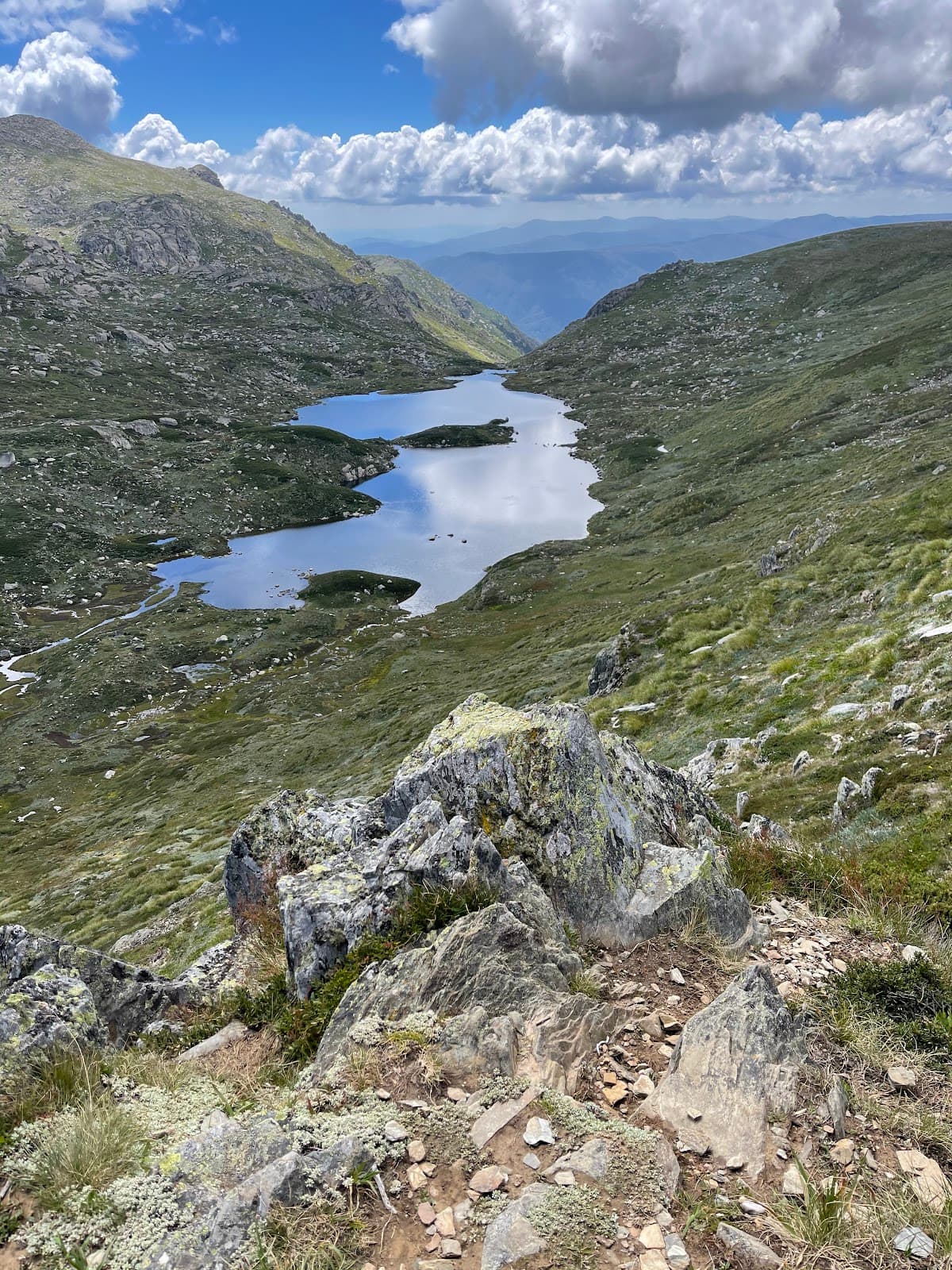
Lake Albina Kosciuszko National Park
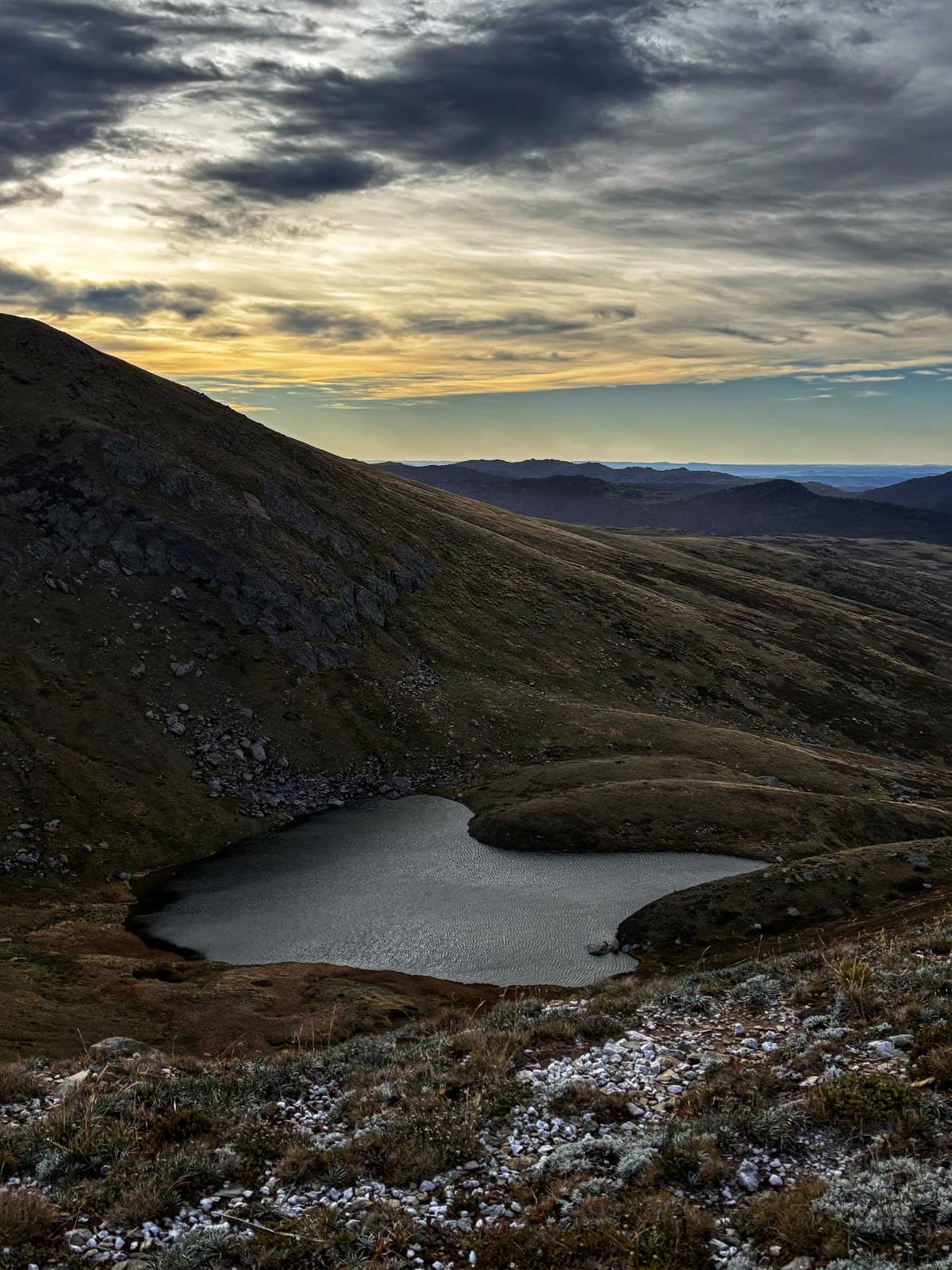
A breathtaking alpine lake nestled in Kosciuszko National Park, renowned for its vibrant blue waters and stunning mountain vistas.
Highlights
Must-see attractions

Social
From TikTok & Reddit
Best Time
Clearer skies, milder temperatures
Lake Albina Kosciuszko National Park
Best Time
Clearer skies, milder temperatures
Highlights
Must-see attractions
A breathtaking alpine lake nestled in Kosciuszko National Park, renowned for its vibrant blue waters and stunning mountain vistas.
"Fabulous spot on the Blue Lakes walk, a must-see for its incredible natural beauty!"
🥾 Sturdy Footwear is a Must
Solid hiking boots are highly recommended for the uneven alpine terrain. :athletic_shoe:
💧 Carry Ample Water
Stay hydrated in the alpine environment; bring more fluids than you think you'll need. :droplet:
Quick Facts
Rating
4.5 · 2 reviews
Type
Natural Feature
Highlights
Discover the most iconic attractions and experiences
The Azure Waters of Lake Albina
Kosciuszko National Park
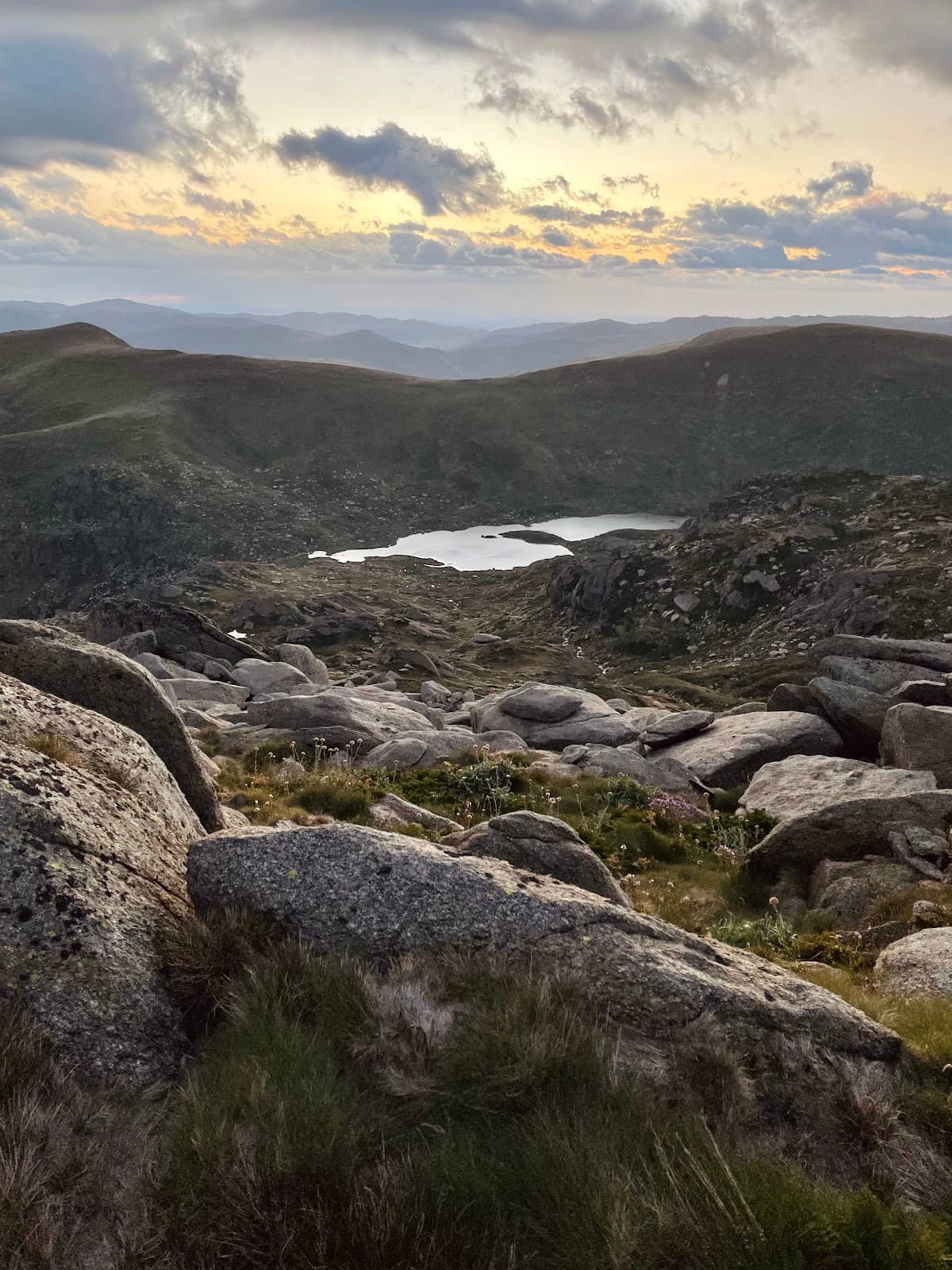
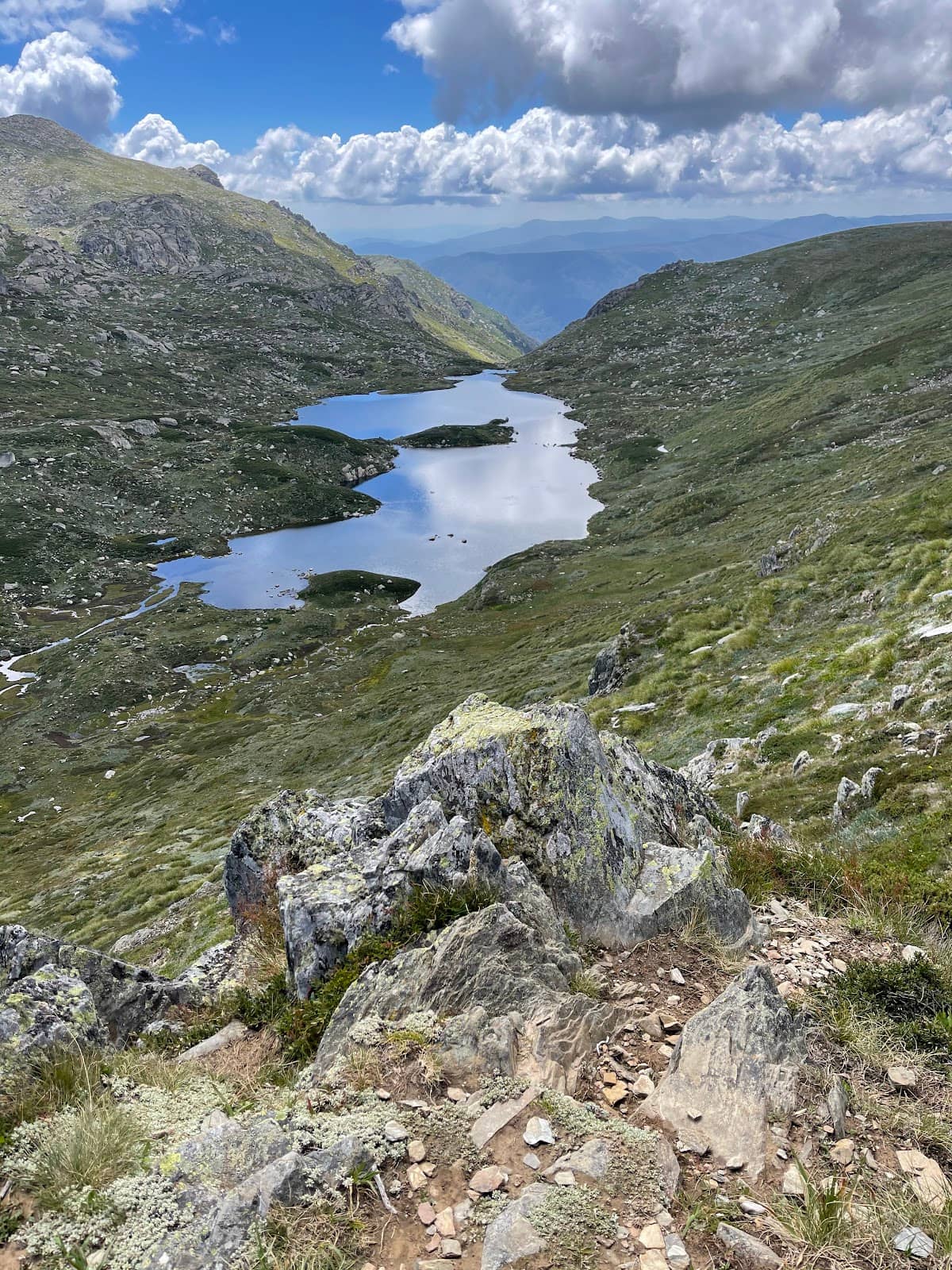
A stunning alpine lake nestled between rugged peaks, offering breathtaking natural beauty.
Blue Lakes Walk
Kosciuszko National Park
This scenic trail leads to Lake Albina, showcasing vibrant blue glacial lakes.
Panoramic Mountain Views
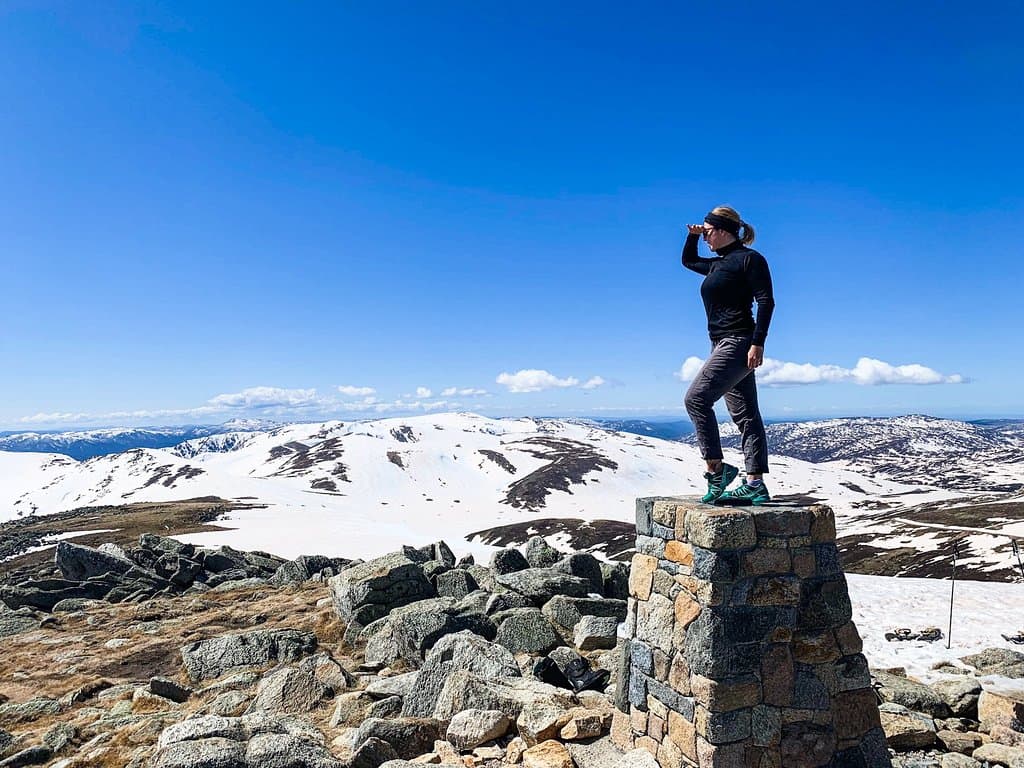
Surrounding peaks (Mt. Townsend, Mt. Lee, Mt. Northcote)
Experience sweeping vistas of the Snowy Mountains from the vantage points near the lake.
Plans like a pro.
Thinks like you
Planning Your Visit
Gear Up for Alpine Conditions
Hydration and Safety First
Best Times
Insider Tips
from TikTok, Instagram & Reddit
🥾 Sturdy Footwear is a Must
Solid hiking boots are highly recommended for the uneven alpine terrain. :athletic_shoe:
💧 Carry Ample Water
Stay hydrated in the alpine environment; bring more fluids than you think you'll need. :droplet:
🧥 Pack for All Weather
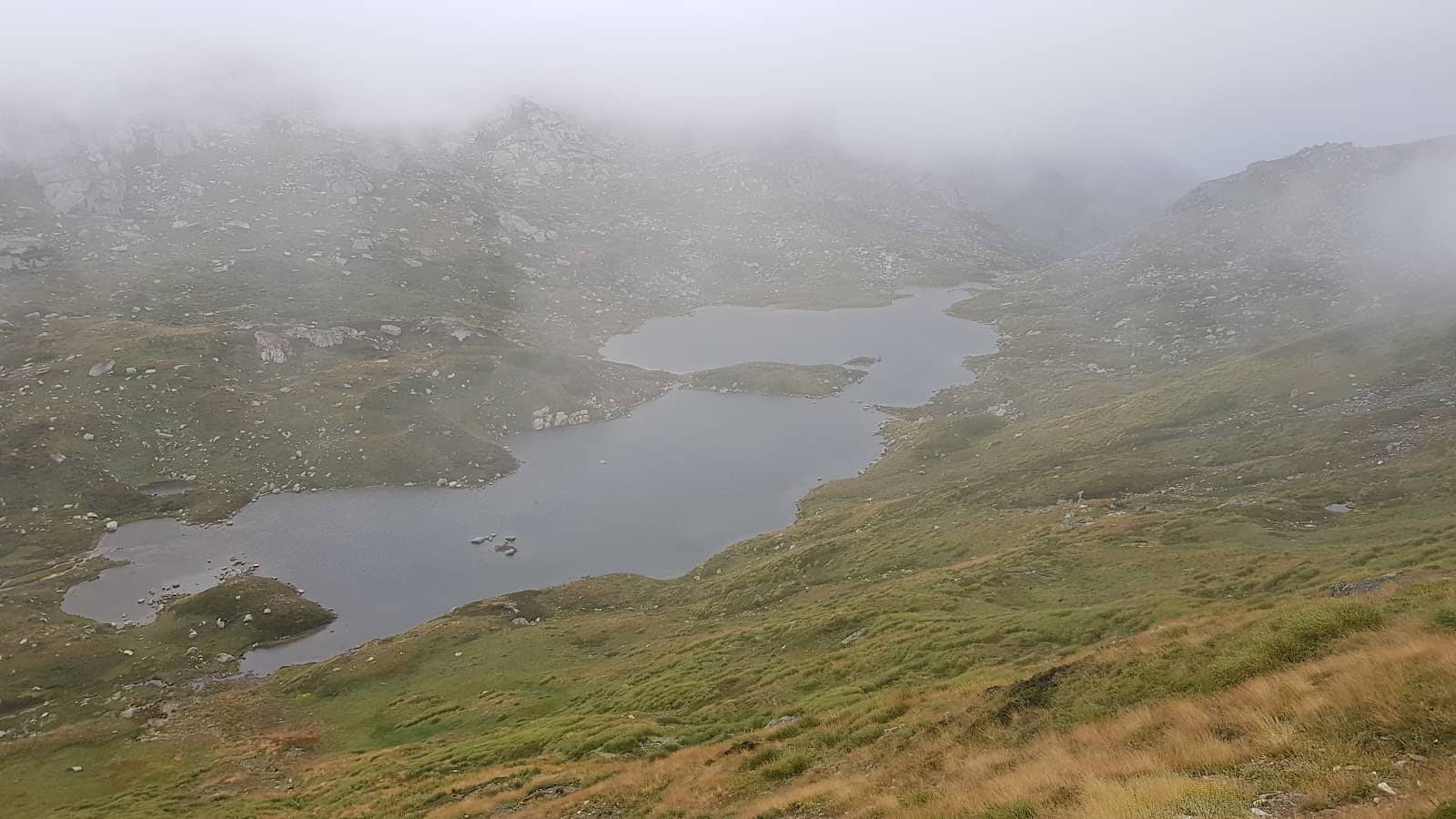
Alpine weather changes fast! Bring layers, including waterproofs and warm gear. :cloudwithsnow:
☀️ Don't Forget Sunscreen
The sun is intense at higher altitudes, even on cloudy days. :sunwithface:
Tips
from all over the internet
🥾 Sturdy Footwear is a Must
Solid hiking boots are highly recommended for the uneven alpine terrain. :athletic_shoe:
💧 Carry Ample Water
Stay hydrated in the alpine environment; bring more fluids than you think you'll need. :droplet:
🧥 Pack for All Weather
Alpine weather changes fast! Bring layers, including waterproofs and warm gear. :cloudwithsnow:
☀️ Don't Forget Sunscreen
The sun is intense at higher altitudes, even on cloudy days. :sunwithface:
What Travellers Say
Reviews Summary
Visitors rave about the stunning, vibrant blue waters of Lake Albina and the breathtaking alpine scenery on the Blue Lakes Walk. The challenging hike is considered well worth the effort for the rewarding views. However, the unpredictable and rapidly changing weather in the Australian Alps is a significant factor, requiring thorough preparation.
"Lake Albina is located about 2.5 kilometres (1.6 mi) north of Mount Kosciuszko, the highest mountain in Australia. The 6,600-square-metre (71,000 sq ft) lake is approximately 500 metres (1,600 ft) long and 50 metres (160 ft) wide. It is located in a ravine, with Mount Townsend to the west and Mount Lee and Mount Northcote to the east. Lake Albina drains northwards towards the Geehi River through Lady Northcote's canyon.
Hiking boots is highly recommended. Take lot of fluids to stay hydrated. There is a medical emergency bot available nearby ."
anand raj
"Fabulous spot on the Blue Lakes walk. If trekking here make sure you bring cold weather gear (the weather changes quickly) solid shoes and sunscreen."
Michael McRoberts
What People Like
What People Dislike
Frequently Asked Questions
🚇 🗺️ Getting There
Lake Albina is accessible via the Blue Lakes Walk, which typically starts from Charlotte Pass or Thredbo. The walk is a challenging alpine hike, so be prepared for a significant trek. Ensure you have appropriate gear and check park conditions before you go.
No, Lake Albina is not accessible by car. It requires a hike to reach. The nearest road access points are typically Charlotte Pass or Thredbo, from where you'll begin your trek.
The distance can vary depending on your starting point, but the Blue Lakes Walk from Charlotte Pass is a substantial hike, often several kilometers each way. Plan for a full day of hiking.
During peak season, there may be shuttle services available to trailheads like Charlotte Pass. It's best to check the NSW National Parks website or local information centers for current transport options.
Parking is available at trailheads such as Charlotte Pass, but it can fill up quickly, especially during busy periods. Arrive early if you plan to drive.
🎫 🎫 Tickets & Entry
Yes, Kosciuszko National Park typically has an entry fee per vehicle. You can usually purchase this at park entry stations or online in advance. Check the NSW National Parks website for current fees.
Generally, no special permits are required for day hiking to Lake Albina. However, if you plan to camp in the park, you will need to obtain a camping permit. Always check the latest regulations.
Kosciuszko National Park is generally open year-round, 24 hours a day. However, access to certain areas or roads may be restricted due to weather conditions, especially in winter.
As Lake Albina is a natural attraction reached by hiking, you don't book tickets for the lake itself. However, booking park entry fees or any associated accommodation/camping in advance is recommended during peak times.
The most reliable source for park alerts, including track closures or weather warnings, is the official NSW National Parks and Wildlife Service website. They provide up-to-date information.
🎫 🏞️ Onsite Experience
The hike to Lake Albina involves alpine terrain, which can be rocky, uneven, and steep in sections. Sturdy hiking boots are essential for safety and comfort. Be prepared for a challenging but rewarding walk.
While the water is incredibly clear and inviting, swimming in Lake Albina is generally not recommended due to the extremely cold temperatures of the alpine water. It's best enjoyed for its scenic beauty.
You might encounter native Australian alpine wildlife such as wallabies, wombats, and various bird species. Remember to observe wildlife from a distance and never feed them.
Facilities are limited in the alpine areas. While there might be basic toilets at some trailheads, there are generally no amenities directly at Lake Albina. Pack out everything you pack in.
The hike can take several hours, depending on your fitness level, starting point, and how long you spend at the lake. It's advisable to allocate a full day for the excursion.
📸 📸 Photography
Early morning or late afternoon often provide the best light for photography, with softer shadows and warmer hues. The midday sun can be harsh in the alpine environment.
A wide-angle lens is great for capturing the expansive mountain scenery and the lake. A polarizing filter can help reduce glare on the water and enhance the blue tones. Don't forget a sturdy tripod for low-light conditions.
The entire area around Lake Albina offers stunning photographic opportunities. Explore the edges of the lake and the surrounding slopes for unique perspectives of the water and the peaks.
Be mindful of rapidly changing weather, which can affect light and visibility. Protect your gear from dust and moisture. Also, be aware of your footing on uneven terrain.
Drone usage is subject to strict regulations within national parks. It's essential to check the NSW National Parks and Wildlife Service guidelines and obtain any necessary permits before flying a drone.
Social
from TikTok, Instagram & Reddit