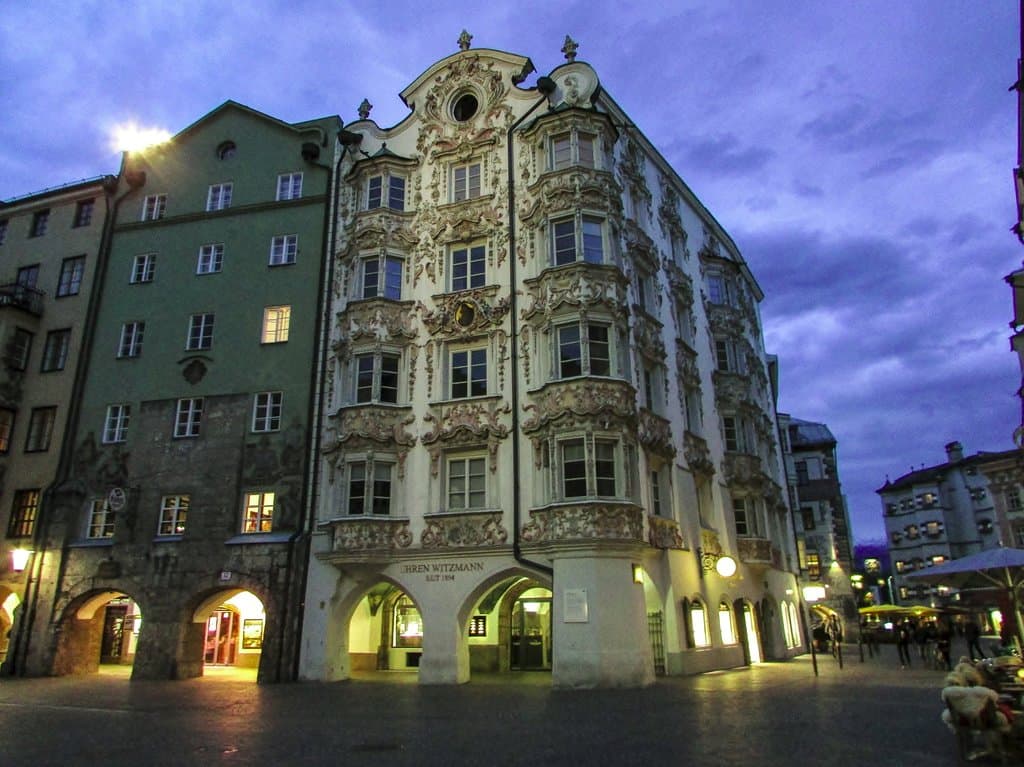
Helblinghaus
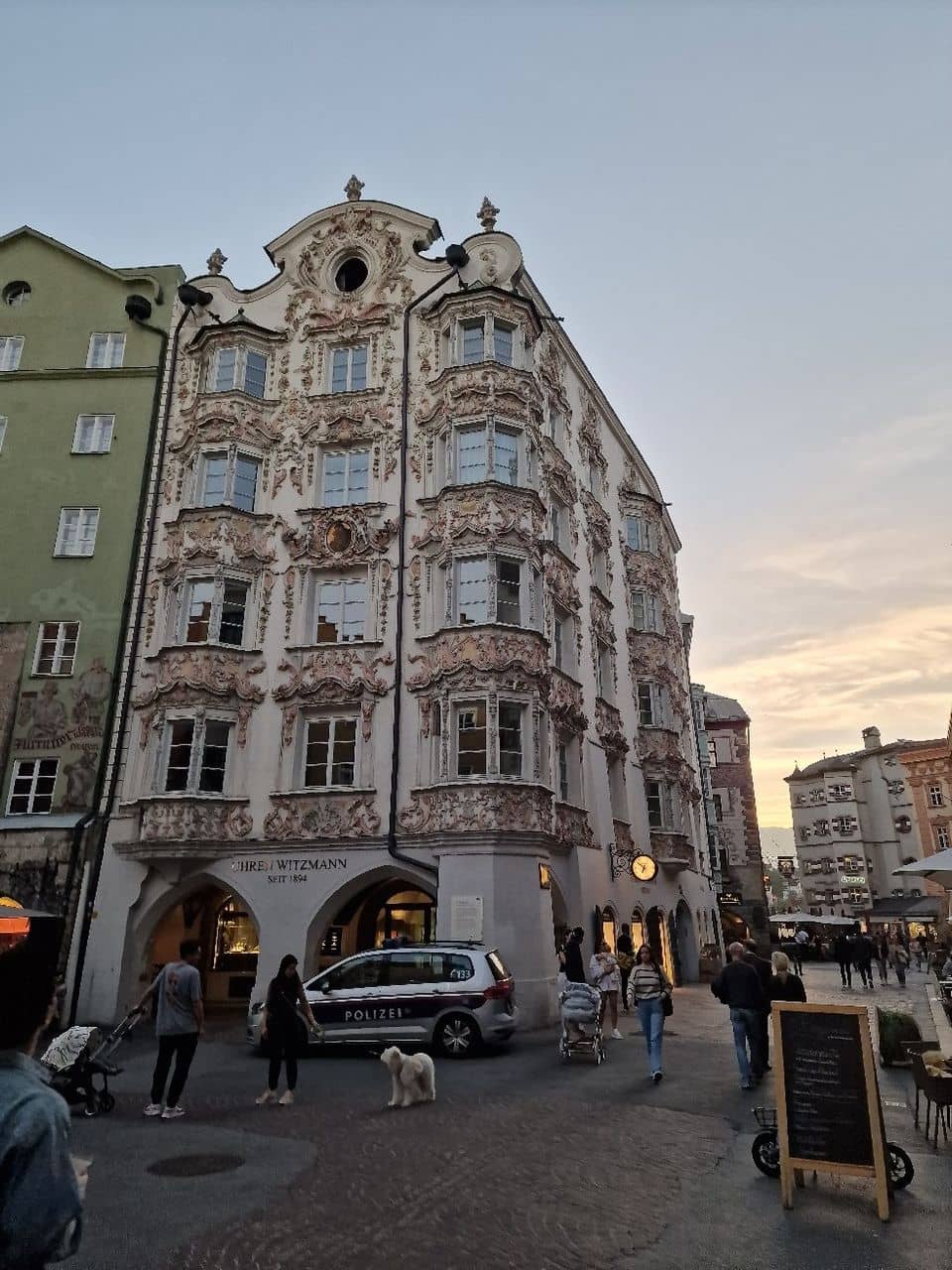
A Rococo-Baroque gem in Innsbruck's Old Town, famous for its intricate, 'sugar-like' stucco facade adorned with angels and floral motifs.

Highlights
Must-see attractions

Social
From TikTok & Reddit
Best Time
Best light for facade details
Helblinghaus
Best Time
Best light for facade details
Highlights
Must-see attractions
A Rococo-Baroque gem in Innsbruck's Old Town, famous for its intricate, 'sugar-like' stucco facade adorned with angels and floral motifs.
"Absolutely unmissable! The richly decorated facade looks like it’s made of sugar — full of stucco angels, masks, and floral ornaments."
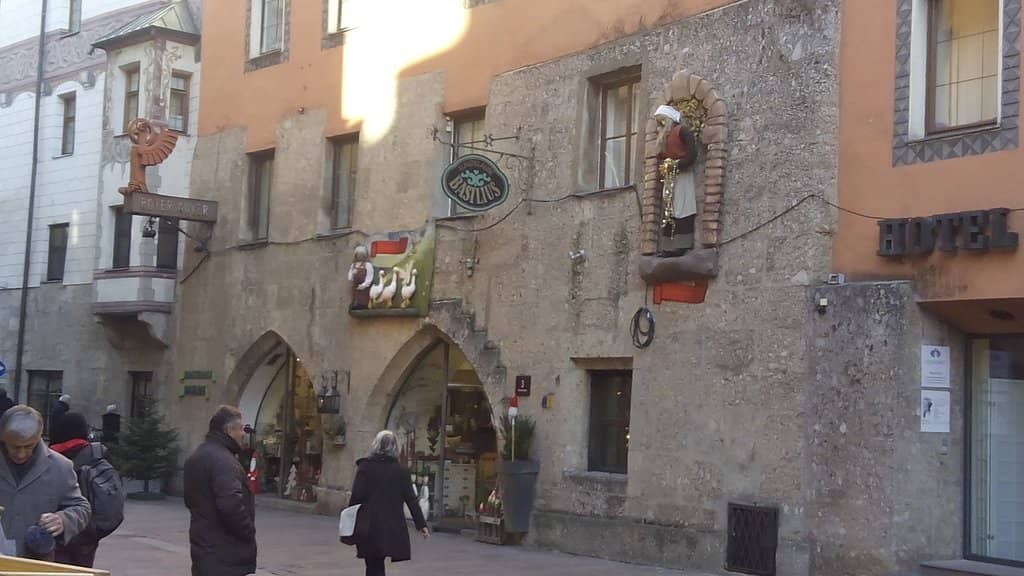
📸 Snap-worthy Facade
The stucco work is incredibly detailed; get up close to capture the angels and floral designs. :camerawithflash:
📍 Prime Golden Roof Neighbor
It's right next to the Golden Roof, so you can't miss it while visiting the main attraction. :world_map:
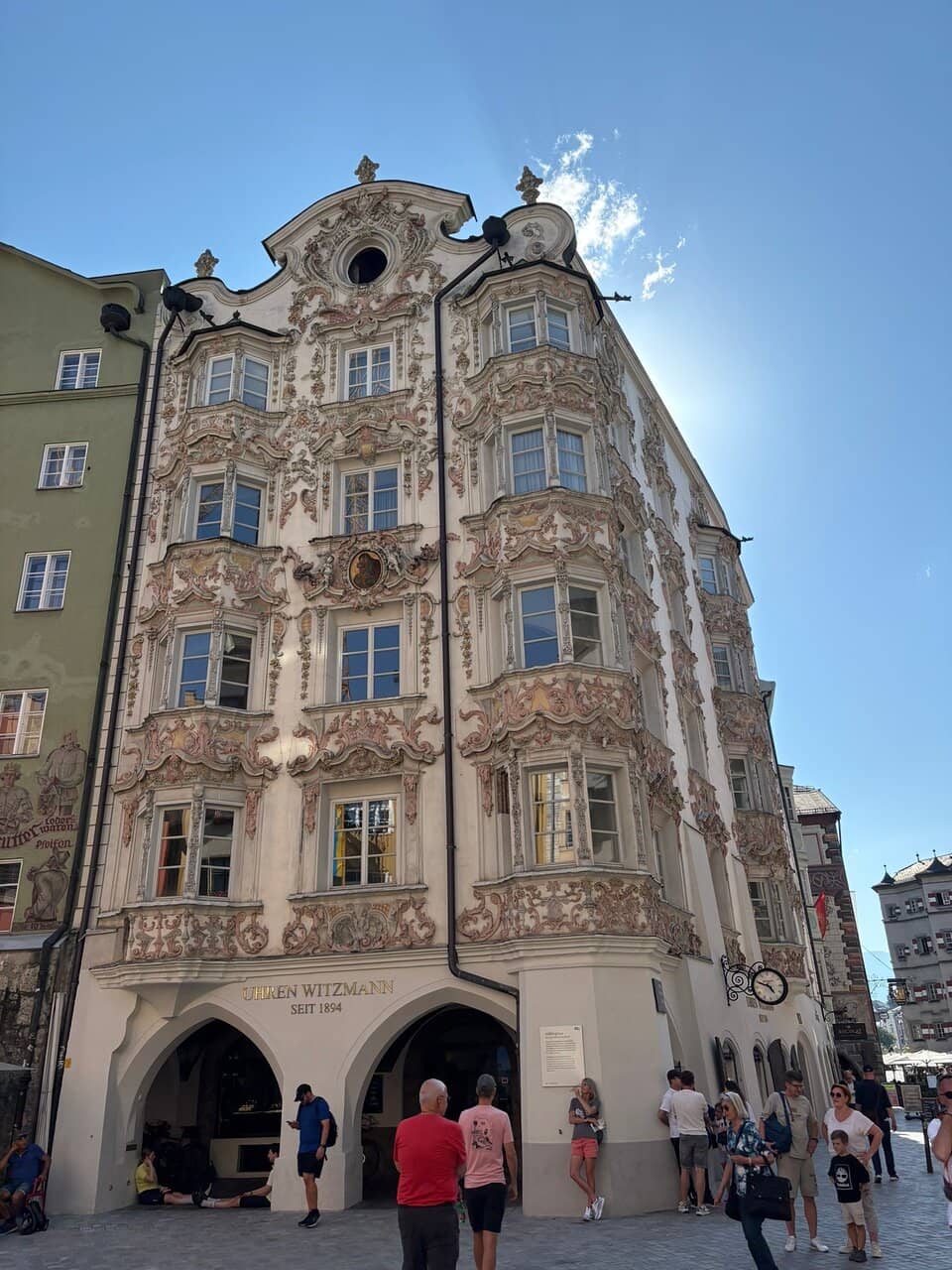
Quick Facts
Hours
Rating
4.6 · 224 reviews
Type
Tourist Attraction
Highlights
Discover the most iconic attractions and experiences
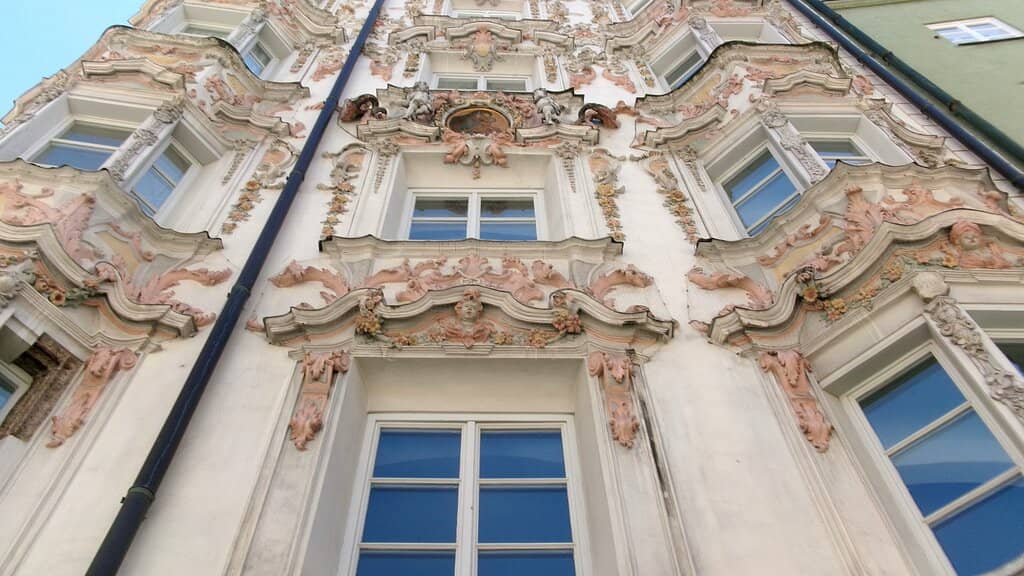
Rococo-Baroque Facade
City Center, Innsbruck
A breathtaking stucco facade adorned with angels, masks, and floral ornaments. It's like a sugar-spun masterpiece!
Contrast with Golden Roof
Across from Golden Roof
The intricate, delicate style of Helblinghaus offers a stunning visual counterpoint to the grandeur of the Golden Roof.
Plans like a pro.
Thinks like you
Planning Your Visit
Admire the Facade
Location is Key
Best Times
Insider Tips
from TikTok, Instagram & Reddit
Helblinghaus, Innsbruck Austria. 15th-18th century [1262x1846]
I had the opportunity to see this building and town back in the 80's. The original structure was built in the fifteenth century, but evolved significantly with new architectural styles resulting in this Rococo style from the 18th century. OP
📸 Snap-worthy Facade
The stucco work is incredibly detailed; get up close to capture the angels and floral designs. :camerawithflash:
📍 Prime Golden Roof Neighbor
It's right next to the Golden Roof, so you can't miss it while visiting the main attraction. :world_map:
INNSBRUCK 75
Back to Central Europe,and the 'third city' of Austria for tourists(though some people prefer it to Vienna and Salzburg). Anyone who has been to Innsbruck,please post any stories or tips here.Even photos if you have any. Troll posts and personal attacks on other posters will…
Helfts ma
Place to avoid auf jeden Fall der Bahnhof
✨ Admire the Details
Take your time to appreciate the 'sugar-like' stucco work – it's a true work of art. ✨
Tips
from all over the internet
📸 Snap-worthy Facade
The stucco work is incredibly detailed; get up close to capture the angels and floral designs. :camerawithflash:
📍 Prime Golden Roof Neighbor
It's right next to the Golden Roof, so you can't miss it while visiting the main attraction. :world_map:
✨ Admire the Details
Take your time to appreciate the 'sugar-like' stucco work – it's a true work of art. ✨
What Travellers Say
Reviews Summary
Visitors consistently praise Helblinghaus for its incredibly detailed and beautiful Rococo-Baroque stucco facade, often described as looking like spun sugar. Its prime location opposite the Golden Roof makes it an unmissable and highly photogenic landmark in Innsbruck's charming Old Town.
"Helblinghaus is located in the city center of Innsbruck and is famous for its Rococo-Baroque stucco facade.
The house is named after Sebastian Hölbling, who owned it from 1800 to 1827.
Its facade features luxurious Baroque stucco. There are many flowers. It is definitely worth stopping and admiring this beautiful work of art."
Bogdan Marcelan
"Helblinghaus – a baroque gem!
Absolutely unmissable! The richly decorated façade looks like it’s made of sugar — full of stucco angels, masks, and floral ornaments. Though originally built in the 15th century, it was transformed in the 18th century into a Rococo masterpiece. Located right across from the Golden Roof, it creates a stunning contrast of architectural styles. A visual treat for anyone who loves art, design, or history!"
Карен
"The Hölbling Haus, located in the picturesque city of Innsbruck, Austria, stands as a silent narrator of the city's rich architectural heritage. While specific historical and architectural details of the Hölbling Haus remain elusive, a critique of its presumed features can be attempted based on the general architectural milieu of Innsbruck.
Architectural Splendor
The Hölbling Haus, like many structures in Innsbruck's historic core, likely reflects the intricate and ornate style characteristic of Tyrolean architecture. The building may feature elements of the Baroque period, noticeable in elaborate facades, sophisticated stonework, and possibly the use of arches and vaults that speak of a bygone era. Additionally, the building might exhibit Gothic influences, seen in its pointed arches, ribbed vaults, and flying buttresses, all contributing to its majestic appearance.
Artistic Facades and Frescoes
A defining feature of Innsbruck's historical buildings is the use of frescoes and detailed art on the façades, which the Hölbling Haus presumably also boasts. These frescoes, often vibrant and meticulously crafted, tell tales of history, religion, and culture, offering a visual feast for both art aficionados and casual observers.
Adaptation and Practicality
Given Innsbruck's alpine location, the Hölbling Haus would have been constructed with practical considerations in mind. Features like steep roofs to manage snowfall and large windows to maximize natural light during the shorter winter days are likely aspects of its design. Such adaptations not only add to the building's functionality but also enhance its aesthetic charm.
A Cultural Beacon
The Hölbling Haus, situated in the heart of Innsbruck, is not just an architectural marvel; it is a cultural beacon. Its walls, if they could speak, would tell stories of the city's evolution, its people, and their traditions. The building is a must-visit for those seeking to immerse themselves in the historical ambiance of Innsbruck.
Conclusion
In the absence of specific details, the Hölbling Haus remains shrouded in a veil of mystery, yet its presumed architectural grandeur and historical significance make it a noteworthy subject of admiration. It stands as a testament to Innsbruck's architectural and cultural legacy, beckoning visitors to delve deeper into its storied past. As with many historical buildings in Innsbruck, the Hölbling Haus is likely a hidden gem waiting to be explored and appreciated by those intrigued by history and architecture."
Cláudio Cardona
What People Like
What People Dislike
Frequently Asked Questions
🚇 🗺️ Getting There
Helblinghaus is located in the heart of Innsbruck's Old Town, directly across from the Golden Roof. You can easily reach it by walking from most central points in the city. If arriving by public transport, take a tram or bus to the 'Innsbruck Marktplatz' or 'Innsbruck Rathaus' stop, both of which are a short walk away. 🚌 🚃
Parking in Innsbruck's Old Town can be challenging. The closest parking garages are the 'Parkhaus Rathaus' and 'Altstadt Garage'. It's often recommended to use public transport or walk if staying centrally. 🚗
🎫 🎫 Tickets & Entry
No, Helblinghaus is an exterior architectural feature. You can admire its stunning facade from the street at any time without needing a ticket. 🎟️
Since it's an exterior building facade, there are no specific opening hours. You can view and appreciate its beauty 24/7. 🕐
There is no entrance fee to view the exterior of Helblinghaus. It's a free attraction that's part of the charm of Innsbruck's Old Town. :moneywithwings:
📸 📸 Photography
For capturing the intricate stucco details, daytime offers the best natural light. However, many find the building beautifully illuminated in the evening, offering a different, more romantic ambiance. Experiment with both! :camerawithflash:
The best vantage point is directly across from it, especially when framing it with the Golden Roof. Getting closer allows you to focus on the delicate stucco work. :iphone:
🎫 🏛️ History & Architecture
Helblinghaus is renowned for its exquisite Rococo-Baroque stucco facade, transforming its original 15th-century structure into an 18th-century masterpiece. It's characterized by elaborate ornamentation. 🎨
The house is named after Sebastian Hölbling, who owned it from 1800 to 1827. However, its iconic facade was created during an earlier transformation in the 18th century. 📜
Its incredibly detailed, almost 'sugar-like' stucco facade stands out, offering a delicate contrast to the more robust architecture often found in alpine cities. Its proximity to the Golden Roof also makes it a notable landmark. ⭐


Social
from TikTok, Instagram & Reddit