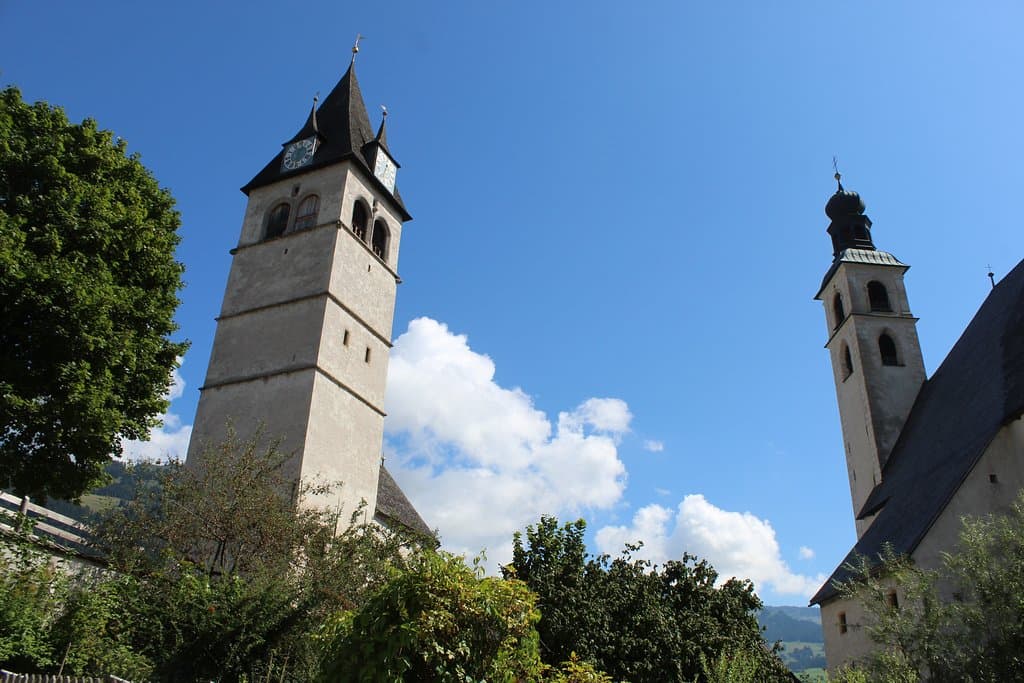
Liebfrauenkirche
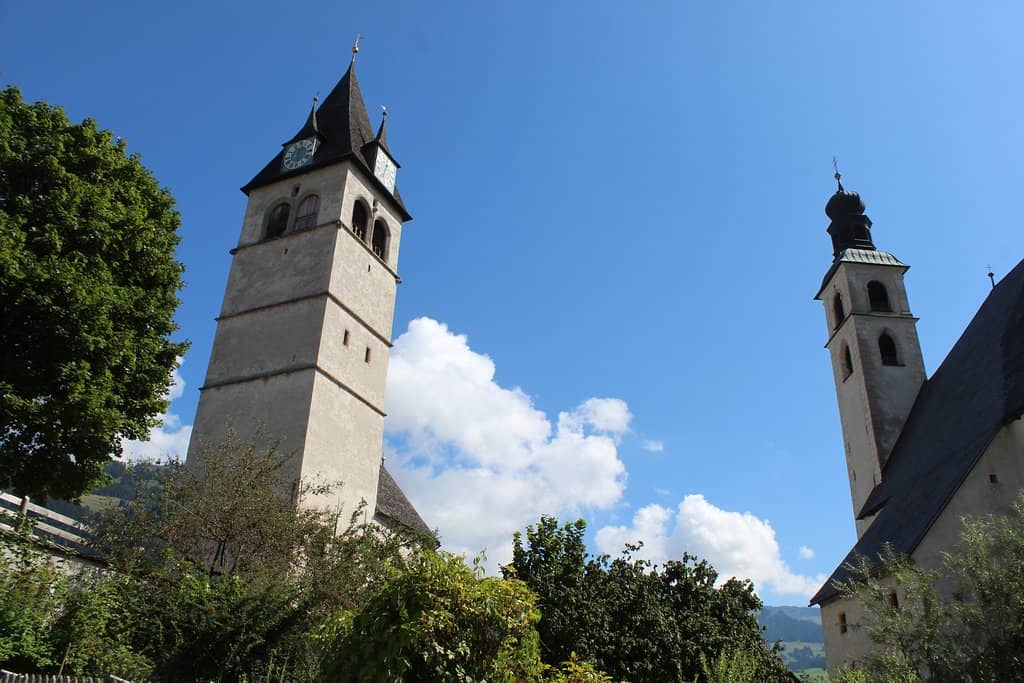
A 14th-century Gothic chapel in Kitzbühel, famed for its 'Emperor's Bell' and evocative illuminated evenings.

Highlights
Must-see attractions

Social
From TikTok & Reddit
Best Time
Magical illumination
Liebfrauenkirche
Best Time
Magical illumination
Highlights
Must-see attractions
A 14th-century Gothic chapel in Kitzbühel, famed for its 'Emperor's Bell' and evocative illuminated evenings.
"A beautiful but often overlooked treasure with a unique atmosphere and rich history."
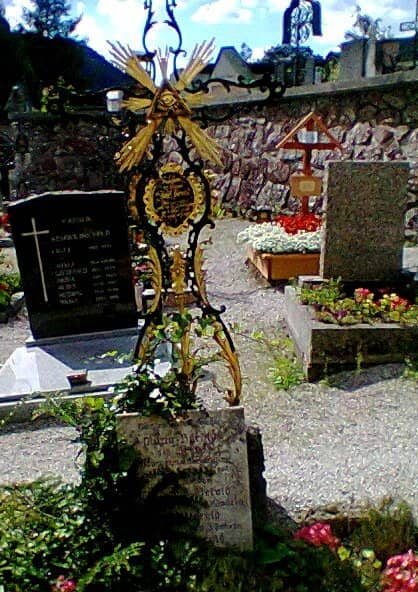
Don't Miss the Lower Church
The crypt, once an ossuary, offers a unique and somber historical perspective. 🔦
Evening Ambiance
Visit at dusk to see the church beautifully illuminated, creating a romantic atmosphere. :city_sunset:
Quick Facts
Rating
4.8 · 5 reviews
Type
Church
Highlights
Discover the most iconic attractions and experiences
The Emperor's Bell (Kaiserglocke)
Bell Tower
A legendary bell saved from melting during WWII, ordered by the emperor himself. Hear its powerful chime.

Baroque Altar & Madonna Painting
Upper Church
Admire the intricate Baroque altar and a copy of the revered 'Maria Hilf' painting, a testament to artistic heritage.
The Silent Crypt (Ossuary)
Lower Church
Explore the evocative lower church, a former ossuary, adding a profound historical dimension to your visit.
Plans like a pro.
Thinks like you
Planning Your Visit
A Hidden Gem in Kitzbühel
Evening Illumination Magic
Best Times
Insider Tips
from TikTok, Instagram & Reddit
Don't Miss the Lower Church
The crypt, once an ossuary, offers a unique and somber historical perspective. 🔦
Evening Ambiance
Visit at dusk to see the church beautifully illuminated, creating a romantic atmosphere. :city_sunset:
Hear the Bells
Listen for the distinct chimes of the 'Emperor's Bell' and others; they are a significant part of its charm. 🔔
Combine with St. Andrew's
Located right next to St. Andrew's Church, visit both for a comprehensive historical and architectural experience. ⛪
Tips
from all over the internet
Don't Miss the Lower Church
The crypt, once an ossuary, offers a unique and somber historical perspective. 🔦
Evening Ambiance
Visit at dusk to see the church beautifully illuminated, creating a romantic atmosphere. :city_sunset:
Hear the Bells
Listen for the distinct chimes of the 'Emperor's Bell' and others; they are a significant part of its charm. 🔔
Combine with St. Andrew's
Located right next to St. Andrew's Church, visit both for a comprehensive historical and architectural experience. ⛪
What Travellers Say
Reviews Summary
Visitors often praise the Liebfrauenkirche as an overlooked gem, appreciating its rich history, unique bells, and evocative atmosphere, especially when illuminated at night. Some find the lower church particularly impactful. While generally well-regarded, its smaller size means it's a brief visit for many.
"Clearly visible on a hill, it was originally a cemetery chapel built in the mid-14th century.
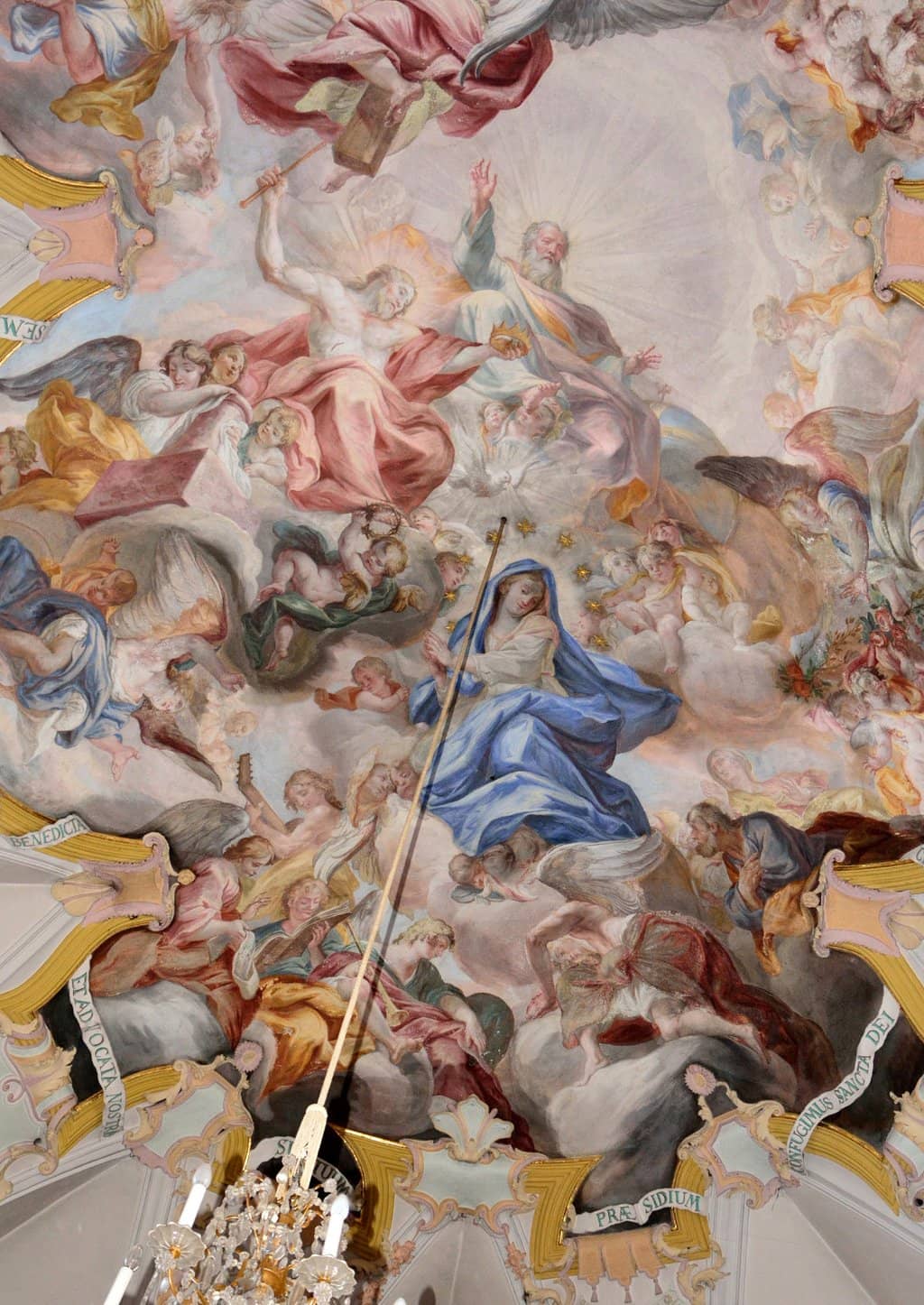
It consists of a lower church, which housed the ossuary, and an upper church, which contains several paintings by important artists.
The small church is flanked by a 48-meter-tall bell tower.
It houses three large bells.
One is called the "Emperor's Bell" because the emperor himself ordered it not to be melted down during World War II.
The other two are the "train bell" and the "dead bell," which is rung for funerals.
It is evocative in the evening, when it is illuminated, along with the nearby church of Sant'Andrea."
channel max
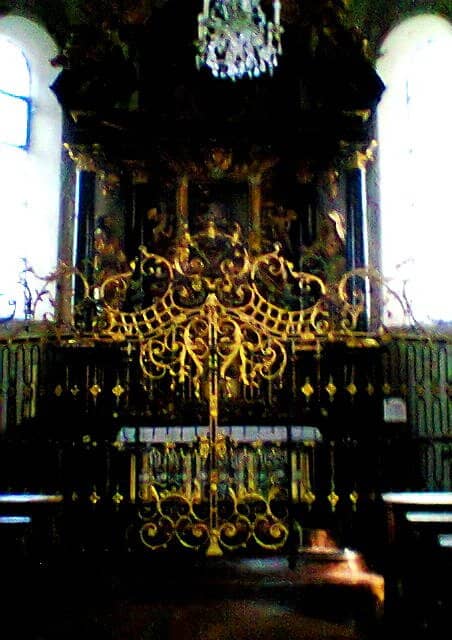
"Right next to the more famous St. Andrew’s Church lies a beautiful but often overlooked treasure – the Liebfrauenkirche, or Church of Our Lady. The small Gothic chapel from the 14th century will surprise you with its history and unique atmosphere. Its 48-meter-high tower was built in the 16th century specifically to house the massive bells – and it hides one real secret: the legendary “Kaiserglocke”, a huge bell originally intended for Innsbruck Cathedral. However, due to a small defect, it was not accepted there. And how did it get here? It was saved from being melted down during the First World War thanks to the intervention of the emperor himself – hence its name. Inside the church you will find a beautiful Baroque altar, a copy of the famous painting “Maria Hilf” as well as detailed wrought iron grilles and benches with lion motifs. In addition, there is a lower church – a silent crypt that served as an ossuary and adds an even deeper dimension to the place.
The Liebfrauenkirche is a silent witness to centuries of faith and art – unobtrusive but unforgettable. If you are in Kitzbühel, don't miss it – history rings true here too."
Martin Vanta
"It's located just a few steps from the parish church, in the same cemetery complex. From the outside, it resembles the parish church's style; the interior isn't large. Immediately upon entering, we're greeted by votive paintings, while the next room leads to the altar, topped by a highly venerated painting of the Madonna del Tirolo. This is also worth a visit. The bells ring loudly, very beautiful."
Davide V
What People Like
What People Dislike
Frequently Asked Questions
🚇 🗺️ Getting There
The Liebfrauenkirche is conveniently located in Kitzbühel, just a few steps from the more famous St. Andrew's Church, within the same cemetery complex. It's easily accessible on foot from the town center. 🚶
Yes, it's situated on a hill and is quite visible, often seen alongside St. Andrew's Church. Its prominent bell tower makes it a landmark. 🗺️
Most visitors approach it on foot as part of exploring Kitzbühel's historic center. The walk is pleasant and offers scenic views. :hiking_boot:
🎫 🎫 Tickets & Entry
Entry to the Liebfrauenkirche is generally free, allowing visitors to explore its historical significance without admission fees. 🎟️
While specific hours can vary, the church is typically accessible during daylight hours. It's best to check locally for any seasonal changes. :clock1:
Information regarding access to the bell tower for climbing is not widely available, suggesting it may not be a standard visitor attraction. :informationdeskperson:
Yes, the lower church, which served as an ossuary, is accessible and offers a unique historical perspective. :skullandcrossbones:
🎫 🧭 Onsite Experience
Inside, you'll find a beautiful Baroque altar, a copy of the 'Maria Hilf' painting, detailed wrought iron grilles, and benches with lion motifs. The lower church also offers a unique experience. 🎨
The church houses three large bells, including the famous 'Emperor's Bell' (Kaiserglocke), which was saved from being melted down during WWII. The other two are the 'train bell' and the 'dead bell'. 🔔
The church, especially when illuminated in the evening, offers beautiful photographic opportunities. The interior details also make for great shots. :camerawithflash:
A visit typically takes about 30-60 minutes, allowing time to explore the interior, the crypt, and appreciate the exterior. :stopwatch:
Originally a cemetery chapel built in the mid-14th century, it has a rich history, including its unique bells and its role as an ossuary. 📜
🍽️ 🍽️ Food & Dining
Yes, Kitzbühel's town center is just a short walk away and offers numerous restaurants, cafes, and traditional Austrian eateries. 🍴
No, food and drinks are not permitted inside the church to preserve its sanctity and historical artifacts. :nofoodand_drinks:
📸 📸 Photography
The exterior, especially when illuminated at night, is stunning. The interior details, like the altar and wrought iron work, also make for excellent photos. 📷
Photography is generally permitted inside, but it's always respectful to be mindful of other visitors and avoid flash photography if it might disturb them. :iphone:
The golden hour before sunset and the blue hour after sunset offer magical lighting when the church is illuminated. Daytime visits are also good for capturing architectural details. :sunriseovermountains:






Social
from TikTok, Instagram & Reddit