Clock Museum Vienna
Discover Austria's largest clock collection, a hidden gem in Vienna offering a unique sensory journey through centuries of timekeeping.
Highlights
Must-see attractions

Social
From TikTok & Reddit
Best Time
Fewer crowds, more peaceful
Clock Museum Vienna
Best Time
Fewer crowds, more peaceful
Highlights
Must-see attractions
Discover Austria's largest clock collection, a hidden gem in Vienna offering a unique sensory journey through centuries of timekeeping.
"A hidden gem that completely exceeded my expectations, making you slow down and notice things."
👂 Embrace the Ticking
The museum is filled with ticking clocks, creating a unique atmosphere. Enjoy the symphony of time!
⏳ Allow ample time
Give yourself at least 1.5 hours to explore the extensive collection and read exhibit details.
Quick Facts
Hours
Rating
4.6 · 1,116 reviews
Type
Museum
Website
wienmuseum.at/uhrenmuseumHighlights
Discover the most iconic attractions and experiences
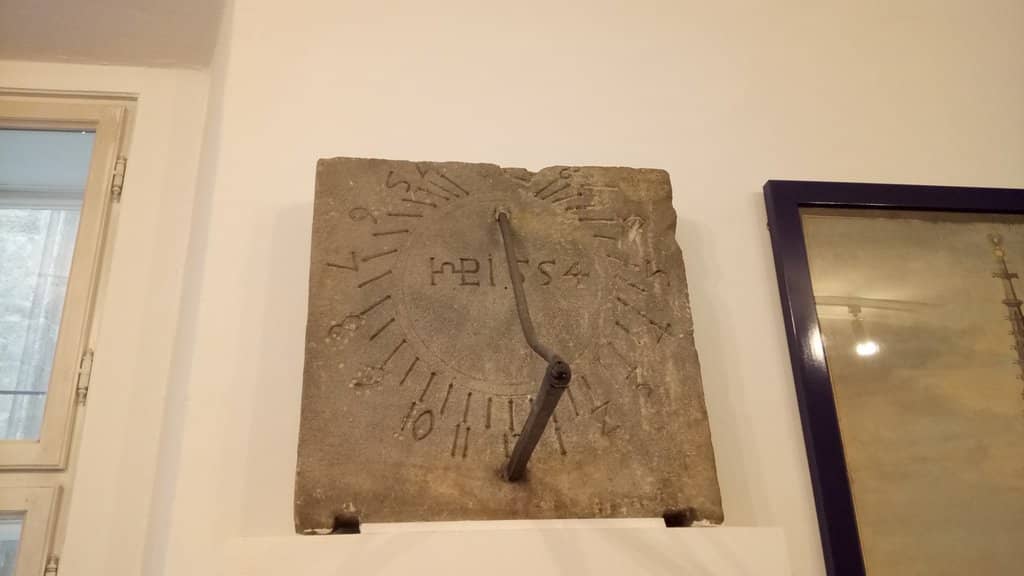
Renaissance Tower Clocks
Various floors
Witness the grandeur of early timekeeping devices, showcasing intricate craftsmanship from the 1400s onwards.
Viennese Pendulum Clocks
Main exhibition halls
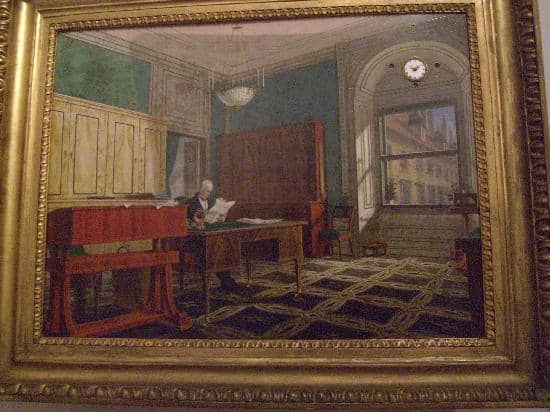
Admire the elegant and iconic Viennese wall and pendulum clocks, a testament to local horological artistry.
Mechanical Marvels
Special exhibits
Discover fascinating mechanical calculators and unique timekeeping inventions that highlight human ingenuity.
Plans like a pro.
Thinks like you
Planning Your Visit
Embrace the Ticking Symphony
Time for Discovery
Best Times
Insider Tips
from TikTok, Instagram & Reddit
👂 Embrace the Ticking
The museum is filled with ticking clocks, creating a unique atmosphere. Enjoy the symphony of time!
⏳ Allow ample time
Give yourself at least 1.5 hours to explore the extensive collection and read exhibit details.
💰 Free First Sundays
Visit on the first Sunday of the month for free admission!
🧳 Locker facilities
Free lockers are available for bags with a small deposit.
Tips
from all over the internet
👂 Embrace the Ticking
The museum is filled with ticking clocks, creating a unique atmosphere. Enjoy the symphony of time!
⏳ Allow ample time
Give yourself at least 1.5 hours to explore the extensive collection and read exhibit details.
💰 Free First Sundays
Visit on the first Sunday of the month for free admission!
🧳 Locker facilities
Free lockers are available for bags with a small deposit.
🎨 Artistic Inspiration
Artists find inspiration here; sketchpads and pens are welcome for capturing the intricate designs.
What Travellers Say
Reviews Summary
Visitors consistently praise the Clock Museum Vienna as a charming and unexpectedly captivating hidden gem. Its vast collection of timepieces, from ancient to modern, offers a unique sensory experience with the constant ticking of clocks. While not overly large, it provides a deep dive into horology and design, making it a highly recommended, peaceful escape.
"A hidden gem in Vienna that completely exceeded my expectations.
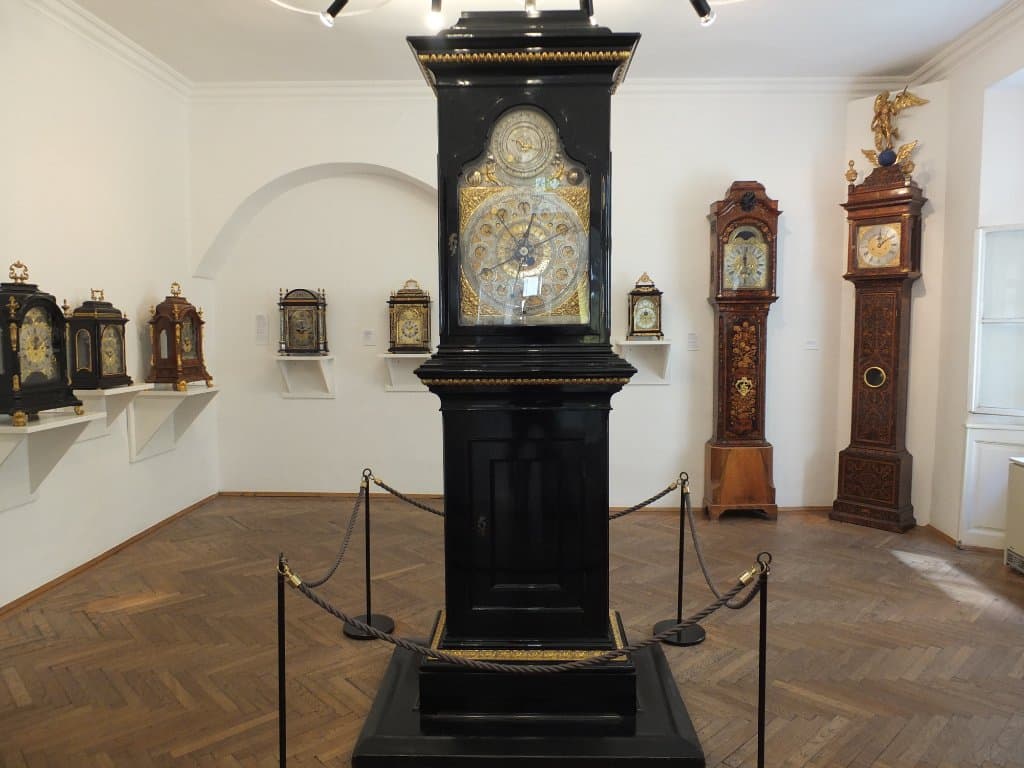
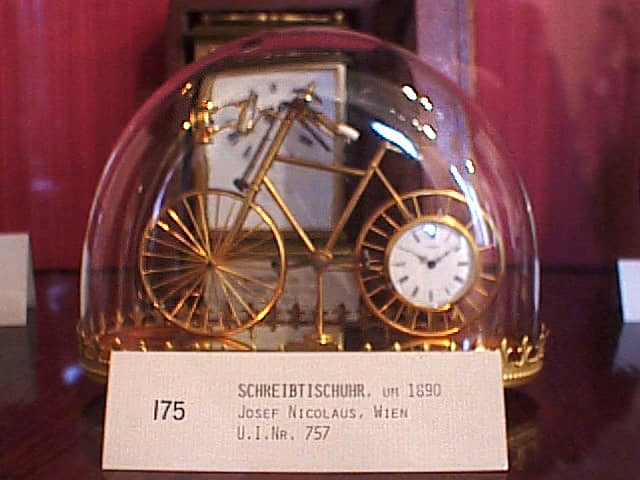
Tucked away on a quiet side street near Judenplatz, the Clock Museum feels like stepping into a different rhythm of time — literally. The collection is remarkable: everything from early Renaissance tower clocks to ornate Viennese pendulum pieces, pocket watches, and some truly strange mechanical inventions that make you wonder how people ever told time before electricity.
What makes the place stand out is the atmosphere. It’s not a big, over-polished museum trying to impress you — it’s intimate, slightly eccentric, and full of quiet stories. The creaking floors, the smell of old wood, and the ticking coming from every direction give it a personality of its own. You don’t just look at clocks here, you hear time moving around you.
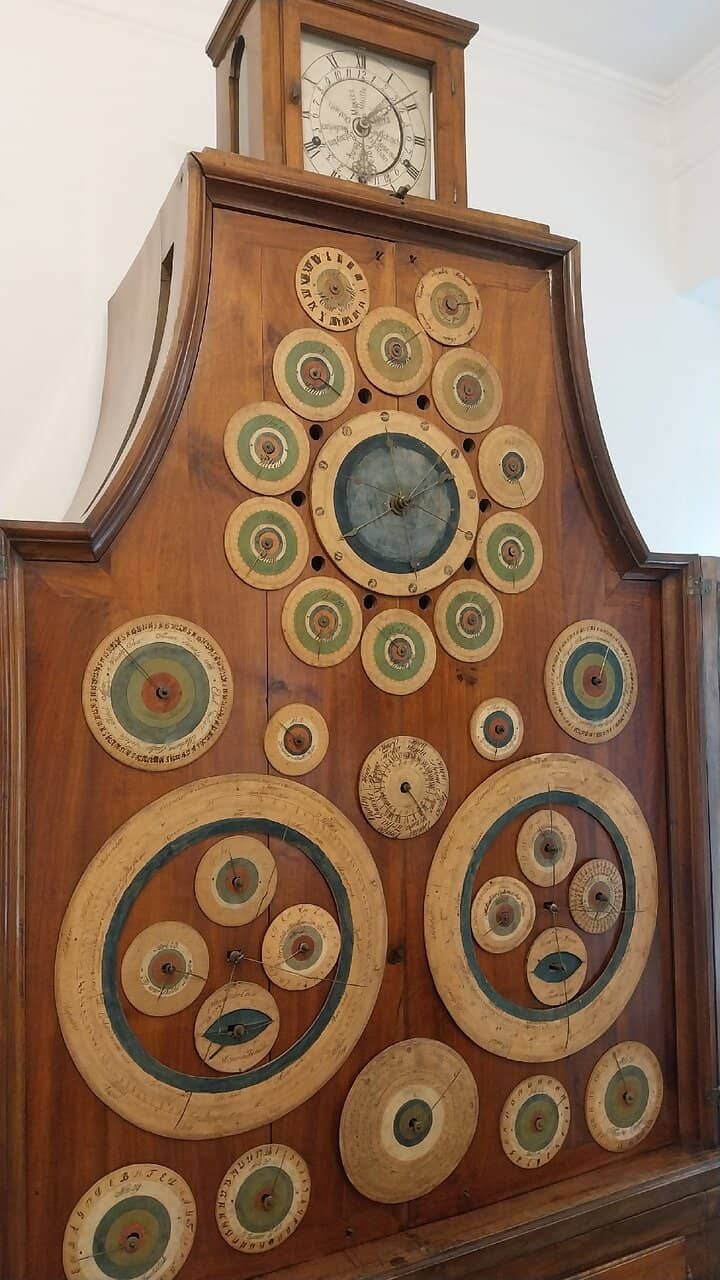
The staff were genuinely friendly and clearly care about the collection. They gave some background on the pieces and pointed out a few that I would’ve easily missed otherwise — including a clock that shows not just time, but the phases of the moon and the zodiac.
You don’t need to be obsessed with horology to enjoy it. It’s one of those small museums that remind you why museums exist in the first place: to make you slow down and actually notice things. I spent about an hour and a half here and left feeling oddly calm and curious.
Highly recommend it — especially if you think you’ve already “seen everything” in Vienna. This one is worth the detour."
G
"A really charming museum right in the heart of Vienna. It’s housed in the beautiful old Palais Obizzi and spread across several floors, showing how timekeeping evolved from the Middle Ages to today. The collection is fascinating—everything from elegant Viennese wall clocks to intricate pocket watches, even the huge 17th-century clock mechanism from St. Stephen’s Cathedral. The museum started back in 1917 with pieces from private collectors and has grown into Austria’s largest clock collection. A perfect spot if you enjoy design, history, or simply the art of measuring time."
Julia Parinova
"I visited the museum on the first Sunday of the month so the entrance was free. It is nice. Has some interesting watches but I would not consider revisiting it."
Alexander Drula
What People Like
What People Dislike
Frequently Asked Questions
🚇 🗺️ Getting There
The Clock Museum Vienna is centrally located in the first district. You can easily reach it by public transport, with several tram and bus lines stopping nearby. The nearest U-Bahn stations are Stephansplatz (U1, U3) and Herrengasse (U3). It's also a pleasant walk from many central Vienna attractions.
Driving in Vienna's first district can be challenging due to limited parking and pedestrian zones. It's generally recommended to use public transport or walk to the museum. If you must drive, look for parking garages in the vicinity.
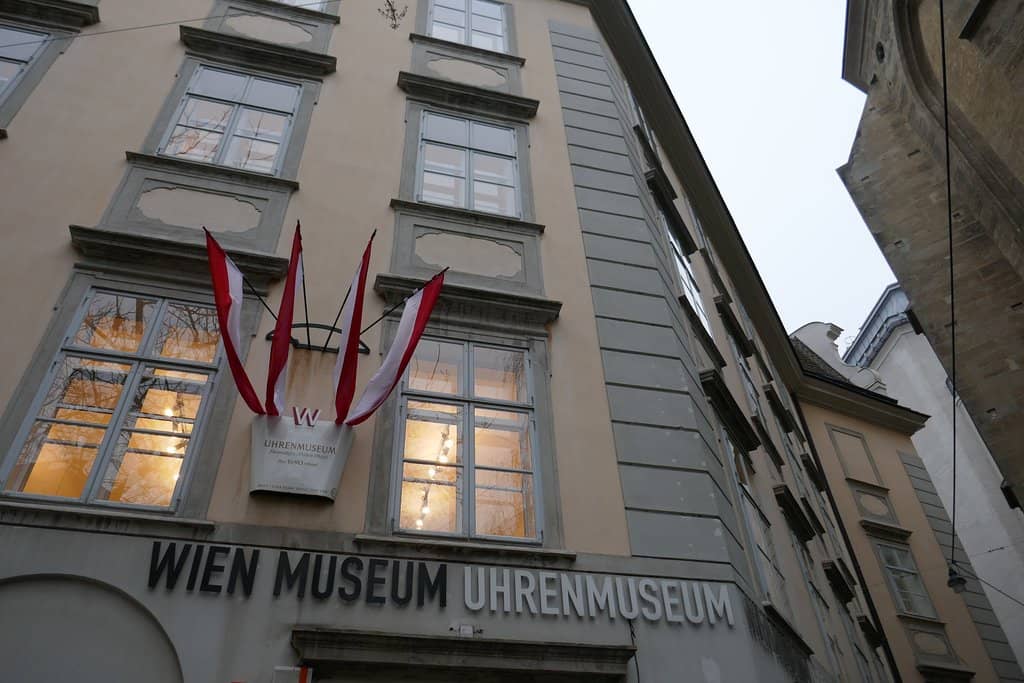
The museum is tucked away on a quiet side street near Judenplatz, making it a bit of a hidden gem. Enjoy a leisurely stroll through the historic streets to find it.
Yes, the Clock Museum is conveniently located near many of Vienna's main sights, including St. Stephen's Cathedral and the Hofburg Palace, making it easy to combine with other sightseeing.
Absolutely! Using a navigation app on your smartphone will help you pinpoint the exact location on the side street.
🎫 🎫 Tickets & Entry
The museum typically opens from Tuesday to Sunday, with hours usually from 10 AM to 5 PM. It's always a good idea to check their official website for the most up-to-date opening times, especially around holidays.
Admission is generally inexpensive, making it a great value for the experience. Prices can vary, so checking the official website is recommended.
Yes, the museum offers free admission on the first Sunday of every month, which is a fantastic opportunity to visit.
For most visits, booking in advance is not necessary, especially on weekdays. However, if you plan to visit on a free admission day or during peak tourist season, it might be wise to check if advance booking is recommended.
There is no specific dress code. Comfortable attire is recommended, as you'll be doing some walking and standing.
🎫 🧭 Onsite Experience
You'll find an extensive collection of clocks from the 15th century to the present day, including Renaissance tower clocks, Viennese pendulum clocks, pocket watches, and unique mechanical inventions. The museum also houses the Globe Museum. +1
Most visitors spend about 1 to 1.5 hours exploring the museum. This allows enough time to appreciate the exhibits and read the informative descriptions.
While the intricate mechanisms might fascinate older children, the quiet atmosphere and detailed exhibits are perhaps best suited for those who can appreciate history and design. It's not a typical interactive children's museum.
Photography is generally allowed for personal use, but it's always best to check for any specific restrictions on flash photography or certain exhibits.
The museum has an intimate, slightly eccentric, and quiet atmosphere. The constant ticking of clocks creates a unique soundscape that many find calming and fascinating.
🍽️ 🍽️ Food & Dining
The museum itself does not have a cafe or restaurant. However, being located in the heart of Vienna's first district, you'll find numerous dining options, from traditional Viennese cafes to international cuisine, just a short walk away.
You can find a wide variety of food options, including traditional Austrian dishes, pastries, coffee, and international fare in the surrounding streets.
It's generally not permitted to consume food or drinks inside the museum exhibits to protect the artifacts. There are usually designated areas or you can enjoy your refreshments outside.
Yes, the area around Judenplatz and the main shopping streets offers many bakeries and small cafes perfect for a quick snack or coffee.
Explore the charming side streets for local cafes. Many offer traditional Viennese coffee house experiences.
📸 📸 Photography
The intricate details of the clocks, especially the ornate faces and mechanisms, make for excellent close-up shots. The sheer volume of clocks in some rooms also creates impressive wide shots.
It's advisable to avoid using flash photography to protect the delicate artifacts and ensure the best viewing experience for other visitors. Always check for signage or ask staff if unsure.
The large tower clocks, the detailed pocket watches, and any unique mechanical inventions often capture attention and make for striking photographs. The Globe Museum section also offers unique visual opportunities.
A camera with good macro capabilities is ideal for capturing the fine details of clock mechanisms and faces. A camera with good low-light performance can also be beneficial due to the museum's ambient lighting.
While you can photograph most exhibits for personal use, some special displays might have restrictions. Always be mindful of other visitors and the museum's guidelines.
Social
from TikTok, Instagram & Reddit