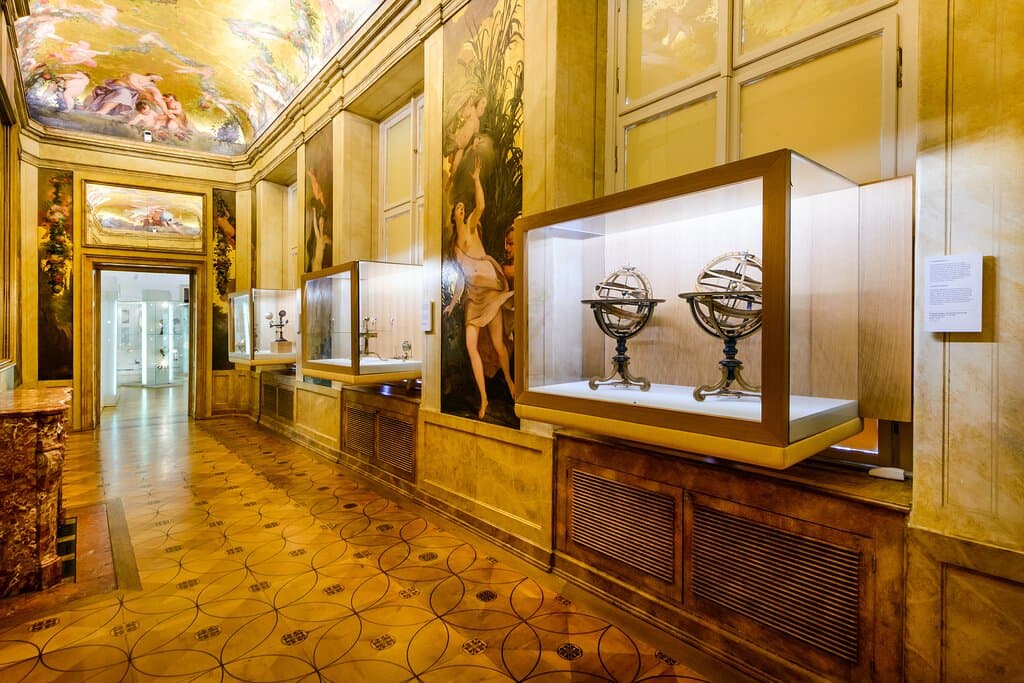
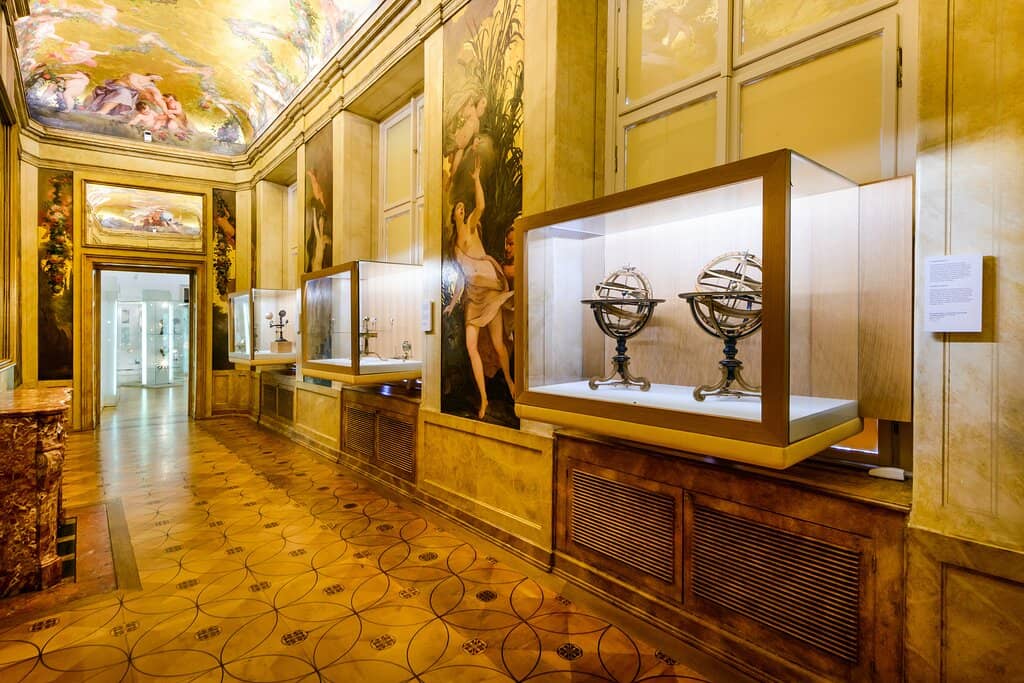
Globe and Esperanto Museum
Explore the ambitious history and cultural impact of Esperanto, the constructed international language, through unique exhibits and vintage posters.
Highlights
Must-see attractions

Social
From TikTok & Reddit
Best Time
Fewer crowds, more reflection time.
Globe and Esperanto Museum
Best Time
Fewer crowds, more reflection time.
Highlights
Must-see attractions
Explore the ambitious history and cultural impact of Esperanto, the constructed international language, through unique exhibits and vintage posters.
"Surprisingly fascinating and educational, a quick dive into the world of a universal language."
⏳ Quick & Insightful Visit
Allow about 30-60 mins. It's small but packed with fascinating linguistic history! :stopwatch:
🖼️ Poster Art Appreciation
Look out for the visually appealing vintage Esperanto graphics and posters. :frame:
Quick Facts
Hours
Rating
4.2 · 121 reviews
Type
Museum
Highlights
Discover the most iconic attractions and experiences
The Tower of Babel Exhibit
Entrance area
Explore the origins of language diversity and the dream of a universal tongue, inspired by the biblical story.
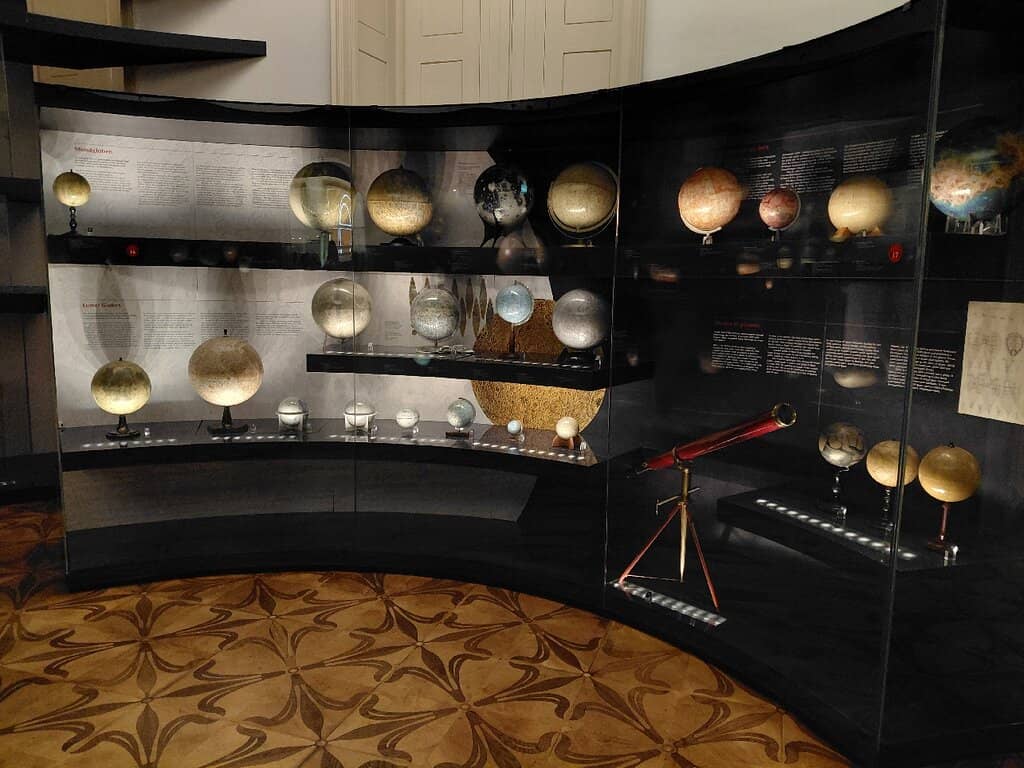
Esperanto's Cultural Footprint
Main exhibition hall
See how Esperanto influenced art, literature, and global communication throughout the 20th century.
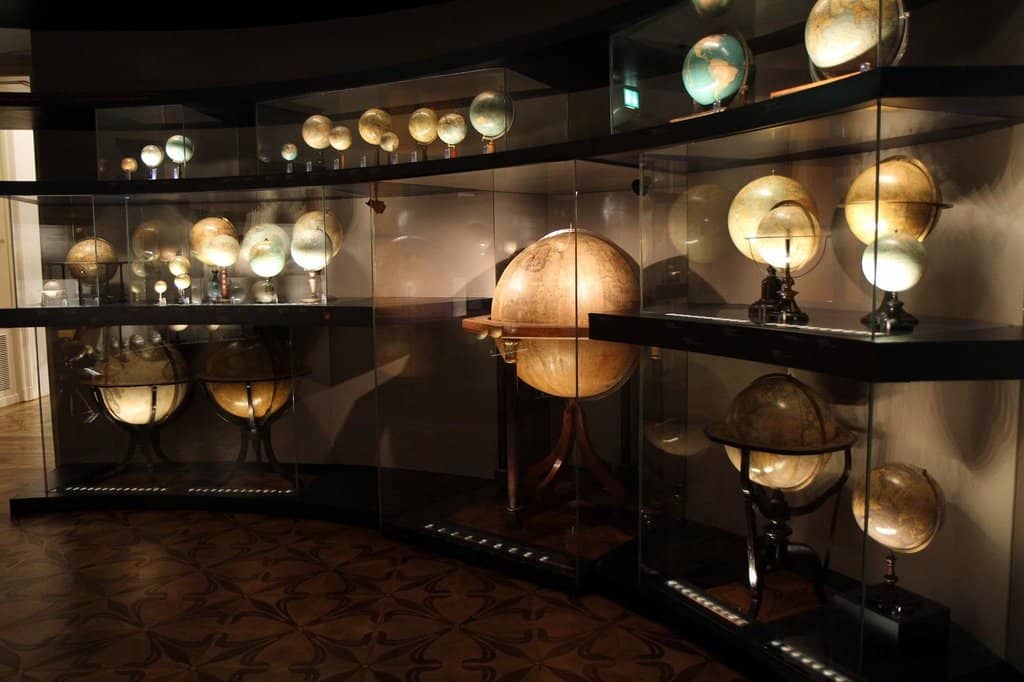
Vintage Esperanto Posters
Exhibition walls
Admire the striking graphic design of historical Esperanto congress posters and publications.
Plans like a pro.
Thinks like you
Planning Your Visit
Understand Esperanto's Journey
Small Museum, Big Ideas
Best Times
Insider Tips
from TikTok, Instagram & Reddit
⏳ Quick & Insightful Visit
Allow about 30-60 mins. It's small but packed with fascinating linguistic history! :stopwatch:
🖼️ Poster Art Appreciation
Look out for the visually appealing vintage Esperanto graphics and posters. :frame:
Can I find high-res vintage Esperanto graphics/posters anywhere?
I really like the look of the old graphics/posters, for example the ones from the Universalaj Kongresoj. Images like [this](https://static.darabanth.com/images/2/6/2606830.jpg) or [this](https://i.etsystatic.com/6838665/r/il/5b8dad/2475259291/il_fullxfull.2475259291_9vpi.jpg) .…
💡 Learn Something New
Even if you know nothing about Esperanto, you'll leave with a unique understanding. 💡
🎟️ Check for Bundles
Often included with other museum tickets or passes. 🎟️
Tips
from all over the internet
⏳ Quick & Insightful Visit
Allow about 30-60 mins. It's small but packed with fascinating linguistic history! :stopwatch:
🖼️ Poster Art Appreciation
Look out for the visually appealing vintage Esperanto graphics and posters. :frame:
💡 Learn Something New
Even if you know nothing about Esperanto, you'll leave with a unique understanding. 💡
🎟️ Check for Bundles
Often included with other museum tickets or passes. 🎟️
What Travellers Say
Reviews Summary
Visitors often find the Globe and Esperanto Museum to be a surprisingly fascinating and educational experience, especially for those unfamiliar with Esperanto. While acknowledged as a small museum, its focused exhibits on language history and cultural impact are highly appreciated. Some note it's a quick visit, making it an ideal stop for those with limited time or a specific interest in linguistics.
"Founded in 1927, this specialized language and literature museum is dedicated to Esperanto and other constructed international languages. It holds a collection of over 35,000 items, including books, manuscripts, letters, posters, and archival materials.
※ Included in the Bundesmuseen Card."
Seokjin Ham
"I didn't know the history of Esperanto, so I definitely learned something here. However, it is understandably very small, and there is little to see."
Alex Friend
"(Last visit: Aug 2022) It's a small expo that starts with a lesson in language history, auxillary languages and their need. Its second part goes on to tie Esperanto's influence with works of art and its cultural significance throughout the twentieth century. A few interesting findings: William Shakespeare created a lot of contemporary English words, Esperanto rejects the concept of exceptions which greatly simplifies its learning curve, you don’t conjugate Esperanto as meaning is conveyed through compounding morphemes, that is collections of irreducible suffixes."
VCZ
What People Like
What People Dislike
Frequently Asked Questions
🚇 🗺️ Getting There
The museum is centrally located in Vienna, making it accessible via public transport. Several tram and bus lines stop nearby. The nearest U-Bahn (subway) stations are also within walking distance. Check local transport apps for the most direct routes from your location.
Street parking in Vienna can be challenging and expensive. It's highly recommended to use public transportation to reach the museum. If you must drive, look for paid parking garages in the vicinity.
Absolutely! The museum is often located near other cultural sites in Vienna. Many visitors find it a great addition to a day exploring the city's historical center.
🎫 🎫 Tickets & Entry
Opening hours can vary, so it's best to check the official website or local listings before your visit. Some sources mention it's included in the Bundesmuseen Card, which might offer access.
Admission fees are generally modest, reflecting the museum's size. It's often included with broader museum passes or tickets, making it a budget-friendly option.
For this smaller museum, advance booking is usually not necessary unless you are visiting during a special event or a peak tourist season. Walk-in visits are typically fine.
While not a typical children's museum, the interactive elements and the unique concept of a constructed language can be engaging for older children and teens interested in languages or history.
🎫 🧭 Onsite Experience
The museum showcases the history of Esperanto, its cultural impact, and other constructed languages. You'll find books, manuscripts, letters, posters, and archival materials.
Most visitors find that 30 to 60 minutes is sufficient to explore the exhibits thoroughly. It's a concise yet informative experience.
Yes, there are often small interactive elements, such as games or displays that help explain the principles of Esperanto, making the learning process more engaging.
Photography policies can vary. It's advisable to check for signage upon arrival or ask museum staff. Generally, non-flash photography for personal use is often permitted.

📸 📸 Photography
The vintage Esperanto posters offer fantastic graphic design opportunities. The exhibits on the Tower of Babel and the cultural influence of Esperanto also provide unique visual narratives.
Typically, flash photography is discouraged in museums to protect delicate artifacts. Always look for signs or ask staff if you're unsure.
The historical posters and any displays featuring the original writings or artifacts of Esperanto's creator are often highlights for photographers.
Social
from TikTok, Instagram & Reddit