Imperial Hunting and Armoury Collection
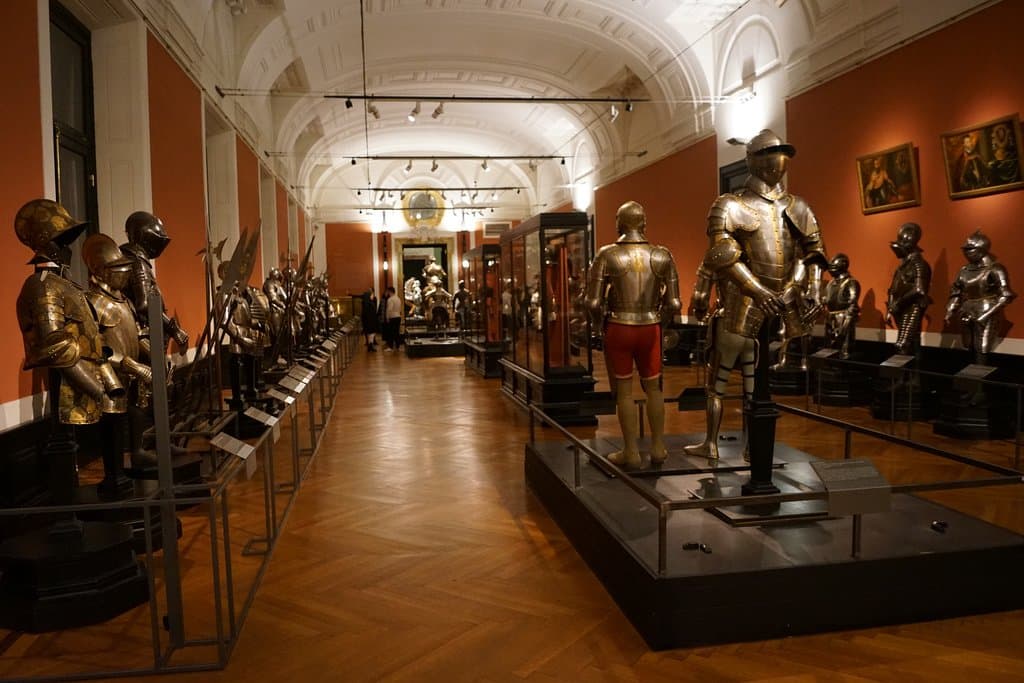
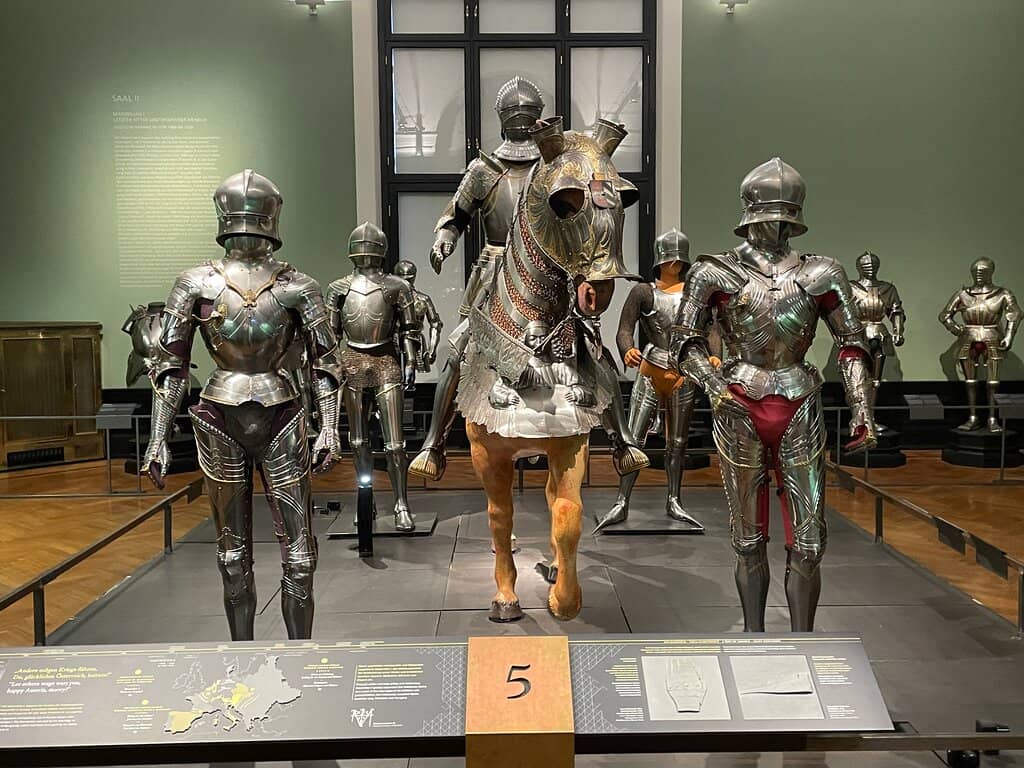
Explore a vast collection of knightly armor, weapons, and historical artifacts from the Imperial era.
Highlights
Must-see attractions

Social
From TikTok & Reddit
Best Time
Fewer crowds, more space to explore
Imperial Hunting and Armoury Collection
Best Time
Fewer crowds, more space to explore
Highlights
Must-see attractions
Explore a vast collection of knightly armor, weapons, and historical artifacts from the Imperial era.
"Soooooo much armor. You definitely get your money's worth in quality and quantity."
Allocate ample time ⏳
This collection is huge! Plan for at least 2-3 hours to see everything without rushing.
Use a translation app 📱
Many labels are in German. Google Translate or a similar app is essential for understanding the exhibits.
Quick Facts
Hours
Rating
4.7 · 146 reviews
Type
Museum
Website
hofjagd-ruestkammer.atHighlights
Discover the most iconic attractions and experiences
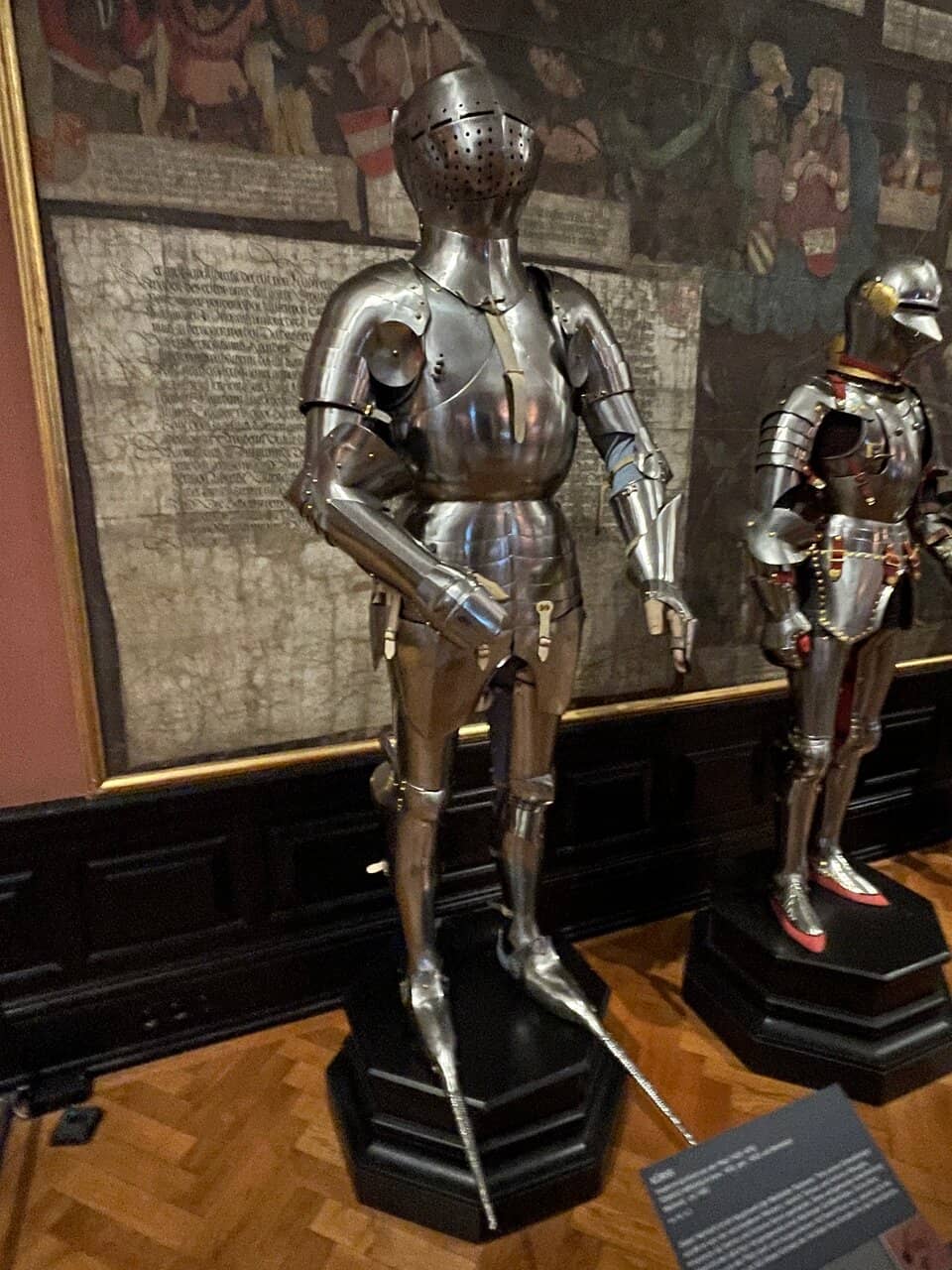
Suits of Knightly Armor
Neue Burg
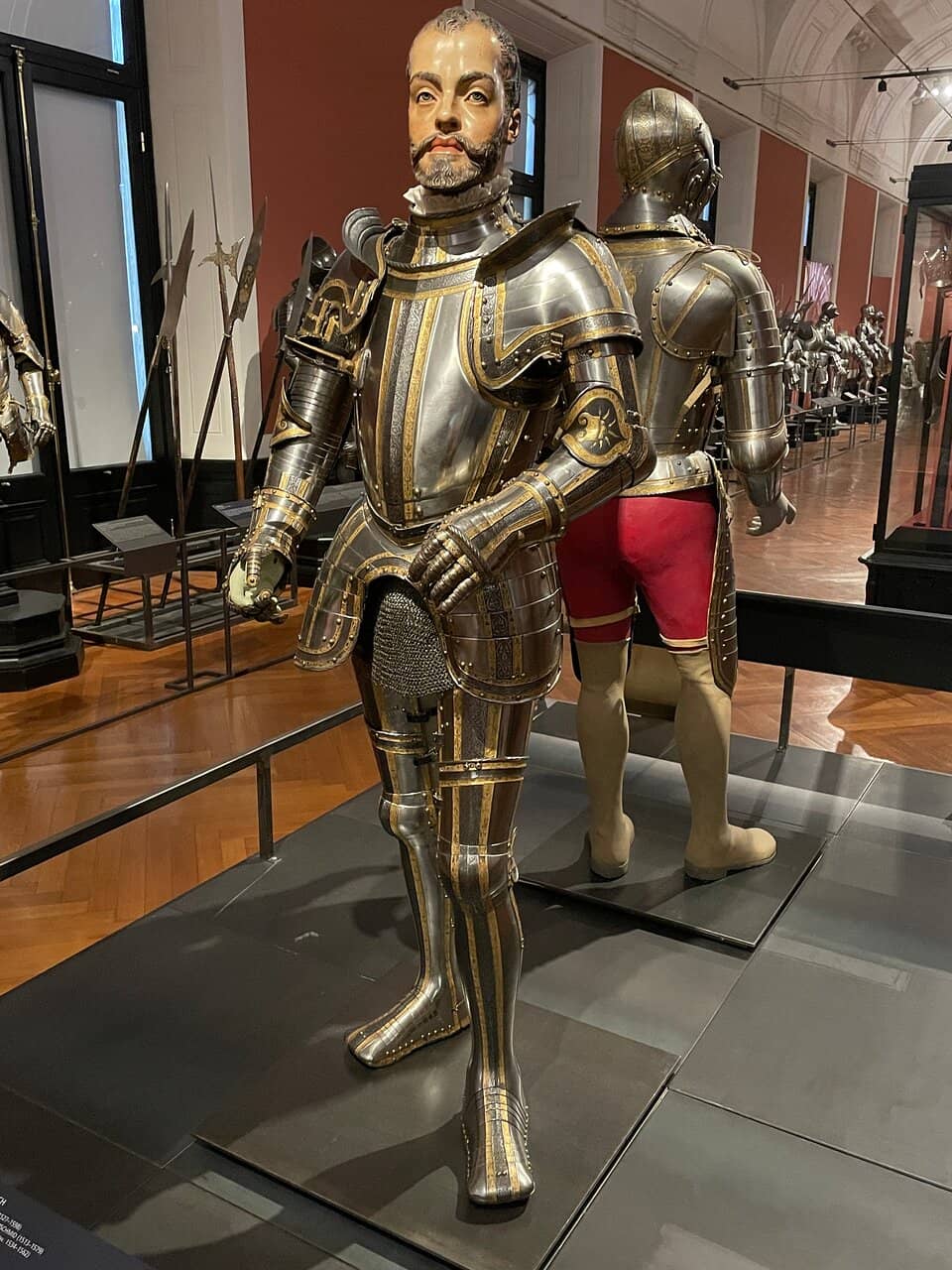
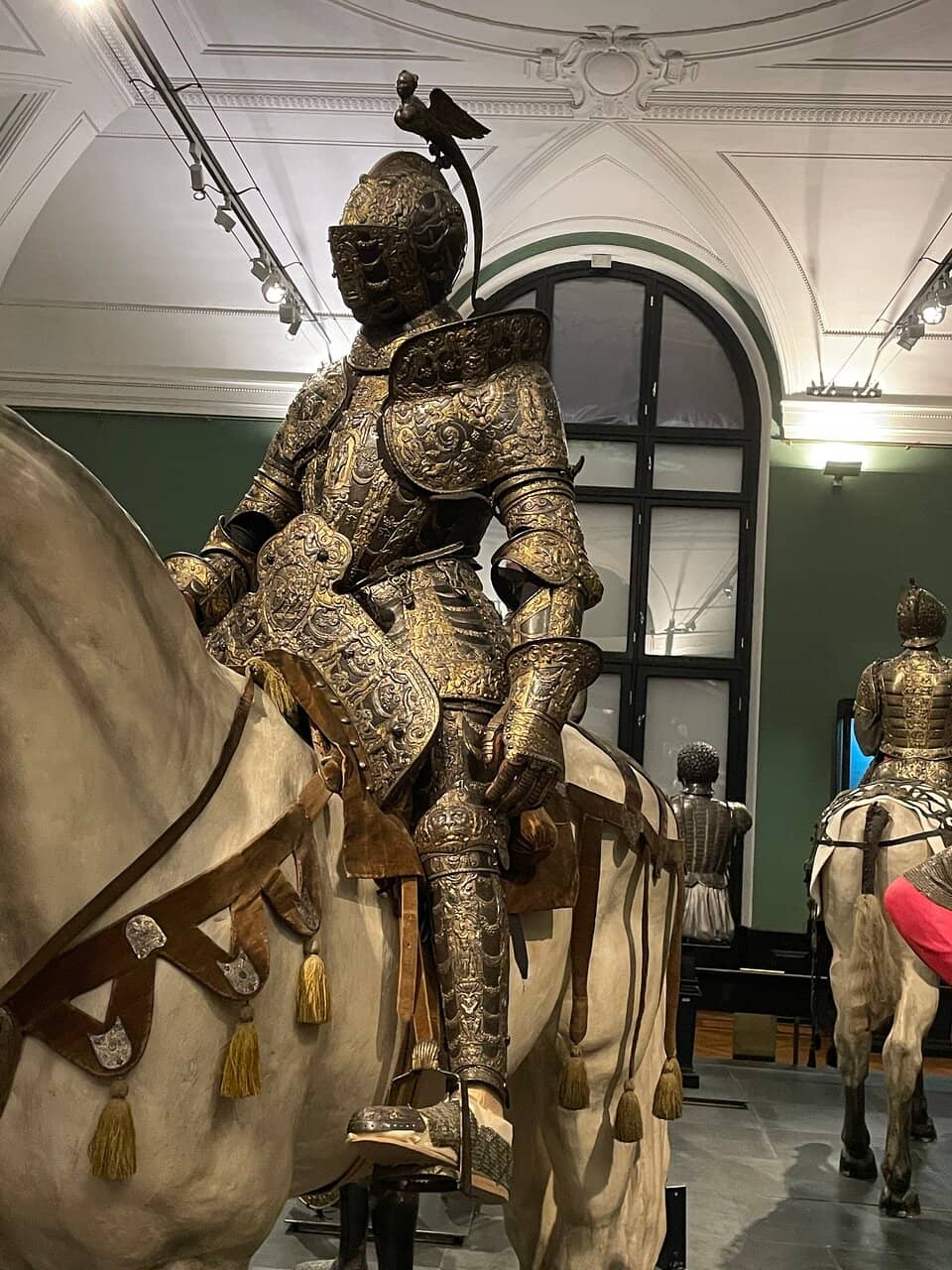
Experience the grandeur of meticulously crafted plate armor, showcasing medieval and Renaissance artistry.
Skanderbeg's Helmet
Neue Burg
A powerful symbol of resistance, this 15th-century helmet is a significant piece of European history.
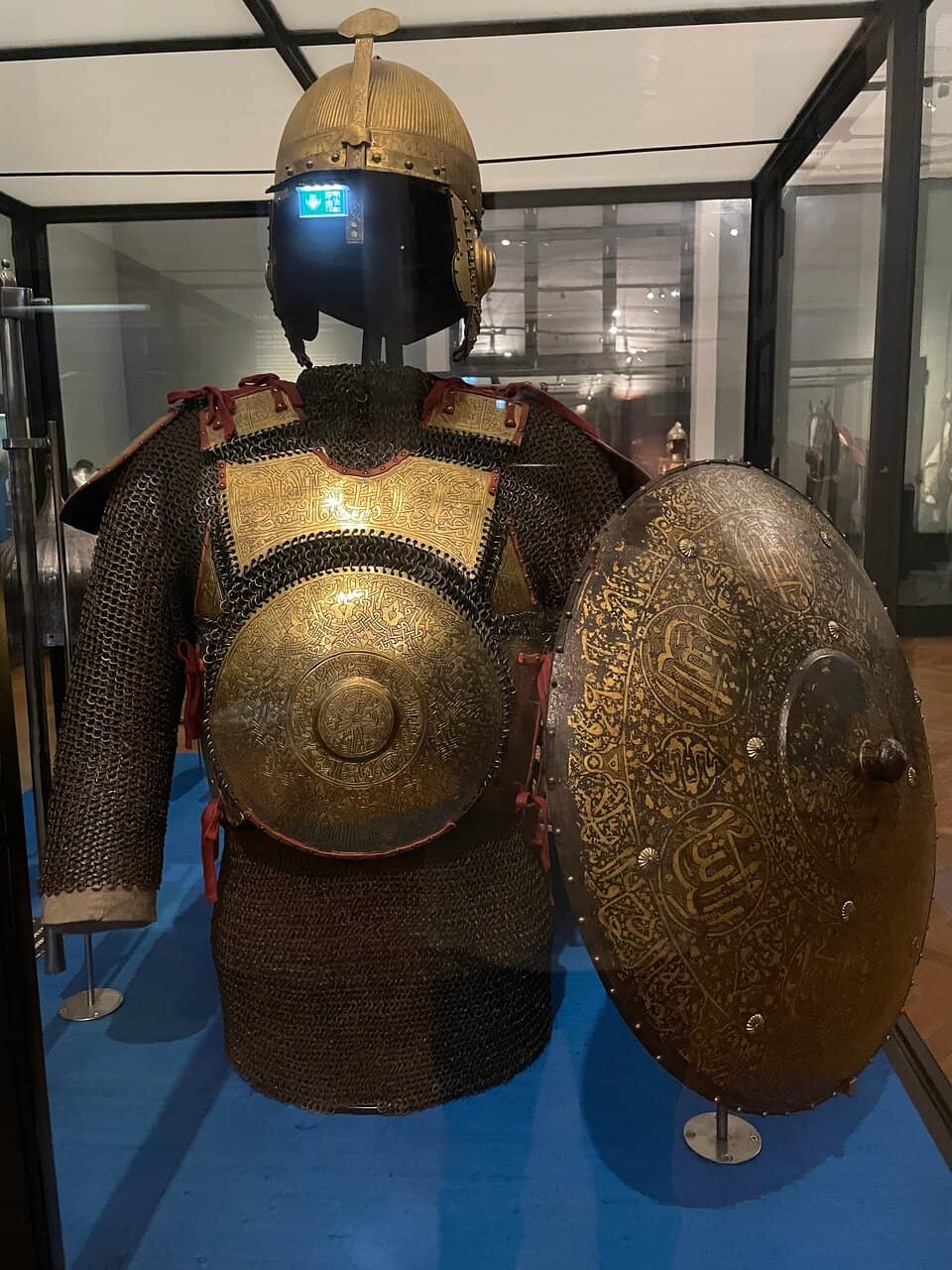
Extensive Weaponry Collection
Neue Burg
Explore a vast array of swords, lances, and other historical weapons, offering a glimpse into past warfare.
Plans like a pro.
Thinks like you
Planning Your Visit
Prepare for a Deep Dive into Armor
Understand the Historical Context
Best Times
Insider Tips
from TikTok, Instagram & Reddit
Allocate ample time ⏳
This collection is huge! Plan for at least 2-3 hours to see everything without rushing.
Use a translation app 📱
Many labels are in German. Google Translate or a similar app is essential for understanding the exhibits.
Consider the audio guide 🎧
Enhance your understanding of the artifacts with the detailed audio guide.
Focus on the armor 🛡️
The collection is particularly strong on suits of armor, which are truly impressive.
Tips
from all over the internet
Allocate ample time ⏳
This collection is huge! Plan for at least 2-3 hours to see everything without rushing.
Use a translation app 📱
Many labels are in German. Google Translate or a similar app is essential for understanding the exhibits.
Consider the audio guide 🎧
Enhance your understanding of the artifacts with the detailed audio guide.
Focus on the armor 🛡️
The collection is particularly strong on suits of armor, which are truly impressive.
Check ticket inclusions 🎟️
Ensure your ticket covers all desired sections, as some related exhibits might require separate entry.
What Travellers Say
Reviews Summary
Visitors consistently praise the Imperial Hunting and Armoury Collection for its immense scale and the impressive quality of its armor and weaponry, calling it a 'must-visit' for history enthusiasts. However, some note the lack of English signage as a drawback, suggesting the use of translation apps or audio guides to fully appreciate the exhibits.
"One of the best museums I have visited , it worths the price of the ticket 100% , especially the section with the knights its unique! It’s a must visiting and spend 2 hours, it brings nice memories of the past from the knights era !"
Chania Concierge
"Soooooo much armor. I rarely say uncle in a museum, but this one really gives you your money's worth. Room after room after room of armor, swords, lances, weapons of all shapes and sizes. Many questions came to mind- can you really stuff a 3 year old into armor, was most of this made so the owner could strut around showing off, was used armor ever peeled off the victim and saved for posterity? You definitely get your money's worth in quality and quantity, though most placards are in German only."
Kate Jones
"As a visitor deeply invested in European history, I was both honored and disheartened when encountering the helmet of Gjergj Kastrioti Skanderbeg in the Imperial Armoury of Vienna.
Skanderbeg is not merely a figure of Albanian pride—he is a celebrated European hero, widely recognized for his role in resisting Ottoman expansion during the 15th century. As a military commander, statesman, and defender of Christianity, he was honored by Pope Callixtus III with the title "Athleta Christi" (Champion of Christ). His helmet, along with his sword, is not just a military artifact—it is a profound symbol of resistance, leadership, and European unity.
Regrettably, the label displayed on the exhibit reads only:
Skanderbeg-Helm
Italienisch und deutsch, 2. Hälfte 15. Jahrhundert
(Helmet of Skanderbeg – Italian and German, second half of the 15th century)
This description, devoid of historical context or mention of Skanderbeg’s identity, origin, or legacy, stands in stark contrast to the richly detailed labels given to other items in the collection. It is especially concerning given that the helmet was a diplomatic gift to Skanderbeg—an acknowledgment of his stature in European affairs.
Austria has historically supported the Albanian people, including during pivotal moments in our national journey to independence. For that, we are genuinely grateful. It is precisely because of this shared history that I—and many others—feel compelled to kindly request a revision of the exhibit’s description to accurately reflect Skanderbeg’s identity as an Albanian national hero and European figure of enduring importance.
Museums are not only guardians of artifacts; they are storytellers of history. I sincerely hope the curators will honor this responsibility by providing future visitors with the complete and rightful context surrounding Skanderbeg’s legacy."
Granit Zeka
What People Like
What People Dislike
Frequently Asked Questions
🚇 🗺️ Getting There
The collection is located within the Neue Burg, part of the Hofburg Palace complex in Vienna. You can easily reach it by public transport, with several tram and bus lines stopping nearby. The nearest U-Bahn stations are Stephansplatz (U1, U3) and Herrengasse (U3).
Information on wheelchair accessibility can be found on the official museum website. It's advisable to check in advance for specific access points and any potential limitations within the historic building.
Photography for personal use is generally permitted, but without flash. Always check for specific signage or ask museum staff if you're unsure about any restrictions.

The Hofburg Palace is extensive. Follow signs for the 'Kaiserliche Rüstkammer' or 'Imperial Armoury' within the Neue Burg section. Maps are usually available at the entrance.
Parking in the city center can be challenging and expensive. It's recommended to use public transport. If driving, look for underground parking garages near the Hofburg.
🎫 🎫 Tickets & Entry
Ticket prices vary, and it's best to check the official website for the most current pricing. Combination tickets for multiple Sisi Museum, Imperial Apartments, and Silver Collection may also be available.
Booking tickets in advance is recommended, especially during peak tourist seasons, to avoid long queues and guarantee entry.
Opening hours can vary seasonally. Typically, the museum is open daily, but it's crucial to verify the exact times on the official website before your visit.
Discounts for students, seniors, and children are often available. Check the museum's ticketing page for details on eligibility and required documentation.
Yes, the Vienna Pass often includes entry to the Imperial Hunting and Armoury Collection, along with many other attractions. Check the Vienna Pass website for the most up-to-date inclusions.
🎫 🧭 Onsite Experience
Most visitors recommend spending at least 2-3 hours to fully appreciate the vast collection of armor and weapons.
While official guided tours might be limited, an audio guide is available and highly recommended for deeper insights into the exhibits.
Many visitors are particularly struck by the sheer volume and craftsmanship of the suits of armor, as well as specific historical pieces like Skanderbeg's helmet.
Restrooms are available within the museum complex. It's advisable to check the museum map upon entry for their exact locations.
Children, especially those interested in knights and history, can find the collection fascinating. However, the sheer volume might be overwhelming for very young children.
🍽️ 🍽️ Food & Dining
There are no dining facilities directly within the Armoury collection itself. However, numerous cafes and restaurants are available within the Hofburg Palace complex and the surrounding city center.
Generally, it's best to consume food and drinks outside the exhibition halls. Check the museum's specific policy, but usually, only water bottles are permitted.
The area around the Hofburg Palace offers a wide range of dining options, from traditional Viennese cafes to international cuisine. Explore the side streets for local gems.
📸 📸 Photography
Yes, photography for personal use is generally allowed, but please refrain from using flash as it can damage the artifacts.
Tripods and selfie sticks are typically not allowed to ensure the safety of the exhibits and the comfort of other visitors. Always check for specific rules.
The grand halls filled with suits of armor offer dramatic photo opportunities. The Skanderbeg helmet also makes for a striking shot.
Short video recordings for personal use might be permitted, but extensive filming or professional videography usually requires special permission.
Utilize the natural light where available and be mindful of the display lighting. Experiment with angles to capture the intricate details of the armor.
Social
from TikTok, Instagram & Reddit