Otto Wagner Archive
Discover Otto Wagner's iconic Art Nouveau masterpieces, including the vibrant Majolikahaus and elegant Wienzeile houses.
Highlights
Must-see attractions

Social
From TikTok & Reddit
Best Time
Fewer crowds, better photos
Otto Wagner Archive
Best Time
Fewer crowds, better photos
Highlights
Must-see attractions
Discover Otto Wagner's iconic Art Nouveau masterpieces, including the vibrant Majolikahaus and elegant Wienzeile houses.
"A stunning display of Viennese Art Nouveau, these buildings are a must-see for any architecture lover!"
📸 Capture the Details
Don't just photograph the whole building; zoom in on the intricate gold ornaments and majolica tiles!
🚶♀️ Explore the Wienzeile
The Majolikahaus and Haus Linke Wienzeile 38 are right next to each other. See them together!
Quick Facts
Rating
4.9 · 14 reviews
Type
Historical Landmark
Highlights
Discover the most iconic attractions and experiences
Majolikahaus
Linke Wienzeile 40
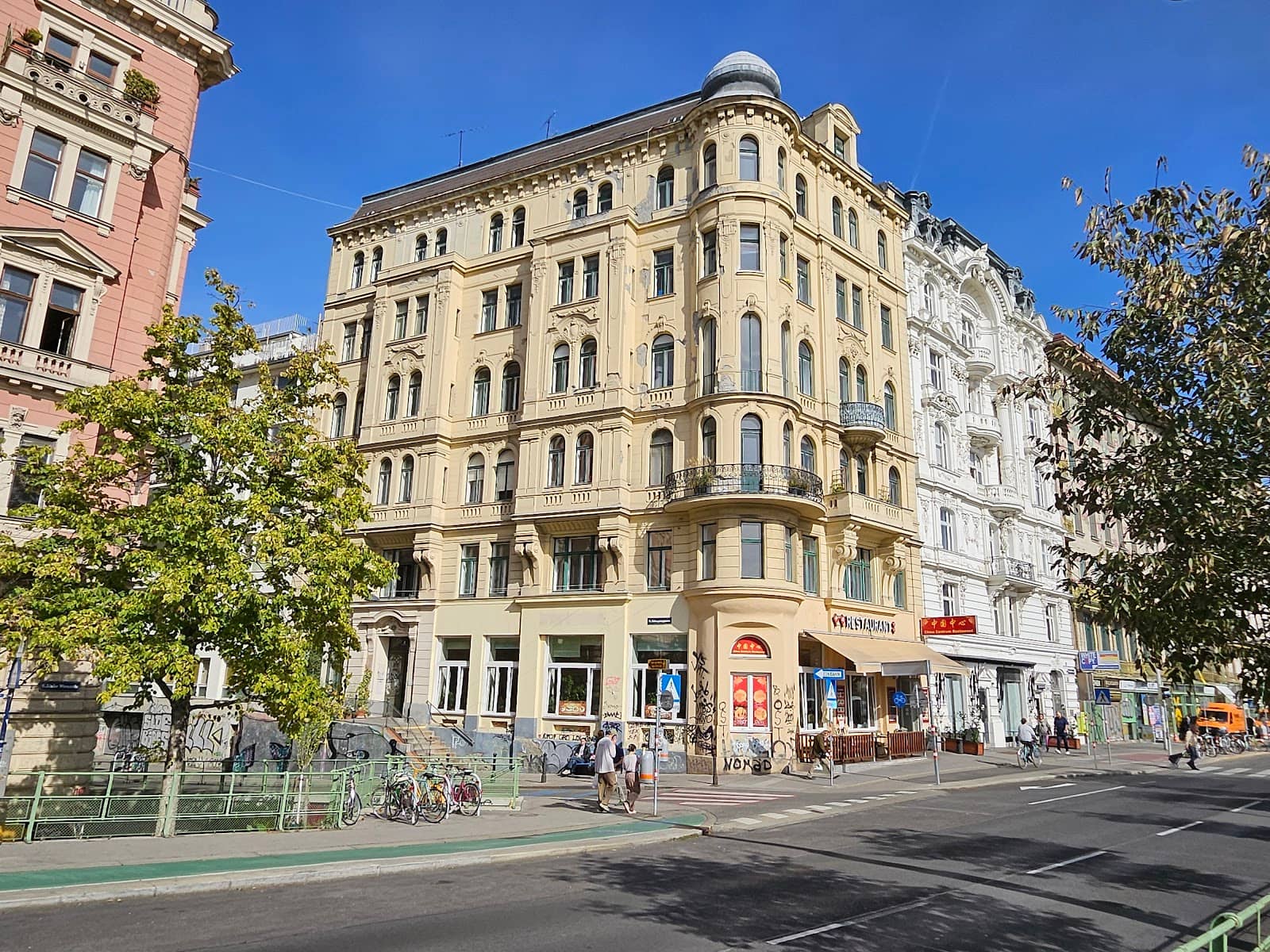
A stunning Art Nouveau facade adorned with vibrant majolica tiles and floral motifs. A true visual feast!
Haus Linke Wienzeile 38
Linke Wienzeile 38
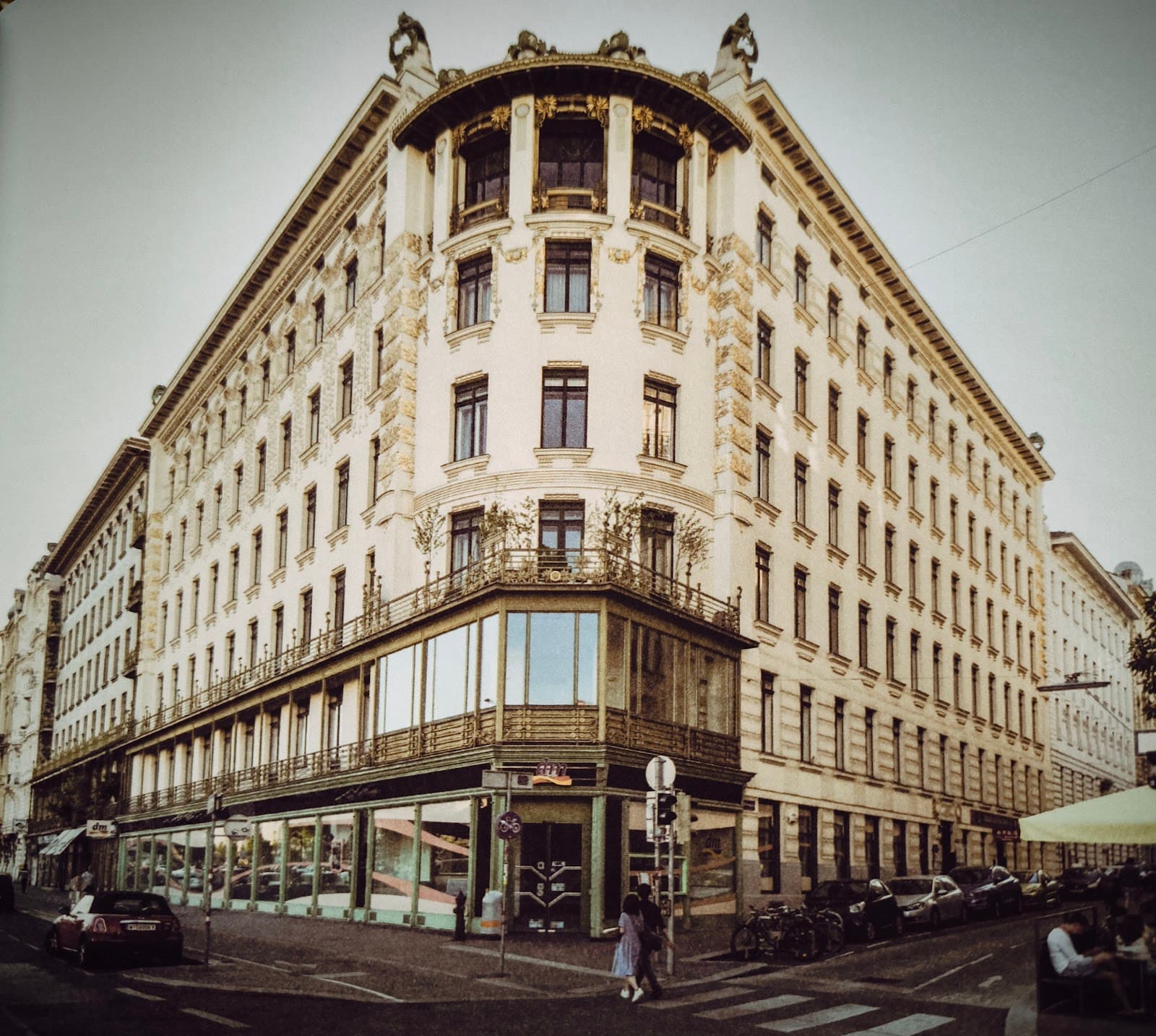
Iconic corner building with a striking curved facade, adorned with gold ornaments and a sculpture of 'Ruferinnen'.
Wienzeilenhäuser (Köstlergasse 1)
Köstlergasse 1
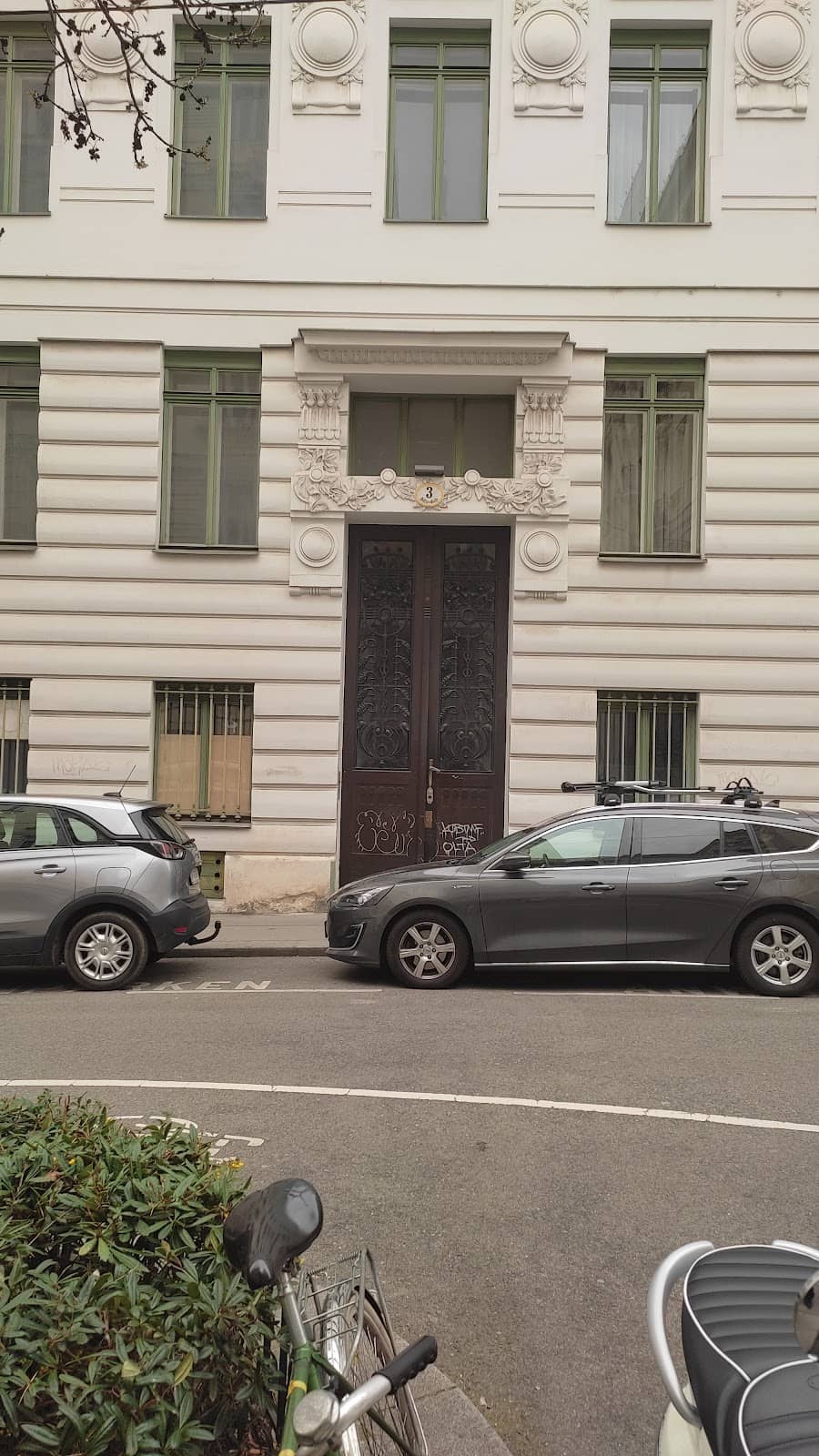
The simplest of the Wienzeile houses, featuring a white facade with blue and gold patterns. Wagner himself lived here.
Plans like a pro.
Thinks like you
Planning Your Visit
Timing Your Visit to Wagner's Masterpieces
Navigating Otto Wagner's Architectural Legacy
Best Times
Insider Tips
from TikTok, Instagram & Reddit
📸 Capture the Details
Don't just photograph the whole building; zoom in on the intricate gold ornaments and majolica tiles!
🚶♀️ Explore the Wienzeile
The Majolikahaus and Haus Linke Wienzeile 38 are right next to each other. See them together!
📍 Know Your Addresses
The 'Otto Wagner Archive' is spread out. Have the exact addresses for each building handy.
🎨 Admire the Art Nouveau
These buildings are prime examples of Vienna's Art Nouveau movement. Appreciate the artistry!
Tips
from all over the internet
📸 Capture the Details
Don't just photograph the whole building; zoom in on the intricate gold ornaments and majolica tiles!
🚶♀️ Explore the Wienzeile
The Majolikahaus and Haus Linke Wienzeile 38 are right next to each other. See them together!
📍 Know Your Addresses
The 'Otto Wagner Archive' is spread out. Have the exact addresses for each building handy.
🎨 Admire the Art Nouveau
These buildings are prime examples of Vienna's Art Nouveau movement. Appreciate the artistry!
What Travellers Say
Reviews Summary
Visitors are consistently impressed by the stunning Art Nouveau facades of Otto Wagner's Wienzeile houses, particularly the vibrant Majolikahaus and the elegant Haus Linke Wienzeile 38. The architectural details and historical significance are frequently highlighted as major draws. Some visitors note that the 'archive' is spread across multiple buildings and that interior access is limited to specific sites.
"Otto Koloman Wagner was an Austrian architect, furniture designer, and urban planner. He was a leading member of the Vienna Secession architectural movement, founded in 1897."
Petra
"The richly decorated townhouses designed by Otto Wagner are a magnificent example of Viennese Art Nouveau. They were built between 1898 and 1899, and are also a showcase for successful architectural solutions. The corner building on Linke Wienzeile/Kostlergasse has gold and floral decorations, and the facade is covered with gilded medallions depicting female faces.
This Wagner could be an ancestor of mine; the surname is the same (who knows, maybe yes, maybe not, but the similarity is laughable).
Next to it, on Linke Wienzeile, is a house called Majolikahaus, whose facade is covered with majolica tiles with burgundy and green ornaments, and lion heads are visible under the roof cornice.
The third building, located on Kostlergasse, is white with a blue and gold pattern. Otto Wagner lived in this building."
Małgorzata Wagner
"Together with the adjacent buildings at Köstlergasse 1, the corner of the Linke Wienzeile building at 38, and at number 40, it forms the so-called "Wienzeile" (Wienzeilenhäuser) by Otto Wagner. Built between 1998 and 1999, they are an example of Viennese Art Nouveau. It is the simplest of the group of buildings. Otto Wagner temporarily lived in this building."
Juan Felipe Holgado Perez
What People Like
What People Dislike
Frequently Asked Questions
🚇 🗺️ Getting There
The Wienzeile houses are easily accessible by public transport. Take the U4 subway line to the Kettenbrückengasse station. From there, it's a short walk to Linke Wienzeile 38 and 40, and Köstlergasse 1.
Street parking in this area can be challenging and is often metered. It's highly recommended to use public transportation to reach these architectural sites.
Yes, the main Wienzeile houses (Majolikahaus, Haus Linke Wienzeile 38, and Köstlergasse 1) are all within easy walking distance of each other, making it convenient to see them as a group.
🎫 🎫 Tickets & Entry
No, the exterior of the Wienzeile houses, including the Majolikahaus and Haus Linke Wienzeile 38, can be admired from the street for free.
Generally, you cannot go inside the residential apartments of the Wienzeile houses. However, the Otto Wagner Villa (now Ernst Fuchs Museum) offers interior access.
Since these are residential buildings, there are no official opening hours. You can view them at any time, but it's best to visit during daylight hours for the best experience and to be respectful of residents.
📸 📸 Photography
Early mornings or late afternoons offer softer light, ideal for capturing the intricate details of the Majolikahaus and Haus Linke Wienzeile 38 without harsh shadows.
The corner of Linke Wienzeile and Kostlergasse provides a great vantage point for Haus Linke Wienzeile 38. For Majolikahaus, stand across the street on Linke Wienzeile for a full facade view.
Drone photography is generally restricted in urban areas like Vienna due to privacy and safety regulations. It's best to stick to ground-level photography.
🎫 🏛️ Architectural Significance
Otto Wagner was a pivotal figure in Viennese Art Nouveau and modern architecture. He designed iconic structures like the Stadtbahn stations, the Steinhof Church, and the famous Wienzeile houses.
The Wienzeile houses are prime examples of Viennese Art Nouveau, characterized by their decorative facades, use of floral motifs, and innovative architectural solutions.
The golden ornaments on Haus Linke Wienzeile 38 were created by Koloman Moser, a prominent Austrian artist and designer associated with the Vienna Secession.
Social
from TikTok, Instagram & Reddit