Sewer Museum Brussels
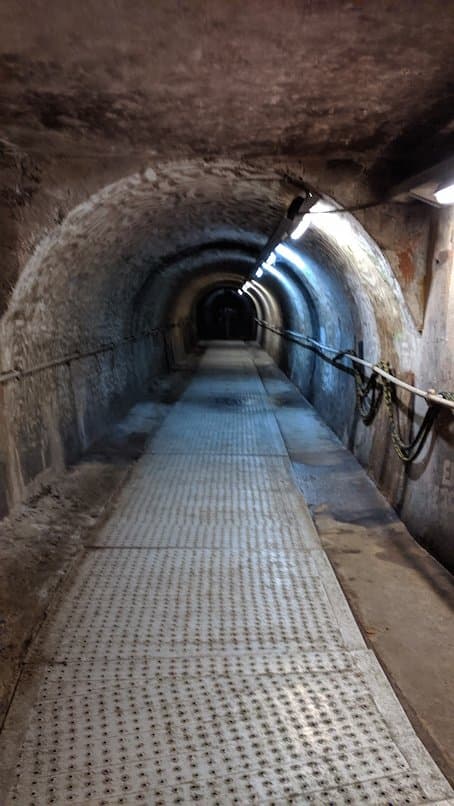
Explore Brussels' hidden world! Walk an active sewer, discover wastewater engineering history, and uncover urban secrets.
Highlights
Must-see attractions

Social
From TikTok & Reddit
Best Time
Fewer crowds, more personal
Sewer Museum Brussels
Best Time
Fewer crowds, more personal
Highlights
Must-see attractions
Explore Brussels' hidden world! Walk an active sewer, discover wastewater engineering history, and uncover urban secrets. 
"Who knew sewers could be so fascinating?! A journey through Brussels' most secretive streets.
👃 Embrace the Smell
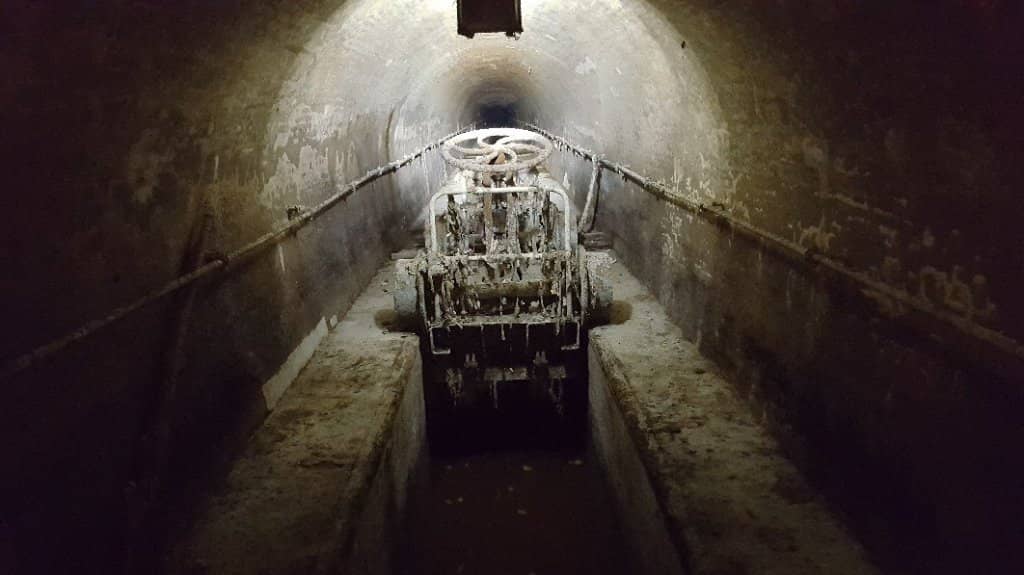
Yes, it smells! It's part of the authentic experience. Don't let it deter you from this unique museum.
👟 Wear Comfortable Shoes
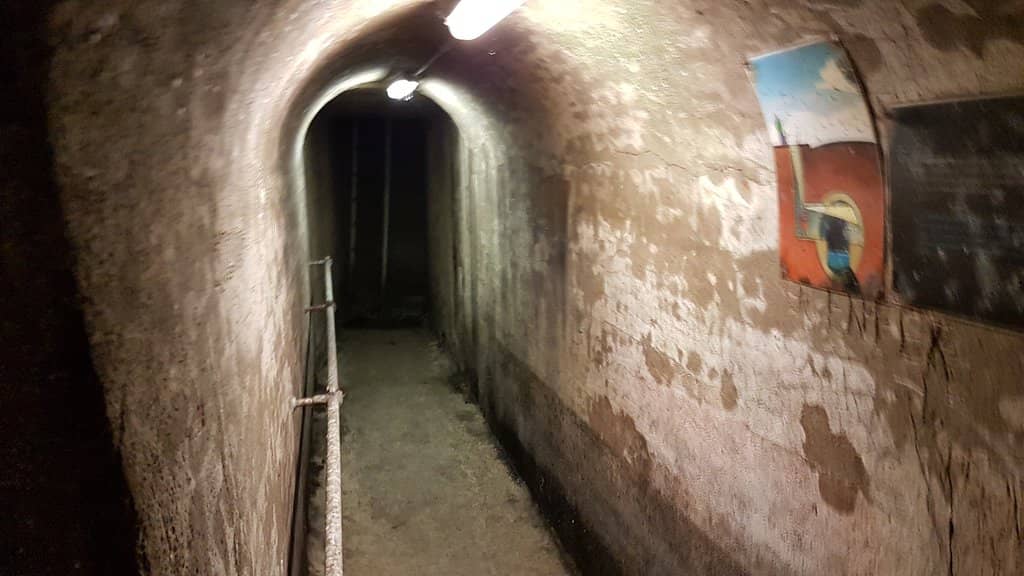
You'll be walking through tunnels and potentially uneven surfaces, so sturdy footwear is a must.
Quick Facts
Hours
Rating
4.5 · 533 reviews
Type
Museum
Highlights
Discover the most iconic attractions and experiences
Walk the Active Sewer
Underground along the Senne
Experience the city's hidden waterways firsthand on a guided walk through a section of the active sewer system.
+1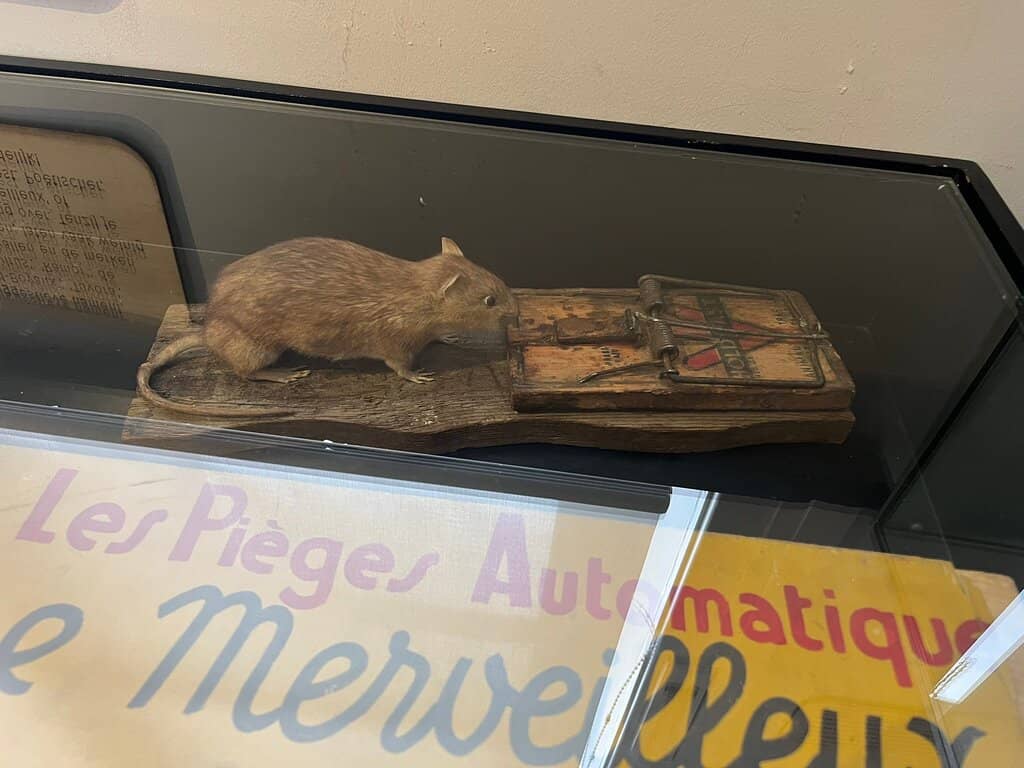
History of Wastewater Engineering
Museum exhibits
Discover the fascinating evolution of Brussels' and Belgium's sewer and wastewater systems through informative displays.
+1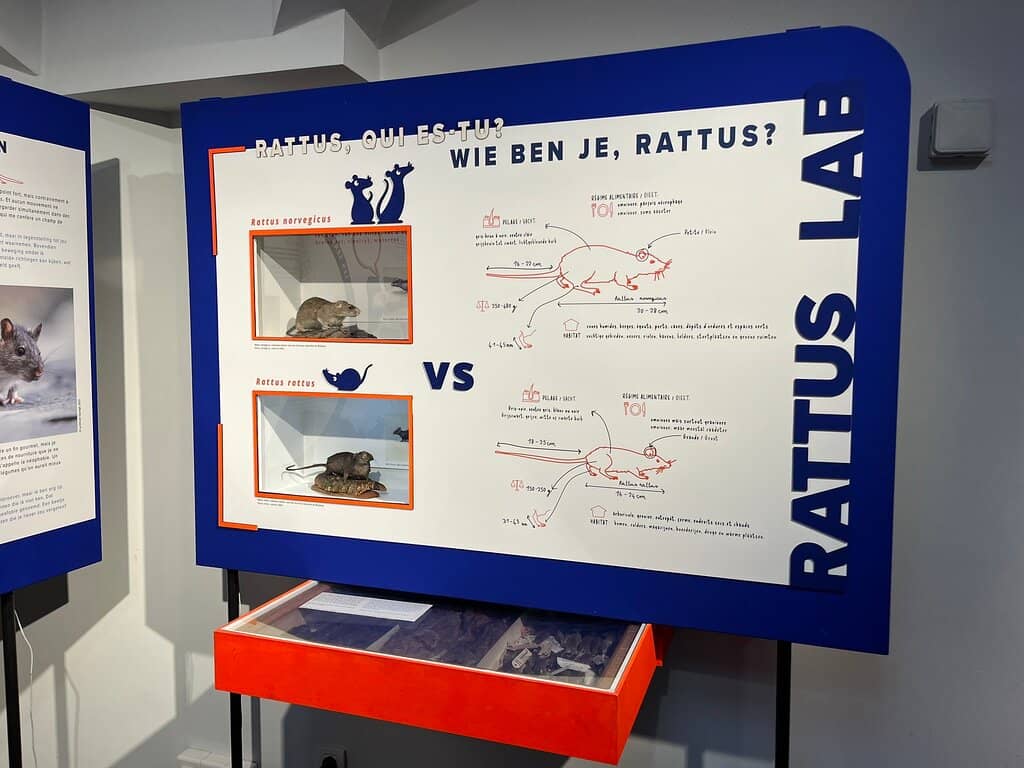
'Rattus' Exhibit
Special exhibition area
Explore the vital role of rats in the sewer ecosystem in this engaging and informative exhibit.
+1Plans like a pro.
Thinks like you
Planning Your Visit
Embrace the Underground
+1Book Ahead for Special Exhibits
Best Times
Insider Tips
from TikTok, Instagram & Reddit
👃 Embrace the Smell
Yes, it smells! It's part of the authentic experience. Don't let it deter you from this unique museum.
👟 Wear Comfortable Shoes
You'll be walking through tunnels and potentially uneven surfaces, so sturdy footwear is a must.
🗺️ Check Brussels Card
Entry to the Sewer Museum is often included with the Brussels Card.
💧 Be Prepared for Dampness
The environment can be a bit damp, so dress accordingly and protect any electronics.
Tips
from all over the internet
👃 Embrace the Smell
Yes, it smells! It's part of the authentic experience. Don't let it deter you from this unique museum.
👟 Wear Comfortable Shoes
You'll be walking through tunnels and potentially uneven surfaces, so sturdy footwear is a must.
🗺️ Check Brussels Card
Entry to the Sewer Museum is often included with the Brussels Card.
💧 Be Prepared for Dampness
The environment can be a bit damp, so dress accordingly and protect any electronics.
🤔 Unusual Attraction
Consider this for a quirky, off-the-beaten-path experience in Brussels.
What Travellers Say
Reviews Summary
Visitors find the Sewer Museum a surprisingly fascinating and unique experience, particularly enjoying the walk through an active sewer. While the smell is noted, it's generally accepted as part of the authentic adventure. The museum is praised for its informative displays on wastewater engineering and its quirky appeal. +1
"A truly unique museum where you can actually see the real sewer system downstairs. The exhibits are well designed, and some are interactive. The staff were incredibly kind and informative — they even recommended other museums to visit during our stay in Brussels. As expected, it does smell like a sewer, so be prepared before heading downstairs."
Lisa Park
"Very interesting museum about sewers and water overall in Brussels. I visited with my 2 so sand we spent a lot of time on the activities, info and exploring the underground hall itself."
Petra Praet
"I only had a few hours in Brussels and my partner convinced me that this was how we should spend our time. I was very weary about this but decided to go as he was so excited by it. We had a great time! It was a wonderful museum, very interactive and the staff were lovely. They have Dutch and French on the boards with English audio tours/guide book that explains all the exhibits. There are many interactive displays as well which we enjoyed quite a bit. Then you get to go and see both the covered parts of the senne and the sewer! Be warned… it’s not a pleasant smell. But it was very cool and would absolutely recommend to anyone in Brussels."
sarah kendel
What People Like
What People Dislike
Frequently Asked Questions
🚇 🗺️ Getting There
The Sewer Museum is located at Pavillons d’Octroi – Porte d’Anderlecht, 1000 Bruxelles. It's accessible by public transport, with several tram and bus lines stopping nearby. Check local transport apps for the most convenient route from your location.
Yes, it's situated at one of the city's historic gates, making it relatively easy to locate. Look for the distinctive pavilions.
Parking in the immediate vicinity might be limited. It's generally recommended to use public transport or walk if you're staying centrally in Brussels.
The museum is relatively central and can be combined with visits to other nearby attractions, such as the Cantillon Brewery.
The museum is typically open Tuesday to Saturday from 10:00 AM. It's always best to check their official website for the most up-to-date hours before your visit.
🎫 🎫 Tickets & Entry
Admission prices can vary, but the museum is often included with the Brussels Card, offering great value if you plan to visit multiple attractions.
For general admission, booking in advance is usually not required, but it's advisable to check their website, especially if you're visiting during peak season or for special events.
Yes, it's considered a fascinating and educational experience for children, offering a unique perspective on urban infrastructure.
The Brussels Card often provides free entry, and there may be concessions for students, seniors, or groups. Check the official website for details.
A visit can last anywhere from 1 to 2 hours, depending on your interest in the exhibits and whether you participate in the guided sewer walk.
🎫 🧭 Onsite Experience
You'll explore the history and function of Brussels' sewer system, see models, photographs, and even walk through a section of an active sewer.
The walk is generally not considered scary, but it is an authentic experience in an underground environment. It's more about discovery than fear.
While the environment is damp, visitors are usually advised to wear appropriate clothing. The museum takes precautions to ensure a manageable experience.
Yes, the museum aims to be interactive and informative, making the complex topic of wastewater management engaging for visitors of all ages.
The 'Rattus' exhibit focuses on the intelligence and ecological importance of rats within the sewer system, offering a surprising perspective.
🍽️ 🍽️ Food & Dining
The museum itself typically does not have a restaurant or cafe. However, there are many dining options available in the surrounding Brussels area.
It's generally not recommended to consume food and drinks within the museum exhibits to preserve the artifacts and environment.
The area around the museum has various cafes and restaurants offering Belgian cuisine. You can easily find a place to eat before or after your visit.
Look for establishments serving traditional Belgian dishes like moules-frites (mussels and fries) or carbonnade flamande (beef stew).
While there might not be designated picnic areas directly at the museum, you could find a nearby park or public space for a picnic if the weather permits.
📸 📸 Photography
Photography is generally allowed for personal use, but flash photography might be restricted in certain areas to protect exhibits. Always check for signage.
The entrance pavilions, historical displays, and the unique perspective from within the active sewer tunnel offer interesting photographic opportunities.
Yes, the underground environment can be quite dark, especially in the sewer sections. A camera with good low-light performance or a tripod might be helpful.
Capturing the contrast between the historical engineering and the modern visitor experience can make for compelling shots.
Short videos for personal social media are usually permitted, but commercial filming may require special permission.
You may also like

Place Sainte-Catherine Brussels

Grand Place

European Parliament Hemicycle Brussels

Antwerp Historic Center Brussels

Parc Tournay-Solvay Brussels

Cantillon Brewery Brussels Gueuze Museum
Place Sainte-Catherine Brussels
Grand Place
European Parliament Hemicycle Brussels
Antwerp Historic Center Brussels
Parc Tournay-Solvay Brussels
Cantillon Brewery Brussels Gueuze Museum

Belgian Beer World Brussels

Parc du Cinquantenaire Brussels

Châtelain Market Brussels

Marolles Brussels

Royal Palace of Brussels Brussels

Social
from TikTok, Instagram & Reddit