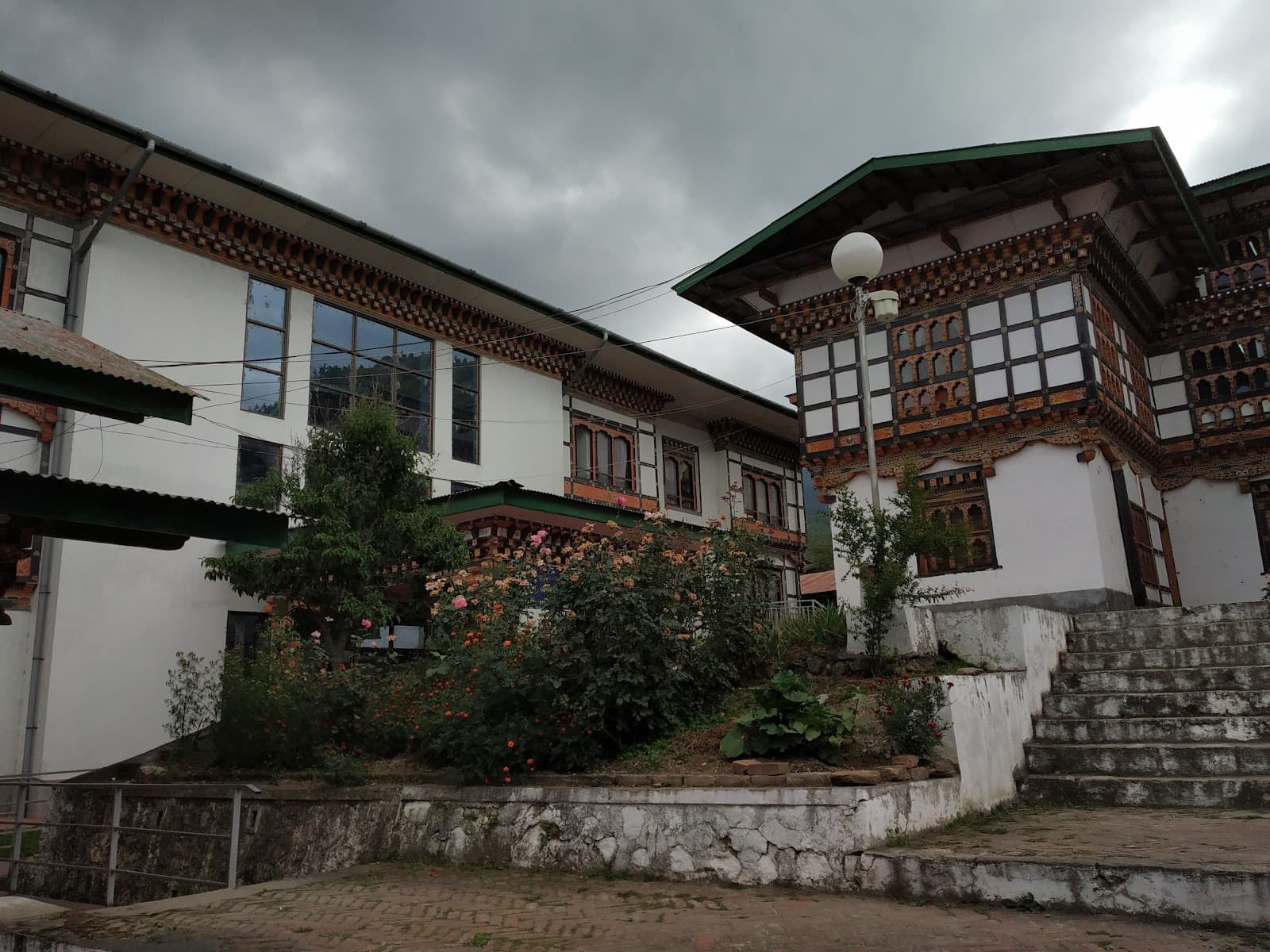
National Institute for Traditional Medicine Museum
Discover Bhutan's rich medicinal heritage at this institute, showcasing traditional healing plants and practices. A unique cultural and educational ex...
Highlights
Must-see attractions

Social
From TikTok & Reddit
Best Time
See active operations
National Institute for Traditional Medicine Museum
Best Time
See active operations
Highlights
Must-see attractions
Discover Bhutan's rich medicinal heritage at this institute, showcasing traditional healing plants and practices. A unique cultural and educational experience.
"An informative museum detailing the 300 herbs, minerals, and animal parts used by Bhutanese doctors."
Allow ample time
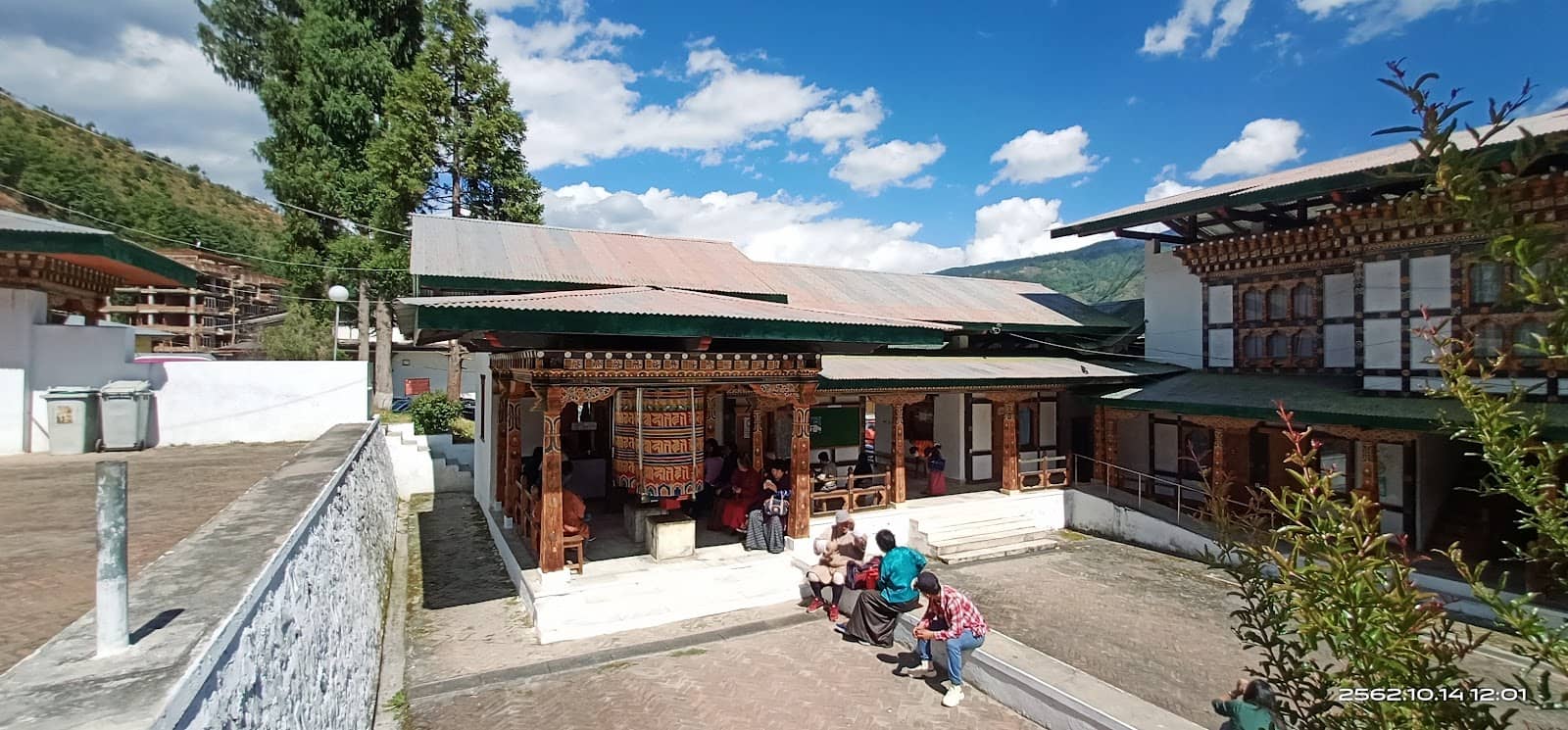
The campus is large, so plan for at least a few hours to explore all divisions and the museum. :clock1:
Engage with staff
The institute is dedicated to its mission; staff are often happy to share insights into traditional medicine. :speech_balloon:
Quick Facts
Hours
Rating
4.6 · 9 reviews
Type
Museum
Highlights
Discover the most iconic attractions and experiences
Medicinal Plant Collection
Museum Exhibit
Discover over 300 herbs, minerals, and animal parts used in traditional Bhutanese medicine, sourced from remote Himalayan regions.
Traditional Medicine Hospital
Institute Campus
Witness firsthand the free healthcare services provided to the community by traditional medicine physicians.
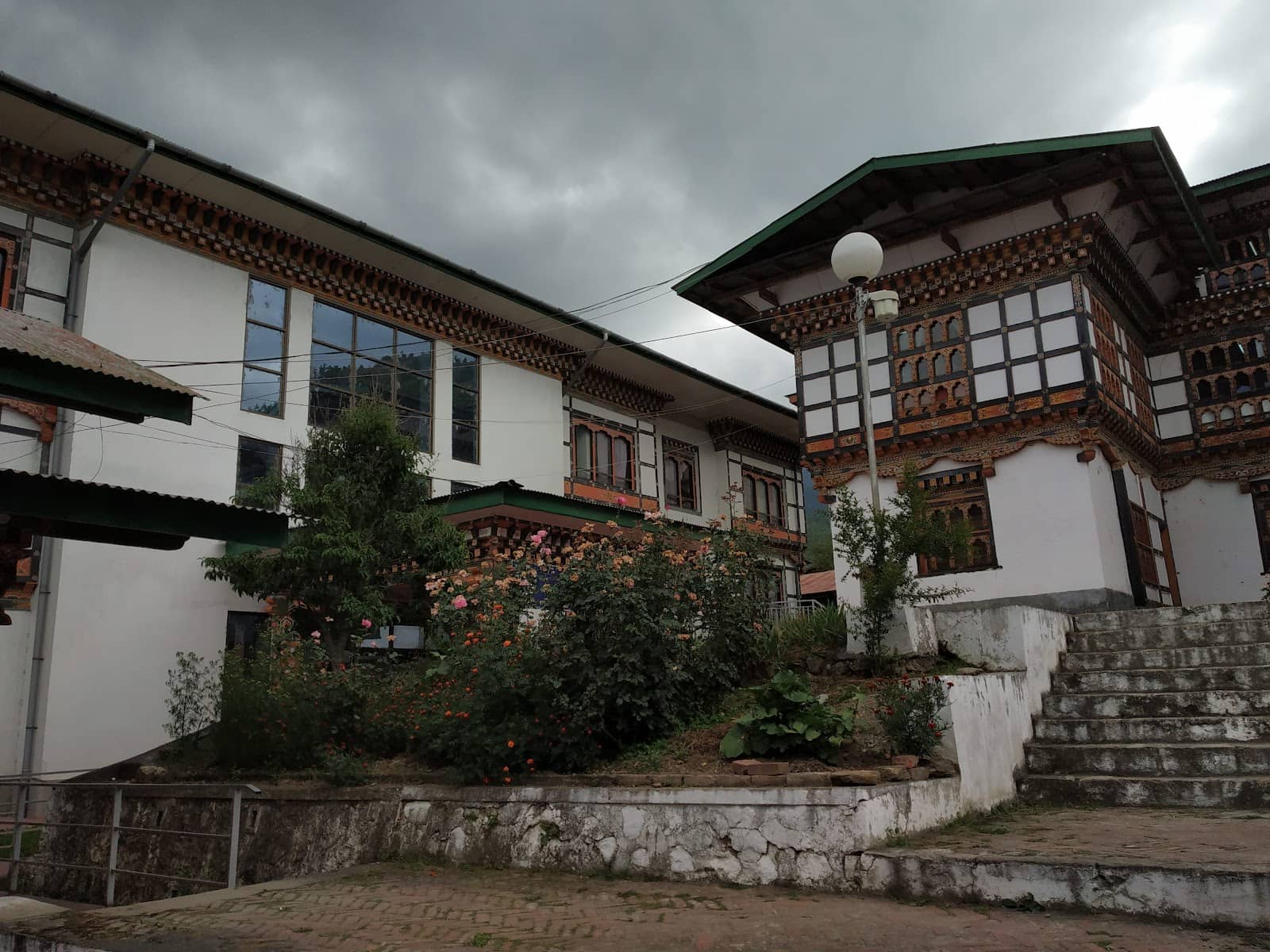
Menjong Sorig Pharmaceutical
Institute Campus
See where the herbal medicines are produced, showcasing the practical application of traditional knowledge.
Plans like a pro.
Thinks like you
Planning Your Visit
Understand the Institute's Mission
Explore the Campus
Best Times
Insider Tips
from TikTok, Instagram & Reddit
Allow ample time
The campus is large, so plan for at least a few hours to explore all divisions and the museum. :clock1:
Engage with staff
The institute is dedicated to its mission; staff are often happy to share insights into traditional medicine. :speech_balloon:
Respect the environment
This is a place of healing and study. Be mindful and respectful during your visit. 🙏
Tips
from all over the internet
Allow ample time
The campus is large, so plan for at least a few hours to explore all divisions and the museum. :clock1:
Engage with staff
The institute is dedicated to its mission; staff are often happy to share insights into traditional medicine. :speech_balloon:
Respect the environment
This is a place of healing and study. Be mindful and respectful during your visit. 🙏
What Travellers Say
Reviews Summary
Visitors find the National Institute for Traditional Medicine Museum to be an informative and unique cultural experience, highlighting the importance of Bhutan's traditional healing practices. The institute's dedication to preserving and promoting these remedies is evident, offering a valuable glimpse into a vital aspect of Bhutanese heritage.
"Established in 1978, this institute collects medicinal plants from remote corners of the Bhutanese Himalaya, such as Lingzhi, Laya and Lunana, and then distributes pills, tablets, ointments and medicinal teas to regional health-care units around the country. The small museum details some of the 300 herbs, minerals and animal parts that Bhutanese doctors have to choose from."
A way to Bhutan Tours and Travel
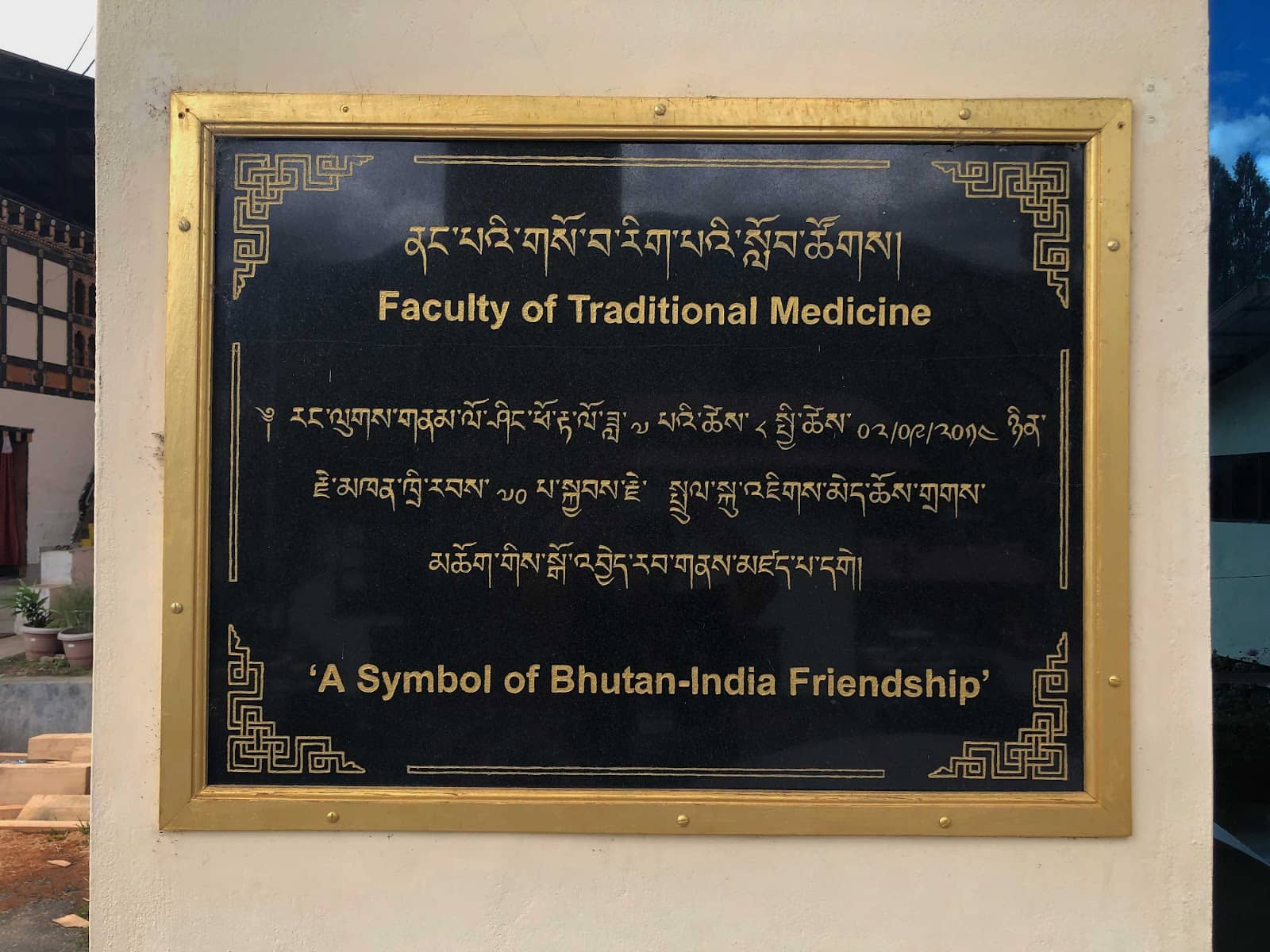
"In the campus, there are three division: 1/ Faculty of traditional medicine which offers different course, Bachelor(5 yrs) , diploma(3yrs)in traditional medicine of Bhutan and short term course for international students. It also has traditional medicine muesum.
2/ National traditional medicine hospital where traditonal medicine physician provide health care services to the people for free.
3/ Menjong sorig pharmaceutical where the herbal medicines are produced."
Jamyang Yeshi Dorji
"Big campus.
The institute is reviving the traditional medical science and promoting it on a big way."
Chablop “PaSsu”
What People Like
What People Dislike
Frequently Asked Questions
🚇 🗺️ Getting There
The institute is located on a large campus. You can typically reach it by taxi or private vehicle from the main city. Inquire locally for the most direct routes and any specific public transport options available. 🚕
Yes, the institute has a large campus, and parking is generally available for visitors. 🚗
🎫 🎫 Tickets & Entry
Information on ticket prices is not readily available, but visits to such institutes are often free or require a nominal fee. It's best to inquire upon arrival or check their official website if available. 🎟️
Operating hours can vary, especially as it's part of a functional institute. It's advisable to check for specific museum hours or plan your visit during standard weekday business hours. :clock1:
Yes, the Faculty of Traditional Medicine offers short-term courses for international students, in addition to its degree and diploma programs. :mortar_board:
🎫 🧭 Onsite Experience
The museum showcases around 300 medicinal herbs, minerals, and animal parts used in Bhutanese traditional medicine, detailing their origins and uses. :herb:
The hospital provides free healthcare services to the people. While you can see its presence on campus, direct patient access might be limited to those seeking treatment. :medical_symbol:
This pharmaceutical unit is where the herbal medicines are produced, demonstrating the practical application and manufacturing of traditional remedies. :factory:
While the campus is large, accessibility for individuals with mobility issues can vary. It's recommended to contact the institute in advance to inquire about specific facilities. ♿
🍽️ 🍽️ Food & Dining
Dedicated dining facilities for visitors are not typically mentioned. It's advisable to eat before your visit or explore nearby local eateries. 🍴
📸 📸 Photography
Photography policies can vary. It's best to look for signage or ask permission from staff before taking pictures, especially of exhibits and people. 📷

Social
from TikTok, Instagram & Reddit