Tiwanaku
Explore Tiwanaku, a UNESCO World Heritage site and ancient Andean civilization's heart, famed for its monumental architecture and the enigmatic Puma P...

Highlights
Must-see attractions

Social
From TikTok & Reddit
Best Time
Clear skies, comfortable temps
Tiwanaku
Best Time
Clear skies, comfortable temps
Highlights
Must-see attractions
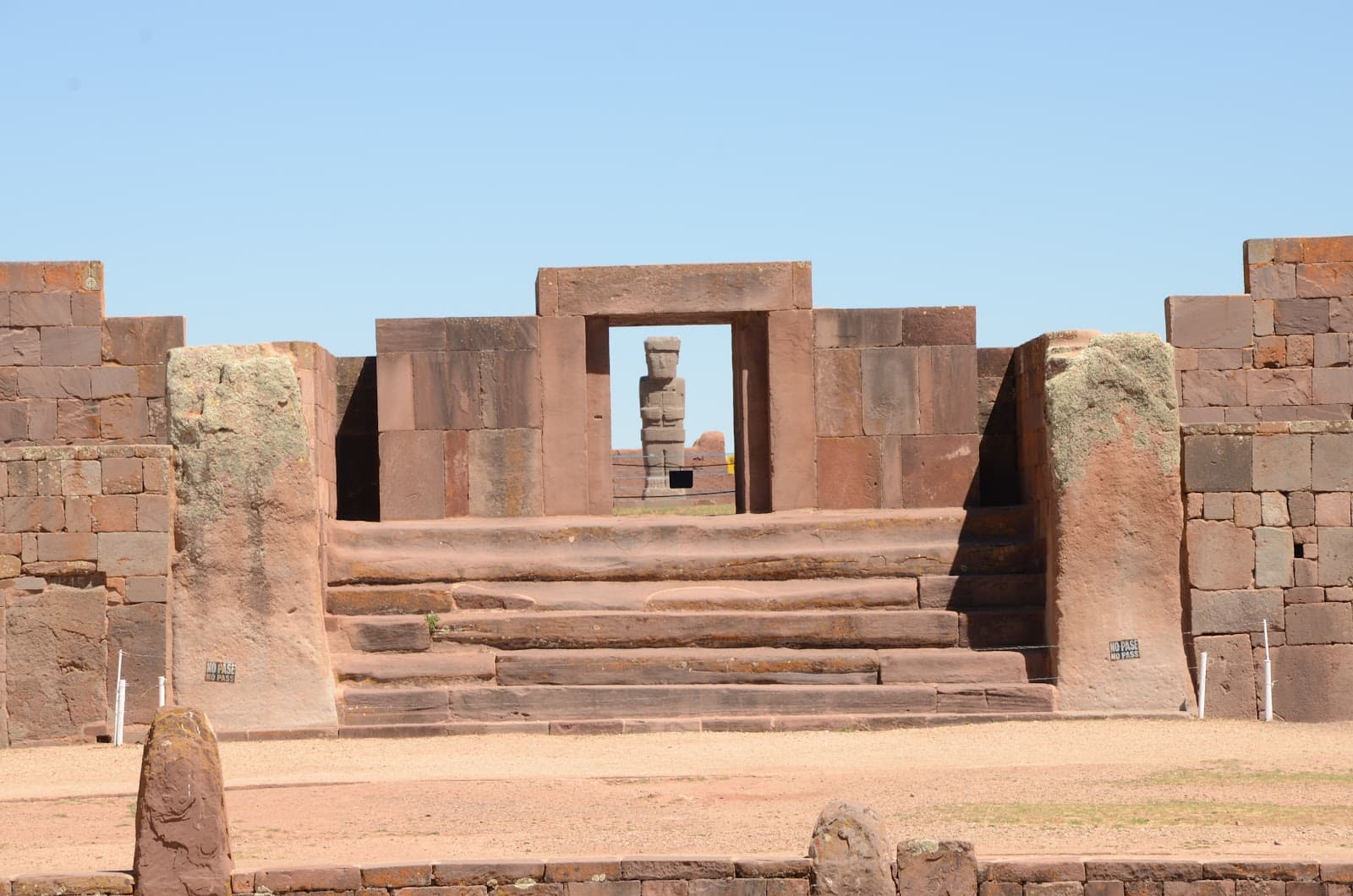
Explore Tiwanaku, a UNESCO World Heritage site and ancient Andean civilization's heart, famed for its monumental architecture and the enigmatic Puma Punku.
Wear Comfortable Shoes
You'll be doing a lot of walking on uneven terrain. :athletic_shoe:
Bring Sun Protection
The high altitude means strong sun. Hats and sunscreen are essential. :sunwithface:

Quick Facts
Address
Highlights
Discover the most iconic attractions and experiences
Kalasasaya Temple
Main Archaeological Site
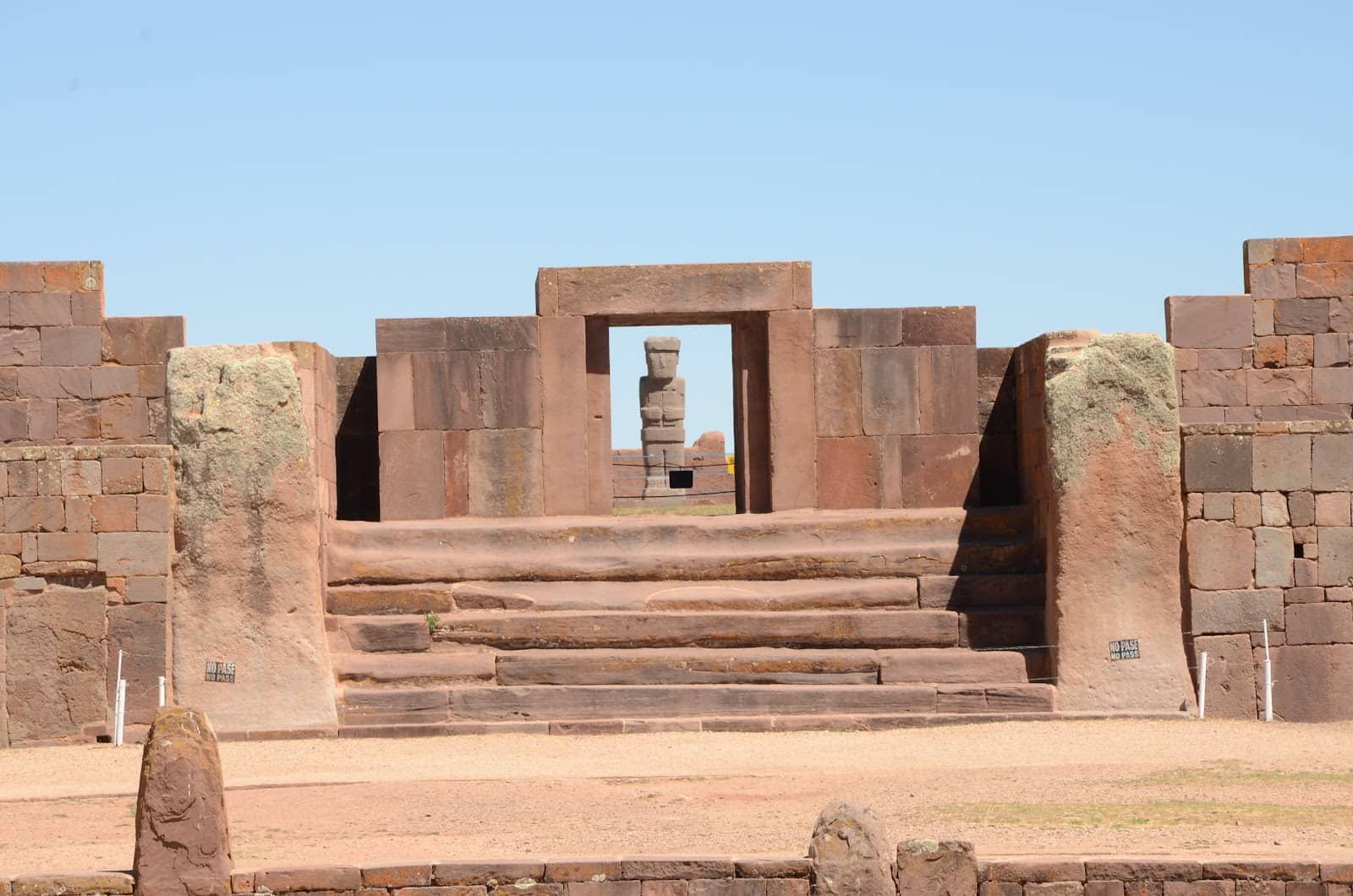
An ancient ceremonial center with impressive stone structures and the iconic Gateway of the Sun.
Puma Punku
Near Tiwanaku
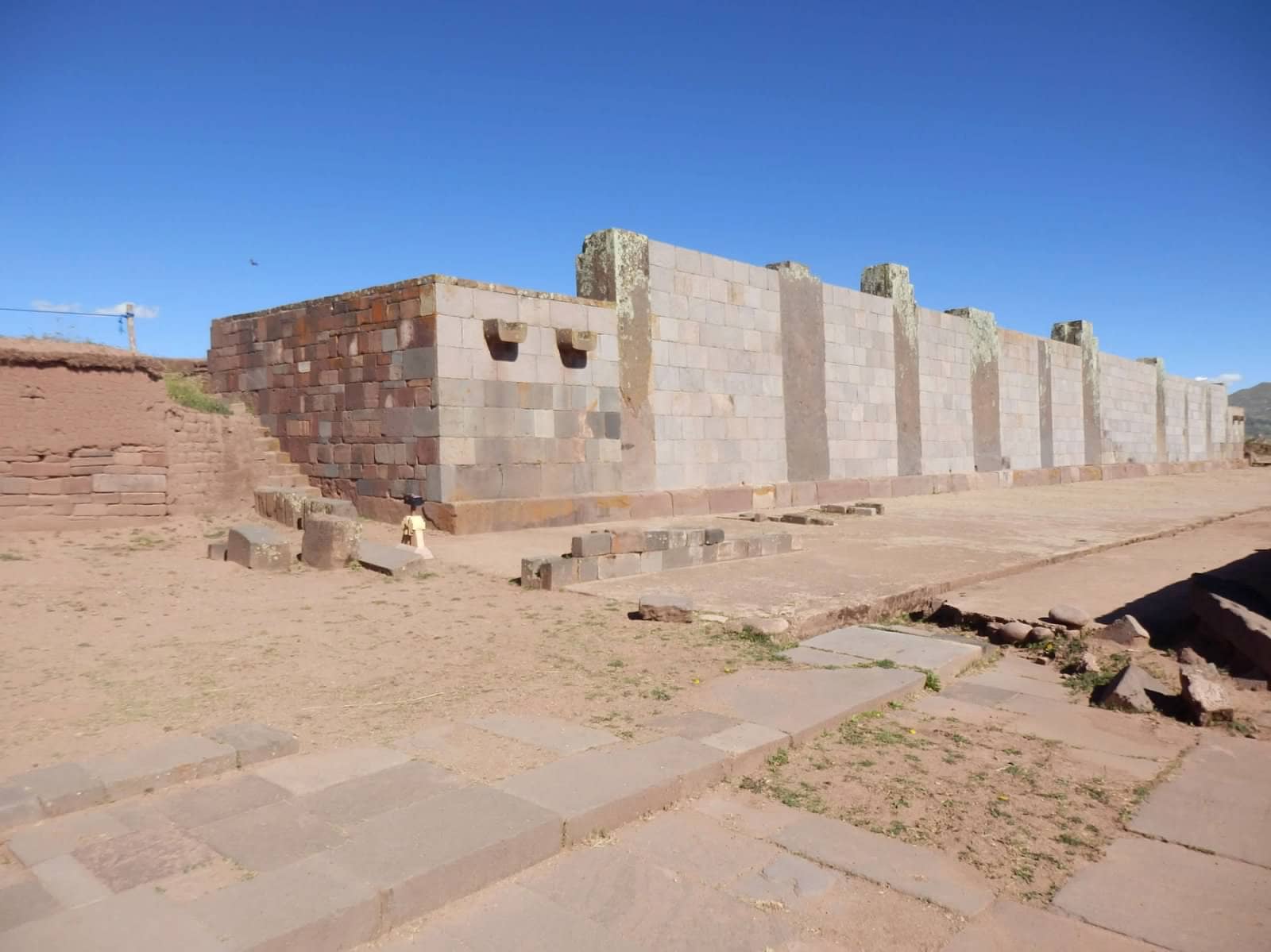
Known for its precisely cut stone blocks, Puma Punku remains an archaeological enigma.
Gateway of the Sun
Kalasasaya Temple
A monolithic ceremonial gateway carved from a single stone, featuring intricate carvings.
Monolithic Statues
Main Archaeological Site
Towering stone figures that offer a glimpse into the artistry and beliefs of the Tiwanaku people.
Plans like a pro.
Thinks like you
Planning Your Visit
Timing Your Visit to Tiwanaku
Getting to Tiwanaku
Best Times
Insider Tips
from TikTok, Instagram & Reddit
Wear Comfortable Shoes
You'll be doing a lot of walking on uneven terrain. :athletic_shoe:
Bring Sun Protection
The high altitude means strong sun. Hats and sunscreen are essential. :sunwithface:
Stay Hydrated
Altitude can cause dehydration. Carry plenty of water. :droplet:
Consider a Guide
A local guide can bring the history and mysteries of Tiwanaku to life. :man_teacher:
Tips
from all over the internet
Wear Comfortable Shoes
You'll be doing a lot of walking on uneven terrain. :athletic_shoe:
Bring Sun Protection
The high altitude means strong sun. Hats and sunscreen are essential. :sunwithface:
Stay Hydrated
Altitude can cause dehydration. Carry plenty of water. :droplet:
Consider a Guide
A local guide can bring the history and mysteries of Tiwanaku to life. :man_teacher:
No Video Recording
Be aware that video recording might be restricted in certain areas. :noentrysign:
What Travellers Say
Reviews Summary
Visitors are consistently amazed by the scale and mystery of Tiwanaku, particularly the precision of Puma Punku's stonework. The historical significance and architectural marvels are major draws, though the high altitude and limited amenities require preparation. Many recommend hiring a guide to fully appreciate the site's complexities.
What People Like
What People Dislike
Frequently Asked Questions
🚇 🗺️ Getting There
Tiwanaku is about 70 km from La Paz. You can take a local bus from the El Alto bus terminal, which is more budget-friendly but can be crowded. Many visitors opt for organized tours or hire a taxi for a more comfortable and direct journey. The trip typically takes 1.5 to 2 hours.
Yes, Tiwanaku is a popular day trip destination from La Paz. Most tours depart in the morning and return in the afternoon, allowing ample time to explore the main sites.
Solo travelers can join group tours for a more social experience and to share costs, or take public buses for a budget-friendly option. Hiring a private taxi is also feasible if you prefer more flexibility.
There are no direct transport options from El Alto Airport to Tiwanaku. You would first need to get to La Paz city or the El Alto bus terminal to catch a bus or arrange a taxi.
The journey from La Paz to Tiwanaku typically takes between 1.5 to 2 hours by road, depending on traffic and the mode of transport.
🎫 🎫 Tickets & Entry
Tiwanaku is generally open daily from morning until late afternoon. It's advisable to check the most current hours before your visit, as they can sometimes vary.
Admission fees for Tiwanaku are typically modest. Foreign visitors usually pay a higher fee than locals. It's best to confirm the exact prices upon arrival or through official tourism channels.
Information on purchasing tickets online for Tiwanaku is not widely available. It is generally recommended to purchase tickets directly at the site upon arrival.
While photography is generally allowed, videography might be restricted in certain areas or may require a separate permit. Always check signage and ask staff if unsure.
As of recent information, American citizens may need to pay a visa fee upon arrival at the airport. It's crucial to verify the latest visa requirements with the Bolivian embassy or consulate before your trip.
🎫 🧭 Onsite Experience
Key attractions include the Kalasasaya Temple, the Gateway of the Sun, the Akapana pyramid, and the semi-subterranean temple. Don't miss the monolithic statues and the enigmatic Puma Punku nearby. 
The archaeological site has uneven terrain and ancient structures, which can be challenging for those with mobility issues. Some areas may be difficult to navigate.
To fully appreciate the site, allocate at least 3-4 hours. This allows time to explore the main ruins and the museum, plus travel time to Puma Punku.
Yes, guided tours are often available at the site, and hiring a local guide can significantly enhance your understanding of the history and significance of Tiwanaku.
Puma Punku is famous for its precisely cut, massive stone blocks, some weighing over 100 tons. The advanced engineering and transportation methods used remain a mystery, sparking much debate among archaeologists and researchers.
🍽️ 🍽️ Food & Dining
There are limited food options directly at the Tiwanaku archaeological site. It's advisable to bring your own snacks and water, or plan to eat before or after your visit in the nearby town or back in La Paz.
The town of Tiwanaku offers basic local eateries serving traditional Bolivian cuisine. Expect simple, hearty meals.
Many visitors prefer to eat in La Paz, where dining options are more varied and plentiful. However, if you're looking for an authentic local experience, trying a small eatery in Tiwanaku town is an option.
Yes, bringing your own food and drinks is highly recommended, especially water, given the altitude and limited facilities at the site.
Vegetarian options might be limited in the small town of Tiwanaku. It's best to inquire locally or opt for simpler dishes like rice and vegetables. La Paz offers a wider range of choices.
📸 📸 Photography
The Gateway of the Sun, the monolithic statues, and the precisely cut stones of Puma Punku offer incredible photographic opportunities. The vastness of the Kalasasaya Temple is also impressive.
Drone usage is generally restricted at archaeological sites to preserve the integrity of the ruins and for safety reasons. It's best to assume drones are not permitted unless explicitly stated otherwise.
Early morning or late afternoon light can provide dramatic shadows and softer illumination, ideal for photography. Midday sun can be harsh.
While general photography is allowed, videography might be restricted in certain areas. Always be respectful of the site and other visitors.
A wide-angle lens is useful for capturing the scale of the structures. A telephoto lens can be good for details on carvings. A sturdy tripod can help with low-light conditions if you visit during dawn or dusk. :camerawithflash:


Social
from TikTok, Instagram & Reddit