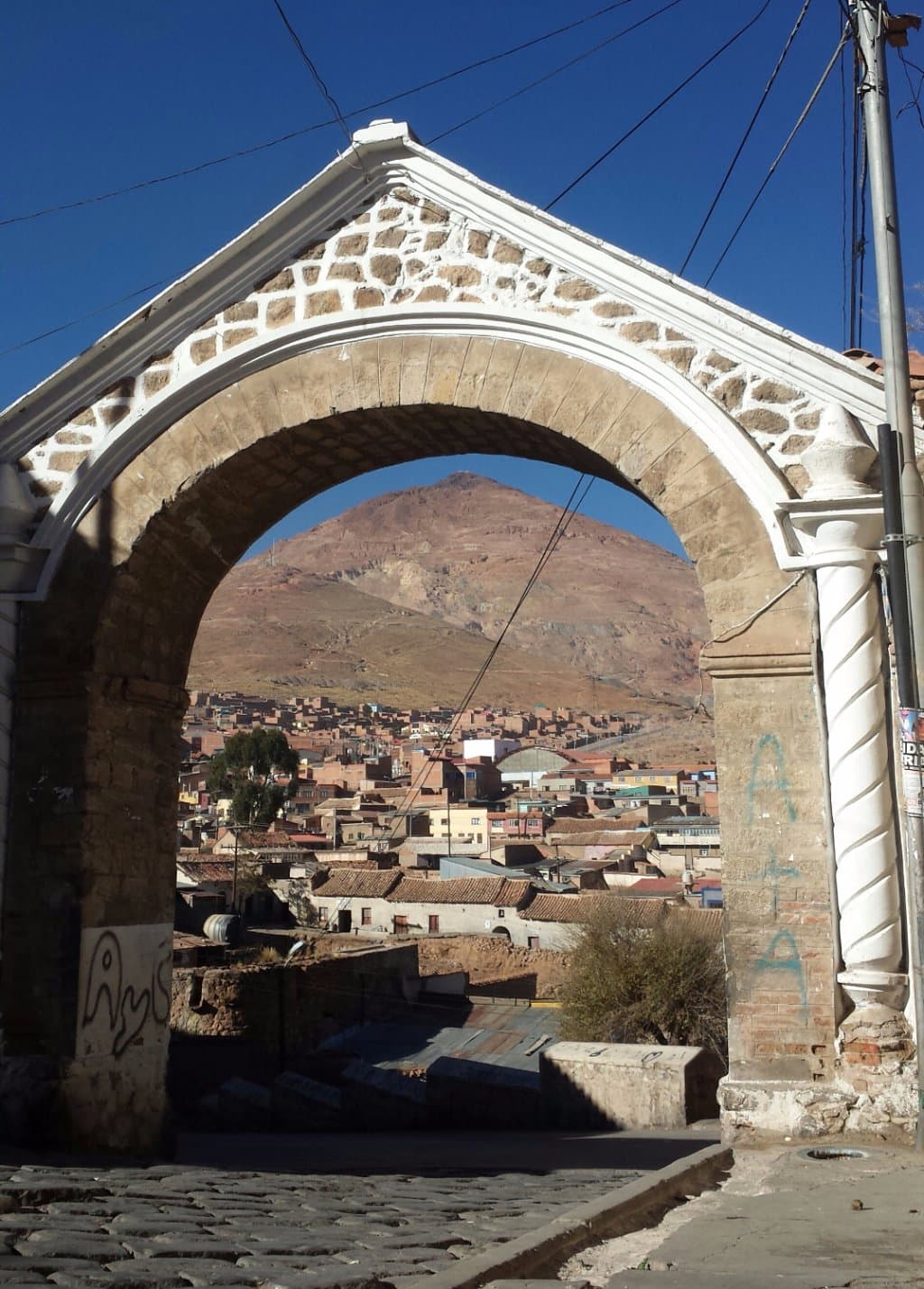
Arco de Cobija
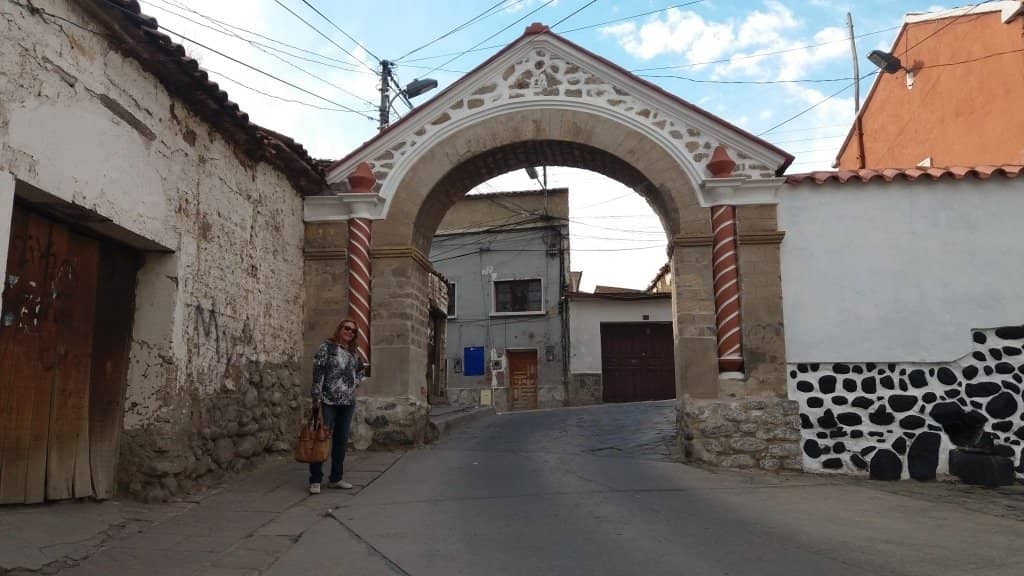
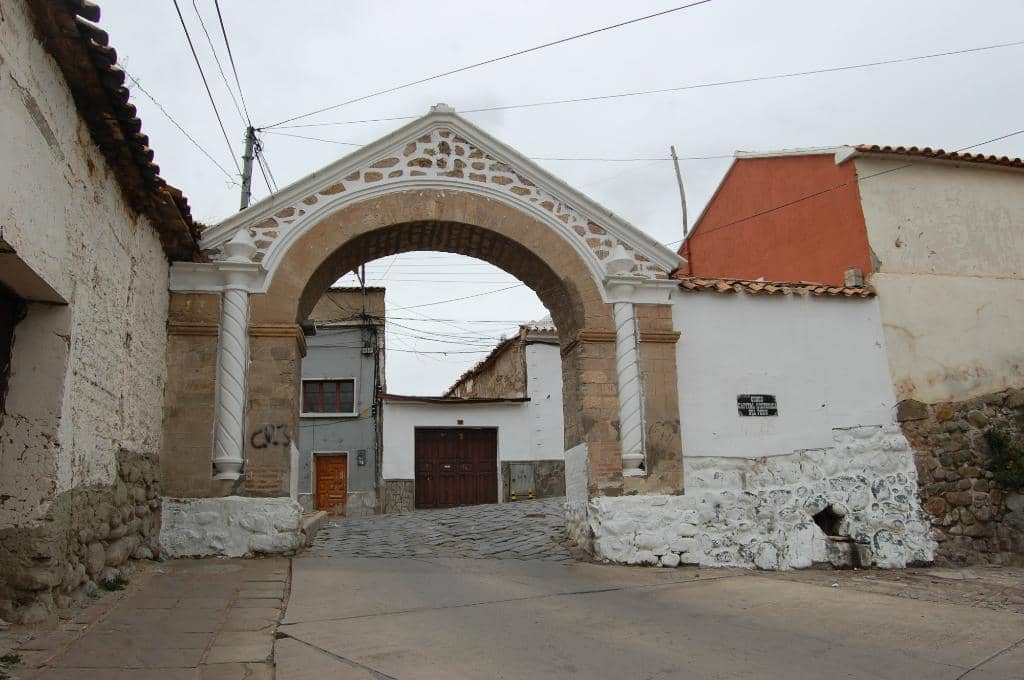
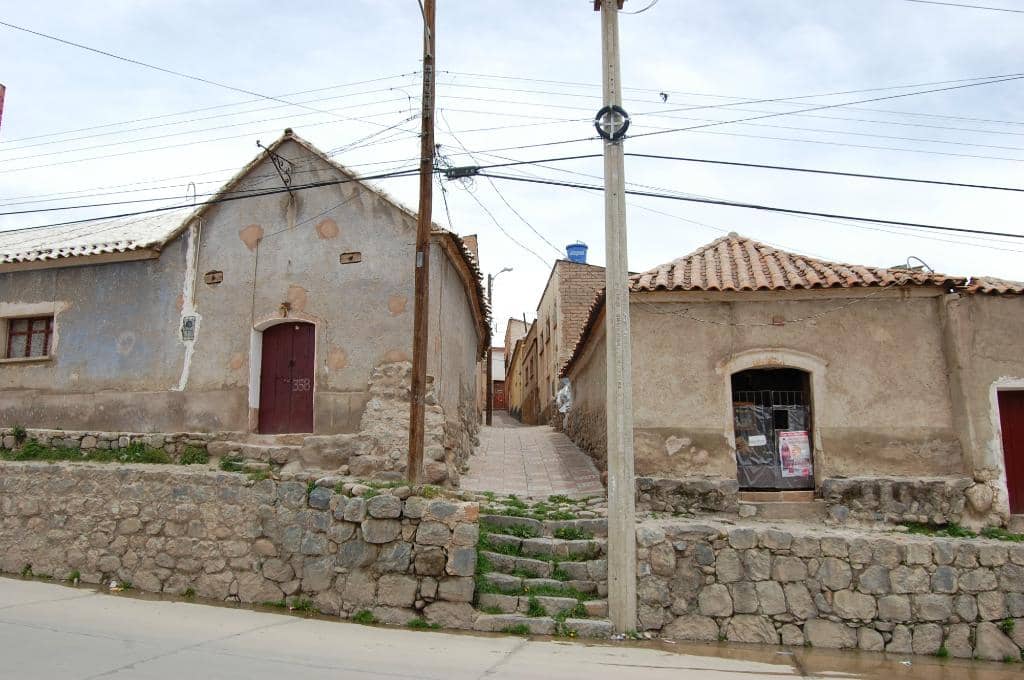
A poignant historical arch in Potosí, Bolivia, once a boundary between Spanish and indigenous areas, set against the dramatic Cerro Rico.
Highlights
Must-see attractions

Social
From TikTok & Reddit
Best Time
Clearer skies, better light
Arco de Cobija
Best Time
Clearer skies, better light
Highlights
Must-see attractions
A poignant historical arch in Potosí, Bolivia, once a boundary between Spanish and indigenous areas, set against the dramatic Cerro Rico.
🚶♀️ Take it Slow
Potosí is high! Acclimatize slowly to avoid altitude sickness. Drink water and rest.
📸 Capture the History
The Arco de Cobija is a powerful symbol. Understand its past for a more meaningful visit.
Quick Facts
Type
Monument
Highlights
Discover the most iconic attractions and experiences
Arco de Cobija
Potosí, Bolivia
A significant historical arch, once a boundary between Spanish and indigenous areas. A poignant symbol of Potosí's past.
Cerro Rico Views
Near Arco de Cobija
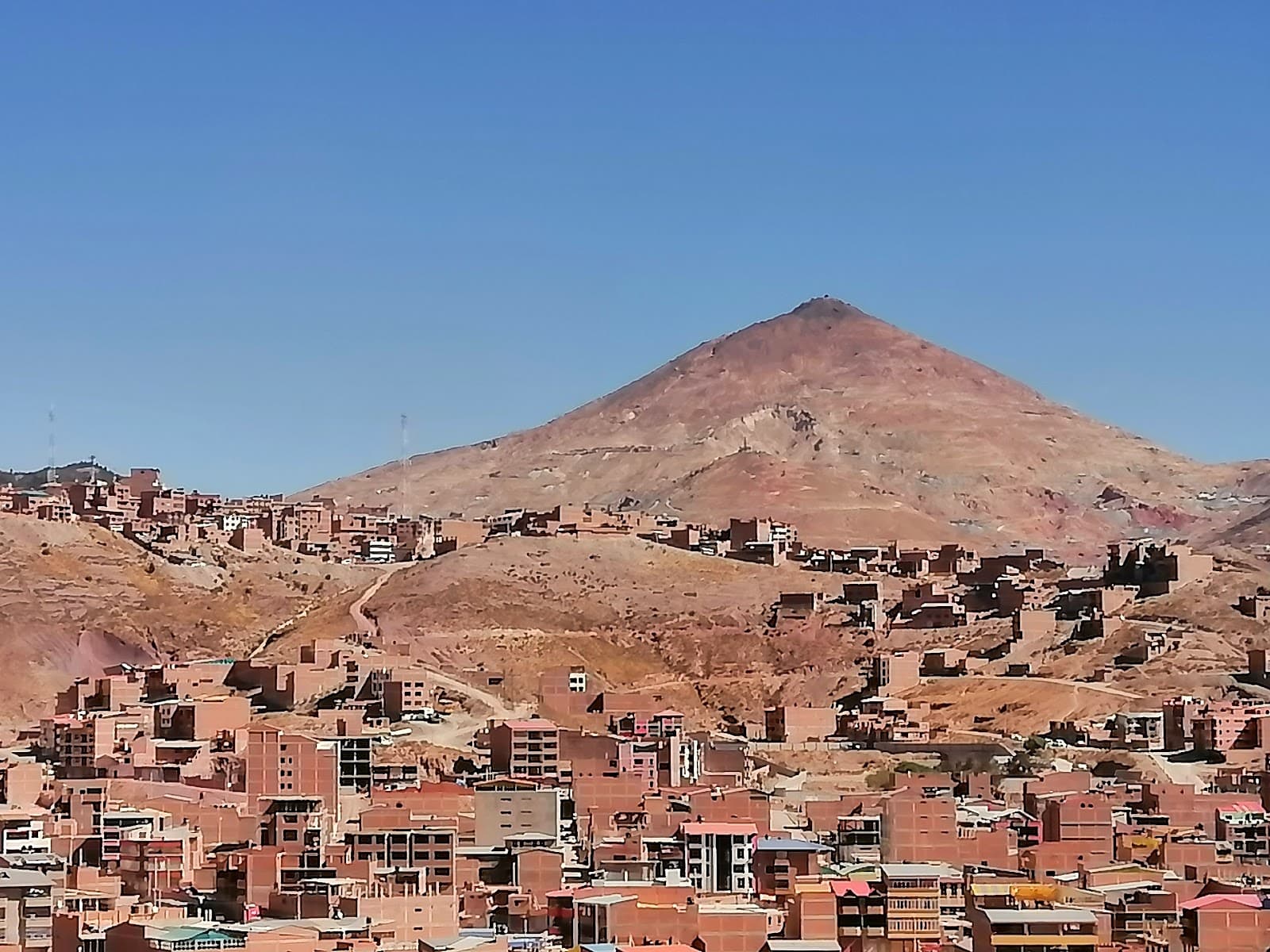
Gaze upon the imposing Cerro Rico, the silver mountain that shaped Potosí's history. A dramatic backdrop to the city.
Plans like a pro.
Thinks like you
Planning Your Visit
Altitude Acclimatization is Key
Understand the History
Best Times
Insider Tips
from TikTok, Instagram & Reddit
🚶♀️ Take it Slow
Potosí is high! Acclimatize slowly to avoid altitude sickness. Drink water and rest.
📸 Capture the History
The Arco de Cobija is a powerful symbol. Understand its past for a more meaningful visit.
⛰️ Admire Cerro Rico
The iconic silver mountain looms large. It's a stunning sight and central to Potosí's story.
Tips
from all over the internet
🚶♀️ Take it Slow
Potosí is high! Acclimatize slowly to avoid altitude sickness. Drink water and rest.
📸 Capture the History
The Arco de Cobija is a powerful symbol. Understand its past for a more meaningful visit.
⛰️ Admire Cerro Rico
The iconic silver mountain looms large. It's a stunning sight and central to Potosí's story.
What Travellers Say
Reviews Summary
Visitors are drawn to the Arco de Cobija for its historical significance as a symbol of Potosí's colonial past. The imposing backdrop of Cerro Rico adds to its visual appeal. However, some find it to be a brief stop, best appreciated with an understanding of its context.
What People Like
What People Dislike
Frequently Asked Questions
🚇 🗺️ Getting There
The Arco de Cobija is located in Potosí, Bolivia. You can reach it by taking a taxi or a local bus from the city center. Many visitors combine it with a tour of the historic city.
Potosí is accessible by bus from major Bolivian cities like Sucre and La Paz. Flights are also available to the Potosí airport, though less frequent.
Walking is a great way to see Potosí, but be mindful of the altitude. Consider guided walking tours or taxis for longer distances.
🎫 🎫 Tickets & Entry
The Arco de Cobija is an outdoor monument and generally accessible without a ticket. It's part of the city's historical landscape.
As an open monument, there are no specific opening hours. You can visit it at any time, though daytime is recommended for safety and visibility.
While the Arco de Cobija is free, many museums and historical sites in Potosí have small entrance fees. It's advisable to check individual attraction prices.
🎫 🧭 Onsite Experience
The Arco de Cobija historically marked the boundary between the Spanish colonial city and the indigenous areas. It's a powerful symbol of Potosí's colonial past and social divisions.
Nearby, you can see the imposing Cerro Rico, the silver mountain that made Potosí famous. The surrounding streets offer glimpses into the city's colonial architecture.
The area is generally safe during the day. As with any city, be aware of your surroundings and keep valuables secure.
Early morning or late afternoon offers the best light for photography, with softer shadows and a warmer glow on the arch and Cerro Rico.
📸 📸 Photography
Capture the arch with Cerro Rico in the background for a classic shot. Experiment with different angles to emphasize its historical context. 
Use a wide-angle lens to capture the arch and its surroundings. Consider shooting during golden hour for dramatic lighting.
Drone regulations can be strict in historical areas. It's best to check local rules before flying a drone in Potosí.

Social
from TikTok, Instagram & Reddit