Arco y Cerro Rico
1 / 10

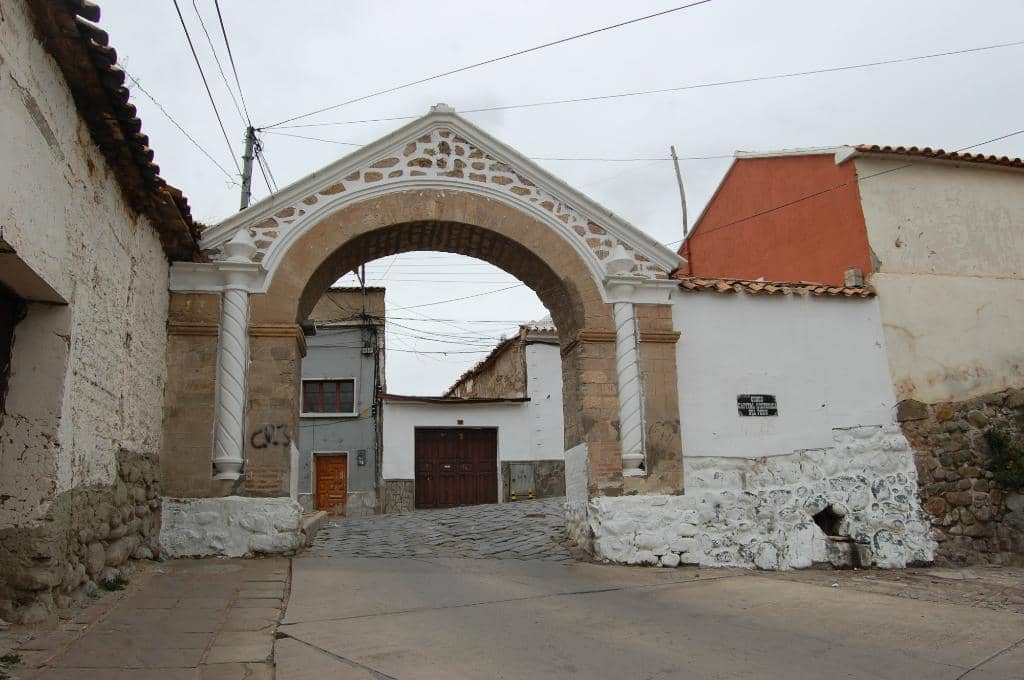
Arco de Cobija

4.6
·491k reviews·Villa Imperial de Potosí, Bolivia

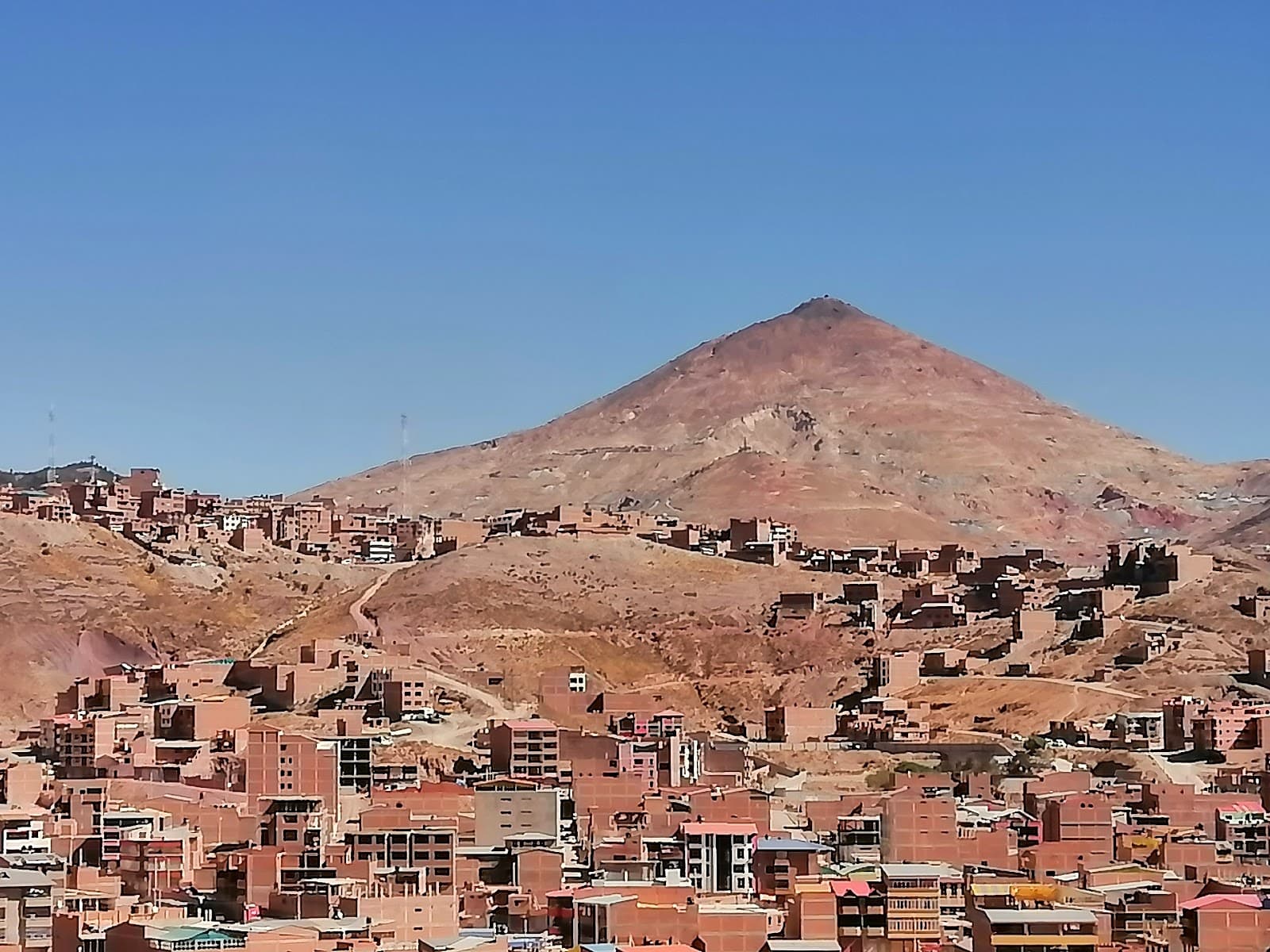
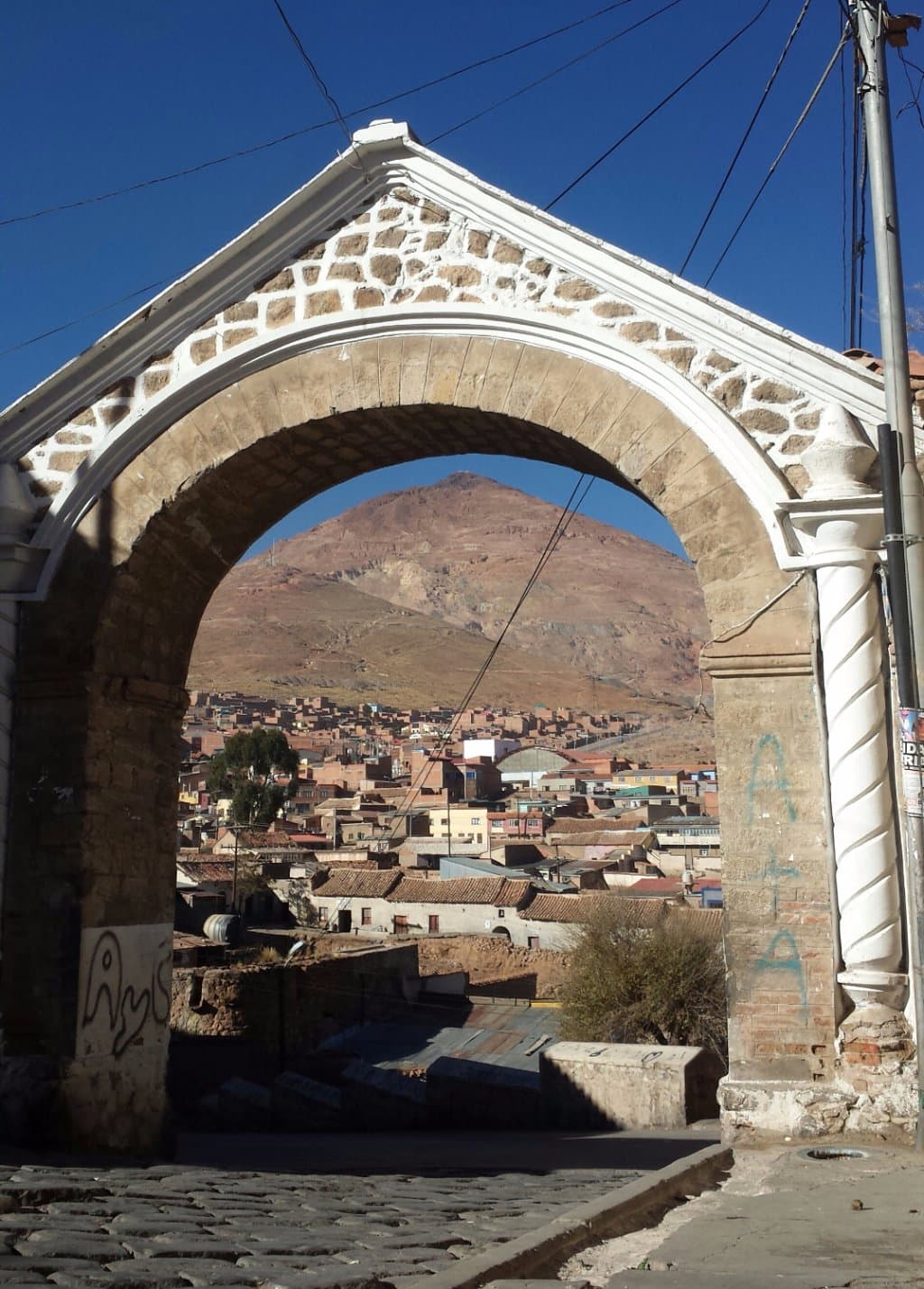
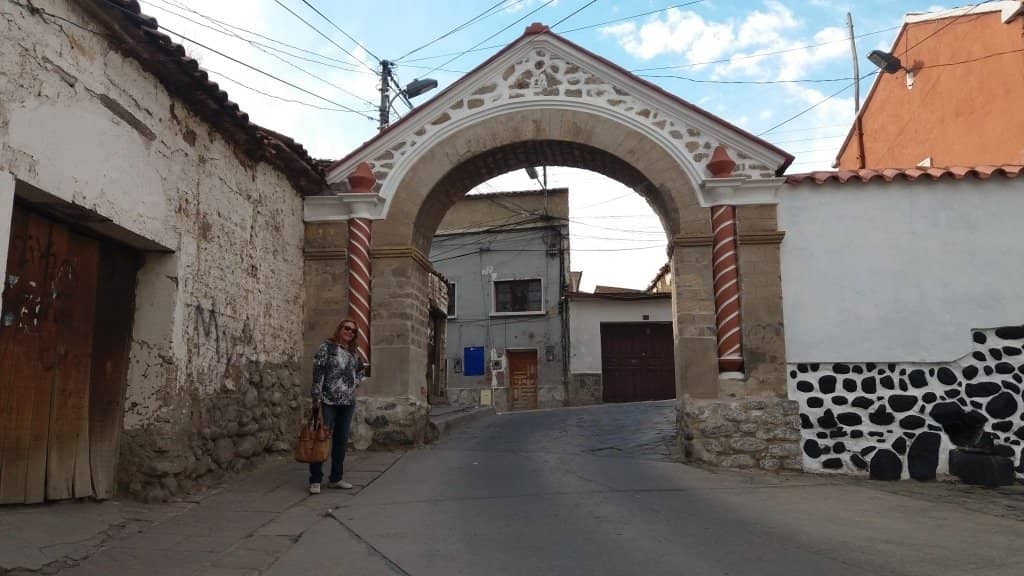
A poignant historical arch in Potosí, Bolivia, once a boundary between Spanish and indigenous areas, set against the dramatic Cerro Rico.
Highlights

Highlights

Must-see attractions

Social content

Social

From TikTok & Reddit

Best Time

Morning

Clearer skies, better light

CrowdLow
Loading map...
Arco y Cerro Rico

Arco de Cobija

Best Time

Morning

Clearer skies, better light

CrowdLow
Highlights

Highlights

Must-see attractions

A poignant historical arch in Potosí, Bolivia, once a boundary between Spanish and indigenous areas, set against the dramatic Cerro Rico.
4.6
(491k reviews)

"A powerful symbol of Potosí's colonial past, the Arco de Cobija offers a glimpse into the city's divided history."

Vertical photo
TIP

🚶‍♀️ Take it Slow

Potosí is high! Acclimatize slowly to avoid altitude sickness. Drink water and rest.

📸 Capture the History

The Arco de Cobija is a powerful symbol. Understand its past for a more meaningful visit.
Third hero image

Highlights

Discover the most iconic attractions and experiences

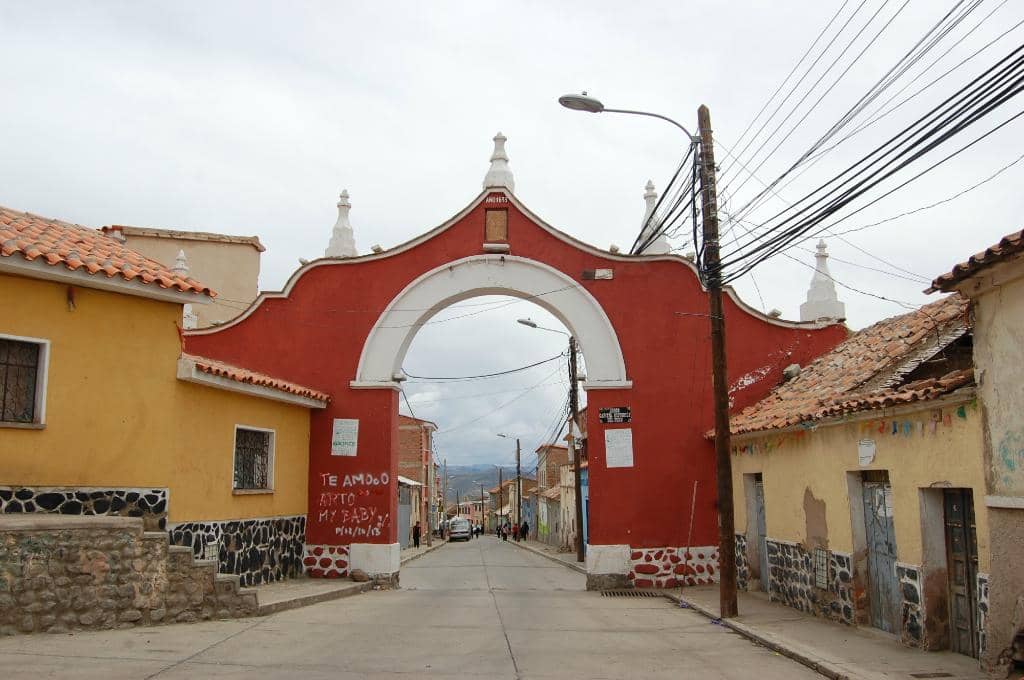
Arco de Cobija

Arco de Cobija

Potosí, Bolivia

A significant historical arch, once a boundary between Spanish and indigenous areas. A poignant symbol of Potosí's past.
Cerro Rico Views

Cerro Rico Views

Near Arco de Cobija

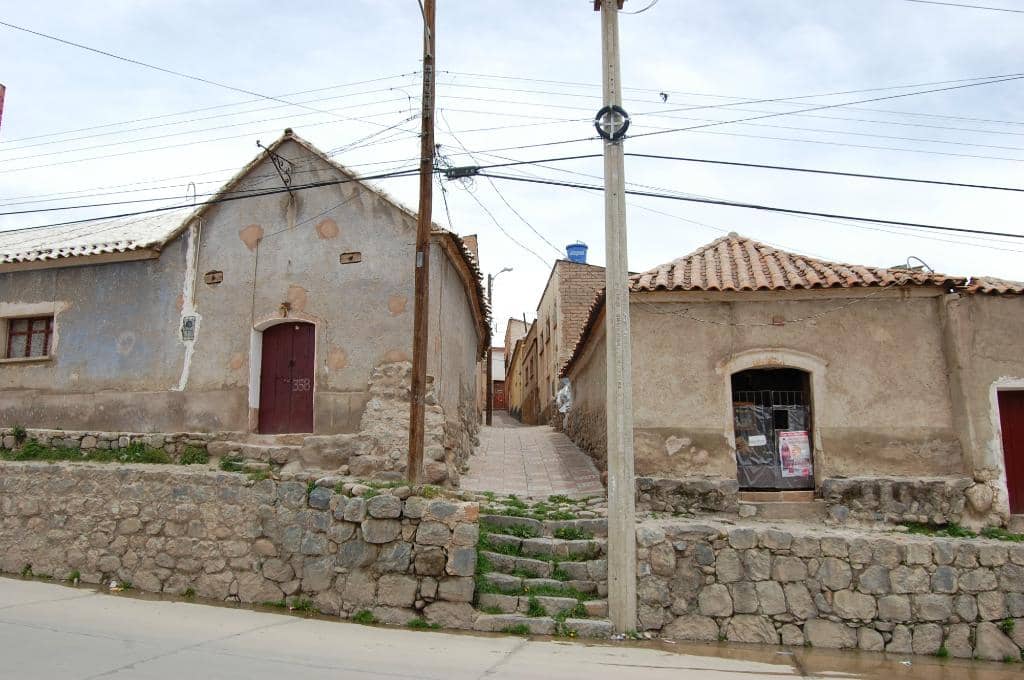
Gaze upon the imposing Cerro Rico, the silver mountain that shaped Potosí's history. A dramatic backdrop to the city.

Your AI travel agent

Plans like a pro.
Thinks like you

Start Chatting

Planning Your Visit

Altitude Acclimatization is Key

Potosí sits at over 4,000 meters (13,000 ft). Take it easy on your first day to avoid altitude sickness. Drink plenty of water and avoid alcohol. Many visitors recommend a slow pace to truly enjoy the city's charm.

Understand the History

The Arco de Cobija marks a historical boundary. Understanding its significance as a dividing line between Spanish and indigenous areas adds depth to your visit. It's a poignant reminder of the city's past.

Best Times

When
Morning
Why
Clearer skies, better light
Crowd
Low
When
Afternoon
Why
Golden hour light
Crowd
Medium

Insider Tips

from TikTok, Instagram & Reddit

GUÍA POTOSÍ 🇧🇴 Todo lo que tienes que saber 👇 . 👉 Potosí que realmente se llama Villa Imperial de Potosí se encuentra en la zona andina de Bolivia 👉 Está situada a poco más de 4000 msnm así que muévete despacito y con calma para no quedarte sin respiración 👉 Desde el S. XVI y hasta mediados del S. XVIII fue la ciudad más poblada del mundo con aproximadamente 160.000 habitantes esto es más que el ...
@nomadexpedition.es
7.4K likes • 143.2K views

🚶‍♀️ Take it Slow

Potosí is high! Acclimatize slowly to avoid altitude sickness. Drink water and rest. TikTok

📸 Capture the History

The Arco de Cobija is a powerful symbol. Understand its past for a more meaningful visit. Instagram

Arco de Cobija, Potosí, Bolivia 🤩 #Bolowia #bolivia #potosi #travel #visitbolivia #podróże #zplecakiem
dzienniki_ze_szlaku
112 likes • 933 views
Uma das três cidades mais altas do mundo, situada a mais de 3.900 m.a.n.m. e cheia de ladeiras 🥵 Arco de Cobija que era o limite da área espanhola e indígena com o Cerro Rico ao fundo e cenas da herança espanhola.
guilherme_emrehliug
28 likes • 157 views

⛰️ Admire Cerro Rico

The iconic silver mountain looms large. It's a stunning sight and central to Potosí's story. Instagram

#Bolivia❤💛💚 #Potosí #ArcoDeCobija Simplemente hermoso...
nelsonsj5
25 likes • 1.8K views

Tips

from all over the internet

🚶‍♀️ Take it Slow

Potosí is high! Acclimatize slowly to avoid altitude sickness. Drink water and rest. TikTok

📸 Capture the History

The Arco de Cobija is a powerful symbol. Understand its past for a more meaningful visit. Instagram

⛰️ Admire Cerro Rico

The iconic silver mountain looms large. It's a stunning sight and central to Potosí's story. Instagram

What Travellers Say

4.6
(491k reviews)

Reviews Summary

Visitors are drawn to the Arco de Cobija for its historical significance as a symbol of Potosí's colonial past. The imposing backdrop of Cerro Rico adds to its visual appeal. However, some find it to be a brief stop, best appreciated with an understanding of its context.

What People Like

Historical significance
Cerro Rico backdrop
Symbol of colonial past

What People Dislike

Can be a quick visit

Frequently Asked Questions

🚇 🗺️ Getting There

The Arco de Cobija is located in Potosí, Bolivia. You can reach it by taking a taxi or a local bus from the city center. Many visitors combine it with a tour of the historic city. Instagram

Potosí is accessible by bus from major Bolivian cities like Sucre and La Paz. Flights are also available to the Potosí airport, though less frequent. TikTok

Walking is a great way to see Potosí, but be mindful of the altitude. Consider guided walking tours or taxis for longer distances. TikTok

🎫 🎫 Tickets & Entry

The Arco de Cobija is an outdoor monument and generally accessible without a ticket. It's part of the city's historical landscape. Instagram

As an open monument, there are no specific opening hours. You can visit it at any time, though daytime is recommended for safety and visibility. Instagram

While the Arco de Cobija is free, many museums and historical sites in Potosí have small entrance fees. It's advisable to check individual attraction prices. TikTok

🎫 🧭 Onsite Experience

The Arco de Cobija historically marked the boundary between the Spanish colonial city and the indigenous areas. It's a powerful symbol of Potosí's colonial past and social divisions. Instagram

Nearby, you can see the imposing Cerro Rico, the silver mountain that made Potosí famous. The surrounding streets offer glimpses into the city's colonial architecture. Instagram

The area is generally safe during the day. As with any city, be aware of your surroundings and keep valuables secure. Instagram

Early morning or late afternoon offers the best light for photography, with softer shadows and a warmer glow on the arch and Cerro Rico. Instagram

📸 📸 Photography

Capture the arch with Cerro Rico in the background for a classic shot. Experiment with different angles to emphasize its historical context. Instagram+1

Use a wide-angle lens to capture the arch and its surroundings. Consider shooting during golden hour for dramatic lighting. Instagram

Drone regulations can be strict in historical areas. It's best to check local rules before flying a drone in Potosí. TikTok

For Different Travelers

Tailored advice for your travel style

👨‍👩‍👧 Families with Kids

Visiting Potosí with children requires careful planning, especially due to the high altitude. The Arco de Cobija itself might not be the most engaging for very young children, but its historical context can be simplified. Focus on the visual aspect of the arch and the imposing Cerro Rico in the background. Instagram

When exploring, prioritize shorter excursions and frequent breaks. Potosí offers other attractions like the Casa de la Moneda (Mint House), which can be more interactive for kids. Ensure children stay hydrated and avoid overexertion. Consider hiring local guides who can tailor explanations to be more child-friendly and engaging. TikTok

🚶 Budget Travelers

Potosí is generally an affordable destination, and the Arco de Cobija is a free landmark to visit. To save money, opt for local buses or shared taxis (trufis) to get around the city. TikTok Many of Potosí's historical sites, including the arch, are best explored on foot, which costs nothing but your time and energy. Instagram

Look for budget-friendly accommodations and eateries away from the main tourist squares. Street food can be a delicious and economical option, but always ensure it's prepared hygienically. TikTok Consider joining group tours for attractions like the Potosí mines, as they often offer better rates than private tours. TikTok

Deep Dives

In-depth insights and expert knowledge

The Historical Significance of Arco de Cobija

The Arco de Cobija in Potosí, Bolivia, is more than just an architectural feature; it's a potent symbol of the city's complex colonial past. Historically, this arch served as a significant boundary, separating the Spanish colonial city from the areas designated for indigenous populations. This division was not merely physical but also social and economic, reflecting the rigid social hierarchy of the era. Visiting the arch offers a tangible connection to this history, prompting reflection on the lives and experiences of those who lived and worked in Potosí during its silver-rich boom. Instagram

Its presence is a stark reminder of the colonial administration's control and the segregation enforced upon the indigenous people. While the arch itself is a relatively simple structure, its historical weight is immense. Many visitors find it a poignant spot to contemplate the legacy of colonialism and its impact on Bolivia. The arch stands as a silent witness to centuries of history, a place where different worlds once met and were kept apart. Instagram

When you visit, take a moment to imagine the people who passed through this arch daily. Consider the stories it could tell about trade, social interactions, and the stark realities of colonial life. It’s a key landmark for understanding the social geography of historical Potosí and the enduring impact of its past on the present. Instagram

Navigating Potosí's Altitude

Potosí is famously one of the highest cities in the world, situated at an altitude of over 4,000 meters (13,000 feet). This extreme altitude can significantly impact visitors, leading to altitude sickness, also known as soroche. Symptoms can include headaches, nausea, dizziness, and shortness of breath. The most crucial advice from travelers and locals alike is to acclimatize slowly upon arrival. TikTok

Upon arriving in Potosí, it's highly recommended to take it easy for your first 24-48 hours. Avoid strenuous physical activity, limit alcohol and caffeine intake, and drink plenty of water. Many visitors find that chewing coca leaves or drinking coca tea, traditional remedies in the Andes, can help alleviate symptoms. TikTok If you plan to visit the Arco de Cobija and other sites, consider doing so after you've had time to adjust. This will allow you to enjoy the city's historical charm without the discomfort of altitude sickness. Instagram

For those with pre-existing respiratory or cardiovascular conditions, it's essential to consult with a doctor before traveling to high-altitude destinations like Potosí. Being prepared and respecting the altitude will ensure a much more pleasant and memorable experience exploring this historic Bolivian city. TikTok

You may also like