Casa Nacional de la Moneda
Explore the former royal mint of Potosí, a UNESCO World Heritage site, showcasing Bolivia's rich silver mining history and colonial grandeur.
Highlights
Must-see attractions

Social
From TikTok & Reddit
Best Time
Fewer crowds, better tour experience
Casa Nacional de la Moneda
Best Time
Fewer crowds, better tour experience
Highlights
Must-see attractions
Explore the former royal mint of Potosí, a UNESCO World Heritage site, showcasing Bolivia's rich silver mining history and colonial grandeur.
"A quite interesting museum, definitely worth a visit if you happen to be in Potosi."
Book English Tours Early
English tours are available but can fill up. Arrive early or inquire about scheduling to ensure you get one.
Acclimatize to Altitude
Potosí is high! Take it easy, hydrate, and avoid strenuous activity on arrival.

Quick Facts
Hours
Rating
4.5 · 2,825 reviews
Type
Museum
Highlights
Discover the most iconic attractions and experiences
The Mint's Grand Architecture
Main building
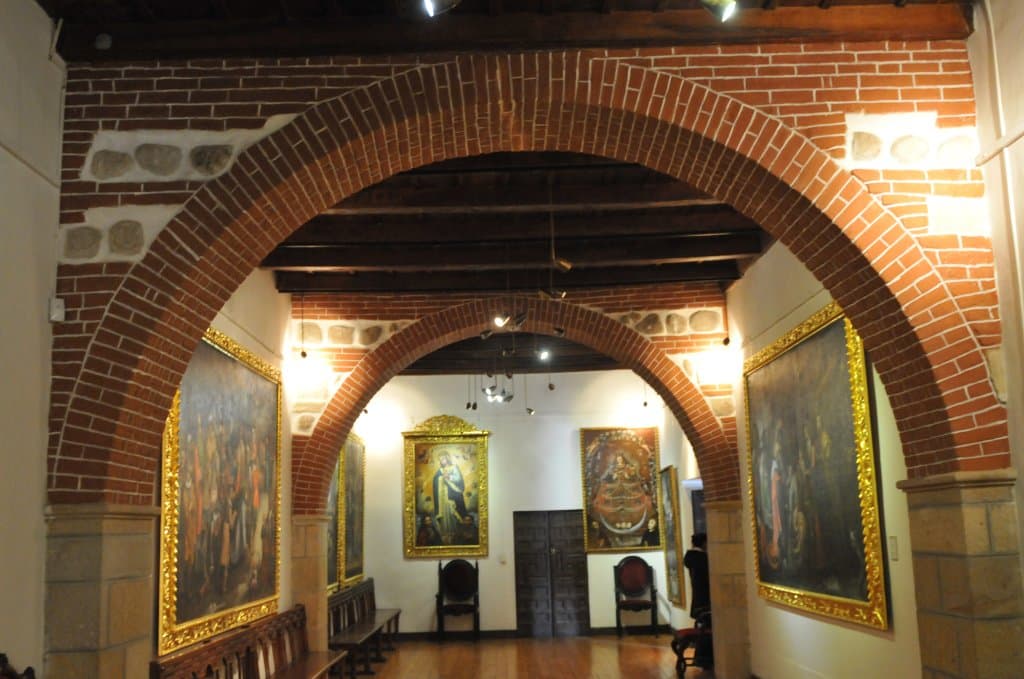
Explore the stunning colonial architecture of the former royal mint, a testament to Potosí's silver-fueled past.

Silver Stamping Machines
Machinery exhibits
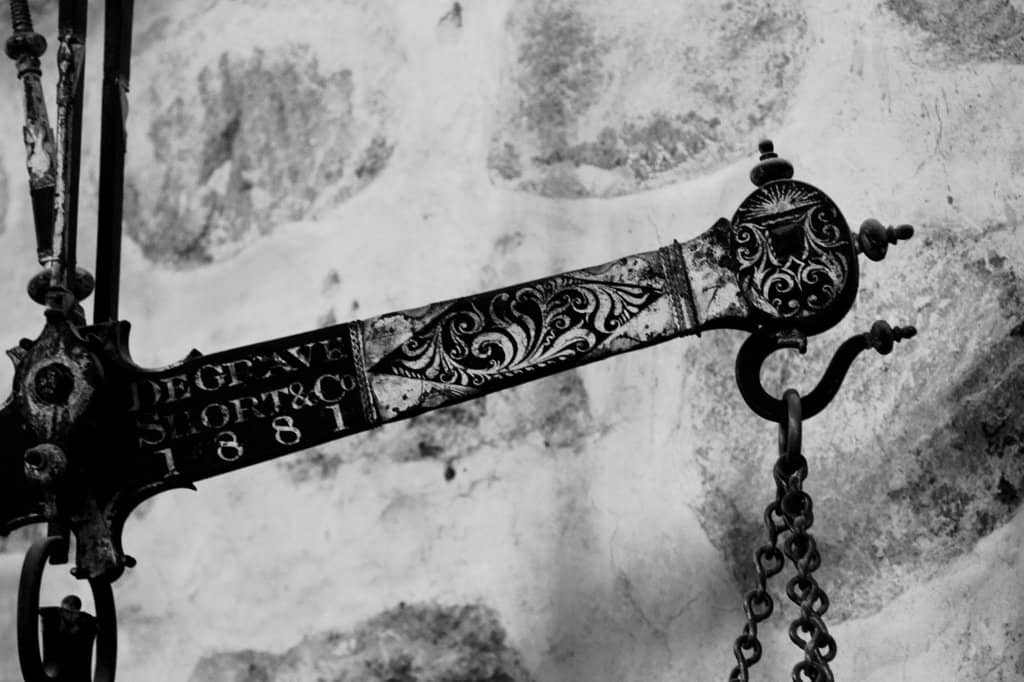
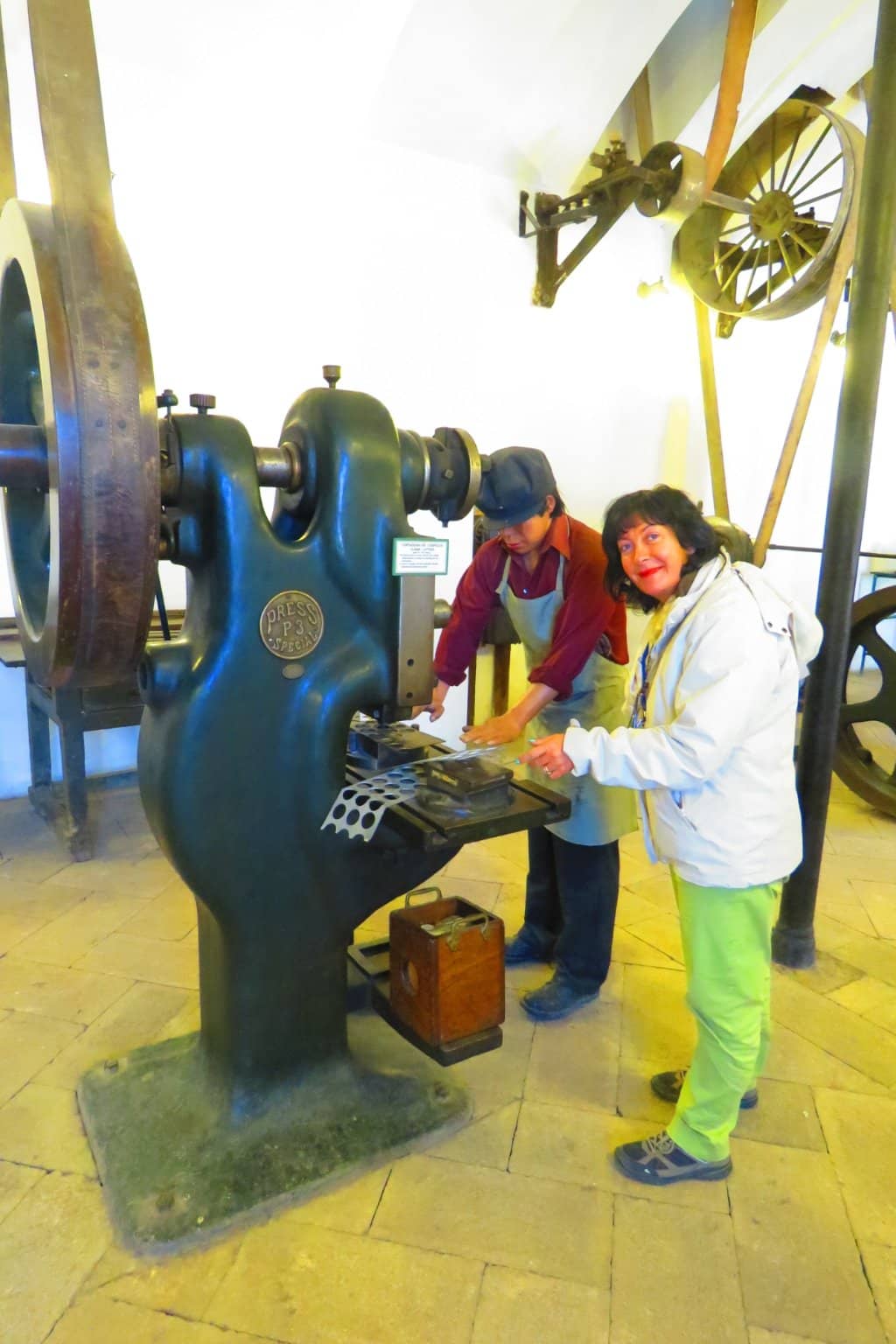
Witness the impressive, historical machinery used to mint silver coins, showcasing the city's industrial heritage.
Historic Coin Collection
Numismatic exhibits
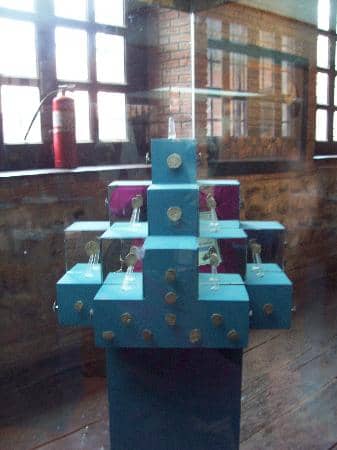
Marvel at an extensive collection of old coins, offering a tangible link to Potosí's economic significance.
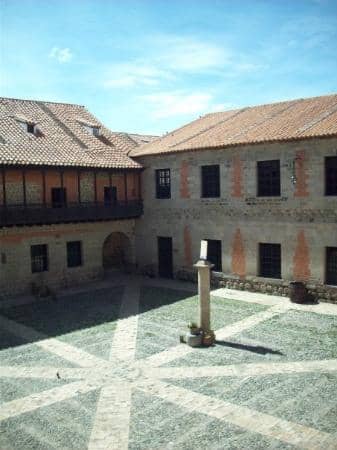
Colonial Art and Artifacts
Various galleries
Discover religious paintings, historical documents, and minerals that paint a picture of colonial life and wealth.
Plans like a pro.
Thinks like you
Planning Your Visit
Altitude Awareness is Key
Guided Tours are Essential
Best Times
Insider Tips
from TikTok, Instagram & Reddit
Book English Tours Early
English tours are available but can fill up. Arrive early or inquire about scheduling to ensure you get one. +1
Acclimatize to Altitude
Potosí is high! Take it easy, hydrate, and avoid strenuous activity on arrival.
Photo Permit Cost
There's an extra fee for photography, which some find steep. Decide if it's worth it for your visit.
Tour Flow Can Be Odd
Exhibits might jump between topics. Embrace the journey and focus on the historical context. +1
Tips
from all over the internet
Book English Tours Early
English tours are available but can fill up. Arrive early or inquire about scheduling to ensure you get one. +1
Acclimatize to Altitude
Potosí is high! Take it easy, hydrate, and avoid strenuous activity on arrival.
Photo Permit Cost
There's an extra fee for photography, which some find steep. Decide if it's worth it for your visit.
Tour Flow Can Be Odd
Exhibits might jump between topics. Embrace the journey and focus on the historical context. +1
Wear Comfortable Shoes
You'll be walking through various halls and potentially uneven floors. Comfort is key!
What Travellers Say
Reviews Summary
Visitors find the Casa Nacional de la Moneda a fascinating museum, rich with the history of Potosí's silver wealth and colonial past. The architecture and historical machinery are particularly impressive. However, some note that tours can feel rushed, exhibit organization is sometimes illogical, and the photography fee is considered steep by many. +2
"A quite interesting museum. My wife and I visited it in October 2025. At this time the entry was 40 BOB for foreigners. We were happy to find out that this automatically included an English-speaking guide.
However, as with most museums in the country, there is no clear logic as to how the exhibits are organized. The rooms jump from religious paintings to old coins, from UNESCO-Certificates to old coin-stamping machines.
Still it is definitely worth a visit if you happen to be in Potosi."
Dmitry Smirnov
"The museum is great. But the guide qasn’t really happy to be there. Also the direction of the room didn t makes sense sometimes, like not in chronological order. Appart from that it’s good to lesrn about the history of the coins."
Tony Chanel
"We had a good English tour, the museum has quite a good mix of different things.
Of course there is a lot related to the old mint, like the machines they used in the different points in history and a lot of old coins. There is a historic library with important, old books for Potosí. Also some minerals, paintings, religious things, etc.
Overall the whole building is also nice to see.
Maybe they could improve a bit by defining clear start times of the tours. Some people joined the tours 10 minutes after the start."
Philipp Stampfli
What People Like
What People Dislike
Frequently Asked Questions
🚇 🗺️ Getting There
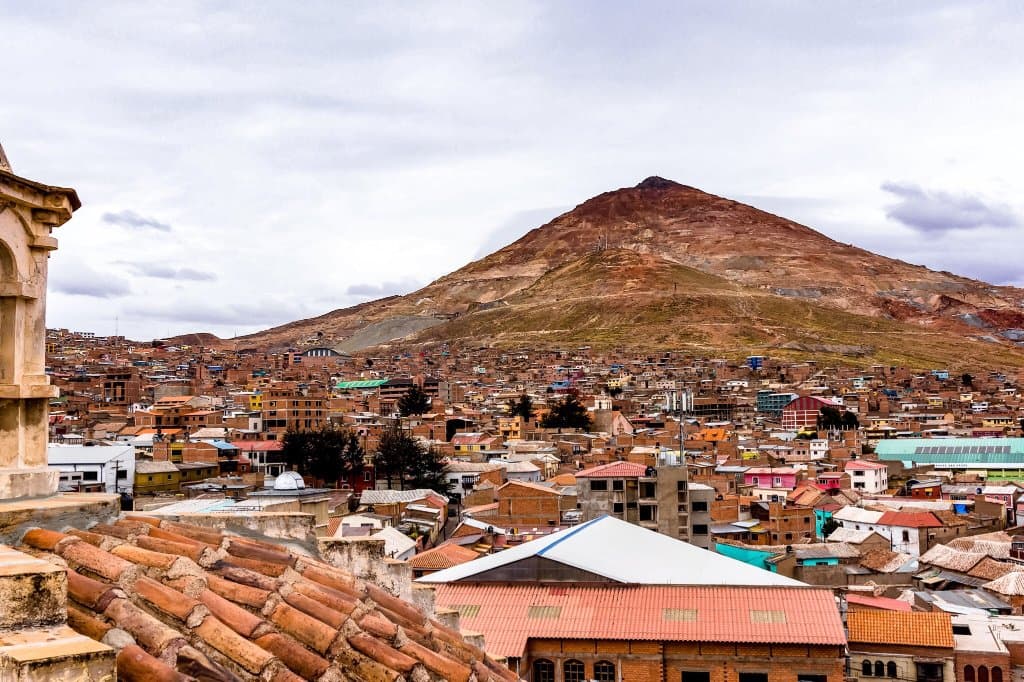
The Casa Nacional de la Moneda is centrally located in Potosí, Bolivia. It's easily accessible by taxi or a moderate walk from most hotels in the city center. Many visitors arrive after exploring the Cerro Rico mines. +1
Potosí is accessible by bus from major Bolivian cities like Sucre and La Paz, though the journeys can be long due to the mountainous terrain. Flights are also available to the local airport.
Taxis are readily available and affordable for getting around Potosí. Walking is also a good option for exploring the historic center, but remember the high altitude.
🎫 🎫 Tickets & Entry
The museum is typically open from Tuesday to Sunday, usually starting around 9 AM. It's best to confirm exact hours upon arrival as they can vary.
Entry fees vary, with foreigners often paying around 40 BOB. There's an additional charge for photography, which some visitors find quite high. +1
Tickets are usually purchased on-site. However, it's advisable to arrive early, especially for English tours, as they are scheduled and can fill up.
No, visits to the Casa Nacional de la Moneda are only permitted with a scheduled tour guide. This is a mandatory part of the experience.
Yes, typically there are different pricing tiers, with foreigners paying a higher admission fee than Bolivian nationals.
🎫 🧭 Onsite Experience
It's famous for being the former royal mint of Potosí, a city that was once one of the wealthiest in the world due to its vast silver mines. The museum showcases this history through its architecture, machinery, and coin collections. +2
You'll see historical silver minting machinery, a vast collection of old coins, colonial art including religious paintings, historical documents, and minerals. The building itself is also a significant historical artifact.
Tours can feel a bit rushed, especially in certain sections like the furnace rooms. The overall duration can vary, but expect it to take around 1-2 hours.
Yes, English-speaking guides are usually available, and the entrance fee often includes an English tour. However, it's wise to confirm availability. +1
Some visitors find the organization of exhibits a bit disjointed, with rooms jumping between different themes like religious art and coins. Chronological order isn't always followed. +1
📸 📸 Photography
Yes, you can take photos, but there is an additional fee for a photography permit. Some visitors find this fee to be quite steep.
While generally allowed with a permit, it's always good practice to be respectful and avoid flash photography in areas with delicate artifacts or artwork.
The grand colonial architecture, the impressive silver stamping machines, and the vast coin displays offer excellent photographic opportunities. 
Social
from TikTok, Instagram & Reddit