Museum Alija Izetbegovic
Explore the life of Bosnia and Herzegovina's first president within ancient 18th-century city gates, offering a unique historical journey.

Highlights
Must-see attractions

Social
From TikTok & Reddit
Best Time
Fewer crowds, more reflection
Museum Alija Izetbegovic
Best Time
Fewer crowds, more reflection
Highlights
Must-see attractions
Explore the life of Bosnia and Herzegovina's first president within ancient 18th-century city gates, offering a unique historical journey.
"Walking through the stone walls makes you feel like you are in somewhere so important and so stylish."
📍 Location Tip
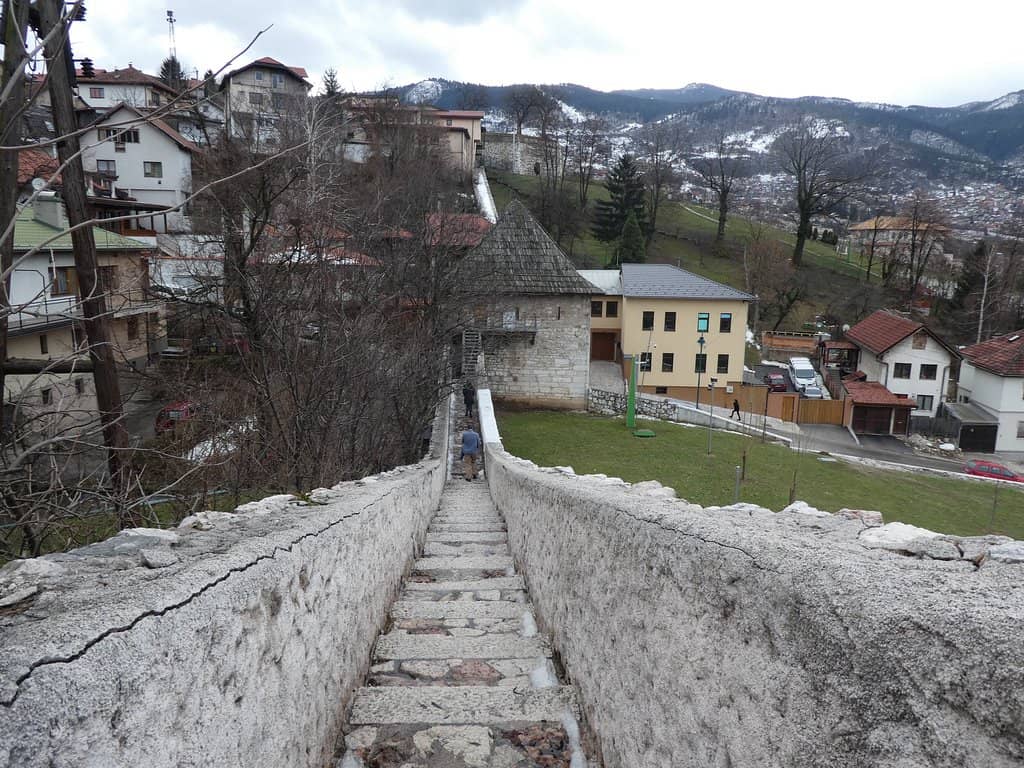
Find it within the historic Ploča Gate, part of the old Vratnik fortifications.
🧐 Read the Panels
Explanations are detailed; consider reading English versions carefully, even if you need to bend down.
Quick Facts
Hours
Rating
4.6 · 200 reviews
Type
Museum
Highlights
Discover the most iconic attractions and experiences
Historic City Gates
Ploča Gate and Širokac Gate
Explore the ancient stone walls and passages, feeling the weight of history within these 18th-century fortifications.
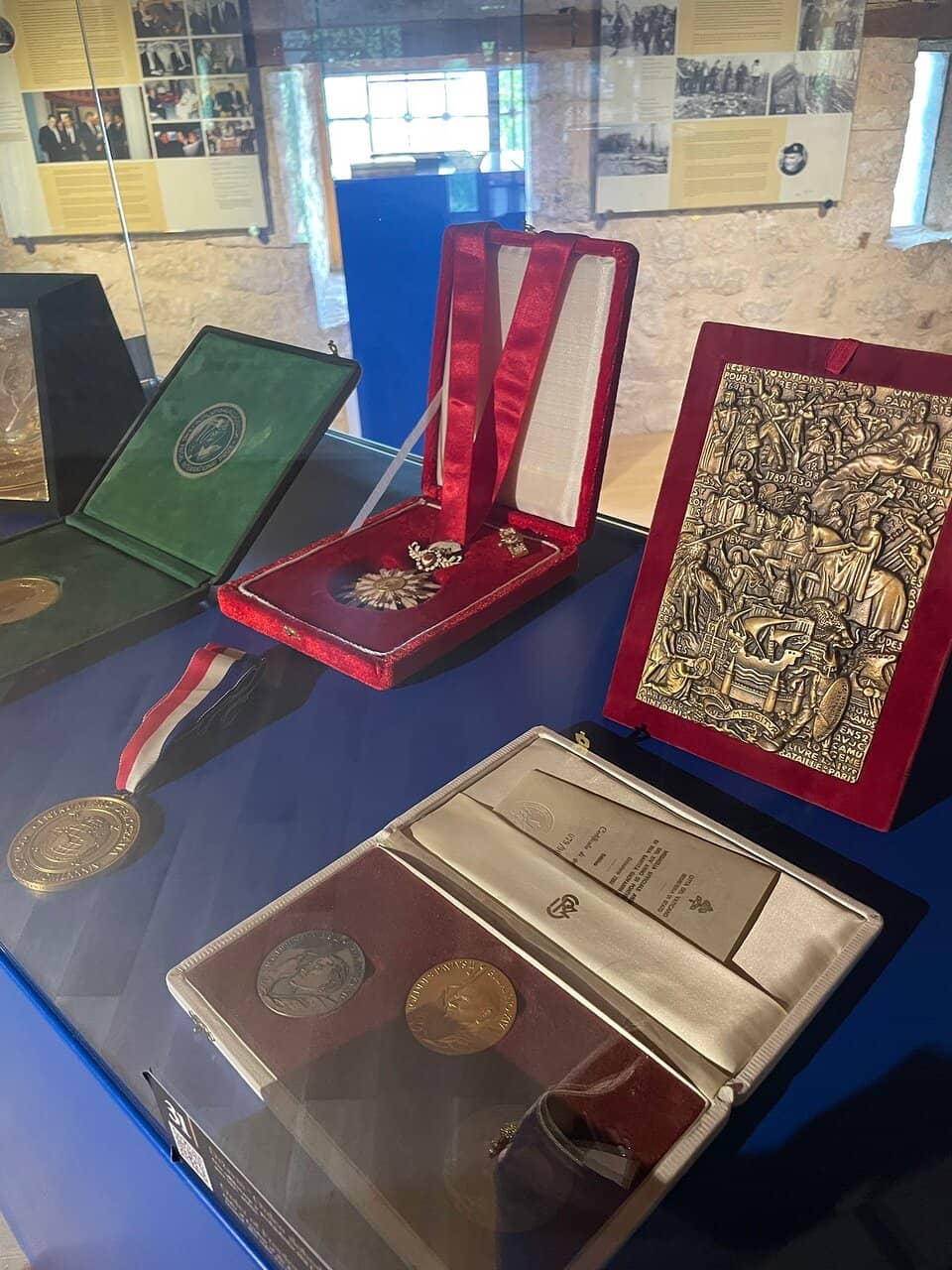
Presidential Legacy
Exhibit Panels
Discover Alija Izetbegović's life through texts, photographs, and a display of international awards and recognitions.
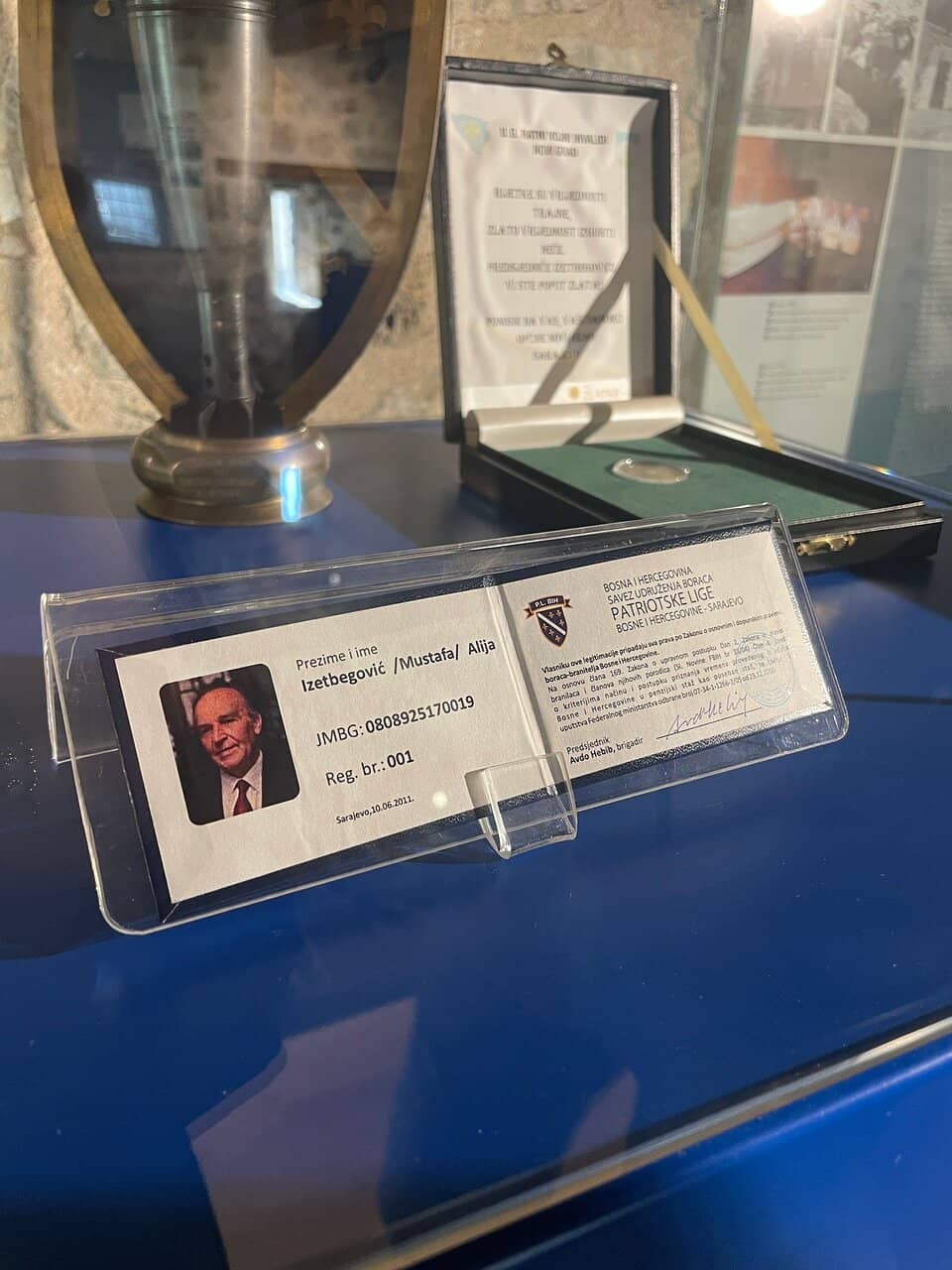
Wartime Commander Exhibit
Širokac Gate
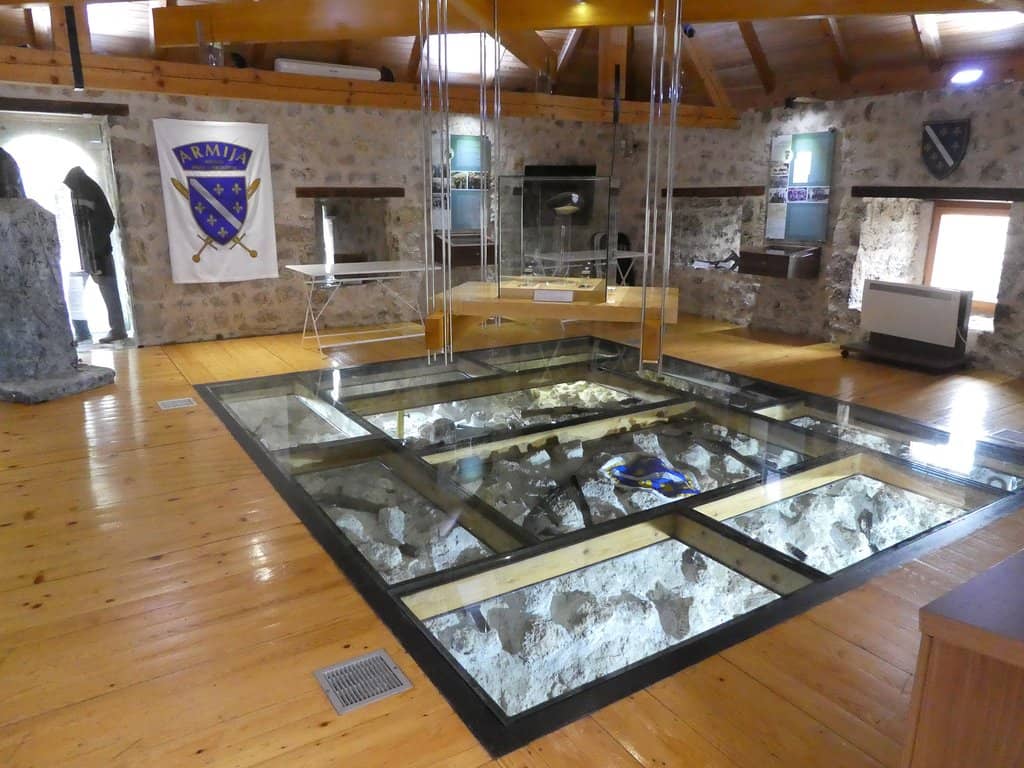
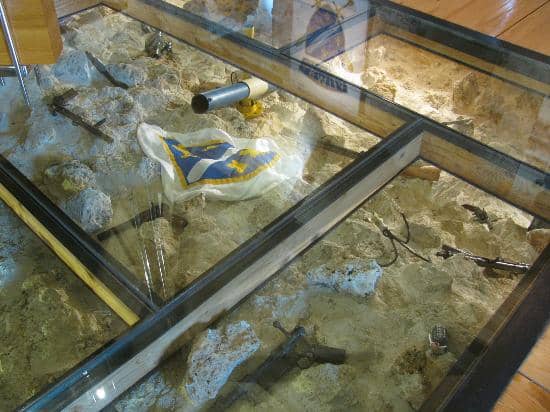
Learn about Izetbegović's crucial role as Commander of the Army of the Republic of Bosnia and Herzegovina.
Plans like a pro.
Thinks like you
Planning Your Visit
Timing Your Visit
Understanding the Context
Best Times
Insider Tips
from TikTok, Instagram & Reddit
📍 Location Tip
Find it within the historic Ploča Gate, part of the old Vratnik fortifications.
🧐 Read the Panels
Explanations are detailed; consider reading English versions carefully, even if you need to bend down.
🎬 Watch the Films
Films like 'The Audacity of Living' offer insights into the first president's life.
🚶♂️ Explore Nearby
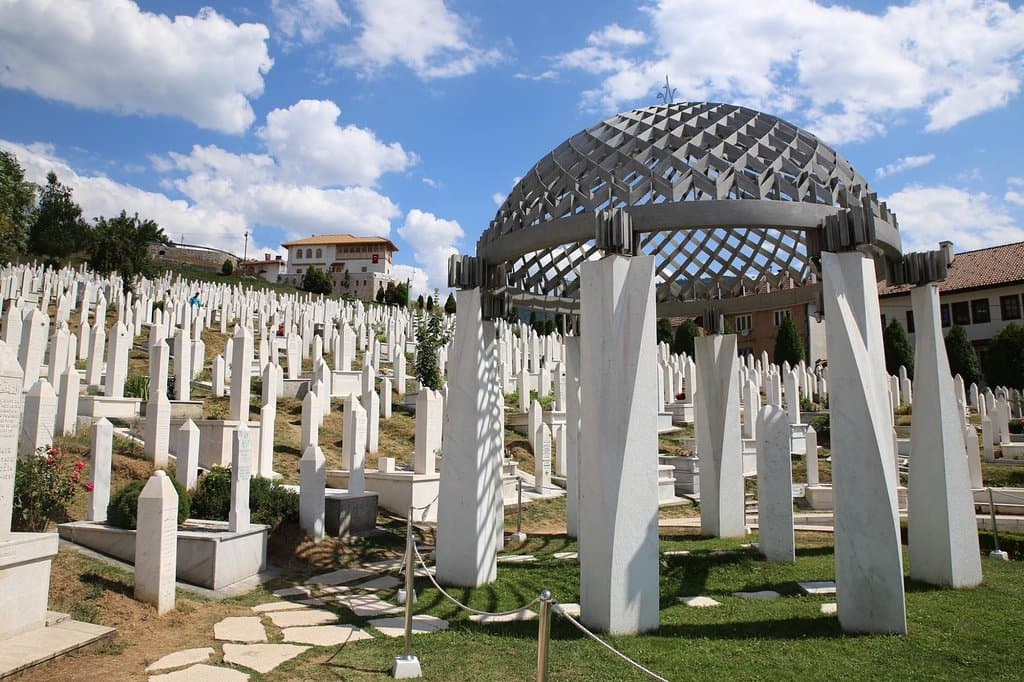
Visit the martyrs' memorial and mausoleum in Kovači, near Izetbegović's resting place.
Tips
from all over the internet
📍 Location Tip
Find it within the historic Ploča Gate, part of the old Vratnik fortifications.
🧐 Read the Panels
Explanations are detailed; consider reading English versions carefully, even if you need to bend down.
🎬 Watch the Films
Films like 'The Audacity of Living' offer insights into the first president's life.
🚶♂️ Explore Nearby
Visit the martyrs' memorial and mausoleum in Kovači, near Izetbegović's resting place.
What Travellers Say
Reviews Summary
Visitors praise the Museum Alija Izetbegović for its superb exhibits and the atmospheric experience of being within historic 18th-century city gates. Many find it a moving and well-presented insight into the life of Alija Izetbegović and the history of Bosnia and Herzegovina. However, some note a perceived lack of critical analysis regarding the former president's ideology and policies.
"superb museum with a lot of exhibits and great old classic interior .. walking through the stone walls make you feel like you are in somewhere so important and so stylish ... overall its a great museum and great history of a great country ..."
Srf JFTC (SJ)
"The fact that it's full of propaganda and zero critical notes is, of course, to be expected from any museum dedicated to one specific head of state. But in addition, it's also pretty boring. Little to be learned about the actual contents of Izetbegović's ideology or policies (for example, there is basically zero information about the stances of his "Islamic Declaration"). Instead, the visitor is presented with a mass of vaguely quotable oneliners that you might encounter on a coffeeshop wall, a bunch of international awards, and pictures of Izetbegović with about every politician in the world.
Part of it probably boils down to the fact that he was simply not the most interesting or visionary guy. He was a typical right-leaning "Islamic centrist" who would not even be known today if he did not happen to be in charge at the most dramatic moment in Bosnian history. But then again, the museum does not do anything to compensate this."
Felix Kumps
"This museum is dedicated to Alija Izetbegović, the first president of an independent Bosnia and Herzegovina. The museum is housed in the old city gates, Ploča and Širokac, which are remnants of the old fortified city, Vratnik, that was built in the 18th century.Not far from the museum is the memorial to martyrs in Kovači, with the mausoleum and last resting place of their wartime commander, Alija Izetbegović, which lies among the graves of the defenders of Sarajevo.
The entrance to the museum is located in Ploča Gate, which houses a library of Alija’s works, as well as a few of his personal items. Visitors can also watch the films, The Audacity of Living and In the Service of Bosnia, which talk about the first president.
Up on the first floor there are nine exhibit panels which tell the story of Alija’s life through texts and photographs and the central part of this space displays the many awards and recognitions that he received.
There is an enclosed passage that runs between Ploča Gate and Širokac Gate and the latter houses an exhibit dedicated to Alija Izetbegović in his role as Commander of the Army of the Republic of Bosnia and Herzegovina."
AQALFA
What People Like
What People Dislike
Frequently Asked Questions
🚇 🗺️ Getting There
The museum is located within the historic Ploča Gate in Sarajevo. It's accessible by walking from the city center, as it's part of the old fortified city of Vratnik.
Yes, it's situated within the prominent Ploča Gate, a historical landmark. Look for signs directing you to the museum within the gate structure.
A pleasant walk from Baščaršija will take you to the museum. It's a good opportunity to explore the old town's atmosphere.
Parking in the immediate vicinity of the old city gates can be challenging. It's advisable to use public transport or park in a central Sarajevo parking lot and walk.
Absolutely! The museum is close to other historical sites within the Vratnik fortifications and the martyrs' memorial in Kovači.
🎫 🎫 Tickets & Entry
Opening hours can vary, so it's best to check the official museum website or local listings before your visit.
Admission fees are generally reasonable. Check the museum's official channels for the most current pricing information.
For most visits, advance booking isn't strictly necessary, but it's always a good idea to check if there are any special events or group visit policies.
Weekday mornings are often less crowded, allowing for a more contemplative experience.
Inquire at the ticket counter about potential discounts for students, seniors, or other groups.
🎫 🏛️ Onsite Experience
The museum features exhibits on Alija Izetbegović's life, including texts, photographs, personal items, and international awards. It's housed within historic city gates.
A visit can take anywhere from 1 to 2 hours, depending on your interest in the exhibits and the films shown.
While informative, the content is historical and political. Parents should gauge their children's interest and understanding.
Information on audio guides is not widely available. The exhibit panels provide detailed explanations.
The museum is housed in the Ploča and Širokac Gates, remnants of the 18th-century fortified city of Vratnik, adding historical depth to the visit.
📸 📸 Photography
Photography policies can vary. It's best to check for signage or ask museum staff about restrictions on photography, especially flash photography.
The exterior of the historic city gates and the views from within the fortifications offer great photographic opportunities.
Typically, tripods and professional equipment may require special permission. Always inquire with the museum staff beforehand.
Focus on the architectural details of the gates, the historical exhibits, and the overall atmosphere of the ancient fortifications.
If photography is allowed, focus on capturing the historical artifacts and informational panels, being mindful of any flash restrictions.




Social
from TikTok, Instagram & Reddit