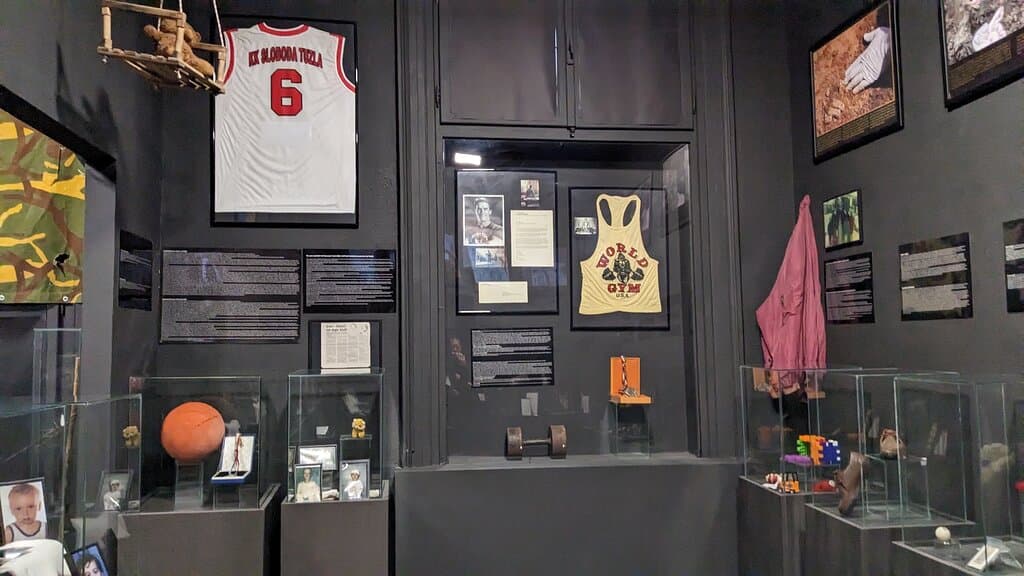
Museum of Crimes Against Humanity
A harrowing yet essential museum detailing the Bosnian War's atrocities, offering profound insights into human suffering and resilience.

Highlights
Must-see attractions

Social
From TikTok & Reddit
Best Time
Fewer crowds, more reflection time
Museum of Crimes Against Humanity
Best Time
Fewer crowds, more reflection time
Highlights
Must-see attractions
A harrowing yet essential museum detailing the Bosnian War's atrocities, offering profound insights into human suffering and resilience.
"A must-see to truly understand Bosnia’s genocide and the crimes committed during the war."
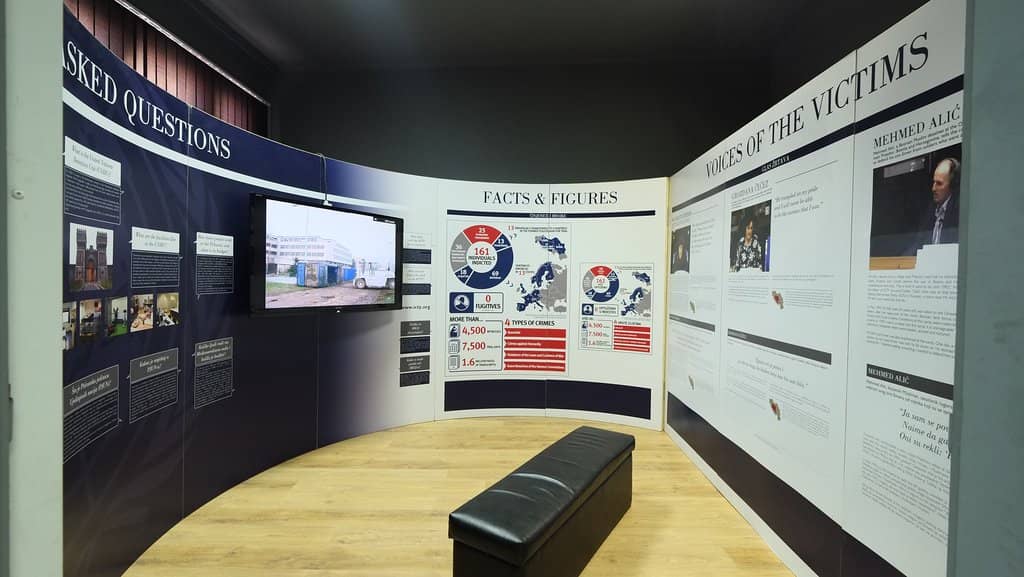
Allocate ample time
Plan for at least 2-3 hours to fully absorb the exhibits and read the detailed information. :clock1:
Be prepared for graphic content
Some displays are intense and not suitable for young children. ⚠️

Quick Facts
Hours
Rating
4.7 · 2,251 reviews
Type
Museum
Highlights
Discover the most iconic attractions and experiences
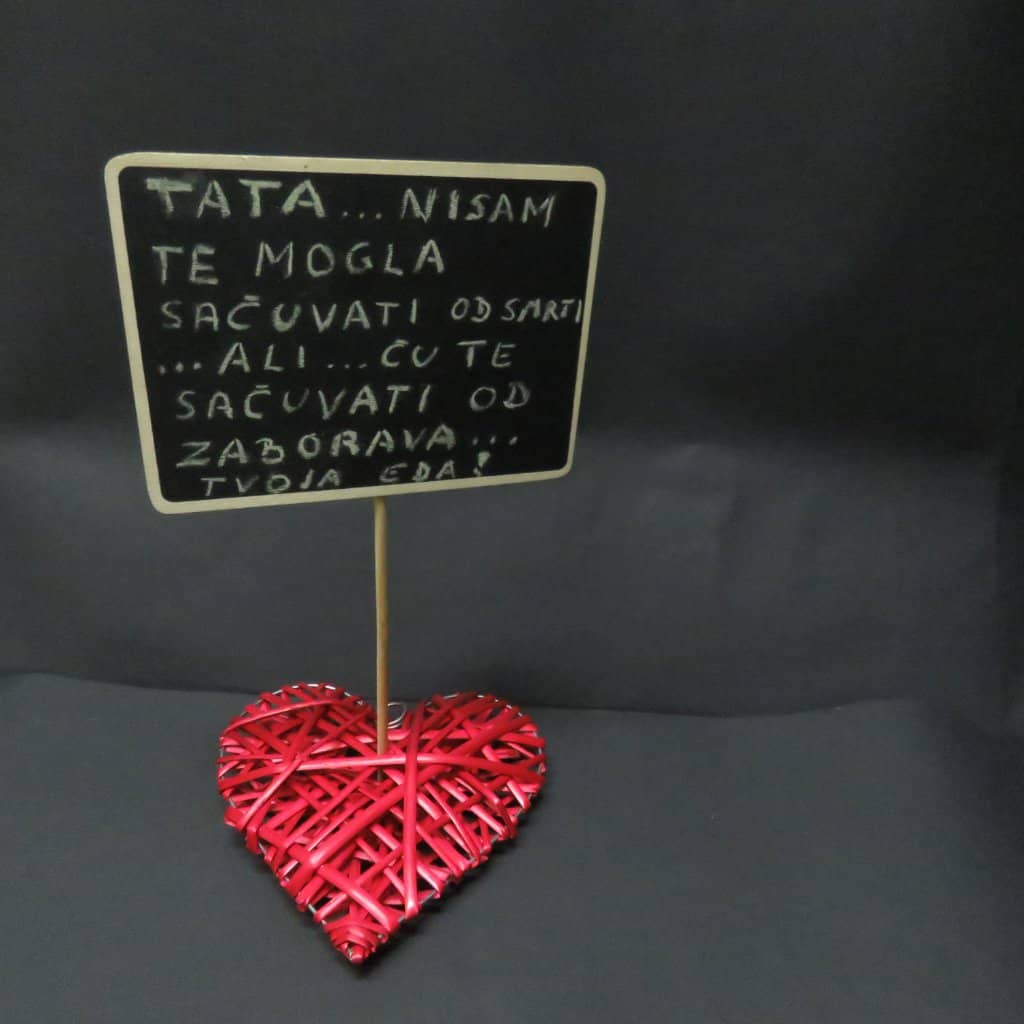
Victims' Personal Stories
Heart-wrenching accounts and artifacts from survivors of ethnic cleansing. A deeply emotional and educational experience.
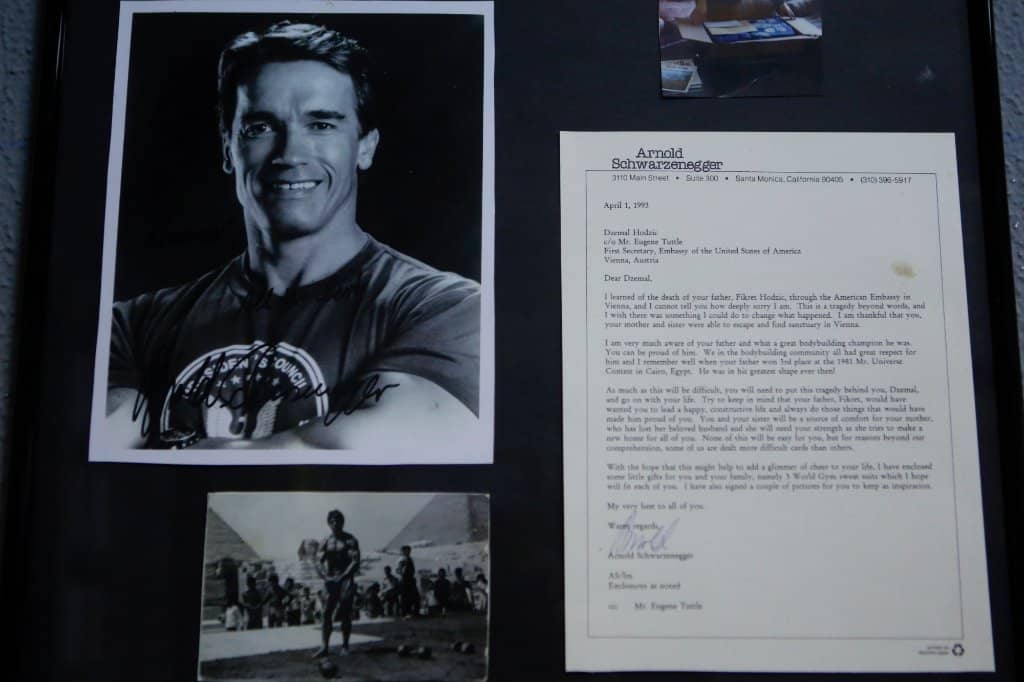
Graphic Visuals and Films
Powerful, albeit gruesome, images and films that confront the harsh realities of the war. Essential for understanding the gravity of the crimes.

Messages of Hope Wall
A touching display where visitors leave messages of remembrance and hope, creating a collective testament against future atrocities.
Plans like a pro.
Thinks like you
Planning Your Visit
Prepare for an Emotional Journey
Reading is Key
Best Times
Insider Tips
from TikTok, Instagram & Reddit
Allocate ample time
Plan for at least 2-3 hours to fully absorb the exhibits and read the detailed information. :clock1:
Be prepared for graphic content
Some displays are intense and not suitable for young children. ⚠️
Read everything
The museum's power lies in its detailed text. Come ready to read to understand the full context. 📚
Emotional preparedness
This is a deeply moving experience. Allow yourself time to process the information and emotions. :pleading_face:
Tips
from all over the internet
Allocate ample time
Plan for at least 2-3 hours to fully absorb the exhibits and read the detailed information. :clock1:
Be prepared for graphic content
Some displays are intense and not suitable for young children. ⚠️
Read everything
The museum's power lies in its detailed text. Come ready to read to understand the full context. 📚
Emotional preparedness
This is a deeply moving experience. Allow yourself time to process the information and emotions. :pleading_face:
What Travellers Say
Reviews Summary
Visitors find the Museum of Crimes Against Humanity to be a deeply emotional, educational, and essential experience for understanding the Bosnian War. While the graphic content and extensive reading can be challenging, most agree it's a powerful reminder of past atrocities and a crucial stop in Sarajevo. The museum is praised for its informative displays and the poignant personal stories it shares.
"I think it is very clear that you should visit this museum while in Sarajevo. It really shows the reality of the Yugoslav war and civil war of the 90s. Some of the pictures and movies that are shown are a bit gruesome but on the other hand that also gives this museum it's very own style and way of presenting the information. All the attributes are interesting to see and help to understand this awful history that had tortured so many innocent people. May this museum be a reminder that things like this should never happen again!"
Marijn Pals
"Reading the personal experiences and seeing the artifacts made it a deeply emotional and very sad experience. The museum is educational and a must-see to truly understand the history of Bosnia’s genocide and the crimes committed during the war (1992–1995). The more people who visit, the better we can raise awareness - especially as sadly this is not just history; it is happening right now in Palestine. Some displays are graphic and not suitable for younger children and a few information panels were hard to read due to small text and dim lighting. Nevertheless this is a must see during your trip."
S Nehar
"A must visit place if you are visiting Sarajevo. Can easily spend few hours if you interested in history.
It's just a few years back genocide of 100k plus people is done, unfortunately.
Very informative museum, eye opener, all in too detail, excellent work.
Friendly team."
zia syed
What People Like
What People Dislike
Frequently Asked Questions
🚇 🗺️ Getting There
The museum is centrally located in Sarajevo, making it easily accessible. Many visitors walk from the Old Town (Baščaršija) or take a short taxi ride. Public transport options are also available, with several tram and bus lines stopping nearby. Check local transport apps for the most up-to-date routes and schedules.
Parking in the immediate vicinity of the museum can be challenging due to its central location. It's advisable to use public transport or a taxi. If you are driving, look for paid parking garages or lots a short walk away.
Absolutely! The museum is close to many key Sarajevo landmarks, including the Old Town, Latin Bridge, and various historical sites. It's a great starting point to understand the city's recent history before exploring further.
🎫 🎫 Tickets & Entry
The museum typically operates daily, but it's always best to check their official website or social media for the most current opening hours, as these can change seasonally or for special events.
Admission fees are generally very reasonable, reflecting the museum's mission to educate. Prices are subject to change, so it's recommended to verify on their official channels. The value for the educational experience is considered excellent by visitors.
For most visits, booking in advance is not strictly necessary, especially during off-peak times. However, if you are visiting during a busy tourist season or with a group, it might be wise to inquire about group bookings or consider purchasing tickets upon arrival to save time.
Accessibility can be a concern in older buildings. While the museum strives to be as inclusive as possible, some older sections might present challenges. It's advisable to contact the museum directly beforehand to inquire about specific accessibility features and accommodations.
Due to the graphic nature of some exhibits, the museum is generally not recommended for young children. Visitors should be aware that the content can be disturbing and may not be suitable for all ages.
🎫 🧭 Onsite Experience
Most visitors find that 2 to 3 hours is sufficient to thoroughly explore the exhibits and read the accompanying text. Some may wish to spend longer if they are deeply engaged with the historical details.
Take your time to read the information panels carefully, as they provide crucial context. Engage with the personal stories and artifacts. Consider visiting with a friend or family member to discuss your thoughts and feelings afterward.
Information regarding audio guides or guided tours should be checked directly with the museum. Many visitors find the extensive written descriptions to be comprehensive, but an audio guide could enhance the experience for some.
Photography policies can vary. Typically, personal photography without flash is often permitted for personal use, but commercial photography or flash photography is usually prohibited to protect the exhibits and respect the solemn nature of the space. Always look for signage or ask staff.
The atmosphere is somber, reflective, and deeply emotional. Visitors often describe it as a 'heart-wrenching' and 'eye-opening' experience, designed to educate and serve as a stark reminder of past atrocities. +1
🍽️ 🍽️ Food & Dining
The museum itself does not typically have a cafe or restaurant. However, being in the heart of Sarajevo, you'll find numerous cafes, bakeries, and restaurants within a short walking distance, offering a range of local and international cuisine.
Sarajevo offers delicious Bosnian cuisine, including ćevapi (grilled minced meat), burek (savory pastry), and various stews and grilled dishes. You'll also find international options and excellent coffee culture.
📸 📸 Photography
Photography rules can vary. Generally, personal photography without flash is often permitted for non-commercial purposes. However, it's crucial to check for specific signage or ask museum staff, as some exhibits may be sensitive or protected.
While the museum's focus is on education and remembrance, the 'Messages of Hope' wall is often cited as a visually impactful and poignant area for photography. The overall presentation of artifacts can also be compelling.
Given the sensitive nature of the exhibits, it's important to be respectful. Avoid using flash, and consider the emotional impact of your photos. Focus on capturing the essence of the exhibits rather than sensationalizing them.





Social
from TikTok, Instagram & Reddit