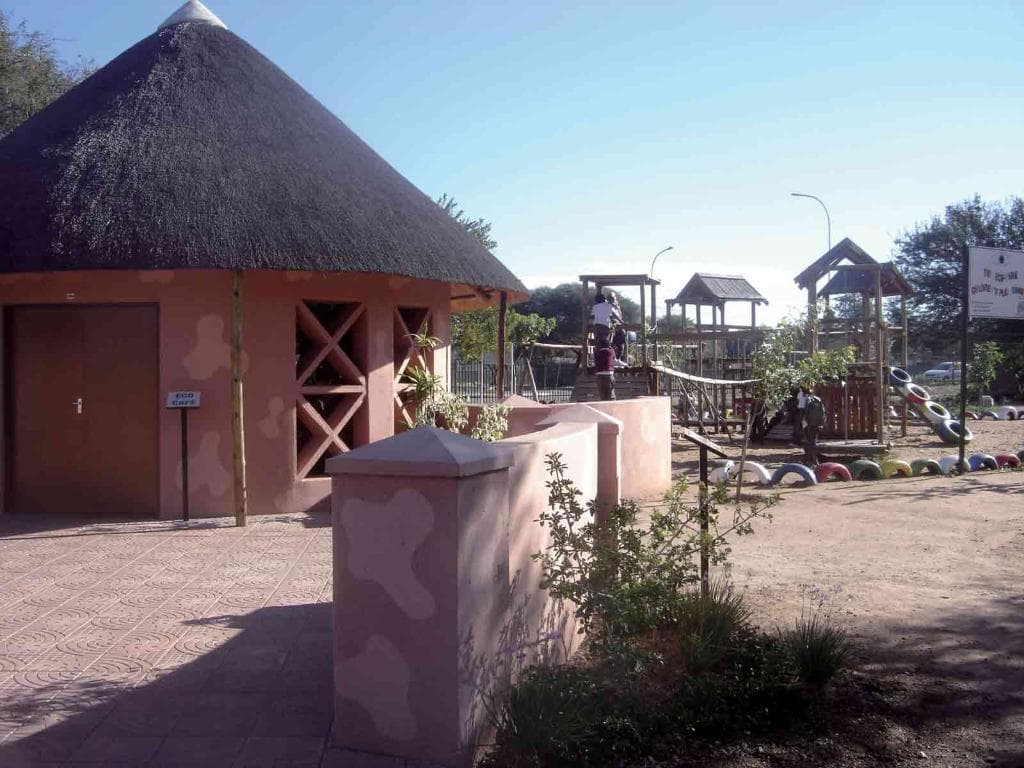
Somarelang Tikologo Eco Park
A vibrant eco-park in Gaborone dedicated to conserving Botswana's indigenous flora and fauna through education and preservation.
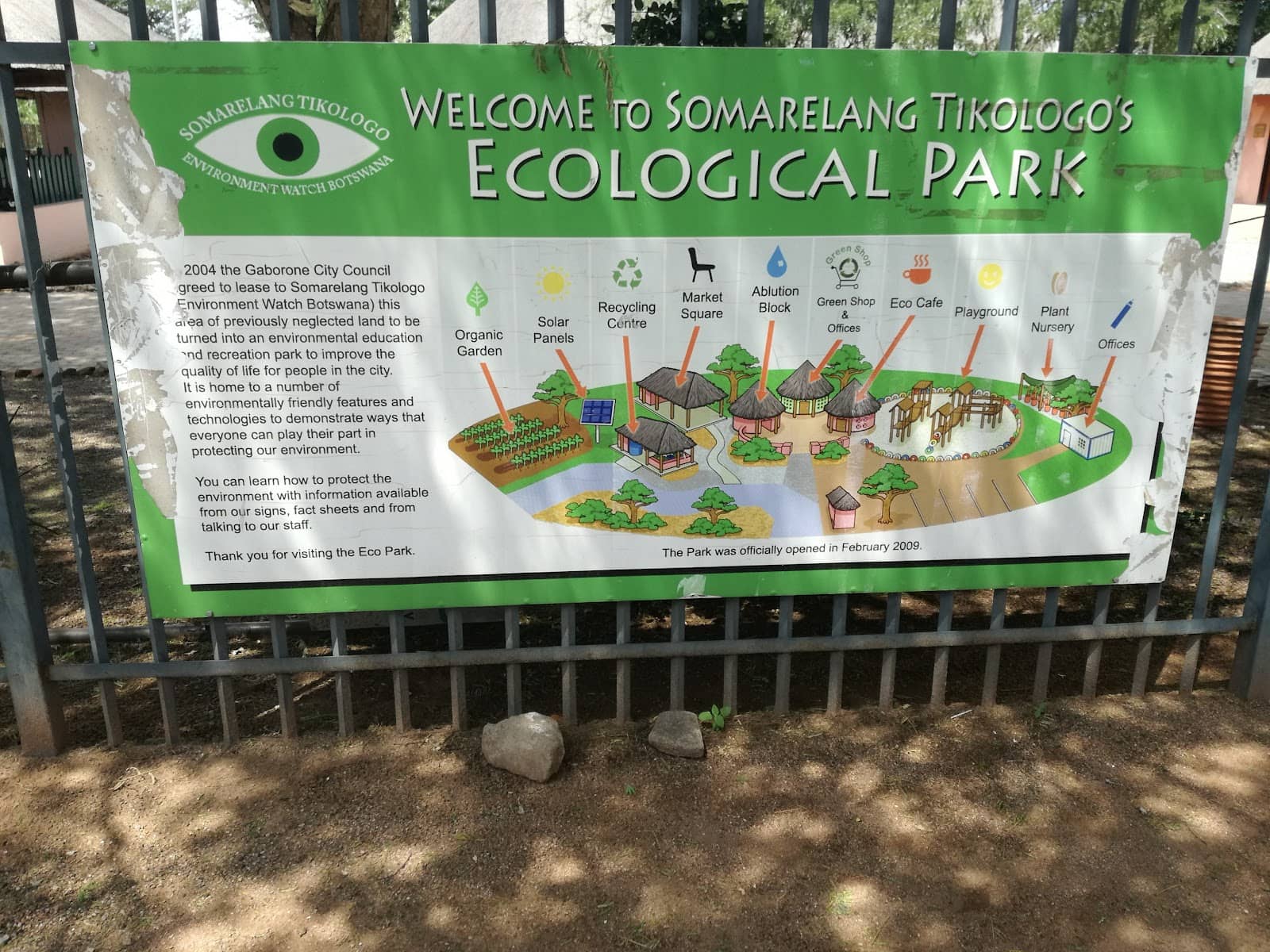
Highlights
Must-see attractions

Social
From TikTok & Reddit
Best Time
Fewer crowds, cooler temperatures
Somarelang Tikologo Eco Park
Best Time
Fewer crowds, cooler temperatures
Highlights
Must-see attractions
A vibrant eco-park in Gaborone dedicated to conserving Botswana's indigenous flora and fauna through education and preservation.
"A peaceful oasis for learning about Botswana's natural heritage and conservation efforts."

👟 Wear comfy shoes!
Lots of walking involved on natural paths. You'll want good support for exploring the park's diverse areas.
💧 Stay hydrated
Bring a reusable water bottle! Refill stations are available, helping you stay refreshed and reduce waste.
Quick Facts
Rating
4.3 · 3 reviews
Highlights
Discover the most iconic attractions and experiences
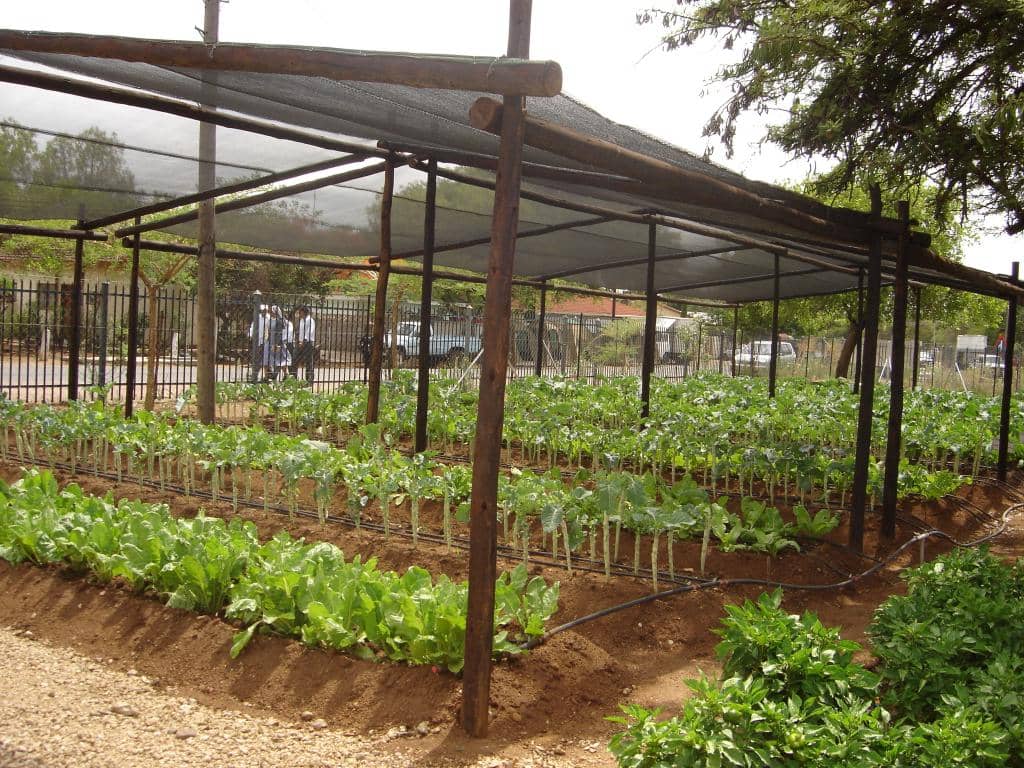
The Indigenous Plant Nursery
Central area
Discover a vibrant collection of Botswana's native flora, learn about their uses, and see conservation efforts in action.
Wildlife Viewing Platforms
Various locations
Spot local wildlife like birds, reptiles, and small mammals in their natural habitat from elevated viewing points.
Educational Nature Trails
Throughout the park
Wander through well-maintained paths with informative signage about the local ecosystem and biodiversity.
Plans like a pro.
Thinks like you
Planning Your Visit
Plan Your Eco-Adventure
What to Pack & Wear
Best Times
Insider Tips
from TikTok, Instagram & Reddit
👟 Wear comfy shoes!
Lots of walking involved on natural paths. You'll want good support for exploring the park's diverse areas.
💧 Stay hydrated
Bring a reusable water bottle! Refill stations are available, helping you stay refreshed and reduce waste.
☀️ Sun protection is key
Pack sunscreen, a hat, and sunglasses. Much of the park is open, so shade is limited during midday.
🦟 Don't forget insect repellent
Especially important during warmer months or near water features to ward off mosquitoes and other insects.
Tips
from all over the internet
👟 Wear comfy shoes!
Lots of walking involved on natural paths. You'll want good support for exploring the park's diverse areas.
💧 Stay hydrated
Bring a reusable water bottle! Refill stations are available, helping you stay refreshed and reduce waste.
☀️ Sun protection is key
Pack sunscreen, a hat, and sunglasses. Much of the park is open, so shade is limited during midday.
🦟 Don't forget insect repellent
Especially important during warmer months or near water features to ward off mosquitoes and other insects.
📸 Capture the beauty
Bring your camera or phone for stunning shots of plants and wildlife. Early morning or late afternoon light is best.
What Travellers Say
Reviews Summary
Visitors praise Somarelang Tikologo Eco Park for its educational value and commitment to conservation, highlighting the indigenous plant nursery and peaceful atmosphere. While some note it's smaller than expected, most find it a valuable green space for learning and connecting with Botswana's natural heritage.
""
Duduetsang Kgano
""
Poppy Lydia Sello
""
Christopher Rollins
What People Like
What People Dislike
Frequently Asked Questions
🚇 🗺️ Getting There
The park is accessible by car, with ample parking available. It's located within Gaborone, making it relatively easy to reach via local taxis or ride-sharing services. Public transport options might be limited, so driving or a taxi is often recommended.
While possible, it can be less convenient. Check local bus routes, but taxis or ride-sharing apps are generally more reliable for direct access to the park.
The park is situated in Gaborone. Use GPS navigation systems with 'Somarelang Tikologo Eco Park' as your destination. It's usually well-signposted once you're in the vicinity.
Yes, there is dedicated parking available for visitors. It's usually located near the main entrance, making it convenient to start your exploration.
Cycling is a great option if you're local to Gaborone. The park is within the city limits, and there are roads leading to it. Ensure you have a secure place to park your bike if needed.
🎫 🎫 Tickets & Entry
The park typically opens in the morning and closes in the late afternoon. It's best to check their official website or social media for the most current operating hours, as these can vary seasonally.
Admission fees are generally affordable, often with different rates for adults and children. It's advisable to purchase tickets online in advance to secure your entry and potentially avoid queues.
While tickets may be available at the entrance, it's highly recommended to book online beforehand. This guarantees your entry, especially during busy periods, and can sometimes offer a slight discount.
Information on specific discounts for students, seniors, or groups is usually available on the park's official ticketing page. It's worth checking their website for any available concessions.
Refund policies can vary. Generally, tickets are non-refundable unless the park cancels an event or closes unexpectedly. Review the terms and conditions at the time of purchase.
🎫 🧭 Onsite Experience
Don't miss the indigenous plant nursery, the various wildlife viewing platforms for spotting local fauna, and the educational nature trails that explain the ecosystem.
Guided tours might be offered, especially for educational groups or during special events. Inquire at the visitor center upon arrival or check the park's schedule online.
Many of the main paths are designed to be accessible, but some natural trails might be uneven. It's best to contact the park directly for detailed accessibility information.
Generally, pets are not allowed in eco-parks to protect the native wildlife and delicate ecosystems. Please confirm the park's specific pet policy before your visit.
Expect to find restrooms, picnic areas, and possibly a small visitor center or gift shop. Water refill stations are also common for eco-conscious visitors.
📸 📸 Photography
The indigenous plant nursery offers colorful and detailed shots. Wildlife viewing platforms are great for capturing birds and other animals. The nature trails provide scenic backdrops with diverse flora.
Drone usage is typically restricted in nature reserves and eco-parks to avoid disturbing wildlife and for safety reasons. Always check the park's regulations regarding drones.
Early mornings and late afternoons offer the best natural light, often referred to as the 'golden hour.' This is also when wildlife is most active.
Tripods are usually allowed, but it's wise to ensure they don't obstruct pathways or other visitors. Check the park's specific rules on equipment.
You might see various bird species, reptiles, insects, and small mammals. Patience is key, and a telephoto lens can be beneficial for wildlife shots.
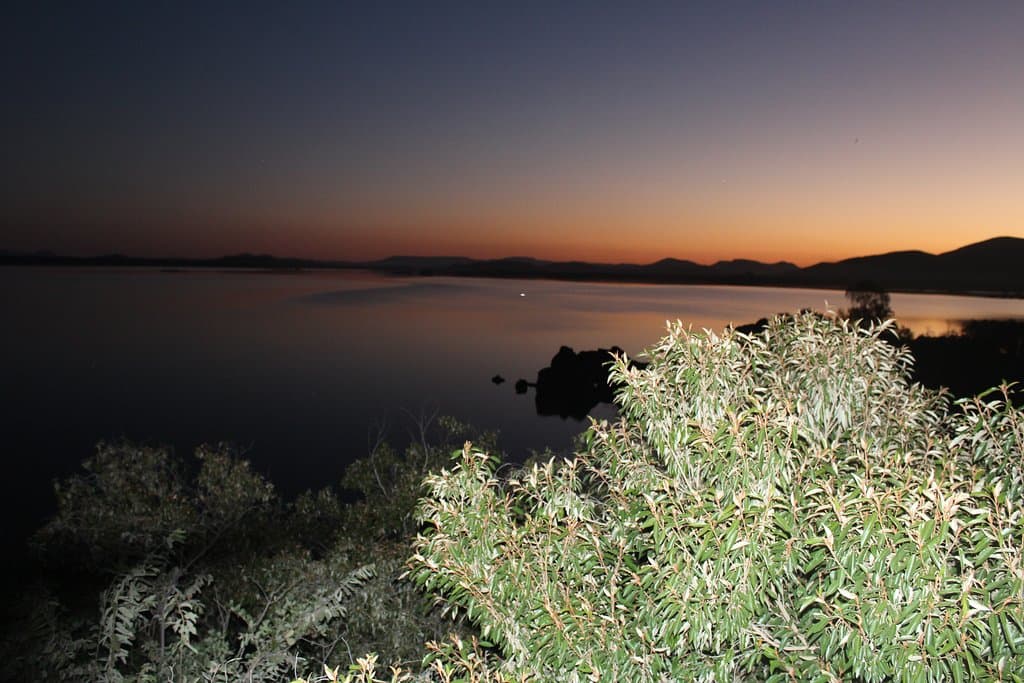
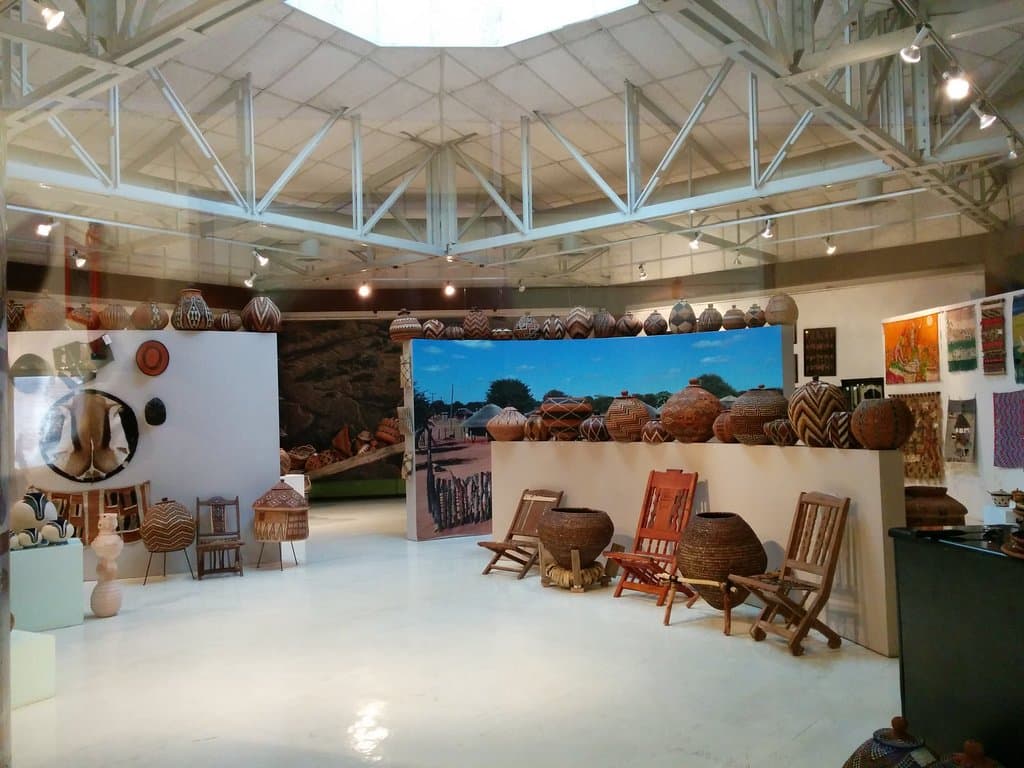

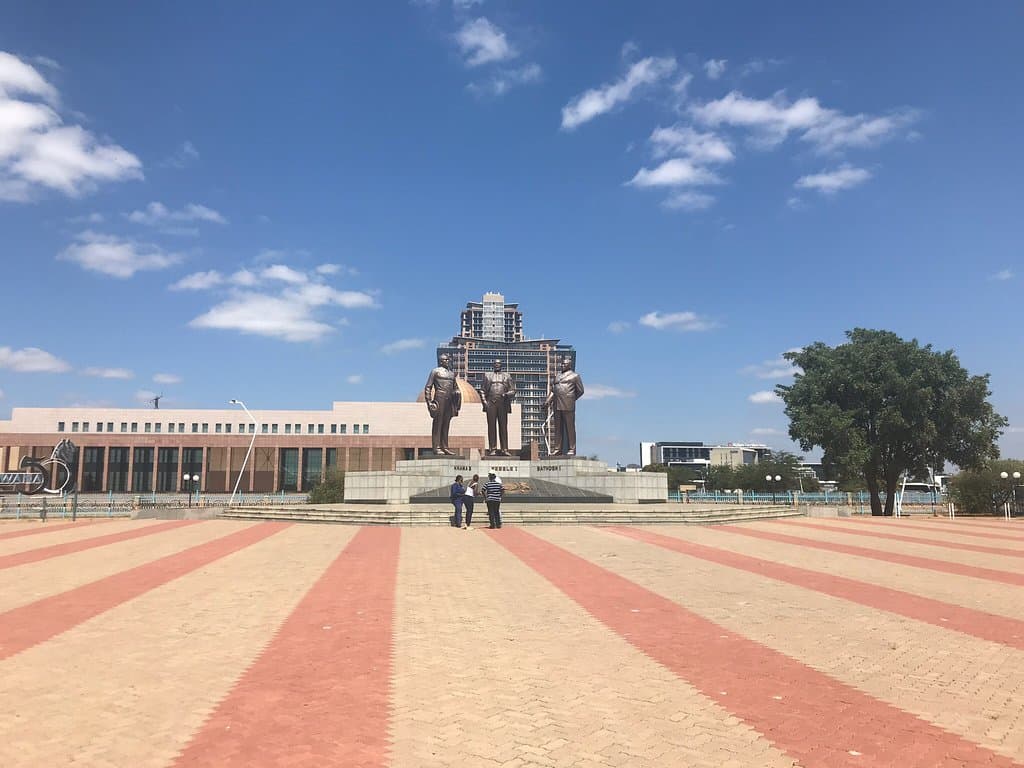
Social
from TikTok, Instagram & Reddit