Abarebebê Ruins Peruíbe
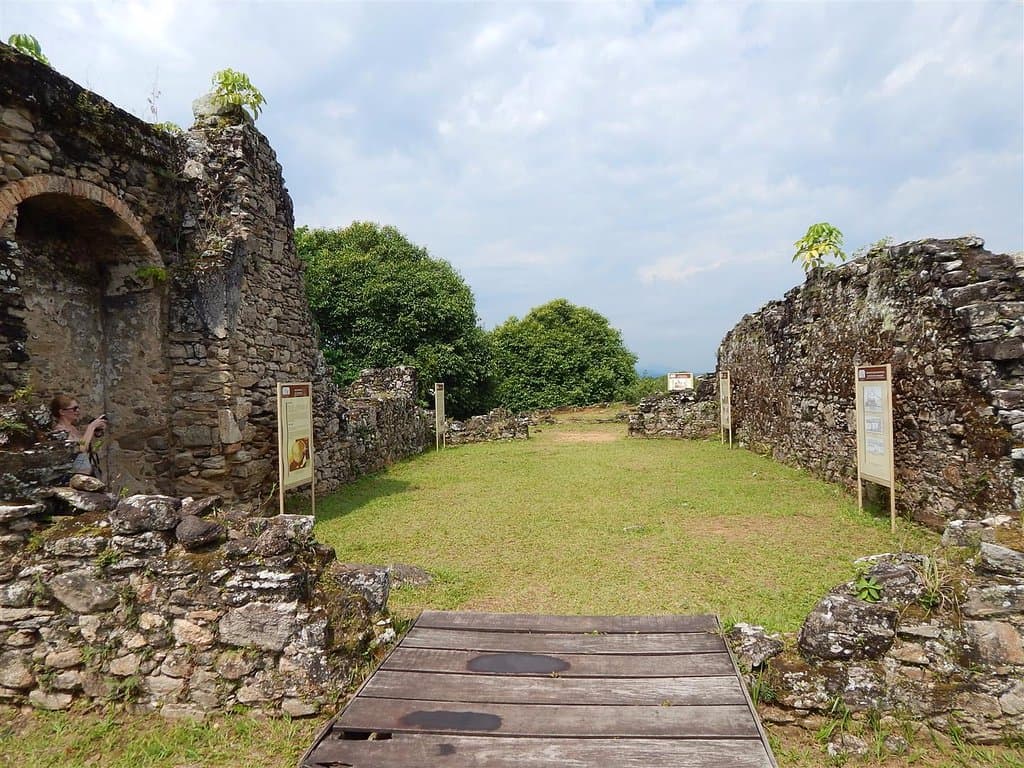
Explore the 16th-century Abarebebê Ruins, a unique open-air museum showcasing early Brazilian architecture and history.
Highlights
Must-see attractions

Social
From TikTok & Reddit
Best Time
Beat the heat and crowds
Abarebebê Ruins Peruíbe
Best Time
Beat the heat and crowds
Highlights
Must-see attractions
Explore the 16th-century Abarebebê Ruins, a unique open-air museum showcasing early Brazilian architecture and history.
"A fascinating glimpse into Brazil's past, though nature is reclaiming these ancient stones."

Wear Comfortable Shoes
The terrain can be uneven and overgrown. Sturdy footwear is essential for exploring the ruins safely. :athletic_shoe:
Check the Weather
This is an open-air site, so be prepared for sun or rain. Bring an umbrella or hat as needed. ☂️
Quick Facts
Hours
Rating
4.2 · 864 reviews
Type
Church
Highlights
Discover the most iconic attractions and experiences
16th-Century Church Ruins
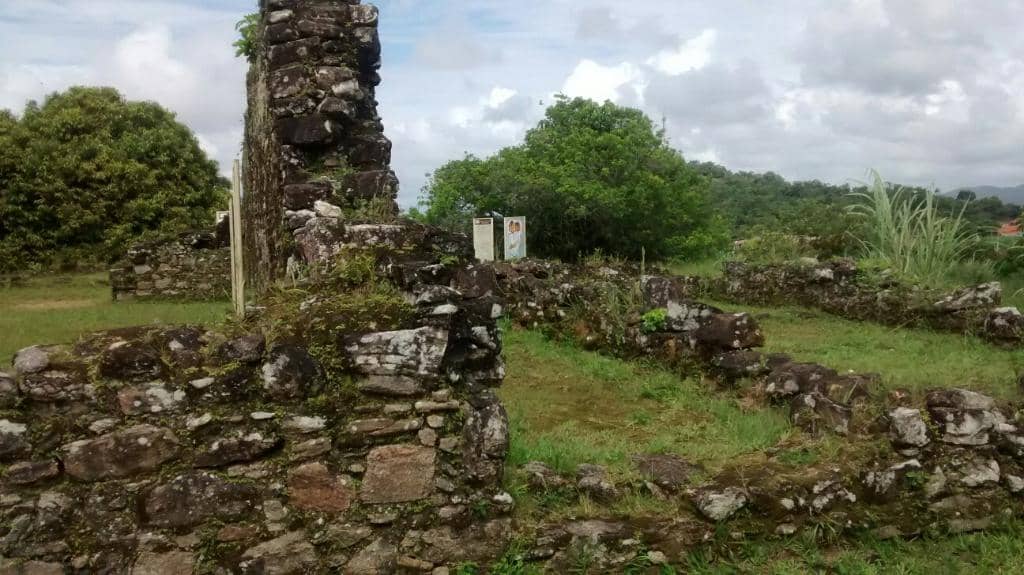
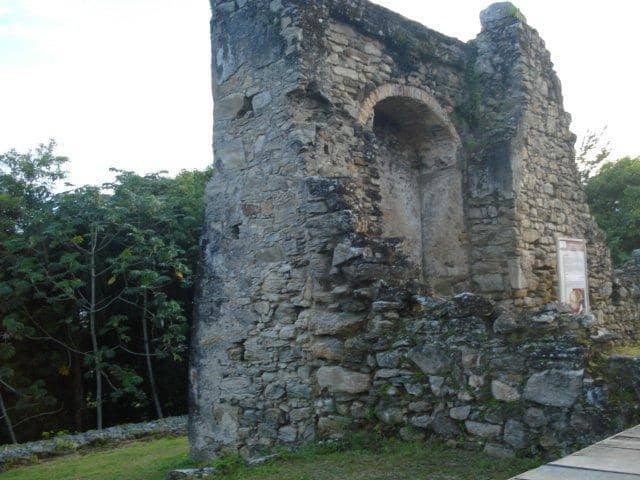
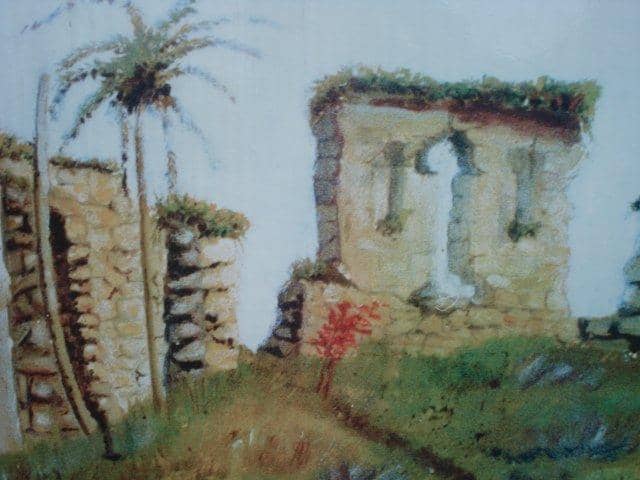
Explore the remnants of one of Brazil's earliest religious structures, built with unique materials.
Open-Air Archaeological Site
Wander through a historic open-air museum showcasing early Brazilian architecture and history.
Interpretive Plaques
Discover the historical significance of the site through informative plaques detailing its past.
Plans like a pro.
Thinks like you
Planning Your Visit
Preserve the Past
Embrace the Outdoors
Best Times
Insider Tips
from TikTok, Instagram & Reddit
Wear Comfortable Shoes
The terrain can be uneven and overgrown. Sturdy footwear is essential for exploring the ruins safely. :athletic_shoe:
Check the Weather
This is an open-air site, so be prepared for sun or rain. Bring an umbrella or hat as needed. ☂️
Respect the Site
These are historical ruins. Please do not touch or disturb the structures. Help preserve this important heritage. 🙏
Bring Water
Stay hydrated, especially on warmer days. There are limited facilities on-site. :droplet:
Tips
from all over the internet
Wear Comfortable Shoes
The terrain can be uneven and overgrown. Sturdy footwear is essential for exploring the ruins safely. :athletic_shoe:
Check the Weather
This is an open-air site, so be prepared for sun or rain. Bring an umbrella or hat as needed. ☂️
Respect the Site
These are historical ruins. Please do not touch or disturb the structures. Help preserve this important heritage. 🙏
Bring Water
Stay hydrated, especially on warmer days. There are limited facilities on-site. :droplet:
What Travellers Say
Reviews Summary
The Abarebebê Ruins are recognized as a historically significant archaeological site, offering a glimpse into early Brazilian construction and religious history. Visitors appreciate the unique open-air museum concept and the chance to explore remnants of a 16th-century church. However, some reviews point out that the site could benefit from better maintenance, with vegetation often encroaching on the ruins.
"Show"
Rogério Prazeres Lopes
"Show"
Esdras Branco
"Show"
Daniel Moreira
What People Like
What People Dislike
Frequently Asked Questions
🚇 🗺️ Getting There
The Abarebebê Ruins are located in Peruíbe, on the southern coast of São Paulo. You can reach Peruíbe by car via the Rodovia Padre Manoel da Nóbrega. Public transportation options might involve buses from nearby cities like Santos or São Paulo, followed by a local taxi or bus to the site itself. It's advisable to check local transport schedules.
Information regarding dedicated parking facilities at the Abarebebê Ruins can be limited. It's recommended to inquire locally or look for street parking in the vicinity, being mindful of any local regulations.
While direct public transport to the ruins might be scarce, you can take a bus to Peruíbe city center and then potentially a local bus or taxi to get closer to the archaeological site. Researching local bus routes in Peruíbe beforehand is advised.
🎫 🎫 Tickets & Entry
As an archaeological site and open-air museum, there is typically no entrance fee for the Abarebebê Ruins. However, it's always a good idea to confirm this with local tourism information before your visit.
The Abarebebê Ruins are an open-air site, meaning they are generally accessible during daylight hours. Specific official opening times might not be strictly enforced, but visiting during reasonable daylight hours is recommended for safety and visibility.
No, advance booking is not typically required for the Abarebebê Ruins as it's an open-air historical site. You can usually visit spontaneously during daylight hours.
🎫 🧭 Onsite Experience
At the Abarebebê Ruins, you can explore the remnants of a 16th-century church, one of Brazil's earliest religious constructions. Interpretive plaques provide historical context about its unique construction using clay, stones, and whale oil. It's considered the region's first open-air museum.
Reviews suggest that while the site is historically significant, it can be overgrown with vegetation, with weeds covering the ancient stone walls. Some visitors note that the municipality has left the ruins somewhat abandoned, impacting their upkeep.
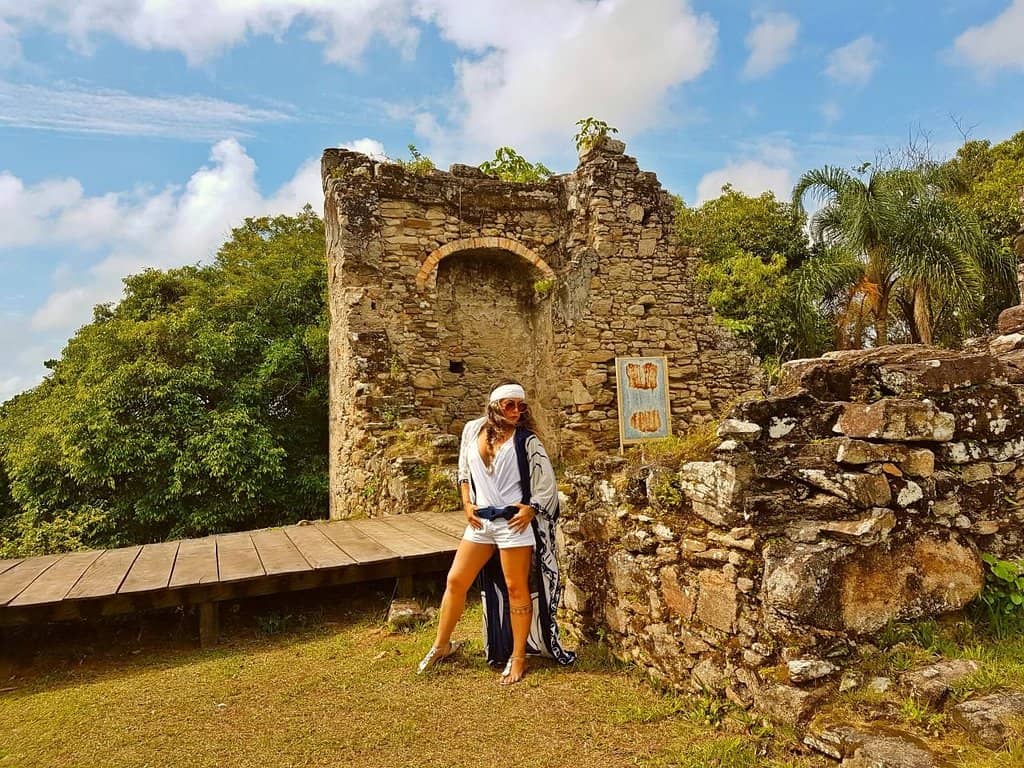
Yes, the Abarebebê Ruins offer a unique backdrop for photography, especially with the contrast between the ancient stone structures and the surrounding nature. The historical atmosphere and unique architecture can make for compelling shots.
The Abarebebê Ruins represent one of the first religious constructions in Brazil, dating back to the 16th century. Its construction methods, using clay, stones, and whale oil, are historically noteworthy, offering a glimpse into early colonial building techniques.
🍽️ 🍽️ Food & Dining
There are no food or dining facilities directly at the Abarebebê Ruins. Visitors should plan to eat before or after their visit, or bring their own snacks and drinks. Peruíbe city center offers various dining options.
📸 📸 Photography
The best photo opportunities at Abarebebê Ruins are amidst the stone walls and arches, capturing the interplay of light and shadow. The overgrown nature can add a dramatic, atmospheric quality to your shots. Focus on the textures of the ancient materials.
A versatile camera with a good lens is recommended. A wide-angle lens can capture the expanse of the ruins, while a prime lens can be useful for detail shots of the stonework. Consider bringing a tripod for low-light conditions or to stabilize shots in uneven terrain.


Social
from TikTok, Instagram & Reddit