
Casa da Câmara e Cadeia
A vital hub of colonial Brazil, this building served as town hall, jail, and sometimes even a gold foundry.
Highlights
Must-see attractions

Social
From TikTok & Reddit
Best Time
Fewer crowds, more peaceful
Casa da Câmara e Cadeia
Best Time
Fewer crowds, more peaceful
Highlights
Must-see attractions
A vital hub of colonial Brazil, this building served as town hall, jail, and sometimes even a gold foundry.
"Step back in time and explore the layers of history within this iconic colonial structure."

📸 Capture Colonial Charm
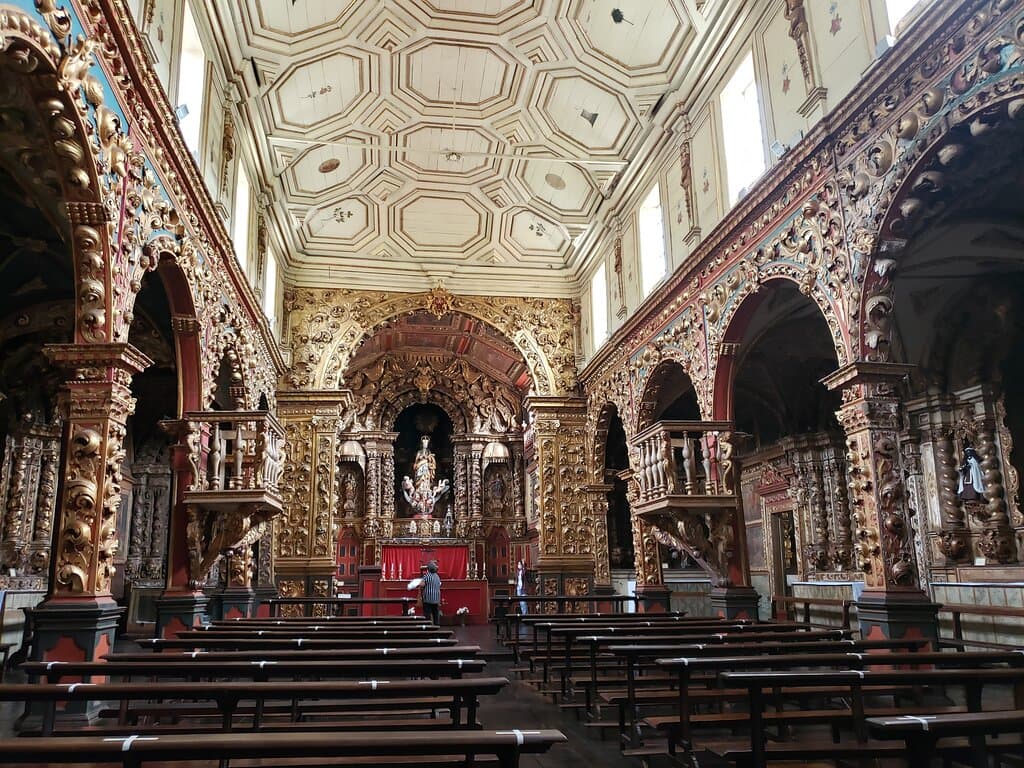
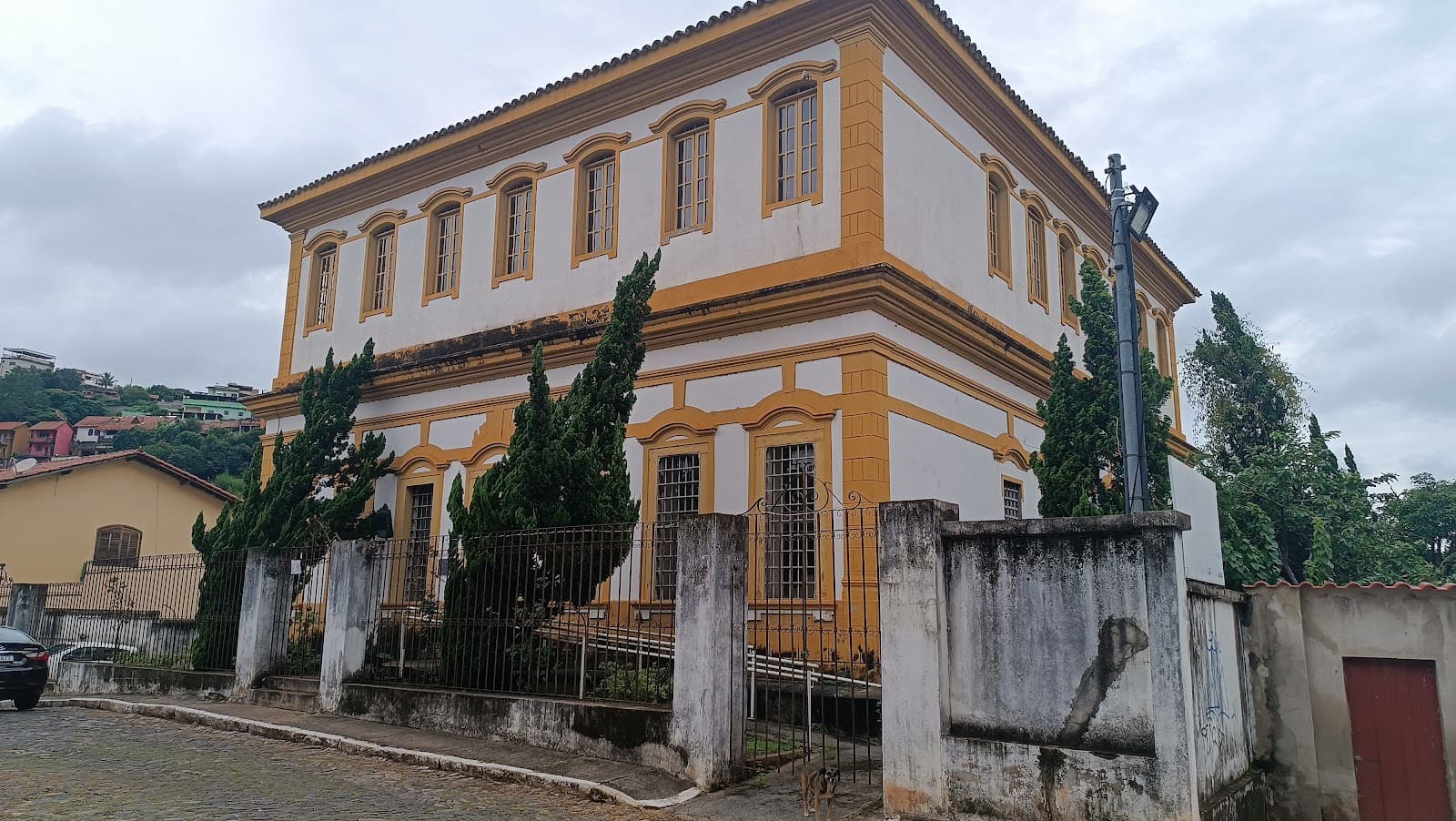
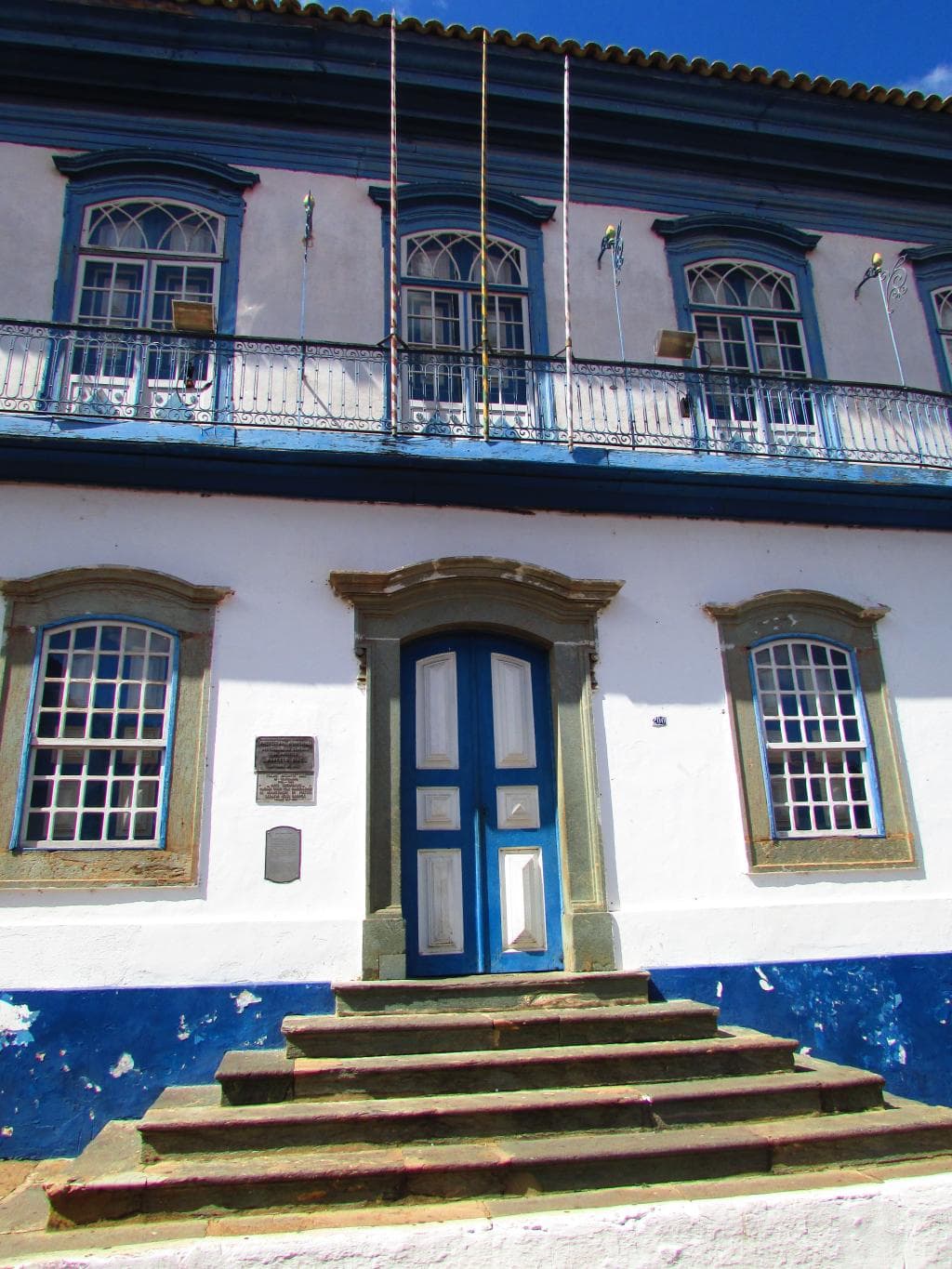
The architecture is stunning! Get shots of the facade and any interior details you can.
🚶♀️ Wear Comfortable Shoes
You'll be doing a lot of walking around historical sites.

Highlights
Discover the most iconic attractions and experiences
Historic Town Hall & Jail
Experience the dual role of this colonial building, serving both administrative and correctional functions.
Gold Foundry History
Discover its past as a place where gold was processed, reflecting the region's economic history.

Architectural Significance
Admire the colonial-era architecture, a testament to Brazil's historical building techniques.
Plans like a pro.
Thinks like you
Planning Your Visit
Understand Its Multifaceted History
Check for Restoration Updates
Best Times
Insider Tips
from TikTok, Instagram & Reddit
📸 Capture Colonial Charm
The architecture is stunning! Get shots of the facade and any interior details you can.
🚶♀️ Wear Comfortable Shoes
You'll be doing a lot of walking around historical sites.
📚 Learn the History
Understanding its past as a town hall, jail, and foundry enriches the visit.
🧐 Check for Guided Tours
A guided tour can offer deeper insights into its history and significance.
Tips
from all over the internet
📸 Capture Colonial Charm
The architecture is stunning! Get shots of the facade and any interior details you can.
🚶♀️ Wear Comfortable Shoes
You'll be doing a lot of walking around historical sites.
📚 Learn the History
Understanding its past as a town hall, jail, and foundry enriches the visit.
🧐 Check for Guided Tours
A guided tour can offer deeper insights into its history and significance.
What Travellers Say
Reviews Summary
Visitors often praise the Casa da Câmara e Cadeia for its significant historical importance and architectural beauty, offering a tangible connection to Brazil's colonial past. While some find the exhibits informative, others note that accessibility can be an issue in these older structures, and information can sometimes be limited.
What People Like
What People Dislike
Frequently Asked Questions
🚇 🗺️ Getting There
Access varies by city. In Mariana, it's centrally located on Praça Minas Gerais.
Parking availability depends on the specific location. Central areas might have limited street parking or nearby paid lots. Research local options for the city you're visiting.
In larger historical cities like Ouro Preto or Mariana, it's often walkable from bus stops. For smaller towns, public transport might be less frequent.
🎫 🎫 Tickets & Entry
Hours can vary significantly by location and if the building is still in active municipal use. It's best to check the specific city's tourism website or contact them directly.
Entry is often free, especially if it's a functioning town hall or cultural center. However, some locations might charge a small fee for museum exhibits within the building.
Generally, advance booking isn't required for these historical sites, but it's always a good idea to check, especially if visiting during peak season or for special events.
Photography policies can differ. Some areas might allow photos, while others, especially if they contain sensitive exhibits, may prohibit them. Always look for signage.
🎫 🏛️ Onsite Experience
You can explore its historical rooms, learn about its past as a town hall, jail, and sometimes a gold foundry or slave quarters.
Accessibility can be a challenge in older buildings. Many have stairs and uneven floors. It's advisable to contact the specific location beforehand to inquire about accessibility features.
Yes, guided tours are often available and highly recommended to understand the rich history and significance of the building.
A visit typically takes 1-2 hours, depending on your interest in history and the size of the exhibits. Allow extra time if you're exploring the surrounding historical area.
It was a central hub for colonial administration, justice, and often served as a prison. Some locations also played roles in significant historical events, like independence movements.
📸 📸 Photography
The exterior architecture, especially its facade and any prominent doorways or windows, is a great subject. Look for interesting architectural details and historical markers.
Photography rules vary. Some interiors might be restricted, especially if there are delicate artifacts. Always check for signage or ask staff.
Architectural photography, historical documentation, and capturing the ambiance of colonial Brazil are ideal. Consider the time of day for optimal lighting.
For Different Travelers
Tailored advice for your travel style
👨👩👧 Families with Kids
🏛️ History Buffs
+1 Seek out any available documentation or guided tours that offer in-depth historical context. The architectural details and any preserved artifacts will provide further layers of historical insight.📸 Photographers
Consider visiting during the 'golden hour' for softer light that enhances the textures and colors of the old stone and plaster. While interior photography might be restricted, the exterior and any accessible courtyards provide ample subjects for capturing the essence of Brazil's historical towns.Deep Dives
In-depth insights and expert knowledge
A Building of Many Roles
Beyond these primary roles, many Casa da Câmara e Cadeia structures had additional uses reflecting the economic and social realities of the time. Some, like the one in Mariana, also functioned as gold foundries, processing the precious metal that fueled the colonial economy.
+1 Others, tragically, served as senzalas (slave quarters), highlighting the dark undercurrent of slavery that was integral to Brazil's history. Understanding these varied functions is key to appreciating the building's significance.Today, many of these historical buildings have been preserved and repurposed. They often serve as municipal halls, continuing their administrative legacy, or have been transformed into cultural centers or museums, offering visitors a tangible connection to Brazil's past. The architectural styles themselves are also noteworthy, showcasing the colonial building techniques and aesthetics of the era.
+1Architectural Heritage and Preservation
Many of these structures have undergone extensive restoration efforts to preserve their historical integrity. These projects are crucial for maintaining the architectural heritage and ensuring that future generations can learn from these sites. For instance, the Casa de Câmera e Cadeia in Mariana has seen significant restoration work, often funded by heritage preservation programs.
These efforts aim to maintain the original character while ensuring structural stability and safety.When visiting, pay attention to the details: the thick walls, the arched windows, the sturdy wooden doors, and any decorative elements. These features tell a story of the craftsmanship and materials available at the time. The preservation of these buildings is not just about maintaining old structures; it's about safeguarding the physical evidence of Brazil's colonial past and its evolution into a modern nation.


Social
from TikTok, Instagram & Reddit