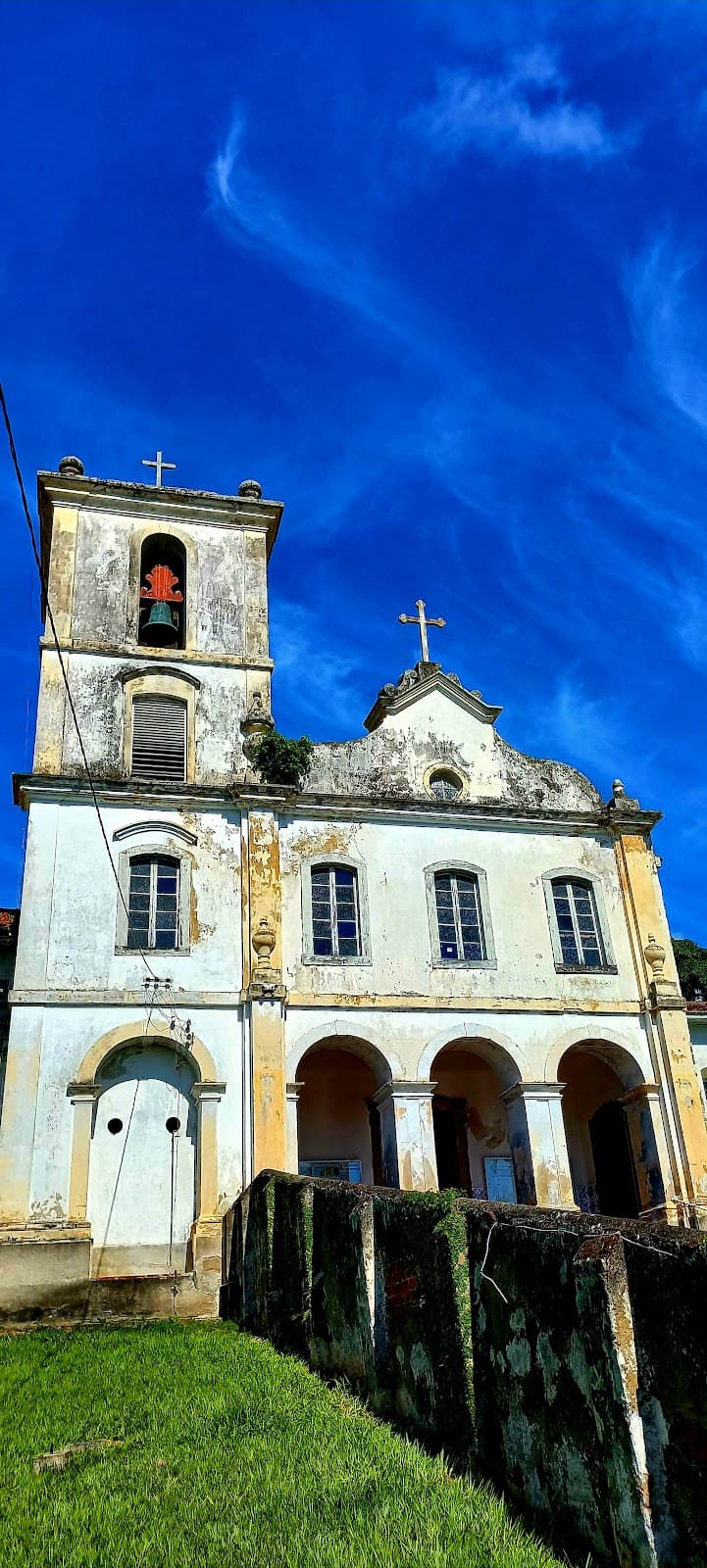
Convento Nossa Senhora do Amparo
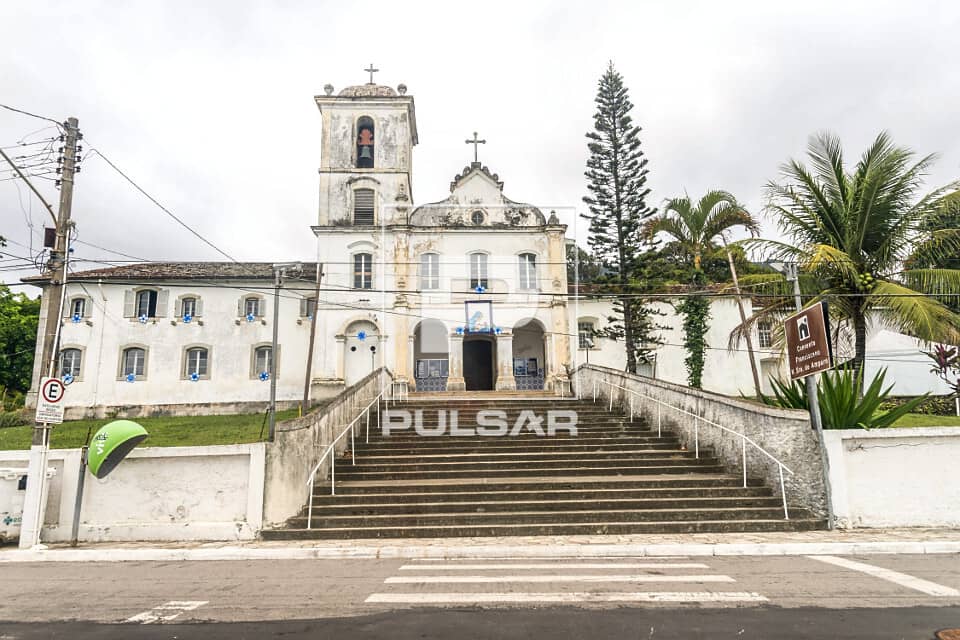
A 17th-century Franciscan convent in São Sebastião, boasting colonial architecture and historical artifacts.
Highlights
Must-see attractions

Social
From TikTok & Reddit
Best Time
Fewer crowds, peaceful atmosphere
Convento Nossa Senhora do Amparo
Best Time
Fewer crowds, peaceful atmosphere
Highlights
Must-see attractions
A 17th-century Franciscan convent in São Sebastião, boasting colonial architecture and historical artifacts.
"A place of immense historical value with beautiful architecture, though some feel it needs more care."
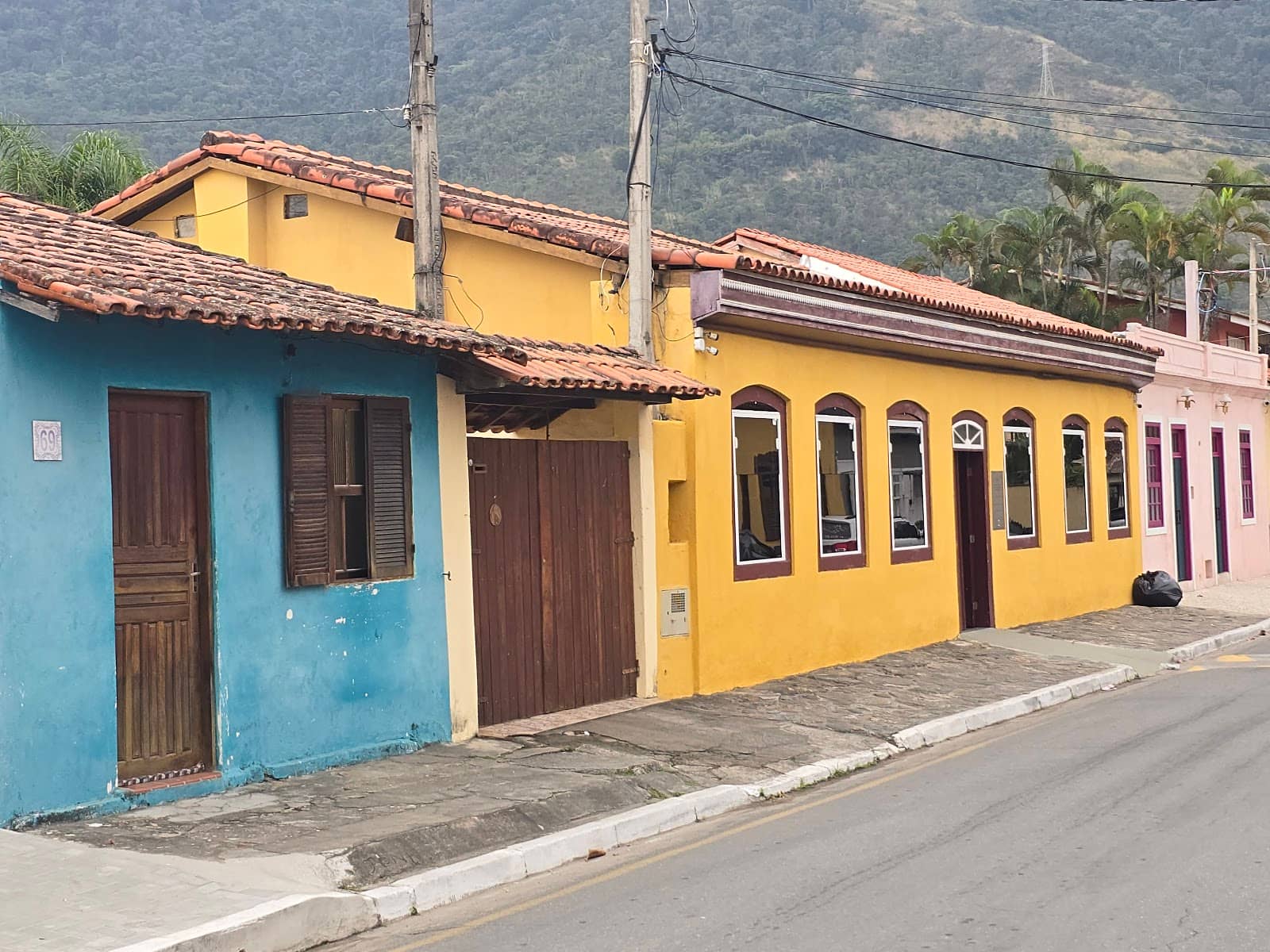
🚶♀️ Explore the São Francisco neighborhood
Wander through the charming São Francisco neighborhood, known for its traditional feel and fishing boats.
📸 Capture the architecture
The convent's original architecture is beautifully preserved. Visit during golden hour for stunning photos.
Quick Facts
Rating
4.9 · 7 reviews
Type
Place of Worship
Highlights
Discover the most iconic attractions and experiences
Convento Nossa Senhora do Amparo
São Francisco neighborhood, São Sebastião
A 17th-century Franciscan convent showcasing colonial architecture and rich history.
Preserved Wooden Sculptures
Inside the church
Admire nearly 400-year-old wooden sculptures, remarkably preserved within the church.
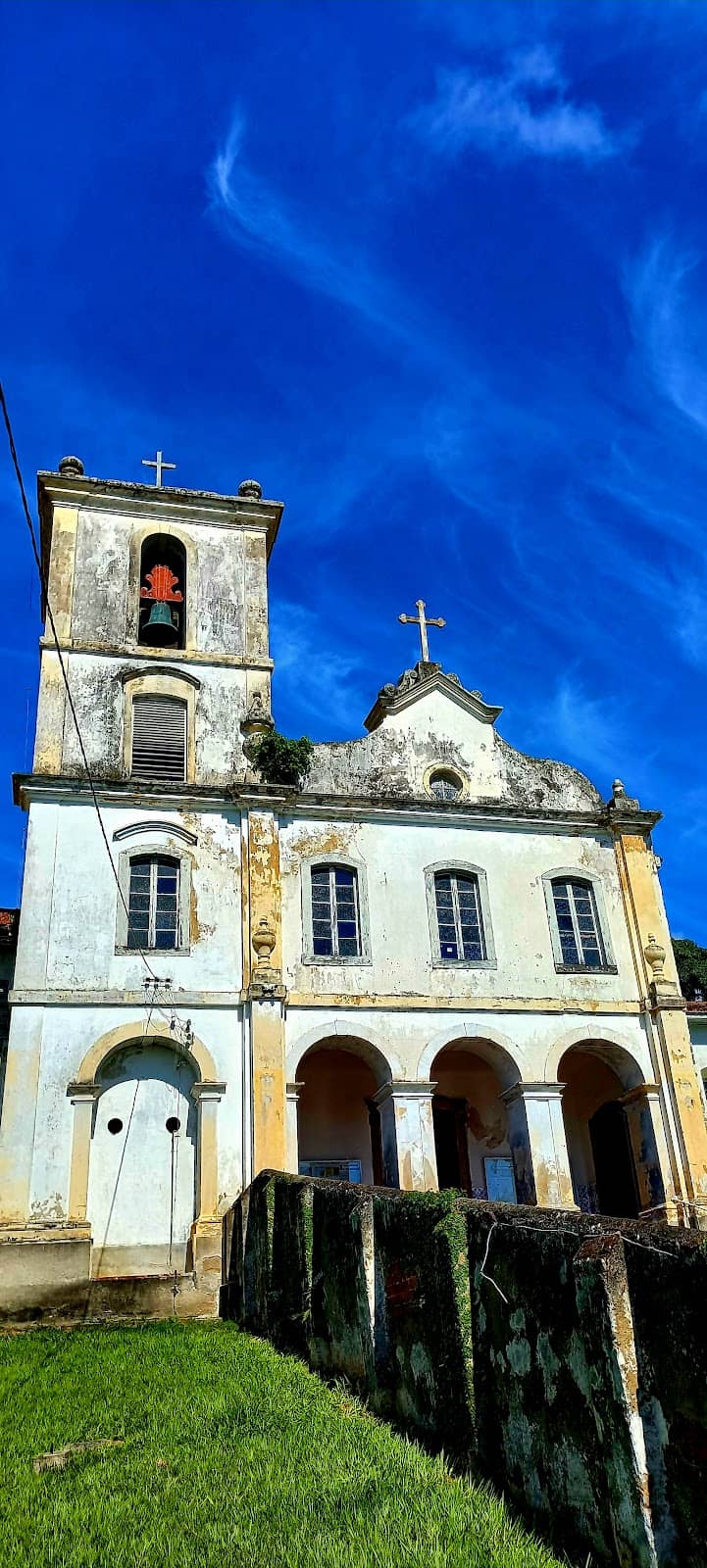
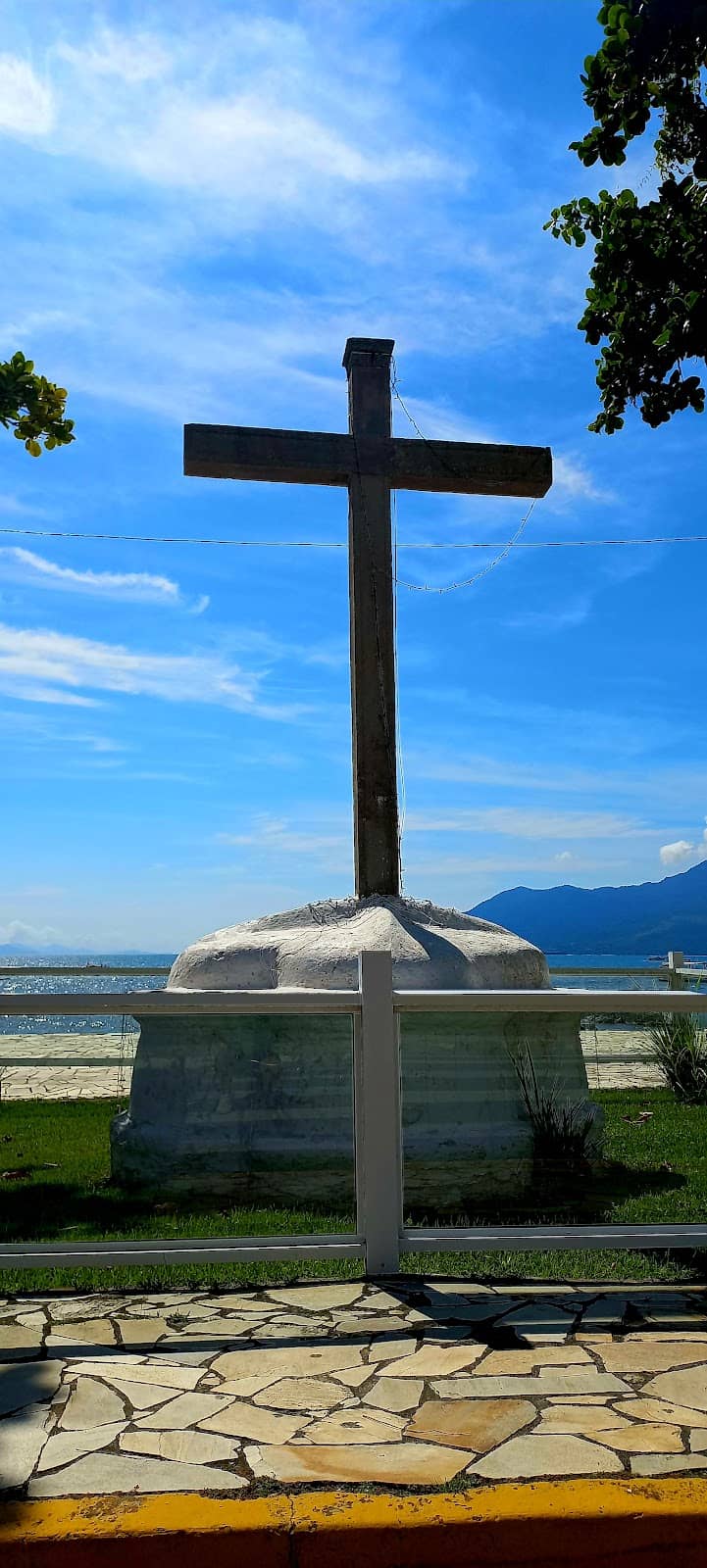
Franciscan Cruceiro
In front of the convent
A traditional Franciscan cruceiro, a common feature in their historical settlements.
Plans like a pro.
Thinks like you
Planning Your Visit
Timing Your Visit for Tranquility
Understanding Its Historical Significance
Best Times
Insider Tips
from TikTok, Instagram & Reddit
🚶♀️ Explore the São Francisco neighborhood
Wander through the charming São Francisco neighborhood, known for its traditional feel and fishing boats.
📸 Capture the architecture
The convent's original architecture is beautifully preserved. Visit during golden hour for stunning photos. 
🙏 Attend a religious festival
Check for local festivals like the Festa de Nossa Senhora do Amparo for a vibrant cultural experience.
🧐 Look for historical details
Pay attention to the intricate details, like the ancient wooden sculptures inside the church.
Tips
from all over the internet
🚶♀️ Explore the São Francisco neighborhood
Wander through the charming São Francisco neighborhood, known for its traditional feel and fishing boats.
📸 Capture the architecture
The convent's original architecture is beautifully preserved. Visit during golden hour for stunning photos.
🙏 Attend a religious festival
Check for local festivals like the Festa de Nossa Senhora do Amparo for a vibrant cultural experience.
🧐 Look for historical details
Pay attention to the intricate details, like the ancient wooden sculptures inside the church.
What Travellers Say
Reviews Summary
Visitors praise the Convento Nossa Senhora do Amparo for its magnificent location and historical significance, highlighting the preserved wooden sculptures and original architecture. However, some recent visitors have noted a concerning lack of maintenance, describing the site as appearing neglected, which detracts from its potential appeal.
"O Convento Franciscano de Nossa Senhora do Amparo está localizado numa magnífica posição, em meio a um paisagem que encanta os visitantes.
As obras foram iniciadas em 1664 pelos franciscanos que vieram ajudar a colonizar o Brasil.
A construção feita com ajuda de escravos levou 4 anos para erguer o conjunto composto pela igreja e o convento.
Foi construído com taipa de pilão e também com pedras e alvenaria de tijolos.
No frontispício da igreja já existia uma pequena capela.
Ao adentrar na igreja é possível observar belas e intocadas imagens esculpidas em madeira com quase 400 anos de idade.
Houve uma restauração parcial em 1932, e apesar de ter sido modificado internamente, externamente foi preservada a belíssima arquitetura original.
O Cruzeiro defronte ao convento era comum na implantação Franciscana.
Em meados de 1668, quase ao término da obra foi celebrada a primeira missa e festa do convento.
Vale muito a pena conhecer esse lugar ímpar, inesquecível e cheio de histórias e lendas."
Geraldo Baltieri
"Cidade linda, com lindas paisagens, Natureza preservada. Com locais ótimo para pescarias."
Orfeo Artur
"Depois de 14 anos voltei nesse local, muito descaso com o local, parece que está abandonado"
romario martins
What People Like
What People Dislike
Frequently Asked Questions
🚇 🗺️ Getting There
The convent is located in the São Francisco neighborhood of São Sebastião, SP. You can reach it by car or local bus services. Parking might be limited in the immediate vicinity, so consider arriving a bit early.
The neighborhood is generally accessible, with charming streets. While the convent itself is historical, its grounds are usually navigable.
Walking is a great way to experience the São Francisco neighborhood, allowing you to see the traditional houses and fishing boats.
🎫 🎫 Tickets & Entry
Entry to the convent and church is generally free, as it's a historical and religious site. However, donations are often appreciated to help with preservation.
Specific opening hours can vary, especially for the church services. It's advisable to check locally or look for information closer to your visit, as it's an active religious site.
Typically, there is no entrance fee for the church itself, but it's an active place of worship. Respectful attire is recommended.
Information about accessing the archaeological site can be limited. Inquire locally upon arrival for any available tours or viewing opportunities.
📸 📸 Photography
The exterior architecture, especially during golden hour, offers great photo opportunities. The church interior, with its preserved sculptures, is also a key subject.
While general photography is usually allowed, it's always best to be discreet and respectful, especially during services. Avoid flash photography if it might disturb worshippers.
Expect to capture colonial architecture, religious artifacts, and the charming coastal atmosphere of the São Francisco neighborhood.
🎫 🏛️ History & Culture
Founded in 1664 by Franciscans, it's one of the most significant historical buildings on the northern coast of São Paulo, built with stone, lime, and slave labor.
It represents Brazil's colonial past and Franciscan heritage, featuring original architecture and well-preserved religious art.
The convent is described as being full of stories and legends, adding to its mystique and historical appeal.
It's a traditional neighborhood known for its fishing heritage, with caiçara boats often seen reflecting the area's history.
You may also like
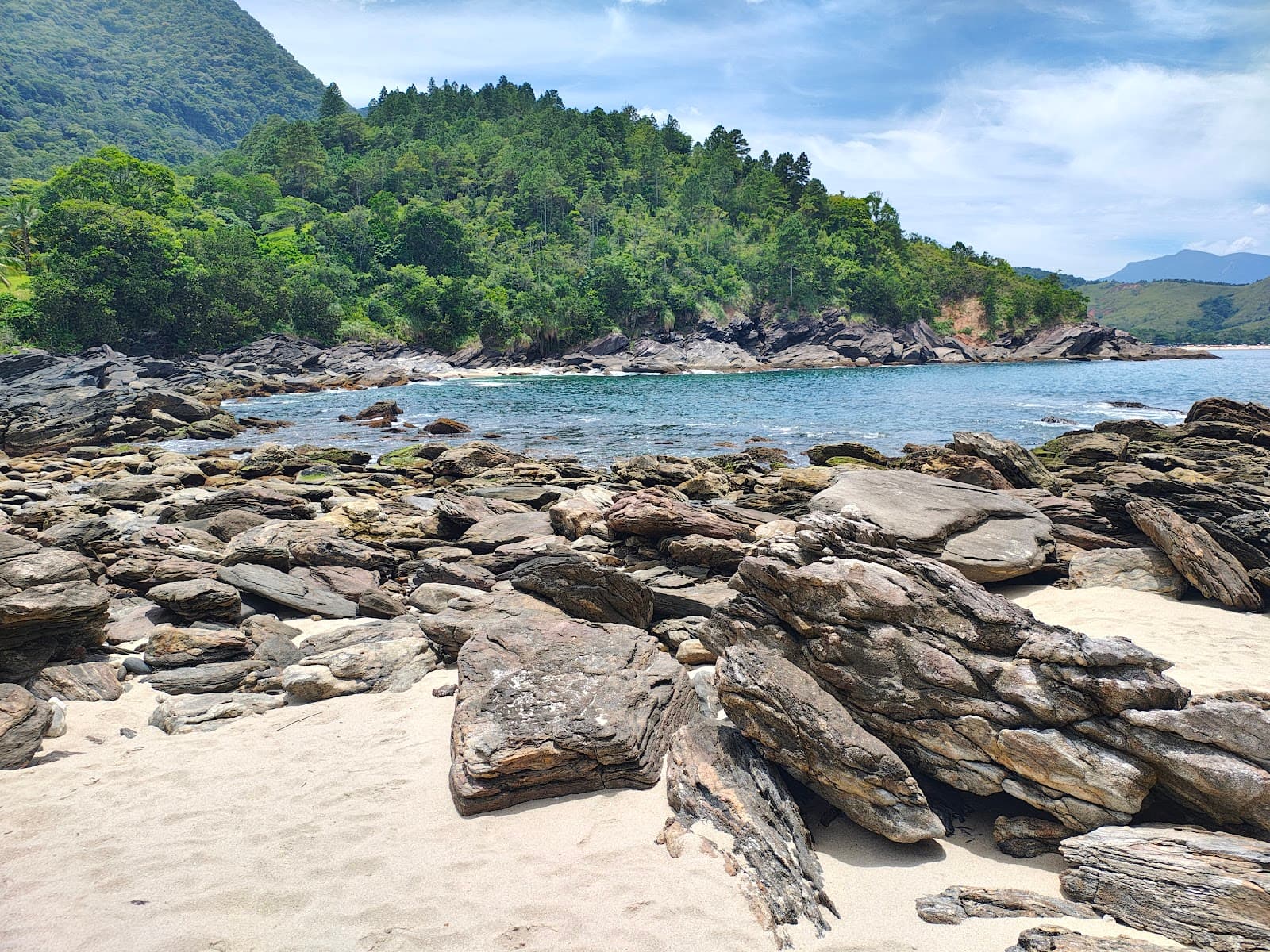
Praia de Calhetas
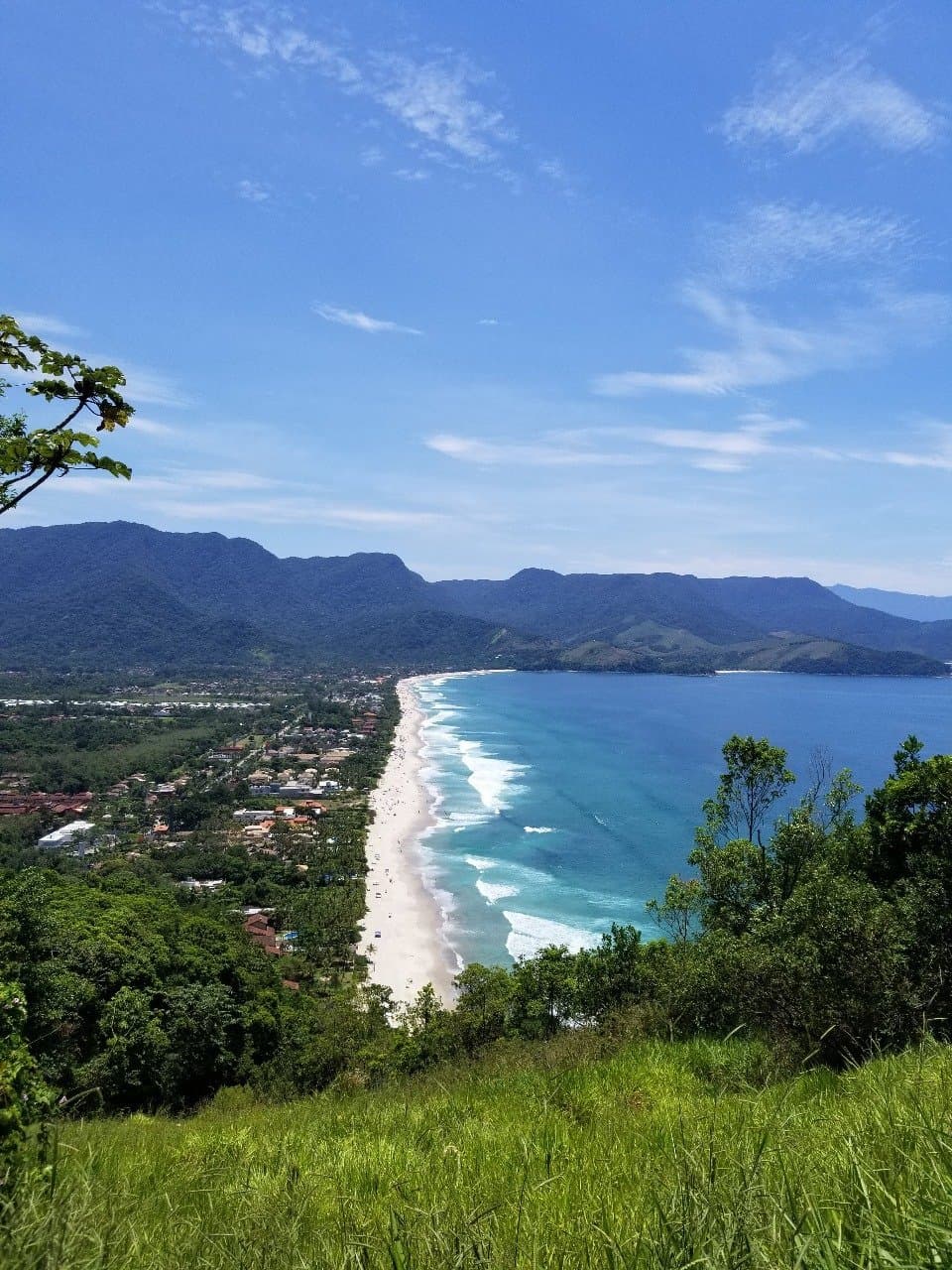
Mirante de Maresias São Sebastião

Terminal da Balsa São Sebastião Ilhabela
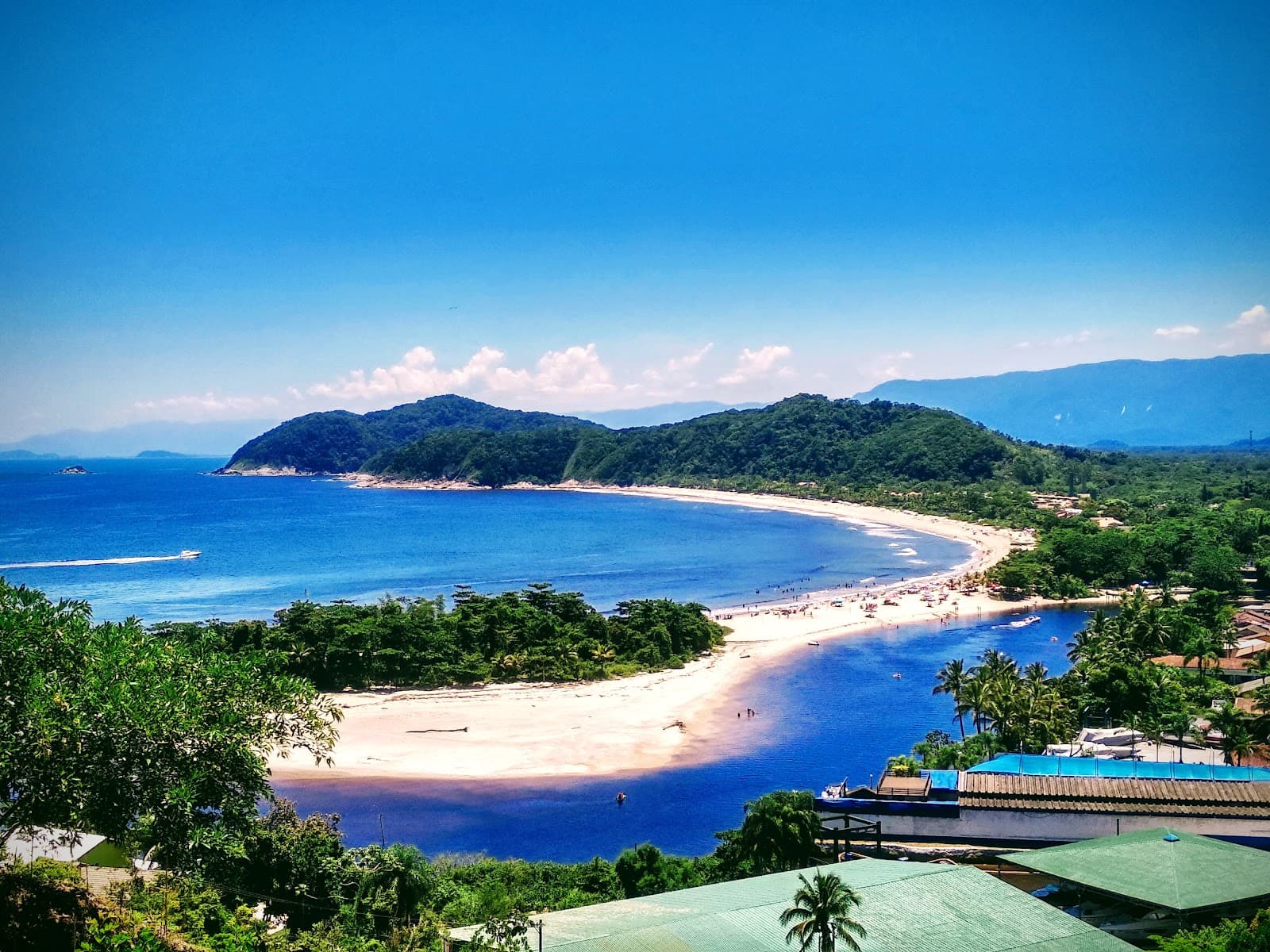
Mirante de Juquehy
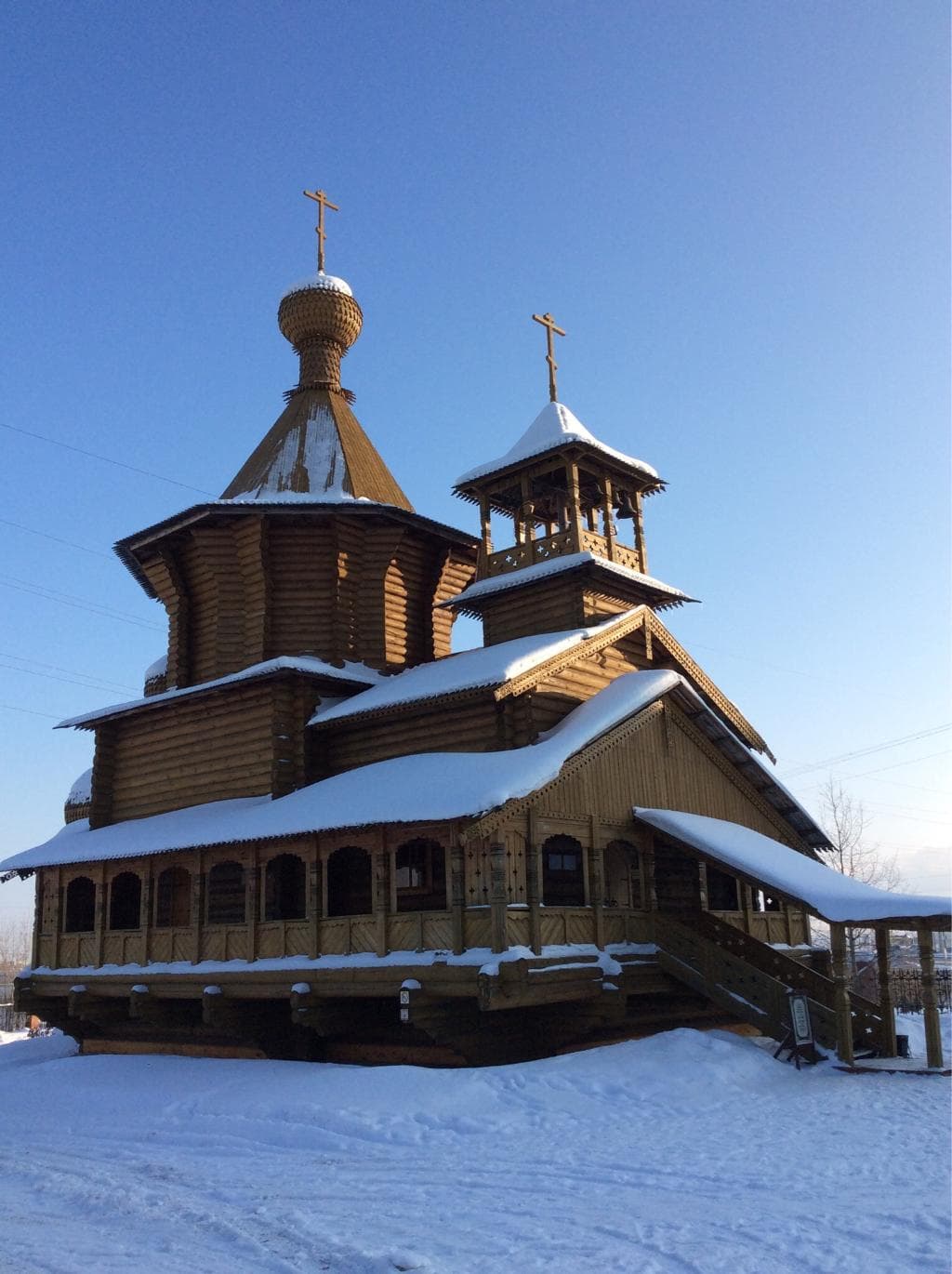
Centro Histórico São Sebastião

Praia de São Francisco
Praia de Calhetas
Mirante de Maresias São Sebastião
Terminal da Balsa São Sebastião Ilhabela
Mirante de Juquehy
Centro Histórico São Sebastião
Praia de São Francisco
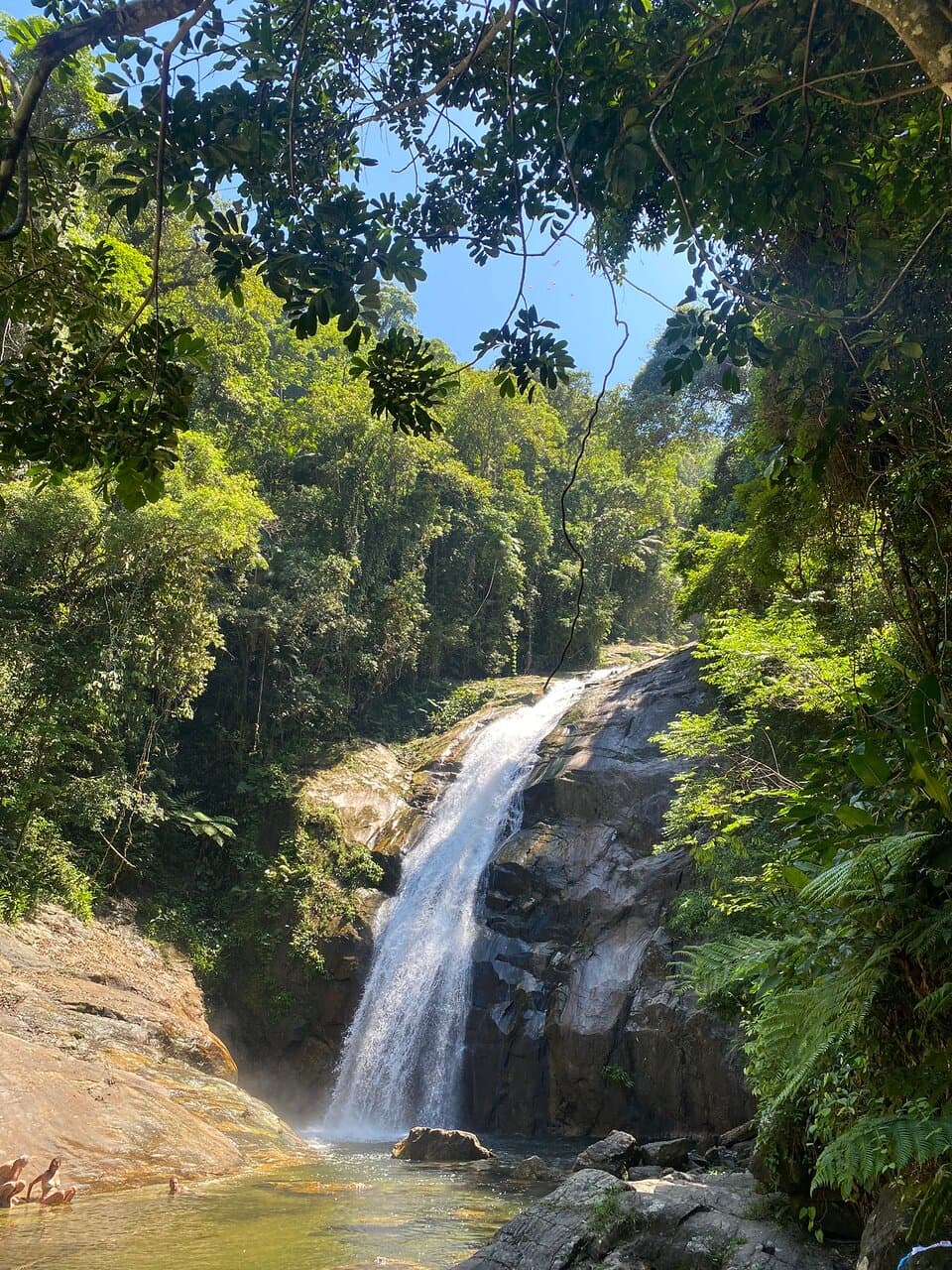
Cachoeira da Pedra Lisa Boiçucanga

Igreja Matriz de São Sebastião
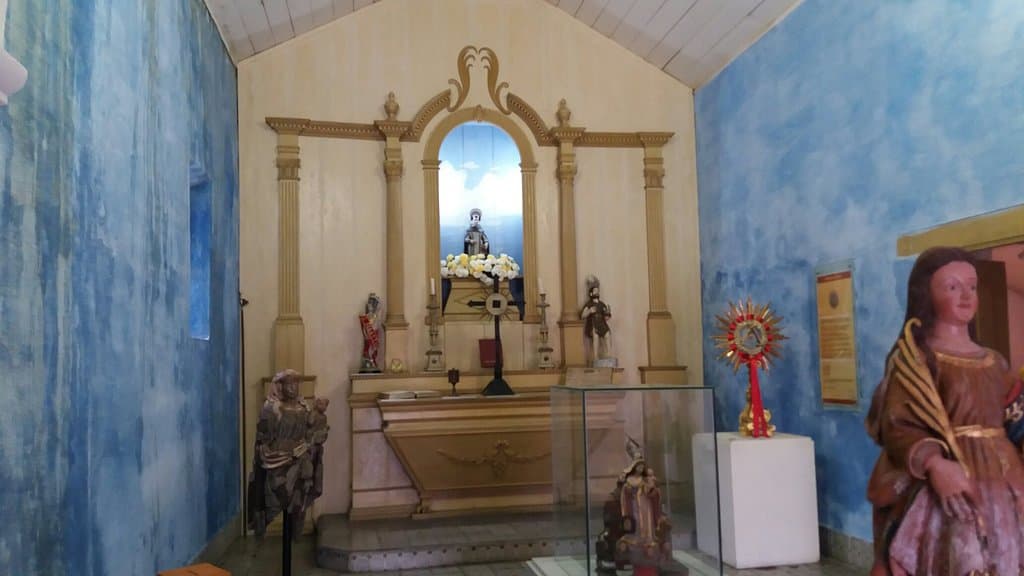
Sacred Art Museum São Sebastião

Porto de São Sebastião
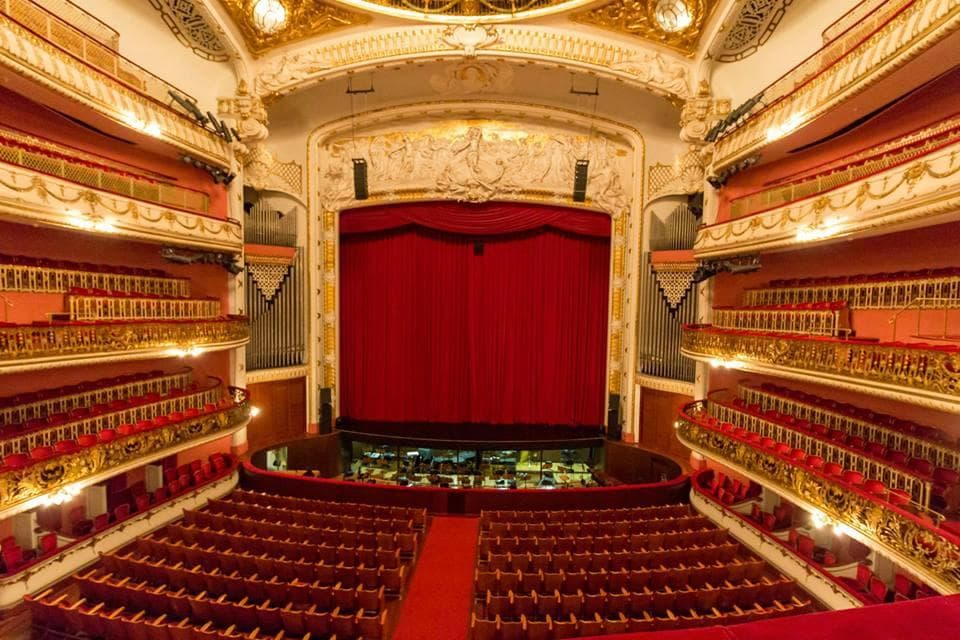
Teatro Municipal de São Sebastião
Social
from TikTok, Instagram & Reddit