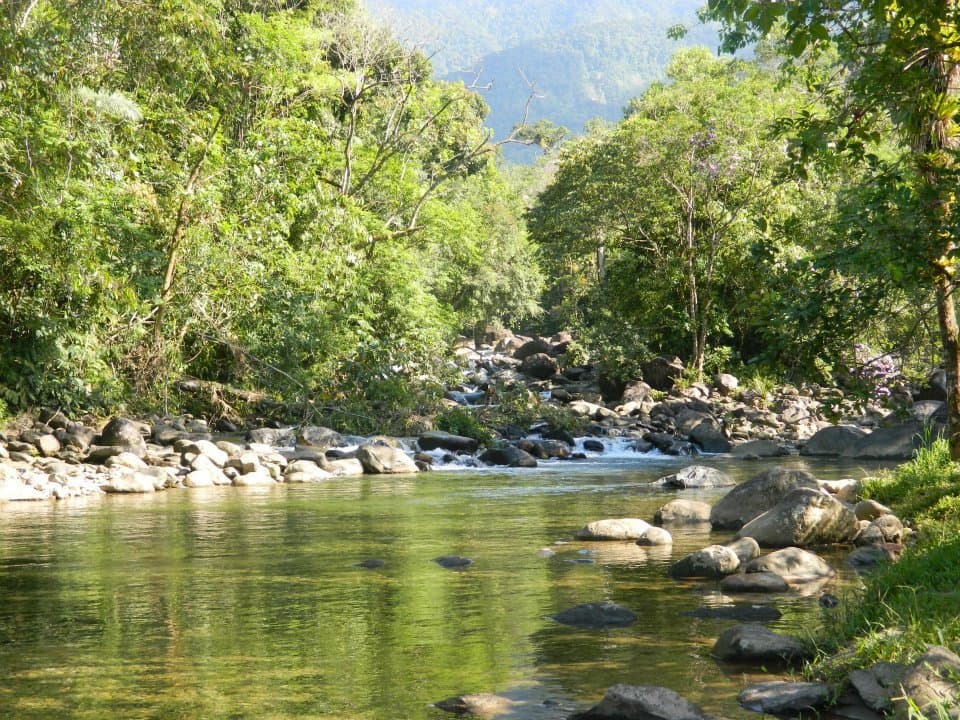
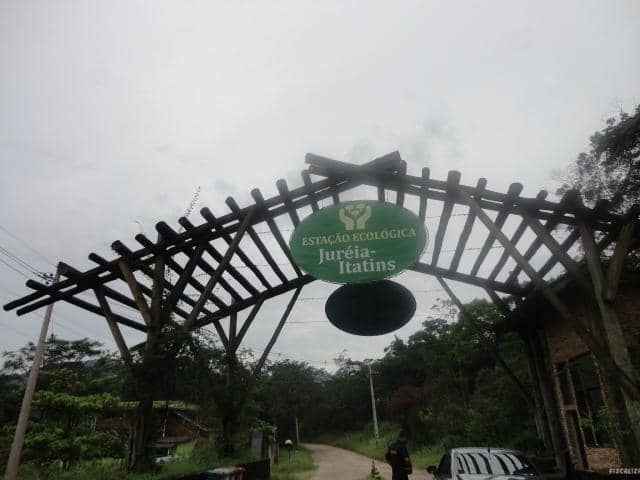
Estação Ecológica Juréia-Itatins
A vast, protected haven of pristine beaches, mangroves, and Atlantic rainforest, offering unparalleled natural beauty and tranquility.
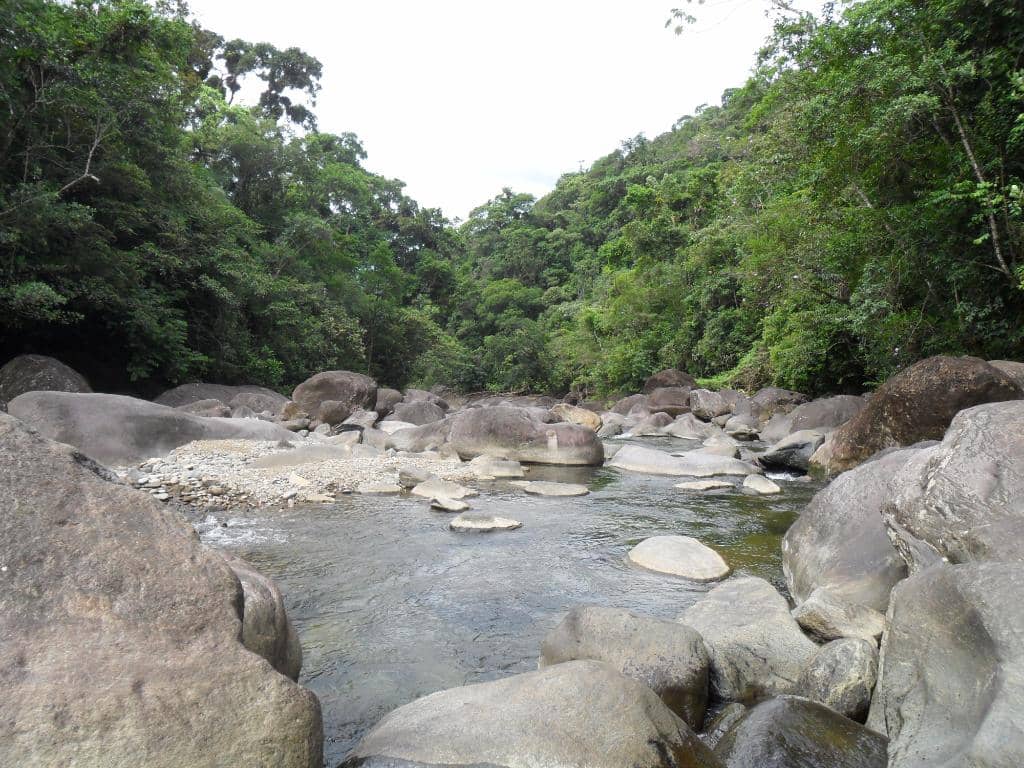
Highlights
Must-see attractions

Social
From TikTok & Reddit
Best Time
Pleasant weather for hiking
Estação Ecológica Juréia-Itatins
Best Time
Pleasant weather for hiking
Highlights
Must-see attractions
A vast, protected haven of pristine beaches, mangroves, and Atlantic rainforest, offering unparalleled natural beauty and tranquility.
"One of the most preserved areas of the Atlantic Forest, full of natural richness and incredible pure air."
Book Guided Tours
Essential for understanding the ecosystem & accessing remote areas.
Pack Insect Repellent
Mosquitoes and other insects are common, especially in humid areas.
Quick Facts
Hours
Rating
4.8 · 468 reviews
Type
Park
Highlights
Discover the most iconic attractions and experiences
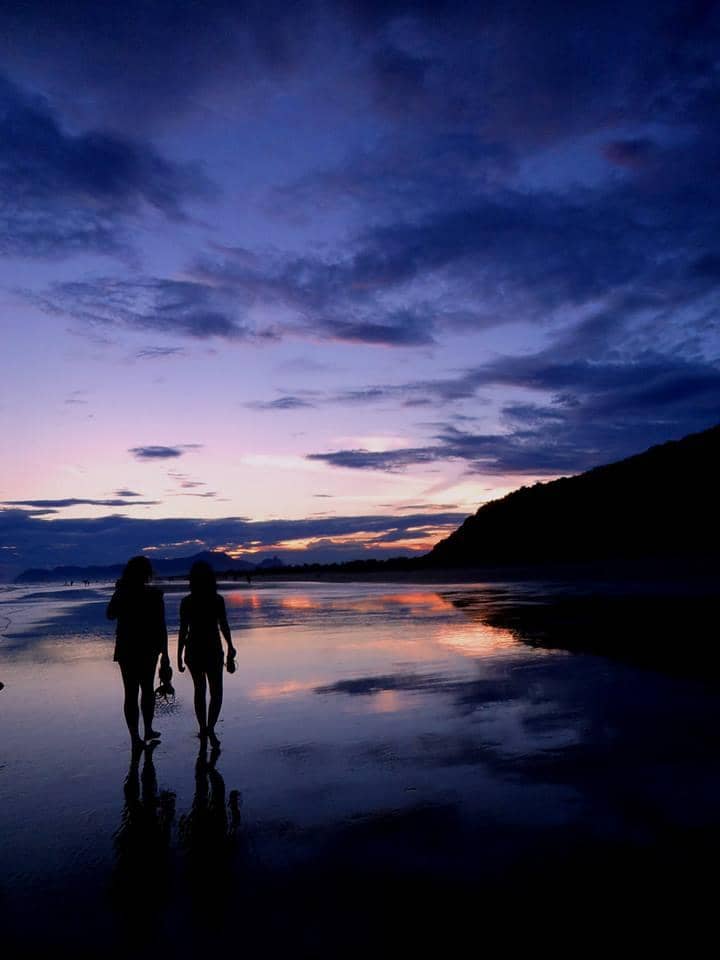
Pristine Beaches
Coastal areas
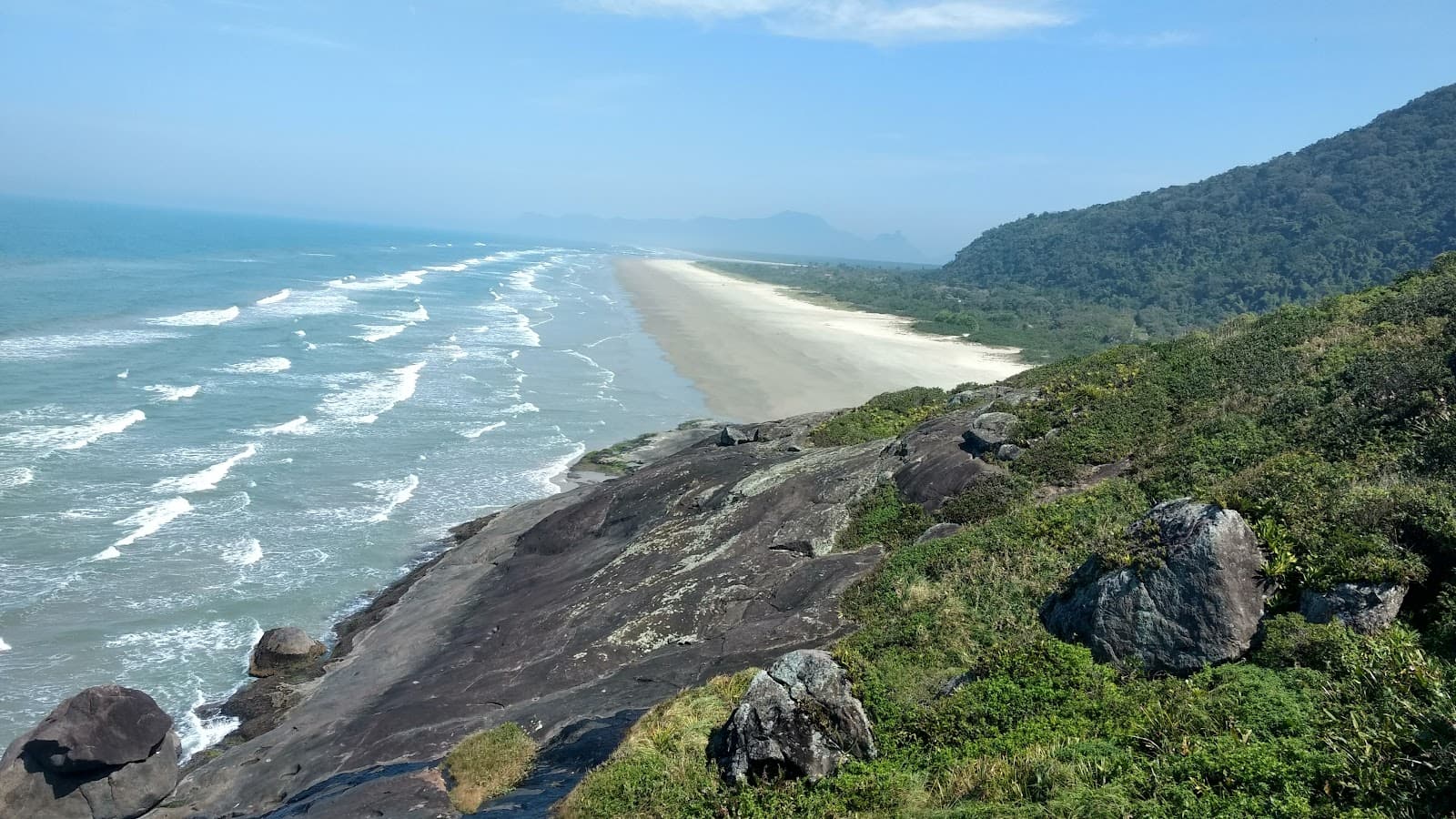
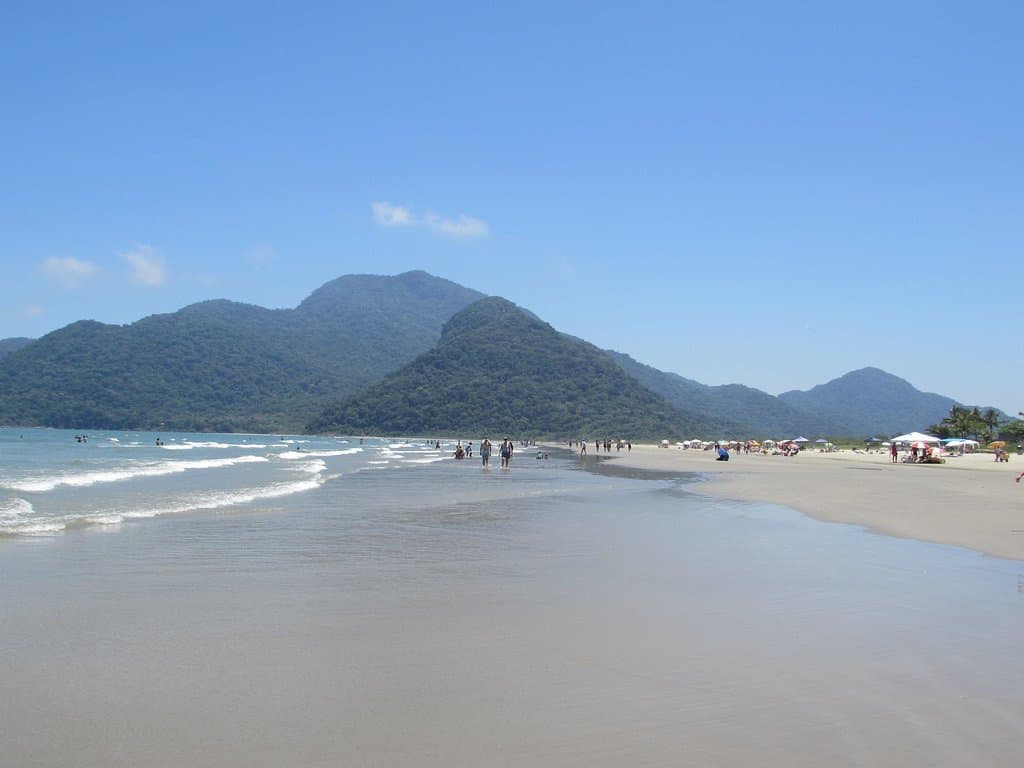
Miles of untouched sandy shores meet the Atlantic, offering tranquility and natural beauty.
Atlantic Rainforest Trails
Forest interior
Hike through lush Mata Atlântica, discovering diverse flora and fauna.
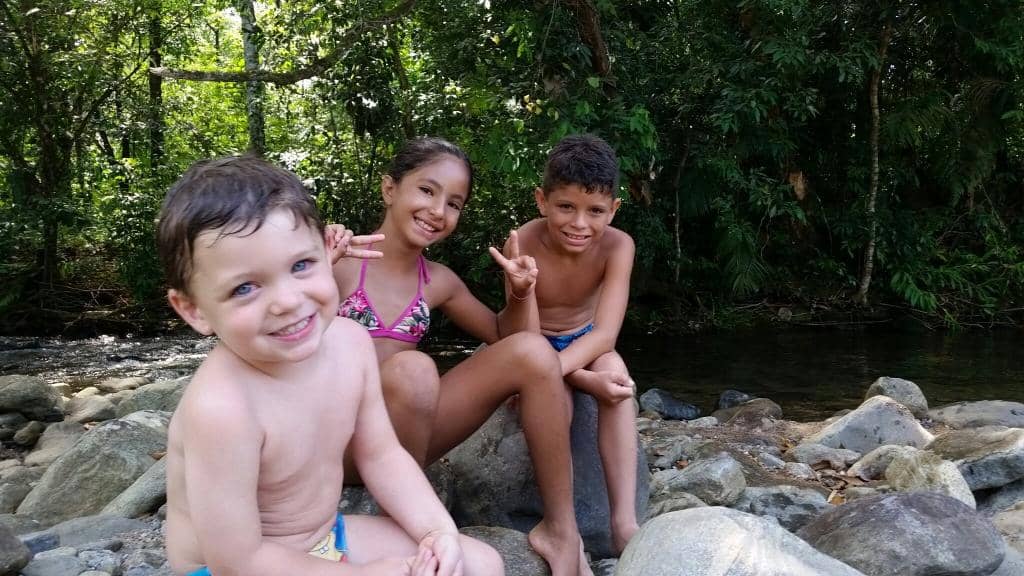
Cachoeira do Paraíso
Inland waterfalls
Discover hidden waterfalls like the 'Paradise Waterfall' for a refreshing dip.
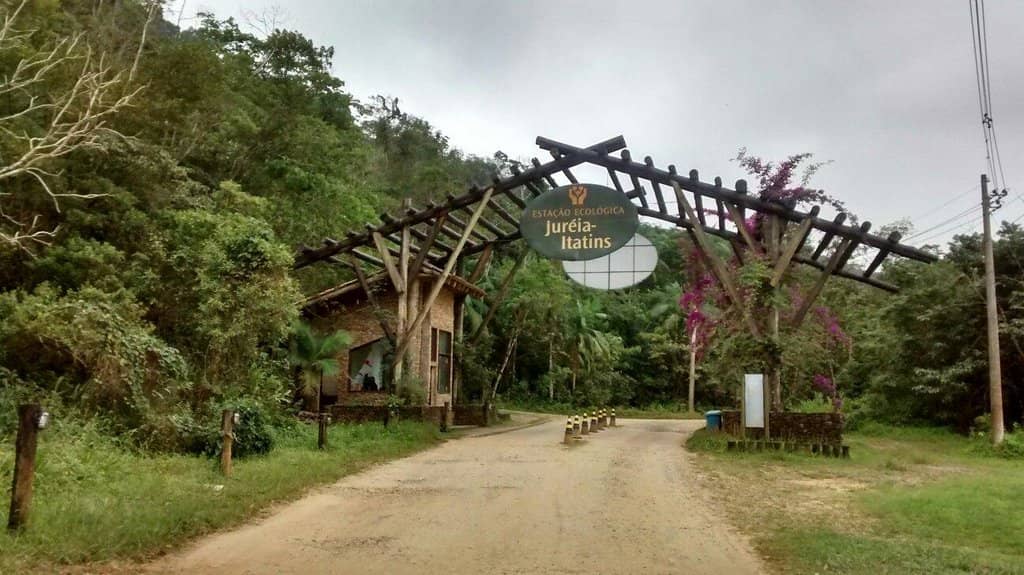
Mangrove Ecosystems
Coastal wetlands
Explore the vital mangrove areas, crucial for coastal biodiversity.
Plans like a pro.
Thinks like you
Planning Your Visit
Plan Your Juréia-Itatins Adventure

Embrace the Wild
Best Times
Insider Tips
from TikTok, Instagram & Reddit
Book Guided Tours
Essential for understanding the ecosystem & accessing remote areas.
Pack Insect Repellent
Mosquitoes and other insects are common, especially in humid areas.
Wear Sturdy Footwear
Trails can be uneven and muddy; good hiking boots are a must.
Bring Water & Snacks
Limited facilities inside the park; stay hydrated and fueled.
Tips
from all over the internet
Book Guided Tours
Essential for understanding the ecosystem & accessing remote areas.
Pack Insect Repellent
Mosquitoes and other insects are common, especially in humid areas.
Wear Sturdy Footwear
Trails can be uneven and muddy; good hiking boots are a must.
Bring Water & Snacks
Limited facilities inside the park; stay hydrated and fueled.
Check Access Rules
Some areas may have restricted access; confirm with local authorities.
What Travellers Say
Reviews Summary
Visitors rave about the incredible natural beauty and preserved state of Juréia-Itatins, highlighting its pristine beaches and lush Atlantic rainforest. The tranquility and opportunity to disconnect are major draws. However, some find the limited infrastructure and need for guided tours to be a challenge.
"Show"
Hudson Marques
"Top"
Nilson Felyx
"Show"
Fabio Aoki
What People Like
What People Dislike
Frequently Asked Questions
🚇 🗺️ Getting There
The most common access point is via Peruíbe, SP. From there, you can arrange transportation, often with local guides or tour operators who know the best routes into the ecological station.
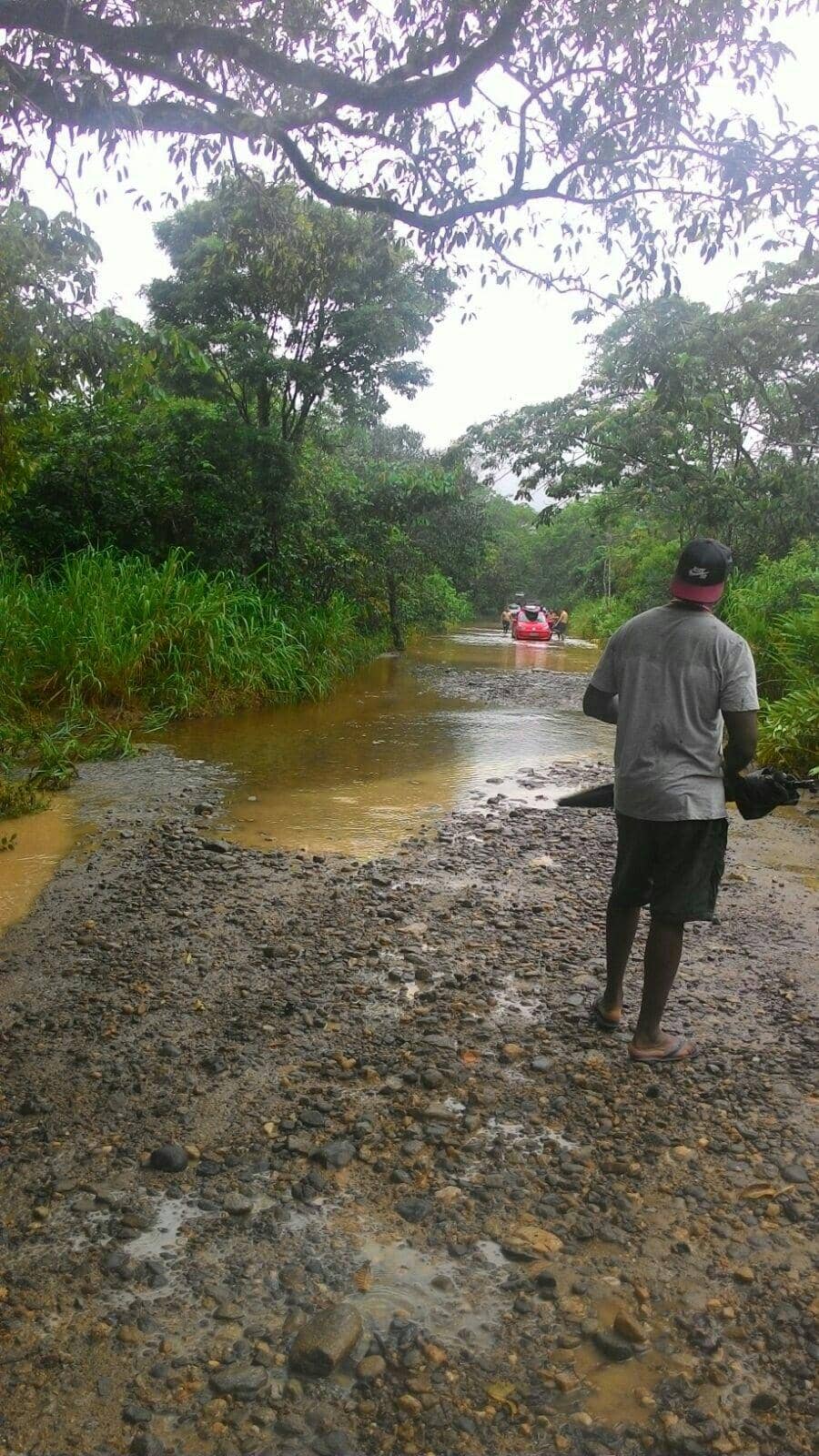
Direct driving access can be limited and may require special permits or specific vehicle types. It's highly recommended to use local guides who can arrange appropriate transport or meet you at designated points.
From São Paulo, you can drive to Peruíbe (approx. 2-3 hours). Alternatively, buses run regularly from São Paulo's bus terminals to Peruíbe. Once in Peruíbe, arrange your onward journey into the station.
Public transport is virtually non-existent within the ecological station. Travel is typically done on foot via trails or with guided vehicles.
The travel time to Peruíbe from São Paulo is around 2-3 hours by car. The journey into the ecological station itself can vary greatly depending on the specific destination within the park and the mode of transport, often taking an additional hour or more.
🎫 🎫 Tickets & Entry
Entry to the ecological station is generally free, as it's a protected area. However, some specific attractions or guided tours within the station might have associated fees. It's always best to check with local tour operators.
As a protected ecological station, there aren't strict 'opening hours' in the traditional sense. However, access is typically best during daylight hours for safety and enjoyment of the natural environment.
While some areas might be accessible independently, it is highly recommended to visit with a local guide. They provide invaluable knowledge about the ecosystem, ensure safety, and can help navigate the terrain.
For general visitation, permits are usually not required. However, for specific research activities or longer stays, permits might be necessary. It's advisable to confirm with ICMBio (Chico Mendes Institute for Biodiversity Conservation) or local authorities if you plan extensive exploration.
Camping regulations can vary. While some areas might allow it with proper authorization, it's not a widespread practice. It's best to inquire about designated camping spots or nearby eco-lodges.
🎫 🧭 Onsite Experience
Activities include hiking through the Atlantic rainforest, exploring pristine beaches, birdwatching, visiting waterfalls like Cachoeira do Paraíso, and learning about the local ecosystem.
Yes, there are marked trails, but their condition can vary. Guides are essential for navigating less-marked paths and ensuring you don't get lost.
The station is home to diverse wildlife, including various bird species, monkeys, and other mammals. The rich biodiversity of the Atlantic Forest is a major draw.
Yes, it can be a wonderful experience for families interested in nature. However, younger children might find longer hikes challenging. Opt for shorter trails and guided tours suitable for all ages.
Facilities are very limited. Expect basic infrastructure. It's crucial to bring all your necessities, including food, water, and any personal items.
🍽️ 🍽️ Food & Dining
Dining options within the ecological station are scarce. You'll find more choices in nearby towns like Peruíbe or Iguape, or at eco-lodges and pousadas that offer meals.
Generally, no. The focus is on conservation, so commercial establishments are minimal. It's best to pack your own food and snacks for day trips.
Expect fresh seafood, regional Brazilian dishes, and local produce. Many pousadas offer home-style cooking.
Absolutely! Bringing your own food and drinks is highly recommended, especially for longer excursions within the station.
Options might be limited, especially in more remote areas. It's best to inquire with your accommodation or pack accordingly if you have specific dietary needs.
📸 📸 Photography
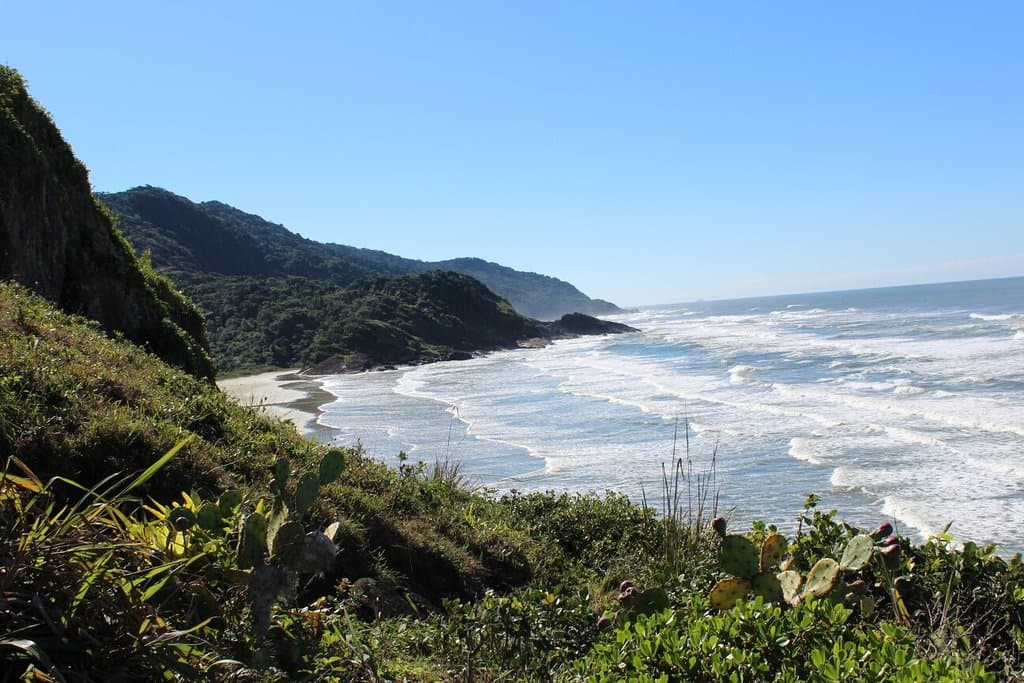
The diverse landscapes offer endless photo opportunities: pristine beaches, lush rainforests, waterfalls, and unique flora and fauna. Dedo de Deus is a notable landmark.
Early morning and late afternoon offer the best light for landscape photography, minimizing harsh shadows and capturing golden hues.
A good zoom lens for wildlife, a wide-angle lens for landscapes, and a sturdy tripod can enhance your photography. Waterproof gear is also advisable due to potential rain and humidity.
Drone usage in protected areas like ecological stations can be restricted. It's crucial to check local regulations and obtain any necessary permits before flying a drone.
Look for the 'Sempre Viva' flowers, diverse bird species, the unique coastal vegetation, and the dramatic interplay of light and shadow in the rainforest.


Social
from TikTok, Instagram & Reddit