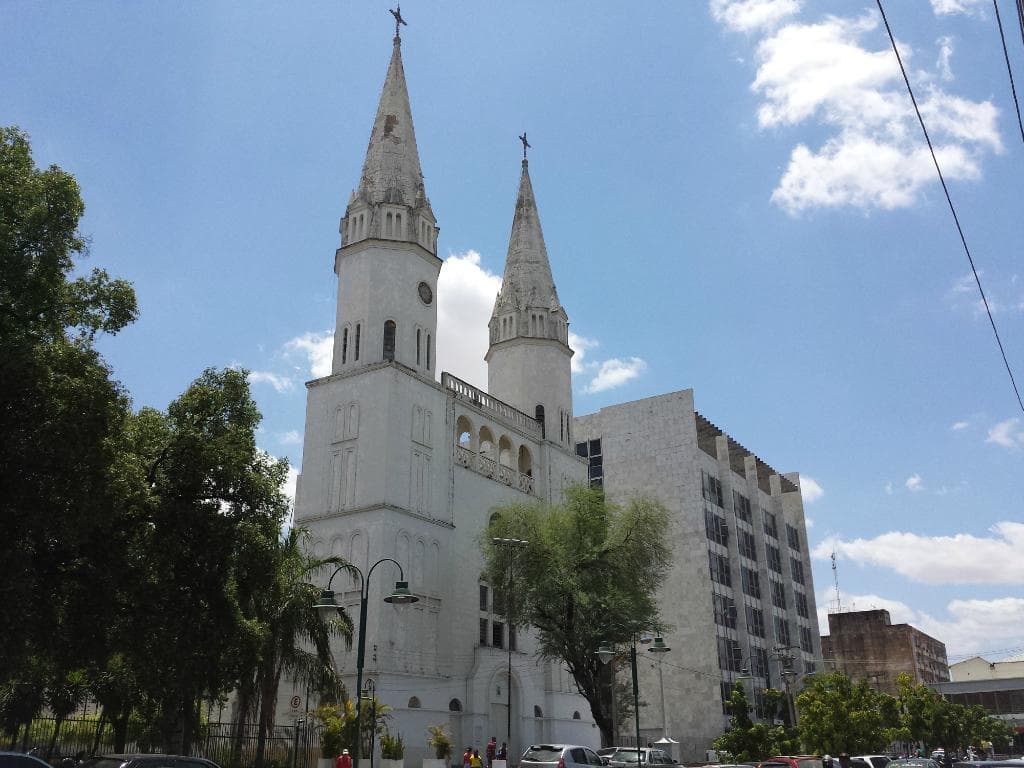
Igreja de Nossa Senhora do Amparo
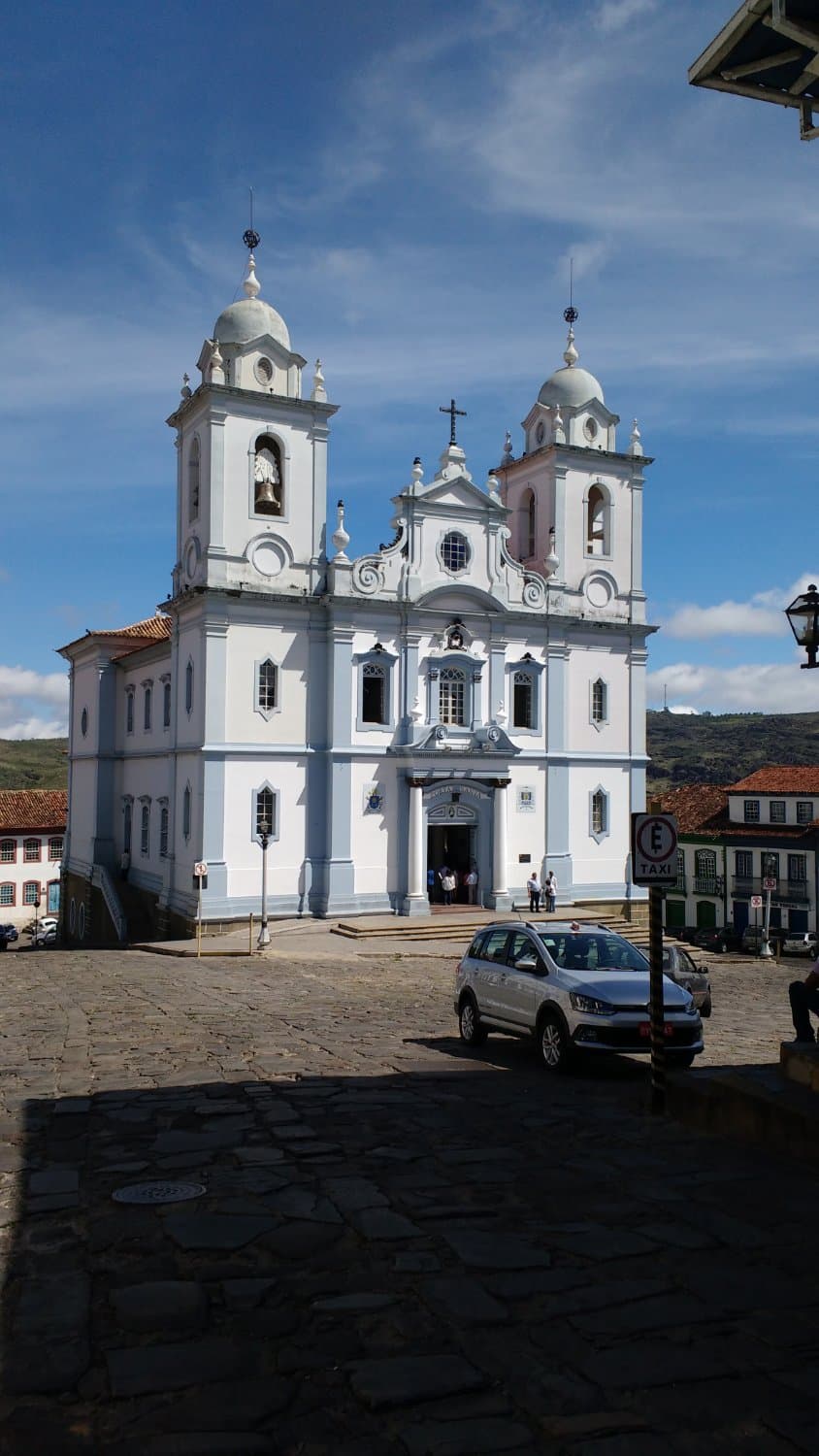
A historic colonial church, famed for its blue and white facade, Baroque altars, and role in traditional festivals.
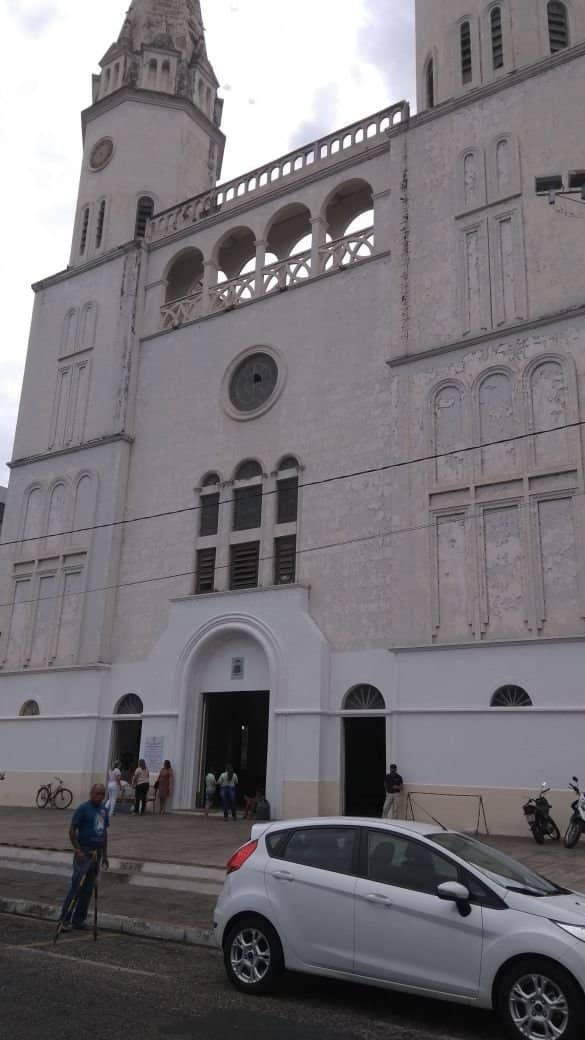
Highlights
Must-see attractions

Social
From TikTok & Reddit
Best Time
Fewer crowds for peaceful visits
Igreja de Nossa Senhora do Amparo
Best Time
Fewer crowds for peaceful visits
Highlights
Must-see attractions
A historic colonial church, famed for its blue and white facade, Baroque altars, and role in traditional festivals.
"A beautiful example of colonial mineira architecture, a true historical lesson!"
Check Instagram for Hours
Opening times can be tricky. Look for city or church Instagram pages for weekly updates. :iphone:
Respect Interior Photography Rules
Photography inside may be restricted. Always ask permission before taking photos to respect the sacred space. :camerawithflash:
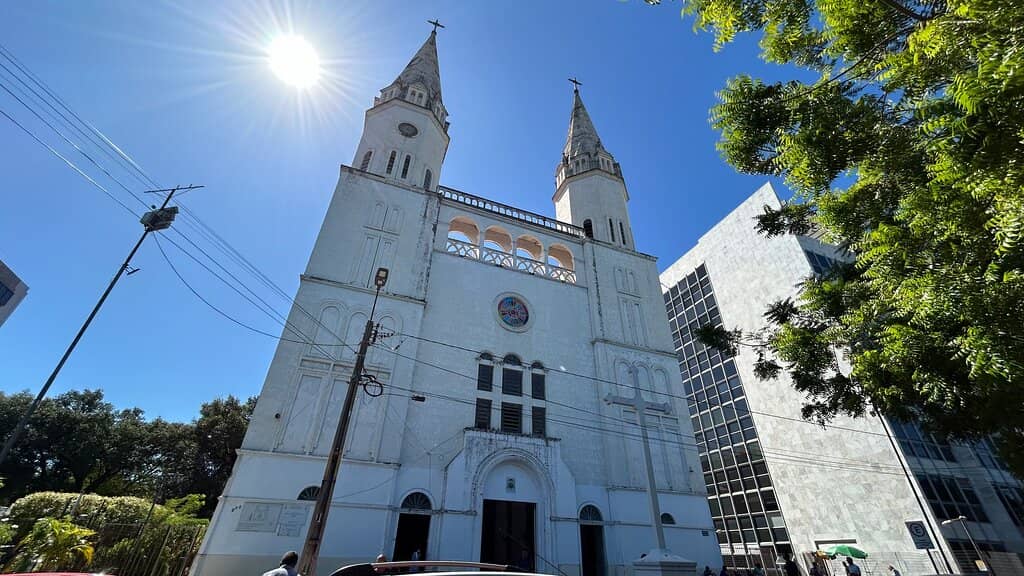
Highlights
Discover the most iconic attractions and experiences
Baroque-Rococo Altars
Diamantina, MG
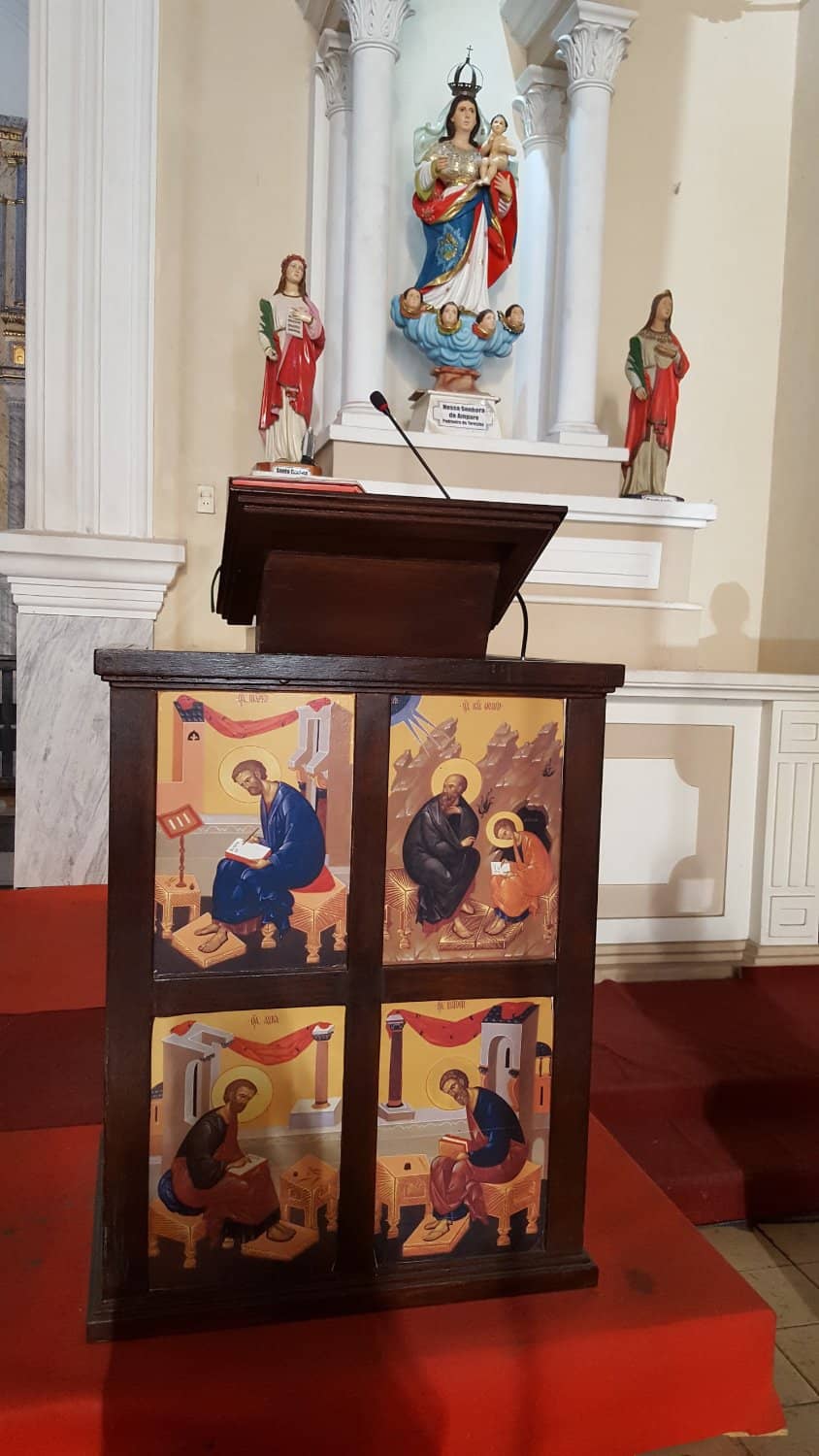
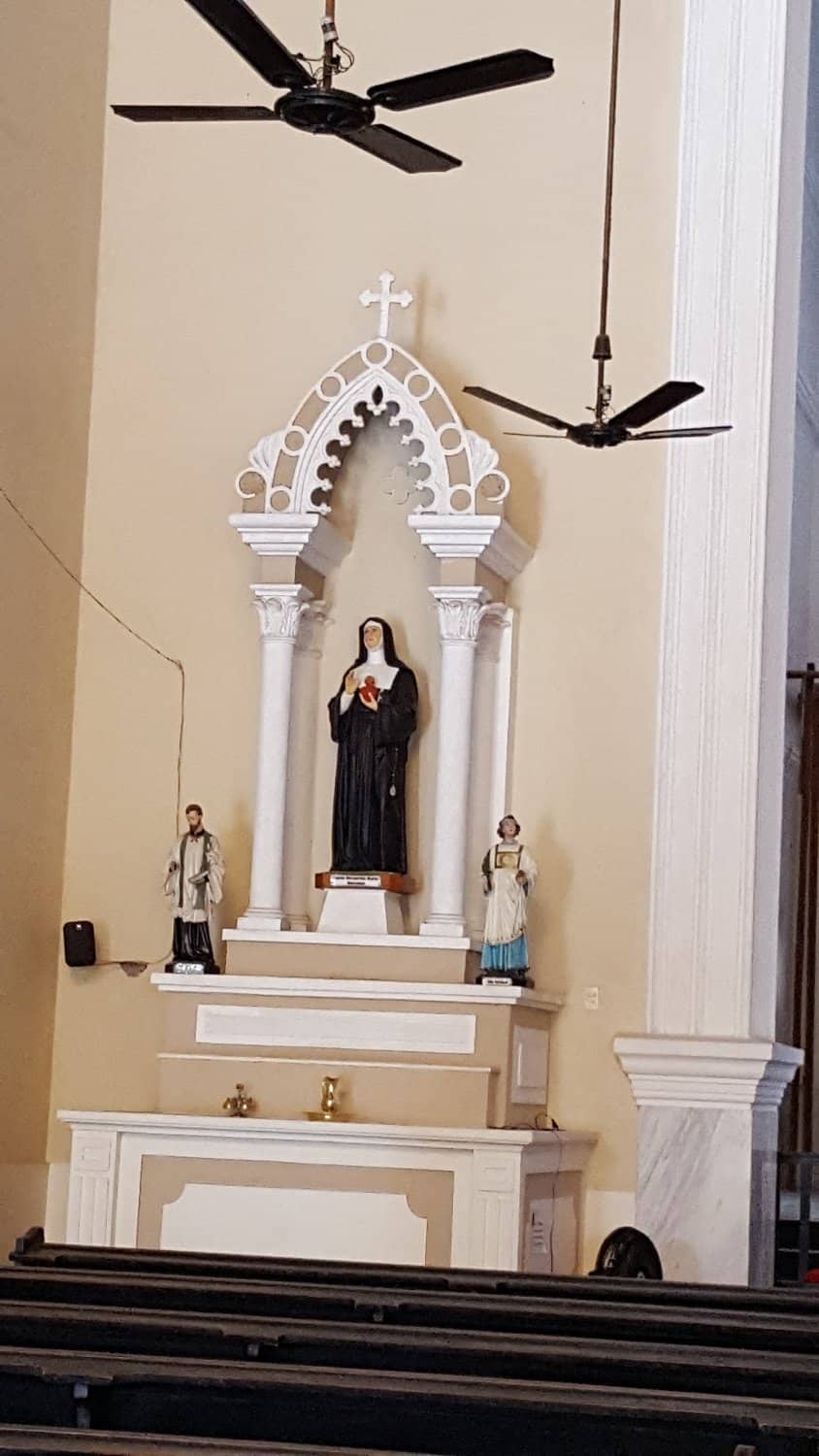
Admire the intricate 18th-century altars, including a chalice-shaped pulpit and detailed wooden imagery.

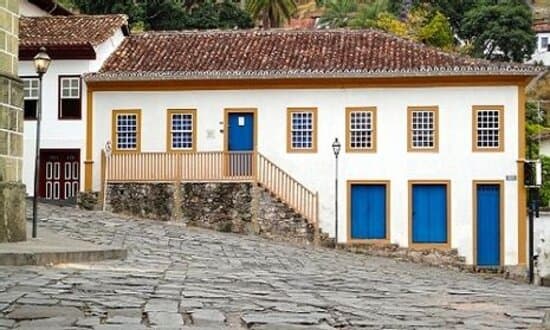
Colonial Architecture
Diamantina, MG
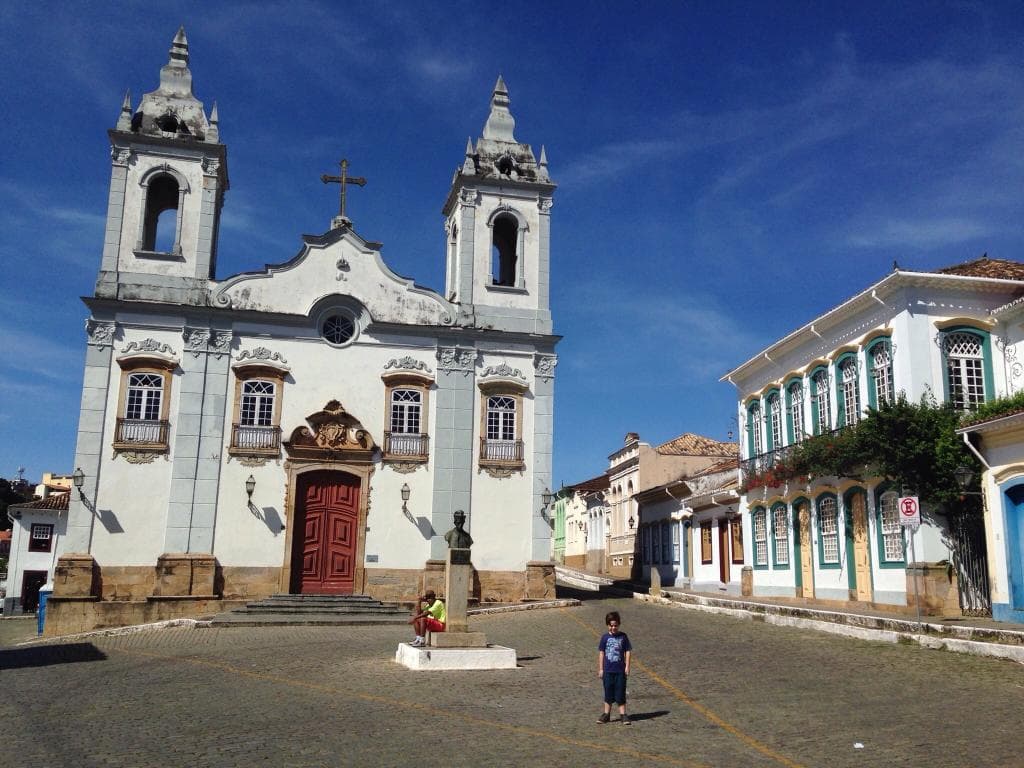
Experience the charm of this 18th-century colonial church, painted in distinctive blue and white.
Festa do Divino
Diamantina, MG
This historic church is a key venue for one of Diamantina's most traditional festivals.
Colorful Facade
Olinda, PE
Discover the vibrant and unique facade of the Nossa Senhora do Amparo church in Olinda.
Plans like a pro.
Thinks like you
Planning Your Visit
Check Opening Hours
Respect the Sacred Space
Best Times
Insider Tips
from TikTok, Instagram & Reddit
Check Instagram for Hours
Opening times can be tricky. Look for city or church Instagram pages for weekly updates. :iphone:
Respect Interior Photography Rules
Photography inside may be restricted. Always ask permission before taking photos to respect the sacred space. :camerawithflash:
Look for the 'Divino' Symbol
Notice the illuminated 'Divino Espirito Santo' above the main door, especially at night. :sparkles:
Explore Colonial Charm
Appreciate the unique blue and white colonial architecture, a hallmark of Minas Gerais. :housewithgarden:
Tips
from all over the internet
Check Instagram for Hours
Opening times can be tricky. Look for city or church Instagram pages for weekly updates. :iphone:
Respect Interior Photography Rules
Photography inside may be restricted. Always ask permission before taking photos to respect the sacred space. :camerawithflash:
Look for the 'Divino' Symbol
Notice the illuminated 'Divino Espirito Santo' above the main door, especially at night. :sparkles:
Explore Colonial Charm
Appreciate the unique blue and white colonial architecture, a hallmark of Minas Gerais. :housewithgarden:
Dog-Friendly Encounters
You might even see a friendly dog visiting the church! :dog:
What Travellers Say
Reviews Summary
Visitors praise the Igreja de Nossa Senhora do Amparo for its historical significance, beautiful colonial architecture, and intricate Baroque-Rococo altars, especially in Diamantina. It's a key site for cultural events like the Festa do Divino. However, inconsistent opening hours and restrictions on interior photography are noted drawbacks.
"Capela de Nossa Senhora do Amparo. Uma capela típica desta região de Minas. O difícil é saber que horário ela abre. Tem uma página no Instagram da cidade que mostra os horários de funcionamento dos pontos turísticos semanalmente. Só não garanto que ela seja exata. As vezes não vale o horário determinado por lá, mas é uma boa referência"
Gilberto Pucci
"A pequena igreja de Nossa Senhora do Amparo , fica localizado na rua do Amparo 129, em Diamantina/M.G., escondida entre as ruas apertadas de Diamantina, se destaca pelos tons de azul e branco e por sua torre única no centro e fachada delicadamente decorada com peças de madeira.
A Igreja de Nossa Senhora do Amparo começou a ser construída na primeira metade do século XVIII e é uma das mais antigas da cidade, Igreja histórica, datada de 1728.
A conclusão da construção da capela data de 1776 e foi construída pela Irmandade dos Pardos do Arraial do Tijuco, possui altares trabalhados em estilo barroco-rococó, destacando-se o púlpito em forma de cálice e as imagens do século XVIII.
Os trabalhos de acabamento e ornamentação são atribuídos ao pintor e irmão da ordem Silvestre de Almeida Lopes, tais como, a pintura, douramento da Capela e pintura dos dois altares do arco do cruzeiro.
Ao longo do século XIX passou por várias reformas, como a demolição da primitiva torre em 1813 que, por ser de pedra, causou danos à estrutura do edifício, sendo reedificada cinco anos depois.
A igreja ganhou posteriormente o título de Capela Imperial e hoje é famosa por sediar a Festa do Divino, uma das mais tradicionais de Diamantina.
No interior da igreja, que não pode ser fotografado, destaca-se o altar em estilo barroco-rococó e um presépio de madeira que data do final do século XVIII, a obra é composta por centenas de conchinhas das minas de salitre da região de Diamantina."
Carlos Roberto Minossi
"Capela Imperial de Nossa Senhora do Amparo
A pequena igreja em tons de azul e branco está escondida entre as ruas apertadas de Diamantina.
Com torre única no centro e fachada delicadamente decorada com peças de madeira, a Igreja de Nossa Senhora do Amparo começou a ser construída na primeira metade do século XVIII, sendo as obras encerradas apenas no século XIX.
A igreja ganhou posteriormente o título de Capela Imperial e hoje é famosa por sediar a Festa do Divino, uma das mais tradicionais de Diamantina.
A Igreja de Nossa Senhora do Amparo, em Diamantina, foi tombada por sua importância cultural.
A conclusão da construção da capela data de 1.776.
Foi construída pela Irmandade dos Pardos do Arraial do Tijuco, possui altares trabalhados em estilo barroco-rococó, destacando-se o púlpito em forma de cálice e as imagens do século XVIII.
É pequena, mas muito bela, o que me chamou a atenção foi o Divino Espírito Santo que fica iluminado a noite, logo a cima da porta principal.
Lindo exemplo da arquitetura colonial mineira característica das cidades históricas."
Bob Ramos
What People Like
What People Dislike
Frequently Asked Questions
🚇 🗺️ Getting There
The Igreja de Nossa Senhora do Amparo in Diamantina is located on Rua do Amparo, 129, in the city center. It's nestled among the narrow streets, so walking is often the best way to explore once you're in the historic area. Taxis or ride-sharing services can get you close to the historic center.
While public transport might get you to Diamantina, navigating the historic center to reach the church is best done on foot. Local buses typically serve the main areas of the city.
Parking in the historic center of Diamantina can be challenging due to narrow streets. It's advisable to park in designated areas on the outskirts of the historic center and walk to the church.
There are several churches named Igreja de Nossa Senhora do Amparo across Brazil, notably in Diamantina (MG), Teresina (PI), Macaparana (PE), Olinda (PE), and Alfena (Portugal). Be sure to specify which location you are interested in when planning your visit.
In Olinda, the Igreja de Nossa Senhora do Amparo is known for its incredible and colorful appearance. Exploring the historic streets of Olinda on foot will lead you to this unique architectural gem.
🎫 🎫 Tickets & Entry
The opening hours for the Igreja de Nossa Senhora do Amparo in Diamantina can be inconsistent. While some sources indicate Tuesday, Thursday, Saturday, and Sunday from 9:00 AM to 12:00 PM, it's highly recommended to check local city Instagram pages or the church's own social media for the most up-to-date weekly schedules, as they can vary.
Yes, there is a small entrance fee of R$5.00 to visit the Igreja de Nossa Senhora do Amparo in Diamantina.
In Diamantina, the church is typically closed on Mondays, Wednesdays, and holidays. It's usually open on Tuesdays, Thursdays, Saturdays, and Sundays. Always verify the current schedule.
Advance booking is generally not required for individual visits. However, for group tours or special events, it's advisable to inquire in advance.
Yes, sometimes there are guides available to orient visitors and explain the church's details, offering a deeper historical insight.
📸 📸 Photography
Photography inside the Igreja de Nossa Senhora do Amparo is generally not permitted. It's important to respect these rules to preserve the sanctity of the interior and its artworks.
The exterior of the church, especially its blue and white facade and unique tower in Diamantina, offers great photo opportunities. The colorful church in Olinda is also a popular subject. 
Drone usage regulations vary by location and may require permits. It's best to check local ordinances before flying a drone near any church or historic site.
In Diamantina, look for the delicate wooden decorations on the facade and the illuminated 'Divino Espirito Santo' symbol above the main door.
The golden hours (early morning or late afternoon) often provide the best natural light for exterior photography, highlighting the church's colors and architectural features.
🎫 ⛪ Onsite Experience
The Igreja de Nossa Senhora do Amparo in Diamantina, built starting in the first half of the 18th century and completed in 1776, is one of the city's oldest churches. It was constructed by the Irmandade dos Pardos and later earned the title of Capela Imperial. It's renowned for hosting the traditional Festa do Divino.
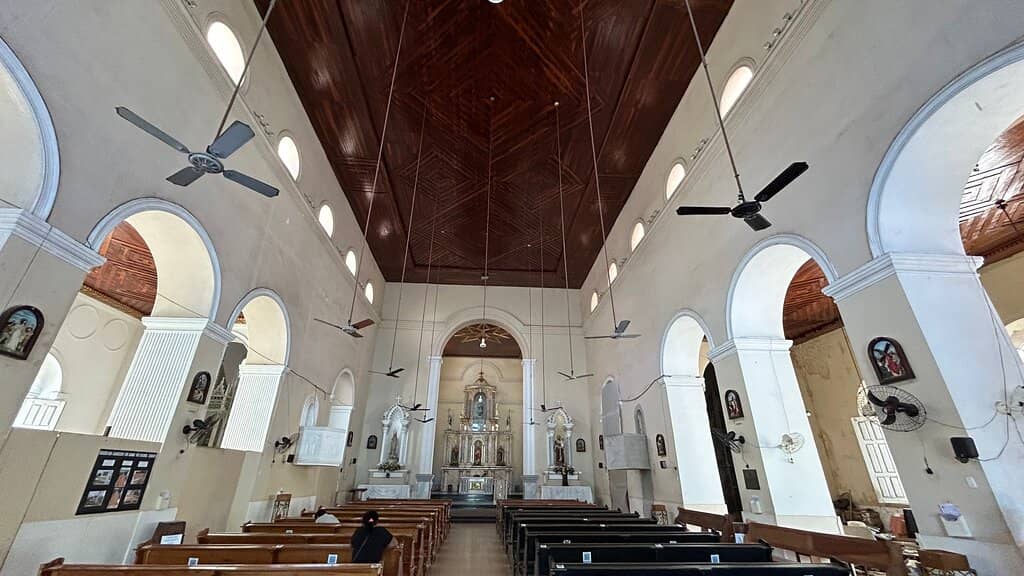
Inside, you'll find altars in the Baroque-Rococo style, including a notable chalice-shaped pulpit and 18th-century wooden imagery. A 18th-century nativity scene made of seashells is also a unique feature.
The Festa do Divino is a traditional religious festival celebrated in Diamantina, with the Igreja de Nossa Senhora do Amparo being a central location for its events. It's a significant cultural and religious celebration in the region.
The church hosts various religious services, novenas, and festivals, including the Festa do Divino. It also serves as a venue for community events and celebrations, like anniversaries of cities.
The Igreja de Nossa Senhora do Amparo in Olinda is celebrated for its incredibly colorful and unique appearance, making it a visually striking landmark in the historic city.
For Different Travelers
Tailored advice for your travel style
👨👩👧 Families with Kids
Keep in mind that opening hours can be unpredictable, so checking local listings or social media beforehand is advised. If visiting with very young children, consider the potential for crowds during festivals and plan accordingly. The church's historical significance also provides an opportunity to teach children about Brazil's colonial past and religious heritage.
🏛️ History Buffs & Architecture Enthusiasts
The church's designation as a Capela Imperial and its role in hosting the Festa do Divino further underscore its historical importance. The story of its construction and renovations, including the rebuilding of its tower, adds layers to its narrative. Exploring its details provides a tangible connection to Diamantina's rich colonial heritage.
📸 Photographers & Content Creators
+1 Photographers can capture the colonial charm and architectural details, especially during the golden hours for optimal lighting. While interior photography is restricted, the 'Divino Espirito Santo' symbol above the main door in Diamantina is a notable detail to capture.
Deep Dives
In-depth insights and expert knowledge
The History and Architecture of Diamantina's Church
The interior boasts altars crafted in the Baroque-Rococo style, featuring a pulpit shaped like a chalice and 18th-century wooden religious imagery. A particularly unique element is an 18th-century nativity scene composed of hundreds of seashells sourced from the region's saltpeter mines. The church's artistic embellishments are attributed to Silvestre de Almeida Lopes, a painter and member of the Carmelite Order.
Over the centuries, the church has undergone several renovations, including the rebuilding of its original stone tower in the early 19th century after it caused structural damage. Today, it is not only a historical site but also a vibrant cultural hub, famously hosting the Festa do Divino, one of Diamantina's most cherished traditional festivals.
Understanding Visiting Hours and Access
For instance, the Diamantina location is typically closed on Mondays, Wednesdays, and holidays, with visits usually possible on Tuesdays, Thursdays, Saturdays, and Sundays. There's a nominal entrance fee of R$5.00 for entry.
It's also worth noting that while interior photography is generally prohibited, the exterior offers plenty of visual appeal. Beyond Diamantina, other locations like the one in Olinda are celebrated for their striking visual presence, and in Teresina, the church plays a role in significant city anniversaries.
+1 Regardless of the specific location, checking local social media or community boards is often the best strategy for the most current visitor information.The Significance of Nossa Senhora do Amparo in Brazilian Culture
These churches are not just places of worship but also repositories of history and art. The architectural styles, from the colonial Baroque-Rococo of Diamantina to the vibrant, colorful designs seen elsewhere, reflect regional artistic influences and historical periods. They are often considered cultural heritage sites, preserving the artistic and religious legacy of their communities.
Social media content often highlights the unique character of each church, from a dog visiting for 'confession' in one instance


Social
from TikTok, Instagram & Reddit