
Ilha do Bananal
Discover Ilha do Bananal, the world's largest fluvial island, a vast natural sanctuary in Brazil teeming with wildlife and indigenous cultures.
Highlights
Must-see attractions

Social
From TikTok & Reddit
Best Time
Easier travel & clearer skies
Ilha do Bananal
Best Time
Easier travel & clearer skies
Highlights
Must-see attractions
Discover Ilha do Bananal, the world's largest fluvial island, a vast natural sanctuary in Brazil teeming with wildlife and indigenous cultures.
"A truly unique geographical marvel, offering unparalleled nature and cultural immersion."

Book Tours in Advance
Agencies like Pisa Trekking and CCTrekking Adventure offer great experiences. Book early!
Respectful Visitor Etiquette
Always ask permission before photographing people. Be mindful of local customs.

Quick Facts
Rating
4.6 · 191 reviews
Type
Natural Feature
Highlights
Discover the most iconic attractions and experiences
World's Largest Fluvial Island
Explore the sheer scale of Ilha do Bananal, a natural wonder surrounded by rivers. A truly unique geographical marvel.
Indigenous Villages
Visit communities like Aldeia Indígena Boto Velho and Aldeia Wajukabu to experience local culture and traditions firsthand.

Rich Biodiversity
Witness diverse wildlife and stunning natural landscapes, from the Araguaia and Javaés rivers to the island's unique ecosystems.
Adventure Activities
Enjoy fishing, exploring rivers, and experiencing the raw, untamed beauty of this incredible Brazilian destination.
Plans like a pro.
Thinks like you
Planning Your Visit
Embrace the Vastness
Respect Indigenous Culture
Best Times
Insider Tips
from TikTok, Instagram & Reddit
Book Tours in Advance
Agencies like Pisa Trekking and CCTrekking Adventure offer great experiences. Book early!
Respectful Visitor Etiquette
Always ask permission before photographing people. Be mindful of local customs.
Pack for Adventure
Lightweight clothing, insect repellent, sunscreen, and sturdy shoes are essential.
Stay Hydrated
Carry plenty of water, especially during excursions. Consider bringing a reusable water bottle.
Tips
from all over the internet
Book Tours in Advance
Agencies like Pisa Trekking and CCTrekking Adventure offer great experiences. Book early!
Respectful Visitor Etiquette
Always ask permission before photographing people. Be mindful of local customs.
Pack for Adventure
Lightweight clothing, insect repellent, sunscreen, and sturdy shoes are essential.
Stay Hydrated
Carry plenty of water, especially during excursions. Consider bringing a reusable water bottle.
Learn Basic Portuguese
While some guides may speak English, knowing a few phrases can enhance interactions.
What Travellers Say
Reviews Summary
Visitors are consistently amazed by Ilha do Bananal's status as the world's largest fluvial island and its rich natural beauty. While some find interactions with indigenous communities less engaging than expected, the opportunity to connect with nature and experience a unique environment is highly valued. The island's vastness and the need for organized tours are key aspects of the visitor experience.
"I expected the island to be covered with banana trees. It wasn't. No problem though. I'm not a big fan of bananas anyway."
Shotgun353
"Quem diria que essa seria a maior ilha fluvial do mundo, cheias de povos e tradições, um ótimo lugar para descansar na natureza."
Metrópole Brasil
"Contratamos a agência Pisa Trekking e o receptivo foi feito CCTrekking Adventure. Duas excelentes agências e fomos muito bem atendidos.
Essa Ilha é imensa e conhecemos a Aldeia Indígena Boto Velho. Os índios não foram tão receptivos. Não recomendo ir aos domingos pois fui em um e os índios estavam assistindo jogo de futebol.
Como já visitamos a reserva dos Pataxos em Porto Seguro é muito difícil não constatar que aqui não houve nem um pouco do que foi oferecido pelos pataxos em termo de história e cultura.
Portanto os Índios Javaé da Ilha do Bananal estão perdendo oportunidades de agradar o turista, mostrar seus artesanatos,vender seu peixe... Também gostaria de ter tomado uma água de coco e ter uma área e banheiro destinados ao turista. Valeu!"
Lugares Top10
What People Like
What People Dislike
Frequently Asked Questions
🚇 🗺️ Getting There
Access to Ilha do Bananal typically involves flying into Palmas (PMW) in Tocantins, then taking a boat or overland transport to the island. Agencies like Pisa Trekking can arrange transfers.
Due to its vast size, travel on Ilha do Bananal often involves 4x4 vehicles, boats, or guided tours. Public transport is very limited.
There are no major airports directly on Ilha do Bananal. The closest major airport is in Palmas, Tocantins.
Driving to Ilha do Bananal is possible, but roads can be challenging, especially during the rainy season. A 4x4 vehicle is recommended.
Main entry points often depend on the specific region you're visiting, with towns like Formoso do Araguaia serving as gateways.
🎫 🎫 Tickets & Entry
There are no general admission tickets for Ilha do Bananal itself, as it's a large natural area. However, specific tours, lodges, or indigenous community visits may have associated fees.
Opening hours for indigenous villages can vary. It's best to arrange visits through a tour operator or local guide who can coordinate with the communities.
While no general permits are required for the island, specific areas or activities might have regulations. It's advisable to check with your tour operator.
Costs vary greatly depending on your travel style, accommodation, and activities. Budget for transport, tours, and potential community contributions.
Independent travel is possible, but due to the island's size and remoteness, hiring local guides or joining organized tours is highly recommended for safety and a better experience.
🎫 🏞️ Onsite Experience
Expect to see a variety of wildlife including caimans, capybaras, diverse bird species, and potentially jaguars. The rivers are rich with fish like piranhas. 
Popular activities include fishing, boat trips on the Araguaia and Javaés rivers, wildlife spotting, and visiting indigenous communities.
Ilha do Bananal is generally safe, but it's crucial to travel with experienced guides, especially when exploring remote areas or engaging with wildlife.
Pack light, quick-drying clothing, long sleeves and pants for sun and insect protection, a hat, sunscreen, insect repellent, a reusable water bottle, and sturdy walking shoes.
Swimming in designated safe areas is possible, but caution is advised due to currents and wildlife. Always consult with local guides.
🍽️ 🍽️ Food & Dining
Local cuisine often features fresh river fish, regional fruits, and traditional indigenous dishes. Expect simple, hearty meals.
Dining options are limited, especially outside of lodges or organized tours. Many visitors rely on meals provided by their accommodation or tour operators.
You might have opportunities to try local fruits and drinks, like coconut water, though dedicated tourist facilities for this are scarce.
Vegetarian options might be limited. It's best to inform your tour operator or accommodation in advance about dietary needs.
It is not recommended to drink tap water. Always opt for bottled or purified water.
📸 📸 Photography
The rivers, diverse wildlife, indigenous villages, and expansive landscapes offer incredible photographic opportunities. Sunrise and sunset over the water are particularly stunning.
A telephoto lens is highly recommended for capturing wildlife from a distance. A sturdy tripod can also be useful for low-light conditions.
Always ask for permission before photographing individuals or their homes. Respect their privacy and cultural norms.
The 'golden hours' around sunrise and sunset offer the best light for landscape and wildlife photography. Midday can be harsh.
Some specialized tours might cater to photographers, focusing on wildlife and scenic locations. Inquire with tour operators.
You may also like
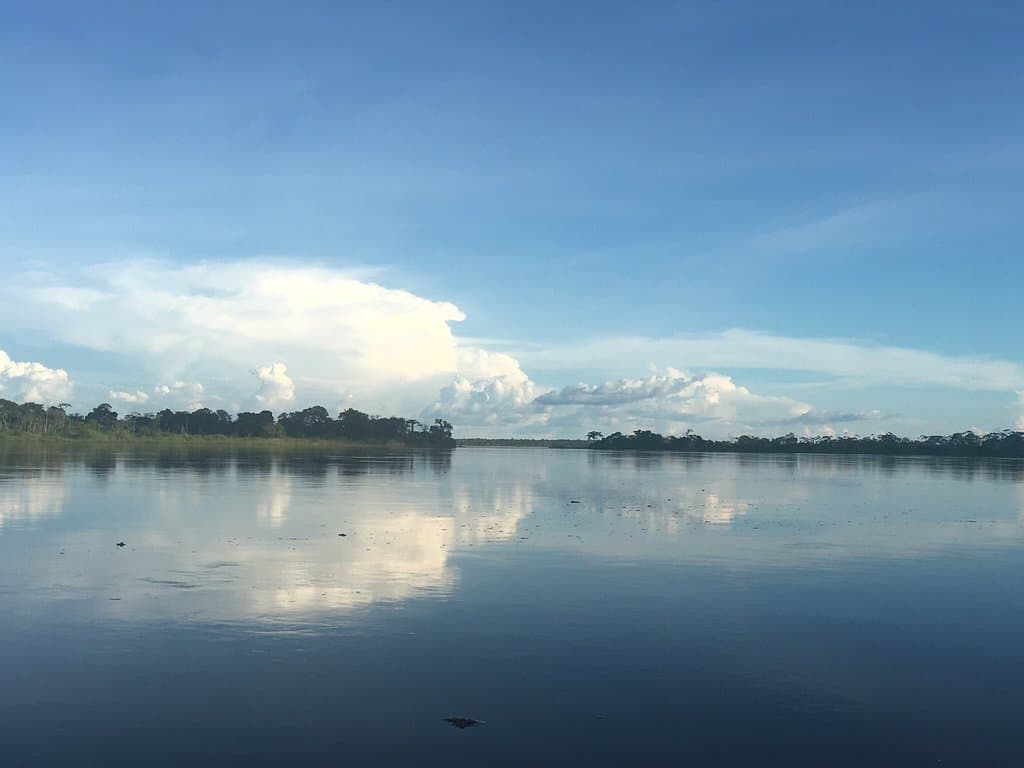
Parque Estadual do Cantão
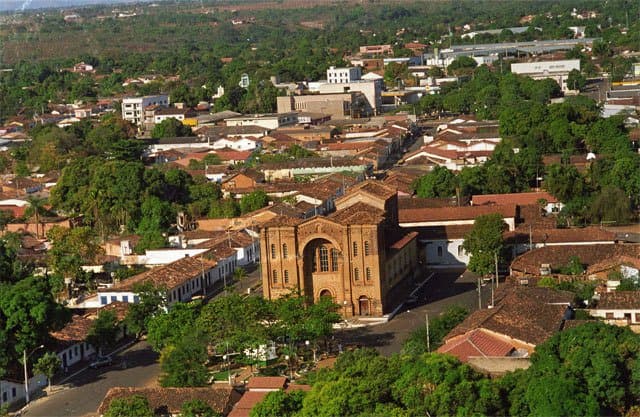
Historical Center Porto Nacional
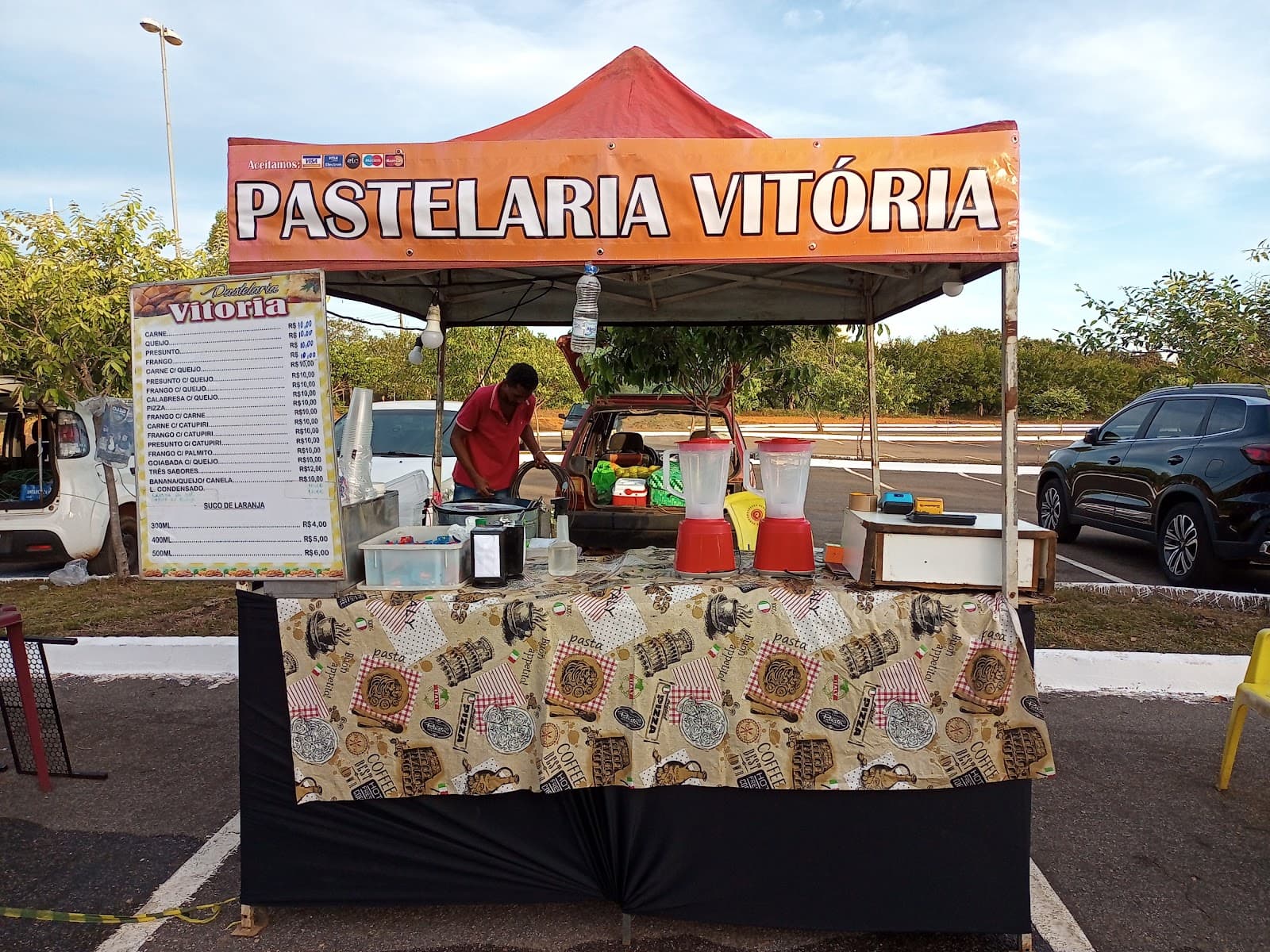
Feira do Bosque / Mercado Municipal Palmas
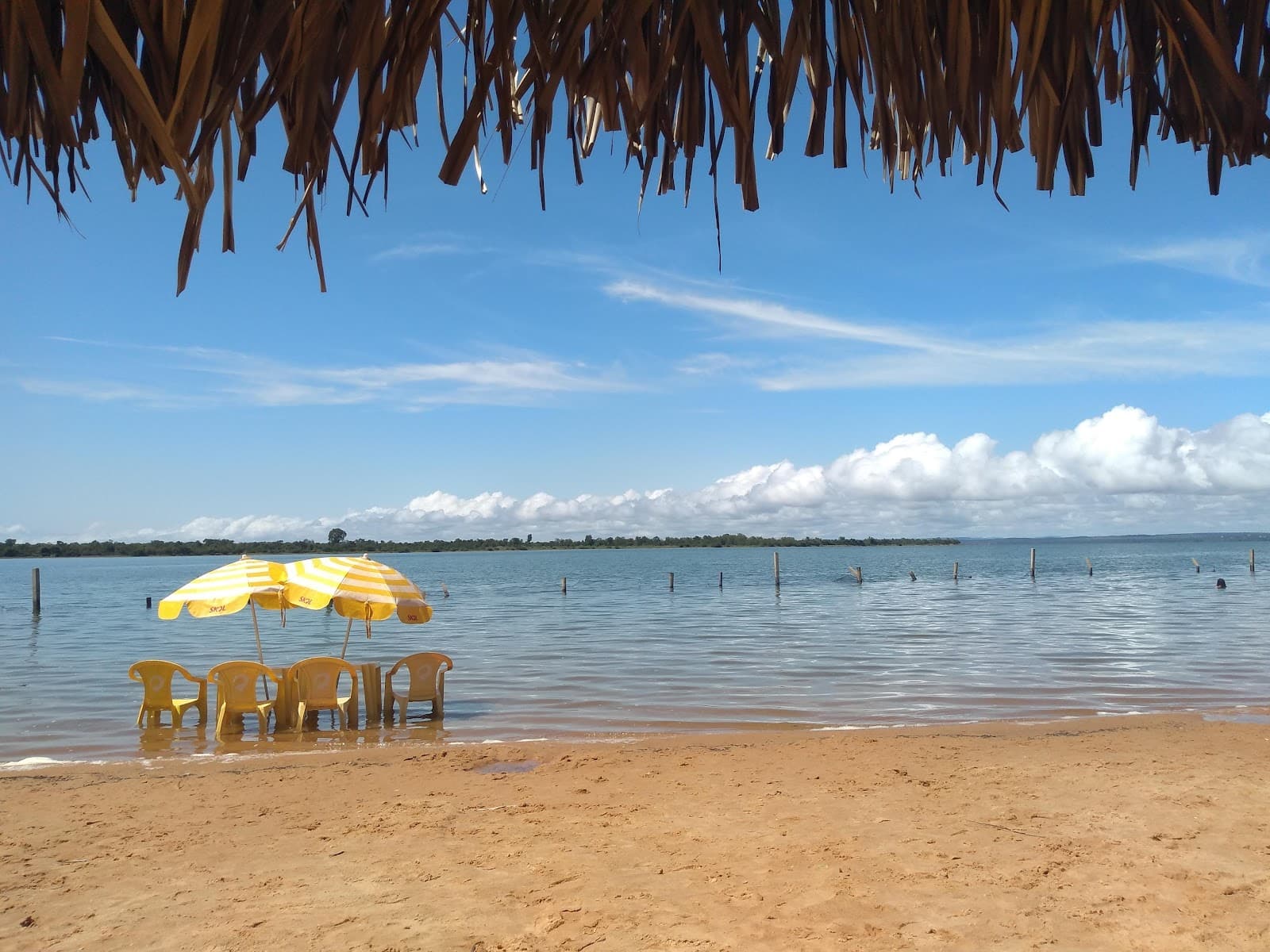
Praia do Caju
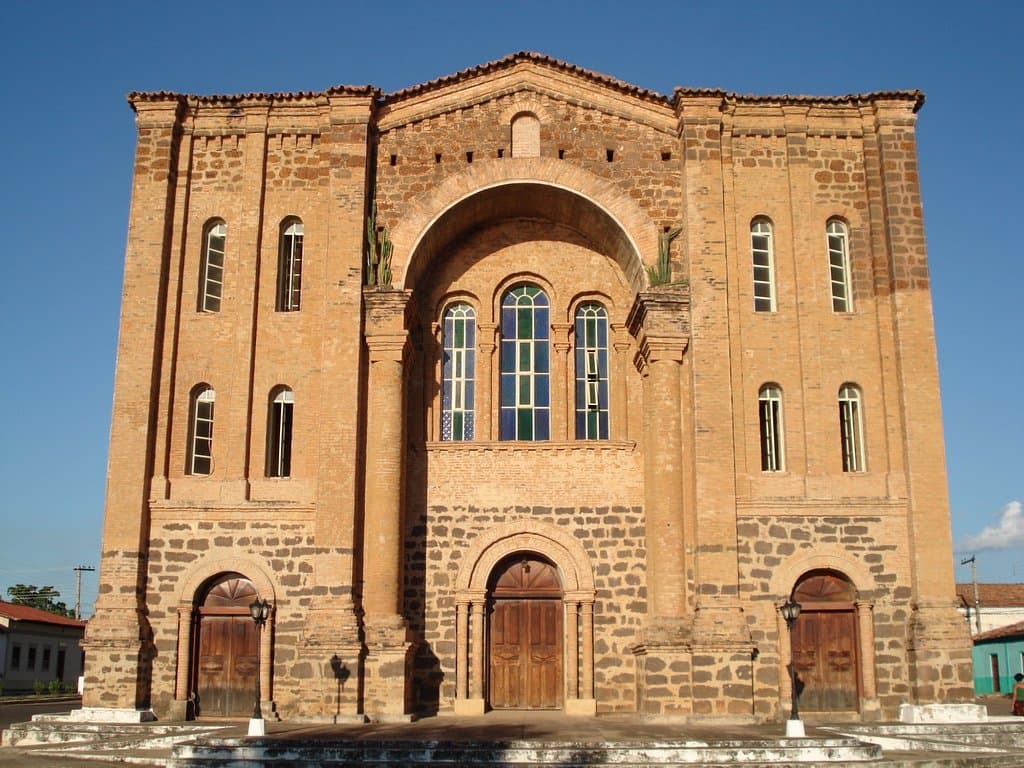
Catedral Nossa Senhora das Mercês Porto Nacional
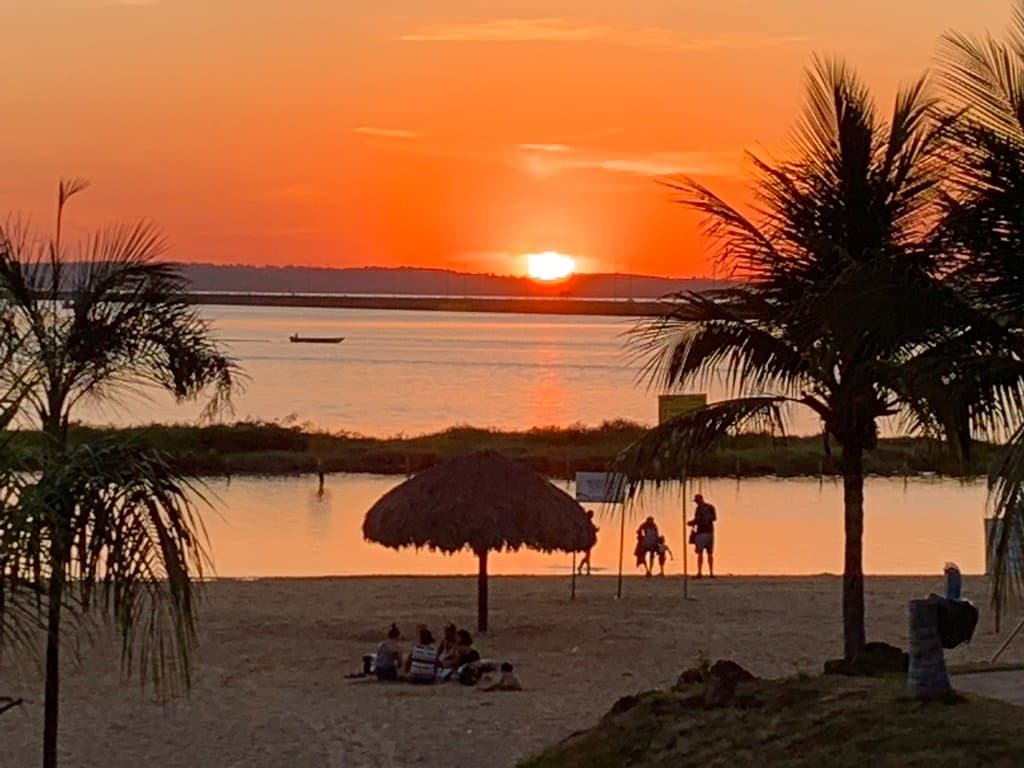
Praia da Graciosa Palmas Tocantins
Parque Estadual do Cantão
Historical Center Porto Nacional
Feira do Bosque / Mercado Municipal Palmas
Praia do Caju
Catedral Nossa Senhora das Mercês Porto Nacional
Praia da Graciosa Palmas Tocantins

Praça dos Girassóis Palmas
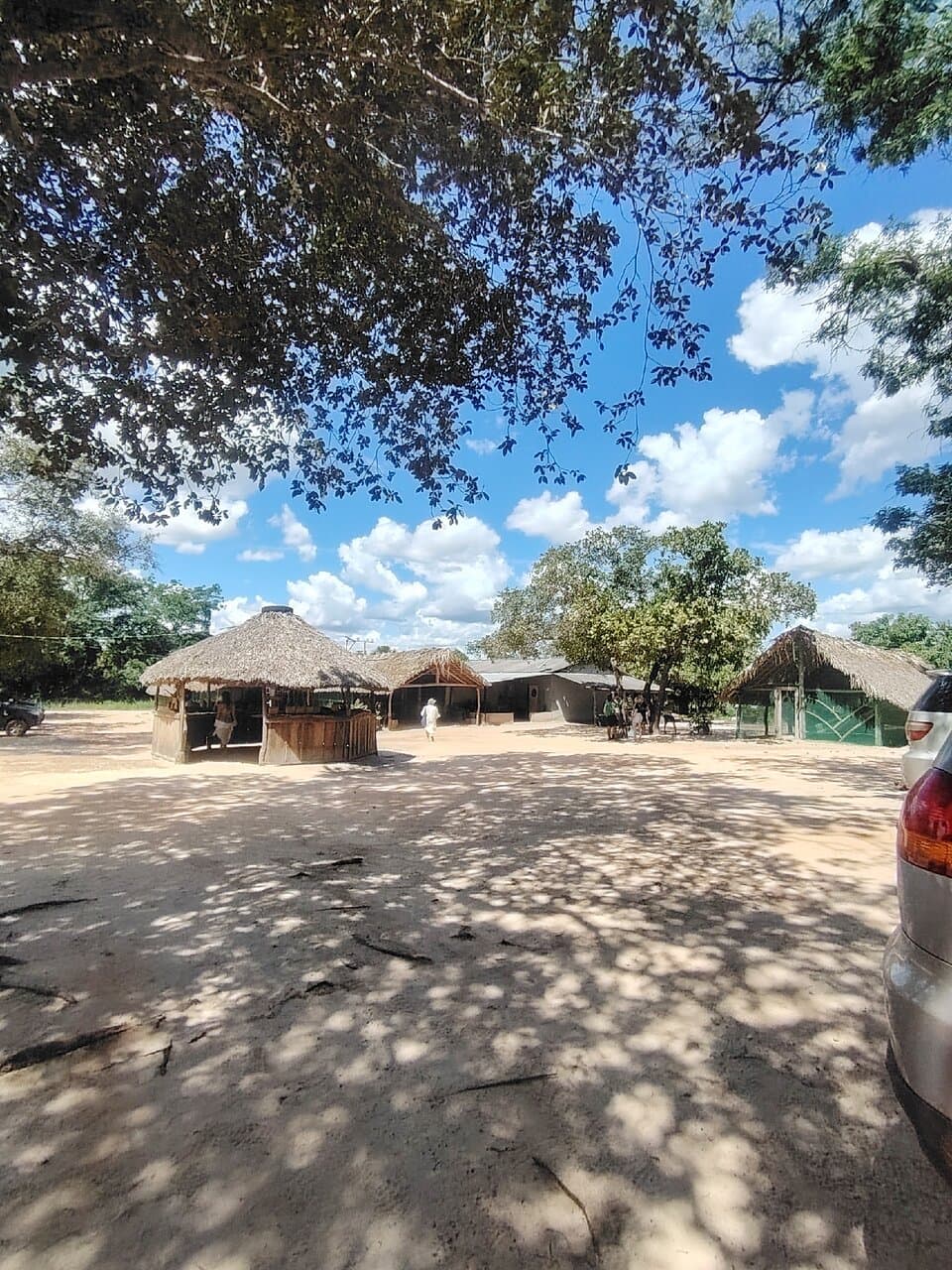
Jalapão State Park

Parque Cesamar Palmas

Praia de Luzimangues

UHE Lajeado (Lajeado Dam)

Social
from TikTok, Instagram & Reddit