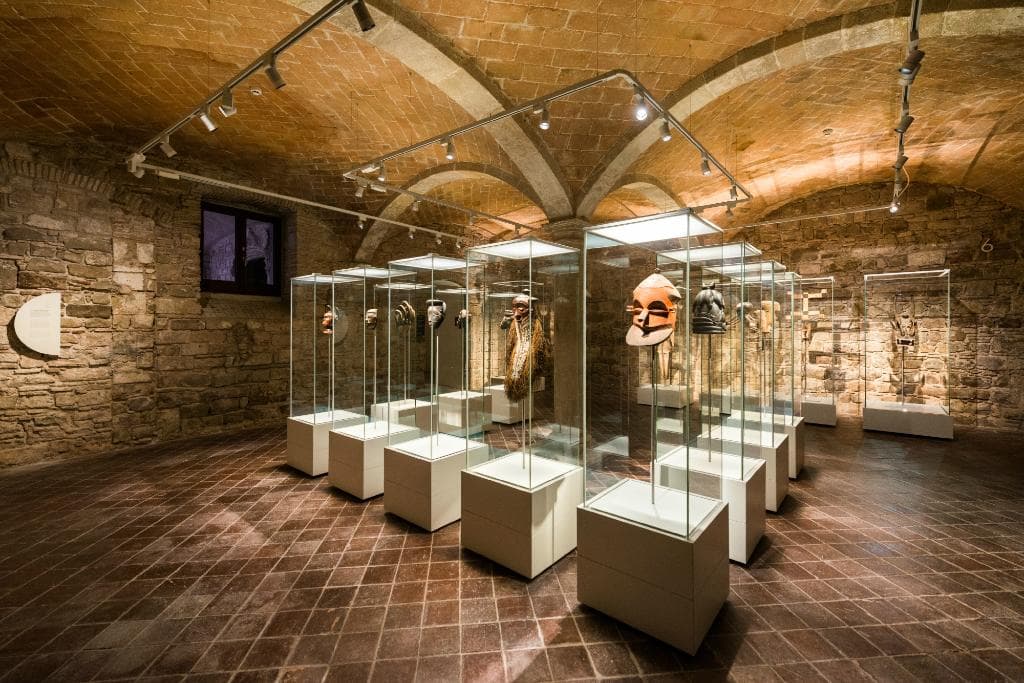
Museu de Arte Contemporânea Campo Grande
Discover indigenous artifacts, regional fauna taxidermy, and contemporary art in Campo Grande's cultural hub.

Highlights
Must-see attractions

Social
From TikTok & Reddit
Best Time
Fewer crowds, better viewing
Museu de Arte Contemporânea Campo Grande
Best Time
Fewer crowds, better viewing
Highlights
Must-see attractions
Discover indigenous artifacts, regional fauna taxidermy, and contemporary art in Campo Grande's cultural hub.
"A must-go museum for understanding Mato Grosso do Sul's cultural history and native species."
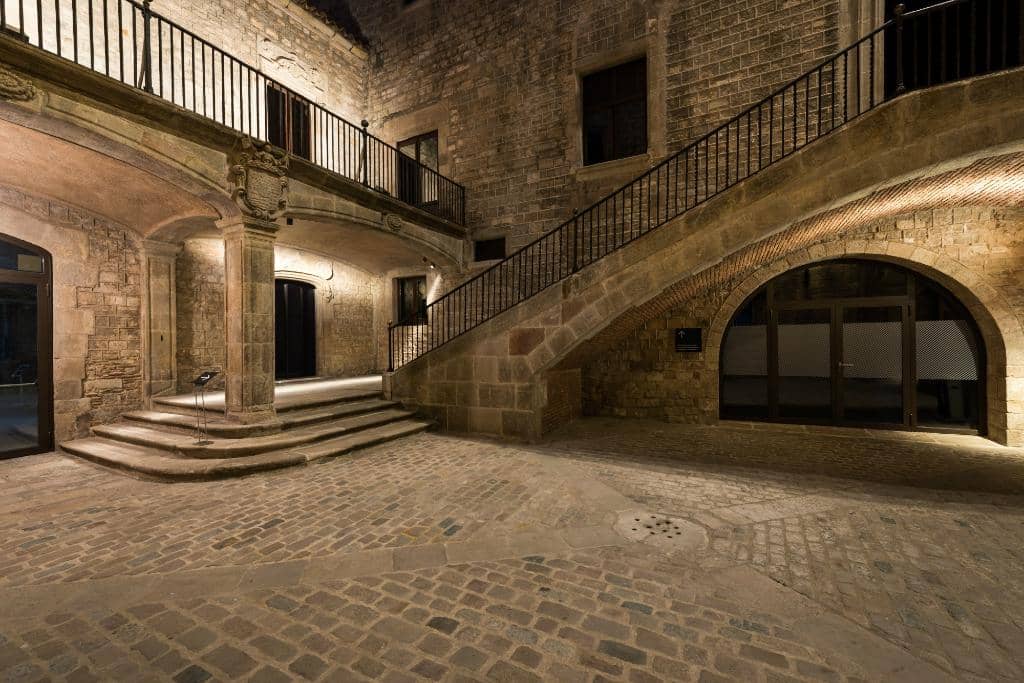
💡 Lighting Challenges
Some exhibits have low lighting, making detailed appreciation difficult. Focus on the overall impact and key pieces.
🗣️ Multilingual Info
Explanations are in Portuguese and English, though sometimes densely packed.
Quick Facts
Hours
Rating
4.6 · 1,253 reviews
Type
Museum
Highlights
Discover the most iconic attractions and experiences
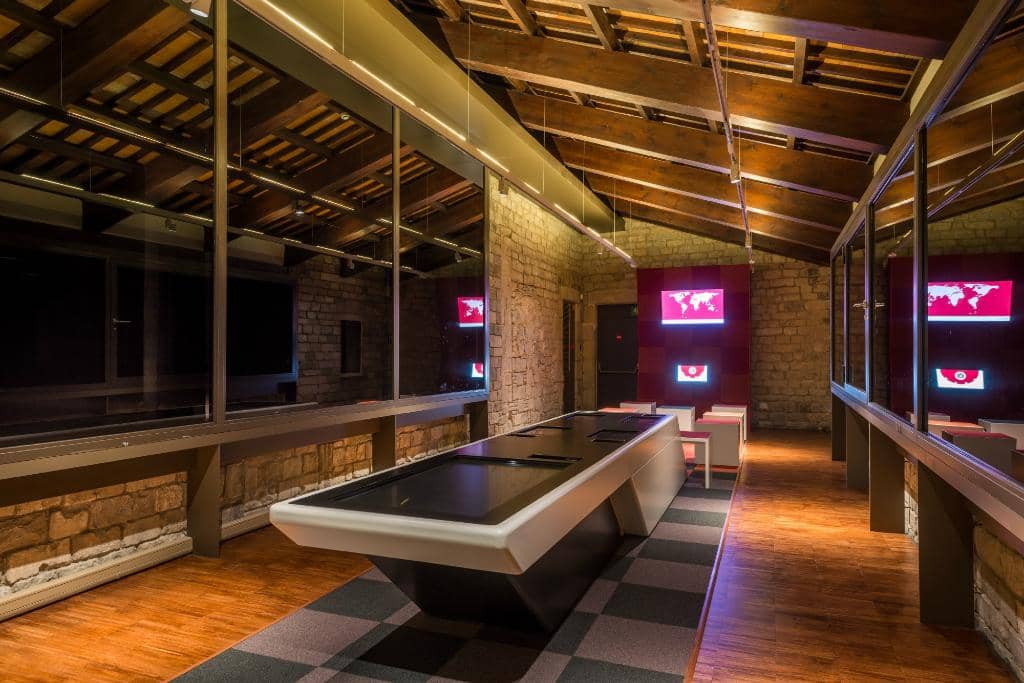
Indigenous Artifacts
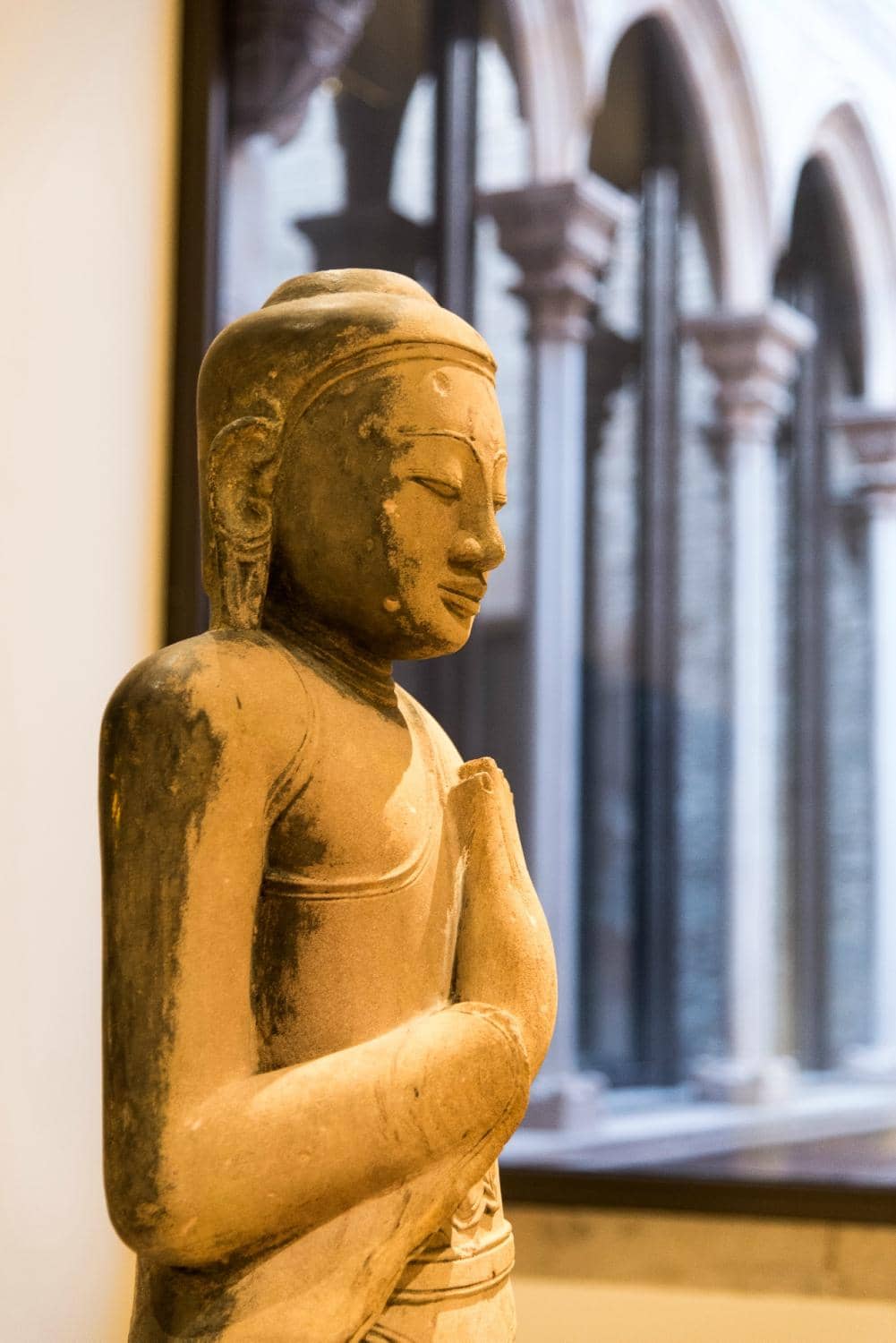
Explore a vast collection of indigenous artifacts, offering insights into the cultures of the Pantanal and Amazonia.
Taxidermy Fauna Collection
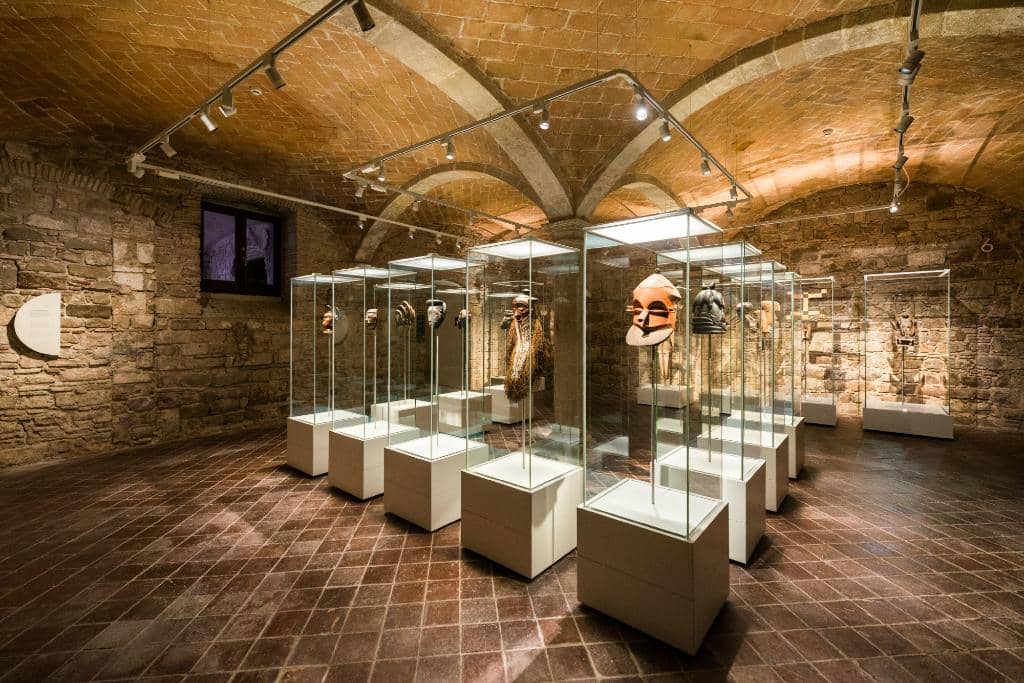
Marvel at a stunning display of taxidermied animals, showcasing the diverse fauna of Mato Grosso do Sul and the Pantanal.
Contemporary Art Exhibitions
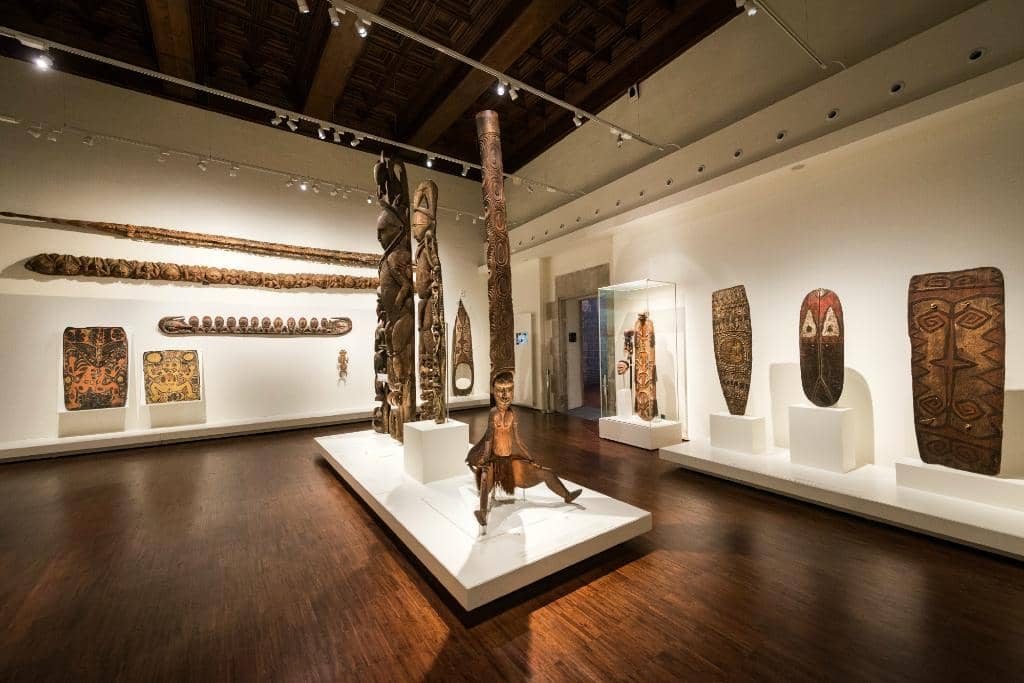
Experience rotating exhibitions of contemporary art, featuring local and international artists.
Surrounding Park
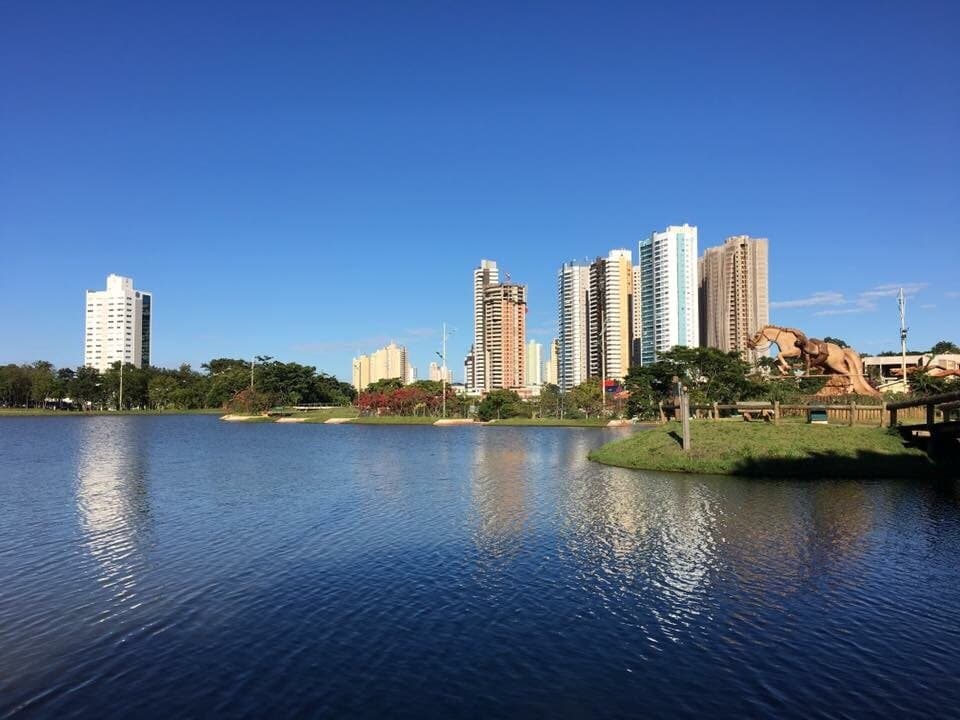
Enjoy a delightful walk through the park adjacent to the museum, with lovely trees and quieter areas.
Plans like a pro.
Thinks like you
Planning Your Visit
Embrace the Art & Nature
Navigating Exhibits
Best Times
Insider Tips
from TikTok, Instagram & Reddit
💡 Lighting Challenges
Some exhibits have low lighting, making detailed appreciation difficult. Focus on the overall impact and key pieces.
🗣️ Multilingual Info
Explanations are in Portuguese and English, though sometimes densely packed.
🌳 Explore the Park
Don't miss the delightful park outside; walk along the interior road for quieter spots.
🎨 Contemporary Art
Check for current contemporary art exhibitions, featuring artists like Raphael Sagarra (Finok).

Tips
from all over the internet
💡 Lighting Challenges
Some exhibits have low lighting, making detailed appreciation difficult. Focus on the overall impact and key pieces.
🗣️ Multilingual Info
Explanations are in Portuguese and English, though sometimes densely packed.
🌳 Explore the Park
Don't miss the delightful park outside; walk along the interior road for quieter spots.
🎨 Contemporary Art
Check for current contemporary art exhibitions, featuring artists like Raphael Sagarra (Finok).
📅 Guided Tours
Inquire about guided visits, especially if you're interested in English-speaking guides.
What Travellers Say
Reviews Summary
Visitors appreciate the museum's extensive collection of indigenous artifacts and the impressive taxidermy showcasing regional fauna. However, some find the lighting in exhibit areas to be poorly designed, making detailed appreciation difficult, and the text explanations are often dense. The surrounding park is a delightful addition for a relaxing stroll.
"Well with a visit to see a huge array of indigenous artefacts. The poorly designed or low intensity lighting makes appreciation difficult. The explanations in Portuguese and English are well-informed but densely packed into large paragraphs and with no maps to accompany geographical content. The park outside is delightful with lovely trees. Walk down the interior road outside the museum across the river to see more in quieter parts of the park."
Alistair Clark
"A nice and wonderful place. It's the best way to know essential information about the indigenous cultures at the Pantanal and Amazonia. You can find also the most representative fauna in a wonderful taxidermy collection."
Angela Alviz
"Great place to visit to learn a bit about Mato Grosso do Sul's cultural history and its native species.
All exhibits have an explanation in English.
The nature exhibition is a great showcase of the the fauna and mineral deposits in the land."
Matheus Ferreira
What People Like
What People Dislike
Frequently Asked Questions
🚇 🗺️ Getting There
The museum is located in Campo Grande, Mato Grosso do Sul. Public transportation options are available, and taxis or ride-sharing services are convenient ways to reach the museum.
Information on specific parking availability can vary. It's advisable to check the museum's official website or contact them directly for the most up-to-date parking details.
Campo Grande has a developing infrastructure. While public transport exists, many visitors find ride-sharing apps or taxis efficient for getting around the city and to attractions like the museum.
🎫 🎫 Tickets & Entry
Opening hours can vary, especially for special exhibitions. It's recommended to check the museum's official website or social media pages for the most current operating times before your visit.
Admission fees can change. Some exhibitions, like 'Ancestral: Afro-Américas,' have been noted as free. Always verify current pricing on the museum's official channels.
While some events might offer online booking, it's best to confirm if advance ticket purchase is available for general admission or specific exhibitions directly through the museum's website.
Information on discounts for students, seniors, or other groups is typically found on the museum's official website. It's worth checking for any available concessions.
🎫 🏛️ Onsite Experience
The museum features a mix of indigenous artifacts, taxidermy showcasing regional fauna, and rotating contemporary art exhibitions by artists like Raphael Sagarra.
Yes, explanations for most exhibits are provided in both Portuguese and English, though some visitors note they can be densely written.
Accessibility information can vary. It's advisable to contact the museum directly to inquire about ramps, elevators, and other facilities to ensure a comfortable visit.
Photography policies can differ between exhibitions. Generally, non-flash photography for personal use is often permitted, but it's best to look for signage or ask museum staff.
The area surrounding the museum includes a delightful park with lovely trees. Walking along the interior road outside the museum offers quieter parts of the park to explore.
📸 📸 Photography
While interior photography rules vary, the park outside offers scenic views. For art, focus on capturing the essence of the pieces, especially during exhibitions like 'Pinóquio, 64 originais'.
Generally, personal use photos are allowed, but commercial photography or use of tripods might require special permission. Always check the museum's specific guidelines.
Visitors often capture the unique taxidermy displays and the contemporary art pieces. The surrounding park also provides opportunities for nature photography.



Social
from TikTok, Instagram & Reddit