
Museu de História e Arte de Chapecó
Discover Chapecó's founding, indigenous heritage, and unique relics in this well-organized, free-entry museum.

Highlights
Must-see attractions

Social
From TikTok & Reddit
Best Time
Fewer crowds, peaceful exploration
Museu de História e Arte de Chapecó
Best Time
Fewer crowds, peaceful exploration
Highlights
Must-see attractions
Discover Chapecó's founding, indigenous heritage, and unique relics in this well-organized, free-entry museum.
"A wonderful museum with the rich history of Chapecó's foundation and its pioneers."
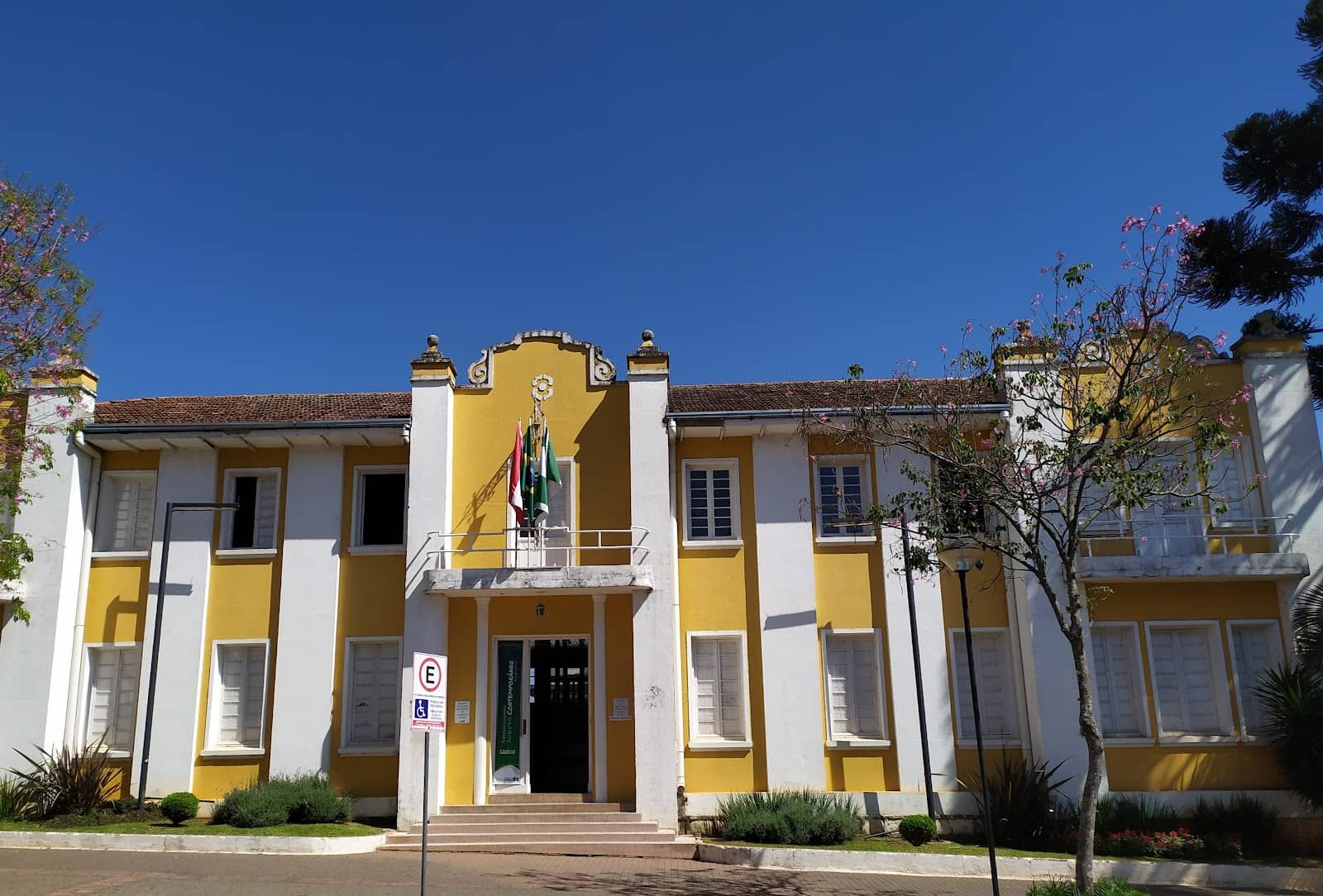
🎯 Free Admission!
Enjoy the museum's extensive collection without any cost during its operating hours. :moneywithwings:
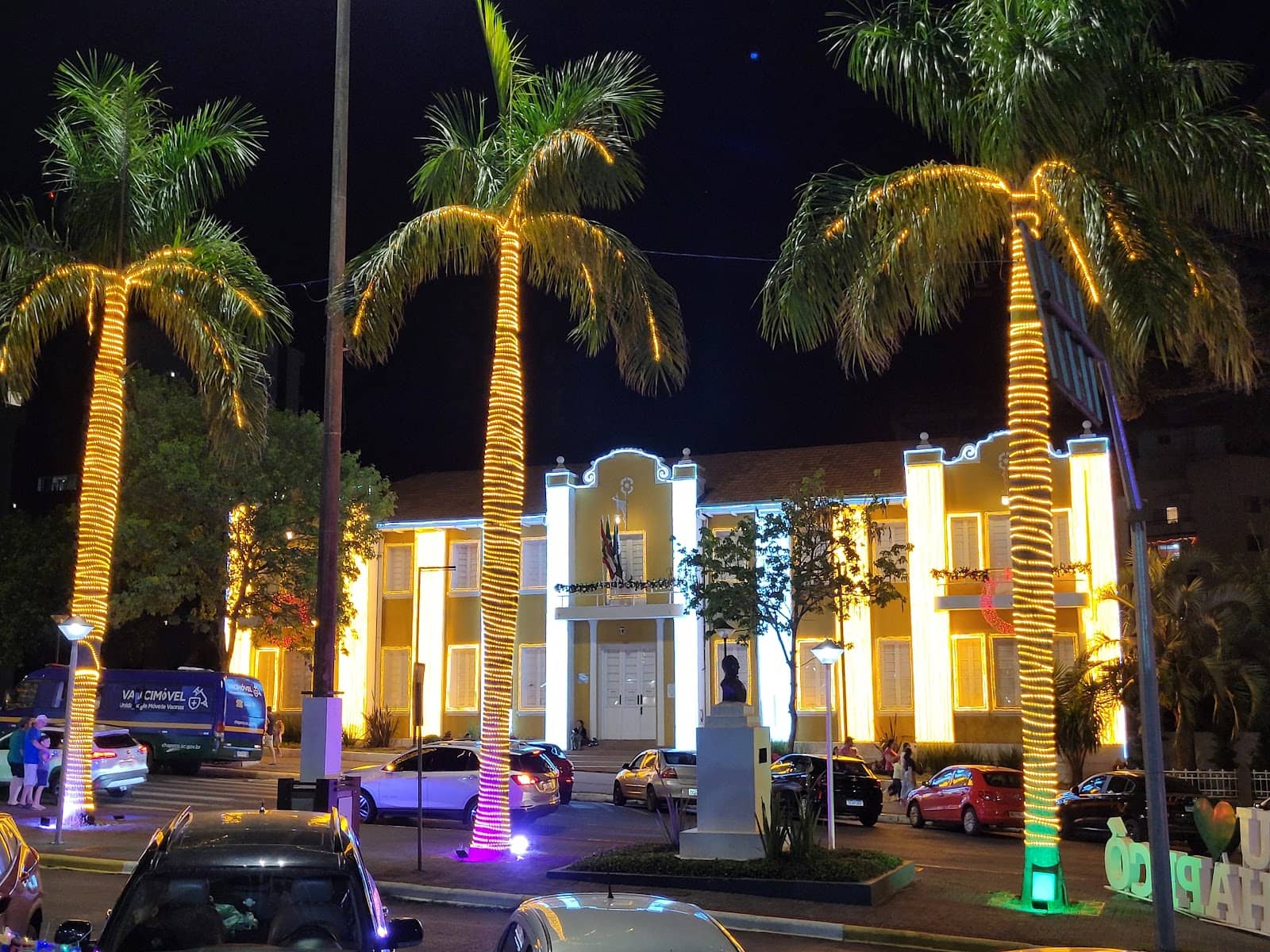
🏛️ Historic Building
The museum is housed in the former City Hall, a beautiful example of eclectic architecture. :classical_building:
Highlights
Discover the most iconic attractions and experiences
Founding of Chapecó
Explore the rich history of the city's founders and pioneers through detailed exhibits and artifacts.
Indigenous Collections
Discover archaeological and ethnological artifacts from local Kaingang and Guarani populations.

Olympic Torch & Papal Relics
See rare pieces like the Rio 2016 Olympic torch and relics from Pope Francis.
Plans like a pro.
Thinks like you
Planning Your Visit
Free Entry, Rich History
A Glimpse into Indigenous Roots
Best Times
Insider Tips
from TikTok, Instagram & Reddit
🎯 Free Admission!
Enjoy the museum's extensive collection without any cost during its operating hours. :moneywithwings:
🏛️ Historic Building
The museum is housed in the former City Hall, a beautiful example of eclectic architecture. :classical_building:
🪑 Seating Wish
Some visitors wish for more seating to linger and absorb the exhibits. :person_sitting:
🗺️ Central Location
Conveniently located in the city center, opposite Praça Coronel Bertaso. :round_pushpin:
Tips
from all over the internet
🎯 Free Admission!
Enjoy the museum's extensive collection without any cost during its operating hours. :moneywithwings:
🏛️ Historic Building
The museum is housed in the former City Hall, a beautiful example of eclectic architecture. :classical_building:
🪑 Seating Wish
Some visitors wish for more seating to linger and absorb the exhibits. :person_sitting:
🗺️ Central Location
Conveniently located in the city center, opposite Praça Coronel Bertaso. :round_pushpin:
What Travellers Say
Reviews Summary
Visitors praise the Museu de História e Arte de Chapecó for its well-organized and rich collection detailing the city's founding and regional culture. The free admission and central location are significant draws. Some guests expressed a desire for more seating to comfortably enjoy the exhibits.
"Top"
Jean Ivelsonne Dorvilma
"O Museu é maravilhoso e muito bem organizado com a rica história da fundação da cidade de Chapecó e seus desbravadores. O Museu conta com acervo rico em detalhes da cidade, memórias e da cultura regional. Localizado no Centro da cidade em frente a Praça Coronel Bertaso e com entrada gratuita em horário comercial."
Marcia Akemi (Terapeuta)
"Museu Antonio Selistre de Campos: É o museu mais antigo da cidade de Chapecó e fica localizado no Prédio Histórico que pertenceu à Prefeitura Municipal de Chapecó, construído com base no estilo arquitetonico eclético.
Sua denominação homenageia o Juiz de Direito Antonio Selistre de Campos (1881-1957), que foi um defensor das causas indígenas e colecionador de artefatos arqueológicos e etnológicos recebidos da comunidade relativos às populações indígenas locais.
O MASC atua com foco nos aspectos arqueológicos e etnológicos das populações indígenas regionais e está com guarda da coleção do juiz Antonio Selistre de Campos, além de novas peças etnológicas adquiridas junto às populações indígenas locais.
Em 2017 seu acervo passou a compor a Exposição intitulada Rios de Cultura e Memória, que aborda a trajetória do primeiro centenário do município a partir de três temáticas: Cultura, Economia e Política.
A cidade de Chapecó possui uma populacão composta por diferentes grupos étnicos: as populações Kaingang e Guarani, atualmente localizadas em duas terras indígenas; a população cabocla, que era a não indígena presente antes da chegada dos colonizadores, descendentes de europeus a maior parte italiana, seguida por alemães e russos, responsáveis pela colonizacão, populações afrodescendentes, dentre as quais haitianos e senegaleses além de diversos migrantes predominantemente gaúchos e imigrantes que formam a diversidade histórica e cultural de Chapecó."
Gui Amaro
What People Like
What People Dislike
Frequently Asked Questions
🚇 🗺️ Getting There
The museum is centrally located in Chapecó, directly across from Praça Coronel Bertaso. It's easily accessible by car or public transport within the city center. Parking availability may vary, so consider local bus routes if driving is not an option.
Parking can be found in the surrounding streets of the city center. It's advisable to arrive a bit early to secure a spot, especially during peak hours or local events.
🎫 🎫 Tickets & Entry
The museum is open during regular business hours on weekdays. It's best to check their official schedule for exact times, as these can sometimes change for holidays or special events.
No, the Museu de História e Arte de Chapecó offers free admission to all visitors. This makes it a fantastic and budget-friendly cultural experience.
Since admission is free, advance booking is not necessary. You can simply visit during their operating hours.
🎫 🧭 Onsite Experience
The museum features a rich collection detailing the history of Chapecó's founding, its pioneers, and regional culture. You'll find archaeological and ethnological artifacts, historical documents, and unique items like the Rio 2016 Olympic torch and relics from Pope Francis.
While the exhibits are historically focused, the visual nature of many displays can engage older children. The stories of pioneers and unique artifacts might spark their curiosity.
Information on accessibility is not widely available, but as it's housed in a historic building, it's advisable to contact the museum directly for specific details regarding ramps or elevator access.
A visit can range from 1 to 2 hours, depending on your interest in the historical details and the size of the collections you wish to explore thoroughly.
📸 📸 Photography
Photography policies can vary. It's generally recommended to check for signage at the entrance or ask museum staff if photography is permitted, especially without flash, to protect the artifacts.
For Different Travelers
Tailored advice for your travel style
👨👩👧 Families with Kids
🏛️ History Enthusiasts
Deep Dives
In-depth insights and expert knowledge
A Journey Through Chapecó's Past
Beyond the city's founding, the museum delves into the complex ethnic tapestry of Chapecó. It highlights the presence of indigenous groups like the Kaingang and Guarani, alongside the descendants of European colonizers (primarily Italian, German, and Russian) and various migrant populations. This comprehensive approach offers a nuanced understanding of the forces that shaped the region.
Adding to its unique appeal, the museum houses rare and significant items such as the Olympic torch from the Rio 2016 Games and two relics belonging to Pope Francis. These unexpected additions provide a surprising and memorable dimension to the historical narrative, making a visit both educational and captivating.
The Legacy of Antonio Selistre de Campos
Judge Antonio Selistre de Campos was a notable figure, recognized for his advocacy for indigenous rights and his passion for collecting. The museum safeguards his extensive collection of archaeological and ethnological artifacts, primarily gathered from local indigenous communities. This collection forms the core of the MASC's focus on the region's indigenous heritage, preserving invaluable pieces of cultural history.
In 2017, the museum's collection was featured in the exhibition 'Rios de Cultura e Memória,' which traced the city's first century through themes of culture, economy, and politics. The MASC continues to expand its holdings by acquiring new ethnological pieces directly from contemporary indigenous populations, ensuring its exhibits remain relevant and respectful of living traditions.

Social
from TikTok, Instagram & Reddit