Museu de Sítio Sambaqui da Tarioba Rio das Ostras
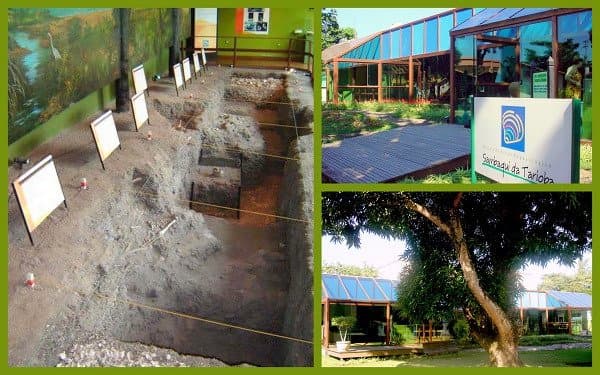
Explore Brazil's prehistoric past at this unique 'in situ' archaeological site, showcasing ancient sambaquis and artifacts.

Highlights
Must-see attractions
Social
From TikTok & Reddit
Best Time
Fewer crowds, more relaxed visit
Museu de Sítio Sambaqui da Tarioba Rio das Ostras
Best Time
Fewer crowds, more relaxed visit
Highlights
Must-see attractions
Explore Brazil's prehistoric past at this unique 'in situ' archaeological site, showcasing ancient sambaquis and artifacts.
"A fascinating glimpse into 5,000 years of history, offering an incredible experience with ancient remains."

🎯 Free Admission!
Enjoy this historical gem without breaking the bank. Entry is free for all visitors! :moneywithwings:
🗣️ Engage with Staff
While not always guaranteed, some visitors found guides to be very attentive and informative. Ask questions! :speech_balloon:

Quick Facts
Hours
Rating
4.6 · 348 reviews
Type
Museum
Highlights
Discover the most iconic attractions and experiences
The In Situ Excavation
Main exhibition area
Witness an excavated area with ancient skeletons and artifacts, offering a direct connection to prehistoric life.

Ancient Shell Mounds
Surrounding grounds
Explore the sambaquis themselves – massive shell formations built by ancient peoples over thousands of years.

Prehistoric Artifacts
Display cases
See a cataloged collection of tools, adornments, and objects from early inhabitants of the region.
Plans like a pro.
Thinks like you
Planning Your Visit
Plan Your Visit to Sambaqui da Tarioba
Accessibility and Experience
Best Times
Insider Tips
from TikTok, Instagram & Reddit
🎯 Free Admission!
Enjoy this historical gem without breaking the bank. Entry is free for all visitors! :moneywithwings:
🗣️ Engage with Staff
While not always guaranteed, some visitors found guides to be very attentive and informative. Ask questions! :speech_balloon:
🚶♀️ Explore the Site
The museum is unique as it's an 'in situ' site, meaning artifacts are displayed as found. Take your time to absorb the history. 🚶
♿ Accessible for All
The museum is noted for its accessibility, making it a welcoming experience for everyone. ♿ 
Tips
from all over the internet
🎯 Free Admission!
Enjoy this historical gem without breaking the bank. Entry is free for all visitors! :moneywithwings:
🗣️ Engage with Staff
While not always guaranteed, some visitors found guides to be very attentive and informative. Ask questions! :speech_balloon:
🚶♀️ Explore the Site
The museum is unique as it's an 'in situ' site, meaning artifacts are displayed as found. Take your time to absorb the history. 🚶
♿ Accessible for All
The museum is noted for its accessibility, making it a welcoming experience for everyone. ♿
⏳ Allow ample time
To truly appreciate the history and exhibits, dedicate a good portion of your day to exploring. :clock1:
What Travellers Say
Reviews Summary
Visitors find the Museu de Sítio Sambaqui da Tarioba to be an interesting and historically significant site, offering a unique 'in situ' experience with ancient artifacts and remains. While some appreciate the free admission and attentive staff, others wish for more detailed explanations to fully grasp the history presented.
"SHOW"
Jefferson
"Achei o local bem cuidado mas senti falta de alguém para explicar a história do local e dos objetos , assim como o nome do museu."
Luciana Dutra
"Muito interessante ver de perto esse sítio arqueológico de alguns dos primeiros habitantes do RJ com sinais de presença humana superior a 5mil anos...."
Flávio Oliveira
What People Like
What People Dislike
Frequently Asked Questions
🚇 🗺️ Getting There
The museum is conveniently located in the center of Rio das Ostras. While specific public transport routes aren't detailed in social media, it's generally considered accessible. Many visitors arrive by car or local transport.
Information on dedicated parking is scarce, but given its central location, street parking or nearby public parking lots are likely options. It's best to check local signage upon arrival.
Absolutely! The museum is a key cultural attraction and can easily be incorporated into a day trip exploring Rio das Ostras.
Rio das Ostras is accessible by car via major highways from Rio de Janeiro city. Buses are also a common and affordable option for intercity travel.
Yes, it's located right in the city center, making it straightforward to locate.
🎫 🎫 Tickets & Entry
The museum is typically open Monday to Friday from 8 AM to 6 PM, and Saturdays from 1 PM to 6 PM. It's always a good idea to confirm hours before your visit, as they can sometimes change.
Admission to the museum is free, making it an accessible cultural experience for everyone.
No advance booking is usually required as admission is free. However, for special events or group visits, it might be advisable to inquire.
The museum occasionally hosts different exhibitions and participates in events like the National Museum Week. Keep an eye on local announcements for updates.
Information regarding Sunday or holiday openings is not consistently provided. It's best to check directly with the museum or local tourism information for specific dates.
🎫 🧭 Onsite Experience
You can explore an excavated area with ancient human remains, tools, shells, stones, and other artifacts dating back thousands of years. It's a unique 'in situ' exhibition.
Yes, the museum offers incredible content for all ages, making it a great educational experience for families.
Photography policies can vary. While many social media posts show visitors taking photos, it's always polite to check for signage or ask staff before using your camera or phone.
Sambaquis are ancient shell mounds, primarily composed of mollusk shells, formed over thousands of years by prehistoric peoples. The museum is built around one of these significant formations.
While some visitors have mentioned helpful guides, it's not consistently advertised. It's recommended to inquire upon arrival if a guide is available or if there are scheduled tours.
📸 📸 Photography
The excavated site itself, with its ancient remains and artifacts, offers a unique and compelling photographic opportunity. The surrounding natural environment can also be picturesque.
Professional photography equipment or tripods may require special permission. It's best to inquire with the museum staff beforehand to avoid any issues.
While generally permitted, always be mindful of other visitors and the sensitive nature of the exhibits. Avoid flash photography if it could damage artifacts.
Expect to capture close-ups of ancient tools, shells, and skeletal remains, as well as wider shots of the excavation site and the museum's unique 'in situ' presentation.
Lighting conditions can vary. Natural light plays a role in the excavated areas, while display cases might have artificial lighting. Be prepared for different lighting scenarios.


Social
from TikTok, Instagram & Reddit