Museu do Café Botucatu São Paulo
Step back in time at this rustic coffee farm museum, showcasing Botucatu's rich coffee heritage and production history.
Highlights
Must-see attractions

Social
From TikTok & Reddit
Best Time
Fewer crowds for a peaceful visit
Museu do Café Botucatu São Paulo
Best Time
Fewer crowds for a peaceful visit
Highlights
Must-see attractions
Step back in time at this rustic coffee farm museum, showcasing Botucatu's rich coffee heritage and production history.
"A glimpse into coffee history, but needs upkeep and amenities to truly shine."
Self-Guided Exploration
Be prepared for a self-guided tour; bring your curiosity to uncover the history of coffee production. 📚
Wear Comfortable Shoes
The grounds are rustic, so comfortable footwear is a must for exploring the farm and buildings. :athletic_shoe:
Quick Facts
Rating
4.7 · 1,071 reviews
Type
Museum
Highlights
Discover the most iconic attractions and experiences
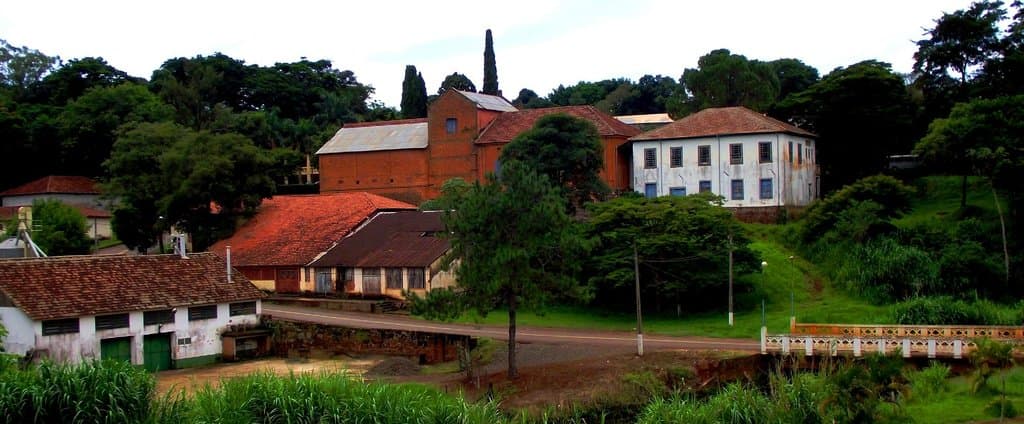
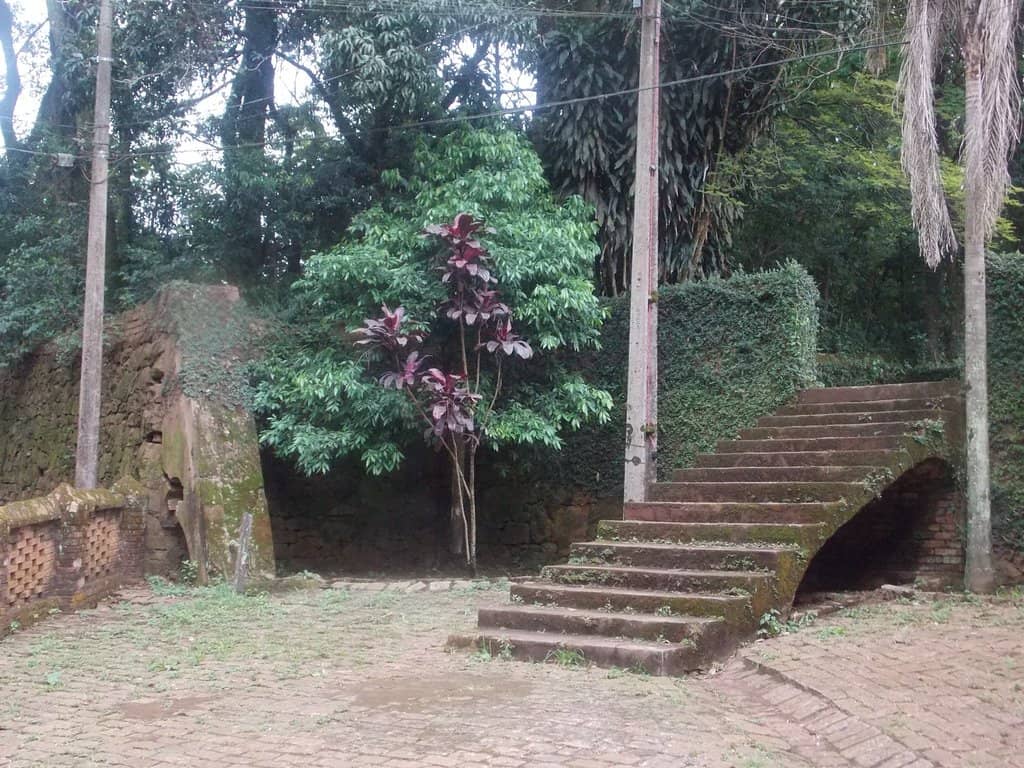
Historic Coffee Farm Setting
The entire museum grounds
Immerse yourself in the authentic atmosphere of a traditional coffee farm, showcasing the rich history of coffee production.
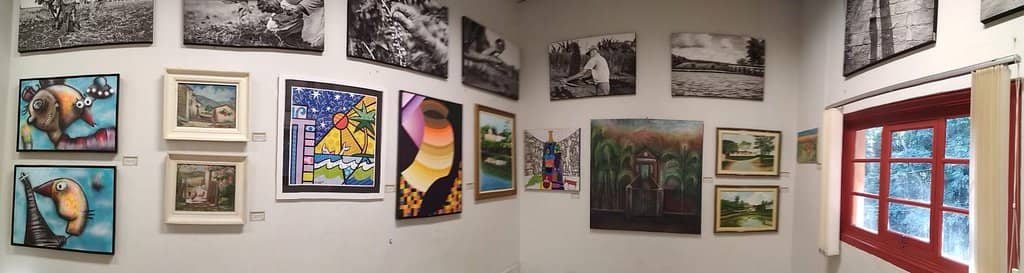
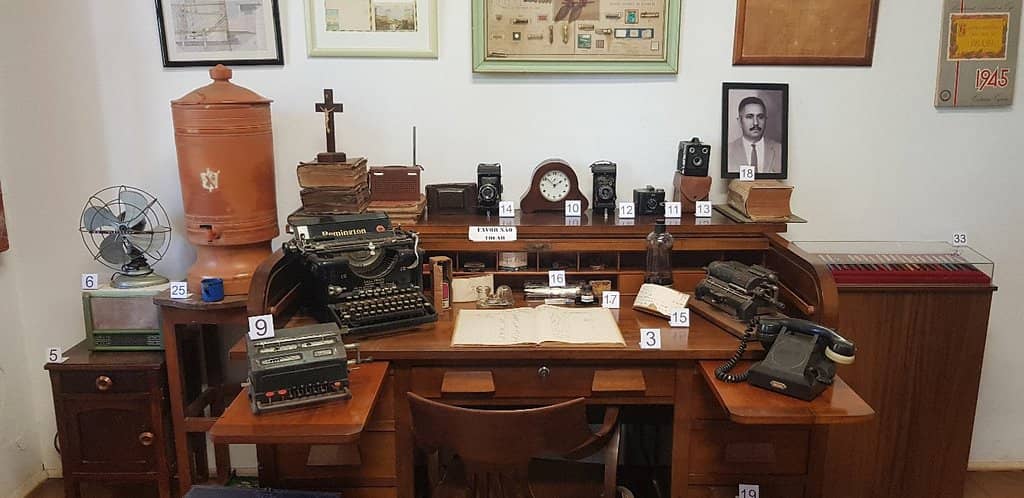
Coffee Production Process
Exhibition rooms
Discover the journey of coffee from seed to roast and grinding, with fascinating objects and displays detailing the entire process.
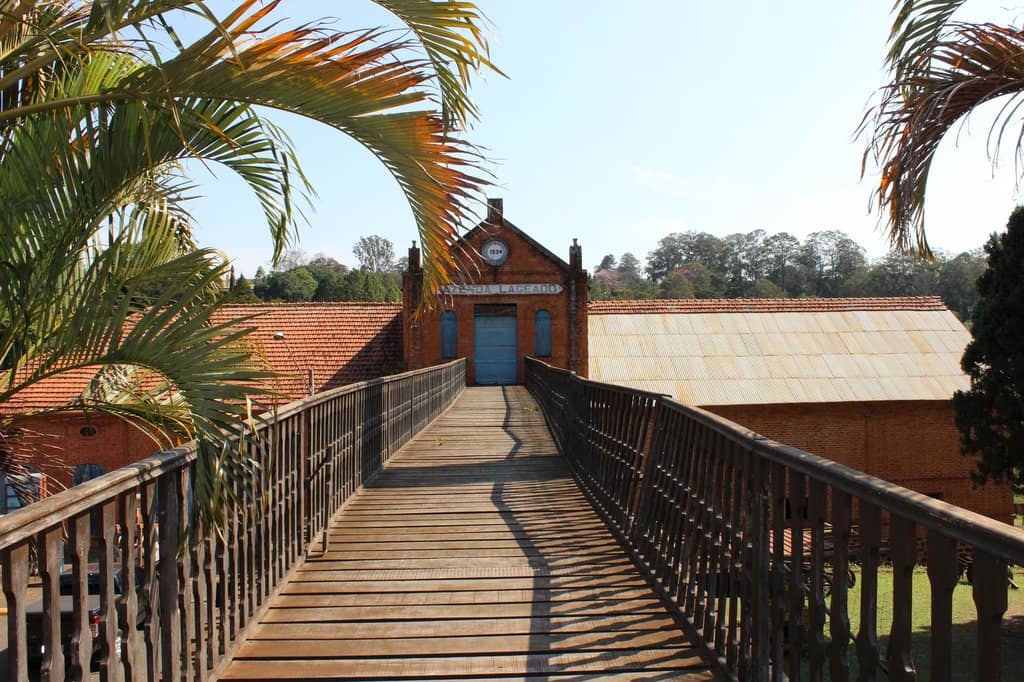
Architectural Charm
The main building
Appreciate the beauty of the old, historic building that houses the museum, a testament to Botucatu's coffee heritage.
Plans like a pro.
Thinks like you
Planning Your Visit
Manage Expectations for a Rustic Experience
Consider a Small Entrance Fee
Best Times
Insider Tips
from TikTok, Instagram & Reddit
Self-Guided Exploration
Be prepared for a self-guided tour; bring your curiosity to uncover the history of coffee production. 📚
Wear Comfortable Shoes
The grounds are rustic, so comfortable footwear is a must for exploring the farm and buildings. :athletic_shoe:
Bring Your Own Refreshments
There are no facilities for food or drinks, so pack water and snacks for your visit. :water_wave:
Check for Local Events
Sometimes local events or festivals are held here, adding to the experience. 📅
Tips
from all over the internet
Self-Guided Exploration
Be prepared for a self-guided tour; bring your curiosity to uncover the history of coffee production. 📚
Wear Comfortable Shoes
The grounds are rustic, so comfortable footwear is a must for exploring the farm and buildings. :athletic_shoe:
Bring Your Own Refreshments
There are no facilities for food or drinks, so pack water and snacks for your visit. :water_wave:
Check for Local Events
Sometimes local events or festivals are held here, adding to the experience. 📅
What Travellers Say
Reviews Summary
Visitors appreciate the Museu do Café Botucatu for its authentic historical setting and the interesting collection of coffee production artifacts, offering a glimpse into the region's past. However, many note the poor maintenance of the buildings, lack of interpretation, and absence of basic amenities like restrooms, suggesting that a small entrance fee could significantly improve the visitor experience.
"Great surroundings, lots of interesting objects, but nobody to walk you through the museum to explain the history, main facts, etc. The building and rooms have poor maintenance, they are slowly falling appart... And, believe it or not, there is no restroom there!
The admittance should be paid to allow offering a better experience. It does not need to be expensive: R$ 5 per guest should suffice. This would allowing some investment there, besides paying people to work as cicerones.
Also, a mini shop where guests could taste different flavors of coffee, buy souvenirs, etc would not do any harm.
Public things are always like that, poorly managed, offerering just a glimpse of what the experience could be. Private initiative should handle it."
Marcos Ruediger
"Old and beautiful place with the history of coffee in that farm and the whole process of coffee production, from seed to roast and grinding."
Caue Bertelli Cavallaro
"top"
Anderson Nasa
What People Like
What People Dislike
Frequently Asked Questions
🚇 🗺️ Getting There
The Museu do Café Botucatu is located in Botucatu, São Paulo. It's best accessed by car, as public transport options directly to the museum might be limited. If driving, use GPS navigation to the farm's address. Parking is usually available on-site.
While it's in a rural setting, the museum is generally well-signposted once you're in the vicinity of the farm. It's advisable to have the exact address handy before you set off.
Botucatu is a city in São Paulo state. Major cities within a few hours' drive include São Paulo city itself, Campinas, and Bauru, making it a potential stop on a larger road trip.
🎫 🎫 Tickets & Entry
Currently, the museum is free to enter. However, many visitors suggest a small fee could help with maintenance and improvements. :moneywithwings:
Opening hours can vary, and it's recommended to check locally or on their social media pages if available before visiting, as they may not be consistently updated online.
Based on visitor feedback, there are typically no dedicated guides available for tours. The experience is largely self-guided, allowing you to explore at your own pace.
Given the historic and rustic nature of the farm buildings, accessibility might be limited. It's advisable to contact the museum directly if you have specific accessibility concerns.
🎫 ☕ Onsite Experience
You can explore the historic farm buildings, view objects related to the coffee production process from seed to roast, and learn about the history of coffee in the region. It's a very visual and historical experience.
Unfortunately, visitor feedback indicates that there are no restrooms available on-site, which is a significant drawback for many. 🚽
There isn't a cafe or shop currently. Visitors have suggested that a mini-shop for coffee tasting and souvenirs would be a great addition to enhance the visitor experience.
The best way is to take your time, wander through the old buildings, and imagine the history of coffee farming. Reading any available information panels will enhance your understanding.
Photography is generally permitted for personal use, allowing you to capture the rustic charm and historical artifacts. :camerawithflash:
📸 📸 Photography
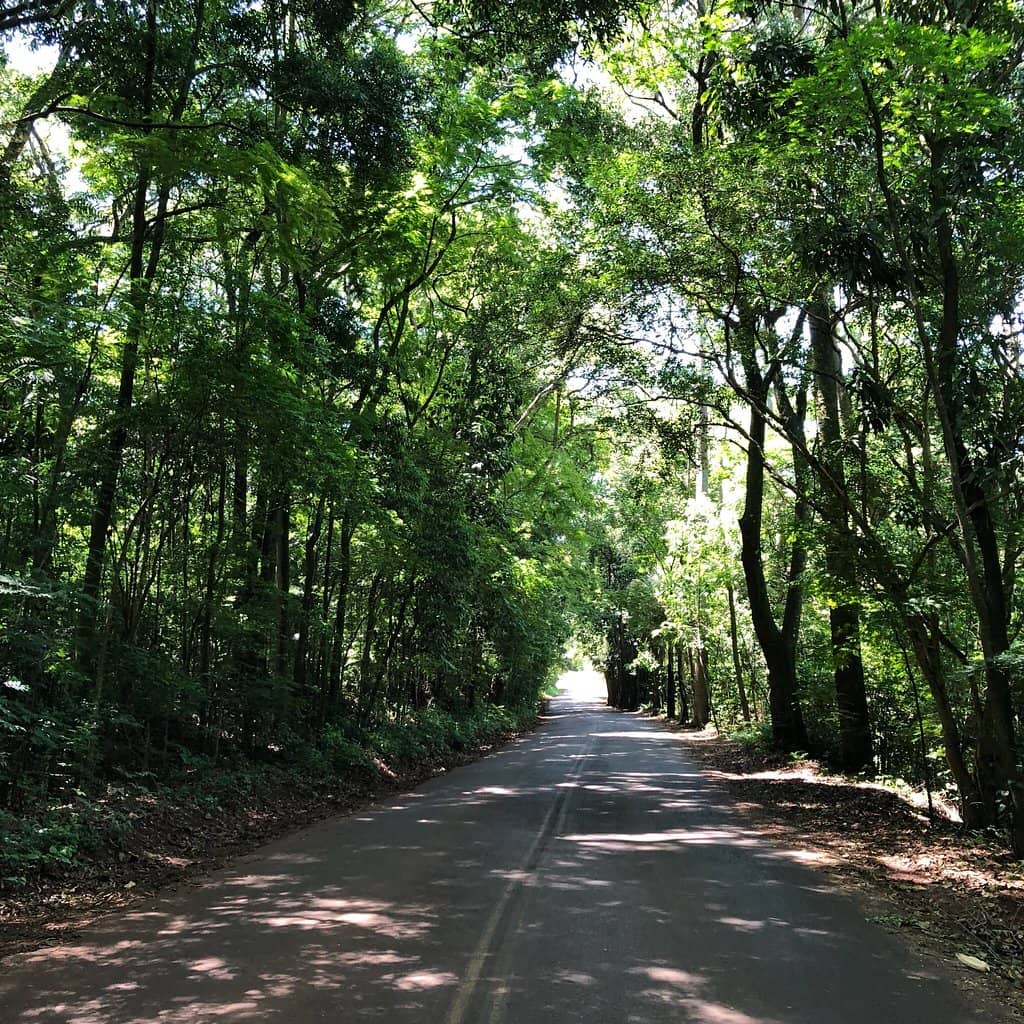
The old farm buildings, the surrounding natural landscape, and any preserved coffee-making equipment offer great photographic opportunities. The rustic architecture is particularly photogenic.
There are no specific regulations mentioned regarding drone photography. However, it's always best to be respectful of the site and other visitors, and avoid flying if it could be disruptive.
Natural light is abundant, especially during the day. Mornings and late afternoons offer softer, more atmospheric light, ideal for capturing the rustic beauty of the farm.
Social
from TikTok, Instagram & Reddit