Museu Oceanográfico Rio Grande
Discover diverse marine life and conservation efforts at the free Museu Oceanográfico in Rio Grande, featuring rescued penguins.

Highlights
Must-see attractions

Social
From TikTok & Reddit
Best Time
Fewer crowds, more relaxed viewing
Museu Oceanográfico Rio Grande
Best Time
Fewer crowds, more relaxed viewing
Highlights
Must-see attractions
Discover diverse marine life and conservation efforts at the free Museu Oceanográfico in Rio Grande, featuring rescued penguins.
"A highly recommended, free museum with a great collection for all ages to see and learn."
Free Admission! 🎉
Enjoy the museum's extensive collection without an entrance fee. Donations are welcome to support their work.
Check for Penguin Sightings 🐧
Visit the CRAM to see rescued penguins and other marine animals. They are often a highlight for visitors.
Quick Facts
Hours
Rating
4.7 · 2,765 reviews
Type
Museum
Highlights
Discover the most iconic attractions and experiences
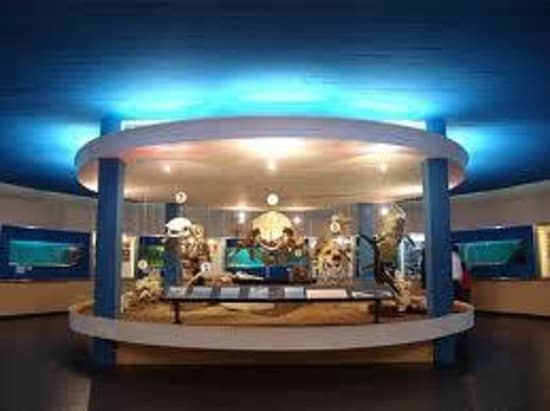
Marine Life Exhibition
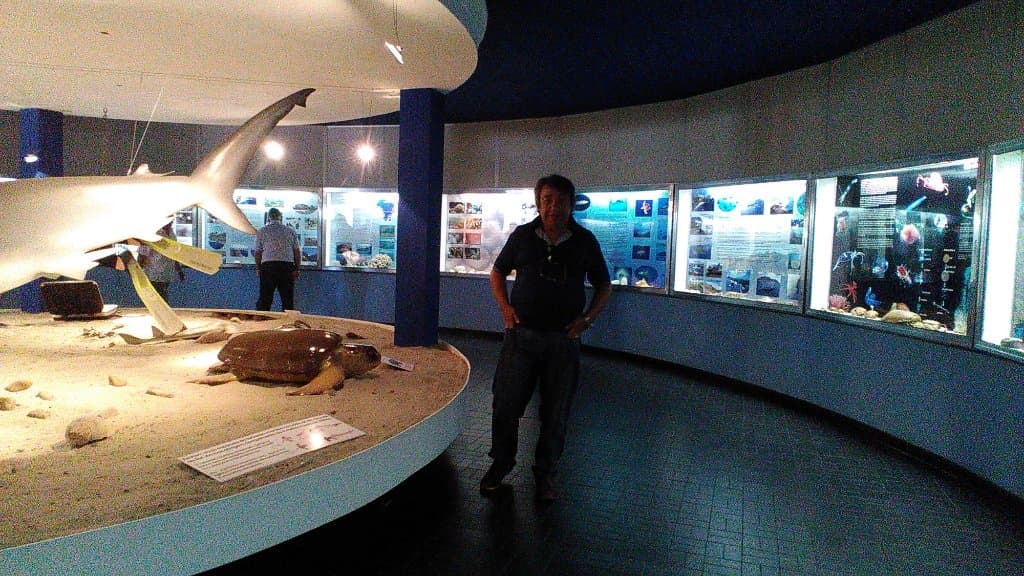
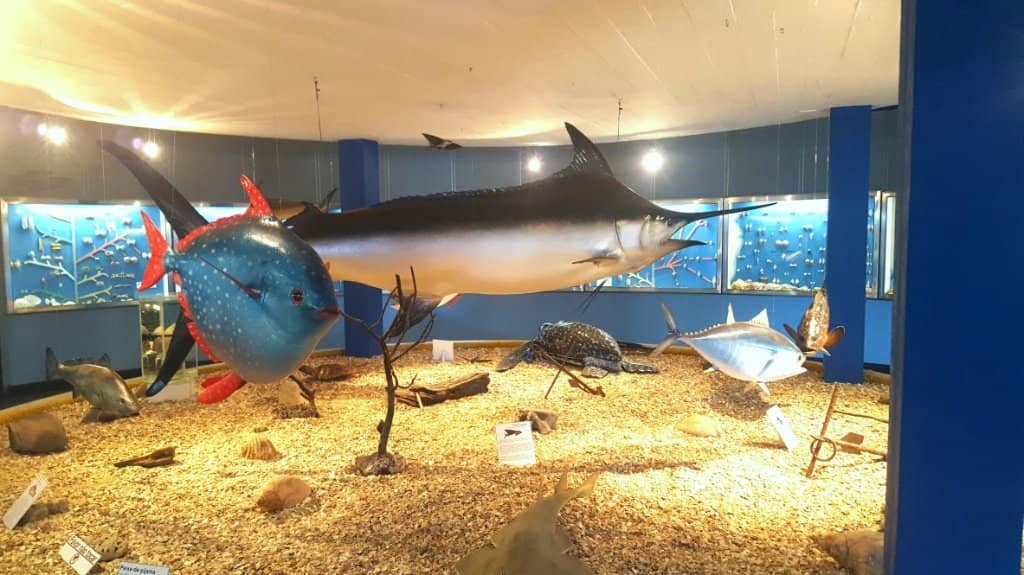
Marvel at a vast collection of preserved marine species, shells, and learn about diverse ocean inhabitants.
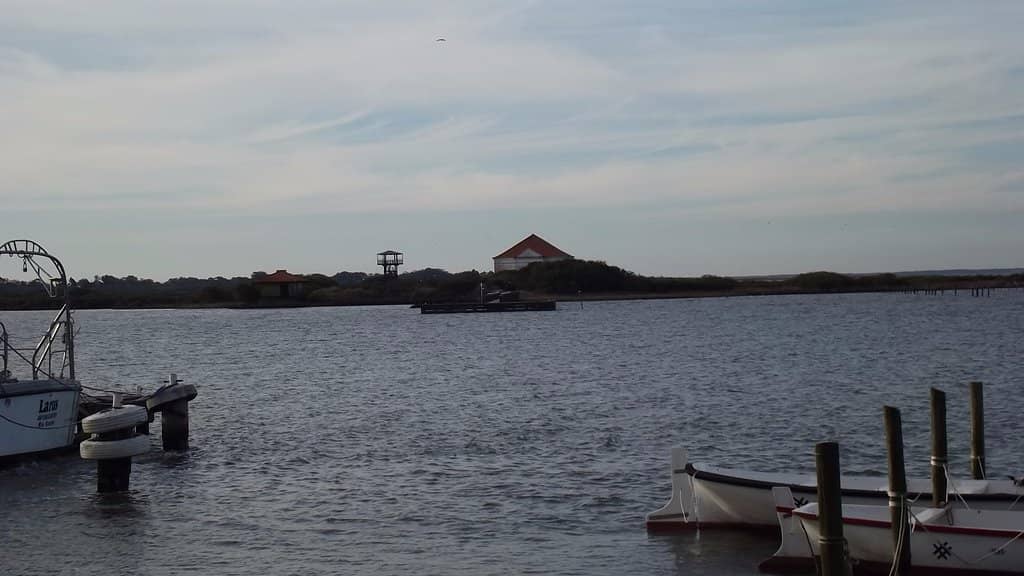
Animal Rehabilitation Center (CRAM)
See rescued penguins and other marine animals undergoing rehabilitation before their return to the wild.
The 'Spectacled' Miragaia Fish
Learn the unique story of a Miragaia fish with a tumor that gave it a human-like appearance.
Plans like a pro.
Thinks like you
Planning Your Visit
Plan Your Visit to the Oceanographic Museum
What to Expect at the Museum
Best Times
Insider Tips
from TikTok, Instagram & Reddit
Free Admission! 🎉
Enjoy the museum's extensive collection without an entrance fee. Donations are welcome to support their work.
Check for Penguin Sightings 🐧
Visit the CRAM to see rescued penguins and other marine animals. They are often a highlight for visitors. 
Learn About Miragaia Fish 🐠
Don't miss the fascinating story of the 'spectacled' Miragaia fish with a unique cranial tumor.
Portuguese Information Only
Be aware that most exhibit information is in Portuguese. Consider a translation app if needed.
Tips
from all over the internet
Free Admission! 🎉
Enjoy the museum's extensive collection without an entrance fee. Donations are welcome to support their work.
Check for Penguin Sightings 🐧
Visit the CRAM to see rescued penguins and other marine animals. They are often a highlight for visitors.
Learn About Miragaia Fish 🐠
Don't miss the fascinating story of the 'spectacled' Miragaia fish with a unique cranial tumor.
Portuguese Information Only
Be aware that most exhibit information is in Portuguese. Consider a translation app if needed.
Guided Tours Available
Enhance your visit with a guided tour to gain deeper insights into the exhibits and conservation efforts.
What Travellers Say
Reviews Summary
Visitors praise the Museu Oceanográfico for its extensive and educational collection of marine life, making it a great spot for all ages. The free admission is a significant plus, and the adjacent animal rehabilitation center (CRAM) with its penguins is a heartwarming highlight. Some reviewers note that the museum could benefit from modernization and more multilingual information.
"It is very good and has very good collection for all age group to see and learn. It is highly recommended for taking some time for visiting this place out."
GIRIDHAR GOPALAKRISHNA
"Public Exhibition of Marine life, preserve shells, Can learn good knowledge about different species"
Life at Sea
"Nice place, friendly staff."
Rey Christian Delos Reyes
What People Like
What People Dislike
Frequently Asked Questions
🚇 🗺️ Getting There
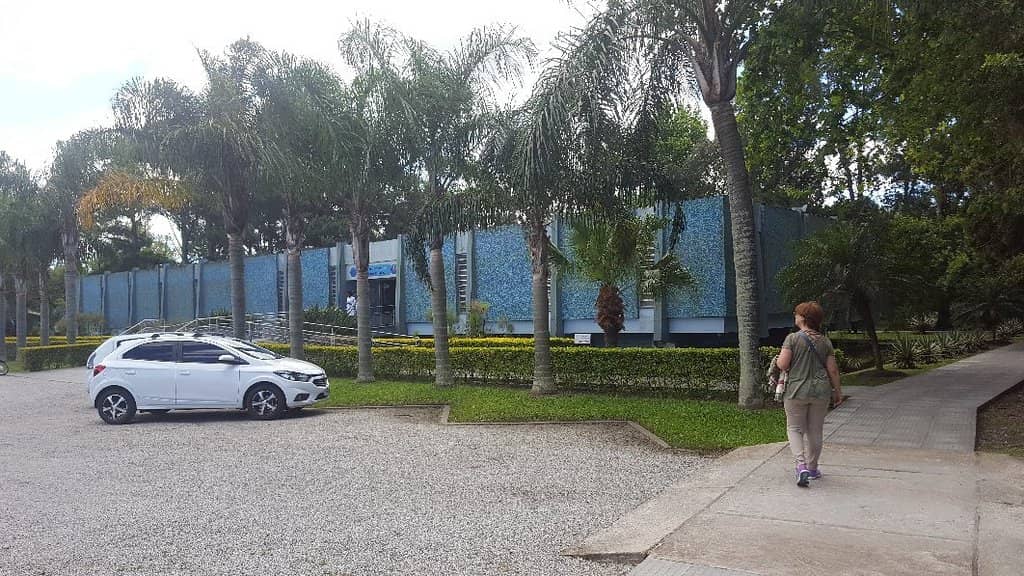
The Museu Oceanográfico is located in Rio Grande, Rio Grande do Sul, Brazil. Visitors can reach it by car or public transport within the city. Parking is generally available nearby.
Information on specific bus routes to the museum is best checked locally, but Rio Grande has a public transport system that can likely get you close to the area.
The museum is situated in Rio Grande. For precise driving directions, it's recommended to use a GPS navigation app, as specific street names can vary.
While specific parking details aren't always highlighted, street parking is typically available in the vicinity of attractions like the Museu Oceanográfico.
Yes, the Museu Oceanográfico can be a great addition to a day trip in Rio Grande, offering a unique educational experience.
🎫 🎫 Tickets & Entry
The entrance to the Museu Oceanográfico is free, making it a highly accessible attraction for all visitors.
While general admission is free, some sources mention an additional fee for the 'touch laboratory' experience, so it's wise to inquire upon arrival.
Opening hours can vary, so it's best to check the museum's official website or social media pages for the most up-to-date information before your visit.
As admission is free, advance booking is generally not required. However, for group visits or special events, it's advisable to contact the museum directly.
Absolutely! The museum offers engaging exhibits for all age groups, from children to adults, providing educational insights into marine life.
🎫 🧭 Onsite Experience
You can explore a vast collection of preserved marine life, including fish, invertebrates, and marine mammals, as well as learn about local marine ecosystems.
Yes, the museum is adjacent to the CRAM (Centro de Recuperação de Animais Marinhos), where you can see rescued penguins and other marine animals.
While specific interactive exhibits aren't always detailed, the marine life displays and the presence of live animals at CRAM are generally captivating for younger visitors.
Most of the information and signage at the museum are in Portuguese. Visitors who don't speak Portuguese may benefit from a translation app.
Photography is generally permitted inside the museum for personal use, but it's always a good idea to check for any specific restrictions on flash photography or certain exhibits.
🍽️ 🍽️ Food & Dining
The museum itself typically does not have a restaurant or cafe. It's advisable to plan for meals before or after your visit at nearby eateries.
Rio Grande offers a variety of dining options, from local Brazilian cuisine to seafood restaurants. Explore the surrounding areas for suitable choices.
While not explicitly stated, it's generally best practice to consume outside food and drinks in designated areas or outside the museum premises to maintain the exhibits.
As with many Brazilian cities, you can likely find vegetarian and vegan options by exploring local restaurants and asking for recommendations.
Yes, it's a good idea to have a meal before your visit, as there are no dining facilities within the museum itself.
📸 📸 Photography
Yes, photography for personal use is generally allowed inside the museum. However, always be mindful of any posted signs regarding flash photography or specific exhibit restrictions.
The diverse marine specimens, the rescued animals at CRAM (especially penguins), and the unique Miragaia fish are popular subjects for photography.
Tripod usage might be restricted to avoid obstructing other visitors. It's best to inquire at the information desk upon arrival if you plan to use one.
Capturing the penguins at CRAM is a crowd-pleaser. The detailed exhibits of shells and preserved marine life also offer great photographic potential.
The museum lighting varies by exhibit. Some areas might be well-lit, while others could be dimmer, so a camera with good low-light performance or a flash (if permitted) can be beneficial.


Social
from TikTok, Instagram & Reddit