Santuário do Caaró Caibaté
A sacred site of faith and history, marking the martyrdom of Jesuit missionaries and home to a miraculous spring.
Highlights
Must-see attractions

Social
From TikTok & Reddit
Best Time
Grand pilgrimage event
Santuário do Caaró Caibaté
Best Time
Grand pilgrimage event
Highlights
Must-see attractions
A sacred site of faith and history, marking the martyrdom of Jesuit missionaries and home to a miraculous spring.
"A spiritual sanctuary where faith, history, and nature converge, offering peace and believed miracles."
💧 Drink from the Spring
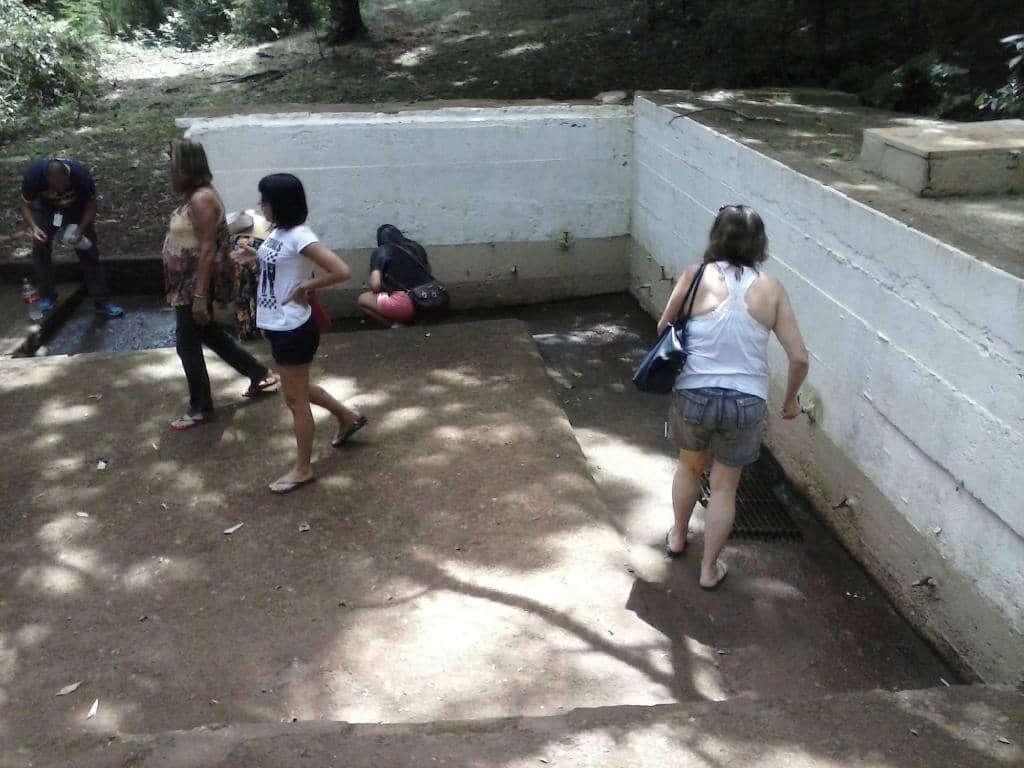
Many believe the water has miraculous healing powers. Don't miss tasting it!
🚶 Hire a Local Guide
Gain deeper insights into the rich history and events of the missions.
Quick Facts
Hours
Rating
4.6 · 172 reviews
Type
Place of Worship
Highlights
Discover the most iconic attractions and experiences
The Miraculous Spring
Santuário do Caaró Caibaté
Drink from and bathe in the spring, believed to possess healing and miraculous properties by pilgrims.
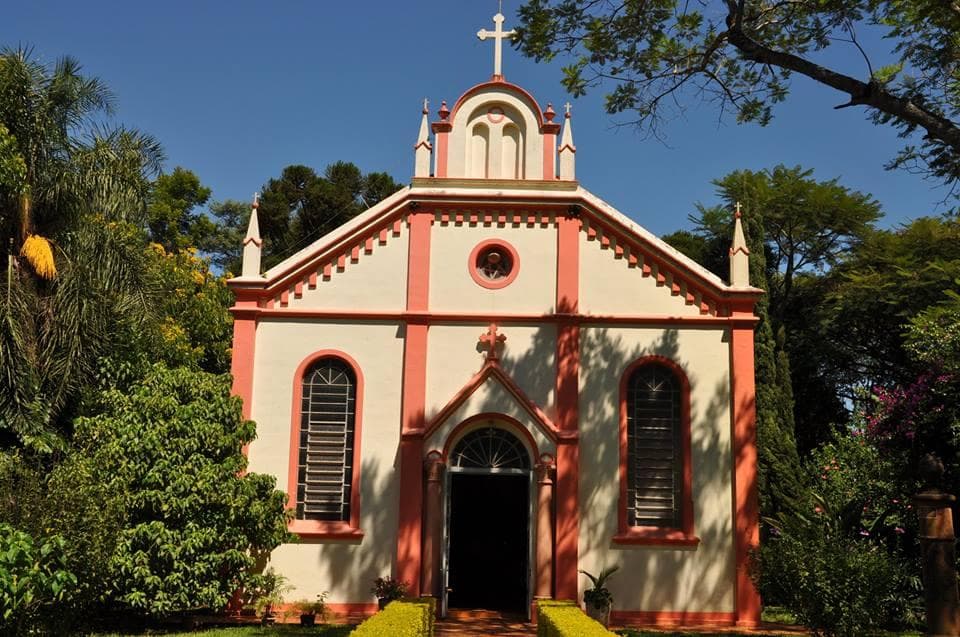
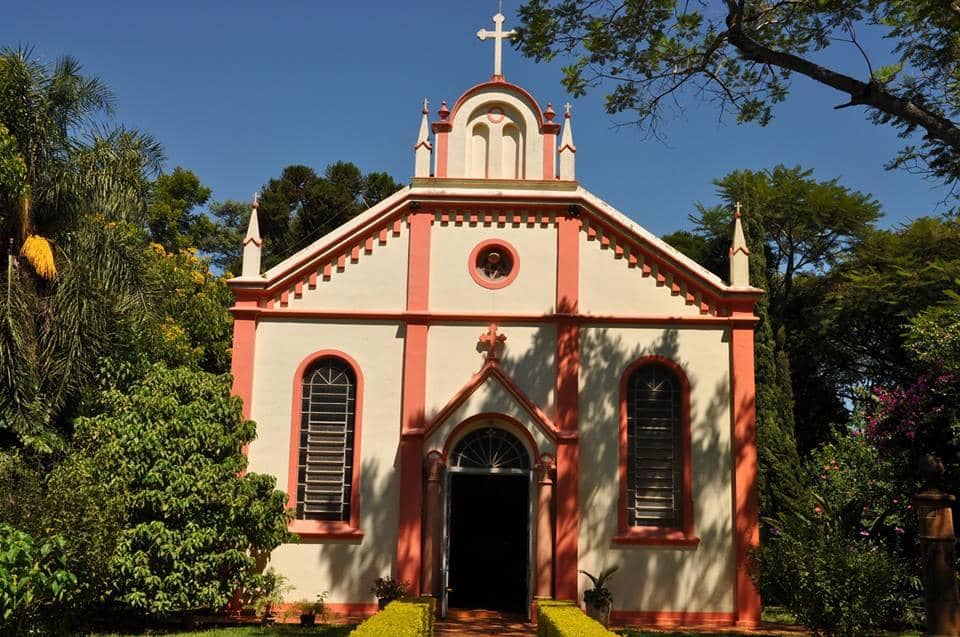
Chapel of the Martyrs
Santuário do Caaró Caibaté
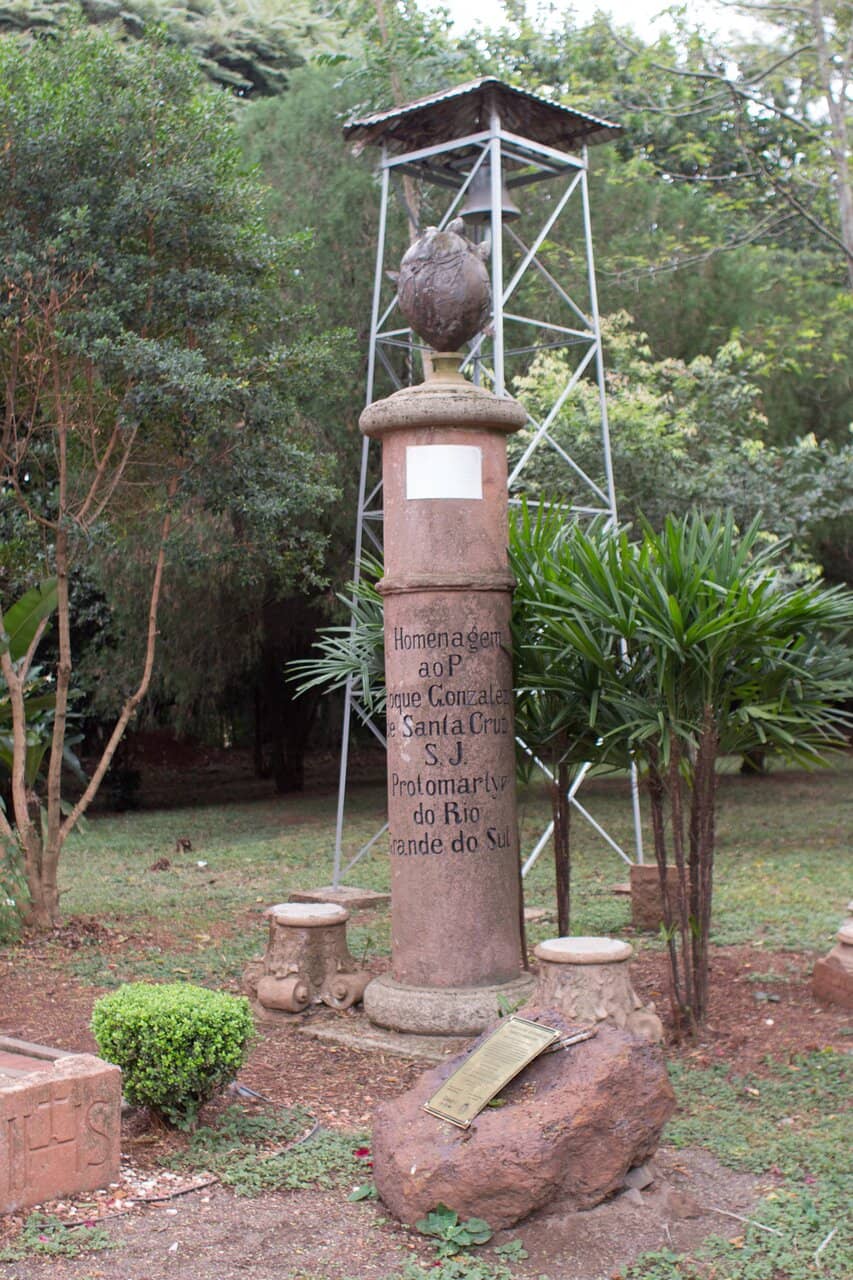
A simple yet profound chapel commemorating the martyrdom of Jesuit missionaries in 1628.
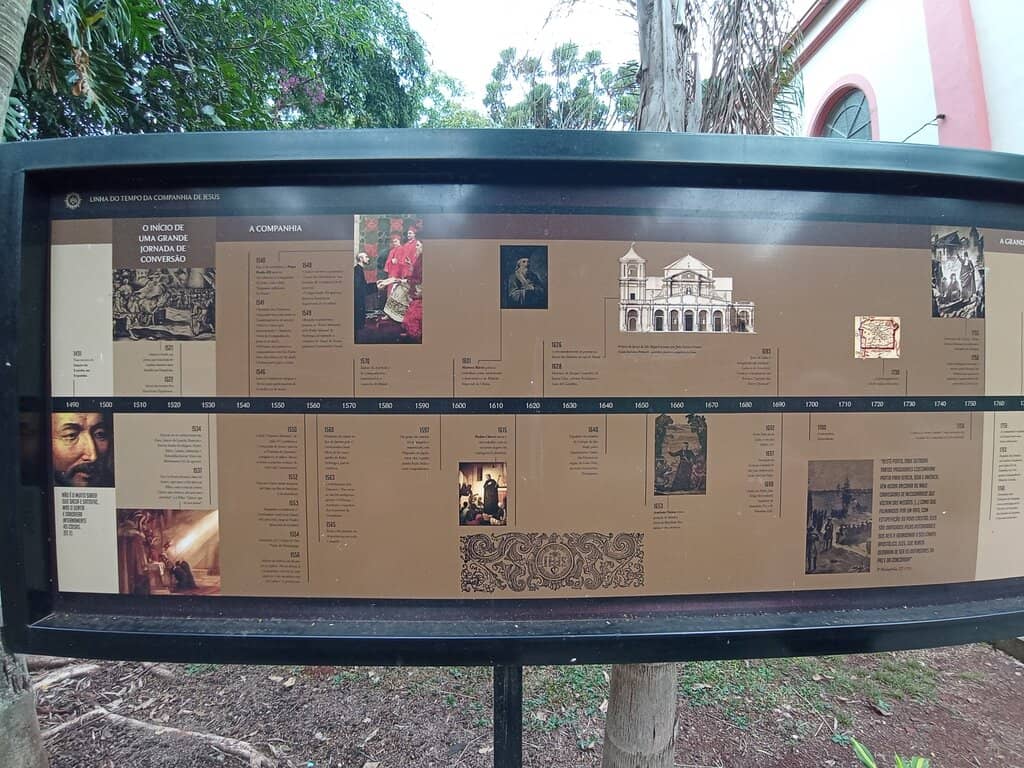
Historical Interpretation Panels
Santuário do Caaró Caibaté
Learn about the region's history and the Jesuit missions through informative panels surrounding the sanctuary.
Plans like a pro.
Thinks like you
Planning Your Visit
Embrace the Spiritual Journey
Historical Significance & Access
Best Times
Insider Tips
from TikTok, Instagram & Reddit
💧 Drink from the Spring
Many believe the water has miraculous healing powers. Don't miss tasting it!
🚶 Hire a Local Guide
Gain deeper insights into the rich history and events of the missions.
🚗 Access via Dirt Road
The sanctuary is reached by a dirt road, so plan your transport accordingly.
🙏 Respect the Sacred Space
This is a place of faith and remembrance. Maintain a quiet and respectful demeanor.
Tips
from all over the internet
💧 Drink from the Spring
Many believe the water has miraculous healing powers. Don't miss tasting it!
🚶 Hire a Local Guide
Gain deeper insights into the rich history and events of the missions.
🚗 Access via Dirt Road
The sanctuary is reached by a dirt road, so plan your transport accordingly.
🙏 Respect the Sacred Space
This is a place of faith and remembrance. Maintain a quiet and respectful demeanor.
📅 Check Pilgrimage Dates
Visiting during a pilgrimage offers a unique, vibrant experience.
What Travellers Say
Reviews Summary
Visitors describe Santuário do Caaró Caibaté as a surreal and deeply spiritual place, offering peace and serenity. Its historical significance as the martyrdom site of Jesuit missionaries and the believed miraculous properties of its spring are major draws. While access is via a dirt road and amenities are basic, the rich history and natural beauty make it a highly recommended destination for those seeking faith and knowledge.
"Surreal"
diego lopes
"O Santuário do Caaró é um local espiritual, onde a fé e a paz são elementos muito marcantes para quem está em busca de serenidade e proteção. Pertencente a história do 1º Ciclo Jesuítico Guarani - a palavra CAARÓ, de significado em língua Guarani, "erva amarga". É o local onde tombou Pe. Roque Gonzales de Santa Cruz e Pe. Afonso Rodrigues. Decorrente do martírio ocorrido por indígenas a mando do cacique Nheçú aos jesuítas, no ano de 1628. Na época, o fato se deu por um milagre, ocasionado pelo coração do Pe. Roque, que fora morto e incendiado na pequena capela, construida na pequena e iniciada redução. Este coração, permanece intacto até os dias de hoje e descansa em Assunção/PY. Acredita-se no poder curativo e milagroso da água, onde pode-se banhar e beber da fonte existente. Todos os domingos acontece celebração de missa, sempre às 10h. Uma grande peregrinação reune-se através de cavalgadas, trilhas a pé, de bike, e romarias acontecem durante o ano todo como: Romaria da Pessoa Idosa em fevereiro, Moto Romaria em maio, assim como a Romaria Mirim, mas, a grande Romaria de devoção aos Santos Mártires do Caaró é realizada no segundo domingo de novembro onde fiéis de toda parte do mundo vem em busca da fé. O local possui um retiro espiritual, onde acomoda grupos para estudos, contemplação e turismo."
Vivian Copetti
"Local do martírio.
Local onde os padres Padres Roque Gonzales e Afonso Rodrigues, jesuítas pioneiros na catequização dos índios da região foram martirizados.
Após pesquisas em mapas e documentos antigos, bem como laboriosas escavações, foi fixado com precisão o lugar denominado "CAARÓ", onde foi construída a capela dos Santos Mártires, dentro do território do município de Caibaté, a 14 km da cidade.
O Santuário homenageia a morte dos santos missioneiros, Roque González, Afonso Rodrigues e João de Castilhos, ocorridas em 1628. Por lá tem a fonte de onde os peregrinos se servem da água milagrosa. O interior da capela é simples, a parte externa é mais cheio de detalhes. A localização é dentro de uma área verde com muitos, local limpo e organizado. Acesso por estrada de terra. Ao lado do Santuários existem painéis que retratam partes da história da região. Para quem admira e aprecia lugares históricos, de arquitetura e sacros recomendo uma visita."
Mara M.C. Hermes
What People Like
What People Dislike
Frequently Asked Questions
🚇 🗺️ Getting There
The sanctuary is located in Caibaté, approximately 14 km from the city center, accessible via a dirt road. Visitors often use private vehicles or taxis. Some pilgrims arrive via organized bus tours or even horseback riding during specific events.
The access road is a dirt road. While generally passable, its condition can vary, especially after rain. It's advisable to check local conditions if you are driving yourself.
Direct public transport to the sanctuary is limited. It's more common to take a bus to Caibaté and then arrange local transport or a taxi to reach the site.
For a day trip, driving your own vehicle or hiring a taxi from Caibaté is recommended for flexibility. Consider joining a guided tour if available, as they often handle transportation.
Yes, many pilgrims participate in organized treks and bike rides to the sanctuary, especially during major pilgrimage dates. These routes are often well-marked or guided.
🎫 🎫 Tickets & Entry
Entry to the Santuário do Caaró Caibaté is generally free, as it is a place of worship and historical significance. Donations are welcome to help maintain the site.
The sanctuary is typically open daily, allowing visitors to explore the grounds and chapel. However, specific hours for any facilities or guided tours might vary. It's best to check locally if you plan to visit at a specific time.
No, advance booking is not required for general visits to the sanctuary. You can visit spontaneously.
During major pilgrimages, the site can be very crowded. While no special tickets are needed, arriving early is advisable. Some organized groups might have their own registration processes.
While there isn't a formal visitor center, you can often find knowledgeable individuals, including priests or guides, on-site who can provide information about the sanctuary's history and significance.
🎫 🧭 Onsite Experience
Visitors can explore the Chapel of the Martyrs, drink from the miraculous spring, view historical interpretation panels, and experience the serene, green surroundings. It's a place for reflection and learning about the Jesuit missions.
The spring water is believed by many to have miraculous and healing properties, drawing pilgrims seeking spiritual and physical well-being.
Hiring a local guide is highly recommended to fully appreciate the historical context and stories associated with the sanctuary. Guides can provide in-depth knowledge not always apparent from the panels alone.
Given the spiritual nature of the site, modest and respectful attire is recommended. Comfortable walking shoes are also advisable, especially if you plan to explore the grounds.
The sanctuary is set within a green area, offering a peaceful environment for contemplation. There are often benches or quiet spots where visitors can sit and reflect.
🍽️ 🍽️ Food & Dining
There are typically no restaurants or food stalls directly within the sanctuary grounds. Visitors are advised to bring their own snacks and water, or plan to eat in the nearby town of Caibaté.
The serene, green surroundings make it a pleasant spot for a picnic. However, it's important to clean up after yourself and dispose of trash properly to maintain the sanctity of the area.
The town of Caibaté offers local restaurants and cafes where you can find regional cuisine. It's a good place to stop for a meal before or after visiting the sanctuary.
During large pilgrimages, temporary food vendors might be present, but this is not guaranteed. It's always safer to come prepared with your own provisions.
The region offers traditional Gaúcho cuisine, often featuring barbecue (churrasco) and local produce. Exploring the restaurants in Caibaté will give you a taste of these specialties.
📸 📸 Photography
Photography is generally permitted at the sanctuary, especially for capturing the historical panels and the natural surroundings. However, be mindful and respectful when photographing the chapel interior or during religious services.
The historical panels offer great storytelling opportunities. The chapel exterior, surrounded by greenery, also makes for a picturesque shot. The spring area can be photogenic, but be respectful of those using it for spiritual purposes.
There are no specific mentions of drone restrictions, but it's always advisable to check local regulations and be considerate of other visitors and the sacred nature of the site before flying a drone.
The sanctuary is located in a natural, green area. Natural daylight is the primary source of light. Mornings and late afternoons often provide softer, more flattering light for photography.
Yes, the historical interpretation panels are meant to educate visitors, so photographing them is encouraged to share the history.
You may also like
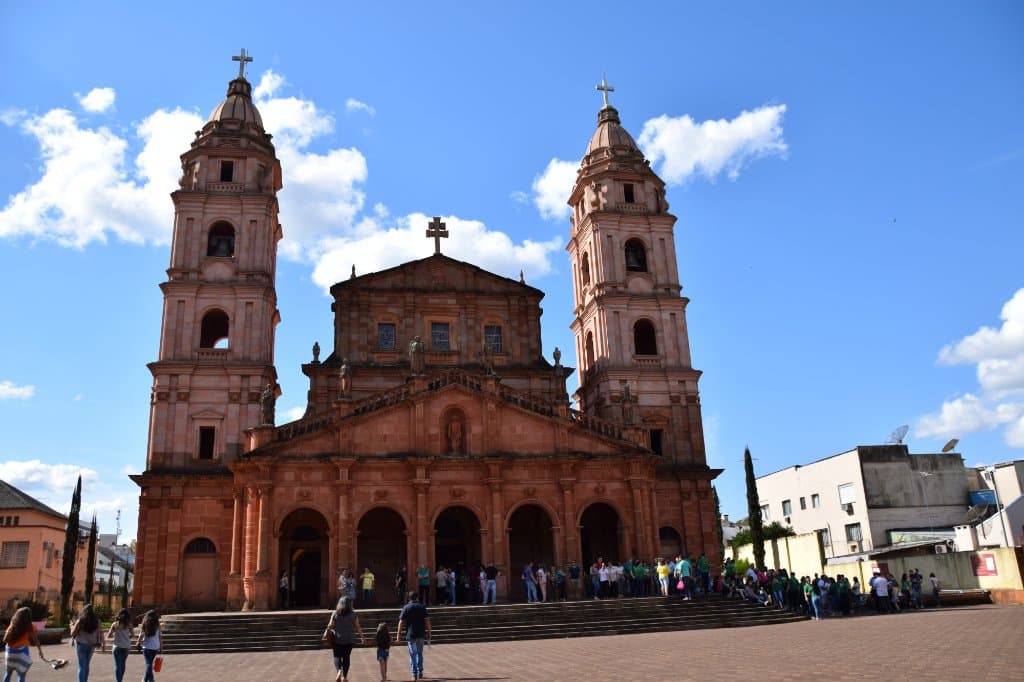
Catedral Angelopolitana

Mercado Público Municipal
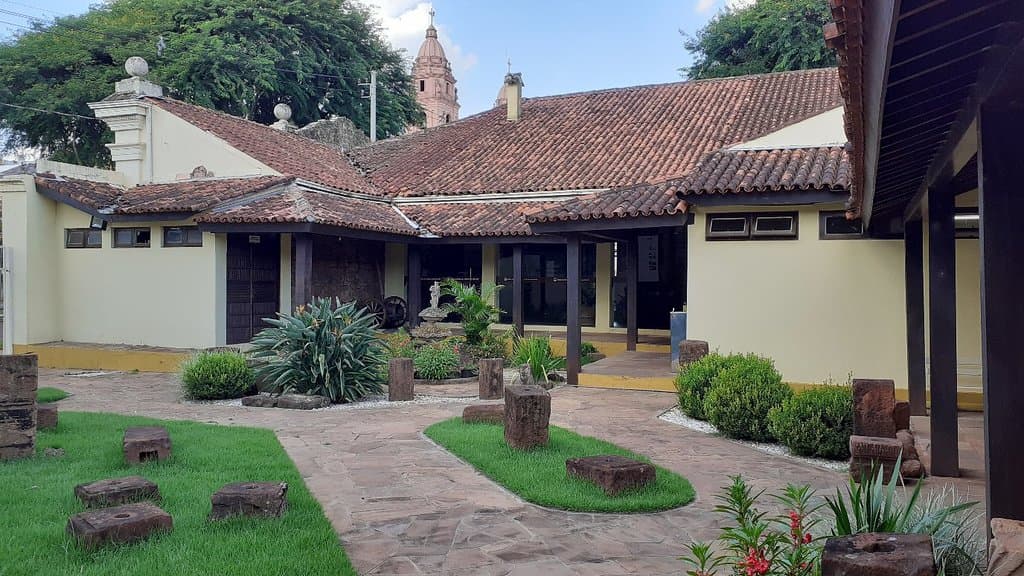
Museu Municipal José Olavo Machado
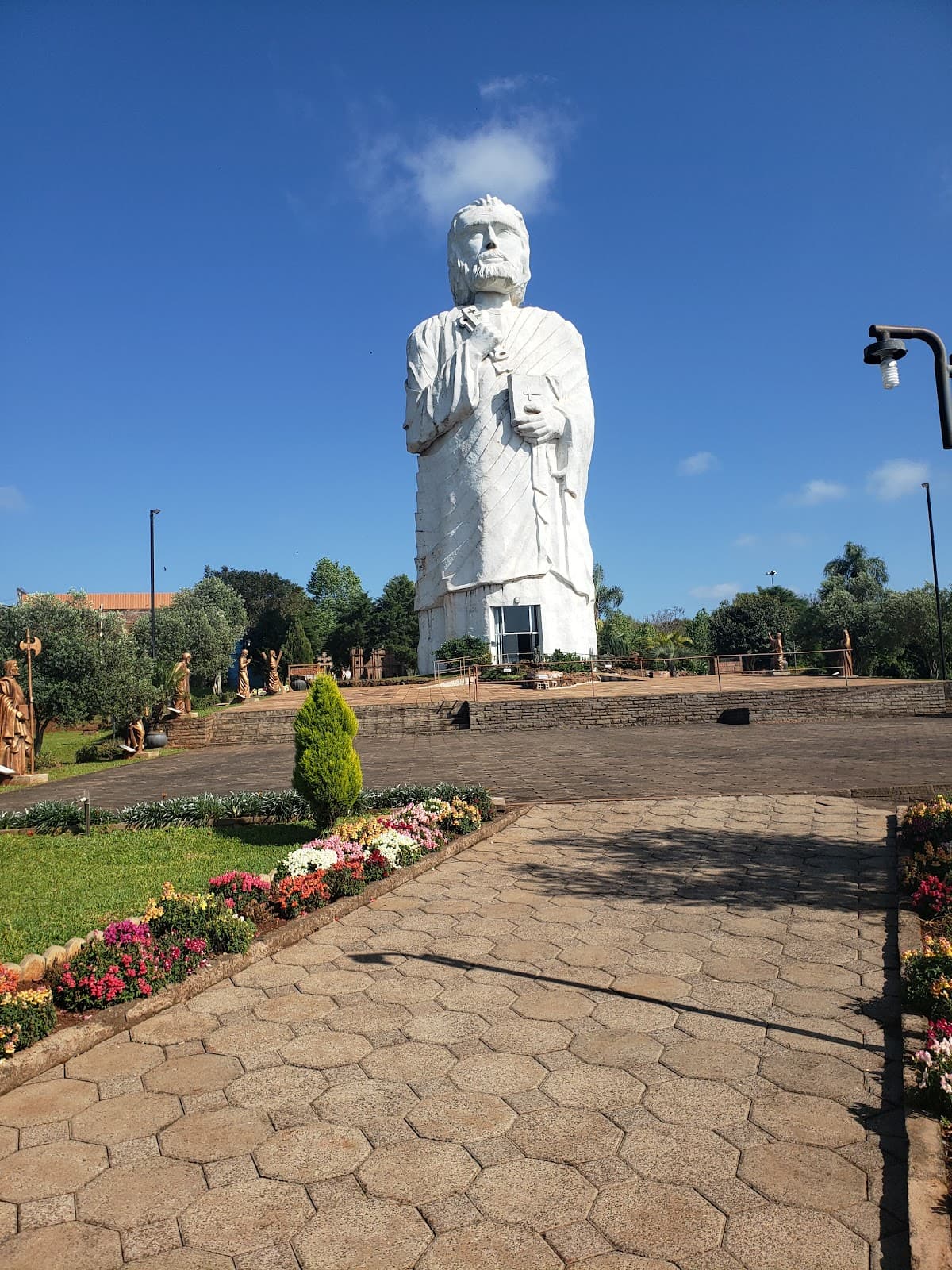
Parque de Esculturas Sacras São Pedro do Butiá
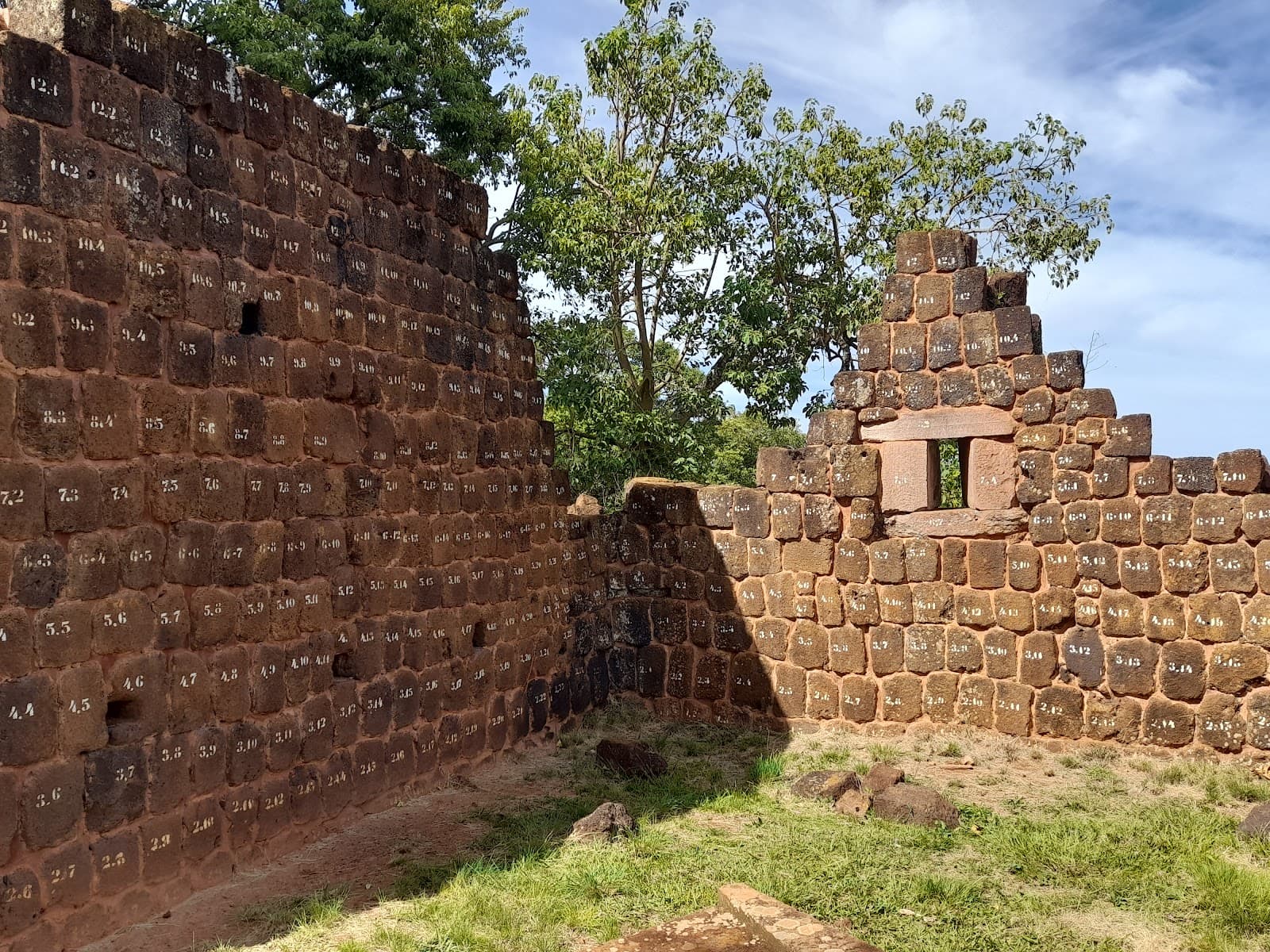
Ruínas de São Lourenço Mártir São Luiz Gonzaga
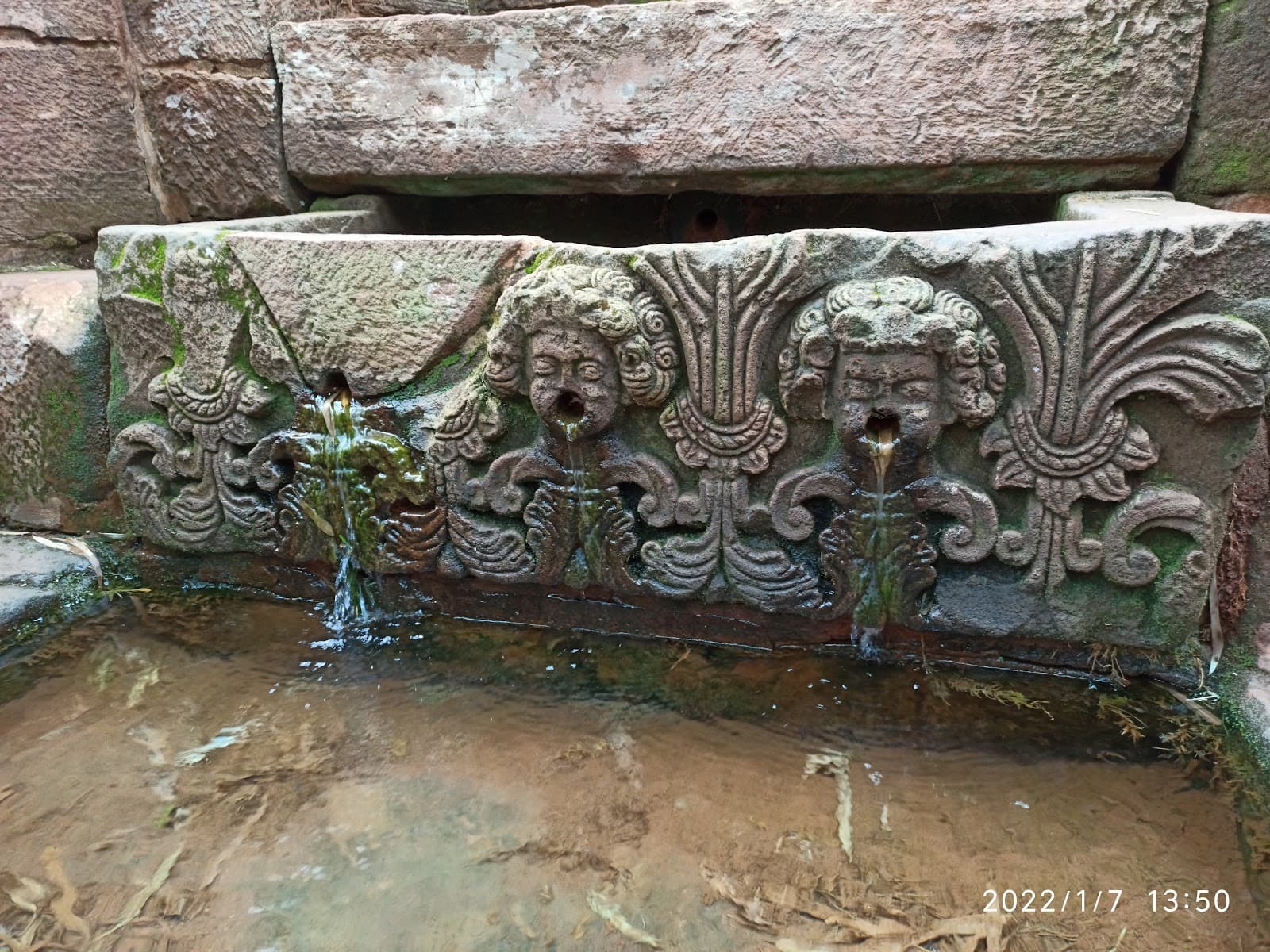
Fonte Missioneira
Catedral Angelopolitana
Mercado Público Municipal
Museu Municipal José Olavo Machado
Parque de Esculturas Sacras São Pedro do Butiá
Ruínas de São Lourenço Mártir São Luiz Gonzaga
Fonte Missioneira
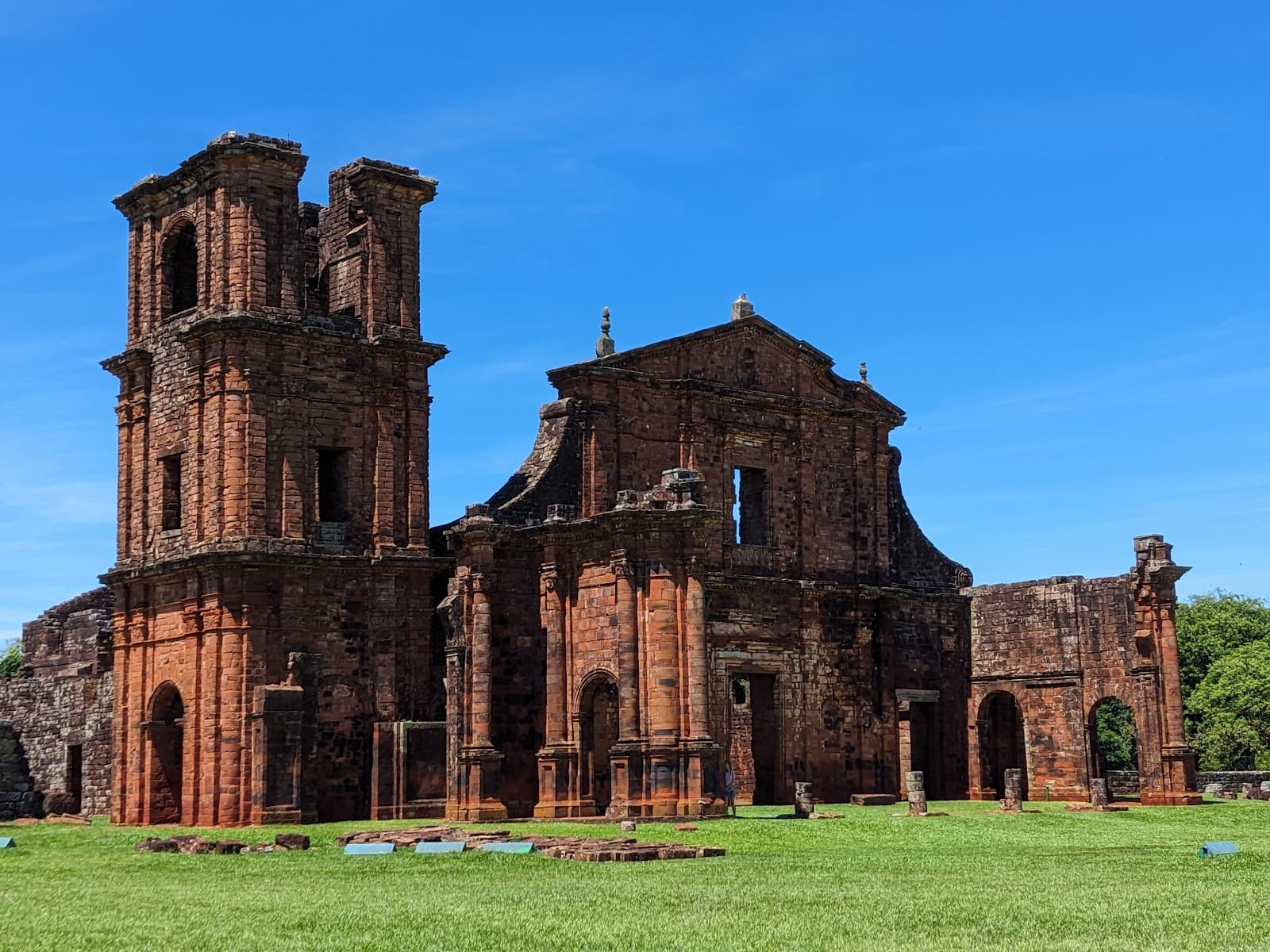
Museu das Missões São Miguel das Missões
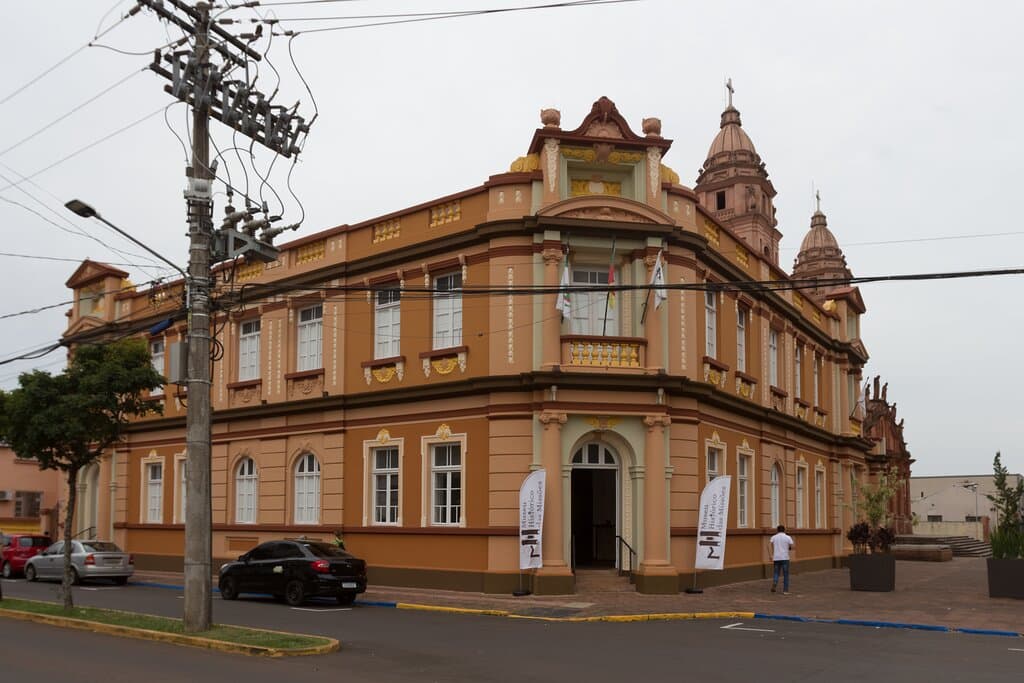
Centro Histórico Santo Ângelo

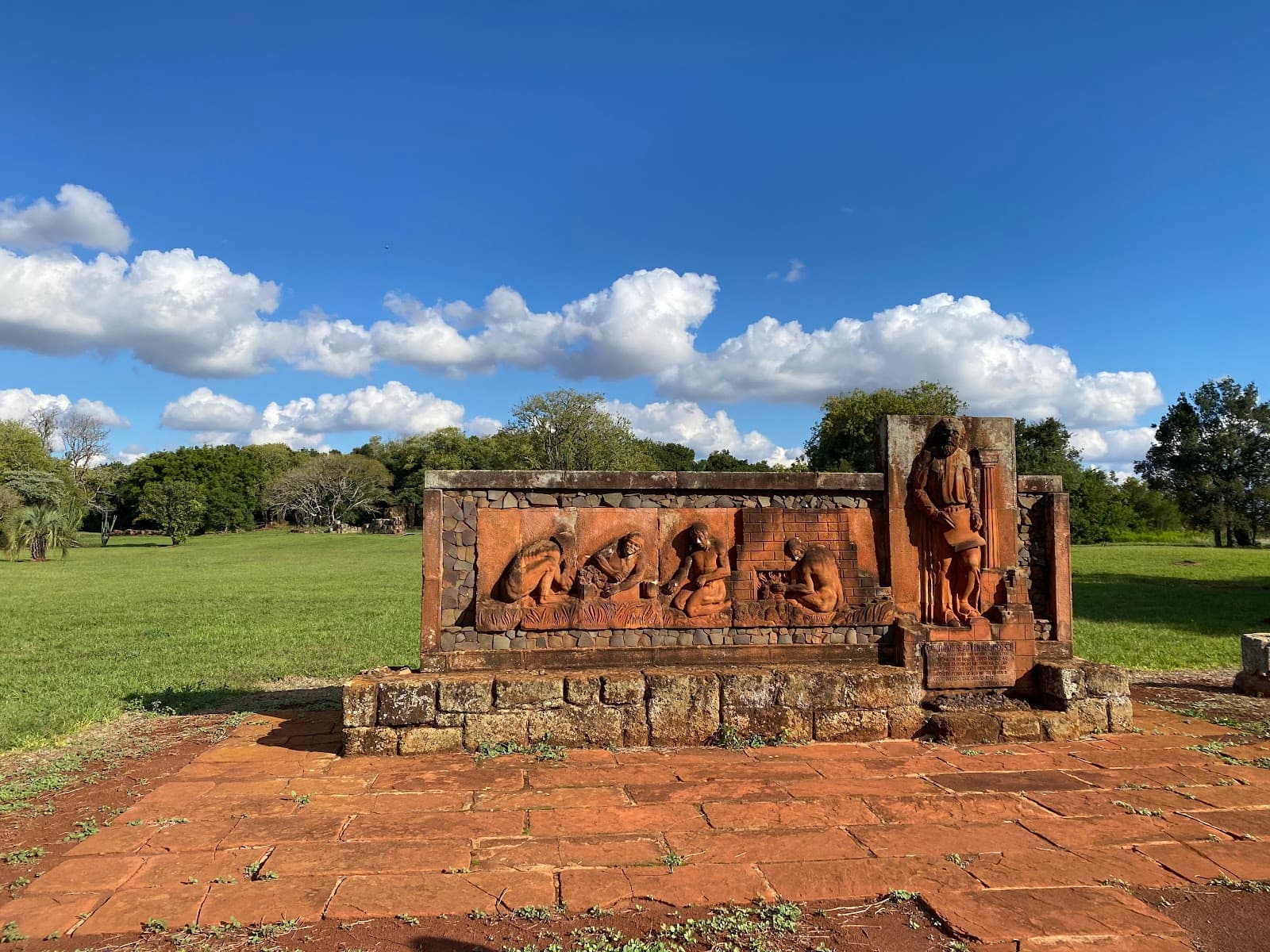
Sítio Arqueológico de São Miguel Arcanjo São Miguel das Missões
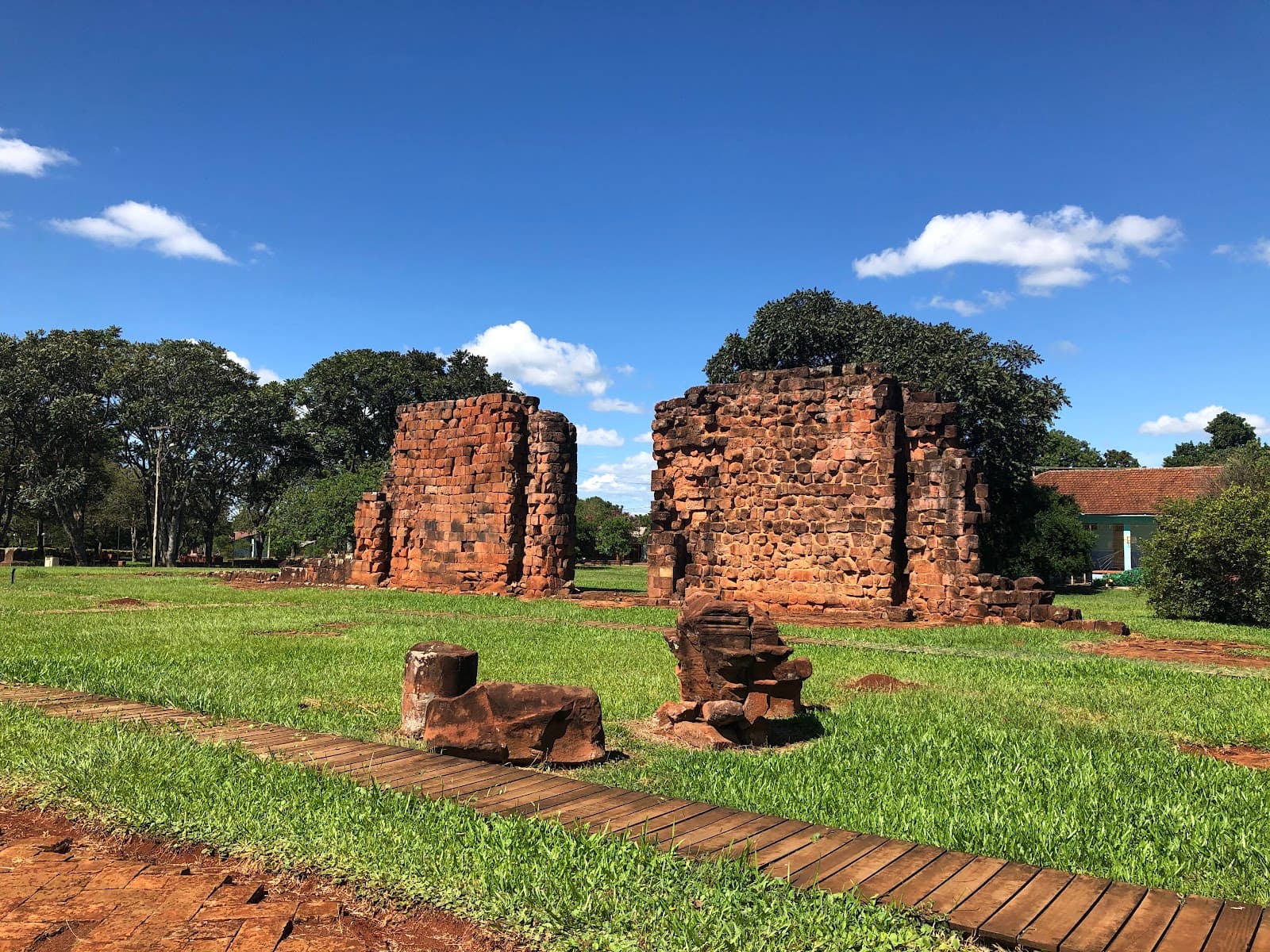
Ruínas de São João Batista Entre-Ijuís
Social
from TikTok, Instagram & Reddit