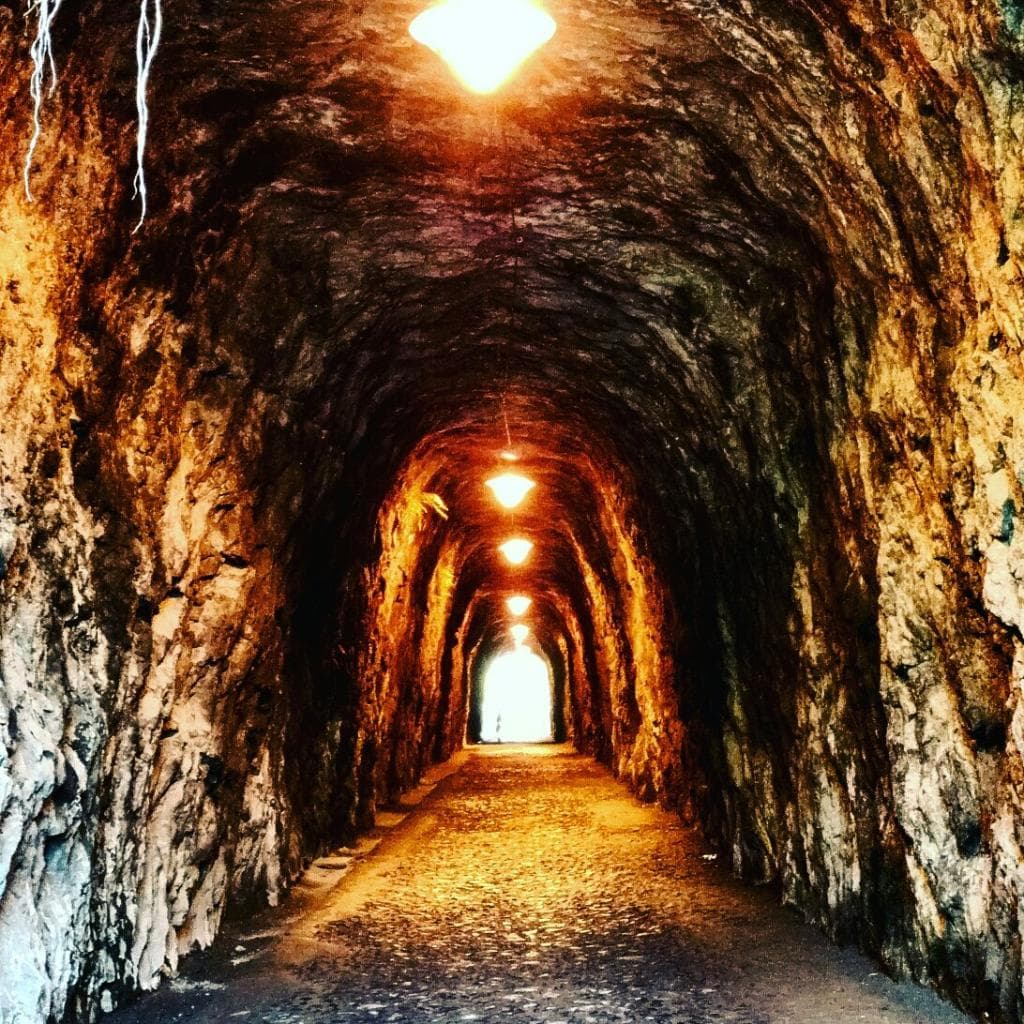
Túnel que Chora
A 19th-century stone tunnel, built by enslaved labor, where water perpetually drips, creating a unique, historical atmosphere.
Highlights
Must-see attractions

Social
From TikTok & Reddit
Best Time
Best light for photos
Túnel que Chora
Best Time
Best light for photos
Highlights
Must-see attractions
A 19th-century stone tunnel, built by enslaved labor, where water perpetually drips, creating a unique, historical atmosphere.
"A historical marvel where water perpetually drips, offering a unique and atmospheric journey."
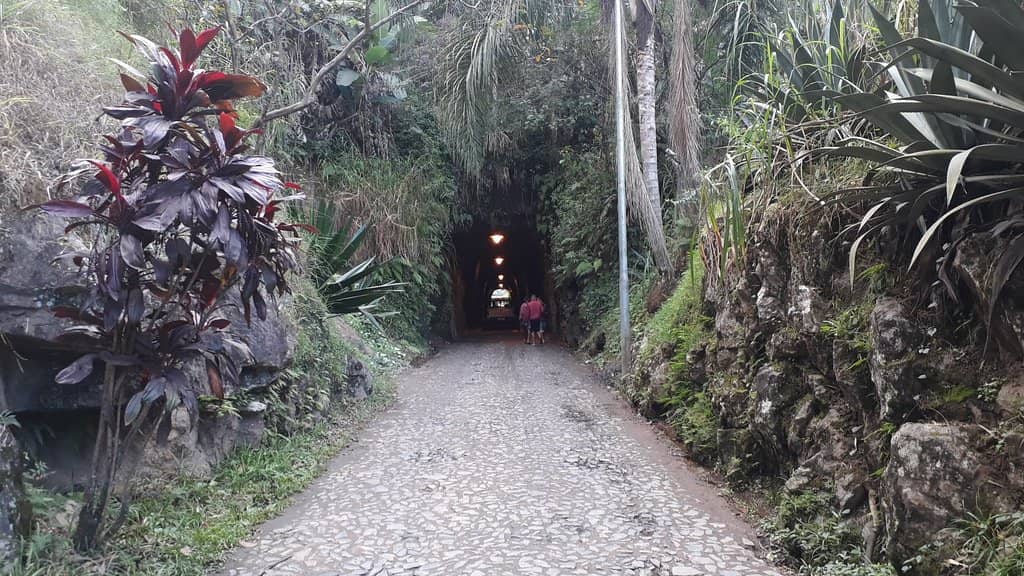
Bring a flashlight! 🔦
Essential for exploring the tunnel's details and capturing great photos. The natural light can be dim.
Wear comfortable shoes 👟
The ground can be damp and uneven. Good grip is recommended for a safe and enjoyable walk through.
Quick Facts
Hours
Rating
4.7 · 1,164 reviews
Type
Historical Landmark
Highlights
Discover the most iconic attractions and experiences
The Weeping Walls
Inside the tunnel
Witness water droplets cascade down the ancient stone walls, creating a mesmerizing, natural spectacle.
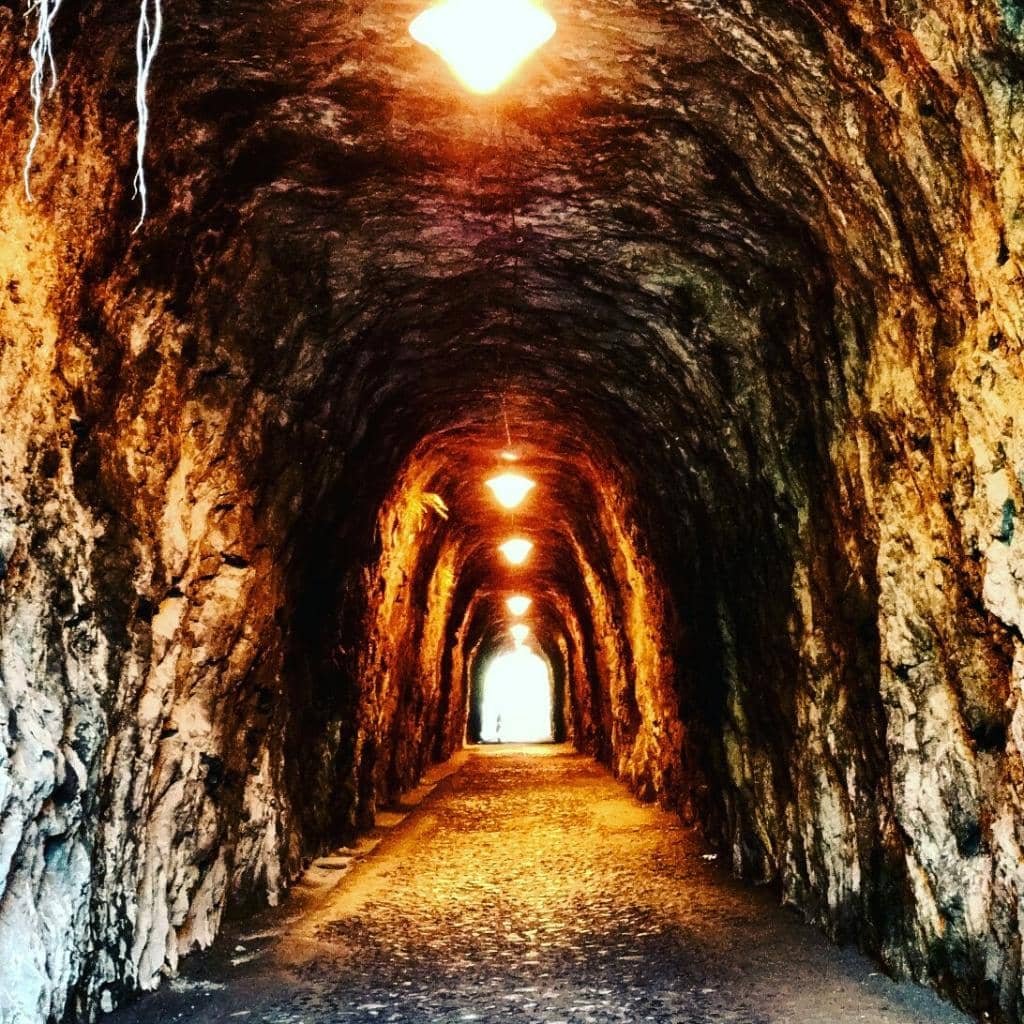
Historical Stone Architecture
The tunnel structure
Marvel at the 19th-century craftsmanship, built entirely of stone by enslaved labor for a coffee railway.
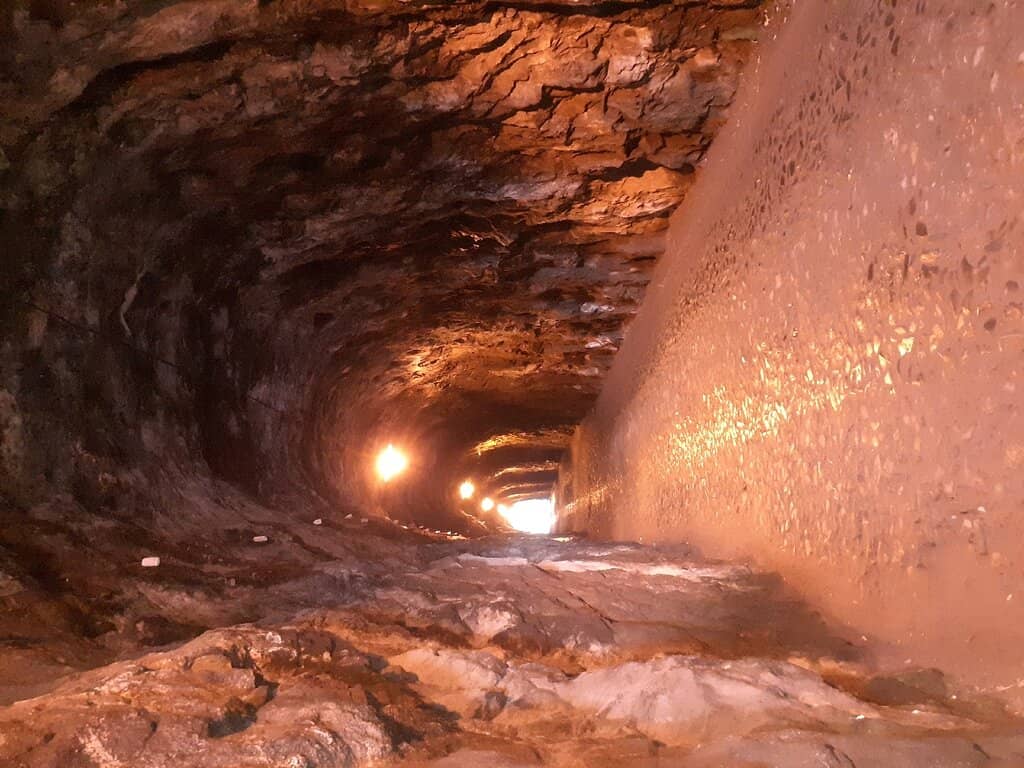
Portal to Conservatória
Entrance to Conservatória
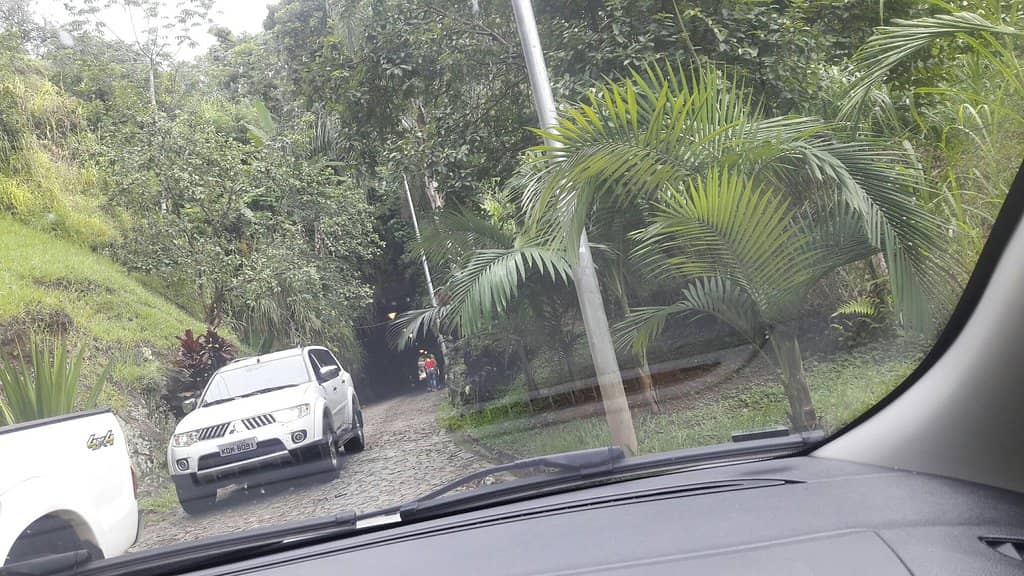
Experience the tunnel as a gateway to the charming musical town of Conservatória, known for its serenades.
Plans like a pro.
Thinks like you
Planning Your Visit
Embrace the Atmosphere
Timing is Key for Photos
Best Times
Insider Tips
from TikTok, Instagram & Reddit
Bring a flashlight! 🔦
Essential for exploring the tunnel's details and capturing great photos. The natural light can be dim.
Wear comfortable shoes 👟
The ground can be damp and uneven. Good grip is recommended for a safe and enjoyable walk through.
Embrace the 'weeping' effect 💧
The dripping water is what gives the tunnel its name and unique charm. Don't be surprised by the moisture!
Connect with local guides 🗣️
Learn the rich history, including its construction by enslaved people and connection to the coffee era.
Tips
from all over the internet
Bring a flashlight! 🔦
Essential for exploring the tunnel's details and capturing great photos. The natural light can be dim.
Wear comfortable shoes 👟
The ground can be damp and uneven. Good grip is recommended for a safe and enjoyable walk through.
Embrace the 'weeping' effect 💧
The dripping water is what gives the tunnel its name and unique charm. Don't be surprised by the moisture!
Connect with local guides 🗣️
Learn the rich history, including its construction by enslaved people and connection to the coffee era.
What Travellers Say
Reviews Summary
Visitors consistently praise the Túnel que Chora as a historically significant and atmospheric site, often describing it as a 'top' experience. The unique 'weeping' effect and the impressive stone architecture are frequently highlighted. Some note the potential for dampness and dim lighting, recommending preparedness.
"Great Tunnel built by Brazilian slaves end to end."
Humberto Brasil
"Historical place ,"
Syed Adnan Raza
"Top top ❤️"
Paola Almeida
What People Like
What People Dislike
Frequently Asked Questions
🚇 🗺️ Getting There
Túnel que Chora is located in Conservatória, within the municipality of Valença, Rio de Janeiro. Many visitors arrive by car, as it's a popular destination for weekend trips from Rio de Janeiro. Public transport options might involve buses to Valença and then local transport to Conservatória. 
Yes, the tunnel is a main attraction and a gateway to Conservatória, so it's generally well-signposted and easy to locate upon arrival in the town.
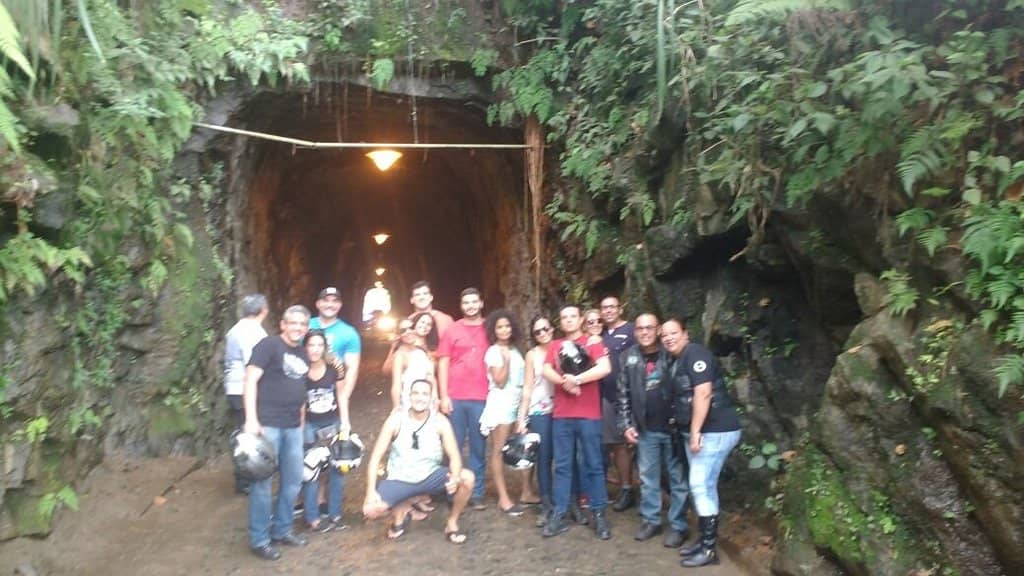
Absolutely! Many motorcyclists enjoy the scenic routes leading to Conservatória and the unique experience of riding through the tunnel.
Exploring on foot is ideal for soaking in the atmosphere of Conservatória and its historical sites, including the tunnel. Guided tours are also available.
Parking is available in Conservatória, and from there, you can easily walk to the Túnel que Chora.
🎫 🎫 Tickets & Entry
No, entry to the Túnel que Chora itself is generally free. It serves as a historical passage and an attraction within the town of Conservatória.
The tunnel is accessible at all times, as it's an open passage. However, for the best experience and photography, visiting during daylight hours is recommended.
There is no entrance fee to walk through the Túnel que Chora. It's a public historical site.
While you can technically pass through at night, it's not recommended for safety and visibility. The 'weeping' effect is best appreciated with some light, and the surrounding town's charm is best experienced during the day or early evening.
There are no specific restrictions for general visitors. However, it's a historical site, so visitors are expected to treat it with respect and not cause damage.
📸 📸 Photography
Daytime offers the best natural light to capture the stone textures and the 'weeping' effect. Early morning or late afternoon can provide softer light.
A smartphone camera can capture good shots, but a camera with better low-light capabilities or a tripod will help in the dimmer sections. Bringing a flashlight can also aid photography.
Focus on the water droplets on the stone walls, the entrance and exit views, and the overall architectural details. The contrast between the dark stone and the dripping water is striking.
Drone usage regulations can vary. It's advisable to check local rules and regulations before flying a drone in the area.
Yes, long-exposure shots can beautifully capture the movement of the water droplets and create a silky effect. A tripod is essential for this.
🎫 🏛️ History & Culture
The tunnel was constructed in the late 19th century by enslaved labor for a railway line used to transport coffee. It's named 'Weeping Tunnel' due to the constant dripping of water from a natural spring.
The name comes from the water that continuously drips from the tunnel's ceiling and walls, resembling tears or weeping.
It's a historical landmark and a symbolic entrance to Conservatória, a town renowned for its musical serenades. It connects the past with the present charm of the village.
While the tunnel itself isn't directly musical, it's the gateway to Conservatória, the 'City of Serenades,' where music is a central part of its identity.
Yes, local guides in Conservatória often offer tours that delve into the history of the tunnel, its construction, and its role in the region's past.
Social
from TikTok, Instagram & Reddit