
Tipografia Lira Nordestina
A historic print shop preserving the vibrant traditions of Northeastern cordel literature and xilogravura art.
Highlights
Must-see attractions

Social
From TikTok & Reddit
Best Time
Artisans are often present
Tipografia Lira Nordestina
Best Time
Artisans are often present
Highlights
Must-see attractions
A historic print shop preserving the vibrant traditions of Northeastern cordel literature and xilogravura art.
"An unparalleled experience in xilogravura, a vital space for Juazeiro do Norte's cultural legacy."

Engage with the Artisans
Chat with masters like José Lourenço; they share incredible stories and insights into cordel and xilogravura. :speech_balloon:
Explore the Historic Machines
Don't miss the Alauzet A Paris, the oldest printer, a true piece of history. 🖨️

Quick Facts
Hours
Rating
4.7 · 23 reviews
Highlights
Discover the most iconic attractions and experiences
The Alauzet A Paris Printer
Tipografia Lira Nordestina
See the oldest printing machine, a historic cordel printer, brought to life by master artisans.
Xilogravura Artistry
Tipografia Lira Nordestina
Witness the creation of intricate woodcut prints, a cornerstone of Northeastern art and storytelling.

Cordel Literature Production
Tipografia Lira Nordestina
Explore the origins of popular cordel literature, understanding its cultural significance and printing process.
Plans like a pro.
Thinks like you
Planning Your Visit
Immerse Yourself in Cordel Culture
Meet the Masters
Best Times
Insider Tips
from TikTok, Instagram & Reddit
Engage with the Artisans
Chat with masters like José Lourenço; they share incredible stories and insights into cordel and xilogravura. :speech_balloon:
Explore the Historic Machines
Don't miss the Alauzet A Paris, the oldest printer, a true piece of history. 🖨️
Understand Cordel's Roots
Learn how this print shop became a hub for popular literature, especially for pilgrims. 📚
Consider a Workshop
Some visitors mention workshops; inquire about hands-on xilogravura experiences. 🎨
Tips
from all over the internet
Engage with the Artisans
Chat with masters like José Lourenço; they share incredible stories and insights into cordel and xilogravura. :speech_balloon:
Explore the Historic Machines
Don't miss the Alauzet A Paris, the oldest printer, a true piece of history. 🖨️
Understand Cordel's Roots
Learn how this print shop became a hub for popular literature, especially for pilgrims. 📚
Consider a Workshop
Some visitors mention workshops; inquire about hands-on xilogravura experiences. 🎨
What Travellers Say
Reviews Summary
Visitors consistently praise Tipografia Lira Nordestina for its immense cultural importance and the passionate artisans who share its history. The experience is described as unique and deeply educational, offering a genuine connection to Northeastern Brazilian traditions. While the space is celebrated for its heritage, some feel it could benefit from more public sector attention to enhance its preservation and accessibility.
"Grafica Lira Nordestina, 1926 José Bernardo da Silva vem ao Juazeiro e monta a tipografia em 1930.
José Lorenco nos atendeu e contou que seu avô já trabalhava aqui deixando um legado educativo para filhos e netos.
A primeira a produzir cordeis no Cariri."
Auci Ventura
"Experiência ímpar e de grande importância cultural. Fomos muito bem recepcionados pelos artistas que explicaram todo a história e processo da produção de xilogravuras."
naganocs
"A melhor experiência em xilogravura no Brasil! Um dos grande motivos criados aqui no início dos anos 20, incentivado pela Saudosismo Padre Cícero. Da Maior tipografia do nordeste a maior concentração de xilogravura do país!"
Junior Santos
What People Like
What People Dislike
Frequently Asked Questions
🚇 🗺️ Getting There
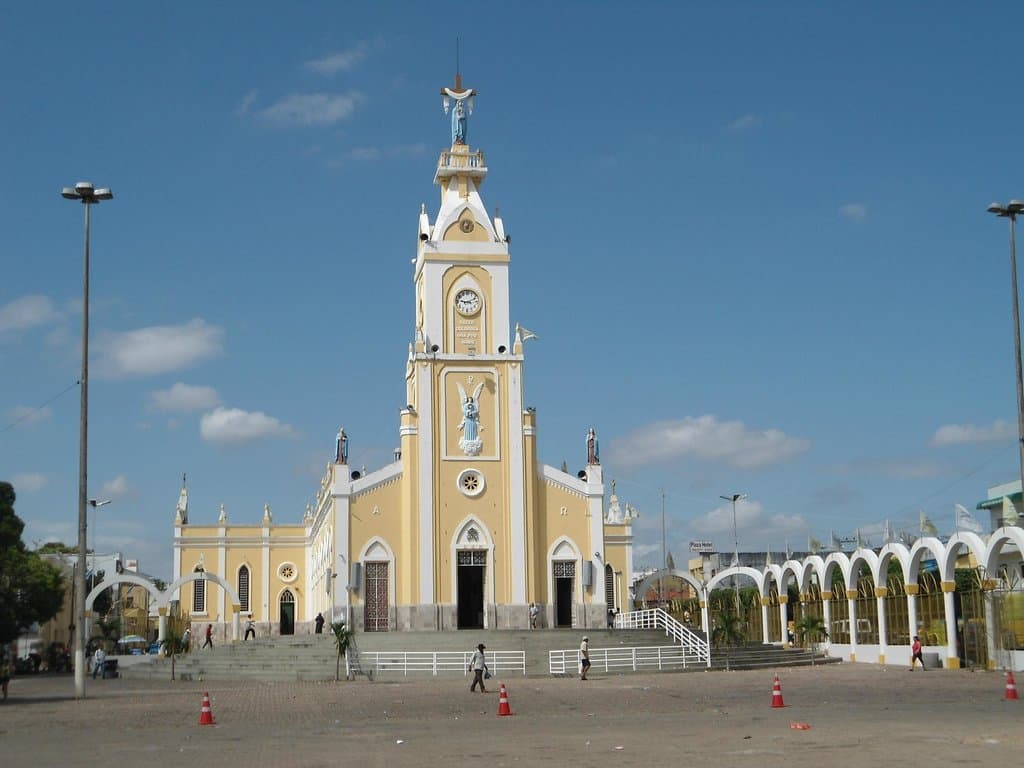
Tipografia Lira Nordestina is located in Juazeiro do Norte, Ceará. It's often mentioned as being near the Matriz de Nossa Senhora das Dores, in the Vap Vupt building.
Yes, the location is generally accessible. It's situated in a well-known area of Juazeiro do Norte, making it a common stop for those interested in local culture and history.
Juazeiro do Norte has an airport (Juazeiro do Norte Airport - JDO) with connections to major Brazilian cities. Alternatively, you can travel by bus from other regional centers. Once in Juazeiro, local transport will get you to the tipografia.
🎫 🎫 Tickets & Entry
Information regarding specific ticket prices or entry fees is not widely detailed in social media posts. However, the emphasis on community and artisan interaction suggests it might be a free or donation-based entry, or a nominal fee for specific experiences. It's best to inquire upon arrival or check their official channels if available.
Specific opening hours are not consistently mentioned. However, social media content often shows visits happening during weekday afternoons,,
While not explicitly stated, the detailed explanations provided by artisans like José Lourenço
Details on admission fees are scarce. Many cultural heritage sites in Brazil operate on a donation basis or have very low entry fees. Visitors often express appreciation for the experience, implying it's accessible. It's wise to be prepared for a small fee or to offer a donation to support their work.
📸 📸 Photography
Photography is generally permitted and encouraged, as many social media posts feature vibrant images of the space, the machines, and the artwork,,
The historic Alauzet A Paris printing press is a must-capture. The intricate details of the xilogravura prints and the vibrant cordel covers also make for excellent shots.
While not explicitly stated, it's a good practice to avoid commercial use of photos without explicit permission from the artists or the institution, especially if the images feature specific artworks or individuals prominently. For personal travel documentation, it's usually fine.
🎫 🎨 Art & Culture
Cordel literature is a popular form of Brazilian folk poetry, often printed in small, inexpensive booklets with distinctive woodcut covers (xilogravura). Tipografia Lira Nordestina was instrumental in popularizing cordel, especially for pilgrims visiting Juazeiro do Norte, becoming a major center for its production,
Xilogravura is a woodcut printing technique where an artist carves an image into a block of wood. Ink is applied to the raised surface, and then the block is pressed onto paper. This technique is central to the visual identity of cordel literature.
José Bernardo da Silva founded the tipografia in the early 1930s,
Tipografia Lira Nordestina is a fundamental space for the cultural legacy of Juazeiro do Norte, transforming it into a major center for cordel literature in Brazil,
Yes, visitors often have the opportunity to purchase cordel booklets and xilogravura prints directly from the artists or the tipografia. This is a great way to take a piece of Northeastern culture home with you and support the local artisans.

Social
from TikTok, Instagram & Reddit