Byzantine Octagonal Church Caesarea
Unearth a 1,500-year-old Byzantine church with stunning mosaic floors, a testament to ancient pilgrimage near Jerusalem.
Highlights
Must-see attractions

Social
From TikTok & Reddit
Best Time
Fewer crowds, peaceful exploration
Byzantine Octagonal Church Caesarea
Best Time
Fewer crowds, peaceful exploration
Highlights
Must-see attractions
Unearth a 1,500-year-old Byzantine church with stunning mosaic floors, a testament to ancient pilgrimage near Jerusalem.
"An excellent place to go for a walk and discover ancient history."
👟 Wear Comfortable Shoes
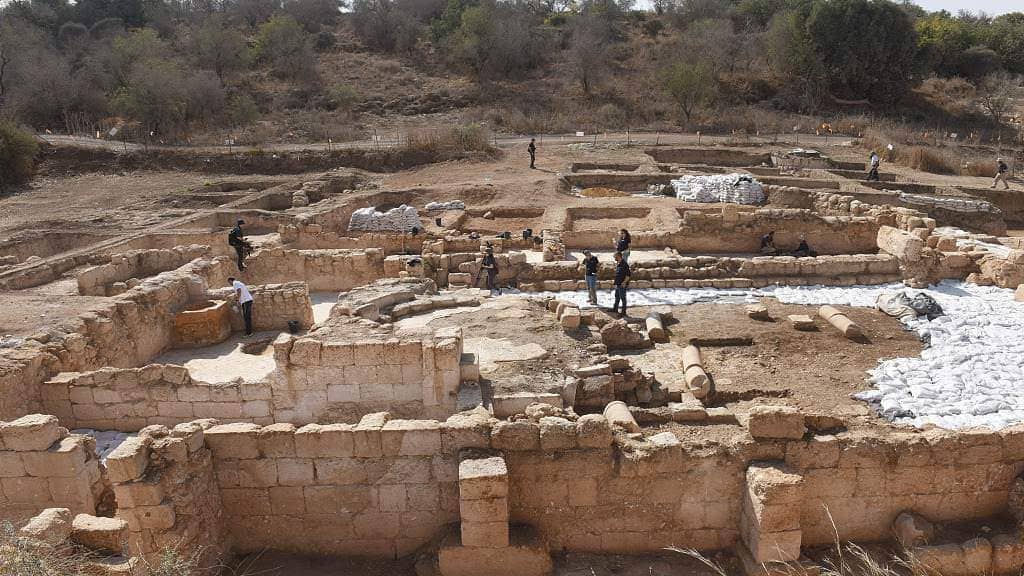
The site is an active archaeological dig; sturdy footwear is essential for exploring uneven terrain.
💧 Bring Water & Sun Protection
As an outdoor site, especially in warmer months, stay hydrated and protected from the sun.

Highlights
Discover the most iconic attractions and experiences
Intricate Mosaic Floors
Church interior
Marvel at 1,500-year-old mosaics depicting birds, fruit, and geometric patterns, including a Byzantine eagle.
Anonymous Martyr's Dedication
Church inscription
Discover the inscription dedicating the site to a 'glorious martyr,' hinting at its pilgrimage past.

Archaeological Site Exploration
Entire grounds
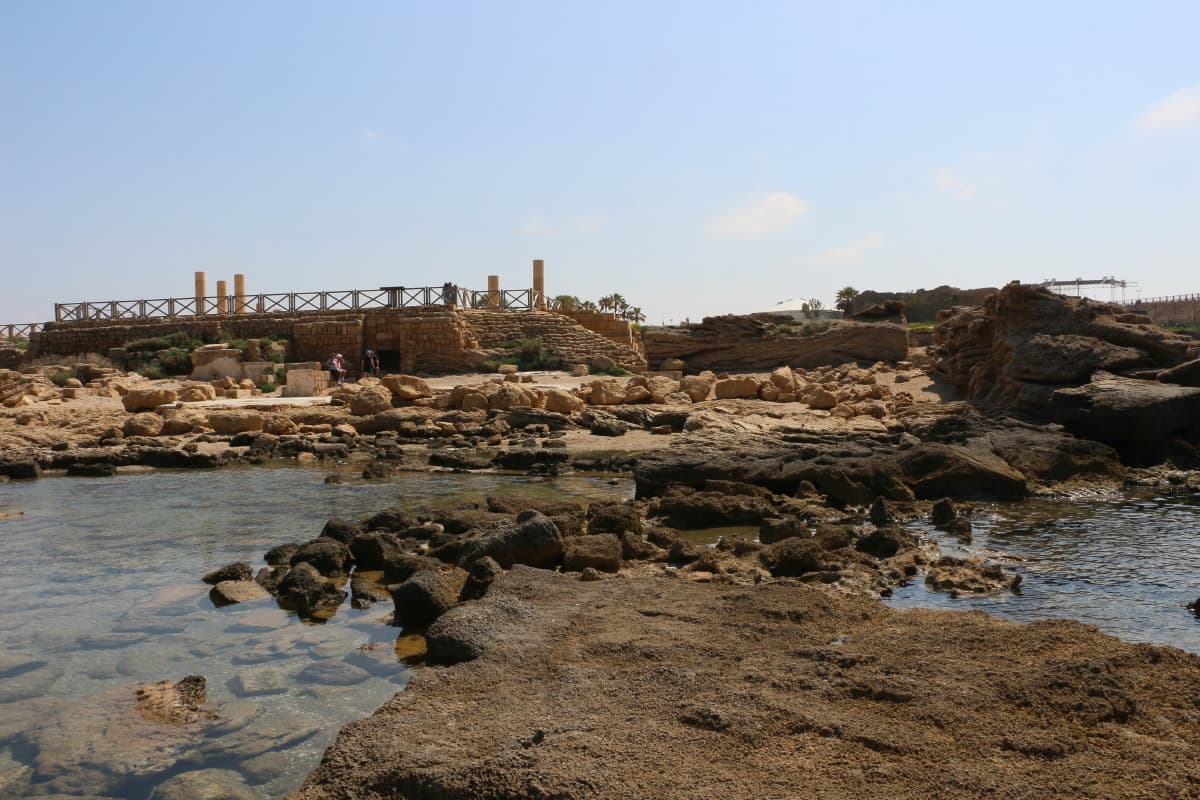
Wander through the 1,500-square-meter site, including a courtyard and corridor, imagining its historical significance.
Plans like a pro.
Thinks like you
Planning Your Visit
Unearthing Ancient History
Location & Access
Best Times
Insider Tips
from TikTok, Instagram & Reddit
👟 Wear Comfortable Shoes
The site is an active archaeological dig; sturdy footwear is essential for exploring uneven terrain.
💧 Bring Water & Sun Protection
As an outdoor site, especially in warmer months, stay hydrated and protected from the sun.
🚶♀️ Embrace the Walk
It's an excellent place for a reflective walk, so take your time to absorb the atmosphere.
🧐 Look for Details
The mosaic work is intricate; take time to appreciate the detailed depictions of nature and symbols.
Tips
from all over the internet
👟 Wear Comfortable Shoes
The site is an active archaeological dig; sturdy footwear is essential for exploring uneven terrain.
💧 Bring Water & Sun Protection
As an outdoor site, especially in warmer months, stay hydrated and protected from the sun.
🚶♀️ Embrace the Walk
It's an excellent place for a reflective walk, so take your time to absorb the atmosphere.
🧐 Look for Details
The mosaic work is intricate; take time to appreciate the detailed depictions of nature and symbols.
What Travellers Say
Reviews Summary
Visitors find the 1,500-year-old Byzantine church a fascinating glimpse into history, particularly appreciating the intricate mosaic floors and the sense of discovery. While it's an archaeological site rather than a restored monument, its historical significance and the opportunity for a reflective walk are highly valued.
"1,500-year-old Byzantine church unearthed near Jerusalem
Israeli archaeologists have unearthed a 1,500-year-old Byzantine church dedicated to an anonymous martyr, said the Israel Antiquities Authority on Wednesday.
The church is part of a 1,500-square-meter site which also includes a large courtyard and a corridor. The site was found in the city of Beit Shemesh near Jerusalem during the construction of a new residential neighborhood.
Elaborately designed mosaic floors were found in the church, depicting images of leaves, fruit, birds and geometric shapes. Among them is an eagle, a symbol of the Byzantine Empire, showing the significance of the site.
An inscription on a mosaic says the site was dedicated to a "glorious martyr", who is not identified. Researchers believe it had been a popular pilgrimage site."
Tomradhvaj Singh
"Byzantine church active in the 4th-6th centuries and destroyed in the 9th century after the Arab takeover (in the 7th century)"
Evgeniy Gal
"Evidence of a distant and unclear passage, in the middle of nowhere"
Ahuvy Shwirtz
What People Like
What People Dislike
Frequently Asked Questions
🚇 🗺️ Getting There
The church is located in Beit Shemesh, near Jerusalem. As it's part of a new residential neighborhood construction, access might vary. It's best to use GPS coordinates or follow local signage for the most up-to-date directions.
Information on direct public transport is limited. It's advisable to check local bus routes to Beit Shemesh and then consider a taxi or ride-sharing service for the final leg to the site.
Having a reliable GPS or map app is recommended, as the site is in a developing area. Local signage may be present, but can change due to ongoing construction.
🎫 🎫 Tickets & Entry
Currently, there's no mention of admission fees, suggesting it might be freely accessible as an archaeological site. However, it's always wise to check for any updates closer to your visit.
As an archaeological site, it likely follows daylight hours. It's best to visit during the day to fully appreciate the mosaics and surroundings.
Given its nature as an archaeological discovery, advance booking is generally not required. It's an open site for exploration.
Respect the archaeological nature of the site. Avoid touching delicate mosaics and stay within designated areas to preserve the ruins.
🎫 🧭 Onsite Experience
You'll find a 1,500-year-old Byzantine church with remarkably preserved mosaic floors featuring birds, fruit, and geometric patterns. There's also a courtyard and corridor, offering a glimpse into a past pilgrimage site.
No, it's an unearthed archaeological site. While the mosaics are impressive, the structure is in ruins, offering an authentic historical experience rather than a reconstructed one.
Yes, the intricate mosaic details and the ancient ruins can make for compelling photographs, especially during the golden hours of morning or late afternoon.
Allocate at least 1-2 hours to comfortably explore the site, appreciate the mosaics, and take in the historical ambiance.
Information on official guided tours is scarce. You might find local guides in the Beit Shemesh area, or you can explore independently using historical context.
🍽️ 🍽️ Food & Dining
No, as an archaeological site, there are no dining facilities on-premises. It's recommended to eat before or after your visit in Beit Shemesh.
Beit Shemesh offers various local eateries, from casual cafes to more traditional restaurants. Plan to dine in the city center or nearby commercial areas.
📸 📸 Photography
Focus on the detailed mosaic floors, the inscription, and the overall layout of the ruins. The interplay of light and shadow on the ancient stones can be very photogenic.
Regulations regarding drone usage can be strict in archaeological and residential areas. It's best to check with local authorities or the Israel Antiquities Authority before flying a drone.
For Different Travelers
Tailored advice for your travel style
👨👩👧 Families with Kids
Tips for families: Bring plenty of water and snacks, as there are no facilities on-site. Ensure children wear comfortable, sturdy shoes for walking on uneven ground. Frame the visit as a 'treasure hunt' for ancient art and history to keep them interested. The open space also allows for some freedom to explore, under supervision.
🚶♂️ History Buffs & Archaeology Enthusiasts
Pay close attention to the inscription dedicating the church to a martyr and the symbolic imagery, such as the eagle. Consider researching the history of Byzantine churches and pilgrimage routes in the area beforehand to enhance your understanding and appreciation of the site's significance.
Deep Dives
In-depth insights and expert knowledge
The Significance of Byzantine Churches
This particular church, active from the 4th to 6th centuries and destroyed after the Arab conquest in the 7th century, offers a rare window into this period. Its discovery in Beit Shemesh, near Jerusalem, underscores the region's rich historical tapestry. The site's size (1,500 square meters) suggests it was a significant religious complex, likely drawing pilgrims from afar. The eagle motif found in the mosaics is a powerful symbol of the Byzantine Empire, reinforcing the historical context and the importance of the site during that era.
Exploring Archaeological Sites
When exploring, remember that preservation is key. Visitors are encouraged to tread lightly, avoid touching delicate structures, and stay within marked paths. This ensures that future generations can also learn from and appreciate these ancient wonders. The experience is often more about contemplation and historical connection than about grand structures. Embrace the sense of discovery and the quiet reflection that such sites inspire.

Social
from TikTok, Instagram & Reddit