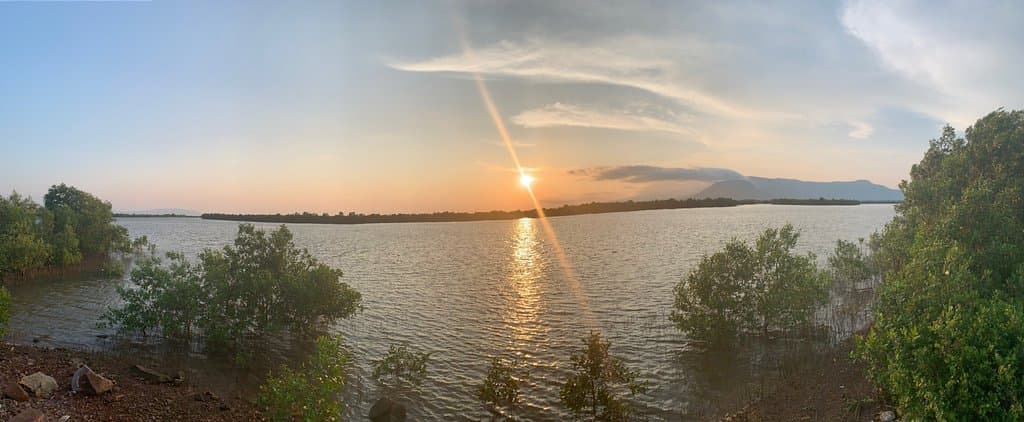
Kampot Salt Fields
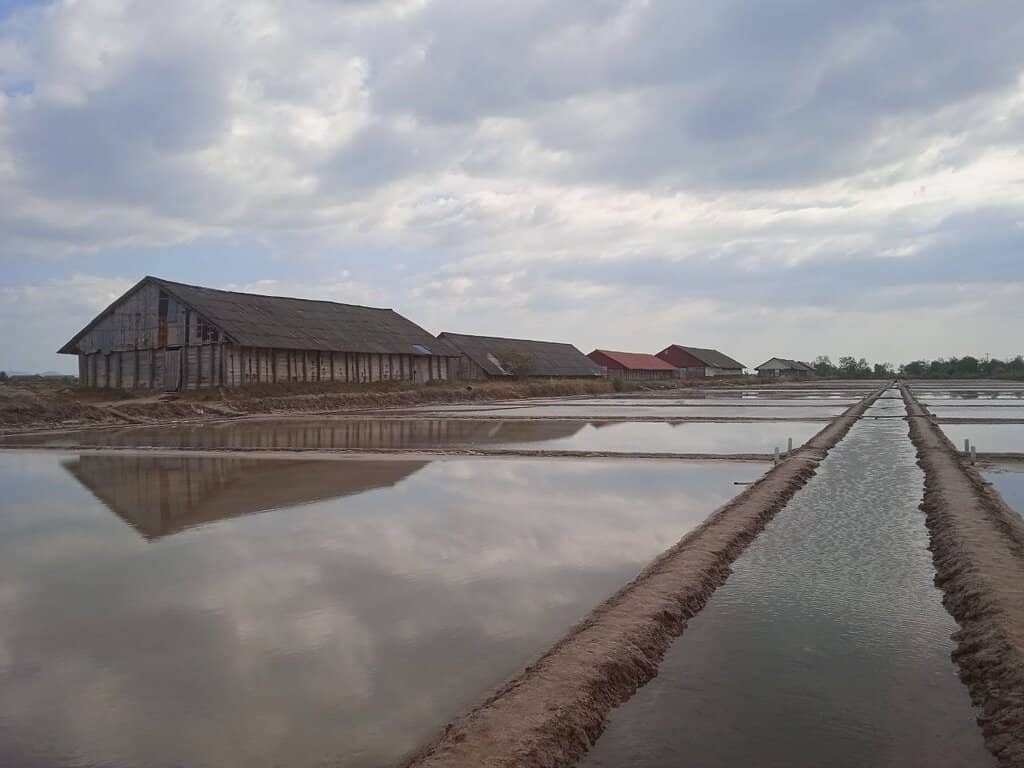
Vast, geometric salt pans stretching across the coast, offering a glimpse into traditional Cambodian salt production and stunning sunset views.
Highlights
Must-see attractions

Social
From TikTok & Reddit
Best Time
See active harvesting
Kampot Salt Fields
Best Time
See active harvesting
Highlights
Must-see attractions
Vast, geometric salt pans stretching across the coast, offering a glimpse into traditional Cambodian salt production and stunning sunset views.
"A very natural, peaceful experience, especially at sunset, offering a unique glimpse into local life."
🌅 Catch the Sunset
Visit just as the sun is setting for breathtaking views and golden light on the salt pans.
🛵 Rent a Scooter
Explore the countryside and salt fields at your own pace. Easy to find rentals in Kampot.
Quick Facts
Hours
Rating
4.2 · 33 reviews
Type
Manufacturer
Highlights
Discover the most iconic attractions and experiences
Sunset Over the Salt Pans
Coastal areas south and southeast of Kampot
Witness the sky ablaze with color reflecting on the shallow salt evaporation ponds. A truly magical sight.
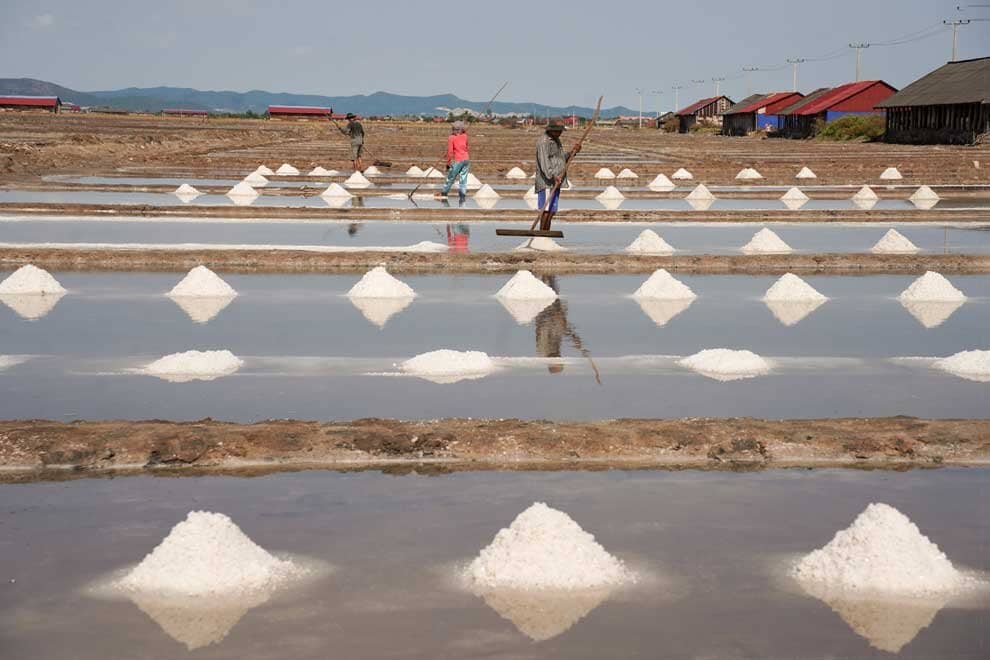
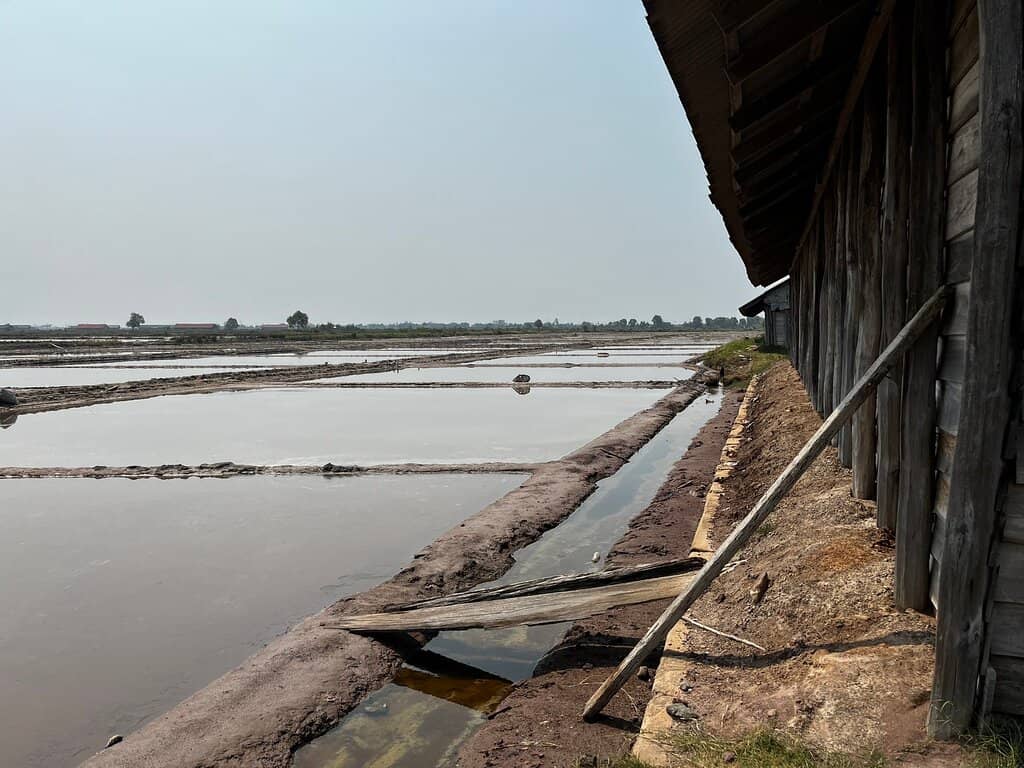
Salt Harvesting Process
Active salt farms
Observe local farmers meticulously harvesting salt crystals from the evaporation ponds. A glimpse into traditional Cambodian agriculture.
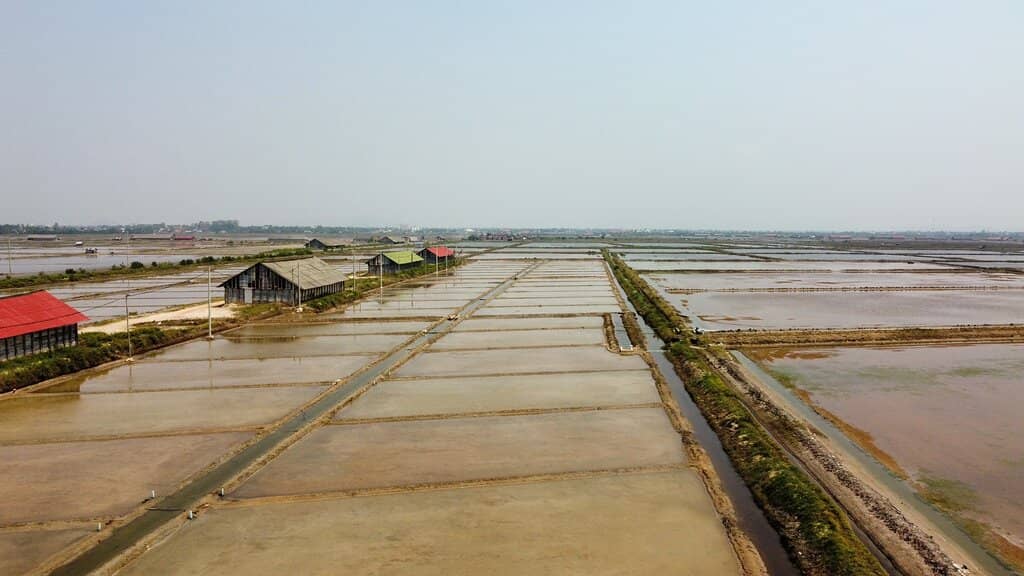
Vast Expanses of Salt Fields
Kampot and Kep provinces
Marvel at the geometric patterns of the salt pans stretching across the landscape, creating a unique and serene visual.
Plans like a pro.
Thinks like you
Planning Your Visit
Timing Your Visit for the Best Experience
Getting Around the Salt Fields
Best Times
Insider Tips
from TikTok, Instagram & Reddit
🌅 Catch the Sunset
Visit just as the sun is setting for breathtaking views and golden light on the salt pans.
🛵 Rent a Scooter
Explore the countryside and salt fields at your own pace. Easy to find rentals in Kampot.
💧 Stay Hydrated
It gets very hot and humid. Bring plenty of water and wear light clothing.
📸 Perfect Photo Ops
The geometric patterns and sunset colors make for stunning photography.
Tips
from all over the internet
🌅 Catch the Sunset
Visit just as the sun is setting for breathtaking views and golden light on the salt pans.
🛵 Rent a Scooter
Explore the countryside and salt fields at your own pace. Easy to find rentals in Kampot.
💧 Stay Hydrated
It gets very hot and humid. Bring plenty of water and wear light clothing.
📸 Perfect Photo Ops
The geometric patterns and sunset colors make for stunning photography.
🤝 Friendly Locals
The people working in the salt fields are welcoming and happy to share their process.
What Travellers Say
Reviews Summary
Visitors find the Kampot Salt Fields to be a unique and natural landscape, offering a glimpse into traditional salt production. While some feel it's not a major tourist hotspot, many appreciate the serene atmosphere, especially during sunset, and the opportunity to observe local life. The heat and lack of extensive tourist infrastructure are noted drawbacks.
"Salt production has a long history in the region, but the industry grew rapidly in the 1940s and 1950s. During the Khmer Rouge and the Cambodian civil war, production was nationalized.
In 1986, a group of Kep residents were granted 50 hectares of land by the state and given permission to start salt production as private entrepreneurs.
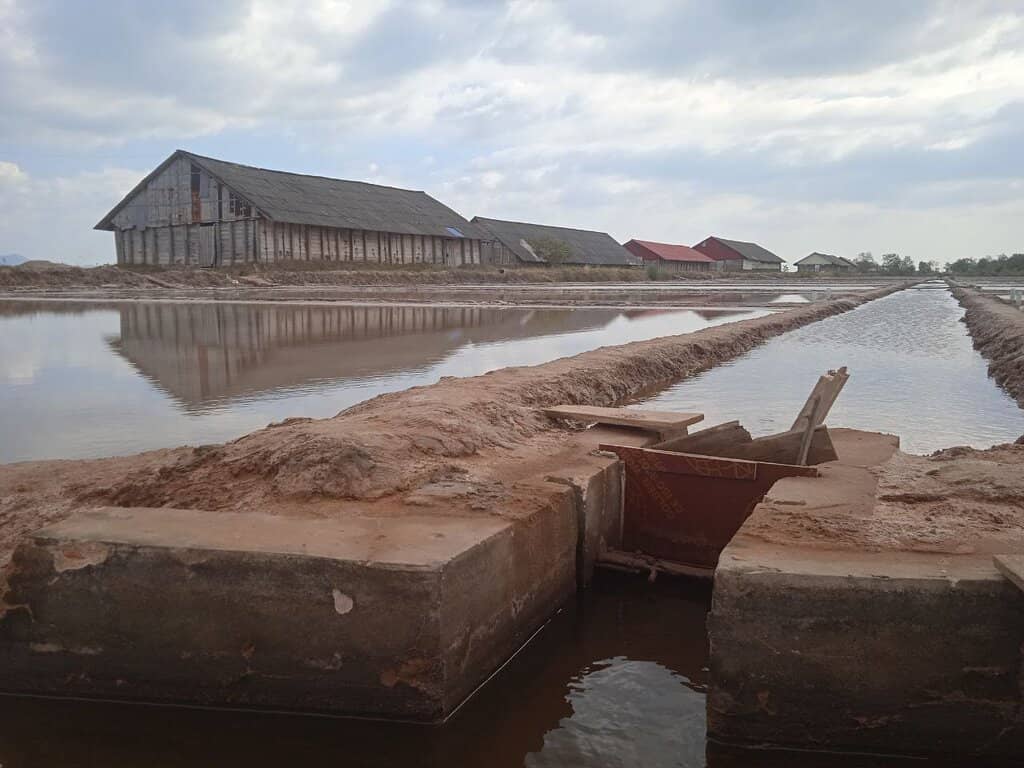
Sea salt is extracted from the seawater through salt evaporation ponds in the coastal Kampot and Kep provinces. Salt farms now cover around 4,748 hectares of land in both provinces and are owned by 200 families who are members of the Kampot-Kep Salt Association.
So interesting try to go just as the sun is setting .
The people are welcoming and friendly"
Diane Lewis
"Very natural, but unfortunately not really a tourist hotspot. Instead, it's worth visiting the salt fields in Kampot."
CEO - Manager PRECISION ENGINEERING CO., LTD.
"Not worth a visit.
Just a few ponds with salty water."
Marius
What People Like
What People Dislike
Frequently Asked Questions
🚇 🗺️ Getting There
The salt fields are located south and southeast of Kampot town. You can easily reach them by renting a scooter, hiring a tuk-tuk, or as part of a guided countryside tour. The journey by motorbike takes about 46 minutes, while a tuk-tuk ride is around 48 minutes.
While growing in popularity, the salt fields are described as 'very natural' and 'not really a tourist hotspot' by some visitors. This means you can often experience them with fewer crowds.
Yes, cycling is an option, though it's a longer journey. It can take around 2 hours and 28 minutes by bicycle, offering a more immersive experience through villages and landscapes. 
Many travelers recommend renting a scooter to freely explore the vast areas and discover hidden spots. Alternatively, tuk-tuks are readily available for hire.
Absolutely! Most countryside tours departing from Kampot and Kep include a visit to the salt fields, often combined with other local attractions like pepper plantations and secret lakes.
🎫 🎫 Tickets & Entry
Generally, there is no admission fee to visit the open salt fields. You can drive or walk through many areas freely. However, if you join a guided tour, the cost will be included in the tour package.
The salt fields are natural landscapes and are accessible throughout the day. However, the best times to visit for optimal viewing and activity are during the dry season, especially around sunrise and sunset.
No, typically there is no specific entrance fee for the general salt fields. You can explore the areas freely.
While you can visit, the salt evaporation process is significantly impacted by rain. Some visitors have noted they couldn't see the salt if there were heavy rainfalls. The dry season is highly recommended.
As of current information, there are no specific ticketed areas within the general salt fields. The focus is on the natural landscape and the traditional salt production process.
📸 📸 Photography
The golden hours around sunrise and sunset offer the most dramatic lighting, with the sun's rays creating beautiful reflections on the water and salt crystals.
You can capture stunning wide-angle shots of the vast salt pans, close-ups of the salt crystals, and candid moments of the local farmers at work. The geometric patterns of the fields are also very photogenic.
Information on drone usage can vary. It's advisable to check local regulations or inquire with your tour operator or accommodation before flying a drone to ensure compliance.
A wide-angle lens is great for capturing the expansive landscapes. A telephoto lens can be useful for capturing details of the salt harvesting process from a distance. Don't forget a polarizing filter to enhance the colors of the sky and water.
It's always respectful to ask for permission before taking close-up photos of individuals. Many locals are friendly and may be happy to be photographed, especially if you show genuine interest.
🎫 ☀️ Onsite Experience
Rent a scooter or hire a tuk-tuk to explore the vast salt pans. Many visitors enjoy visiting during sunset for the beautiful light.
Light, breathable clothing is essential due to the heat and humidity. Comfortable walking shoes or sandals are recommended. A hat and sunglasses are also advisable.
Yes, it can be very hot and humid, especially during the dry season when the salt is being produced. Be sure to drink plenty of water.
Absolutely! You can observe the traditional methods of salt extraction and evaporation. Some tours may offer more in-depth explanations.
Facilities are generally basic in these natural areas. It's best to use restrooms before you go and carry any snacks or drinks you might need.

Social
from TikTok, Instagram & Reddit