Preah Pithu
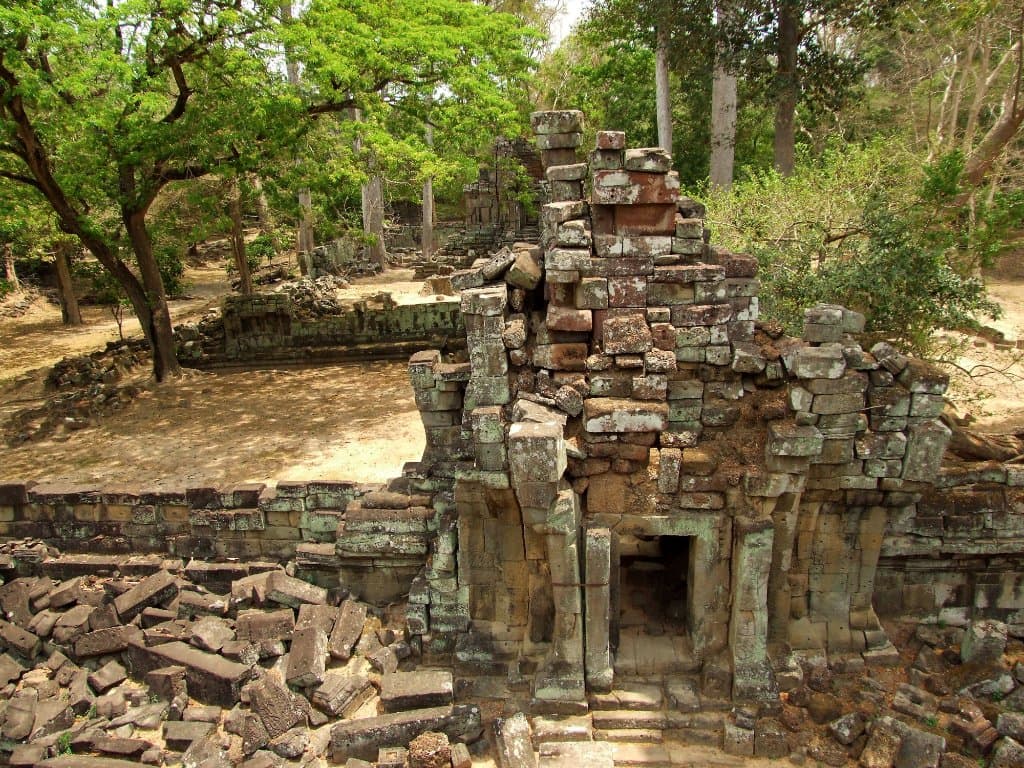
Discover Preah Pithu, a serene group of unrestored temples offering a peaceful escape and a glimpse into untouched ancient Khmer architecture.

Highlights
Must-see attractions

Social
From TikTok & Reddit
Best Time
Beat the heat and crowds
Preah Pithu
Best Time
Beat the heat and crowds
Highlights
Must-see attractions
Discover Preah Pithu, a serene group of unrestored temples offering a peaceful escape and a glimpse into untouched ancient Khmer architecture.
"A peaceful and enigmatic escape, Preah Pithu is a hidden gem away from the main Angkor crowds."
🤫 Seek Serenity
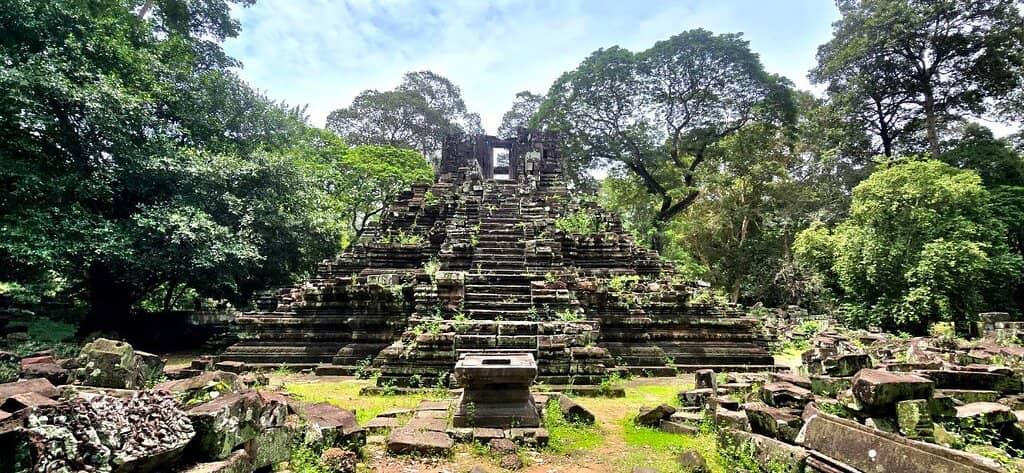
Visit Preah Pithu for a peaceful break from busier temples. It's a hidden gem for quiet exploration.
📸 Photographer's Paradise
The moss-covered stones and intricate carvings offer stunning photo opportunities.
Quick Facts
Hours
Rating
4.6 · 85 reviews
Type
Historical Landmark
Highlights
Discover the most iconic attractions and experiences
Unrestored Temple Group
Between Terrace of the Leper King and North Gate
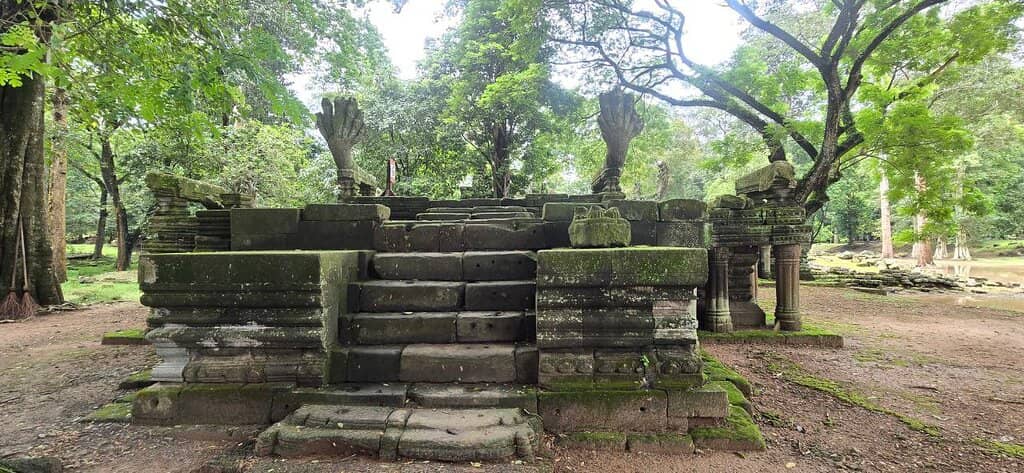
Discover five moss-covered temples offering a glimpse into untouched ancient Khmer architecture.
Intricate Lintel Carvings
Various temples within Preah Pithu
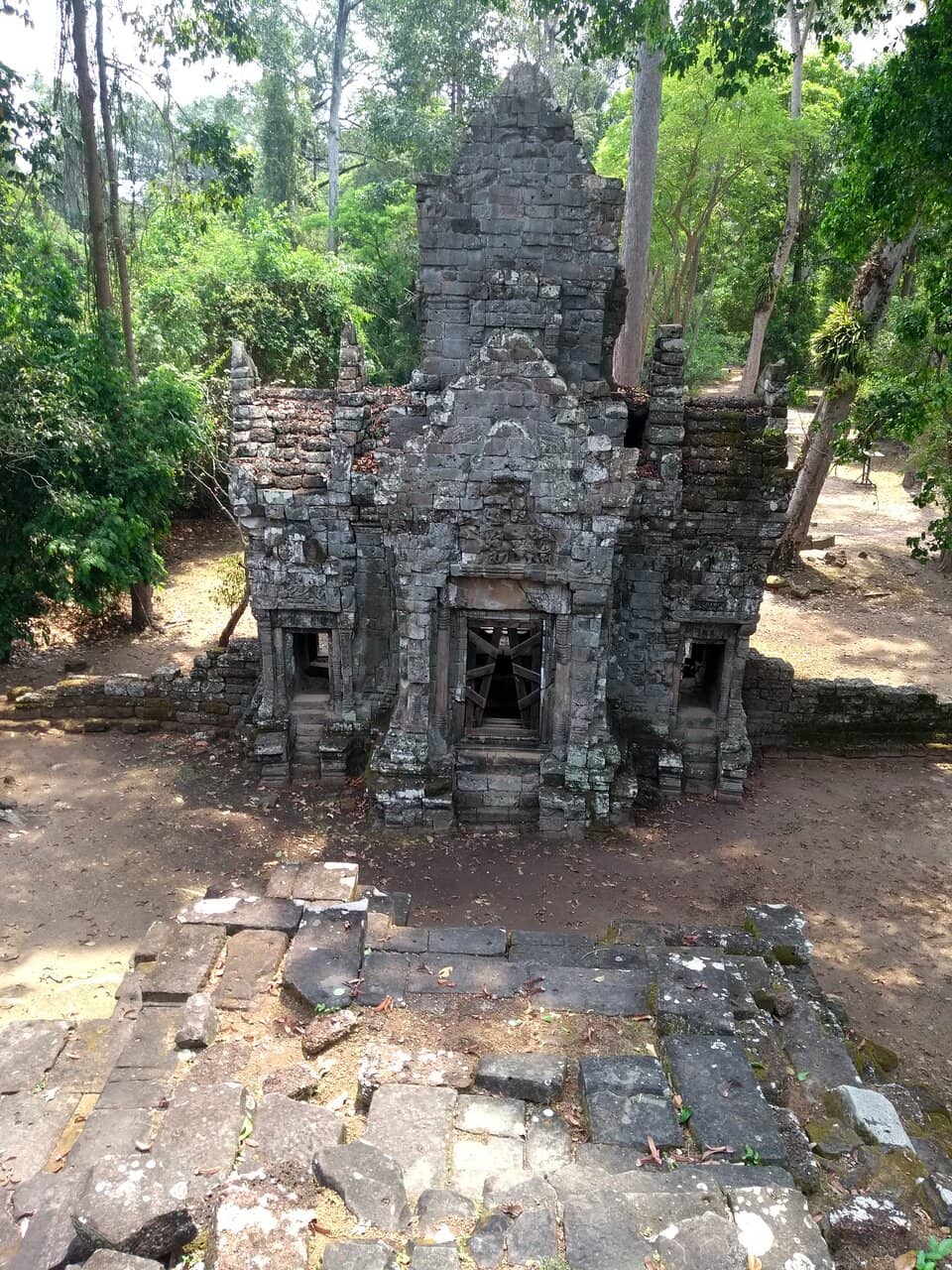
Marvel at remarkably clear, stylized depictions of myths like the 'Churning of the Sea of Milk'.

Tranquil Forest Setting
Surrounding Preah Pithu temples
Experience a serene atmosphere with no vendors or queues, perfect for quiet contemplation.
Plans like a pro.
Thinks like you
Planning Your Visit
Embrace the Tranquility
Timing is Key for Exploration
Best Times
Insider Tips
from TikTok, Instagram & Reddit
🤫 Seek Serenity
Visit Preah Pithu for a peaceful break from busier temples. It's a hidden gem for quiet exploration.
📸 Photographer's Paradise
The moss-covered stones and intricate carvings offer stunning photo opportunities.
⏳ Allow 45 Minutes
Perfect for a short, enriching stop if you have extra time in your Angkor itinerary.
🚶♂️ Explore at Your Pace
Wander freely among the unrestored ruins and feel like an explorer.
Tips
from all over the internet
🤫 Seek Serenity
Visit Preah Pithu for a peaceful break from busier temples. It's a hidden gem for quiet exploration.
📸 Photographer's Paradise
The moss-covered stones and intricate carvings offer stunning photo opportunities.
⏳ Allow 45 Minutes
Perfect for a short, enriching stop if you have extra time in your Angkor itinerary.
🚶♂️ Explore at Your Pace
Wander freely among the unrestored ruins and feel like an explorer.
What Travellers Say
Reviews Summary
Preah Pithu is lauded as a peaceful, enigmatic escape, offering a tranquil experience away from the main Angkor crowds. Visitors appreciate the unrestored temples, intricate carvings, and the serene forest setting, making it ideal for quiet exploration and photography. Some recent visits noted ongoing renovations, which temporarily impacted accessibility to certain areas.
"A Peaceful and Enigmatic Escape
Preah Pittu Temple is a hidden gem, and my favorite discovery away from the main Angkor crowds. It's a group of five unrestored, moss-covered temples nestled in a quiet forest between the Terrace of the Leper King and the North Gate.
There are no queues, no vendors, and very few other tourists. You can truly explore at your own pace, clamber over ancient stones, and feel like an explorer discovering something forgotten. The intricate carvings on the lintels are still remarkably clear.
If you want a break from the busyness of Angkor Wat and Ta Prohm, come here for 30 minutes of pure, tranquil magic. Highly recommended for adventurers and photographers."
Blossoming Romduol
"Attractive grouping of ruins in wooded setting, nice place to stop for about 45 minutes if you have extra time."
David Walker
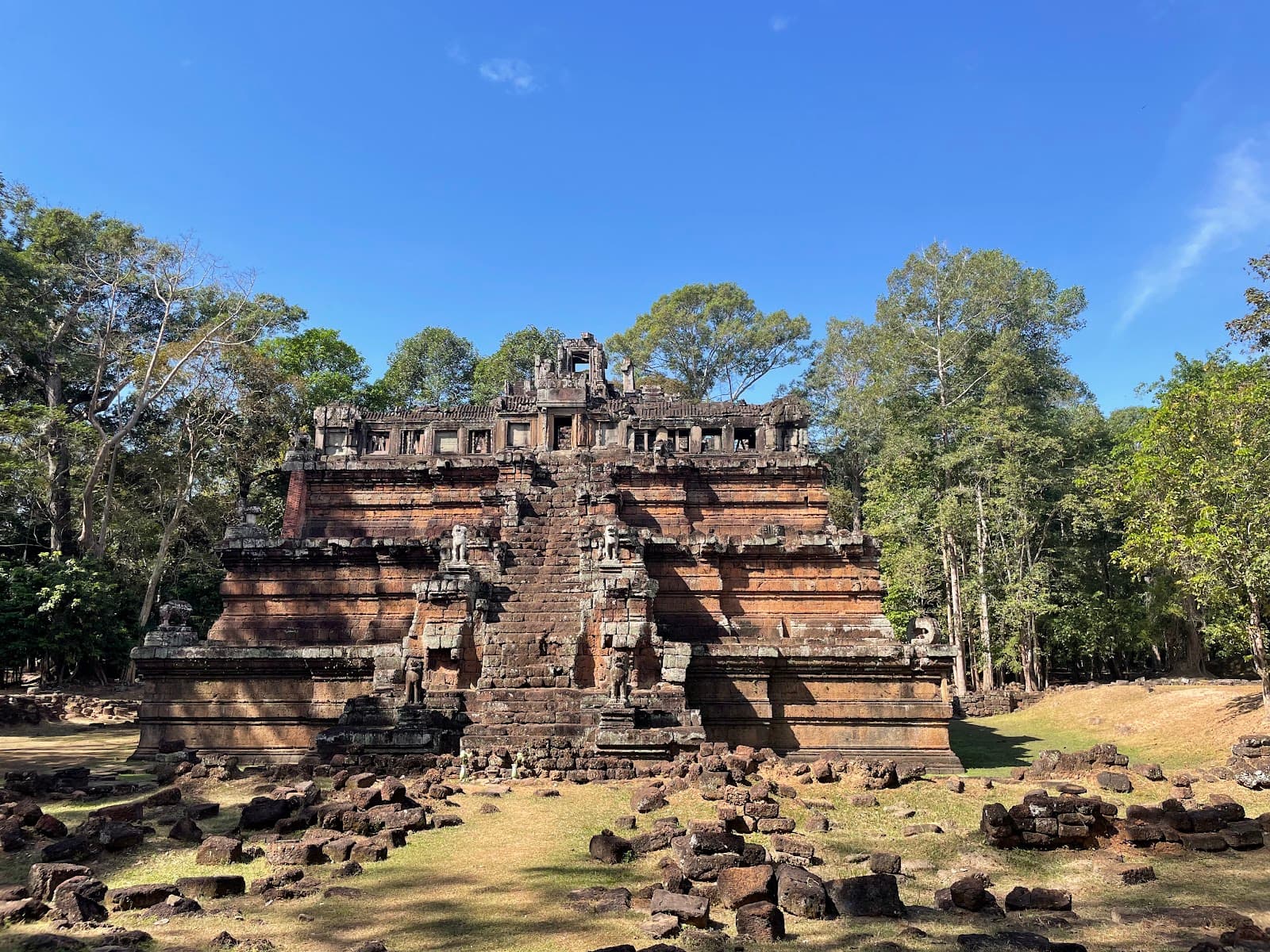
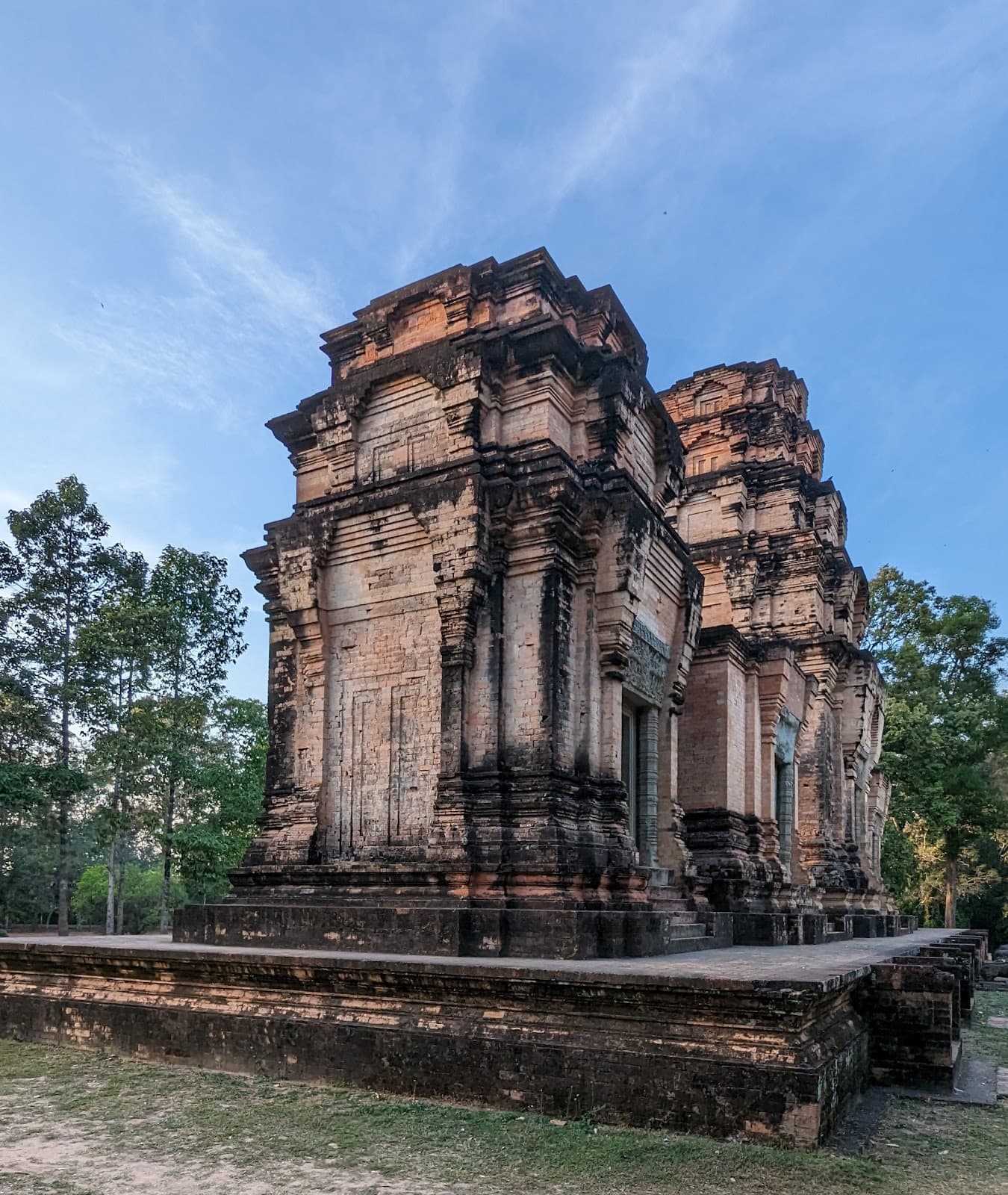
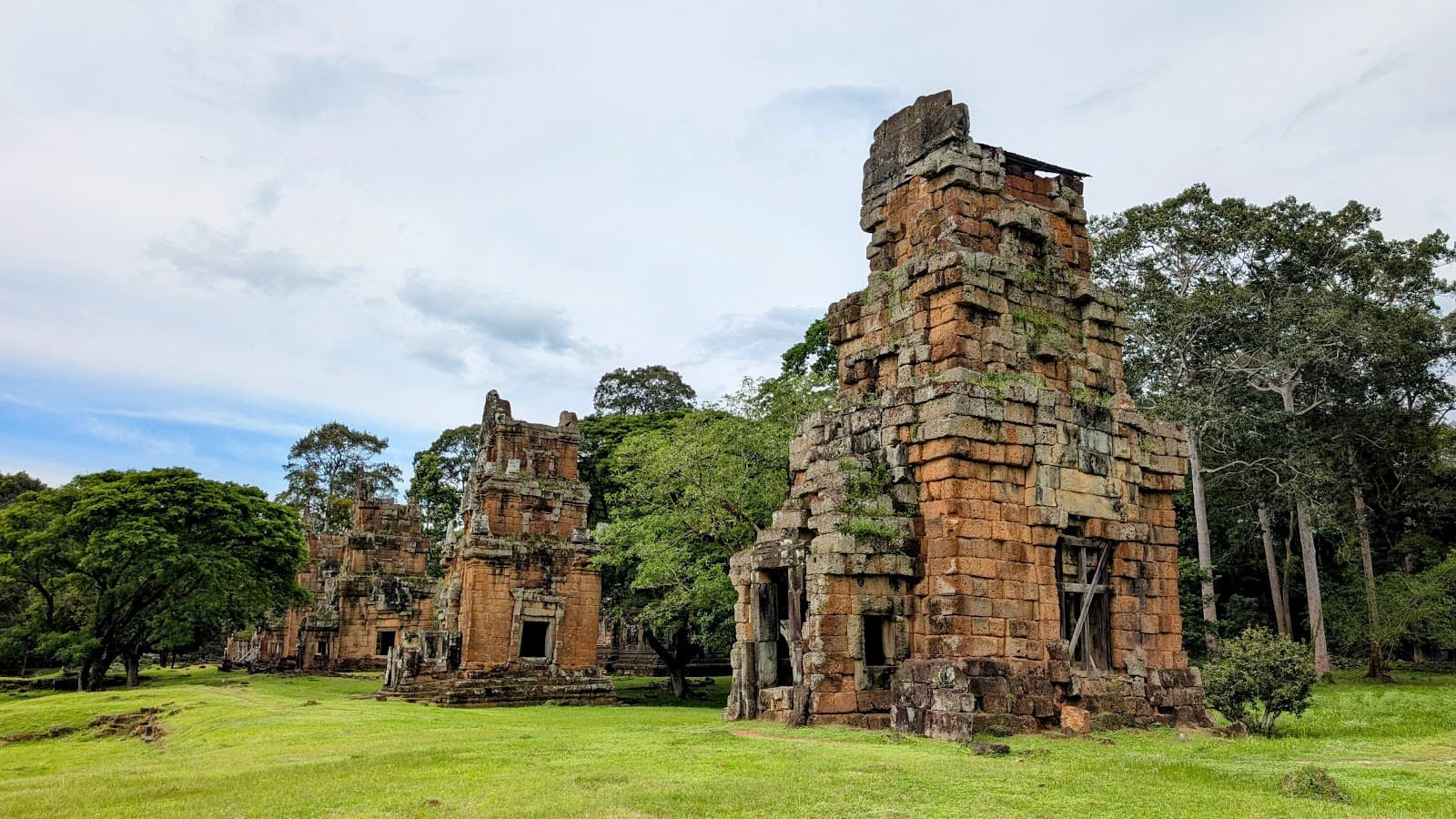
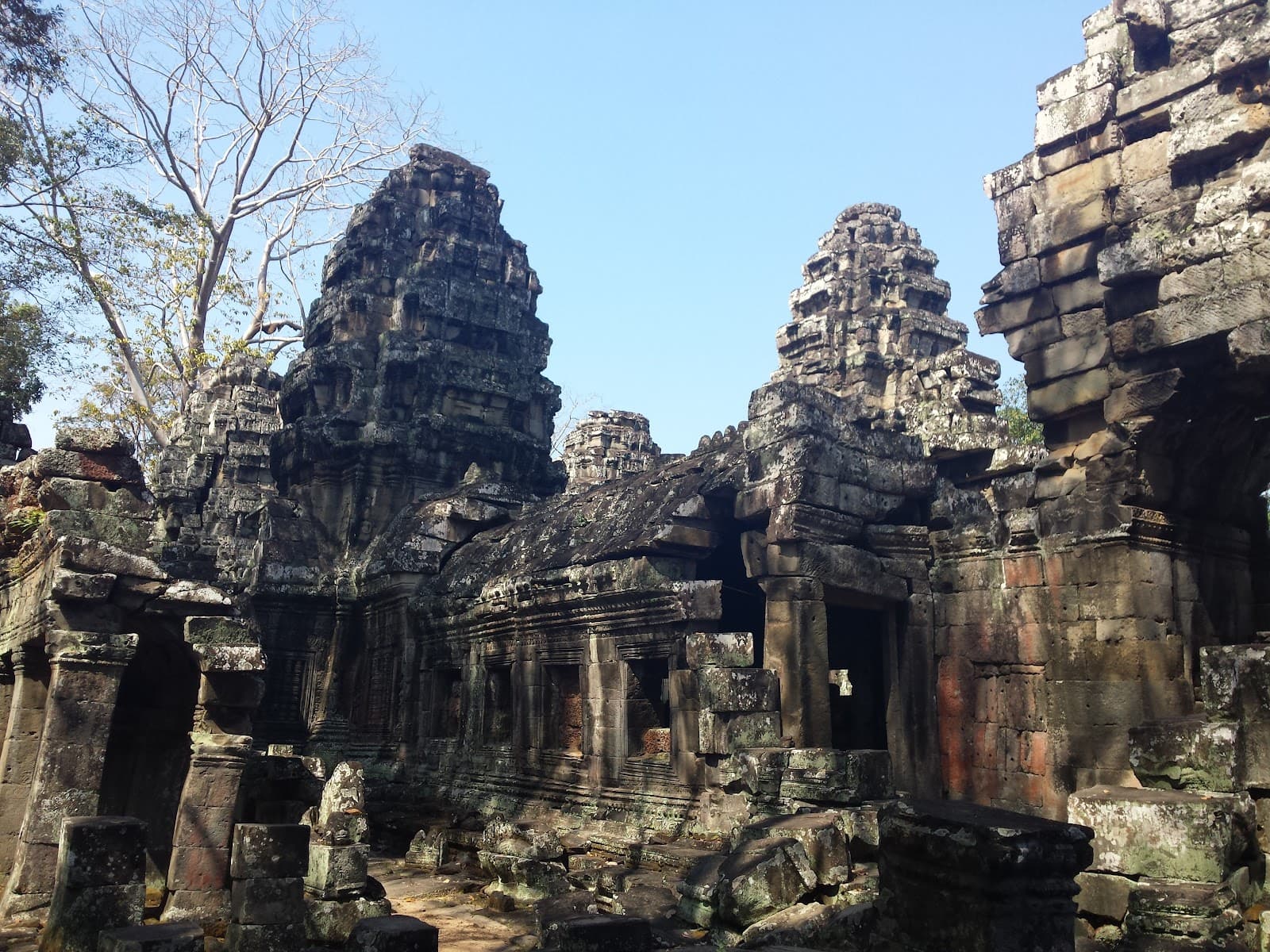
"Preah Pithu is a group of five temples (T, U, V, Y and X) at Angkor, Cambodia. In fact they were in all probability not designed as a group. Despite their ruined state, the remains have good decorative carving.
The temple "T" has a sandstone enclosure, which measures 45 by 40 meters, and has two gopuras on the main W-E axis. The sanctuary, on a 3-levels ornated platform 6 meters high, has a chamber which sheltered a large linga on its pedestal. The fragments of the lintel of western door, on the ground, show a stylized depiction of the "Churning of the Sea of Milk", while the walls are decorated with devatas and floral motifs, Bayon style.
The temple "U" is similar to "T", but smaller and simpler. Its enclosure is 35 by 28 meters. It has no gopura. The lintel of west door shows the Trimurti, with Shiva dancing on a kala-head between Vishnu and Brahma. On the northern lintel there is another depiction of the "Churning of the Sea of Milk".
When I visited this temple, the work of protection and repair of the ruins was in progress. But fortunately, all the wonderful lintel reliefs are placed at the northeast corner in an orderly manner, so that the visitors can be appreciated and photographed at close range.
Outside the residual moat, north of temple "U", there is temple "V". It is oriented to the East, where it opens with a double vestibule, and has no enclosure. On the West it has a causeway which ends with a 40 meter long cruciform terrace, leading into NE corner of the Royal Square. Its sanctuary chamber, standing on two-tier sculpted basement, is the largest of the group, having a square side of 3.80 m, and hosting a large 1.5 m linga.
Temple "Y" has no basement or stairways and stands on an earthen platform, north of "V". The larger chamber has mostly collapsed, but on its western side there are two remarkable half-pediments, which depict the defeat of the asura Bana by Krishna to the north and the three giant steps of Vamana to the south.
Temple "X" stands on a large terrace, 4 meters high, about 100 meters east of temple "U". It is straight reachable from there if the moat is dry. It is similar in design to the former temples but is larger and incomplete in its decorations. "X" is a buddhist temple: on the walls of the sanctuary chamber there is a double row of sculpted Buddhas.
Only temple "X" is a Buddhist temple, it remained unfinished and is probably the latest. The rest (T, U, V, Y) are ancient Hindu temples. These temples are worth visiting anytime of the day from 7:30am - 5:30pm."
Divertimento
What People Like
What People Dislike
Frequently Asked Questions
🚇 🗺️ Getting There
Preah Pithu is located between the Terrace of the Leper King and the North Gate of Angkor Thom. You can easily reach it by hiring a tuk-tuk or cycling from the main Angkor Wat complex. Many visitors include it as part of a larger circuit, often after visiting Bayon or Banteay Kdei.
Yes, cycling is a popular and convenient way to explore Preah Pithu and the surrounding Angkor temples. The paths are generally well-maintained, making it an enjoyable ride.
Absolutely. Hiring a tuk-tuk for the day is a common and recommended way to visit Preah Pithu and other temples in the Angkor Archaeological Park. Negotiate your itinerary and price beforehand.
Yes, Preah Pithu is located within the Angkor Archaeological Park and requires a valid Angkor Pass for entry. Ensure you have your pass with you.
A common route is to visit Preah Pithu after exploring the main Angkor Wat complex and Bayon, as it's situated on the way towards the North Gate of Angkor Thom.
🎫 🎫 Tickets & Entry
No, Preah Pithu is within the Angkor Archaeological Park, so your standard Angkor Pass covers entry. Make sure to purchase your pass before visiting.
The Angkor Archaeological Park, including Preah Pithu, is generally open daily from 7:30 AM to 5:30 PM.
There are no additional entrance fees specifically for Preah Pithu. Your Angkor Pass is sufficient for access.
Yes, you can purchase your Angkor Pass online in advance through the official Angkor Enterprise website, which can save you time upon arrival.
Angkor Passes are available for 1-day, 3-day, and 7-day durations. Prices vary, so check the official Angkor Enterprise website for the most current rates.
🎫 🧭 Onsite Experience
Preah Pithu is known for its group of five unrestored, moss-covered temples offering a peaceful and enigmatic escape from the main tourist crowds. It's praised for its tranquility and intricate carvings.
Most visitors find 30-45 minutes to be sufficient to explore the group of temples and appreciate their unique atmosphere and carvings.
Compared to major temples like Angkor Wat or Ta Prohm, Preah Pithu sees significantly fewer tourists, offering a much more serene and personal experience.
You can find intricate carvings on lintels and walls, including depictions of mythological scenes like the 'Churning of the Sea of Milk' and various devatas and floral motifs in the Bayon style.
Yes, Preah Pithu is highly recommended for photographers due to its atmospheric moss-covered stones, intricate details, and quiet setting, especially during the golden hours.
🍽️ 🍽️ Food & Dining
No, Preah Pithu is an unrestored temple complex and does not have any food stalls or restaurants. It's advisable to bring your own water and snacks.
Food options are limited directly at Preah Pithu. You'll find more vendors and restaurants closer to the main Angkor Wat complex or back in Siem Reap town.
Yes, it's essential to bring plenty of water, especially if visiting during the hotter parts of the day. Staying hydrated is crucial while exploring the temples.
There are no dedicated rest areas within the Preah Pithu complex. You might find some shaded spots among the trees, but it's best to plan rest stops at nearby larger temples or bring a small mat.
While there are no designated picnic areas, you can find quiet spots to enjoy a packed lunch. However, remember to take all your trash with you to preserve the site.
📸 📸 Photography
Focus on the moss-covered stones, intricate lintel carvings, and the atmospheric forest setting. The unrestored nature of the temples provides unique photographic opportunities.
Early morning or late afternoon offers the best light for photography, creating a magical atmosphere with soft shadows and golden hues.
Generally, photography is allowed at Preah Pithu. However, avoid using flash inside enclosed temple structures where it might be prohibited to protect ancient artwork.
Drone usage is typically restricted within the Angkor Archaeological Park to protect the sites and ensure visitor safety. Check the latest regulations before your visit.
A versatile lens (like a 24-70mm) is useful for capturing both wider temple shots and detailed carvings. A wide-angle lens can be great for the forest setting.



Social
from TikTok, Instagram & Reddit