Dog Mountain Washington
A challenging Washington hike famed for its spring wildflowers and panoramic Columbia River Gorge views. Permits required on weekends during peak seas...
Highlights
Must-see attractions

Social
From TikTok & Reddit
Best Time
Fewer crowds, no permit needed
Dog Mountain Washington
Best Time
Fewer crowds, no permit needed
Highlights
Must-see attractions
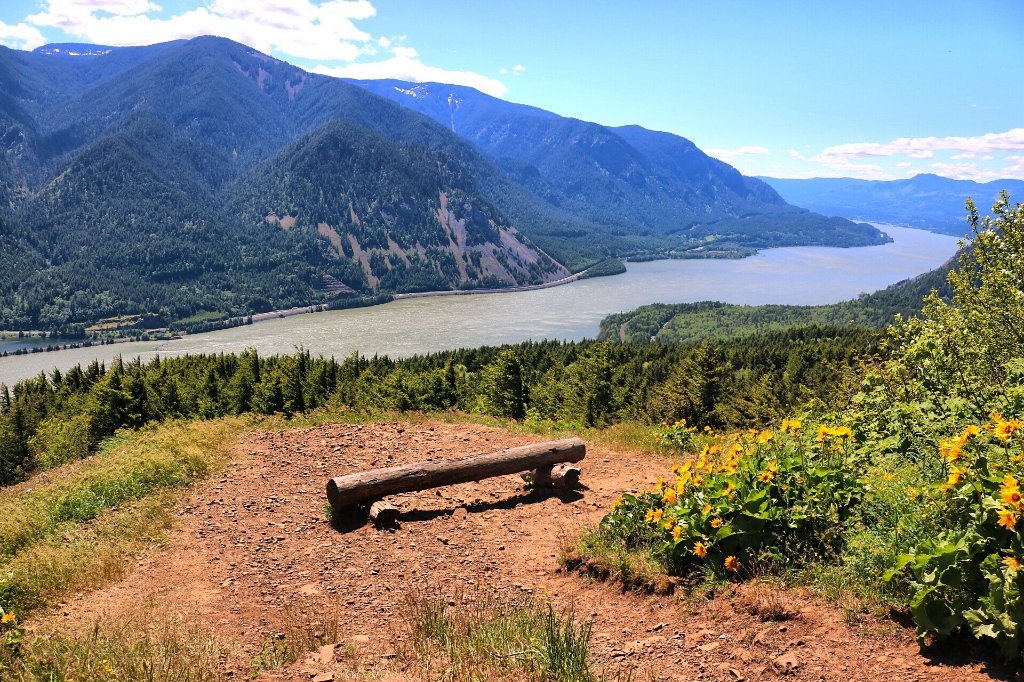
A challenging Washington hike famed for its spring wildflowers and panoramic Columbia River Gorge views. Permits required on weekends during peak season.
"This is the best wildflower hike I’ve found in the Columbia River Gorge (and possibly anywhere)."
🎯 Weekday Permit-Free Hike
Skip the weekend permit hassle and crowds by hiking on a weekday.
👟 Steep Trail, Sturdy Shoes
Wear grippy hiking shoes; the trail is very steep and can be slippery.
Quick Facts
Rating
4.7 · 209 reviews
Type
Natural Feature
Highlights
Discover the most iconic attractions and experiences
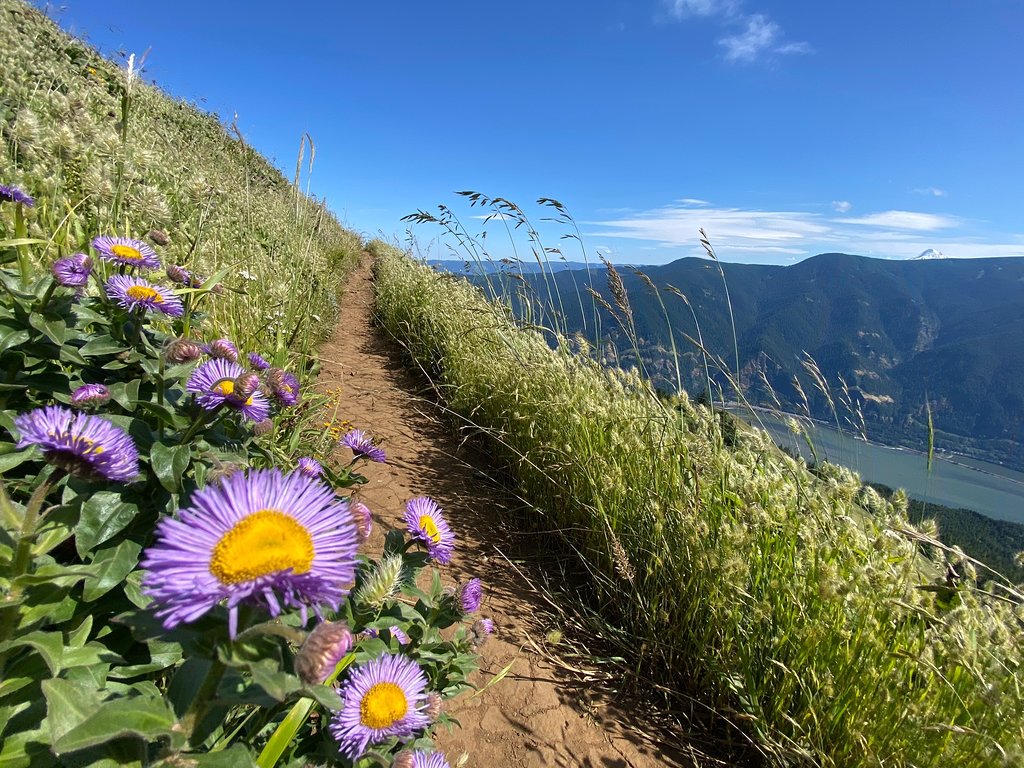
Wildflower Spectacle
Above the treeline
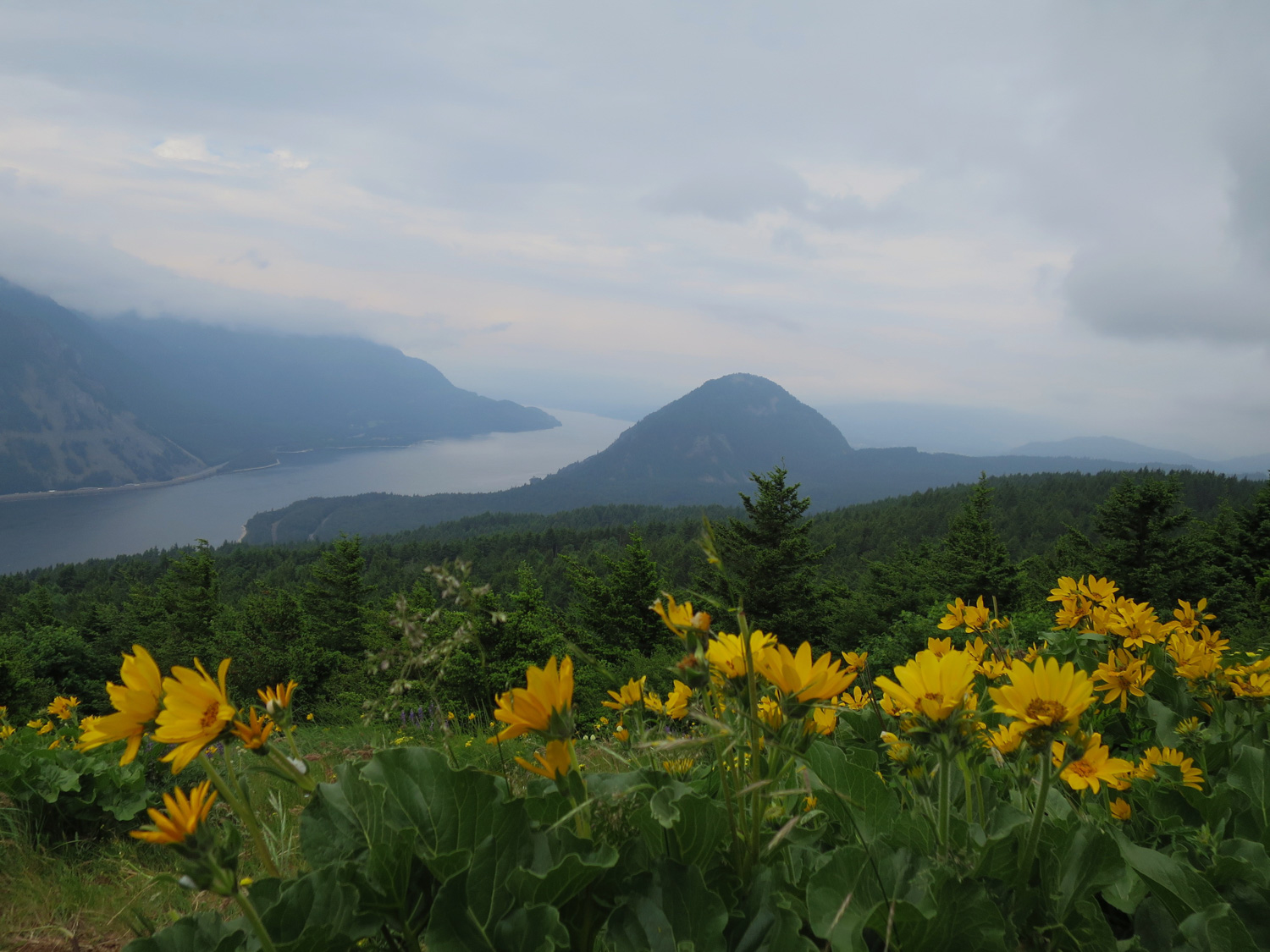
Vibrant yellow balsamroot and native wildflowers blanket the meadows in spring, creating a breathtaking natural display.
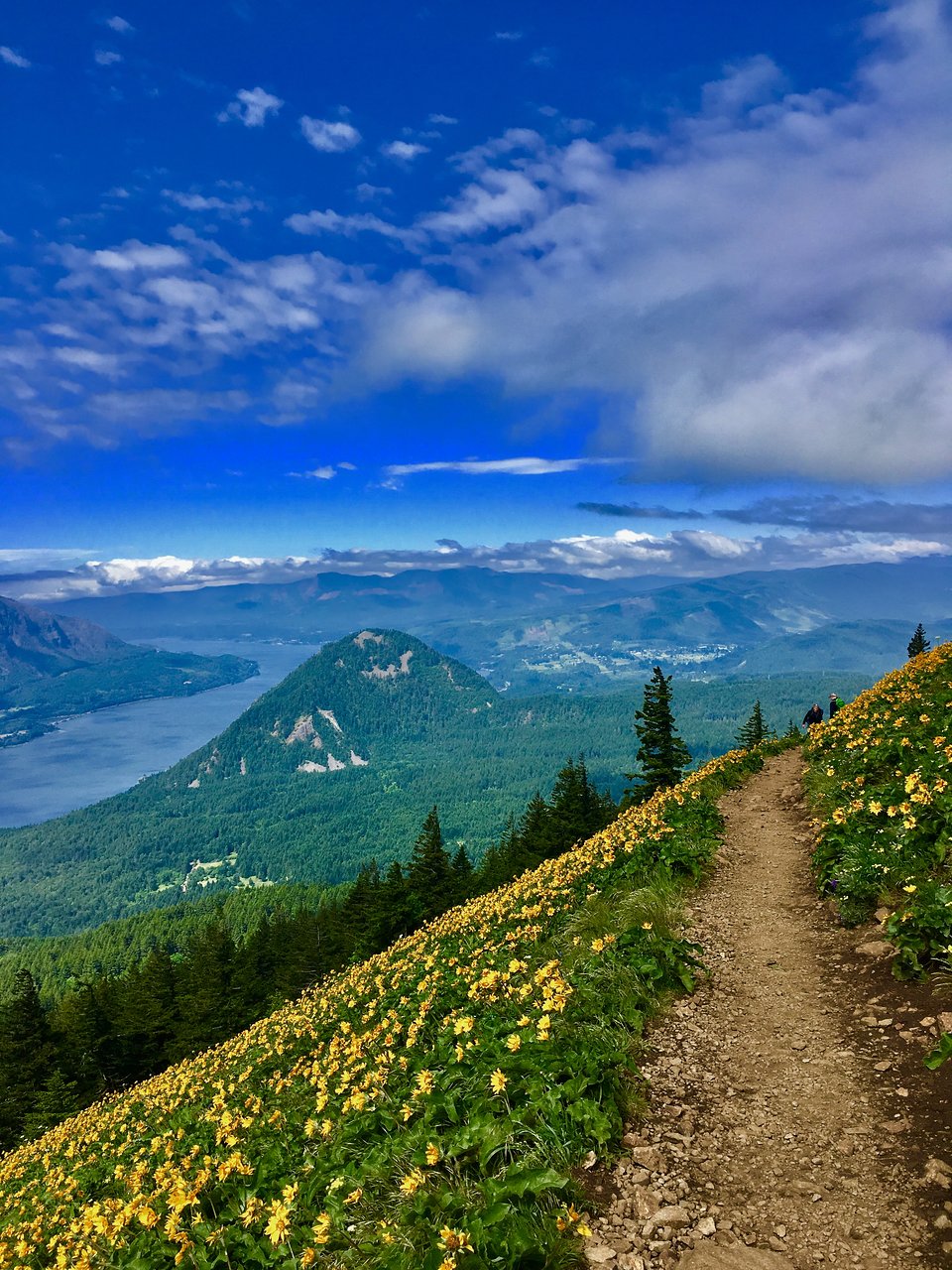
Panoramic Columbia River Gorge Views
Summit
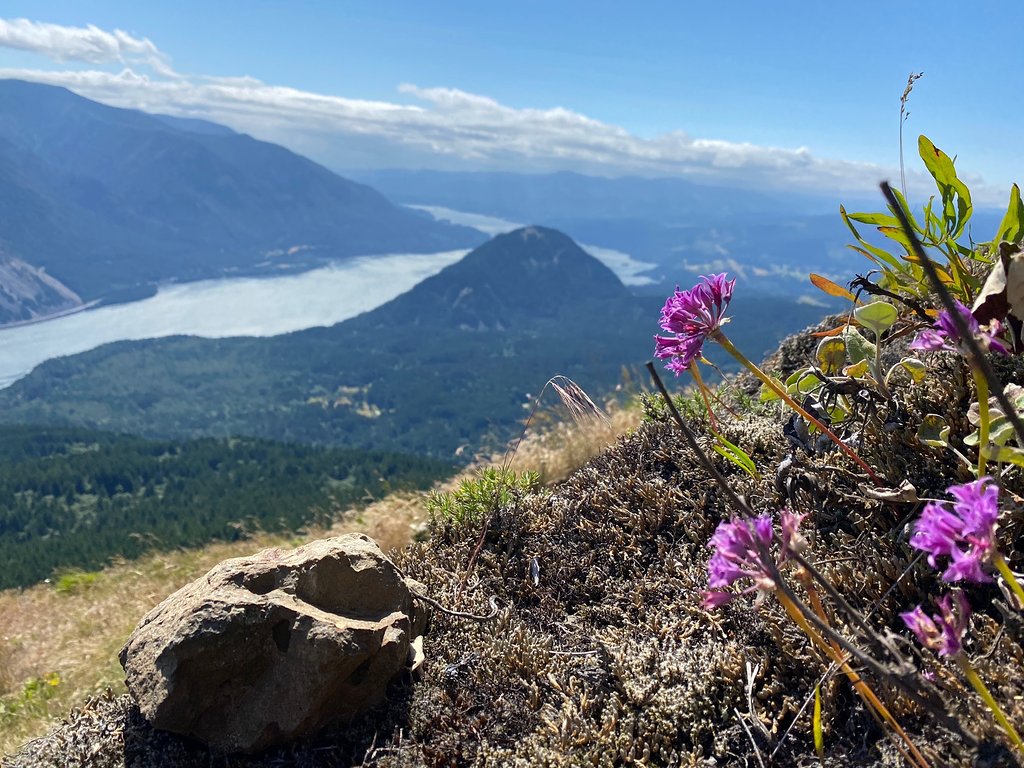
On clear days, the summit offers stunning, expansive views of the Columbia River Gorge and surrounding landscapes.
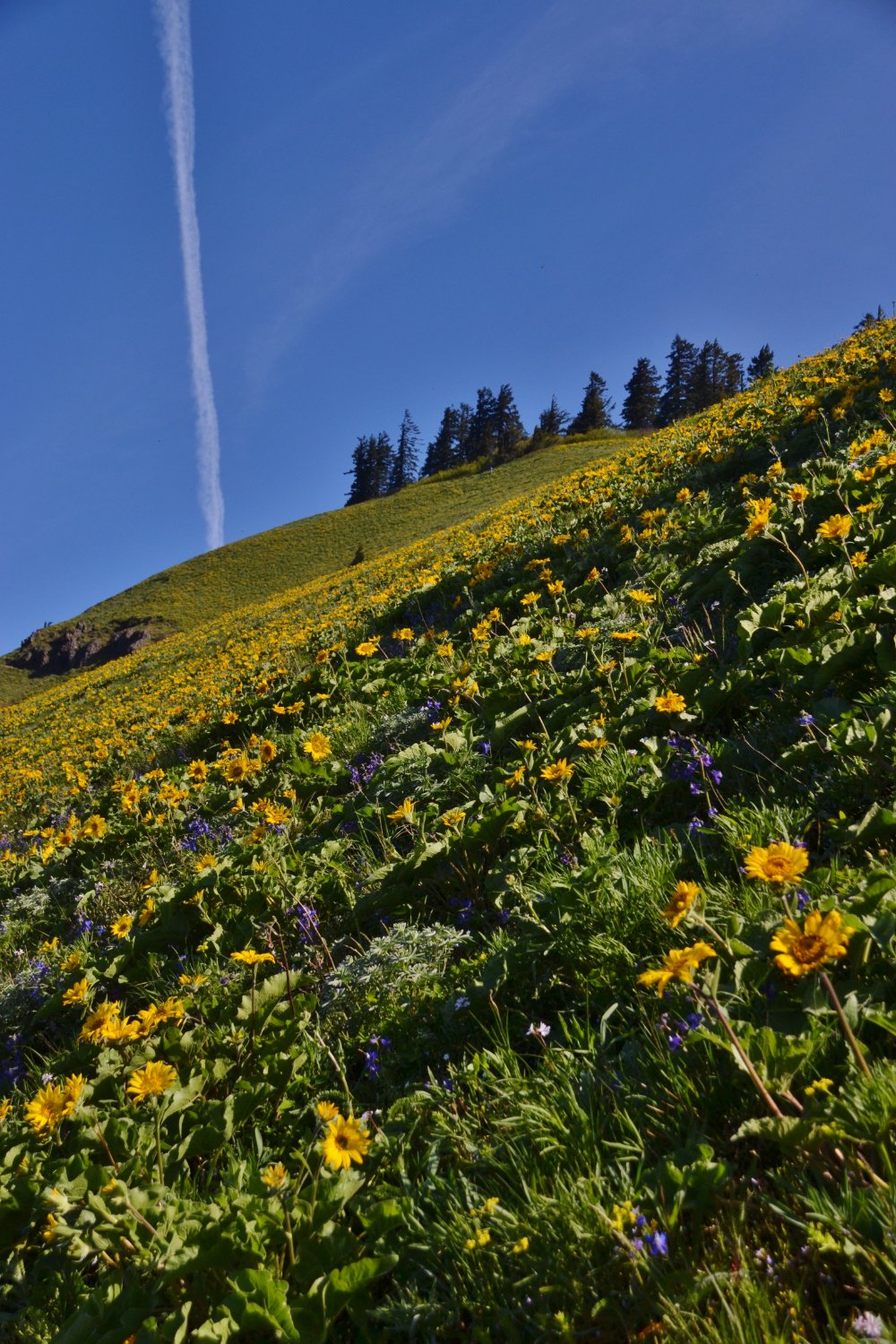
Challenging Trail Options
Trail split
Choose between the 'difficult' and 'more difficult' routes, both offering a strenuous climb with significant elevation gain.
Plans like a pro.
Thinks like you
Planning Your Visit
Permit & Timing is Key
Prepare for a Steep Challenge
Best Times
Insider Tips
from TikTok, Instagram & Reddit
🎯 Weekday Permit-Free Hike
Skip the weekend permit hassle and crowds by hiking on a weekday.
👟 Steep Trail, Sturdy Shoes
Wear grippy hiking shoes; the trail is very steep and can be slippery.
💧 Hydration is Crucial
Bring at least 2L of water per person. The climb is strenuous and water sources are scarce.
🚗 Arrive Early for Parking
Parking fills up fast, especially on weekends. Aim for an early start to secure a spot.
Tips
from all over the internet
🎯 Weekday Permit-Free Hike
Skip the weekend permit hassle and crowds by hiking on a weekday.
👟 Steep Trail, Sturdy Shoes
Wear grippy hiking shoes; the trail is very steep and can be slippery.
💧 Hydration is Crucial
Bring at least 2L of water per person. The climb is strenuous and water sources are scarce.
🚗 Arrive Early for Parking
Parking fills up fast, especially on weekends. Aim for an early start to secure a spot.
🐶 Dog-Friendly Adventure
Leash your dog and enjoy this popular trail; it's known for being dog-friendly.
What Travellers Say
Reviews Summary
Dog Mountain is celebrated for its breathtaking wildflower displays in spring and stunning panoramic views from the summit. While many praise the natural beauty and dog-friendly nature of the trail, a significant number of reviewers highlight its extreme steepness and the need for thorough preparation. The permit system on weekends during peak season is also a point of consideration for visitors.
"Beautiful, somewhat easy hike on Seymour mountain. This is a great one for winter hiking with spikes. You definitely don't need snowshoes, but I'd highly recommend using spikes and hiking boots if there's lots of snow. The view is beautiful at the top!This hike is pretty busy all year round so try to do it early in the morning, especially if it's a weekend."
Carly Overman
"Simple hike with a lot of parking and great, absolutely stellar views. Best enjoyed at sunset with a picnic and a headlamp to get you back!
The trail is basically flat, a return trip has ups and downs totalling 160m, but the trail is actually quite rooty and rough, and often slippery and muddy, so be prepared.
Don't feed the birds though. They are wild but getting habituated to human food. And they're pretty fierce about it too, so your morsel of bread costs the next visitors their peaceful enjoyment."
Martin Ciastko
"First time doing this hike was on snowshoes for Boxing Day. Arrive early to Mount Seymour for the best parking or you could be waiting to get up the hill. We brought our own snowshoes but rentals are available. No snowshoe pass is needed from the Mountain as this is part of B.C. Parks. A 5 km round trip with some elevation gain and trails where well used when we went. A couple steep sections where you have to watch your footing but fairly easy terrain. Lots of dogs seen on the trail and is off leash once you get to the trailhead. Bring some nuts for the Whiskey Jacks and Ravens if you like to feed the birds. Enjoy!"
Chris Neyedli
What People Like
What People Dislike
Frequently Asked Questions
🚇 🗺️ Getting There
Dog Mountain is located on the Washington side of the Columbia River Gorge. Access is typically via State Route 14. The trailhead parking lot can fill up quickly, so arriving early is recommended.
Yes, there is a medium-sized gravel parking lot at the trailhead. However, it is known to fill up very quickly, especially on weekends and during peak wildflower season. 
Driving is the most common way to reach the Dog Mountain trailhead. Public transportation options are limited in this area.
Road conditions can vary, especially in winter. It's always a good idea to check local forest service advisories before your trip. During peak season, the permit system also affects access.
Yes, a Northwest Forest Pass or an America the Beautiful Pass is accepted for parking at the Dog Mountain trailhead.
🎫 🎫 Tickets & Entry
A permit is required for hiking Dog Mountain on weekends from late April to mid-June. You can obtain these online in advance. Weekdays do not require a permit.
Permits are typically available for purchase online through recreation.gov. It's advisable to secure your permit well in advance, especially for weekend hikes.
Dog Mountain is accessible year-round for hiking, but the permit system is specific to the spring wildflower season. There are no set operating hours for the trail itself, but parking access may be limited by daylight.
Permit costs can vary, but they are generally a nominal fee to help manage visitor numbers during peak times. Check recreation.gov for the most current pricing.
While an America the Beautiful Pass covers entrance fees at many federal recreation sites, it does not waive the specific permit requirement for Dog Mountain on weekends during the designated period. However, it is accepted for parking.
🎫 🥾 Onsite Experience
Dog Mountain is rated as a hard hike. It features a significant elevation gain of nearly 3000 feet in about 3 miles, making it very strenuous.
The round trip distance for the Dog Mountain trail is approximately 6 to 6.5 miles, depending on the chosen route.
Pack plenty of water (2L+), snacks, grippy hiking shoes, layers (windbreaker/rain jacket), sunscreen, hat, sunglasses, and an offline map. Bug spray and a first-aid kit are also recommended.
Yes, Dog Mountain is a popular dog-friendly trail. Dogs are allowed, but remember to keep them leashed and clean up after them.
The best conditions are generally from mid-March to October. Spring (April-June) is famous for wildflowers, while autumn offers crisp air and fall colors. Winter hiking is possible with spikes.
📸 📸 Photography
Golden hour, both sunrise and sunset, offers beautiful lighting for photos. Spring afternoons are ideal for capturing the wildflowers in bloom.
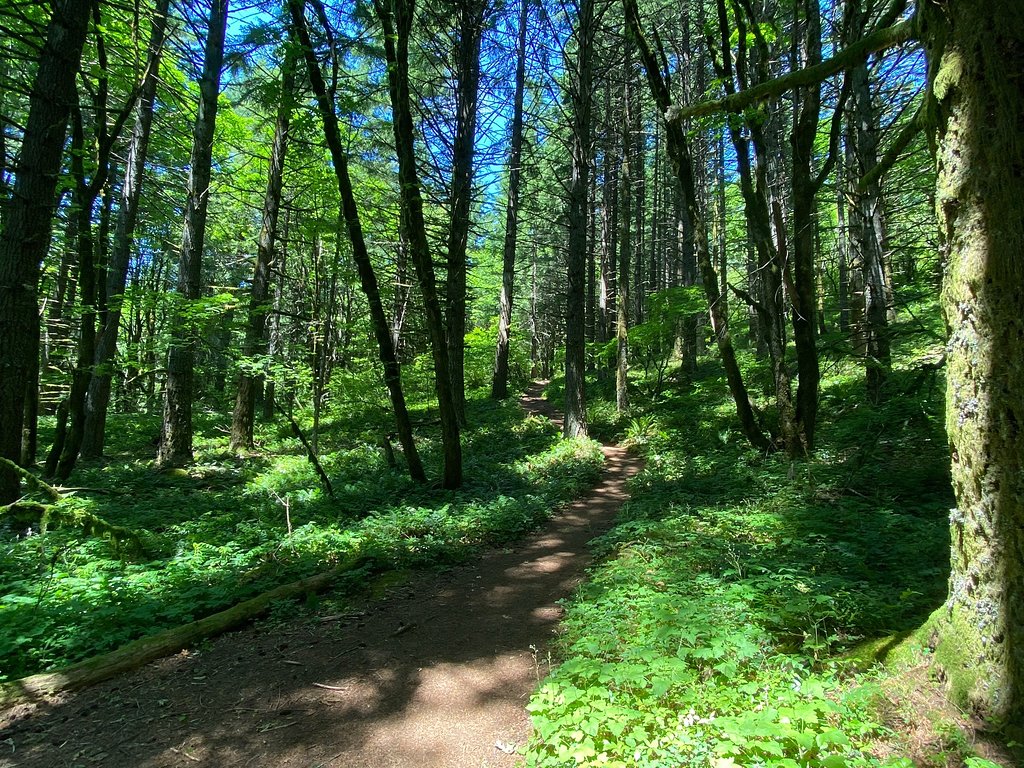
The summit offers panoramic views, and the meadows are spectacular during wildflower season. The trail itself, winding through forests and opening up to vistas, is also very scenic.
Drone usage is typically restricted in National Forests and parks to protect wildlife and visitor experience. Always check current regulations before flying a drone.
A wide-angle lens is great for capturing the expansive views and wildflower fields. A telephoto lens can be useful for wildlife or distant landscape details.
Be prepared for changing weather conditions. Early mornings can be misty, adding a unique atmosphere. Consider polarizing filters to enhance the colors of the wildflowers and sky.


Social
from TikTok, Instagram & Reddit