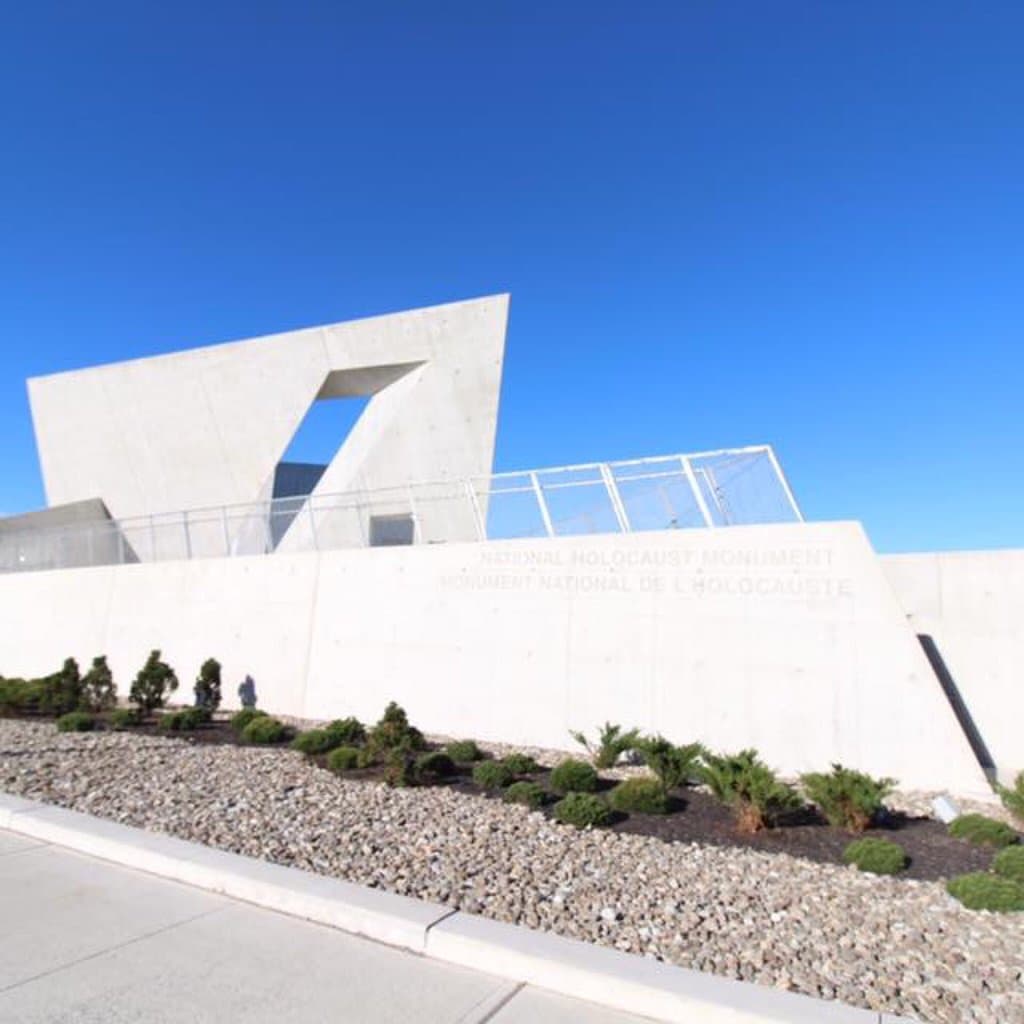
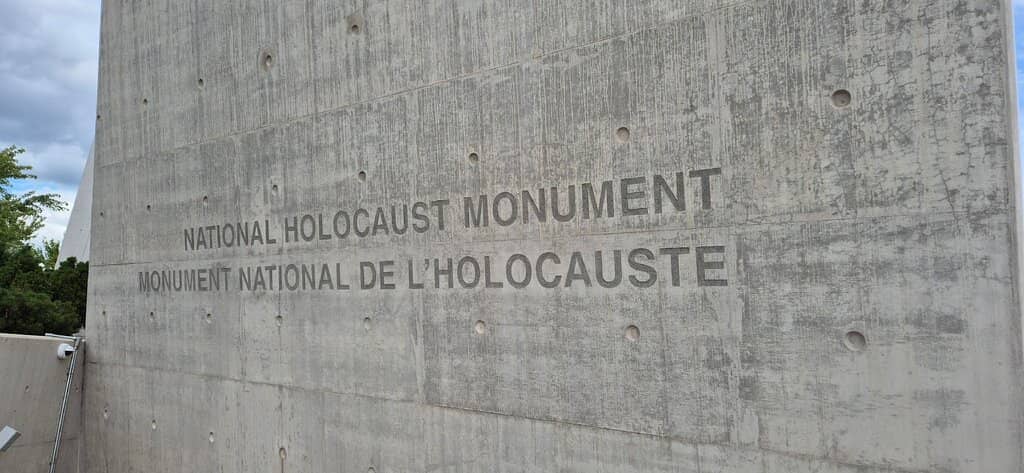
National Holocaust Monument Ottawa
A stark, architecturally profound monument in Ottawa dedicated to the six million Jewish victims of the Holocaust and survivors' resilience.

Highlights
Must-see attractions

Social
From TikTok & Reddit
Best Time
For quiet contemplation
National Holocaust Monument Ottawa
Best Time
For quiet contemplation
Highlights
Must-see attractions
A stark, architecturally profound monument in Ottawa dedicated to the six million Jewish victims of the Holocaust and survivors' resilience.
"The monument's design is intentionally challenging, creating a space for deep reflection and remembrance."
Allow ample time for reflection
This is a place for deep thought, not a quick photo op. Take your time to absorb the atmosphere.
Visit with an open mind
The monument is designed to be challenging and thought-provoking, not comforting.
Quick Facts
Hours
Rating
4.6 · 263 reviews
Type
Park
Highlights
Discover the most iconic attractions and experiences
The Six Concrete Triangles
Monument grounds
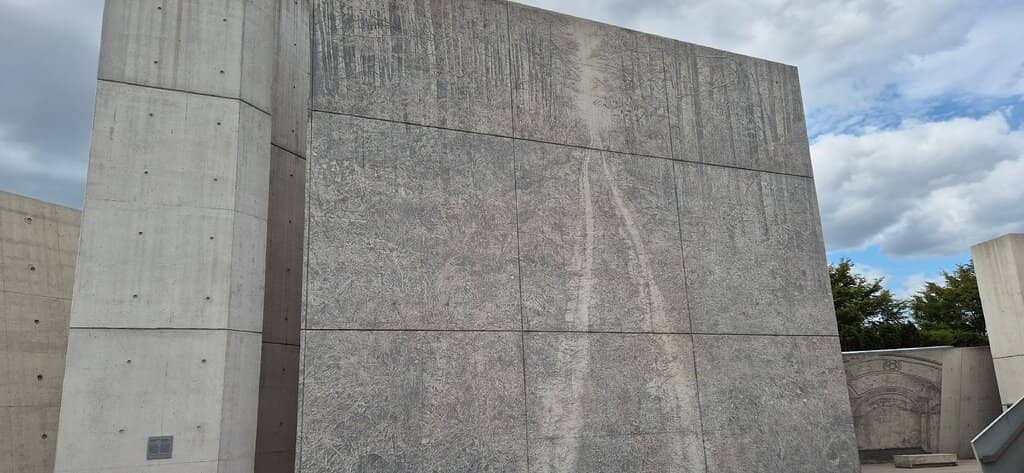
Massive, angular concrete structures forming a fractured Star of David, symbolizing persecution and fragmentation.

Large-Scale Murals
Interior walls
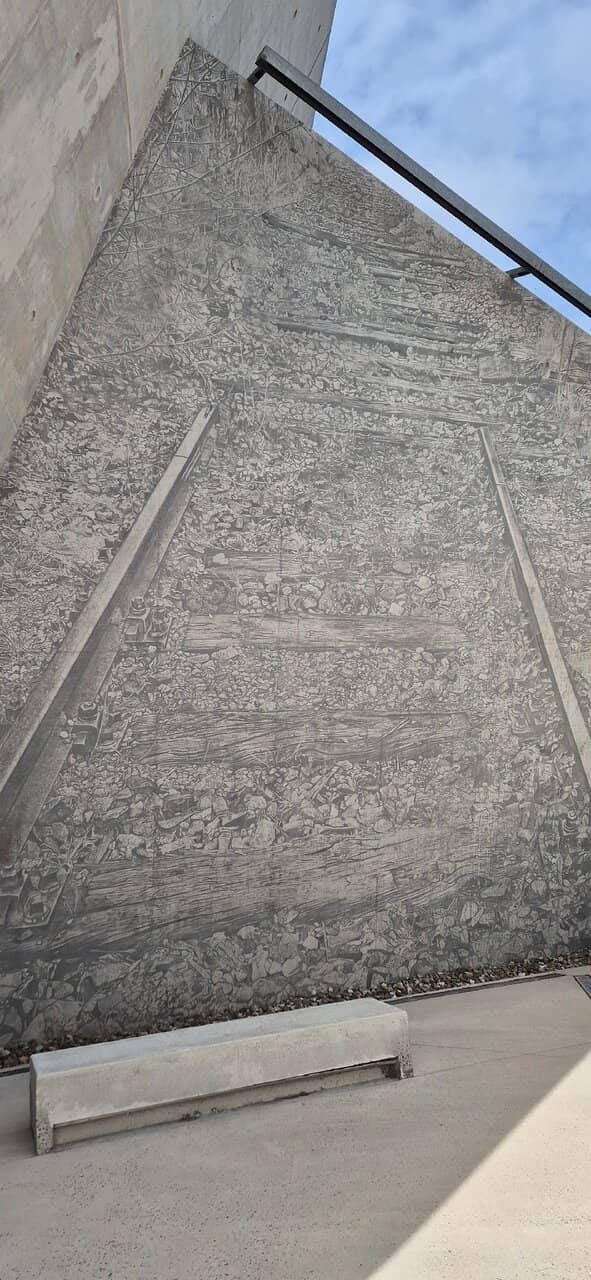
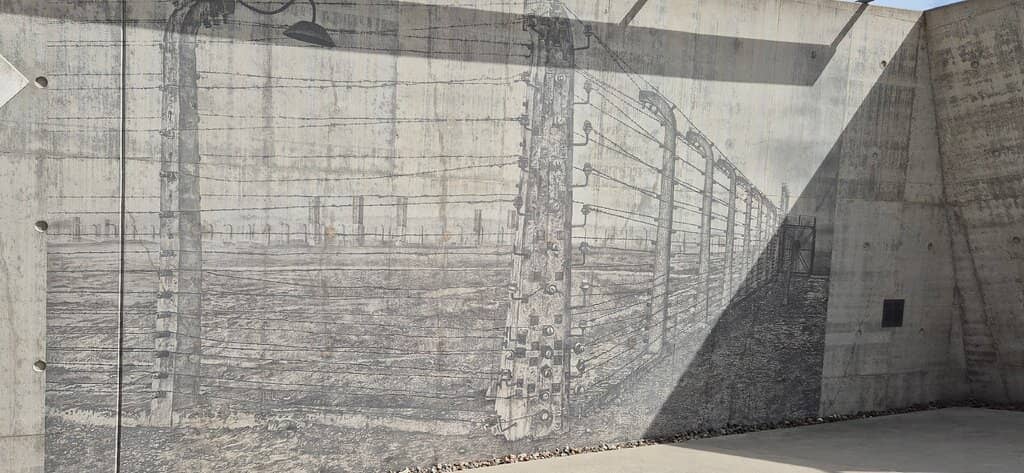
Powerful, present-day images of Holocaust sites that ground history and evoke a sense of enduring impact.

Symbolic Architecture
Overall monument
Daniel Libeskind's design intentionally creates a feeling of isolation and contemplation, not comfort.
Plans like a pro.
Thinks like you
Planning Your Visit
Timing Your Visit for Reflection
Understanding the Monument's Design
Best Times
Insider Tips
from TikTok, Instagram & Reddit
Allow ample time for reflection
This is a place for deep thought, not a quick photo op. Take your time to absorb the atmosphere.
Visit with an open mind
The monument is designed to be challenging and thought-provoking, not comforting.
Combine with War Museum visit
Located next to the Canadian War Museum, making it easy to explore both historical sites.
Respect the solemnity
This is a memorial site. Please be mindful of others and maintain a respectful demeanor.
Tips
from all over the internet
Allow ample time for reflection
This is a place for deep thought, not a quick photo op. Take your time to absorb the atmosphere.
Visit with an open mind
The monument is designed to be challenging and thought-provoking, not comforting.
Combine with War Museum visit
Located next to the Canadian War Museum, making it easy to explore both historical sites.
Respect the solemnity
This is a memorial site. Please be mindful of others and maintain a respectful demeanor.
What Travellers Say
Reviews Summary
Visitors find the National Holocaust Monument a deeply moving and solemn site, praising its powerful design and its role in remembrance and education. While the stark architecture is intentionally designed to evoke difficult emotions, many feel it's a necessary and impactful experience for understanding history. Some note the challenging atmosphere can feel isolating, but ultimately deem it a crucial tribute.
"The National Holocaust Monument in Ottawa, located at the intersection of Wellington and Booth Streets, stands as a powerful tribute to the six million Jewish victims of the Holocaust and a reminder of the resilience of survivors. Situated across from the Canadian War Museum, it is a striking and thought-provoking space that compels reflection.
Designed by architect Daniel Libeskind and unveiled in 2017, the monument is composed of six massive concrete triangles that, when viewed from above, form the shape of a fractured Star of David. This design is deeply symbolic, representing both the imposed identification of Jews during the Holocaust and the fragmentation of lives torn apart by genocide.
Inside the monument, large-scale murals depict present-day images of Holocaust sites, grounding the past in the present and reinforcing the weight of history. The space is stark, with towering walls that create an atmosphere of isolation and contemplation. The intention is clear—it is not meant to be a place of comfort, but one that forces visitors to confront the gravity of what happened.
Established through the National Holocaust Monument Act, the site ensures that the memory of the Holocaust remains an enduring part of Canada’s national landscape. The experience of walking through it is both sobering and necessary. It serves as a stark reminder of the dangers of hatred and the importance of vigilance in protecting human rights."
Brandan Johnston
"Very serene atmosphere. Quiet and calm well inside the monument. The design and layout kind of give you a trapped helpless feeling. The monument is well layed out and a very touching tribute to the countless lives that were torn apart. Definitely makes you think and reflect, well at least it did for me."
Troy Metlin
"The National Holocaust Monument in Ottawa is a deeply moving and solemn site that commemorates the victims and survivors of the Holocaust. The monument's striking design and powerful imagery create a space for reflection and remembrance. It is located next to the Canadian War Museum, making it easily accessible for visitors interested in exploring both historical sites.
The combination of these two significant monuments provides a profound and educational experience."
Valeriia O
What People Like
What People Dislike
Frequently Asked Questions
🚇 🗺️ Getting There
The National Holocaust Monument is located at the intersection of Wellington and Booth Streets in Ottawa, directly across from the Canadian War Museum. It's easily accessible by car, with parking available nearby, or via public transit. OC Transpo bus routes frequently service this area.
Yes, there are parking options available near the National Holocaust Monument, particularly at the Canadian War Museum. It's advisable to check parking availability and rates in advance, especially during peak tourist seasons.
If you are staying in downtown Ottawa, walking to the National Holocaust Monument is feasible, though it's a bit of a distance. It offers a pleasant walk along the Ottawa River or through the city streets.
🎫 🎫 Tickets & Entry
No, admission to the National Holocaust Monument is free. It is an open public space designed for reflection and remembrance.
The National Holocaust Monument is an outdoor public space and is generally accessible at all times. However, it's always a good idea to check for any specific event closures or seasonal hours if you plan to visit very early or late.
The monument is designed to be accessible. While the terrain can be uneven in places, efforts have been made to ensure that visitors with mobility challenges can navigate the site.
🎫 🧭 Onsite Experience
Visitors describe the experience as deeply moving and solemn. The stark, angular concrete walls and large-scale murals are designed to evoke feelings of isolation and contemplation, prompting reflection on the horrors of the Holocaust. It's not a place of comfort, but one of profound remembrance.
The monument's six concrete triangles form a fractured Star of David when viewed from above, symbolizing the persecution of Jews. The towering walls are intended to create a sense of being trapped and helpless, a powerful metaphor for the victims' experiences.
Photography is permitted, but visitors are encouraged to be respectful of the solemn nature of the site. Many visitors capture images that reflect the monument's powerful architecture and atmosphere.
Many visitors bring children to help them understand the history of the Holocaust. It's recommended to prepare children beforehand and use the visit as an educational opportunity to explain the importance of remembrance and the phrase 'never again.'
The large-scale murals depict present-day images of Holocaust sites. They serve to connect the past with the present, reinforcing the enduring impact of these historical events and the importance of remembering.
📸 📸 Photography
The stark architectural lines and the interplay of light and shadow within the concrete triangles offer dramatic photographic opportunities. Capturing the scale of the walls and the symbolic shapes is key.
While photography is generally allowed, it's important to be respectful of the solemn nature of the site. Avoid intrusive or disrespectful photography.
Many photographers opt for minimalist or architectural styles to highlight the monument's unique design. Black and white photography can also be very effective in conveying the somber mood.
You may also like
Kichi Zībī Mīkan Ottawa River Pathway
Canadian Firefighters Memorial
Chaudière Falls Ottawa
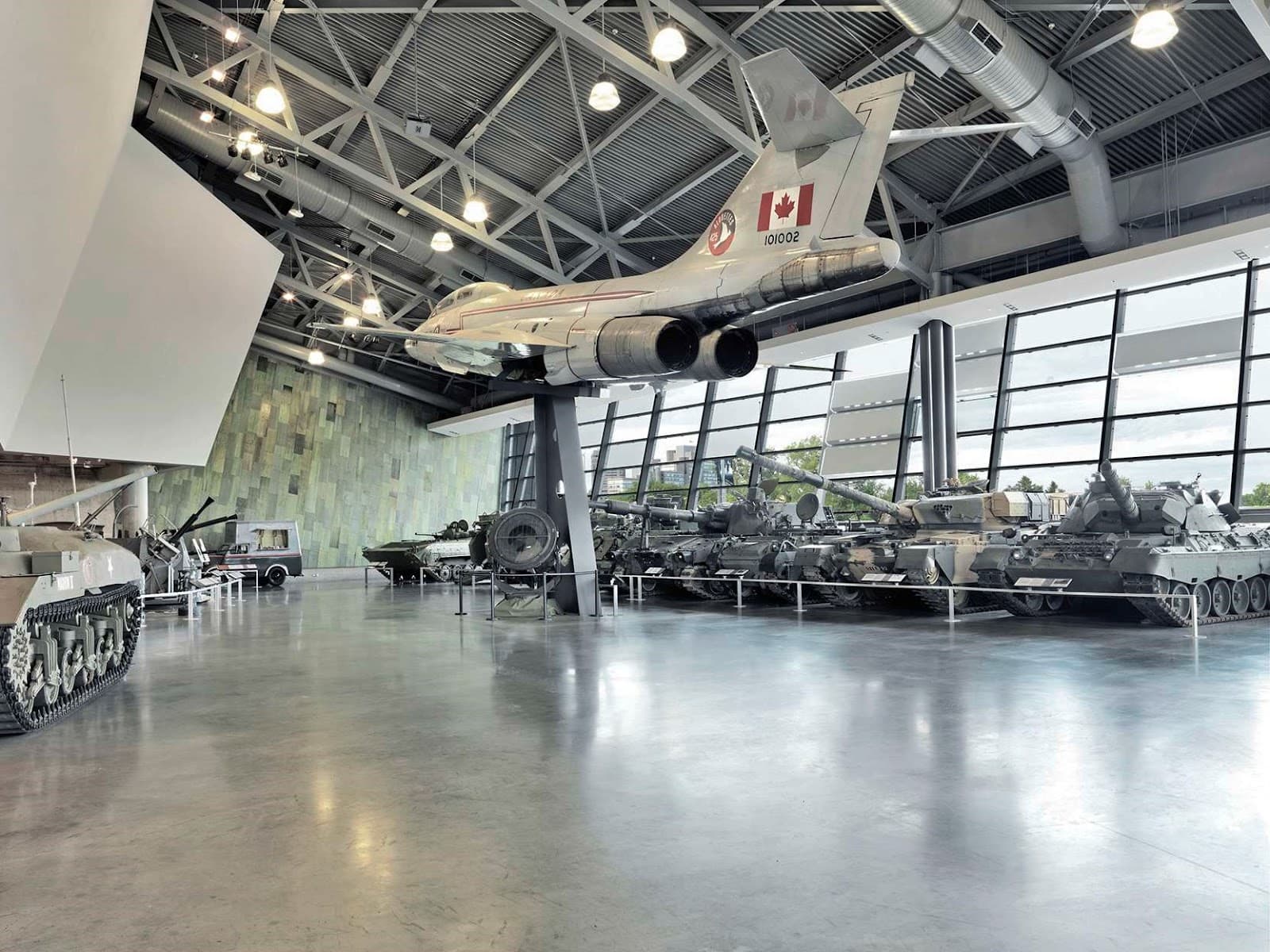
Canadian War Museum
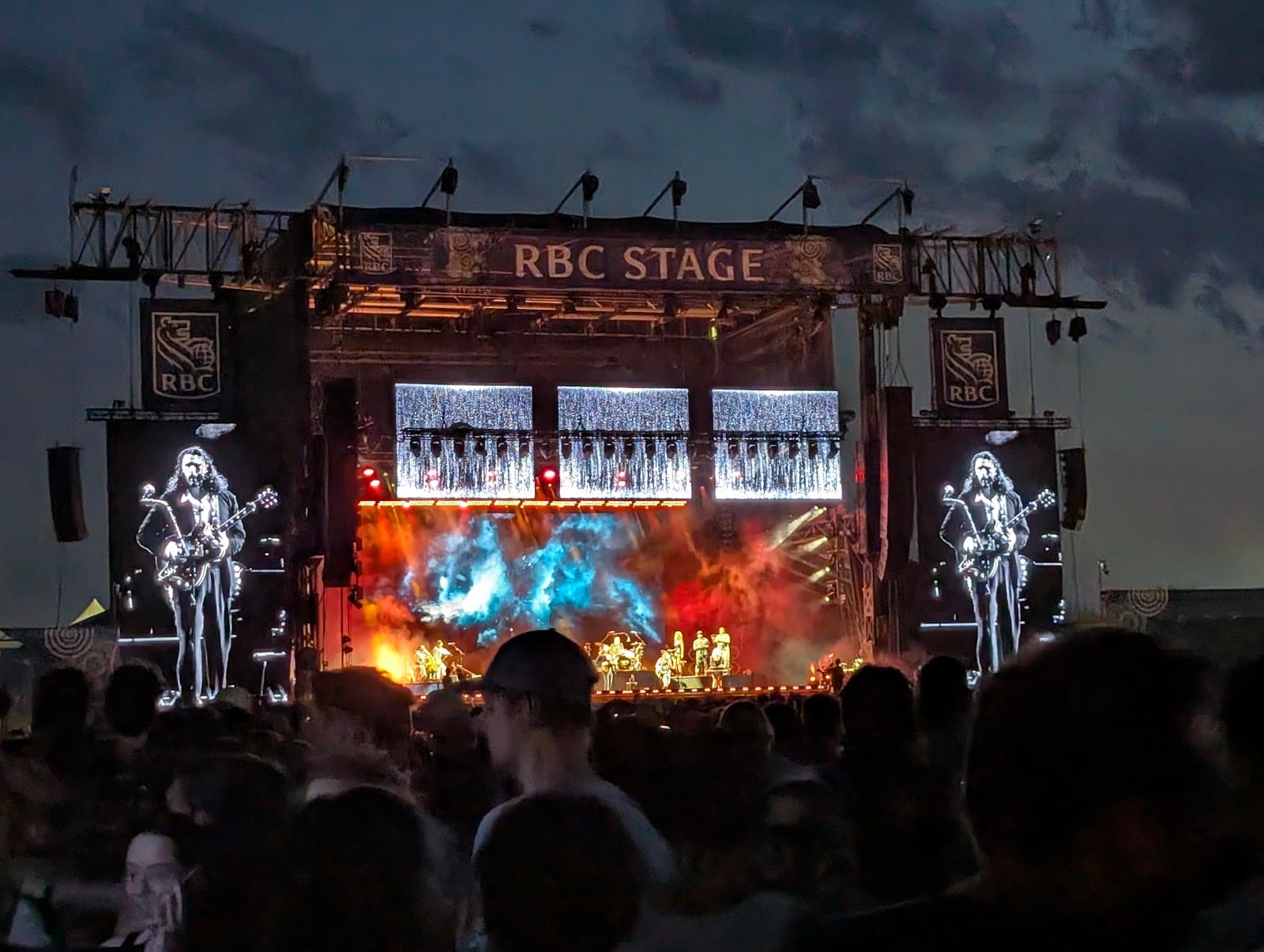
LeBreton Flats Park Ottawa
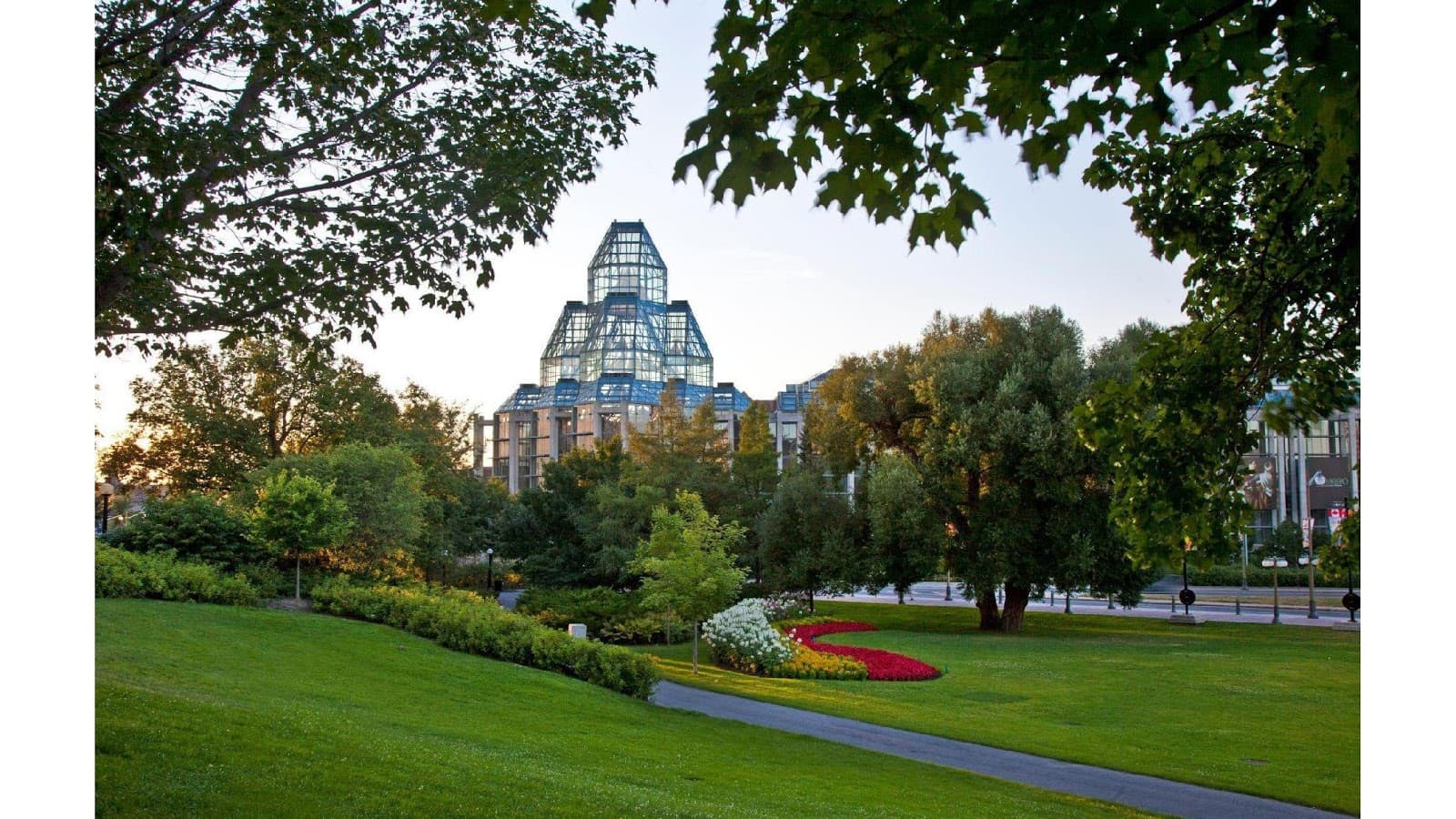
Major's Hill Park Ottawa
Kichi Zībī Mīkan Ottawa River Pathway
Canadian Firefighters Memorial
Chaudière Falls Ottawa
Canadian War Museum
LeBreton Flats Park Ottawa
Major's Hill Park Ottawa
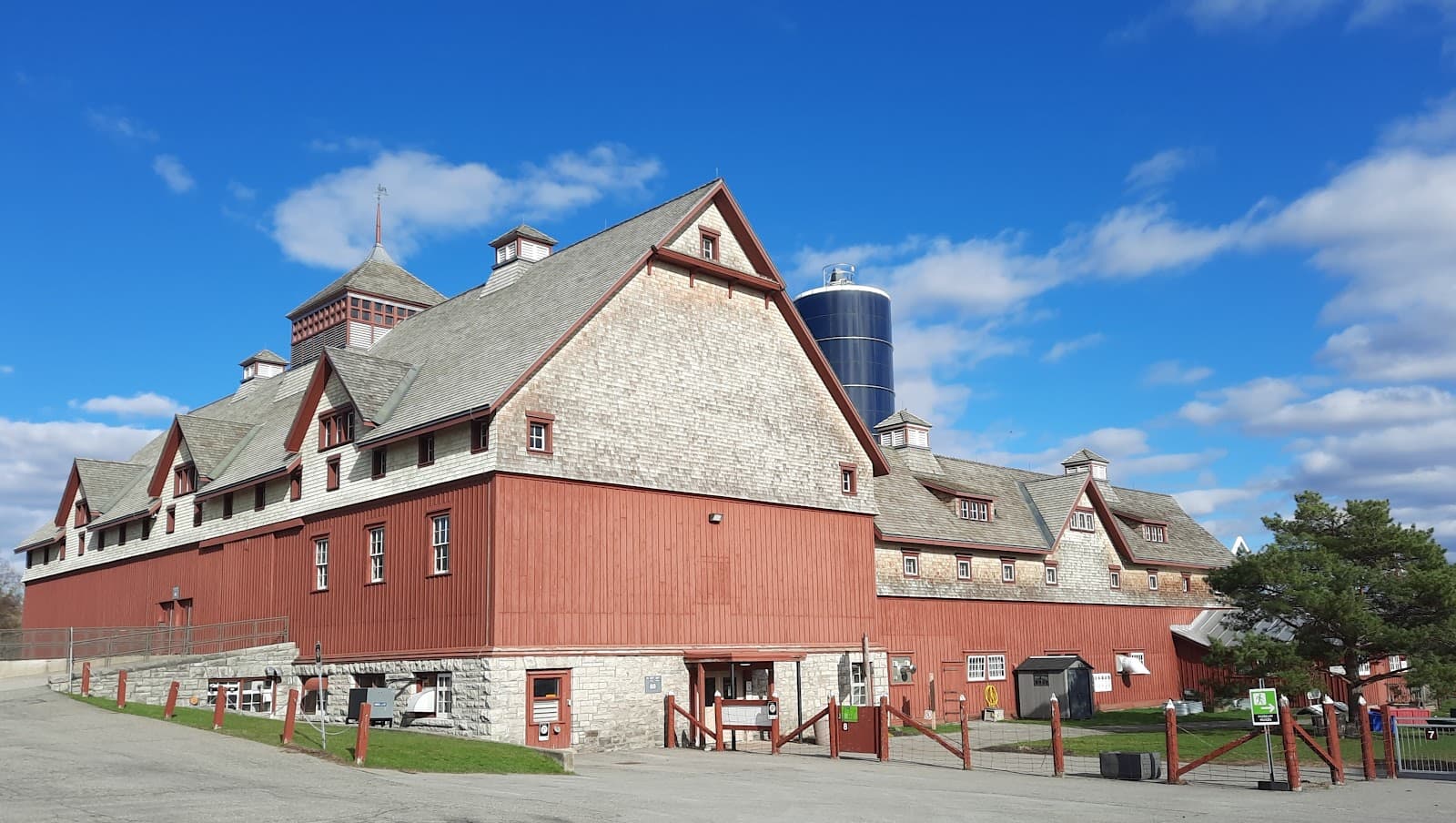
Central Experimental Farm
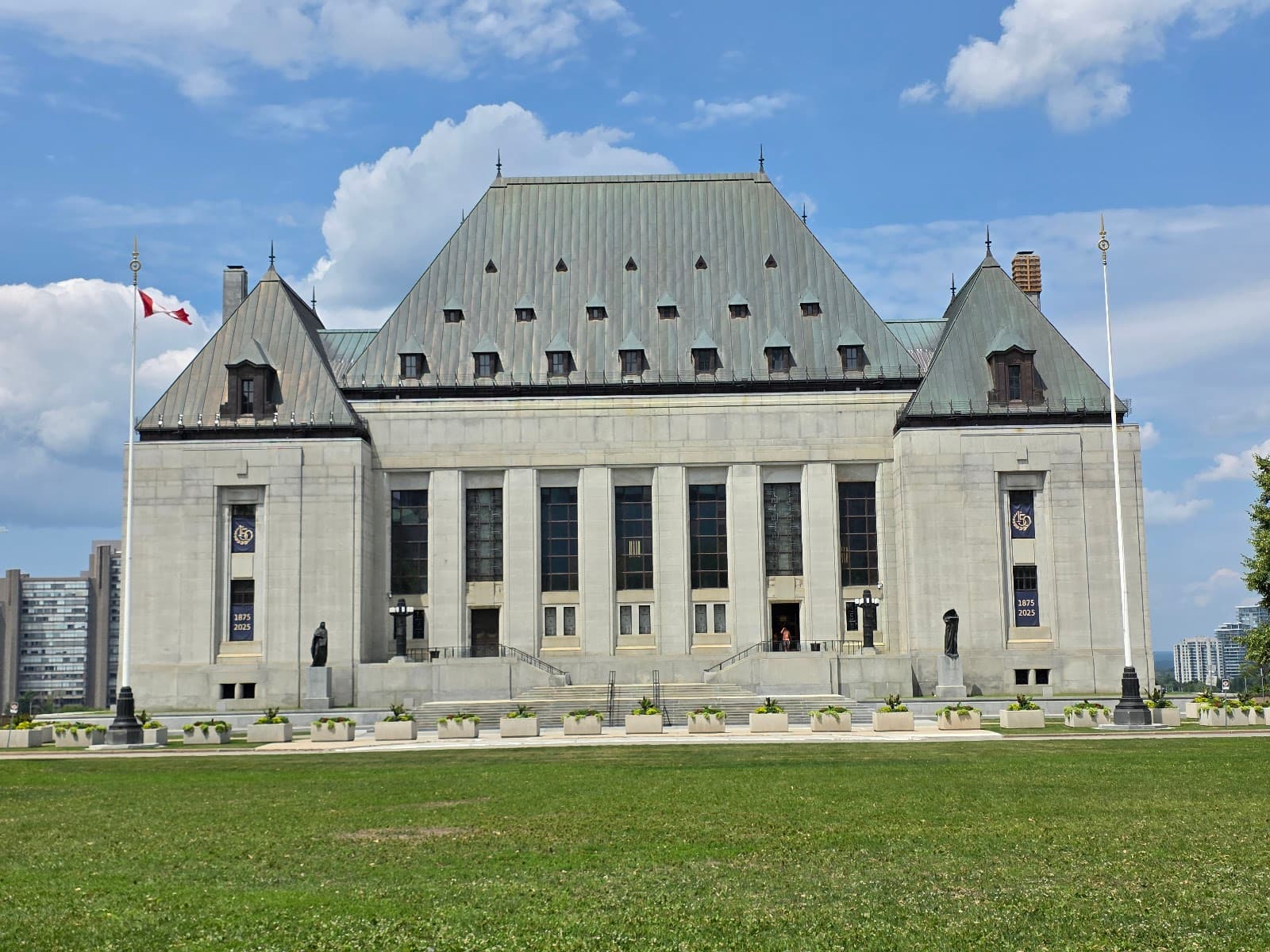
Supreme Court of Canada
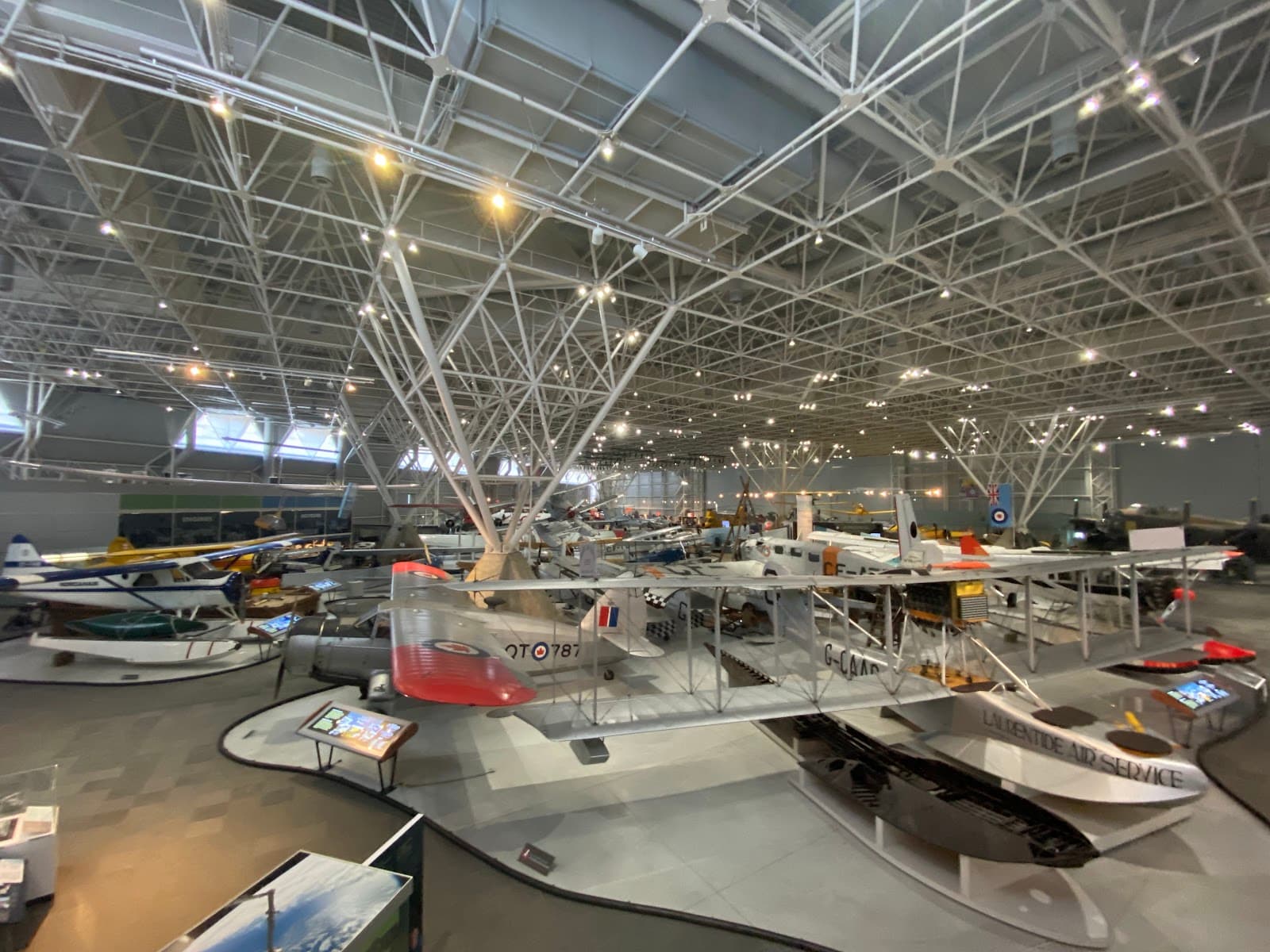
Canada Aviation and Space Museum

Westboro Village Ottawa
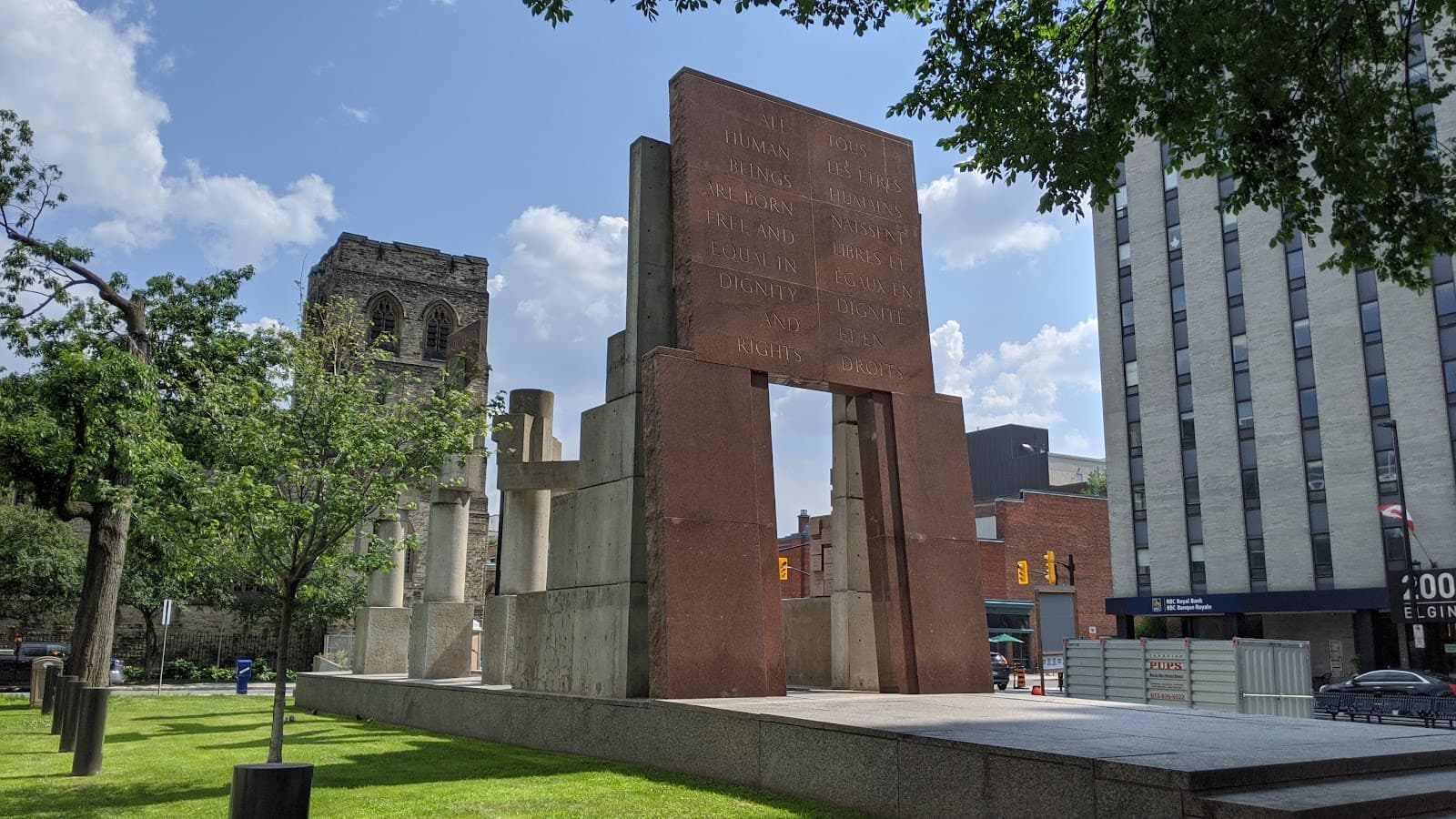
Canadian Tribute to Human Rights

Social
from TikTok, Instagram & Reddit