
Coyhaique Craft Market
Discover authentic Patagonian crafts, from handwoven textiles to fine leather goods, directly from local artisans.
Highlights
Must-see attractions

Social
From TikTok & Reddit
Best Time
Fewer crowds, more artisan interaction
Coyhaique Craft Market
Best Time
Fewer crowds, more artisan interaction
Highlights
Must-see attractions
Discover authentic Patagonian crafts, from handwoven textiles to fine leather goods, directly from local artisans.
"A vast choice to buy something handmade from knitted hats to leather goods. Bought some warm hats and socks, pretty good."
🤝 Chat with Artisans
Engage with local craftspeople; they love sharing stories about their work and regional traditions.
🧶 Quality Knitwear
Look for warm hats, socks, and sweaters made from local wool for authentic Patagonian warmth.

Quick Facts
Rating
4.4 · 31 reviews
Highlights
Discover the most iconic attractions and experiences
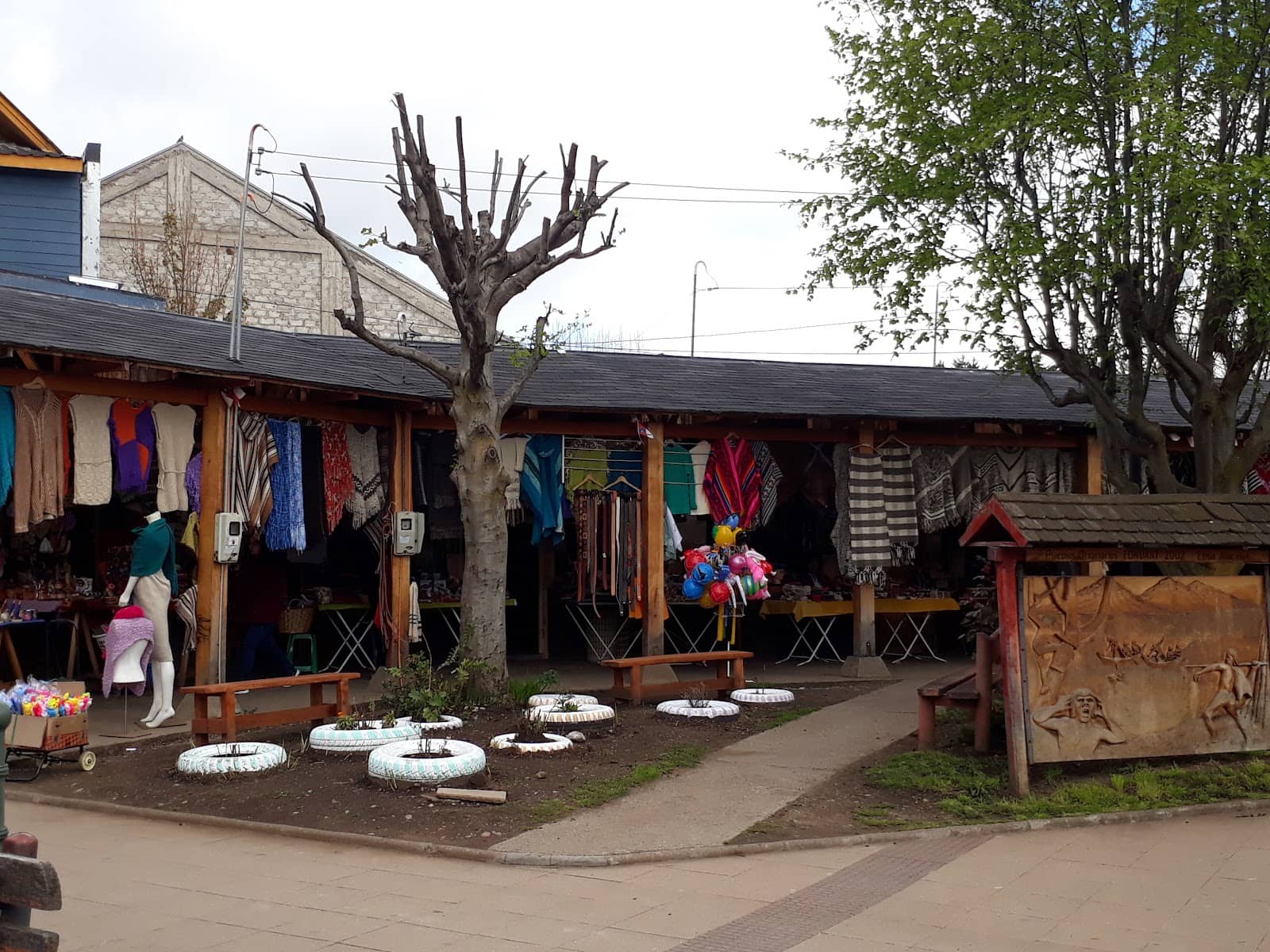
Handwoven Textiles
Various stalls
Discover beautiful ruanas, ponchos, and alpaca blankets showcasing traditional Patagonian weaving techniques.
Leather Goods
Specialized stalls
Find expertly crafted leather hats, bags, and accessories, reflecting the region's heritage.
Regional Books & Art
Book and art stalls
Explore unique regional literature and pyrography art, offering a deeper dive into Patagonian culture.
Plans like a pro.
Thinks like you
Planning Your Visit
Discover Authentic Patagonian Crafts
Best Time to Experience the Market
Best Times
Insider Tips
from TikTok, Instagram & Reddit
🤝 Chat with Artisans
Engage with local craftspeople; they love sharing stories about their work and regional traditions.
🧶 Quality Knitwear
Look for warm hats, socks, and sweaters made from local wool for authentic Patagonian warmth.
🎩 Unique Hat Selection
Discover a variety of hats made from leather, cloth, and toquilla straw, perfect souvenirs.
📚 Regional Literature
Don't miss the book stalls featuring local politics and regional culture.
Tips
from all over the internet
🤝 Chat with Artisans
Engage with local craftspeople; they love sharing stories about their work and regional traditions.
🧶 Quality Knitwear
Look for warm hats, socks, and sweaters made from local wool for authentic Patagonian warmth.
🎩 Unique Hat Selection
Discover a variety of hats made from leather, cloth, and toquilla straw, perfect souvenirs.
📚 Regional Literature
Don't miss the book stalls featuring local politics and regional culture.
What Travellers Say
Reviews Summary
Visitors praise the Coyhaique Craft Market for its vast selection of authentic handmade goods, from warm knitwear to quality leather products. The opportunity to interact with local artisans and learn about their craft is a significant highlight. However, some reviews note a potential lack of strong regional identity and suggest improvements in market programming.
"Vast choice to buy something handmade from knitted hats to leather goods. Bought some warm hats and socks, pretty good."
j k
"A wide selection of regional and national handicrafts, with local 5 standing out, offering new items such as handwoven fabrics, ruanas, ponchos, fine alpaca corral blankets, and a wide selection of leather, cloth, and toquilla straw hats, gourds, foot mats, and more."
Hernán Lezana
"Craft Fair where you can find a variety of products, especially where they make hats, berets, gloves, as well as beautiful leathers. 1000% recommended, and the service is spectacular."
Ana Maria Gallardo
What People Like
What People Dislike
Frequently Asked Questions
🚇 🗺️ Getting There
The market is centrally located in Coyhaique, making it easily accessible on foot from most accommodations. If arriving from outside the city, local buses or taxis can take you to the town center where the market is situated.
Street parking is available in the vicinity, but it can be limited, especially during peak hours. It's often easier to walk or use public transport if staying nearby.
Operating hours can vary, but it's generally open during daylight hours, especially on weekdays. Some vendors may close earlier on weekends or during inclement weather. It's best to check locally for the most up-to-date schedule.
Yes, searching for 'Coyhaique Craft Market' or 'Feria Artesanal Coyhaique' on Google Maps will pinpoint its location in the city center.
The market is typically set up on flat ground, but some stalls might have slight unevenness. It's generally navigable, but it's advisable to proceed with caution.
🎫 🎫 Tickets & Entry
No, entry to the Coyhaique Craft Market is free. You only pay for the items you choose to purchase from the artisans.
There's no need to book tickets in advance as it's a public market. You can visit anytime during its operating hours.
Weekdays, particularly weekday mornings, tend to be less crowded, allowing for a more relaxed browsing experience and better interaction with vendors.
While not always advertised widely online, local events or seasonal festivals might occur. It's worth asking locals or checking community boards upon arrival for any special happenings.
The local currency, Chilean Pesos (CLP), is widely accepted. Some vendors might accept US Dollars, but it's best to have local currency on hand for smaller purchases.
🎫 🛍️ Shopping & Souvenirs
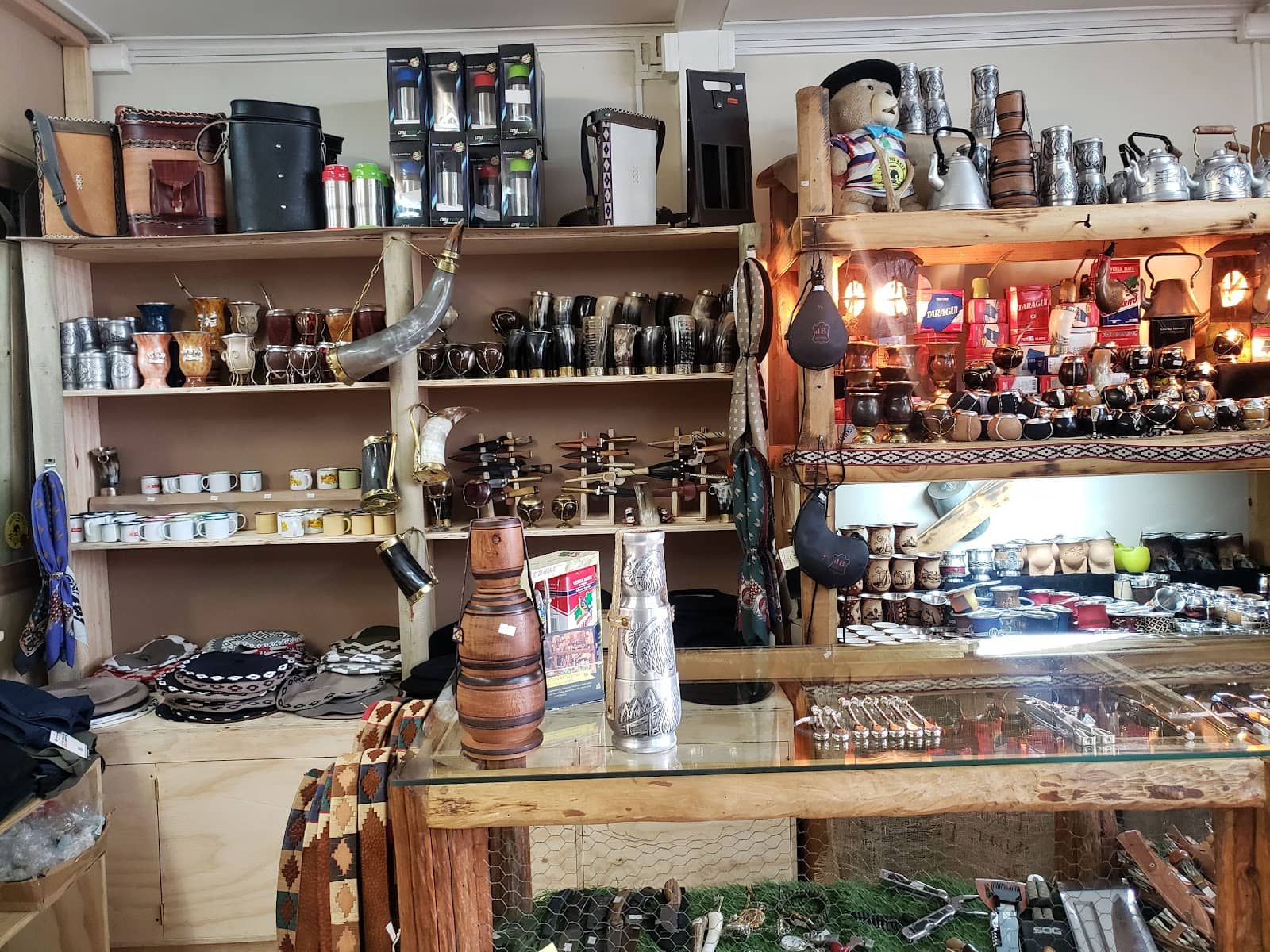
You'll find a vast selection including handwoven textiles like ruanas and ponchos, leather goods (hats, bags), knitted items (hats, socks), gourds, foot mats, and unique regional crafts.
While some vendors might be open to a small negotiation, especially for multiple items, it's generally best to appreciate the value of handmade work. Prices are often fair for the quality.
Absolutely! The market is a prime spot for authentic Patagonian souvenirs, showcasing regional craftsmanship and materials.
Keep an eye out for items made with local wool, regional leather, and unique pyrography art. Also, look for books on regional politics and culture.
Cash in Chilean Pesos is the most reliable method. Some vendors might accept card payments, but it's not guaranteed, so carrying cash is recommended.
🎫 🎨 Local Culture & Art
The market is a hub for local artisans to showcase and sell their traditional crafts, preserving and promoting Patagonian culture and heritage.
Many artisans are happy to discuss their techniques and the origin of their materials. Engaging in conversation is a great way to learn about the craftsmanship.
Yes, you can find stalls featuring regional literature and unique pyrography art that deeply reflects the local identity and themes.
While not a consistent feature, there's a desire for more music and dance performances to enhance the regional presence. Keep an ear out for spontaneous performances or inquire about scheduled events.
The best way to support them is by purchasing their handmade goods directly and engaging respectfully in conversations about their work.



Social
from TikTok, Instagram & Reddit