Salinas de Cáhuil
Discover ancient salt traditions amidst stunning coastal lagoons and unique wildlife. A place of natural beauty and artisanal heritage.
Highlights
Must-see attractions

Social
From TikTok & Reddit
Best Time
See salt production in action
Salinas de Cáhuil
Best Time
See salt production in action
Highlights
Must-see attractions
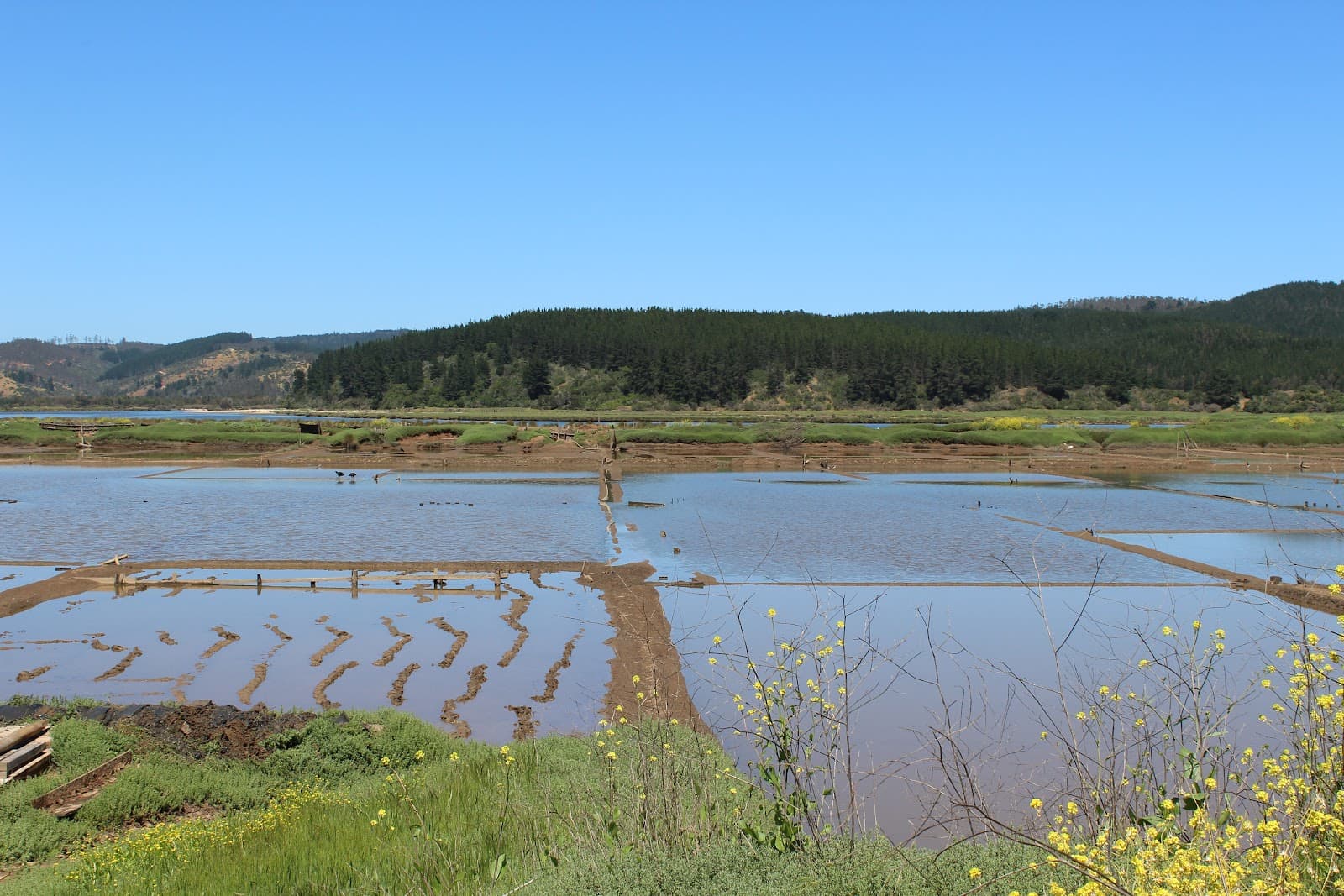
Discover ancient salt traditions amidst stunning coastal lagoons and unique wildlife. A place of natural beauty and artisanal heritage.
"A beautiful mix of forest and sea, one of the best places to buy natural salt."

☀️ Best time for salt production
Visit during summer to see the salt pans actively producing.
🚶♀️ Walk the 'Ruta de la Sal'
Explore the scenic route and learn about the history of salt extraction.

Highlights
Discover the most iconic attractions and experiences
The Salt Pans
Barrancas sector
Witness the ancient art of salt extraction from the sea, a process honed over centuries.

Mirador Las Salinas de Cahuil
Laguna de Cahuil
Enjoy breathtaking panoramic views of the lagoon and the glistening salt flats.

Local Salt Producers
Throughout the salinas
Connect with the artisans and learn about the traditional, natural salt-making process.
Plans like a pro.
Thinks like you
Planning Your Visit
Timing Your Visit for the Best Salt Experience
Embrace the Local Culture and Craftsmanship
Best Times
Insider Tips
from TikTok, Instagram & Reddit
☀️ Best time for salt production
Visit during summer to see the salt pans actively producing.
🚶♀️ Walk the 'Ruta de la Sal'
Explore the scenic route and learn about the history of salt extraction.
💰 Support local artisans
Purchase handcrafted souvenirs and natural salt directly from producers.
🦢 Watch for local wildlife
Keep an eye out for the graceful swans that inhabit the area.
Tips
from all over the internet
☀️ Best time for salt production
Visit during summer to see the salt pans actively producing.
🚶♀️ Walk the 'Ruta de la Sal'
Explore the scenic route and learn about the history of salt extraction.
💰 Support local artisans
Purchase handcrafted souvenirs and natural salt directly from producers.
🦢 Watch for local wildlife
Keep an eye out for the graceful swans that inhabit the area.
📸 Capture the views
Don't miss the stunning panoramic vistas from the Mirador.
What Travellers Say
Reviews Summary
Visitors find Salinas de Cahuil to be an interesting and beautiful stop, particularly for its unique salt production process and natural scenery. Many appreciate the opportunity to purchase natural salt and support local artisans. While some reviews are brief, the overall sentiment highlights the charm and authenticity of the place.
"Interesting place for a quick stop. You can see the salt process and talk to the local people. Hand crafted souvenirs around. Donations are accepted."
Silvana Domenicone
"Beautiful mix of forest and sea, one of the best places to buy natural salt."
Claudio Aracena
"Regular"
Antonio Barrientos
What People Like
What People Dislike
Frequently Asked Questions
🚇 🗺️ Getting There
Salinas de Cahuil is located about 14-15 kilometers south of Pichilemu. You can reach it by car, taking approximately a 20-30 minute drive. Some visitors also opt for local buses or taxis.
Yes, Salinas de Cahuil is about 220 kilometers from Santiago. The drive typically takes around 3 to 3.5 hours, depending on traffic conditions.
Exploring by car offers the most flexibility to visit the different salt pans and viewpoints. However, walking or cycling along the 'Ruta de la Sal' is also a popular and scenic option for a closer look.
While direct public transport to the salinas might be limited, buses run between Pichilemu and Cahuil. From the village, you might need to walk or arrange local transport to reach the specific salt production areas.
Absolutely! Salinas de Cahuil is a perfect day trip destination, especially if you're staying in Pichilemu. You can easily spend a few hours exploring the salt pans and enjoying the views.
🎫 🎫 Tickets & Entry
Generally, there is no formal entrance fee to wander through the public areas of the salinas. However, donations are often accepted and appreciated by the local salt producers to support their work.
The salt pans are typically active during the summer months when the weather is dry and sunny, facilitating salt evaporation. While there aren't strict 'opening hours,' the best time to see the process is during daylight, especially in the morning.
The Mirador Las Salinas de Cahuil usually offers free access, providing a stunning vantage point over the lagoon and salt flats.
Yes, purchasing salt directly from the local producers is highly encouraged. It's a great way to get fresh, natural salt and support the community's traditional livelihood.
While formal guided tours might not be widely advertised, you can often learn a lot by speaking directly with the salt producers themselves. They are usually happy to share insights into their craft.
📸 📸 Photography
The salt pans themselves, with their geometric patterns and glistening white crystals, are incredibly photogenic. The Mirador offers sweeping panoramic shots of the lagoon and surrounding landscape. Don't forget to capture the local wildlife, like the swans.
Early morning or late afternoon light often provides the most dramatic and beautiful lighting for photographs, creating soft shadows and warm hues. Midday sun can be harsh but still highlights the stark white of the salt.
Generally, photography is welcomed, especially in public areas. However, always be respectful of the salt producers' work and private property. Ask permission before taking close-up shots of individuals or their equipment.
A wide-angle lens is great for capturing the expansive landscapes and salt pan patterns. A telephoto lens can be useful for wildlife spotting. Consider bringing a polarizing filter to enhance the colors of the sky and water.
Yes, observing and photographing the traditional salt extraction process is a key part of the experience. Be mindful of the workers and avoid getting in their way.
🍽️ 🍽️ Food & Dining
Yes, there are dining options available in the nearby village of Cahuil and along the 'Ruta de la Sal.' Restaurant Las Salinas is one noted establishment offering local cuisine.
You can expect fresh seafood, traditional Chilean dishes, and of course, dishes that highlight the local salt. Many restaurants focus on local ingredients.
While the primary focus is salt production, some small vendors might offer snacks or drinks. It's best to plan for meals in the nearby village or bring your own if you plan a longer visit.
Options can vary, but many Chilean restaurants offer vegetable-based dishes. It's always a good idea to inquire about vegetarian or vegan choices when ordering.
The 'Ruta de la Sal' isn't just about the salt production; it's also a culinary route. You can find local eateries and restaurants that incorporate the unique Cahuil salt into their dishes, offering a distinct flavor experience.
For Different Travelers
Tailored advice for your travel style
👨👩👧 Families with Kids
Tips for Families:
* Bring snacks and water: While there are dining options nearby, having your own provisions is always convenient.
* Sun protection: Hats, sunscreen, and light clothing are essential, especially during summer.
* Encourage observation: Point out the different stages of salt production and the various birds and animals in the area.
+1📸 Photographers
Photography Focus:
* Landscape: Capture the expansive views of the lagoon and salt flats from the Mirador.
* Texture: Focus on the crystalline structures of the salt and the patterns in the pans.
* Wildlife: Look for opportunities to photograph the local birdlife and swans.
* Process: Document the traditional salt-making techniques if you have the chance to observe them up close.
🌿 Nature & Eco-Tourists
The surrounding lagoon and coastal environment also offer opportunities for birdwatching and appreciating natural landscapes. Eco-Traveler Tips:
* Respect the environment: Stay on designated paths and avoid disturbing wildlife or the salt pans.
* Support local: Purchase salt and souvenirs directly from producers to support sustainable livelihoods.
* Learn about the process: Engage with the salineros to understand the ecological aspects of their work.
Deep Dives
In-depth insights and expert knowledge
The Ancient Art of Salt Production
The unique method employed here involves channeling seawater into a series of shallow ponds, where the sun and wind gradually evaporate the water, leaving behind pure, mineral-rich salt. This artisanal process is distinct because the salt is extracted directly from the sea, unlike some other Chilean salts that may come from underground deposits. +1This traditional technique not only preserves the natural minerals in the salt but also creates a product highly valued for its purity and flavor. Visitors can often observe the salt workers, known as 'salineros,' tending to the pans, a practice passed down through generations. The 'Ruta de la Sal' allows you to follow this journey from the lagoon to the final product, offering a fascinating glimpse into a sustainable and time-honored craft.
+1Key Takeaways:
* Ancestral Techniques: Salt production methods have remained largely unchanged for centuries.
* Natural Extraction: Salt is harvested directly from seawater, preserving its mineral content.
* Community Heritage: The salinas are a vital part of the local culture and economy.
Wildlife and Natural Beauty
A particularly charming sight, as noted by visitors, are the local swans that gracefully navigate the waters. These elegant birds sometimes pause their movements, creating a picturesque scene that adds to the tranquil atmosphere of the salinas.
The landscape itself is a beautiful blend of coastal forest and the shimmering expanse of the salt flats, offering a unique visual contrast that photographers and nature enthusiasts will appreciate. Wildlife Spotting:
* Birds: Look for various seabirds and waterfowl in the lagoon.
* Swans: Graceful swans are a common and beautiful sight.
* Scenery: Enjoy the unique mix of forest, lagoon, and salt flats.



Social
from TikTok, Instagram & Reddit