Atacama Desert Observatory
Explore the universe from Earth's driest desert, home to world-leading observatories and breathtaking night skies.
Highlights
Must-see attractions

Social
From TikTok & Reddit
Best Time
Clear skies for stargazing
Atacama Desert Observatory
Best Time
Clear skies for stargazing
Highlights
Must-see attractions
Explore the universe from Earth's driest desert, home to world-leading observatories and breathtaking night skies.
"The Atacama Desert offers an unparalleled cosmic spectacle, blending scientific marvels with celestial beauty."
Book Observatory Tours Early
Tours for ALMA and Paranal are limited and book out fast! Plan ahead.
Acclimatize to Altitude
High-altitude sites require adjustment. Stay hydrated and take it easy.
Highlights
Discover the most iconic attractions and experiences
ALMA Observatory
Chajnantor Plateau
Witness the world's largest radio telescope array, a marvel of engineering in the high desert.
 +2
+2Paranal Observatory
Cerro Paranal
Home to the Very Large Telescope (VLT), offering breathtaking views and insights into the cosmos.

Vera C. Rubin Observatory
Cerro Pachón
The future of astronomy, this observatory boasts the world's largest digital camera for sky surveys.
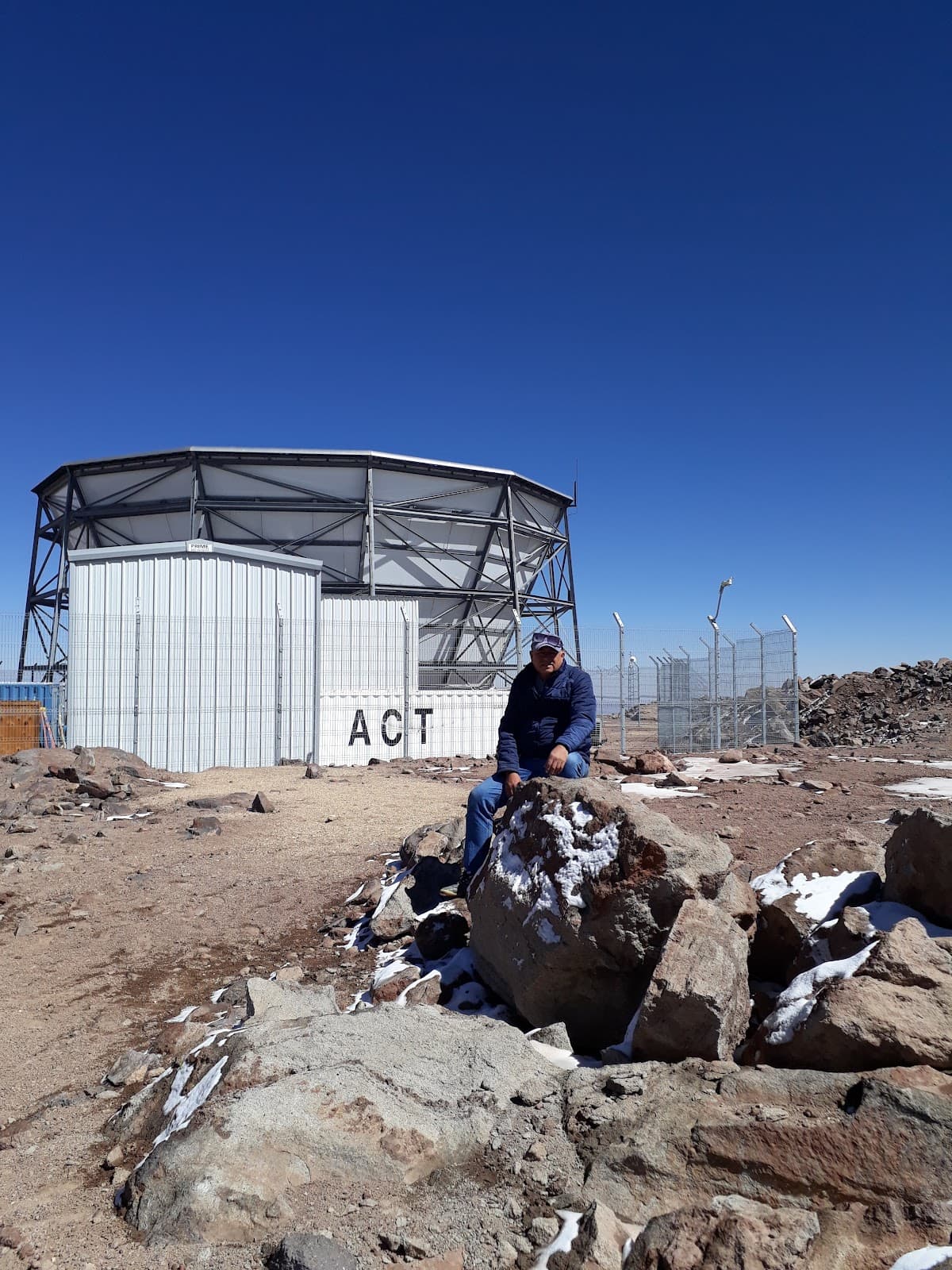
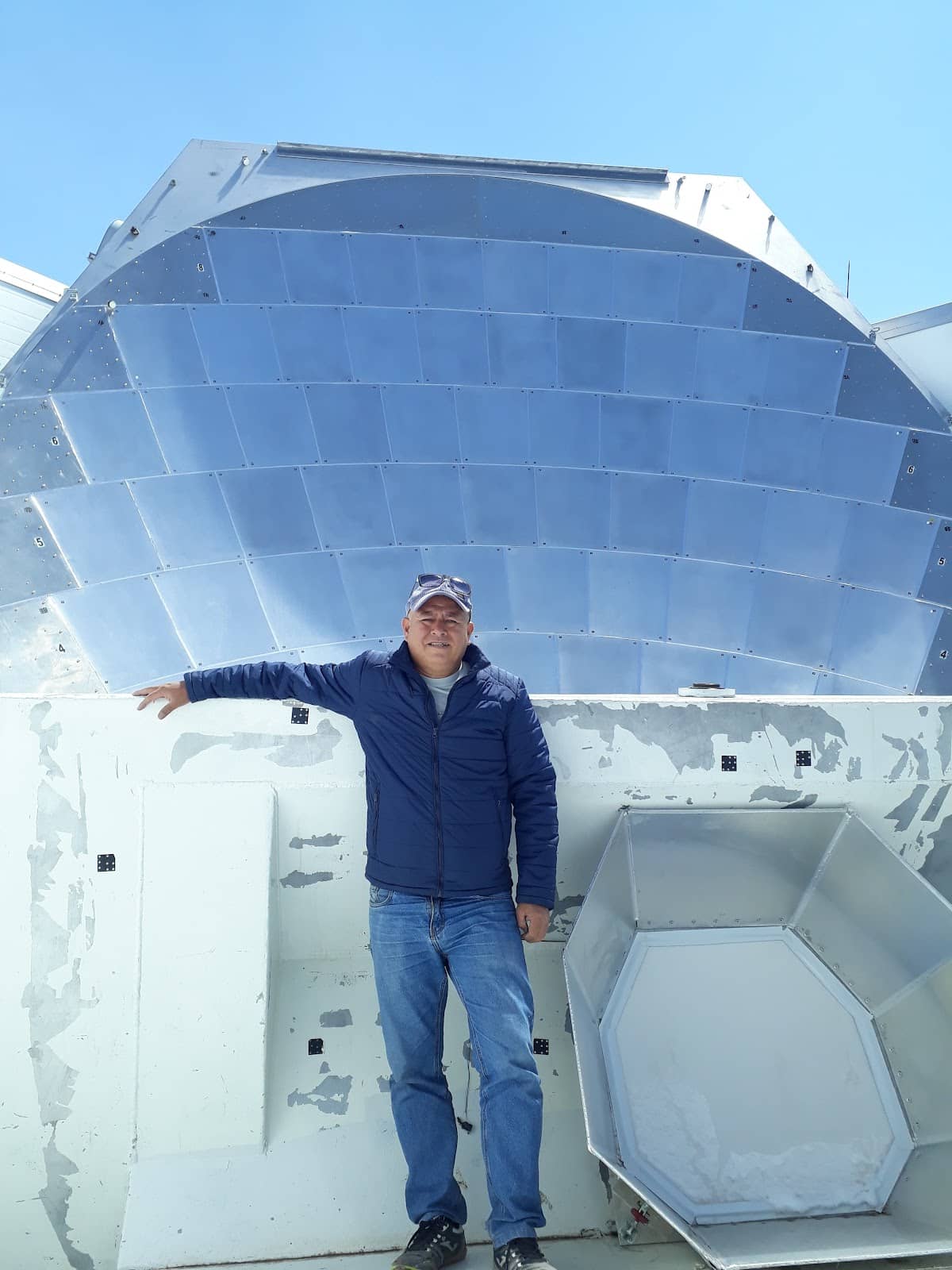
+1Atacama Cosmology Telescope
Toco Hill
A key instrument in understanding the early universe and cosmic microwave background radiation.
Plans like a pro.
Thinks like you
Planning Your Visit
Book Tours in Advance
Altitude Awareness
Best Times
Insider Tips
from TikTok, Instagram & Reddit
Book Observatory Tours Early
Tours for ALMA and Paranal are limited and book out fast! Plan ahead. +1
Acclimatize to Altitude
High-altitude sites require adjustment. Stay hydrated and take it easy.
Dress in Layers
Temperatures fluctuate wildly. Be prepared for cold nights and warm days.
Bring Sun Protection
The desert sun is intense. Pack sunscreen, hats, and sunglasses.
Tips
from all over the internet
Book Observatory Tours Early
Tours for ALMA and Paranal are limited and book out fast! Plan ahead. +1
Acclimatize to Altitude
High-altitude sites require adjustment. Stay hydrated and take it easy.
Dress in Layers
Temperatures fluctuate wildly. Be prepared for cold nights and warm days.
Bring Sun Protection
The desert sun is intense. Pack sunscreen, hats, and sunglasses.
Consider a Rental Car
For more flexibility, especially if visiting multiple sites.
What Travellers Say
Reviews Summary
Visitors are consistently awestruck by the scientific marvels and the unparalleled stargazing opportunities in the Atacama Desert. The sheer scale of the observatories and the clarity of the night sky are frequently highlighted as unforgettable experiences. However, the high altitude and the need for advance booking for tours can be challenging for some.
"Big achievement for discovering the first ever image of a "Black Hole" goes specially to this telescope.. Great work heros of SCIENCE.. 🙏"
RAHUL INDORA
"What an amazing cosmological telescope. The early ACT team must have been very industrious and talented."
Joseph Fowler
"Very nice"
Marlene Matzke
What People Like
What People Dislike
Frequently Asked Questions
🚇 🗺️ Getting There
Most visitors fly into Calama (CJC) and take a transfer or bus to San Pedro de Atacama. From San Pedro, organized tours are the most common way to reach the observatories, as many are private facilities. Renting a car is also an option for more independent exploration, but be mindful of road conditions and altitude.
Driving in the Atacama Desert can be challenging due to unpaved roads, extreme weather, and remote locations. If you're not experienced with off-road driving or desert conditions, tours are a safer bet. Solo female travelers may find tours more comfortable and secure.
Organized tours are highly recommended for visiting observatories like ALMA and Paranal. These tours handle transportation, often include guides, and ensure you have access to the facilities. Some tours may offer pick-up from your accommodation in San Pedro. +1
Public transport directly to most observatories is generally not available. The facilities are often private research sites. Tours are the primary means of access for visitors.
Travel times vary significantly. For example, ALMA is about a 1.5-hour drive from San Pedro, while Paranal is further. Factor in the time for acclimatization and the tour duration itself.
🎫 🎫 Tickets & Entry
Tickets for popular observatories like ALMA and Paranal must be booked in advance through official tour operators or the observatory's visitor program websites. Availability is limited, so booking weeks or even months ahead is advised. +1
No, not all attractions have fees. While many popular sites like lagoons and geysers require payment, some natural viewpoints or areas might be accessible without a direct fee, though tours often bundle these.
Generally, no. Most observatories are active research facilities and require visitors to be part of an organized tour for safety and operational reasons. Some may have specific visitor days or limited access.
Costs vary depending on the observatory and tour operator. Expect prices to range from $50 to $150 USD or more for a guided tour, which often includes transportation and a guide. +1
Observatory tour hours are typically in the afternoon and evening to coincide with potential stargazing opportunities or to avoid the harshest daytime sun. Check specific tour operator schedules for exact times.
🎫 🔭 Onsite Experience
Expect to be at high altitudes (often over 5,000m) with incredible clear skies. You'll see massive telescopes and learn about cutting-edge astronomy. Dress warmly, as temperatures drop significantly after sunset. +1
Photography is usually permitted in designated areas, but check specific rules for each observatory. Astrophotography is a major draw, but be aware of light pollution regulations and the need for specialized equipment.
Observatories like ALMA are situated at very high altitudes, around 5,000 meters (16,400 feet). Paranal is around 2,600 meters (8,500 feet). Proper acclimatization is crucial.
Basic facilities like restrooms are usually available at the visitor centers or tour meeting points. Food is typically not provided during tours, so bring snacks and water.
The Atacama Desert hosts a variety of telescopes, including radio telescopes like ALMA, optical telescopes like the VLT at Paranal, and future facilities like the Vera C. Rubin Observatory.
🎫 🌌 Stargazing
Absolutely! The Atacama Desert is renowned as one of the best places on Earth for stargazing due to its high altitude, dry air, minimal light pollution, and clear skies.
The combination of extreme dryness, high altitude, and lack of light pollution creates exceptionally clear and stable atmospheric conditions, perfect for astronomical observations.
Yes, the Milky Way is incredibly prominent and breathtaking in the Atacama Desert. Many tours and accommodations offer stargazing experiences.
Yes, numerous stargazing tours operate from San Pedro de Atacama. These tours often include telescopes, expert guides, and hot beverages.
With its clear skies, you can see planets, nebulae, galaxies, and the Milky Way in stunning detail. The Southern Hemisphere's celestial wonders are particularly visible.
Social
from TikTok, Instagram & Reddit