Cerro Pachón Observatories
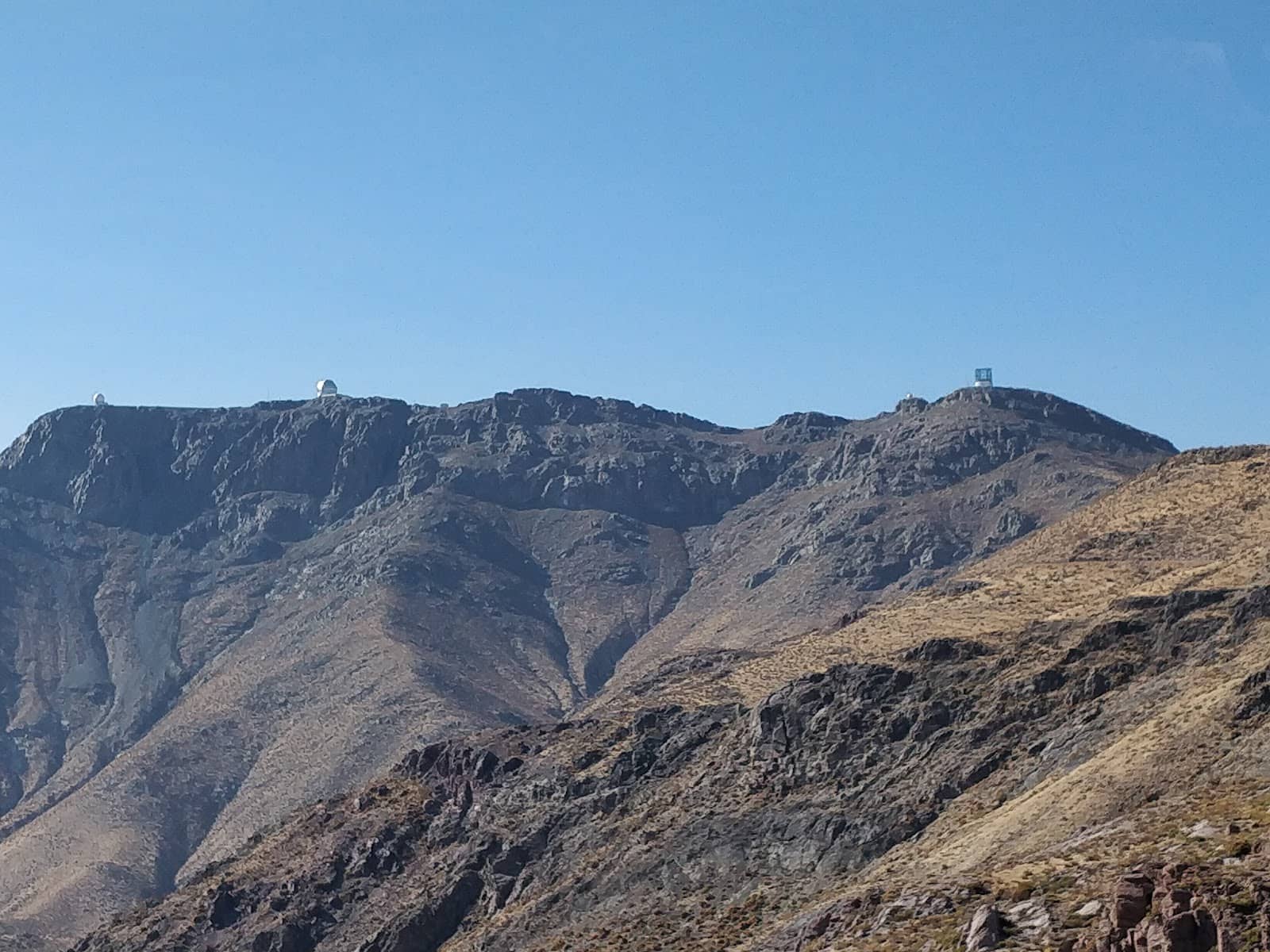
High-altitude astronomical research hub with world-class telescopes, offering stunning Andean vistas and a glimpse into cutting-edge science.
Highlights
Must-see attractions

Social
From TikTok & Reddit
Best Time
Best for stargazing
Cerro Pachón Observatories
Best Time
Best for stargazing
Highlights
Must-see attractions
High-altitude astronomical research hub with world-class telescopes, offering stunning Andean vistas and a glimpse into cutting-edge science.
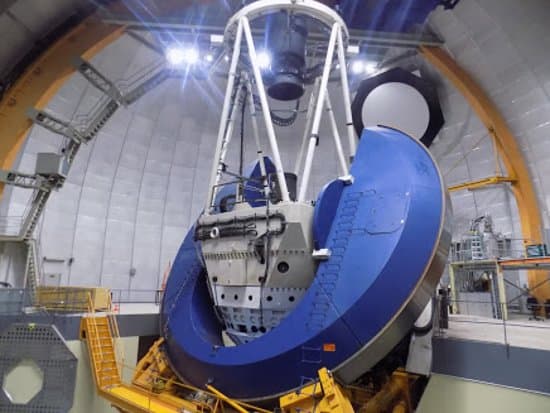
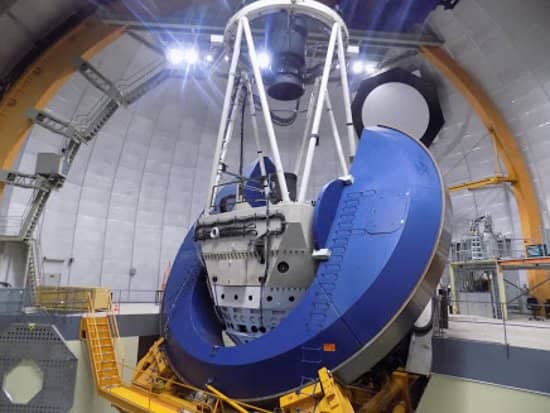
"Amazing observatory with a 8m-class telescope. Really advanced system."
🧥 Dress in layers
Temperatures fluctuate wildly. Pack warm clothing, even in summer, as it can get cold at night.
💧 Stay hydrated
Altitude sickness is real. Drink plenty of water and avoid alcohol and caffeine.
Quick Facts
Highlights
Discover the most iconic attractions and experiences
SOAR Telescope
Cerro Pachón
Witness the impressive 4.1-meter Southern Astrophysical Research Telescope, a leader in southern hemisphere astronomy.
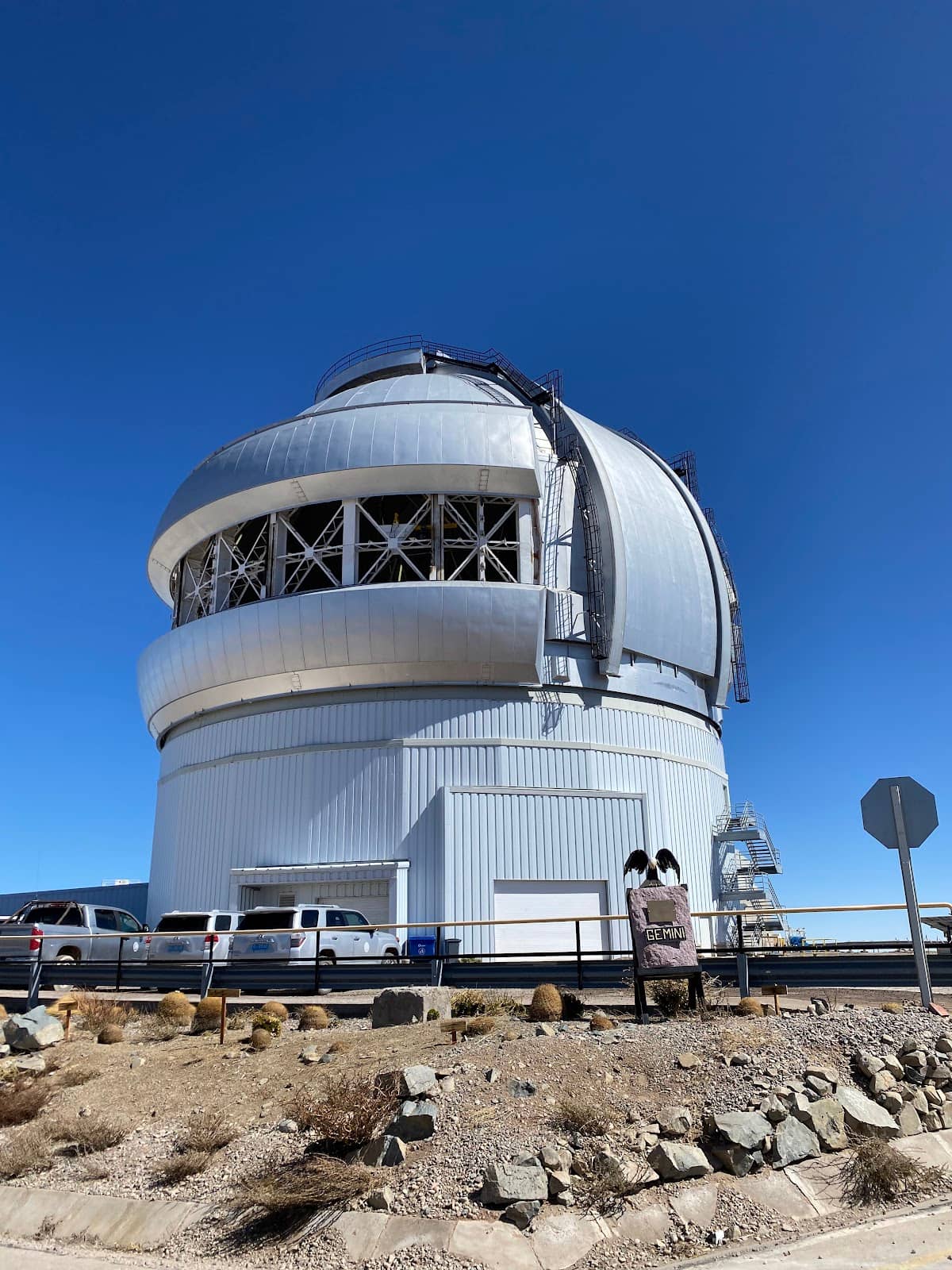
Gemini South Observatory
Cerro Pachón
Explore one of the world-class observatories contributing to groundbreaking astronomical discoveries.
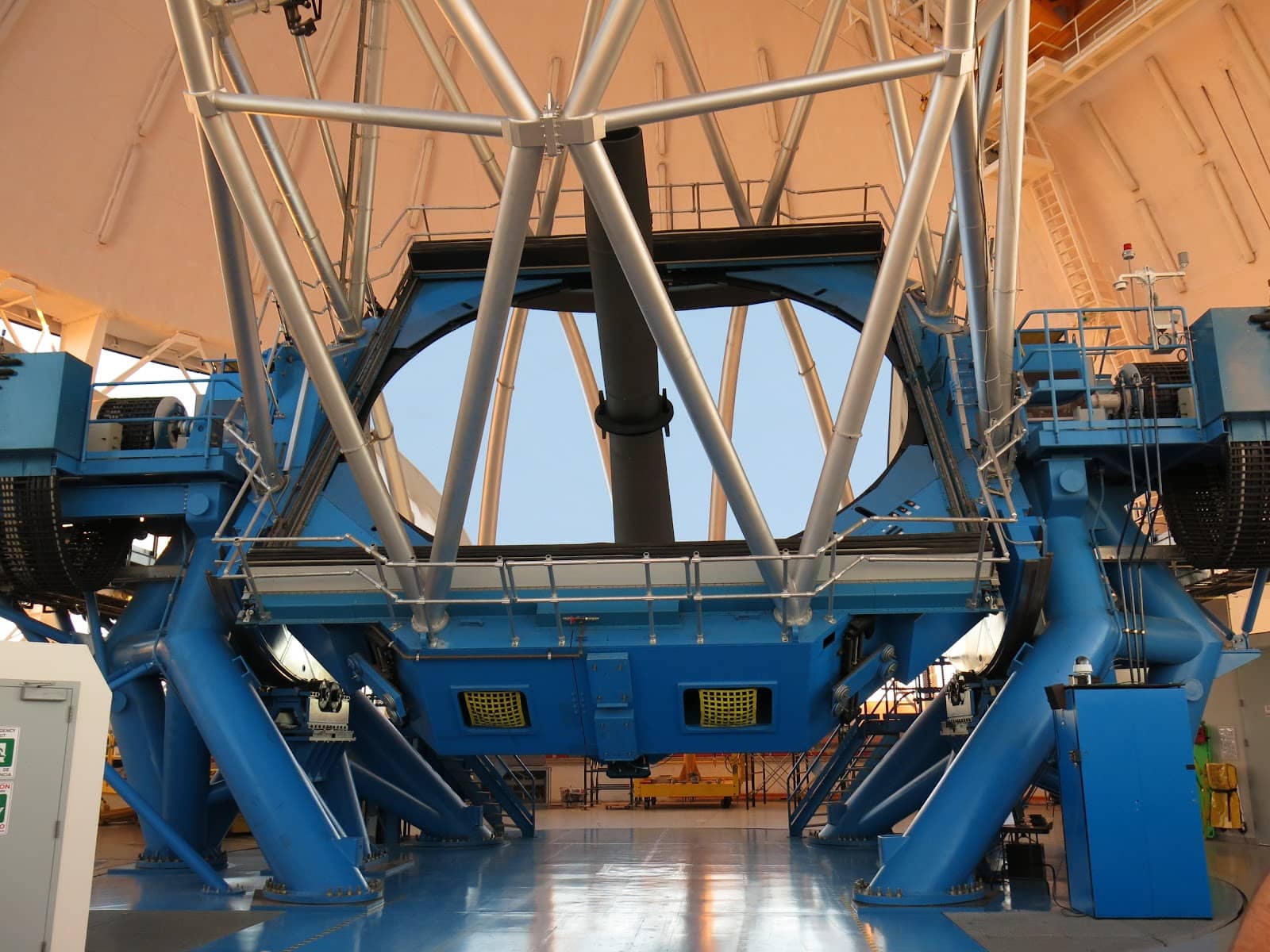
Vera C. Rubin Observatory
Cerro Pachón
See the site of a revolutionary observatory designed to survey the entire visible sky.
Plans like a pro.
Thinks like you
Planning Your Visit
Altitude Awareness
Visitor Access
Best Times
Insider Tips
from TikTok, Instagram & Reddit
🧥 Dress in layers
Temperatures fluctuate wildly. Pack warm clothing, even in summer, as it can get cold at night.

💧 Stay hydrated
Altitude sickness is real. Drink plenty of water and avoid alcohol and caffeine.
📅 Book tours in advance
Visitor access can be limited. Check observatory websites for tour availability and booking.
📸 Photography opportunities
The landscape and observatory domes offer stunning photo ops, especially at sunset.
Tips
from all over the internet
🧥 Dress in layers
Temperatures fluctuate wildly. Pack warm clothing, even in summer, as it can get cold at night.
💧 Stay hydrated
Altitude sickness is real. Drink plenty of water and avoid alcohol and caffeine.
📅 Book tours in advance
Visitor access can be limited. Check observatory websites for tour availability and booking.
📸 Photography opportunities
The landscape and observatory domes offer stunning photo ops, especially at sunset.
What Travellers Say
Reviews Summary
Visitors praise Cerro Pachón Observatories for their advanced technology and the impressive scale of the facilities. The unique setting and the dedication of the teams working there are frequently highlighted. Some note the limited public access and the need for careful planning to visit.
"Amazing observatory with a 8m-class telescope. Really advanced system.
The building is huge!"
Francesco SkZ Mauro
"Amazing! Great teams working hard for the community of Chile and Science!"
Sandi M3
"Great place, where the technology finds its frontiers."
Fábio Rafael Herpich
What People Like
What People Dislike
Frequently Asked Questions
🚇 🗺️ Getting There
Cerro Pachón is located near Tololo, Chile. Access typically involves driving from La Serena or Vicuña. Many visitors rent a car or arrange private transportation. Be prepared for winding mountain roads.
Direct public transportation to the observatories is very limited. It's best to arrange transport from nearby towns like La Serena or Vicuña.
The drive from La Serena to Cerro Pachón is approximately 1.5 to 2 hours, depending on road conditions and traffic.
Some observatories might offer limited shuttle services for specific events or tours, but this is not common for general public access. Always check individual observatory websites.
A vehicle with good ground clearance is advisable due to the unpaved and sometimes rough mountain roads leading to the observatories.
🎫 🎫 Tickets & Entry
Access to the observatory grounds and facilities is often restricted. While some areas might be viewable from the outside, guided tours are usually required for interior access and may have a fee or require advance booking.
Tours must be booked directly through the individual observatories (e.g., SOAR, Gemini South, Vera C. Rubin Observatory). Check their official websites for tour schedules, availability, and booking procedures.
Entrance fees can vary. Some tours might be free, while others may charge a nominal fee to cover operational costs. It's essential to verify this when booking your tour.
Visitor access is typically limited to specific daytime hours for tours. Nighttime access is generally restricted to authorized personnel for astronomical observations.
Generally, no. For safety and operational reasons, unescorted access to the active observatory domes and facilities is not permitted. Pre-booked tours are the standard way to visit.
🎫 🔭 Onsite Experience
You can see impressive telescope domes, learn about cutting-edge astronomical research, and enjoy panoramic views of the surrounding Andes mountains.
Yes, it is very cold, especially at night and during winter months. Temperatures can drop significantly. Dressing in warm layers is crucial.
Cerro Pachón is located at an altitude of approximately 2,700 meters (8,900 feet) above sea level.
Basic facilities like restrooms are usually available. However, dedicated cafes or extensive dining options are uncommon. It's advisable to bring your own snacks and water.
Photography is generally allowed in designated areas, but flash photography inside domes or during sensitive operations might be prohibited. Check with your tour guide.
📸 📸 Photography
The observatory domes against the dramatic mountain backdrop are iconic. Sunset and twilight offer stunning light for landscape shots.
Photography inside the domes is often permitted, but always ask your guide first. Flash photography might be restricted to protect sensitive equipment.
For astrophotography, a wide-angle lens with a fast aperture (f/2.8 or wider) and a sturdy tripod are essential. A camera with good low-light performance is also key.
Drone usage is typically prohibited at observatory sites due to potential interference with sensitive equipment and safety regulations. Always check local drone laws.
Golden hour (shortly after sunrise and before sunset) provides beautiful, soft light. Twilight is also excellent for capturing the observatory lights against the darkening sky.




Social
from TikTok, Instagram & Reddit