
Guilin Tea Science and Research Institute
Explore lush tea plantations and immerse yourself in the art of Chinese tea culture with expert-led ceremonies.

Highlights
Must-see attractions
Social
From TikTok & Reddit
Best Time
Pleasant weather, lush greenery
Guilin Tea Science and Research Institute
Best Time
Pleasant weather, lush greenery
Highlights
Must-see attractions
Explore lush tea plantations and immerse yourself in the art of Chinese tea culture with expert-led ceremonies.
"A truly immersive experience into the world of tea, from plantation to cup."

Wear Comfortable Shoes
You'll be doing a lot of walking on the plantations. :athletic_shoe:
Book Tea Ceremonies Early
Private ceremonies are popular and best booked in advance for a guaranteed spot. :ticket:

Highlights
Discover the most iconic attractions and experiences
Expansive Tea Plantations
The Institute's grounds
Wander through lush, rolling hills covered in vibrant green tea plants. A truly picturesque landscape.

Traditional Tea Ceremony
Designated tea houses within the institute
Experience the art of Chinese tea preparation and tasting with knowledgeable experts.

Learning About Tea Cultivation
Exhibition areas and guided tours
Discover the intricate process of tea cultivation, harvesting, and processing.
Plans like a pro.
Thinks like you
Planning Your Visit
Timing Your Tea Experience
Embrace the Tea Ceremony
Best Times
Insider Tips
from TikTok, Instagram & Reddit
Wear Comfortable Shoes
You'll be doing a lot of walking on the plantations. :athletic_shoe:
Book Tea Ceremonies Early
Private ceremonies are popular and best booked in advance for a guaranteed spot. :ticket:
Capture the Greenery
The tea fields offer stunning photo opportunities, especially in the morning light. :camerawithflash:
Learn About Tea Types
Understand the differences between white, yellow, green, and red teas. :books:
Tips
from all over the internet
Wear Comfortable Shoes
You'll be doing a lot of walking on the plantations. :athletic_shoe:
Book Tea Ceremonies Early
Private ceremonies are popular and best booked in advance for a guaranteed spot. :ticket:
Capture the Greenery
The tea fields offer stunning photo opportunities, especially in the morning light. :camerawithflash:
Learn About Tea Types
Understand the differences between white, yellow, green, and red teas. :books:
What Travellers Say
Reviews Summary
Visitors consistently praise the Guilin Tea Science and Research Institute for its beautiful, expansive tea plantations and the authentic cultural experience of its tea ceremonies. Many highlight the opportunity to learn about tea cultivation and purchase high-quality teas directly. Some find the experience can be enhanced by booking private ceremonies in advance.
What People Like
What People Dislike
Frequently Asked Questions
🚇 🗺️ Getting There
The institute is located outside the main city of Guilin. Taxis or ride-sharing services are the most convenient options. Public buses might be available, but can be less direct. Check local transport apps for the latest routes.
It's a short drive from Guilin's city center, typically around 30-45 minutes depending on traffic.
While possible, the distance and terrain might make cycling challenging for some. It's more common to use motorized transport.
You'll likely need to return to Guilin city first and then arrange transport to the institute. This can be a longer journey.
Many tour operators in Guilin offer packages that include visits to the tea plantations and ceremonies.
🎫 🎫 Tickets & Entry
Entry to the grounds and general viewing of the plantations is usually free or requires a small entrance fee. Special experiences like tea ceremonies may have separate costs.
The plantations are generally accessible during daylight hours. Specific building hours for research or exhibition areas may vary. It's best to check locally.
Prices for tea ceremonies can vary significantly, from a few dollars for a basic tasting to more for private, in-depth experiences.
Yes, you can often purchase fresh tea directly from the institute's shops. This is a great way to take a piece of Guilin home.
While the plantations are often open, access to specific research facilities might be restricted or require prior arrangement.
🎫 ☕ Tea Experiences
A ceremony involves the careful preparation and serving of tea, focusing on aroma, taste, and the ritual itself. It's a mindful and cultural experience. 
A basic tasting might be 30 minutes, while a more elaborate ceremony can last an hour or more.
Absolutely! The institute is a great place to learn about the cultivation and characteristics of various Chinese teas, like Pu'er, green, and white tea.
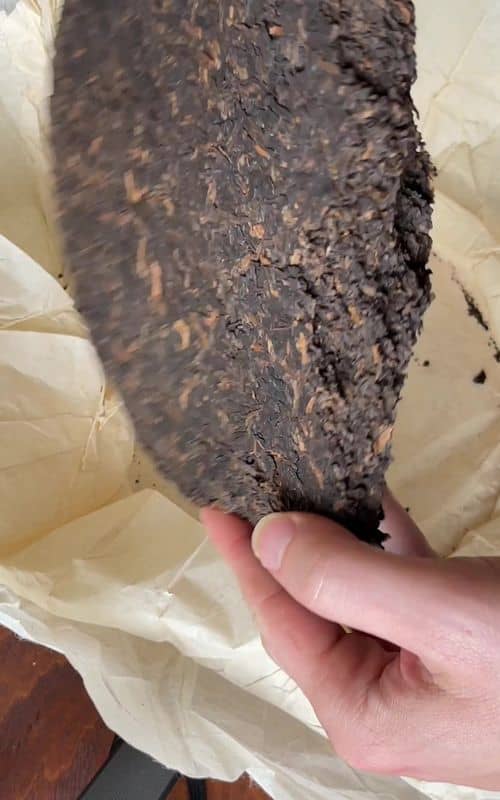
This refers to a large, compressed cake of Pu'er tea, which is a traditional way of storing and aging this type of tea.
Yes, tasting is a core part of the experience, whether during a ceremony or at a dedicated tasting counter.
📸 📸 Photography
The rolling tea plantations, especially during sunrise or sunset, offer stunning panoramic views. Look for pathways winding through the fields.
Drone usage is often restricted in such research and agricultural areas. It's best to check local regulations before flying.
Early mornings provide soft light and fewer crowds, while late afternoons offer golden hour hues.
Generally, yes, but be discreet and respectful of the ceremony participants and the host.
The vastness of the tea fields themselves is the main attraction. Look for unique tree formations or traditional tea-picking scenes.
For Different Travelers
Tailored advice for your travel style
👨👩👧 Families with Kids
Consider packing snacks and drinks, as dining options within the institute might be limited. The visual appeal of the green hills is a great backdrop for family photos. Ensure everyone wears comfortable shoes for exploring the grounds.
🍵 Tea Enthusiasts & Connoisseurs
Take advantage of the chance to purchase high-quality, freshly processed teas directly from the source. Engage with the researchers and staff to gain insights into the science and art of tea. Don't miss the opportunity to taste teas that might be harder to find elsewhere.
📸 Photographers & Content Creators
Consider focusing on details like tea leaves, the hands of tea pickers (if visible), or the intricate steps of a tea ceremony. The vibrant green against the sky or mist can create dramatic shots. Be mindful of your surroundings and respect any restricted areas.
Deep Dives
In-depth insights and expert knowledge
The Art of Tea Cultivation
Understanding the harvesting process is key to appreciating fine tea. Leaves are typically picked by hand, a labor-intensive task that ensures only the best buds and leaves are selected. The timing of the harvest, the specific parts of the plant plucked (e.g., bud and one leaf, bud and two leaves), and the skill of the pickers all contribute to the final tea's character. This meticulous approach is a cornerstone of Chinese tea culture.
Beyond cultivation, the institute delves into the processing of tea leaves, which transforms them into the diverse types we know. Whether it's the minimal oxidation for green tea, the wilting and rolling for oolong, or the full oxidation for black tea, each step is crucial. Learning about these stages provides a deeper appreciation for the complexity and artistry involved in creating a perfect cup of tea.
Experiencing a Traditional Tea Ceremony
The ceremony often involves specific types of tea, with experts explaining why certain teas are chosen for particular occasions or brewing methods. You'll learn to observe the color of the liquor, inhale the aroma, and savor the taste, understanding the subtle nuances that differentiate high-quality teas. It's an immersive sensory experience designed to connect you with the tea and the present moment.
Many visitors find the private tea ceremonies particularly rewarding, offering a more intimate and personalized experience. These sessions can be booked in advance and provide an excellent opportunity to ask questions and gain deeper insights into Chinese tea culture. It's a chance to slow down, engage with a centuries-old tradition, and truly appreciate the artistry behind a simple cup of tea.
The Science Behind the Brew
This scientific approach extends to understanding the optimal conditions for growing tea, including soil analysis, pest control, and climate adaptation. The institute plays a vital role in ensuring the sustainability and quality of tea production in the region. Their research helps farmers produce better yields and more resilient crops, especially in the face of environmental changes.
Furthermore, the institute likely investigates the health properties of tea, a topic of great interest globally. From antioxidants to specific compounds that may aid digestion or promote relaxation, the scientific study of tea continues to reveal its multifaceted benefits. This research underpins the traditional knowledge and practices surrounding tea consumption.
Social
from TikTok, Instagram & Reddit