Beijing Ancient Observatory Beijing
Explore centuries of celestial discovery at the Beijing Ancient Observatory, a Ming Dynasty marvel showcasing ancient astronomical tools.
Highlights
Must-see attractions

Social
From TikTok & Reddit
Best Time
Fewer crowds, peaceful exploration
Beijing Ancient Observatory Beijing
Best Time
Fewer crowds, peaceful exploration
Highlights
Must-see attractions
Explore centuries of celestial discovery at the Beijing Ancient Observatory, a Ming Dynasty marvel showcasing ancient astronomical tools.
"A fascinating glimpse into China's astronomical past, perfect for history buffs and stargazers."
🎯 Easy Subway Access
Hop off at Jianguomen subway station for a quick walk to the observatory. 🚇
⏳ Quick Visit Option
Perfect for a one-hour stop if you're short on time. :stopwatch:
Quick Facts
Hours
Rating
4.5 · 77 reviews
Highlights
Discover the most iconic attractions and experiences
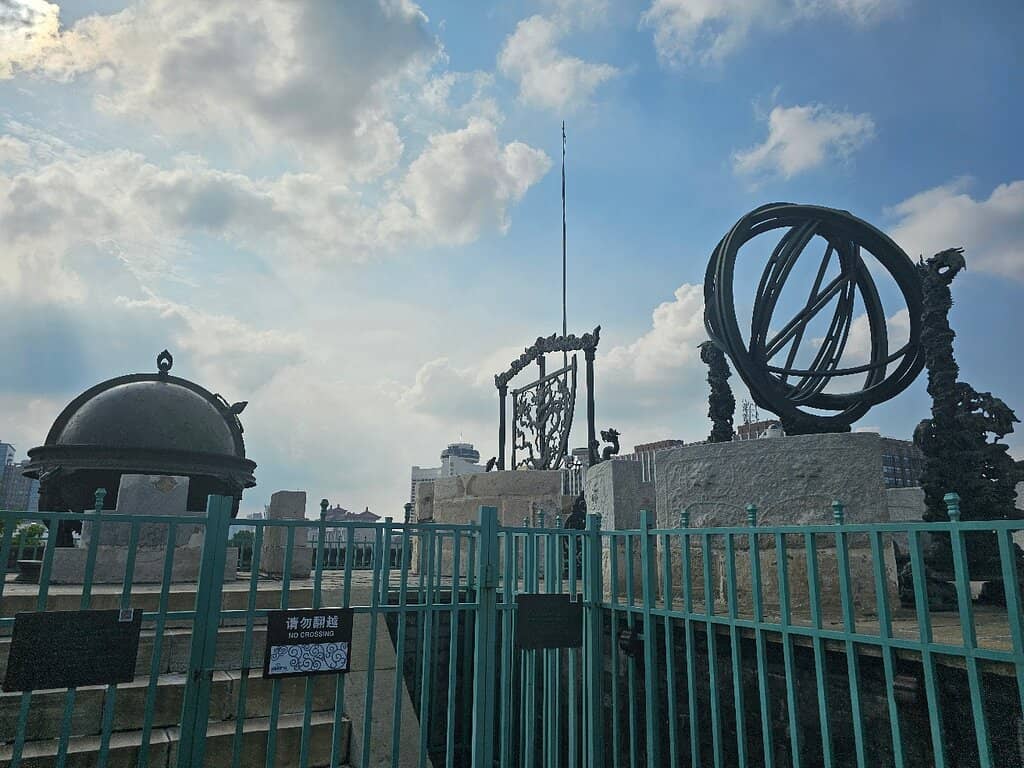
Ancient Astronomical Instruments
Main exhibition hall
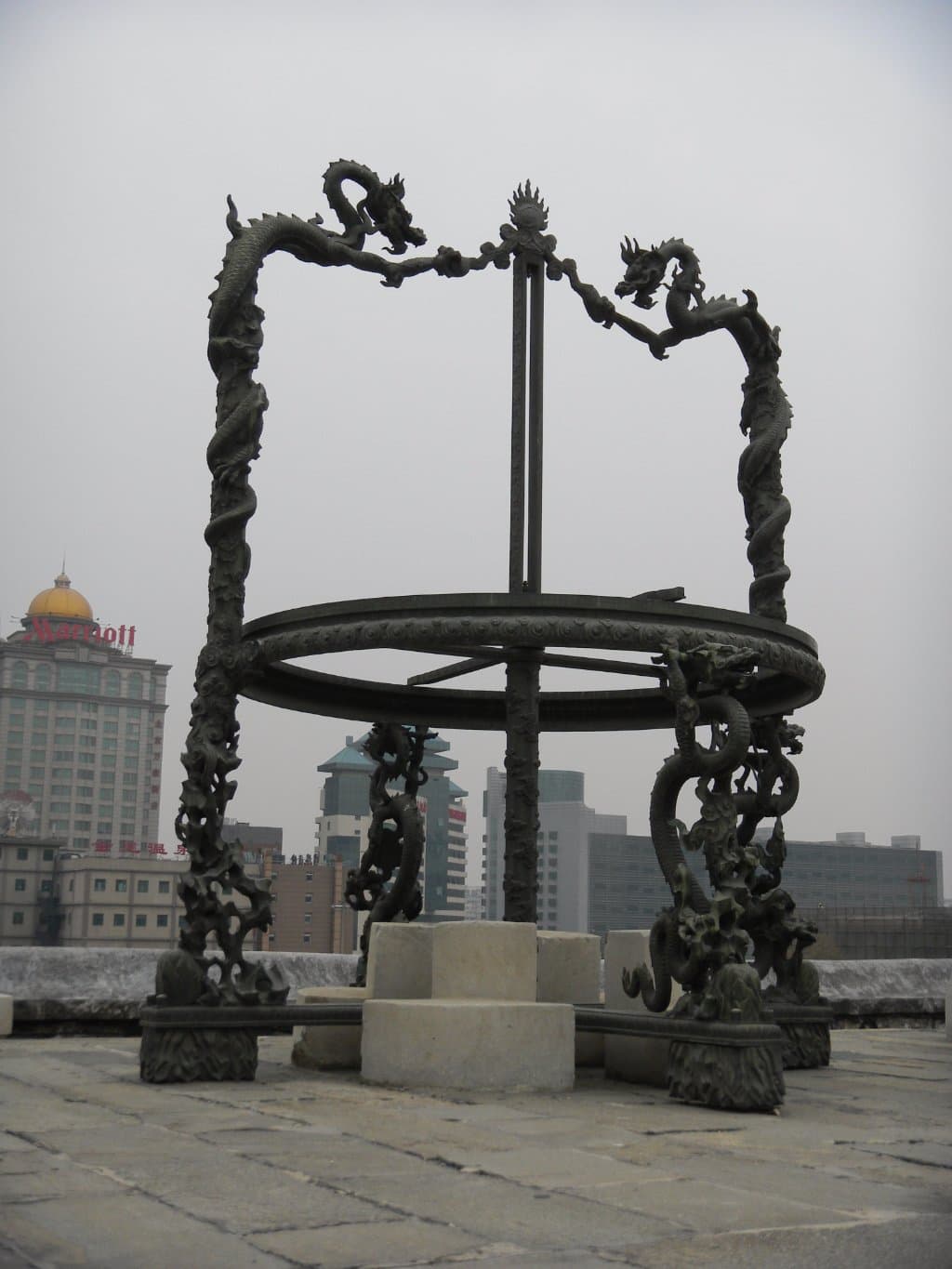
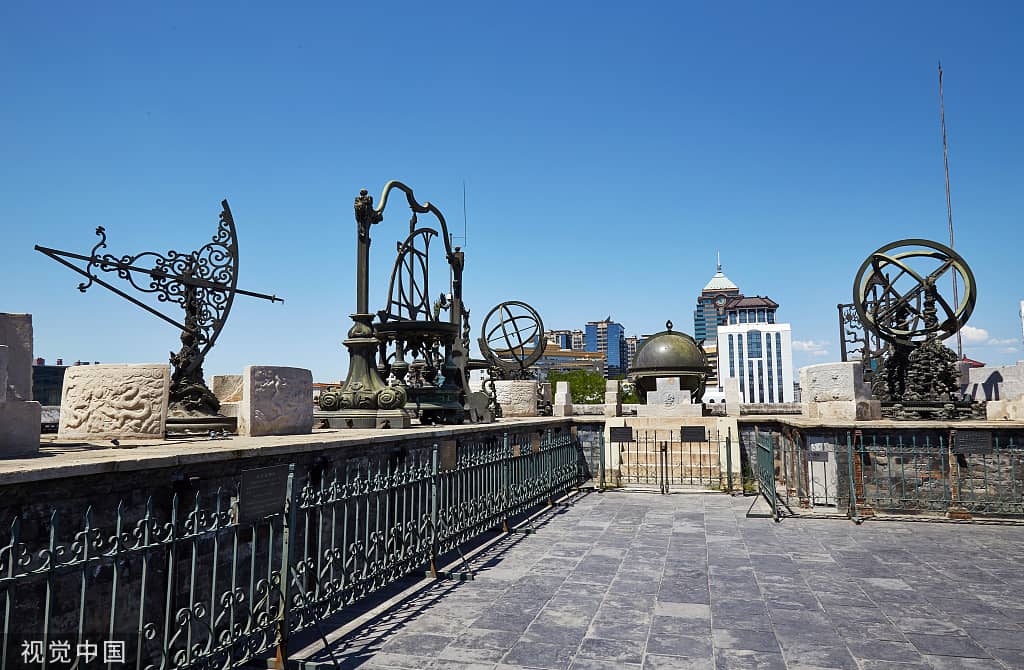
Marvel at intricate astrolabes, armillary spheres, and other tools used for celestial observation centuries ago.

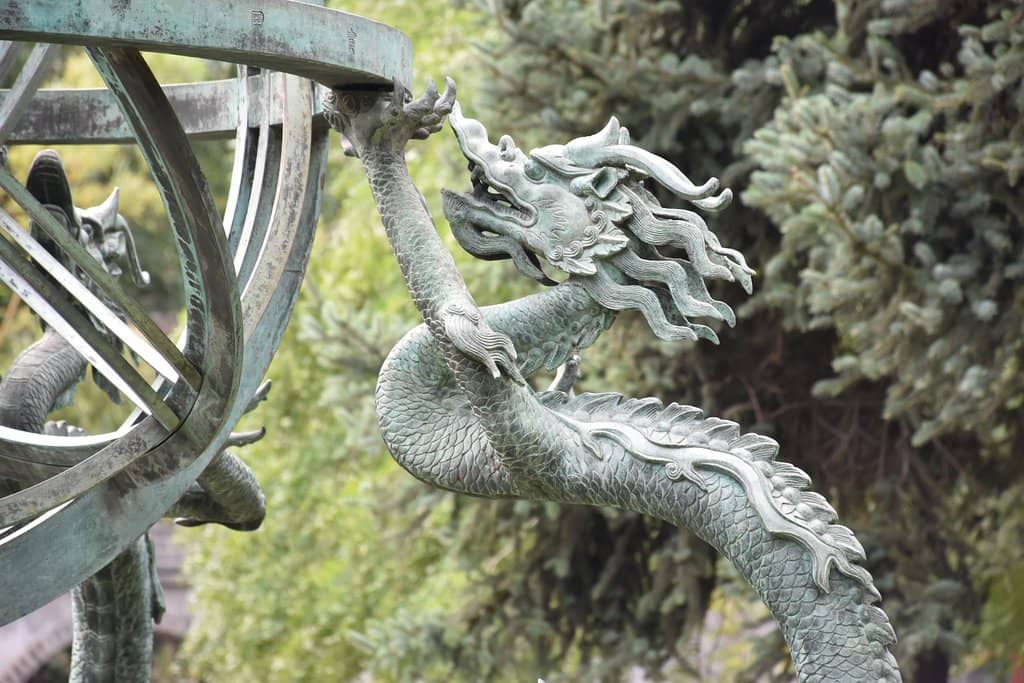
Ming Dynasty Observatory Platform
Rooftop platform
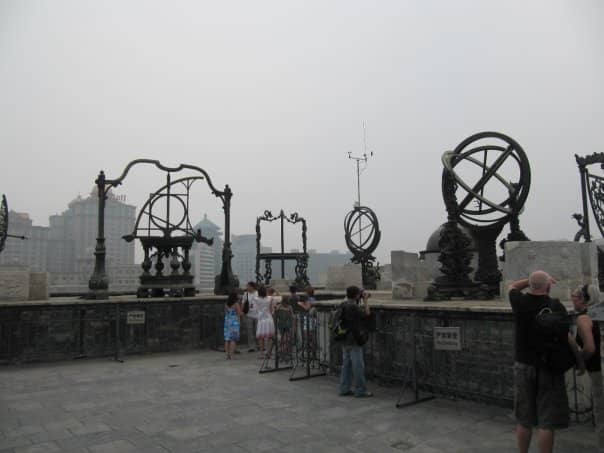
Stand on the historic platform where astronomers once charted the stars and planets.

Qing Dynasty Expansion
Exhibition areas
Explore how the observatory was enhanced and expanded during the Qing dynasty, showcasing continued astronomical research.
Plans like a pro.
Thinks like you
Planning Your Visit
Timing is Key for Fewer Crowds
Accessibility and Nearby Transit
Best Times
Insider Tips
from TikTok, Instagram & Reddit
🎯 Easy Subway Access
Hop off at Jianguomen subway station for a quick walk to the observatory. 🚇
⏳ Quick Visit Option
Perfect for a one-hour stop if you're short on time. :stopwatch:
🔭 Astronomy Enthusiast's Gem
A must-see for anyone fascinated by stars and ancient science.
💰 Affordable Entry
Expect a small entrance fee, around 20 yuan. :moneybag:
Tips
from all over the internet
🎯 Easy Subway Access
Hop off at Jianguomen subway station for a quick walk to the observatory. 🚇
⏳ Quick Visit Option
Perfect for a one-hour stop if you're short on time. :stopwatch:
🔭 Astronomy Enthusiast's Gem
A must-see for anyone fascinated by stars and ancient science.
💰 Affordable Entry
Expect a small entrance fee, around 20 yuan. :moneybag:
What Travellers Say
Reviews Summary
Visitors find the Beijing Ancient Observatory to be a fascinating and worthwhile stop, particularly for those interested in astronomy and history. Its affordability and convenient location are frequently praised, though some note it's a relatively brief experience. It's seen as a peaceful alternative to more crowded major attractions.
"It is worth a visit anyway, it's not expensive, and if you enjoy science and cosmology this place is worth 5 stars. The history and equipment on show is first rate. It could take 2-3hrs to view it all."
Greg McCallum-Rowe
"Nice walking destination, especially if your route is along the Tonghui River and Qingfeng park. Large bronze apparatus on top of observation deck are impressive for the Qing Dynasty."
Danny Clavette
"This is a small museum in Beijing City telling the astronomy development of China. Credit should be made to the Jesuits who contributed a lot to this area."
Wan-man WONG
What People Like
What People Dislike
Frequently Asked Questions
🚇 🗺️ Getting There
The easiest way is to take the subway to Jianguomen Station (Lines 1 and 2). From there, it's a short walk. Many visitors find this very convenient for a quick stop.
It's relatively central and close to other points of interest, making it a good addition to your itinerary.
Yes, taxis are readily available in Beijing. Just provide the address to your driver.
Parking can be challenging in central Beijing. Using public transport like the subway is generally recommended.
From Beijing Capital International Airport (PEK), you can take the Airport Express train to Dongzhimen and then transfer to the subway to reach Jianguomen.
🎫 🎫 Tickets & Entry
The entrance fee is quite affordable, typically around 20 yuan, making it a budget-friendly option.
Generally, advance booking isn't required, and you can purchase tickets upon arrival. However, it's always a good idea to check their official website for any updates.
Opening hours can vary, but it's typically open during daytime hours. It's best to confirm the current schedule before your visit.
Visiting on weekday mornings or later in the afternoon can help you avoid the largest crowds.
Information on discounts for students, seniors, or children is usually available at the ticket counter.
🎫 🔭 Onsite Experience
You can explore ancient astronomical instruments, walk on the historic observation platform, and learn about China's rich history of astronomy.
Most visitors spend about an hour here, making it a perfect short excursion.
Yes, children, especially those interested in space and science, will find the ancient tools and history fascinating.
While not always advertised, inquire at the entrance about the possibility of guided tours or audio guides to enhance your understanding.
Photography is generally allowed in most areas, but it's always good to check for any specific restrictions.
📸 📸 Photography
The rooftop platform offers great panoramic views, and the intricate details of the astronomical instruments make for excellent close-up shots.
The late afternoon light can be beautiful for photography, casting a warm glow on the ancient structures.
Drone usage is typically prohibited in historical and cultural sites in Beijing. Always check local regulations.
A versatile lens (like a 24-70mm) is useful for both wide shots of the platform and details of the instruments. A tripod might be helpful for low-light conditions.
Be mindful of your surroundings and avoid touching the exhibits. Respectful selfies are usually fine.
You may also like

Tiananmen Square

National Museum of China

National Art Museum of China Beijing

Southeast Corner Tower (Dongbianmen) Beijing

Ming Tombs Beijing

China Science and Technology Museum Beijing
Tiananmen Square
National Museum of China
National Art Museum of China Beijing
Southeast Corner Tower (Dongbianmen) Beijing
Ming Tombs Beijing
China Science and Technology Museum Beijing

St. Joseph's Church Wangfujing Beijing

China Millennium Monument Beijing

Ming City Wall Ruins Park Beijing

Shijia Hutong Museum Beijing
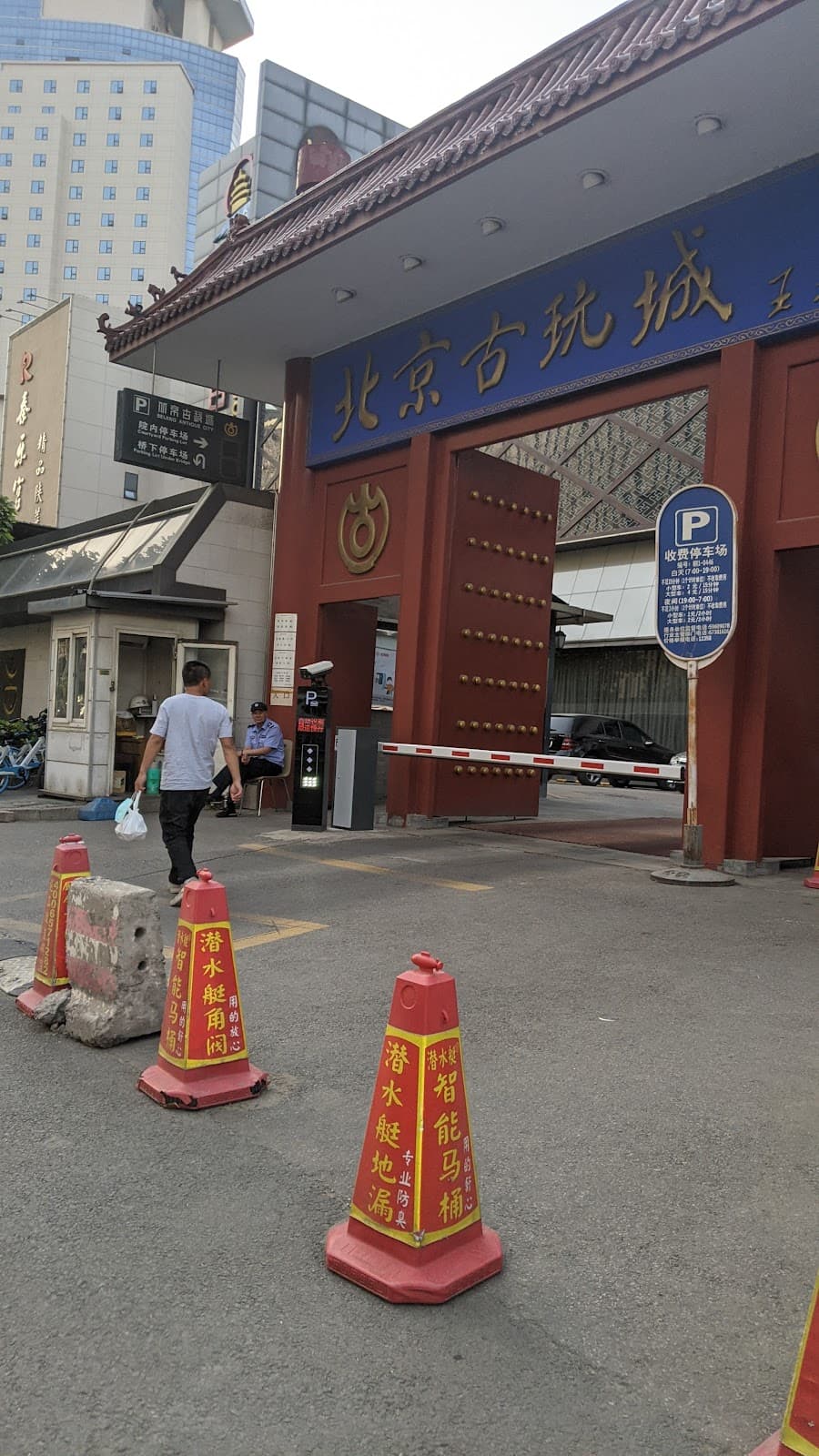
Beijing Curio City

Social
from TikTok, Instagram & Reddit