Beijing Hutong Culture Exhibition
Explore Beijing's past, present, and future through detailed models and exhibits on urban planning and infrastructure.
Highlights
Must-see attractions

Social
From TikTok & Reddit
Best Time
Fewer crowds, better viewing
Beijing Hutong Culture Exhibition
Best Time
Fewer crowds, better viewing
Highlights
Must-see attractions
Explore Beijing's past, present, and future through detailed models and exhibits on urban planning and infrastructure.
"A fascinating visit to an impressive modern building showcasing Beijing's urban development."
🛂 Passport is a Must!
Carry your passport for security checks near Tiananmen Square and museum entry.
⏰ Arrive Before 4 PM
Last admission is one hour before closing. Plan your visit accordingly.
Quick Facts
Hours
Rating
4.4 · 41 reviews
Type
Museum
Highlights
Discover the most iconic attractions and experiences
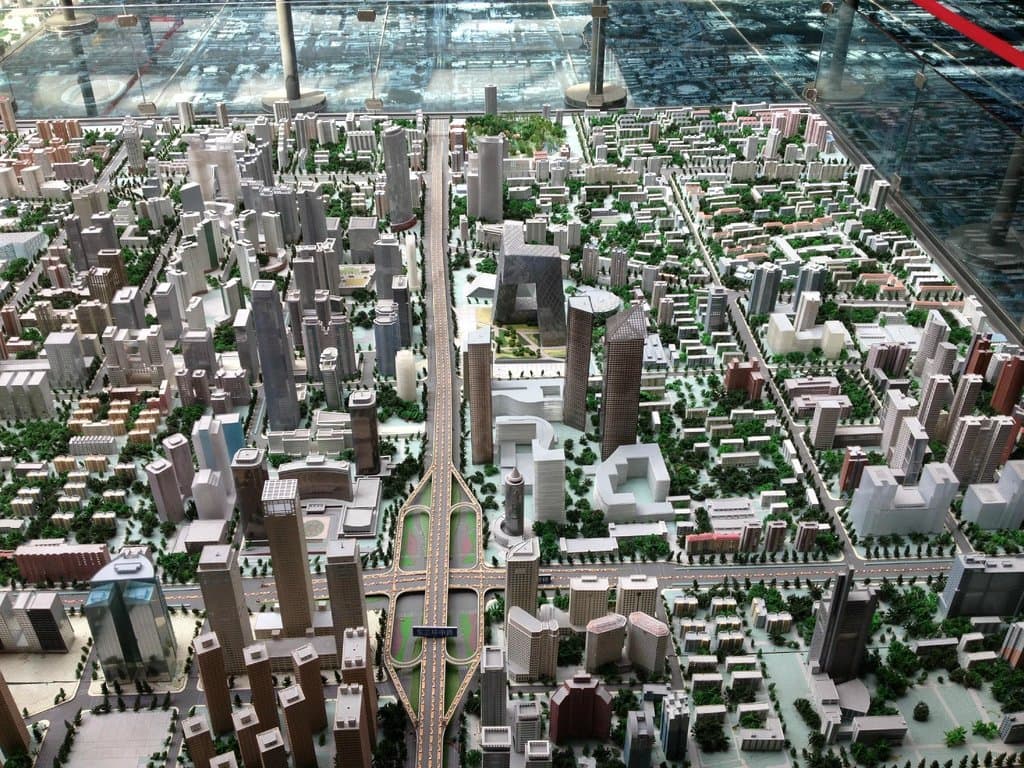
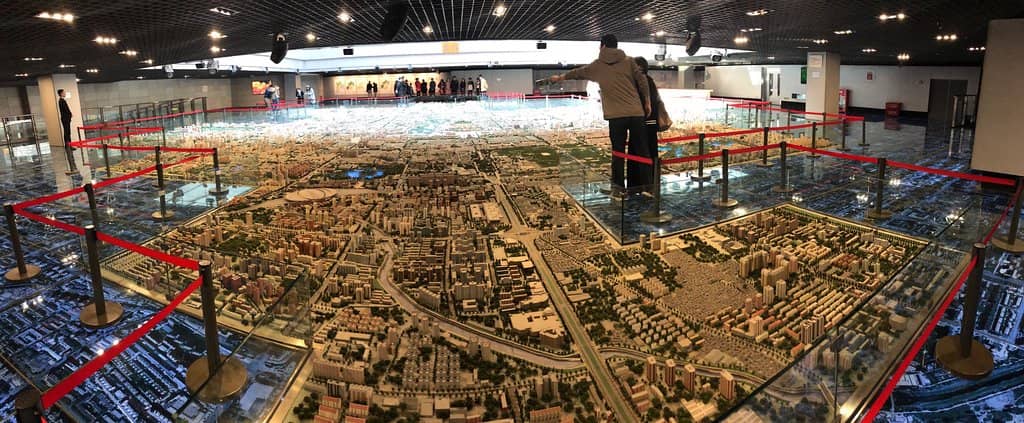
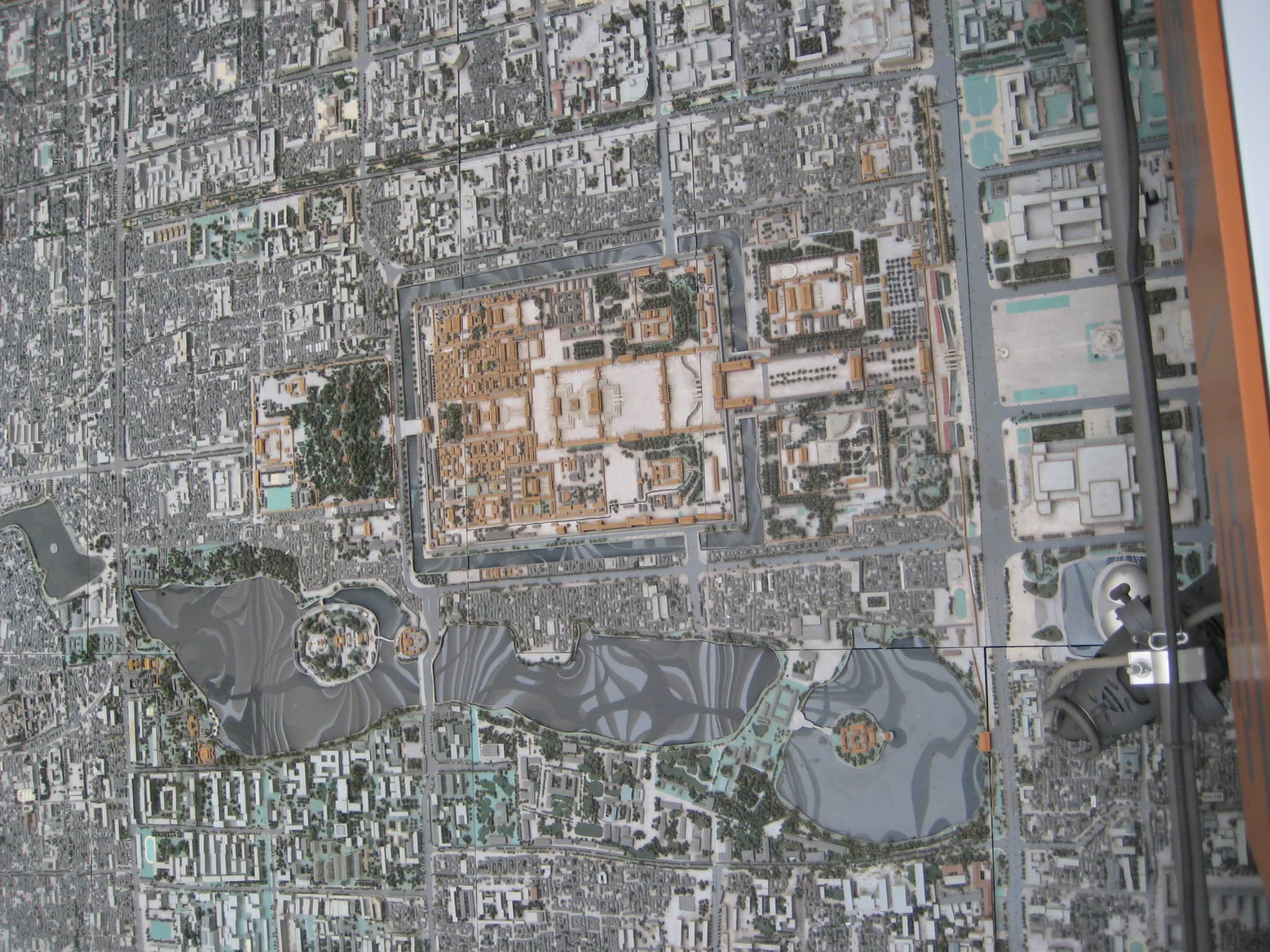
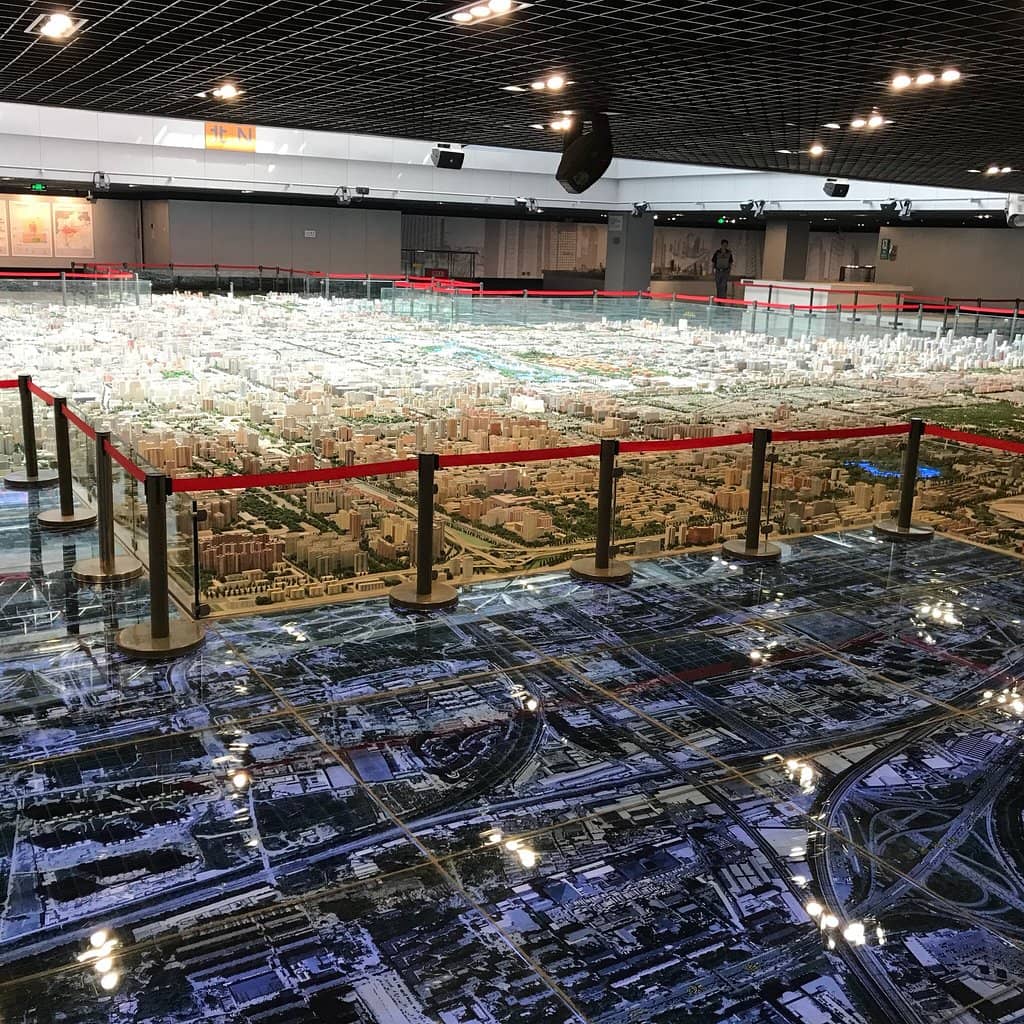
Massive 3D Scale Model of Beijing
Fourth Floor
A stunning, detailed 1:750 scale model showcasing central Beijing's urban landscape and future plans.
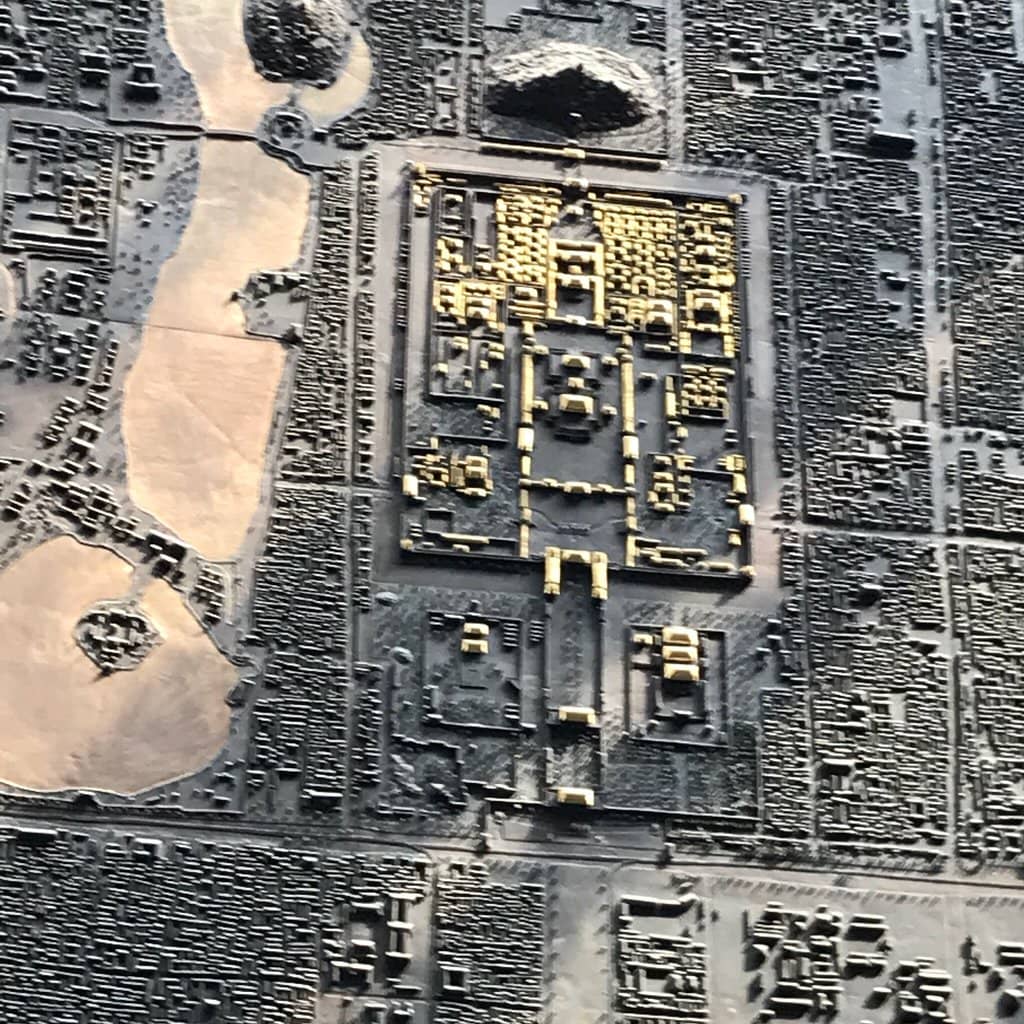
Bronze Sculpture of Beijing Gulf
First Floor
Illustrates Beijing's strategic location and historical trade routes with Mongolia.
Evolution of Transportation Display
Various Floors
Visualizations showing how Beijing's transport has transformed, from ancient methods to modern high-speed trains.
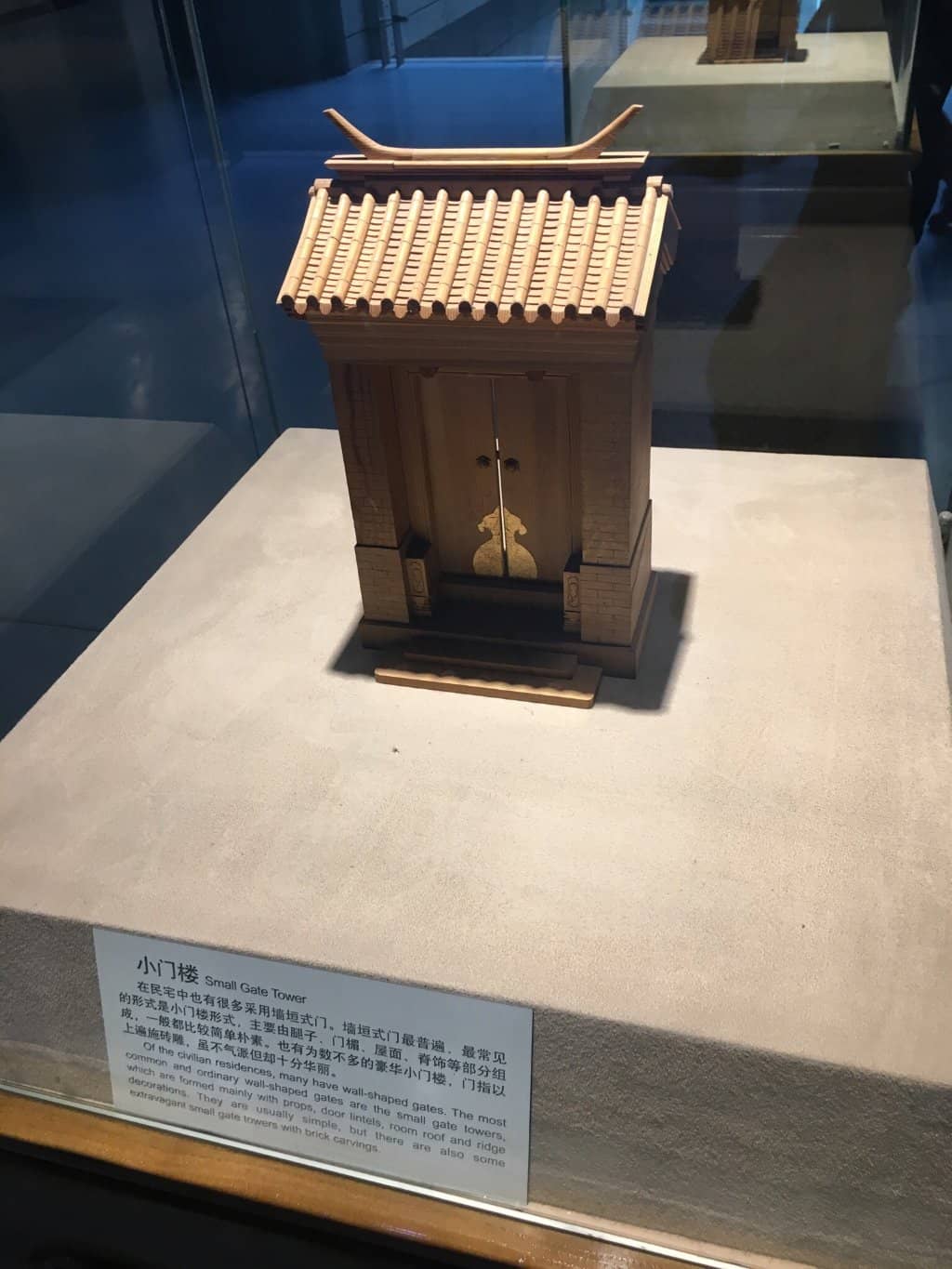
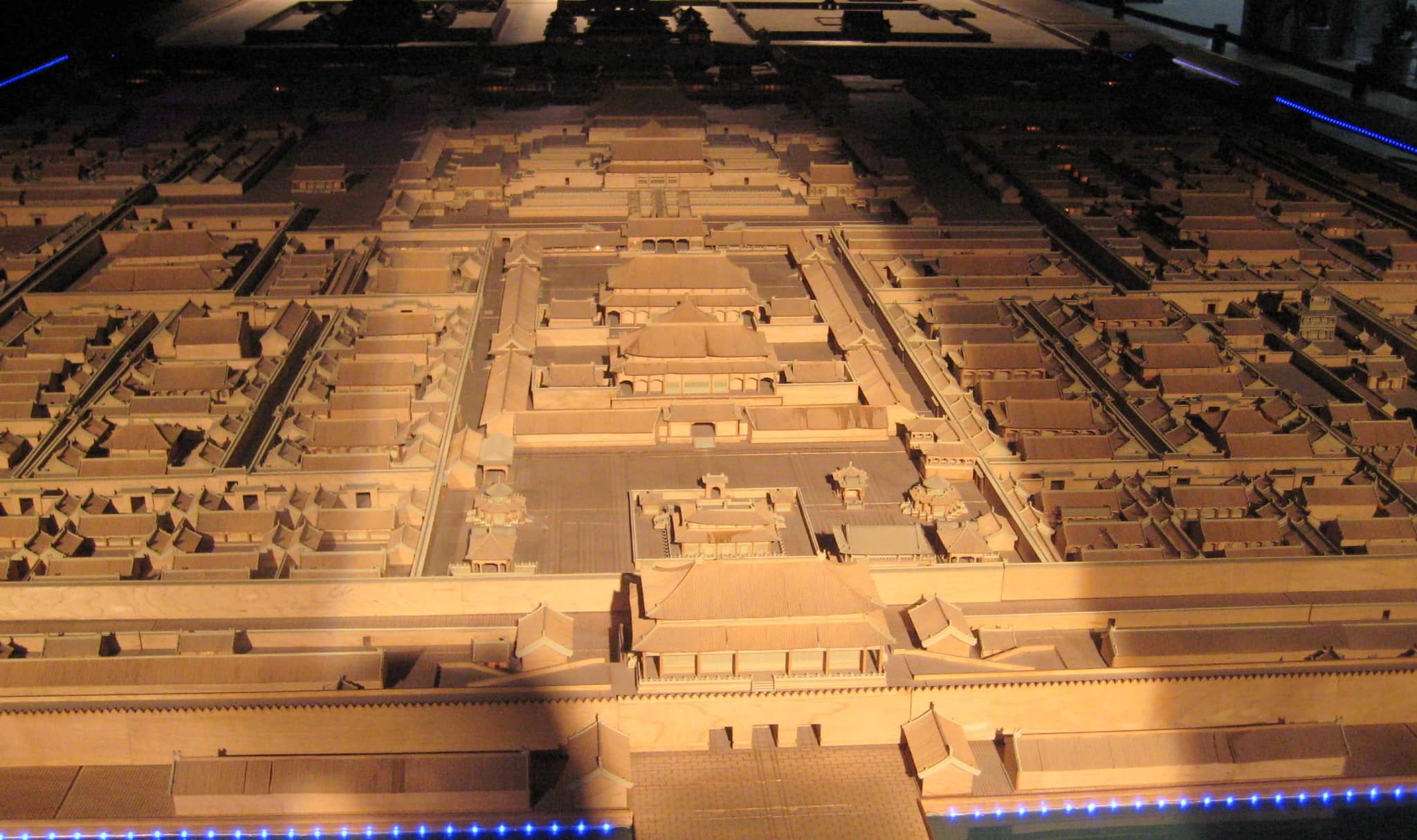
Forbidden City Wooden Model
Third Floor
A detailed wooden model offering a unique perspective on the historical imperial palace complex.
Plans like a pro.
Thinks like you
Planning Your Visit
Navigating Security & Entry
Language & Exhibits
Best Times
Insider Tips
from TikTok, Instagram & Reddit
🛂 Passport is a Must!
Carry your passport for security checks near Tiananmen Square and museum entry.
⏰ Arrive Before 4 PM
Last admission is one hour before closing. Plan your visit accordingly.
📚 Focus on Visuals
Exhibits are mostly in Chinese; rely on the impressive models and visual displays.
🚇 Easy Subway Access
Take Line 2 to Qianmen East Station, Exit B. It's a short walk from there.
Tips
from all over the internet
🛂 Passport is a Must!
Carry your passport for security checks near Tiananmen Square and museum entry.
⏰ Arrive Before 4 PM
Last admission is one hour before closing. Plan your visit accordingly.
📚 Focus on Visuals
Exhibits are mostly in Chinese; rely on the impressive models and visual displays.
🚇 Easy Subway Access
Take Line 2 to Qianmen East Station, Exit B. It's a short walk from there.
📅 Closed on Mondays
The exhibition hall is closed on Mondays. Check operating hours for other days.
What Travellers Say
Reviews Summary
Visitors find the Beijing Urban Planning Exhibition Hall impressive, particularly its modern design and the detailed city models. However, the exhibits are predominantly in Chinese, which can be a barrier for non-speakers. While entry is free, some feel the displays lack depth and could benefit from more factual context and updated presentations.
"Cool museum in Chinese only. Main thing to see is the detailed model of the city on the 3rd floor. Last entry 1 hr before closing time. Free entry, no reservations needed. There's many secuirty stops nearby so make sure you have your passport."
Josiah Wadsack
"Fascinating visit of this impressive modern designed building with exhibition spaces spread over 4 floors. The exhibits are in Chinese but some have English text too (surprisingly in American English and not British English!).
I found the following of most interest : 1. the bronze sculpture of Beijing Gulf which shows the strategic importance of Beijing's location close to the mountains which provided a trading link with Mongolia. 2. Beijing's Master Plan 3. The wooden model of the Forbidden City. 4. The huge 3D scale model of central Beijing.
You have to show your passport to the Security roadblock just before the Museum as it's close to the main pedestrian route to Tiananmen Square."
Mark Auchincloss
"Close on Mondays
Open : Tuesday to Sunday 9 am to 5 pm (no admission after 4 pm)
Admission : 🆓 (registration required)
Subway : Qianmen East Station Line 2"
L Chan
What People Like
What People Dislike
Frequently Asked Questions
🚇 🗺️ Getting There
The easiest way is by subway. Take Line 2 to Qianmen East Station and use Exit B. The exhibition hall is a short 150m walk from there.
Yes, the Beijing Urban Planning Exhibition Hall is located in the southeast corner of Tiananmen Square. Be aware of security checkpoints in the vicinity.
The exhibition is open Tuesday to Sunday from 9 am to 5 pm. Admission is not allowed after 4 pm. It is closed on Mondays.
No reservations are needed for entry, but registration is required. It's free admission.
If coming from the Tiananmen Square area, be prepared for security checks. Having your passport handy is recommended.
🎫 🎫 Tickets & Entry
No, admission is free. However, you will need to register upon arrival.
The last entry is permitted one hour before closing time, so plan to arrive by 4 pm.
Yes, you will need to show your passport to security personnel at roadblocks near the museum, especially if approaching from the Tiananmen Square direction.
The building is modern and spread over four floors, suggesting accessibility features. However, specific details on accessibility should be confirmed on-site or via official channels.
The exhibition hall is a popular spot for both individual visitors and groups. While no reservations are strictly required, large groups might benefit from contacting the venue in advance.
🎫 🏛️ Onsite Experience
Key attractions include a detailed 1:750 scale model of central Beijing, a bronze sculpture of the Beijing Gulf, and exhibits on the city's master plan and the evolution of transportation.
Most exhibits are in Chinese. Some have English text, but it can be limited. The visual displays and models are generally understandable without language proficiency.
A visit can take anywhere from 1 to 3 hours, depending on your interest in the exhibits and the time spent admiring the large-scale models.
Information about a gift shop or cafe is not readily available in reviews. It's advisable to check on-site or official listings for current amenities.
The Shijia Hutong Museum is a separate, smaller museum focused on the history of a specific hutong, offering a more intimate look at traditional Beijing life. It's often mentioned alongside general hutong exploration. +1
📸 📸 Photography
Photography is generally allowed, but it's always best to check for any specific restrictions on certain exhibits or displays. Tripods and professional equipment might be restricted.
The large 3D scale model of Beijing is a popular spot for photos. The architectural design of the building itself also offers good photographic opportunities.
Drones are strictly prohibited in and around sensitive areas like Tiananmen Square and major exhibition halls. Always adhere to local regulations.
It's advisable not to photograph security personnel or checkpoints due to security regulations. Focus on the exhibits and the building's architecture.
A camera with a good zoom lens would be beneficial for capturing details on the large-scale models. A wide-angle lens can help capture the overall scope of the exhibition space.
Social
from TikTok, Instagram & Reddit